
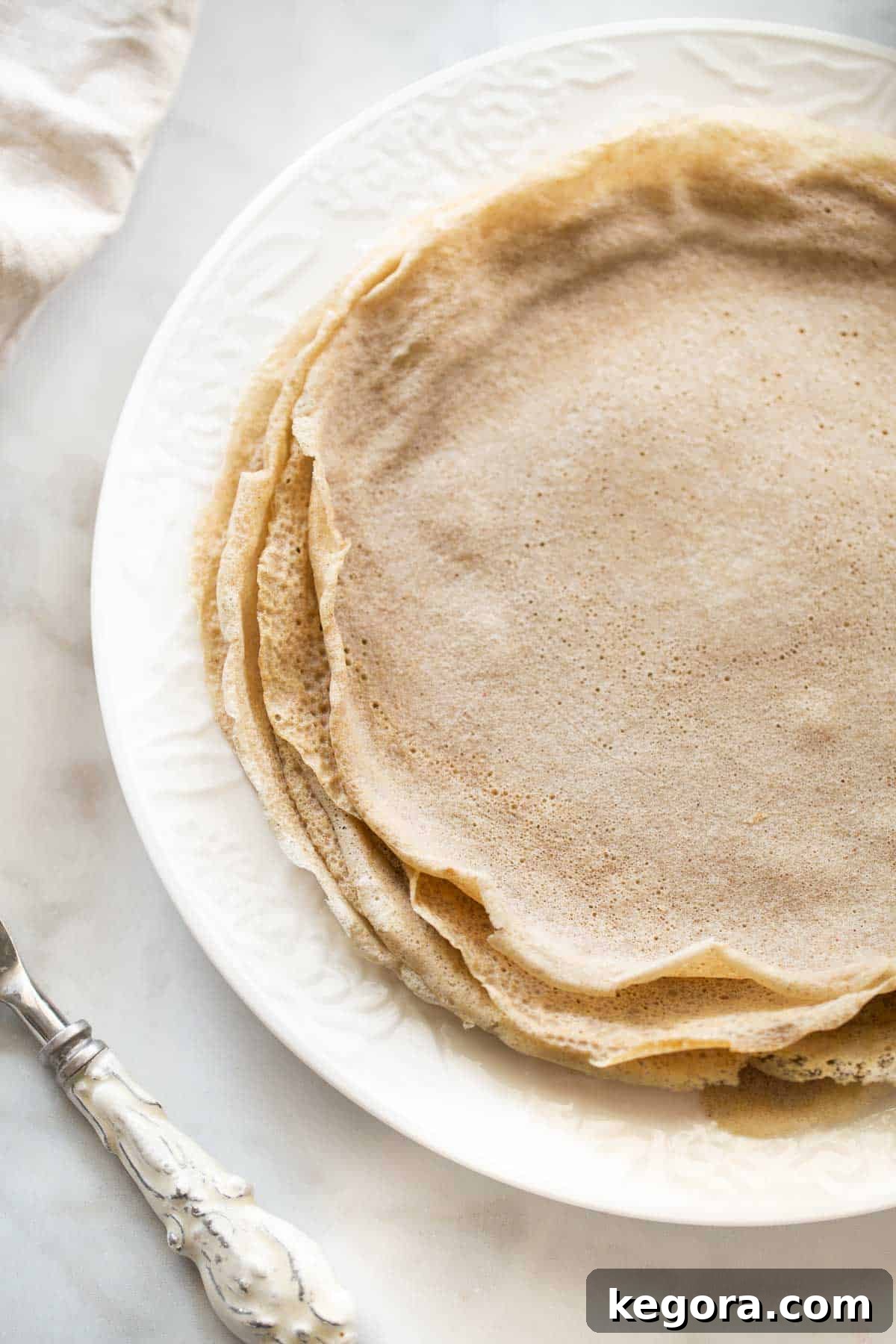
Imagine a breakfast that’s not only incredibly delicious and satisfying but also naturally gluten-free, wholesome, and surprisingly easy to make. These aren’t just any crepes; these are the best 100% buckwheat crepes you’ll ever taste! A simple, foolproof recipe perfect for a special weekend brunch or a quick weekday treat, these crepes will quickly become a cherished staple in your home.
The Ultimate Guide to Easy & Wholesome Gluten-Free Buckwheat Crepes
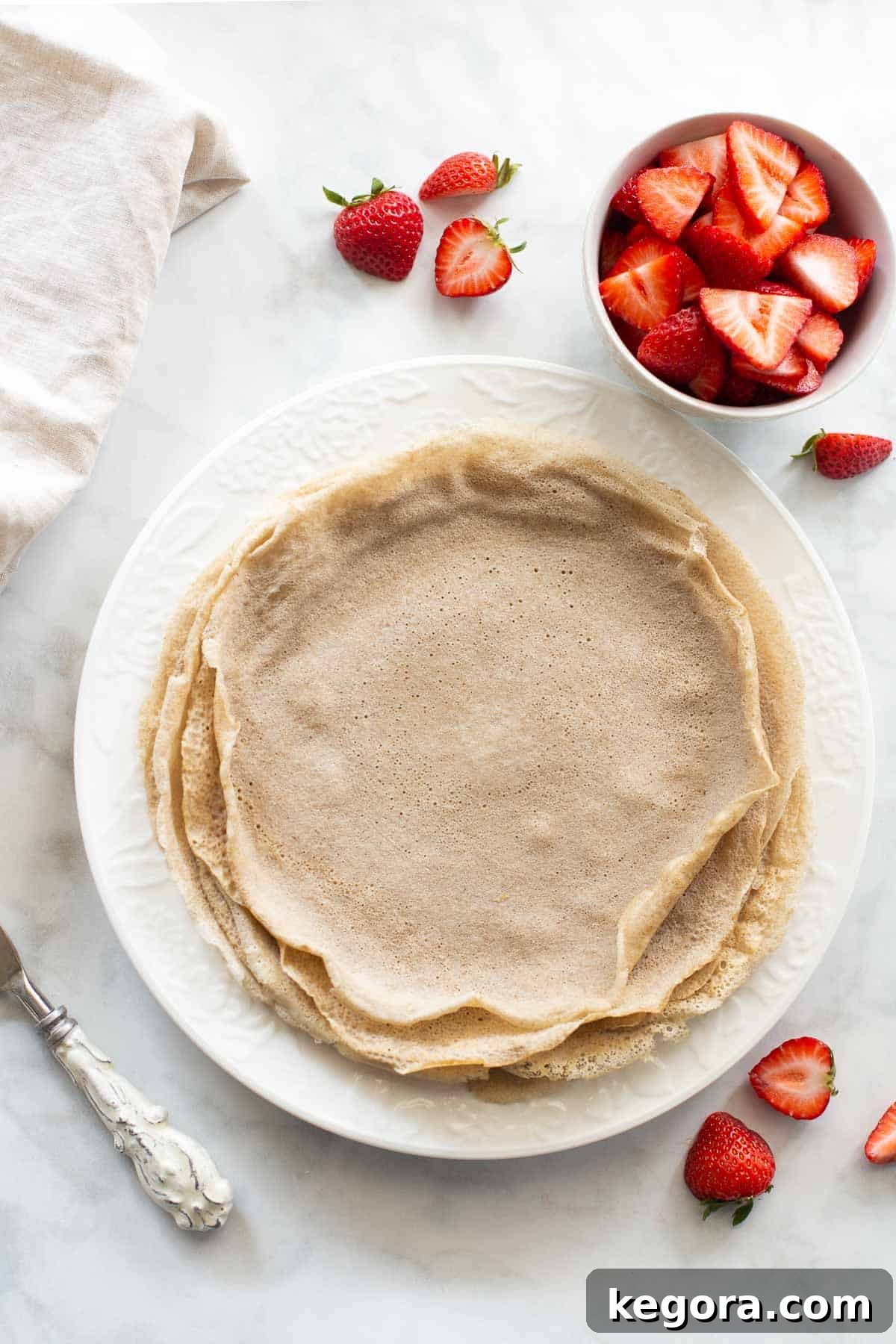
While my gluten-free website features hundreds of recipes, this particular buckwheat crepe recipe stands out as one of our most frequently prepared dishes. We whip up a batch of these delectable crepes two to three times a month, and my family simply can’t get enough. They are a beloved breakfast tradition at our house, cherished for their versatility and incredible flavor.
These naturally gluten-free crepes are not only simple to prepare but also wonderfully sturdy and easy to flip, ensuring a stress-free cooking experience. Their wholesome goodness makes them perfect with a wide array of fillings, whether you prefer sweet or savory options. Prepare to make this your new go-to crepe recipe!
Why You’ll Fall in Love with These Buckwheat Crepes:
- Effortlessly Easy: Forget complicated techniques! All you need is a blender to create the smooth, consistent batter. The crepes themselves are incredibly forgiving, sturdy, and a breeze to flip, making them ideal for both seasoned cooks and beginners.
- Wholesome & Nutritious: Crafted with 100% buckwheat flour, these crepes offer a healthier alternative to traditional versions. Buckwheat is a powerhouse of nutrients, including fiber, protein, and essential minerals, making these crepes a nourishing choice for any meal.
- Deliciously Versatile: Whether your palate craves something sweet or savory, these buckwheat crepes deliver. We often enjoy them sweet with a dollop of butter and a sprinkle of coconut sugar, or decadent chocolate hazelnut spread with fresh strawberries. For a savory twist, they pair perfectly with fillings like ham and melted cheese, offering endless culinary possibilities.
- Naturally Gluten-Free: For those managing gluten sensitivities or simply seeking gluten-free options, buckwheat is a fantastic grain-free alternative. Despite its name, buckwheat is not related to wheat and is entirely gluten-free, making these crepes safe and enjoyable for everyone.
- Foolproof & Sturdy: The unique properties of buckwheat flour contribute to a remarkably elastic and resilient crepe batter. This means your crepes will hold together beautifully, resisting tearing and making the cooking process smooth and enjoyable.
If these delicious buckwheat crepes capture your heart, be sure to explore more of my best-ever recipes. Discover the perfect gluten-free buttermilk pancakes and classic gluten-free crepes. For a broader selection, dive into my full collection of gluten-free breakfast recipes, designed to delight and nourish.
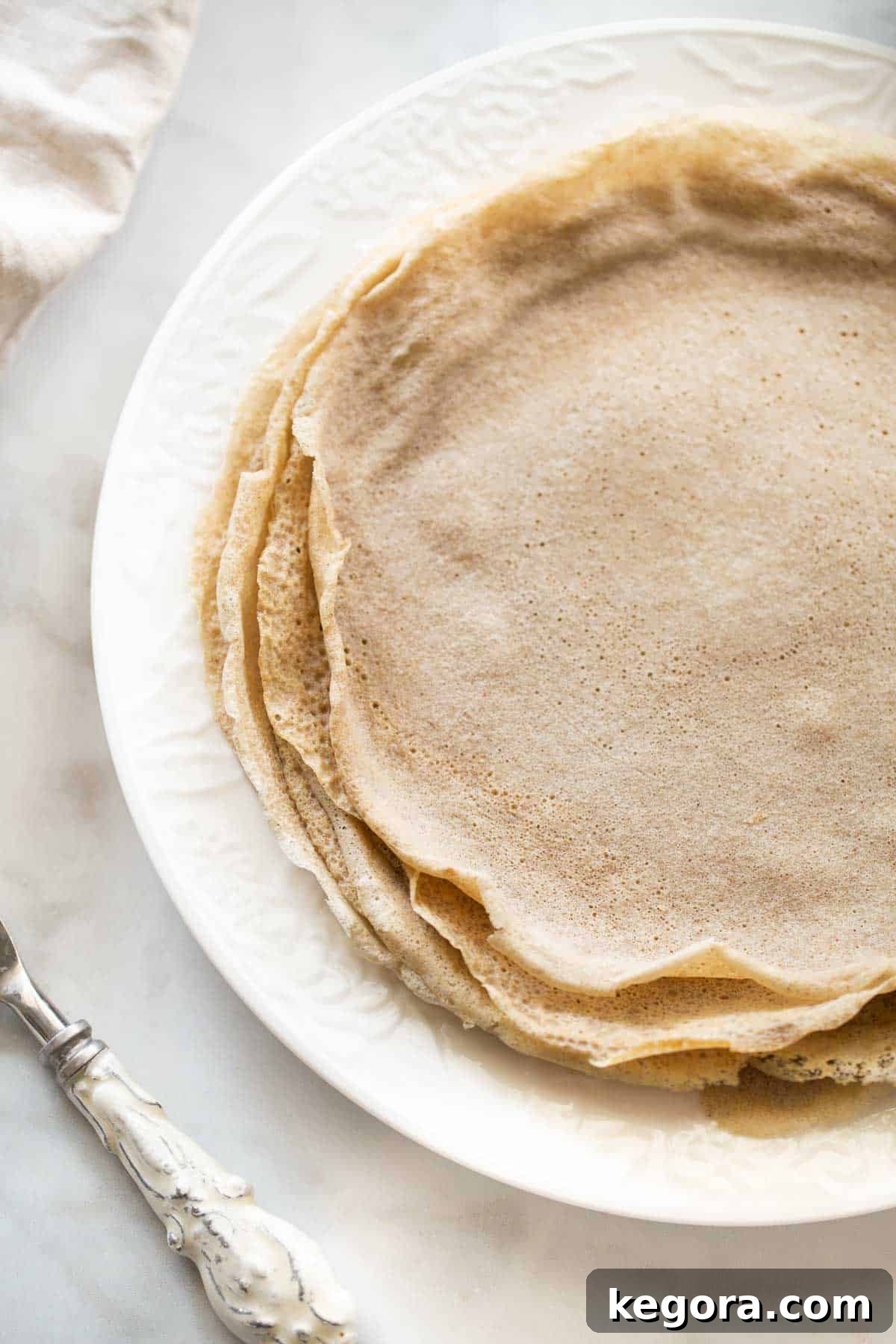
Mastering Buckwheat Crepes: A Step-by-Step Guide
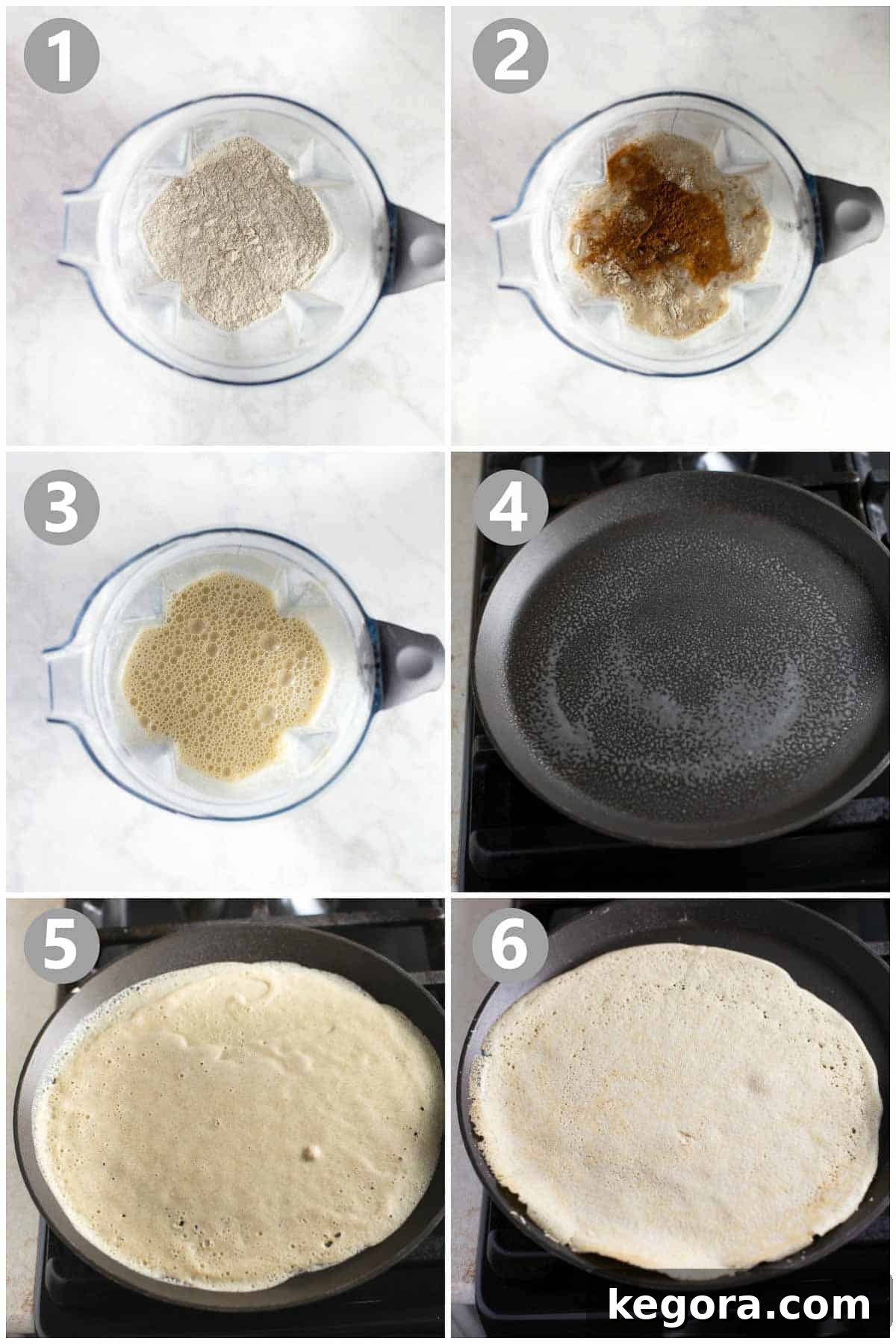
Follow these detailed steps to create flawless buckwheat crepes.
- Prepare Your Buckwheat Flour: For the freshest flavor and best results, I highly recommend using raw buckwheat groats and grinding them yourself. Place 1 cup of raw buckwheat groats into a high-speed blender. Blend until the groats are very finely ground into a flour-like consistency. You might need to pause and stir or shake the blender container a few times to ensure even grinding. If you’re using pre-packaged buckwheat flour, simply measure out 1 cup plus 2 tablespoons directly into your blender.
- Combine Remaining Ingredients: To the blender with your freshly ground (or pre-packaged) buckwheat flour, add the six eggs, 1 1/3 cups of unsweetened almond milk, and 1/2 teaspoon of salt. If you’re making sweet crepes, also add 2 tablespoons of maple syrup (or granulated sugar) and 2 teaspoons of vanilla extract. For savory crepes, omit the sweetener and vanilla.
- Blend Until Smooth: Secure the lid on your blender and blend all the ingredients together until the batter is completely smooth and free of lumps. This usually takes about 30-60 seconds, depending on your blender. The batter should have a pourable, slightly thin consistency.
- Heat Your Crepe Pan: Place a non-stick crepe pan (my favorite is a quality non-stick pan with low sides for easy flipping) over medium-high heat. Allow it to heat thoroughly. Once hot, lightly spray the pan with cooking spray or brush with a thin layer of oil.
- Pour & Swirl: For each crepe, pour about 1/4 cup of the batter into the center of the heated pan. Immediately tilt and swirl the pan in a circular motion with one hand to spread the batter thinly and evenly across the entire surface. The goal is a very thin layer.
- Cook to Perfection: Let the crepe cook on one side for 1-2 minutes, or until the edges begin to crisp and lift, and the surface appears set and slightly bubbly. Gently slide a spatula under the crepe, flip it over, and cook for another 30 seconds on the second side until lightly golden.
- Stack & Serve: As each crepe finishes cooking, transfer it to a plate and stack them. Continue this process with the remaining batter, remembering to lightly grease the pan between each crepe. Serve immediately with your favorite fillings and savor every bite!

Endless Delicious Possibilities: Buckwheat Crepe Fillings
Once you have a stack of beautifully cooked buckwheat crepes, the real fun begins: choosing your fillings! The mild, earthy, and slightly nutty flavor of buckwheat pairs wonderfully with an extensive range of ingredients, making these crepes incredibly versatile for any meal of the day.
We often gravitate towards sweet fillings for a delightful breakfast or dessert. A simple spread of butter and coconut sugar is always a hit, melting into a warm, comforting sweetness. For something more indulgent, chocolate hazelnut spread is a family favorite, especially when paired with fresh, vibrant strawberries or sliced bananas. You can also elevate your sweet crepes with whipped cream, berries, or a drizzle of maple syrup.
But don’t limit yourself to sweet! Buckwheat crepes shine just as brightly in savory applications. By simply omitting the sweetener and vanilla from the batter, you create a neutral canvas perfect for heartier fillings. The robust flavor of buckwheat complements savory ingredients beautifully.
Sweet Crepe Filling Ideas:
- Classic Butter & Coconut Sugar: Simple, comforting, and always delicious.
- Decadent Chocolate Hazelnut Spread: A rich and creamy indulgence.
- Fresh Strawberries & Whipped Cream: A light, airy, and fruity combination.
- Sliced Bananas & Chocolate Chips: A sweet and satisfying duo, especially when warm.
- Berries & Maple Syrup: Any mixed berries with a generous drizzle of pure maple syrup.
- Nut Butter & Honey: Almond butter or peanut butter with a touch of honey for natural sweetness.
- Cream Cheese & Fruit Compote: A tangy and sweet pairing.
Savory Crepe Filling Ideas:
- Ham & Gruyere Cheese: A classic French-inspired combination that’s incredibly satisfying.
- Scrambled Eggs & Shredded Potatoes: A hearty breakfast or brunch option.
- Spinach & Feta Cheese: A Mediterranean-inspired, fresh, and flavorful filling.
- Smoked Salmon & Cream Cheese: A sophisticated choice for brunch or a light meal.
- Mushrooms & Swiss Cheese: Earthy mushrooms with nutty Swiss cheese, perhaps with a hint of thyme.
- Chicken & Pesto: Shredded chicken with a vibrant pesto sauce for a light lunch.
- Roasted Vegetables & Goat Cheese: A vegetarian delight with seasonal roasted veggies.
Ready to dive deeper into the world of buckwheat? Explore my comprehensive collection of buckwheat recipes, or get all your questions answered with this informative article: Is Buckwheat Gluten-Free?
Pro Tips for Perfect Buckwheat Crepes Every Time
- The Fresh Flour Difference: For an unparalleled flavor and lighter color, I highly recommend buying raw buckwheat groats and grinding them into flour in your blender. This simple step makes a significant difference in the final taste and appearance of your crepes, imparting a delicate nuttiness without any bitterness.
- Using Packaged Buckwheat Flour: If grinding your own groats isn’t an option, fear not! Packaged buckwheat flour works perfectly well. Be aware that your crepes might turn out slightly darker and possess a slightly stronger, more earthy flavor, but they will still be absolutely delicious.
- Choosing Your Crepe Pan: A good crepe pan is a game-changer. My all-time favorite crepe pan has low sides and a non-stick surface, making it incredibly easy to pour, swirl, and flip. Lightly greasing the pan with cooking spray between each crepe is crucial for preventing sticking and ensuring a perfect release.
- Adjusting for Savory Crepes: To transform these into savory crepes, simply omit the maple syrup (or granulated sugar) and vanilla extract from the batter. You can even add a pinch of black pepper or herbs like chives or dill for an extra savory kick.
- Batter Consistency: The batter should be thin, similar to heavy cream, allowing it to spread easily across the pan. If your batter seems too thick after blending, add almond milk (or regular milk) one tablespoon at a time until the desired consistency is achieved.
- Resting the Batter: While not strictly necessary due to buckwheat’s elastic properties, letting the batter rest for 10-15 minutes at room temperature can help the flour fully hydrate, potentially resulting in even smoother crepes.
- Temperature Control is Key: Ensure your pan is adequately hot (medium-high heat) before pouring the batter. If the pan isn’t hot enough, the crepes will be pale and won’t cook evenly. If it’s too hot, they’ll burn quickly. Adjust the heat as needed throughout the cooking process.
- Flipping Technique: Use a thin, wide spatula for easy flipping. Wait until the edges are slightly dry and the bottom is golden before attempting to flip. A quick, confident motion is often best!
- Using Regular Milk: While the recipe calls for unsweetened almond milk to keep it dairy-free, regular cow’s milk can be substituted with excellent results. The flavor will be slightly richer.
Storage & Make-Ahead Strategies
- Make-Ahead Batter (Caution): I generally do not recommend preparing the crepe batter too far in advance, particularly overnight. Buckwheat flour has unique elastic properties, and if the batter sits in the refrigerator for an extended period, it can become overly thick and gummy, affecting the texture of your crepes. It’s best to blend the batter right before cooking.
- Storing Cooked Crepes: Leftover cooked crepes store beautifully! Allow them to cool completely at room temperature. Once cool, stack them with parchment paper in between each crepe to prevent sticking. Place them in an airtight container or a resealable bag and refrigerate for up to 3-4 days.
- Reheating Tips: To enjoy leftover crepes, simply reheat them gently. A quick 10-15 second warm-up in the microwave is usually sufficient to make them soft and pliable again. You can also briefly warm them in a lightly greased non-stick pan over low heat until heated through.
More Recipes Using Buckwheat:
If you’re now a buckwheat convert, you’ll love exploring these other fantastic recipes that harness the power and unique flavor of this incredible ingredient:
- Fluffy Buckwheat Pancakes
- Crispy Buckwheat Waffles
- Wholesome Buckwheat Morning Glory Muffins
- Chewy Buckwheat Chocolate Chip Cookies
- Gluten-Free Buckwheat Cinnamon Raisin Bagels
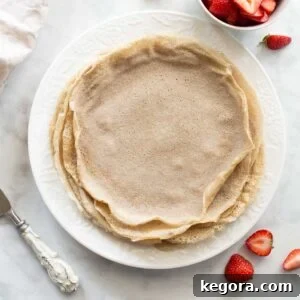
Easy, Gluten-Free Buckwheat Crepes
Erin Collins
15 mins
20 mins
35 mins
16 crepes
The BEST 100% buckwheat crepes! An easy, foolproof recipe for naturally gluten-free crepes made with buckwheat flour. They’re wholesome and delicious!
Comments
Print Recipe
Ingredients
For the Main Batter:
- 1 cup raw buckwheat groats (or 1 cup + 2 tablespoons buckwheat flour)
- 6 large eggs
- 1 1/3 cups unsweetened almond milk (or regular milk)
- 1/2 teaspoon salt
For Sweet Crepes (Optional):
- 2 tablespoons maple syrup or granulated sugar
- 2 teaspoons vanilla extract
Instructions
- Place the raw buckwheat groats in a high-speed blender jar. Blend until the groats are very finely ground into a flour. You may need to stir or shake the blender container a few times to ensure even grinding. If using pre-packaged buckwheat flour, proceed to the next step.
- Add the remaining batter ingredients (eggs, almond milk, salt, and optional sweetener/vanilla for sweet crepes) to the blender. Blend until the mixture is completely smooth and lump-free.
- Heat a non-stick crepe pan over medium-high heat. Lightly spray the pan with cooking spray before adding batter.
- Once the pan is hot, pour about 1/4 cup of batter into the center. Immediately tilt and swirl the pan with one hand to spread the batter thinly and evenly across the bottom.
- Cook for 1-2 minutes on one side, until the edges are set and lightly golden, and the surface appears dry. Gently flip the crepe with a thin spatula.
- Cook for another 30 seconds on the second side, until lightly browned.
- Transfer the cooked crepe to a plate. Continue with the remaining batter, lightly re-greasing the pan between each crepe. Stack the finished crepes and serve warm with your favorite fillings. Enjoy!
Recipe Notes
Freshly Ground Buckwheat: For the best flavor and color, I recommend buying raw buckwheat groats and grinding them into flour in your blender. This truly elevates the taste and texture of the crepes.
Packaged Buckwheat Flour: If using pre-packaged buckwheat flour, your crepes will still be delicious but may have a slightly darker color and a more pronounced earthy flavor.
Recommended Pan: This is my all-time favorite crepe pan! High-quality non-stick pans with low sides are ideal for making crepes.
For Savory Crepes: To make savory crepes, simply omit the maple syrup (or sugar) and vanilla extract from the batter. Consider adding a pinch of black pepper or dried herbs for extra flavor.
Milk Substitutions: While unsweetened almond milk is used here for a dairy-free option, regular cow’s milk can be used as a direct substitute.
Filling Ideas: Get creative! For sweet options, try butter and coconut sugar, chocolate hazelnut spread, whipped cream and strawberries, or chocolate and bananas. For savory, consider ham and Gruyere cheese, or scrambled eggs and shredded potatoes.
Nutrition Information (per crepe)
Calories: 71kcal | Carbohydrates: 9g | Protein: 3g | Fat: 2g | Cholesterol: 61mg | Sodium: 123mg | Potassium: 77mg | Fiber: 1g | Sugar: 1g | Vitamin A: 90IU | Calcium: 40mg | Iron: 0.5mg
All About Buckwheat: Your Questions Answered
Is Buckwheat Gluten-Free?
Yes, absolutely! Despite its misleading name, buckwheat is not related to wheat and is naturally 100% gluten-free. It’s actually a pseudocereal, botanically related to rhubarb and sorrel. This makes it an excellent grain-free alternative for those with celiac disease, gluten sensitivity, or anyone looking to reduce their gluten intake. I particularly love using buckwheat in gluten-free baking and cooking because its natural elastic properties provide excellent structure to baked goods, yielding a wonderfully satisfying texture in these crepes.
What Does Buckwheat Taste Like?
Buckwheat boasts a distinctive nutty flavor that can range from mild to quite earthy, depending on its form and preparation. I find that using raw buckwheat groats and grinding them fresh in my blender yields the best flavor profile for crepes—a delightful nuttiness without an overwhelming earthiness. This freshness makes a huge difference in both the taste and color of your finished crepes, resulting in a lighter, more delicate product.
However, if you can only find pre-packaged buckwheat flour, it will still produce delicious crepes. Just be aware that crepes made with pre-ground flour might turn out slightly darker and may have a stronger, more pronounced earthy taste. Both options are fantastic, but fresh is truly king for a subtle, superior flavor.
The Impressive Health Benefits of Buckwheat
Beyond its delicious taste and gluten-free status, buckwheat is a nutritional powerhouse. It’s packed with essential nutrients that contribute to overall well-being. Buckwheat is a good source of plant-based protein, making these crepes a more satisfying and nutritious meal compared to traditional versions. It’s also rich in dietary fiber, which aids in digestion, promotes gut health, and helps regulate blood sugar levels. Furthermore, buckwheat contains important minerals like magnesium, manganese, copper, and zinc, all vital for various bodily functions. Its antioxidant compounds, such as rutin, are known to support heart health and reduce inflammation. Incorporating buckwheat into your diet is a smart choice for a healthier lifestyle.
Sourcing Buckwheat Groats and Flour
Finding buckwheat groats or flour is easier than you might think! Raw buckwheat groats, which I highly recommend for grinding your own fresh flour, are readily available online through retailers like Amazon. Many health food stores and even larger grocery stores in the natural foods aisle also carry them. When purchasing, look for “raw” or “hulled” buckwheat groats. For pre-packaged buckwheat flour, check the baking aisle of your grocery store, health food stores, or online. Ensure it specifies “100% buckwheat flour” and is certified gluten-free if that is a dietary requirement.
Whether you’re new to the world of buckwheat or a long-time enthusiast, these crepes offer a simple, healthy, and incredibly satisfying way to enjoy this versatile ingredient. Their ease of preparation and adaptability to both sweet and savory cravings make them a perfect addition to any recipe repertoire. So, go ahead, gather your ingredients, fire up your blender, and treat yourself to the delightful experience of homemade buckwheat crepes!
Originally published March 2014 – POST UPDATED January 2024.