
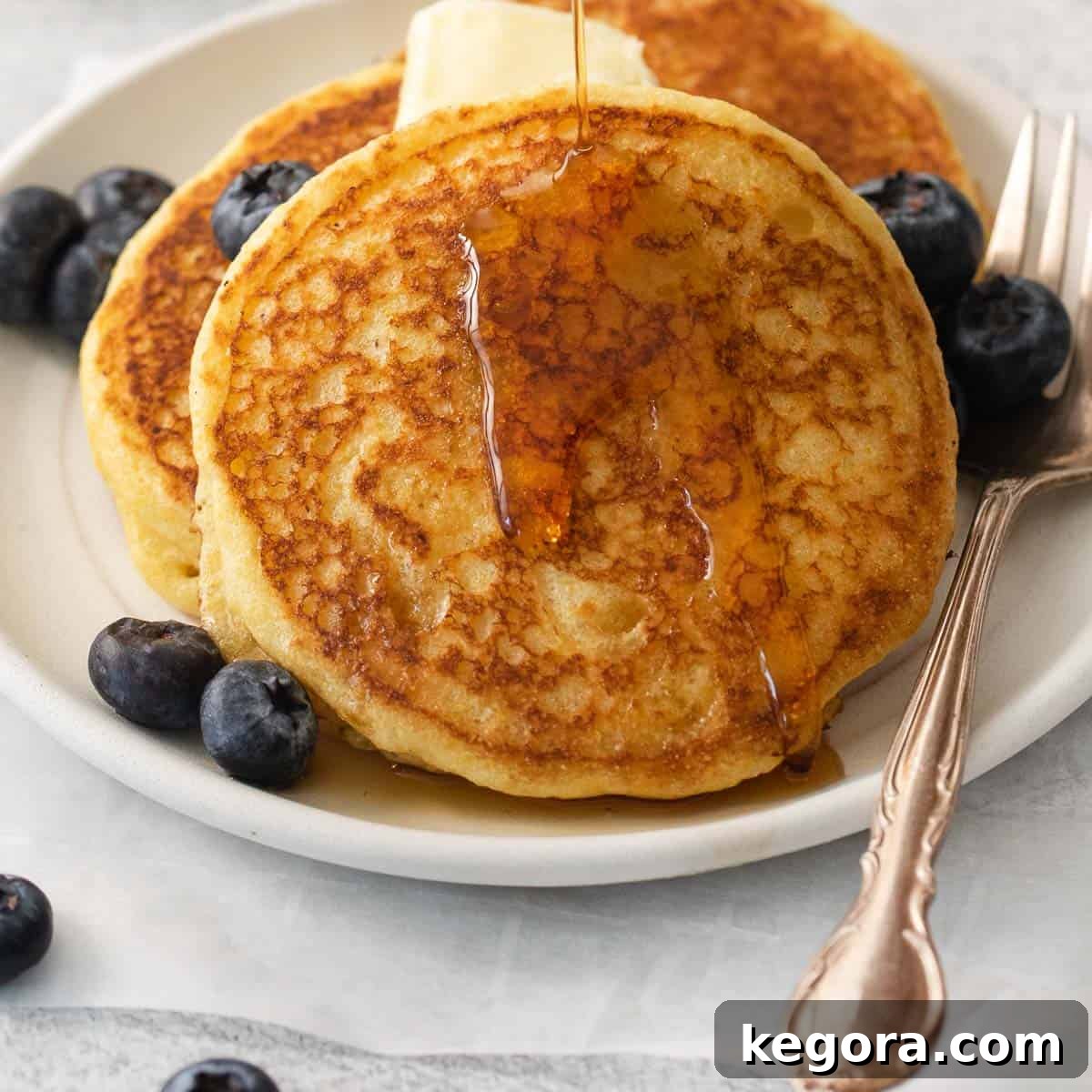
Fluffy Gluten-Free Cornmeal Pancakes with Sour Cream & Buttermilk
Elevate your breakfast game with these incredibly moist, light, and fluffy cornmeal pancakes! Crafted with a delightful blend of sour cream and buttermilk, they offer a perfect, naturally gluten-free alternative to traditional pancakes, promising a truly satisfying start to your day.
Are you searching for an easy-to-follow recipe that delivers the ultimate cornmeal pancake experience? Look no further! This comprehensive guide will walk you through creating the best pancakes for any occasion, from a simple weekend breakfast to a festive holiday brunch. Prepare to impress your family and friends with this unique twist on a classic comfort food.
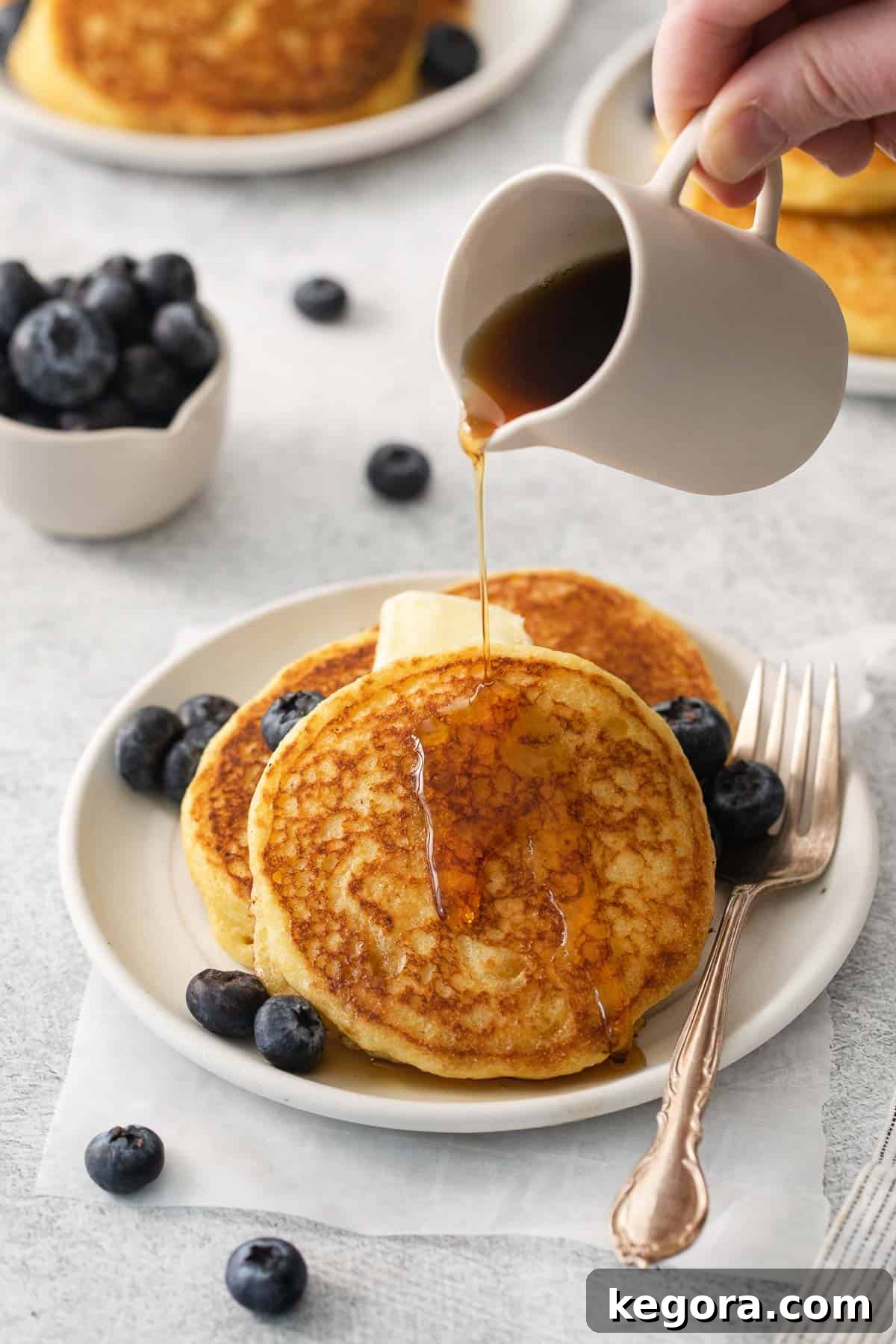
My culinary journey with pancakes has always been an adventurous one. While I adore classic pancakes, there’s something truly special about these cornmeal pancakes. Their unique flavor profile and wonderfully tender texture offer an unexpected yet delightful departure from your typical breakfast fare. It’s a recipe that has earned its place as a cherished family tradition.
I have fond childhood memories of my dad preparing cornmeal sour cream pancakes for almost every holiday gathering. These weren’t just any pancakes; they were a staple, even gracing our Christmas morning table for many years. Now, as an adult, I’ve perfected a gluten-free version of these beloved cornbread pancakes, ensuring everyone can enjoy this special treat.
The secret to their exquisite flavor and impeccable texture lies in the combination of finely ground cornmeal and a thoughtfully crafted gluten-free flour blend. This specific blend, often comprising almond flour, buckwheat flour, potato starch, and arrowroot powder, works in harmony with the cornmeal to create a pancake that is both robust and incredibly delicate. Whether you adhere to a gluten-free diet or not, these pancakes are guaranteed to be a hit with the entire family, appealing to every palate with their comforting taste and satisfying mouthfeel.
Why You’ll Fall in Love with This Cornmeal Pancake Recipe
These aren’t just any pancakes; they’re a revelation! Here’s why this recipe will become a treasured favorite in your home:
- Effortlessly Simple: Despite their gourmet taste, these pancakes are surprisingly easy to whip up, perfect for busy mornings or relaxed weekends.
- Unrivaled Light and Fluffy Texture: Thanks to the magic of buttermilk and sour cream, each bite is incredibly soft, moist, and airy, never dense or heavy.
- Distinctive Cornmeal Flavor: The cornmeal adds a subtle sweetness and a pleasant, rustic texture that elevates these pancakes beyond the ordinary. It’s a flavor that is both comforting and unique.
- Ideal for Special Occasions: While simple enough for any day, their impressive taste and texture make them a fantastic choice for holiday breakfasts, brunches, or when you simply want to make a morning feel extraordinary.
- Naturally Gluten-Free: Formulated with gluten-free ingredients, this recipe ensures everyone can enjoy these delicious pancakes without compromising on taste or texture.
- A Versatile Canvas: These pancakes serve as a perfect base for a myriad of toppings, allowing you to customize each serving to individual preferences.
Essential Ingredients for Your Fluffy Cornmeal Pancakes
Crafting the perfect batch of cornmeal pancakes starts with the right ingredients. Each component plays a vital role in achieving that signature moist, light, and flavorful result. Here’s a detailed look at what you’ll need:
The Dry Mix: Foundation of Flavor and Texture
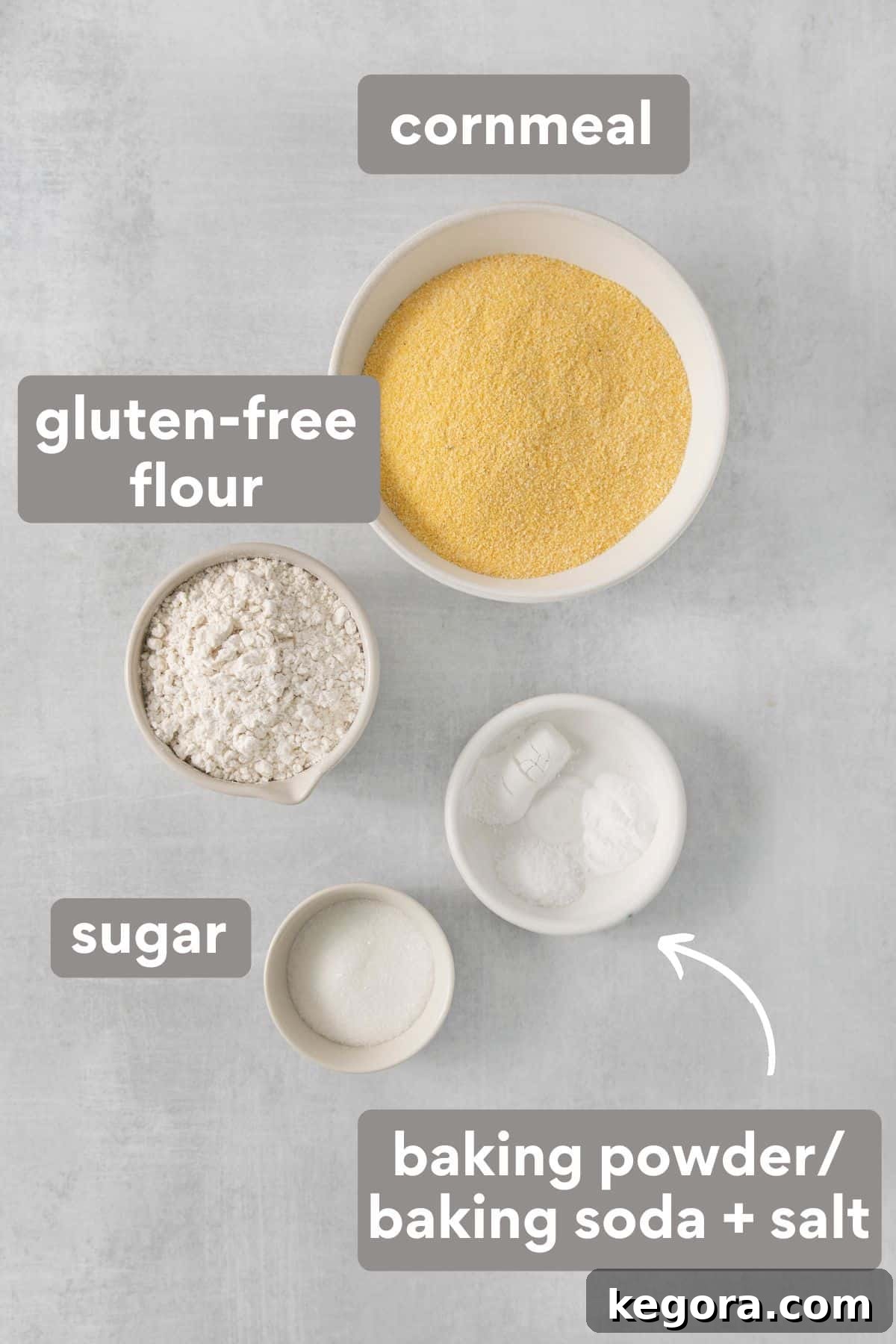
- Cornmeal: The star of the show! For the best results, use yellow cornmeal that is clearly labeled gluten-free to avoid cross-contamination. I personally prefer a fine-ground cornmeal, such as that from Arrowhead Mills, as it contributes to a smoother, more tender pancake. However, a slightly coarser grind, like Bob’s Red Mill, will also work and can add a pleasant, subtle texture. The cornmeal provides a distinctive sweet, earthy flavor and a delicate grittiness that makes these pancakes so unique.
- Gluten-Free Flour Blend: This is crucial for structure and tenderness. Opt for a high-quality 1:1 gluten-free baking flour blend that already contains xanthan gum. Xanthan gum is a vital ingredient in gluten-free baking, acting as a binder and helping to provide elasticity and structure that gluten would typically offer. Without it, your pancakes might be crumbly. Look for blends designed for “1:1” substitution to ensure consistent results.
- Granulated Sugar: Just a touch of sugar enhances the natural sweetness of the cornmeal and aids in achieving that beautiful golden-brown exterior. Domino granulated sugar is a reliable choice, offering consistent sweetness without overwhelming the cornmeal’s natural flavor.
- Baking Powder + Baking Soda: These are your leavening agents, working in tandem to create those coveted light and fluffy pancakes. Baking soda reacts with the acid in the buttermilk, producing carbon dioxide bubbles, while baking powder provides an extra lift, ensuring a tall, airy structure. Using both ensures maximum rise and tenderness.
- Fine Sea Salt: A small amount of salt is essential for balancing the sweetness and enhancing the overall flavor profile of the pancakes. It brings out the subtle nuances of the cornmeal and other ingredients, preventing the pancakes from tasting flat.
The Wet Wonders: Creating Moisture and Richness
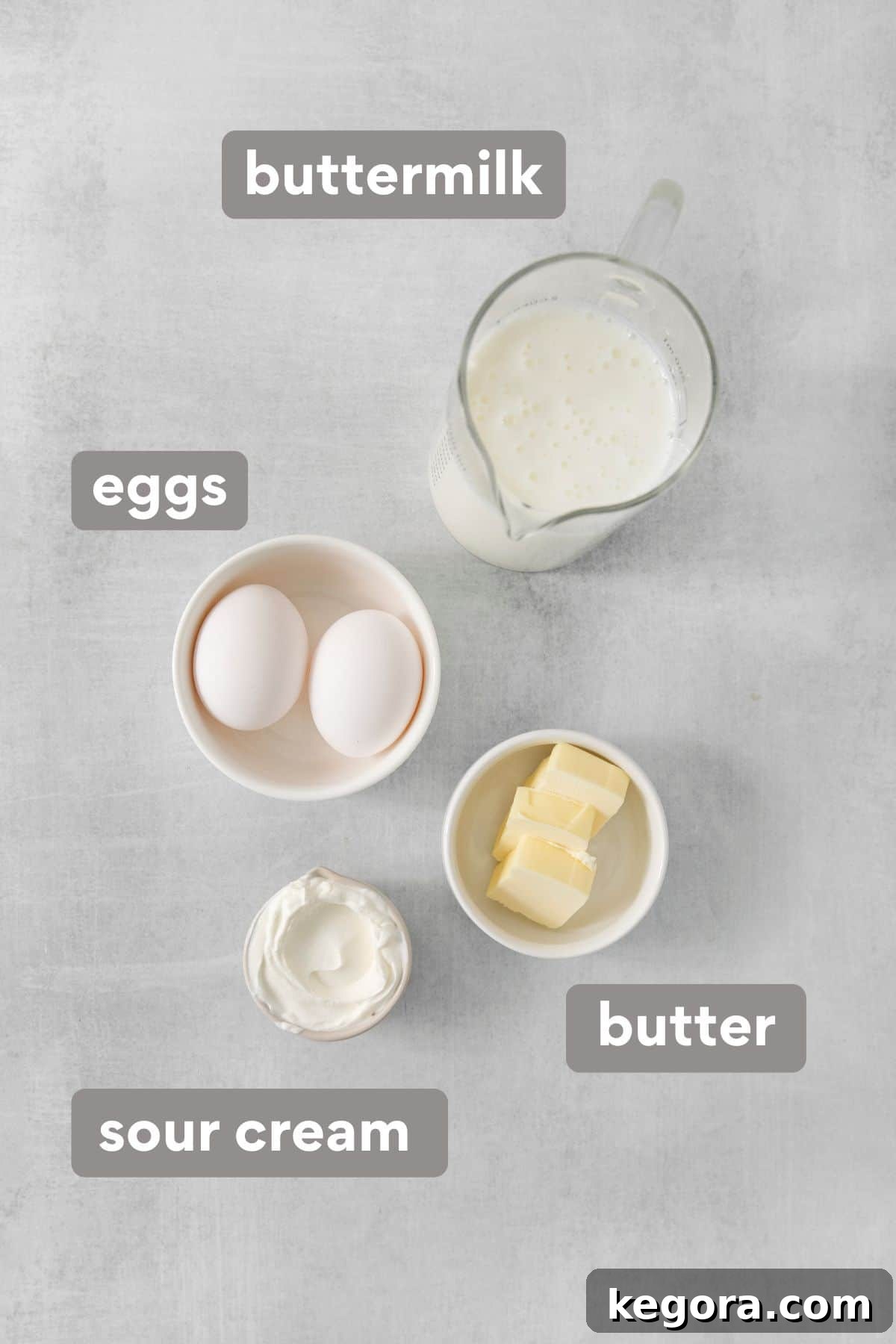
- Buttermilk: A non-negotiable ingredient for truly light and fluffy pancakes! The lactic acid in buttermilk reacts with the baking soda and baking powder, creating numerous air bubbles that expand during cooking, resulting in an incredibly tender crumb and a lofty rise. If you don’t have buttermilk on hand, don’t fret! You can easily make a homemade substitute: simply add one tablespoon of white vinegar or lemon juice to a measuring cup, then fill the rest of the cup with regular milk (dairy or non-dairy, though dairy works best for this recipe) until it reaches one cup. Let it sit for 5-10 minutes until it visibly curdles and sours.
- Large Eggs: Two large eggs serve as a crucial binding agent, helping to hold the batter together and providing structure. They also contribute to the overall richness and moisture of the pancakes. For optimal mixing and a smoother batter, it’s best to use room temperature eggs. You can achieve this quickly by placing cold eggs in a bowl of warm water for 5-10 minutes.
- Melted Butter: I always recommend using salted butter in baking as it adds a wonderful depth of flavor that unsalted butter often lacks. Melted butter not only enriches the taste but also contributes to the tender texture of the pancakes, ensuring they are moist and decadent.
- Full-Fat Sour Cream: This ingredient is a game-changer for richness and moisture. Full-fat sour cream imparts an incredible creamy texture and a subtle tang that complements the cornmeal beautifully. It makes the pancakes exceptionally tender and gives them a luxurious mouthfeel. Avoid low-fat versions, as they may alter the texture and flavor.
Step-by-Step Guide to Crafting Perfect Cornmeal Pancakes
Making these delightful cornmeal pancakes is a straightforward process. Follow these steps for an irresistible breakfast:
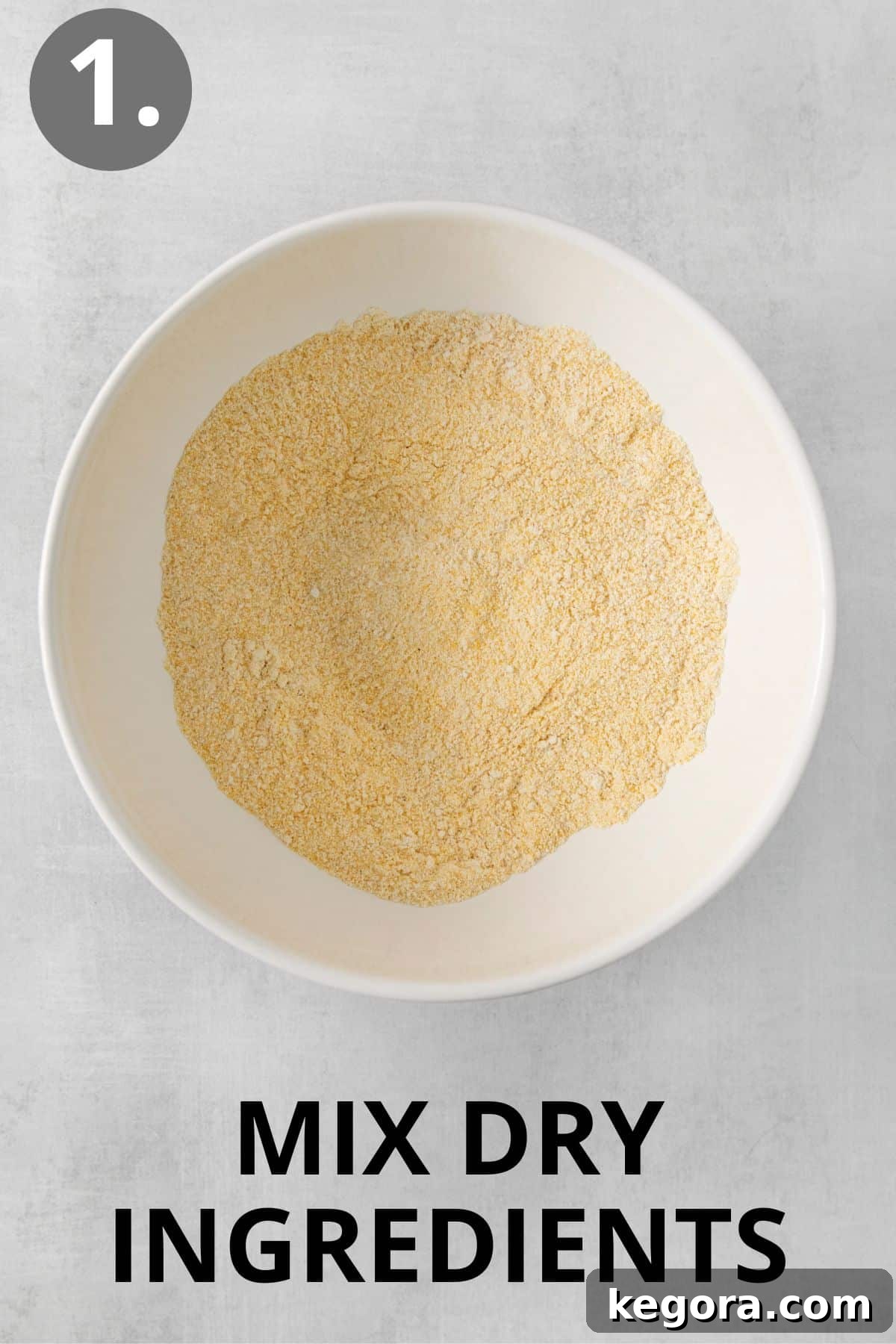
- Combine Dry Ingredients: In a large mixing bowl, thoroughly whisk together the cornmeal, gluten-free flour blend, granulated sugar, baking powder, baking soda, and fine sea salt. Ensure there are no lumps and that all ingredients are evenly distributed. This step is crucial for consistent leavening throughout the batter.
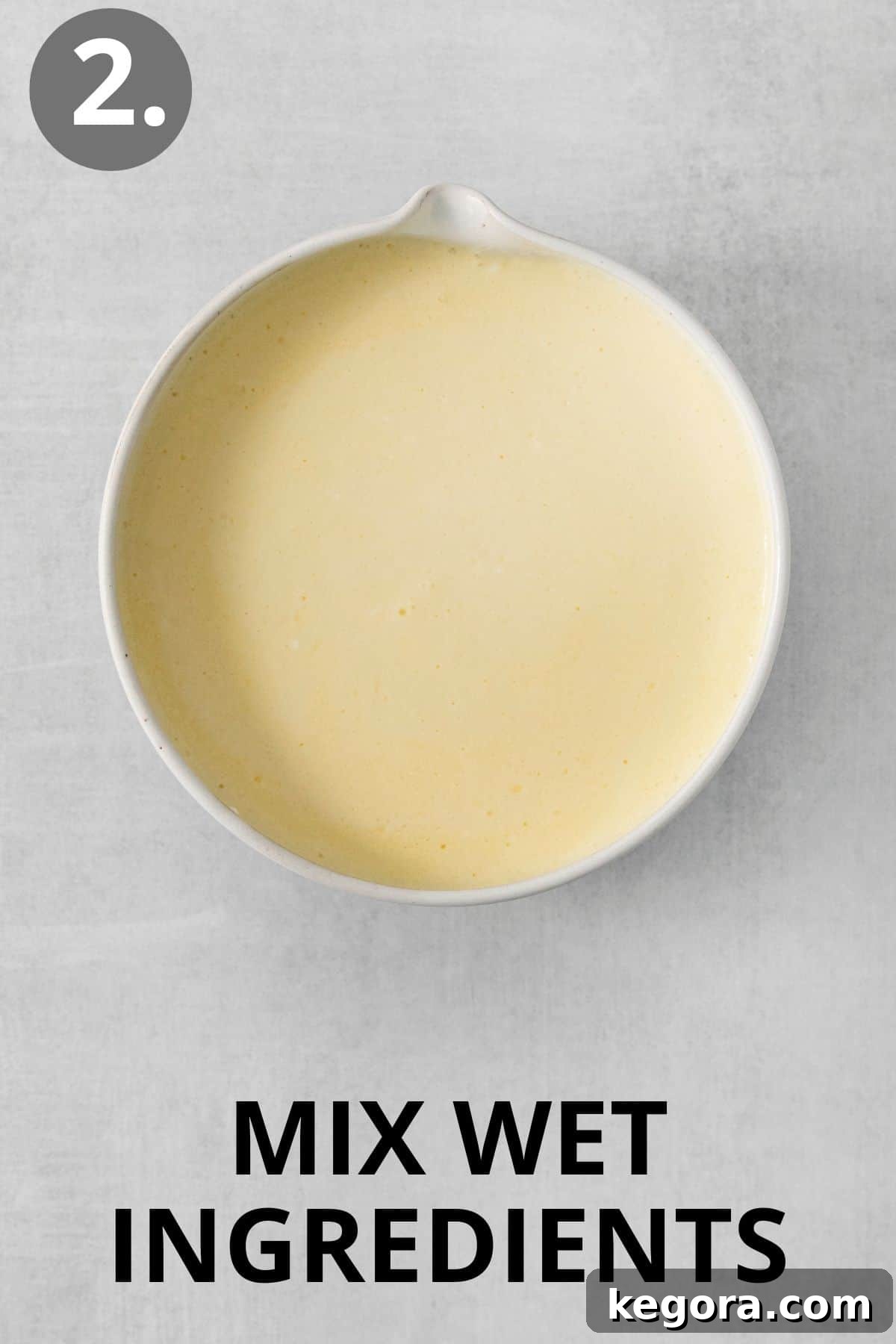
- Prepare Wet Ingredients: In a separate medium bowl or large measuring cup, whisk together the buttermilk, sour cream, and eggs until the mixture is completely smooth and the eggs are fully incorporated. Once smooth, gently stir in the melted butter.
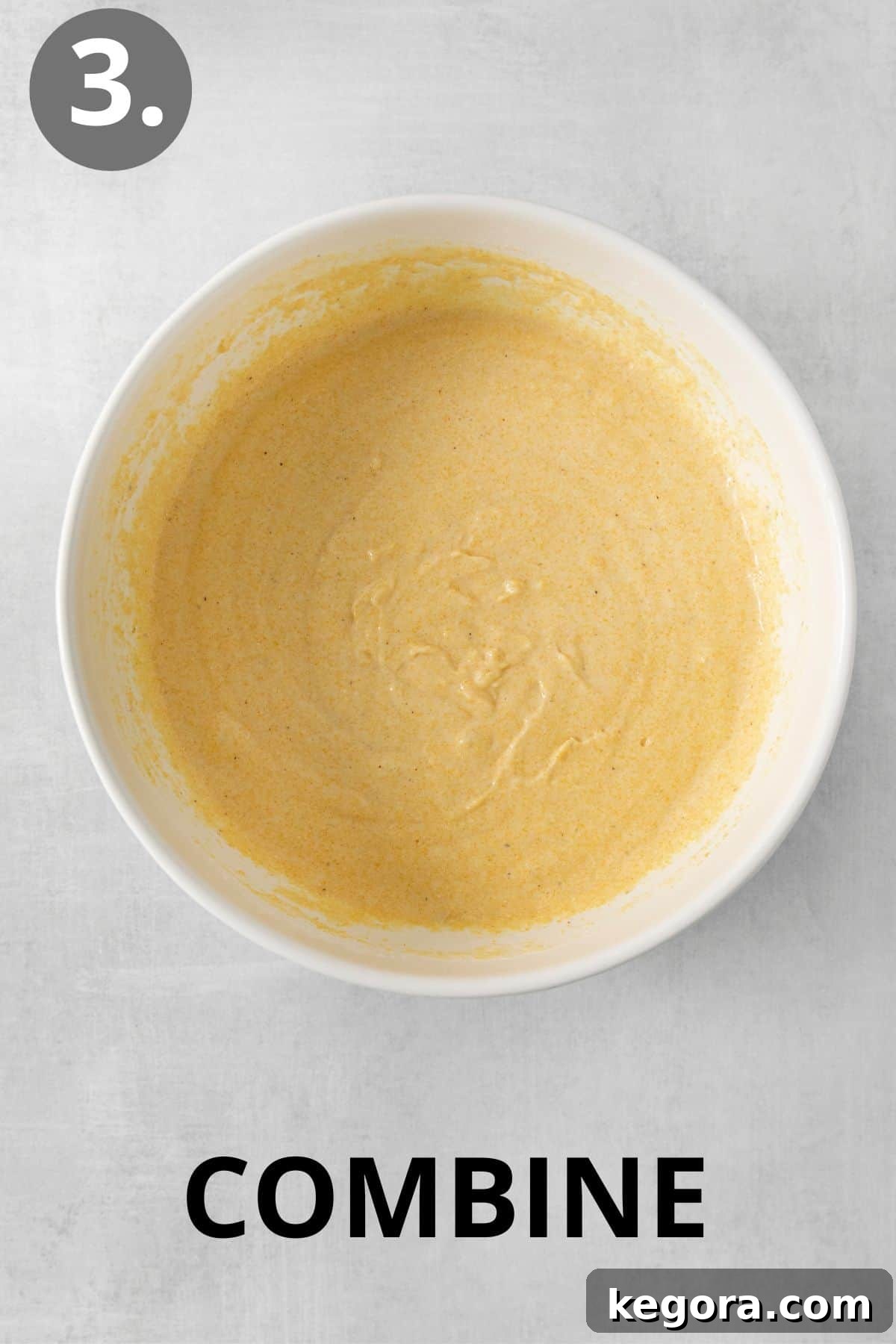
- Combine Wet and Dry: Pour the wet ingredients into the bowl with the dry ingredients. Gently stir until just combined. It’s perfectly normal, and even desirable, for the batter to have a few lumps – overmixing can lead to tough, rubbery pancakes. Let the batter rest at room temperature for at least 10 minutes. This resting period allows the flours to hydrate, the gluten-free binders to activate, and the leavening agents to begin working, resulting in a lighter pancake.
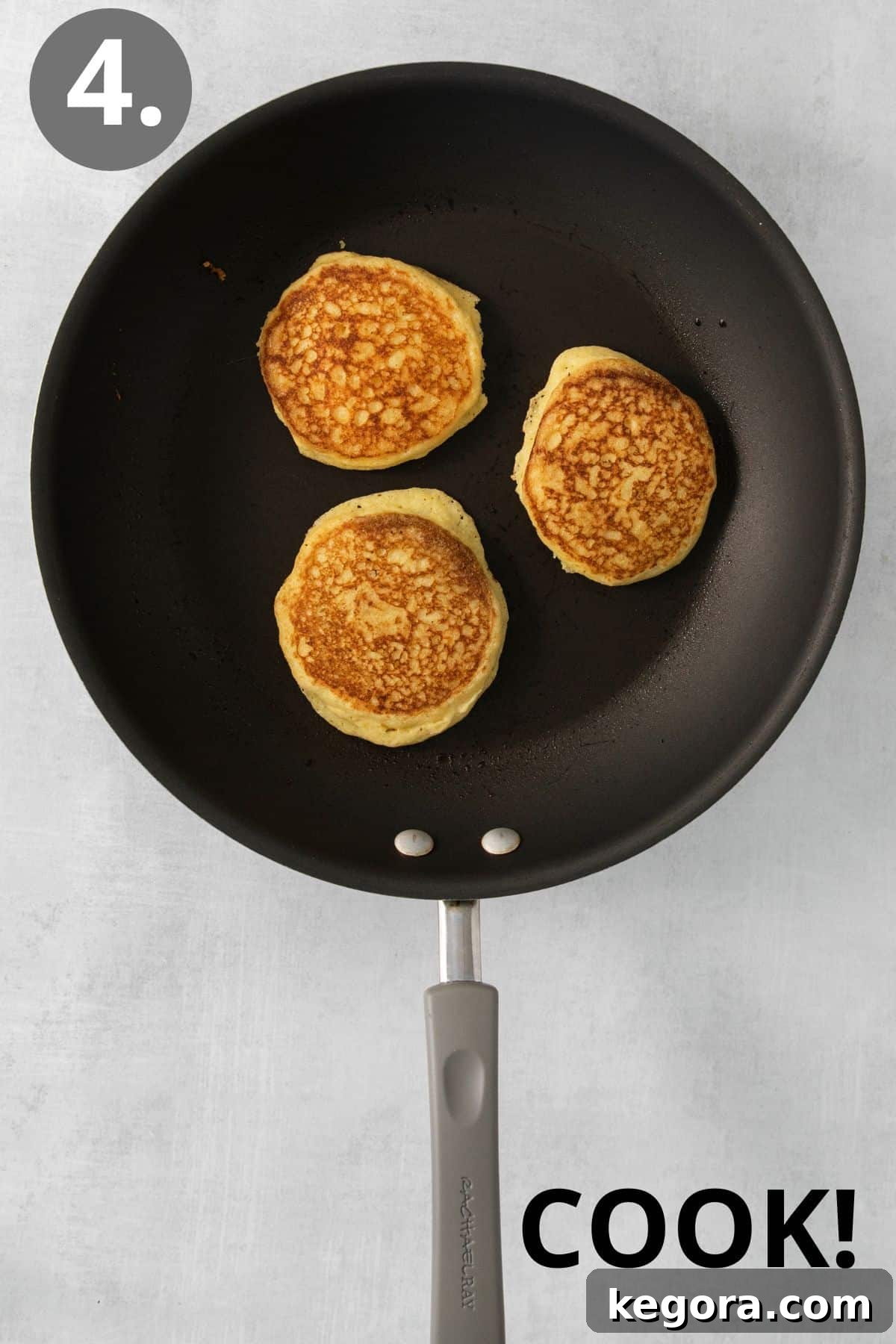
- Cook the Pancakes: Heat a non-stick skillet or griddle over medium-high heat. To test if it’s hot enough, sprinkle a few drops of water on the surface; if they sizzle and evaporate quickly, you’re ready! Lightly coat the hot pan with a small pat of butter or a drizzle of oil. Using a 2-3 tablespoon-sized scoop for each pancake, pour the batter onto the griddle. (Expert Tip: Make these pancakes smaller than you might initially think! They expand as they cook and are much easier to flip and cook more evenly when they are not too large.) Cook for 2-4 minutes on the first side, or until you see bubbles forming on the surface and the edges appear set and slightly golden.
- Flip and Finish: Carefully flip each pancake and cook for another 2-3 minutes on the second side, until they are beautifully golden brown and cooked through.
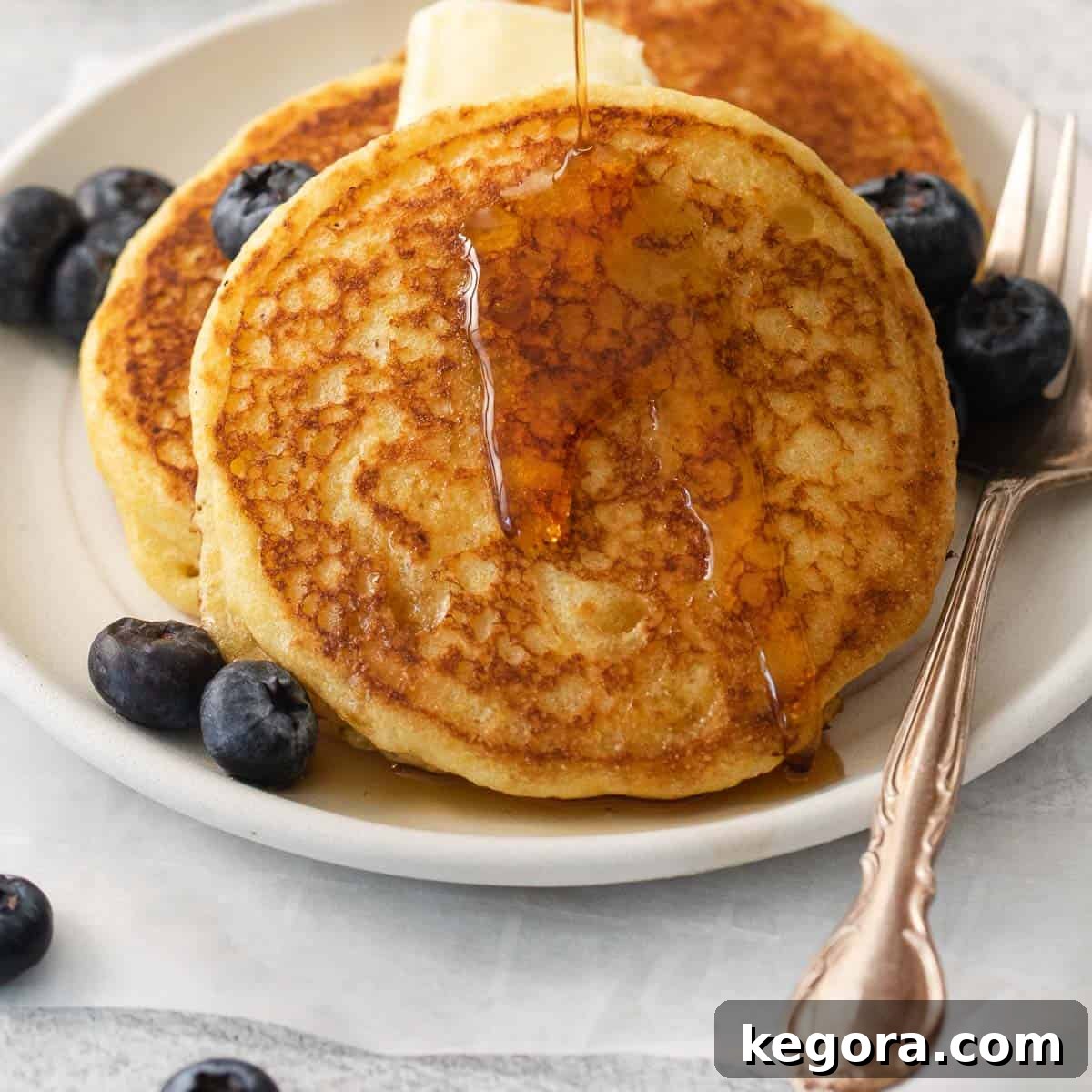
- Serve Immediately: Transfer the cooked pancakes to a warm plate. Serve them immediately with your favorite toppings, such as a dollop of butter, a generous pour of pure maple syrup, or a swirl of homemade honey butter. Enjoy every delicious bite of this cornmeal pancake recipe!
Elevate Your Cornmeal Pancakes: Serving Suggestions & Flavor Variations
These cornmeal pancakes are fantastic on their own, but they also serve as an excellent canvas for a variety of delightful additions and toppings. Here are some ideas to spark your creativity and make your breakfast truly unforgettable:
- Classic Toppings: A pat of salted butter and high-quality pure maple syrup or golden honey are timeless choices that perfectly complement the cornmeal’s subtle sweetness.
- Fresh Fruit Feast: Enhance the natural sweetness with a medley of fresh berries like blueberries, strawberries, raspberries, or sliced bananas. A vibrant fruit compote made from stewed apples, peaches, or mixed berries is also a fantastic addition.
- Creamy Indulgence: A dollop of whipped cream, crème fraîche, or even a swirl of sweetened Greek yogurt can add a luscious texture and extra richness.
- Nutty Crunch: Sprinkle toasted pecans, walnuts, or sliced almonds over your pancakes for a delightful textural contrast and nutty flavor.
- Sweet Spreads: Beyond maple syrup, consider a drizzle of honey butter (simply mix softened butter with honey), a spoonful of fruit jam, or a spread of warm nut butter.
- Chocolate Lover’s Dream: Gently fold in a handful of mini chocolate chips into the batter before cooking, or sprinkle them over the cooked pancakes for a melty treat.
- Savory Twist: For a unique savory experience, consider serving these pancakes alongside crispy bacon or sausage. A sprinkle of finely chopped chives or a dollop of herbed sour cream could also be an adventurous pairing.
- Lemon Zest Brightness: Add a teaspoon of fresh lemon zest to the batter for a bright, citrusy note that beautifully cuts through the richness of the sour cream and butter.
- Spice It Up: A pinch of cinnamon or a tiny dash of nutmeg in the dry ingredients can add a warm, inviting aroma and flavor, especially delightful during cooler months.
Storage & Reheating for Maximum Enjoyment
Have leftovers? Lucky you! These cornmeal pancakes store and reheat beautifully, making them perfect for meal prep or quick weekday breakfasts. Proper storage ensures they retain their delicious flavor and texture.
- Refrigeration: Allow cooked cornmeal pancakes to cool completely to room temperature before storing. Place them in an airtight container or a resealable plastic bag. They will stay fresh in the fridge for up to five days.
- Freezing: For longer storage, stack cooled pancakes with parchment paper in between each one to prevent sticking. Place the stack in a freezer-safe bag or airtight container. They can be frozen for up to 2-3 months.
- Reheating from the Fridge:
- Microwave: Place 1-2 pancakes on a microwave-safe plate. Heat for 30-60 seconds, or until warmed through.
- Toaster: For a slightly crispy edge, pop individual pancakes into a toaster or toaster oven until heated and lightly browned.
- Skillet: Reheat gently in a lightly buttered skillet over medium-low heat for 1-2 minutes per side.
- Reheating from the Freezer:
- Toaster/Toaster Oven: The easiest method for frozen pancakes. Pop them directly from the freezer into a toaster or toaster oven until warm and slightly crisp.
- Oven: Preheat oven to 350°F (175°C). Arrange frozen pancakes in a single layer on a baking sheet. Heat for 8-10 minutes, or until warmed through.
- Microwave: Microwave frozen pancakes for 1-2 minutes, checking at 30-second intervals until hot.
Frequently Asked Questions About Cornmeal Pancakes
Why are restaurant pancakes so incredibly fluffy?
Restaurant-quality pancakes often achieve their signature fluffiness through several key techniques. Primarily, many use buttermilk, which creates a powerful reaction with leavening agents like baking soda, generating numerous air bubbles for a superior rise. Additionally, professional chefs often avoid overmixing the batter; mixing only until the wet and dry ingredients are just combined helps prevent gluten development (even in gluten-free flours, overmixing can create a dense texture), leading to a much lighter, more tender pancake. Allowing the batter to rest also contributes to hydration and activation of leavening.
What are the best uses for cornmeal in cooking and baking?
Cornmeal is an incredibly versatile ingredient with a wide range of culinary applications. Beyond these delicious cornmeal pancakes, it’s a fundamental component in classic cornbread, whether sweet or savory. It’s also used to make creamy polenta, a staple in Italian cuisine, or to add texture to scones, muffins, and various cakes. Cornmeal is naturally gluten-free, making it an excellent alternative to all-purpose wheat flour in gluten-free baking recipes, providing a unique texture and a delightful earthy-sweet flavor to dishes.
How can I ensure my pancakes are fluffy and never rubbery?
Achieving fluffy, light pancakes and avoiding a rubbery texture hinges on a few crucial steps. First and foremost, resist the urge to overmix the batter. Mix only until the wet and dry ingredients are just combined; a few small lumps are perfectly acceptable and even preferred. Overmixing develops toughness. Secondly, using acidic ingredients like buttermilk, combined with baking soda, is vital for creating those airy bubbles that give pancakes their lift. Finally, ensuring your griddle is at the correct temperature (medium-high) and allowing the batter to rest for 10 minutes helps in consistent cooking and optimal fluffiness.
Can I make these cornmeal pancakes dairy-free?
While this recipe heavily relies on buttermilk and sour cream for its signature flavor and texture, you can experiment with dairy-free alternatives. Use a good quality dairy-free buttermilk substitute (often made by combining dairy-free milk like almond or soy with a tablespoon of vinegar or lemon juice). For sour cream, a thick dairy-free sour cream alternative or even full-fat plain dairy-free yogurt could work, though the final texture and flavor may vary slightly. Ensure all other ingredients, like butter, are swapped for plant-based versions.
What’s the difference between fine and coarse cornmeal?
The primary difference between fine and coarse cornmeal lies in its grind size. Fine cornmeal has a smoother, almost flour-like texture, resulting in a more tender and uniform final product, as seen in many cakes or fine pancakes. Coarse cornmeal has larger, grittier particles, which imparts a more rustic texture and a distinct “bite” to dishes like classic cornbread or polenta. For these fluffy cornmeal pancakes, a fine grind is generally preferred for a delicate texture, but coarse cornmeal can add a pleasant chewiness if you enjoy it.
Expert Tips for Pancake Perfection
Unlock the secrets to truly outstanding cornmeal pancakes with these invaluable tips and tricks:
- Avoid Overmixing the Batter: This is arguably the most crucial tip for any pancake recipe. Mix the wet and dry ingredients only until they are just combined. A few lumps are perfectly normal and actually desirable; overmixing develops toughness, resulting in dense, rubbery pancakes rather than light and fluffy ones.
- Allow the Batter to Rest: Don’t skip the 10-minute resting period! This time allows the flour to fully hydrate, the cornmeal to soften slightly, and the leavening agents to begin their work, creating a much lighter and more tender pancake.
- Perfect Griddle Temperature: Heat your non-stick skillet or griddle over medium-high heat. The ideal temperature ensures the pancakes cook evenly, developing a beautiful golden crust without burning before the inside is cooked. Test with a few drops of water; they should sizzle and evaporate within seconds.
- Small is Smart: Resist the urge to make giant pancakes. Smaller pancakes (about 2-3 tablespoons of batter per pancake) are much easier to flip, cook more evenly, and are less likely to fall apart, leading to consistent results.
- Room Temperature Ingredients: Using room temperature eggs and buttermilk helps them combine more smoothly with the other ingredients, creating a more uniform batter and a better rise.
- Grease the Griddle Sparingly: Too much butter or oil can lead to greasy pancakes with uneven browning. Use just enough to lightly coat the surface for each batch.
- Keep Warm: To serve all pancakes warm, place cooked pancakes on a wire rack set over a baking sheet in a preheated oven at its lowest setting (around 200°F / 95°C) while you cook the remaining batter.
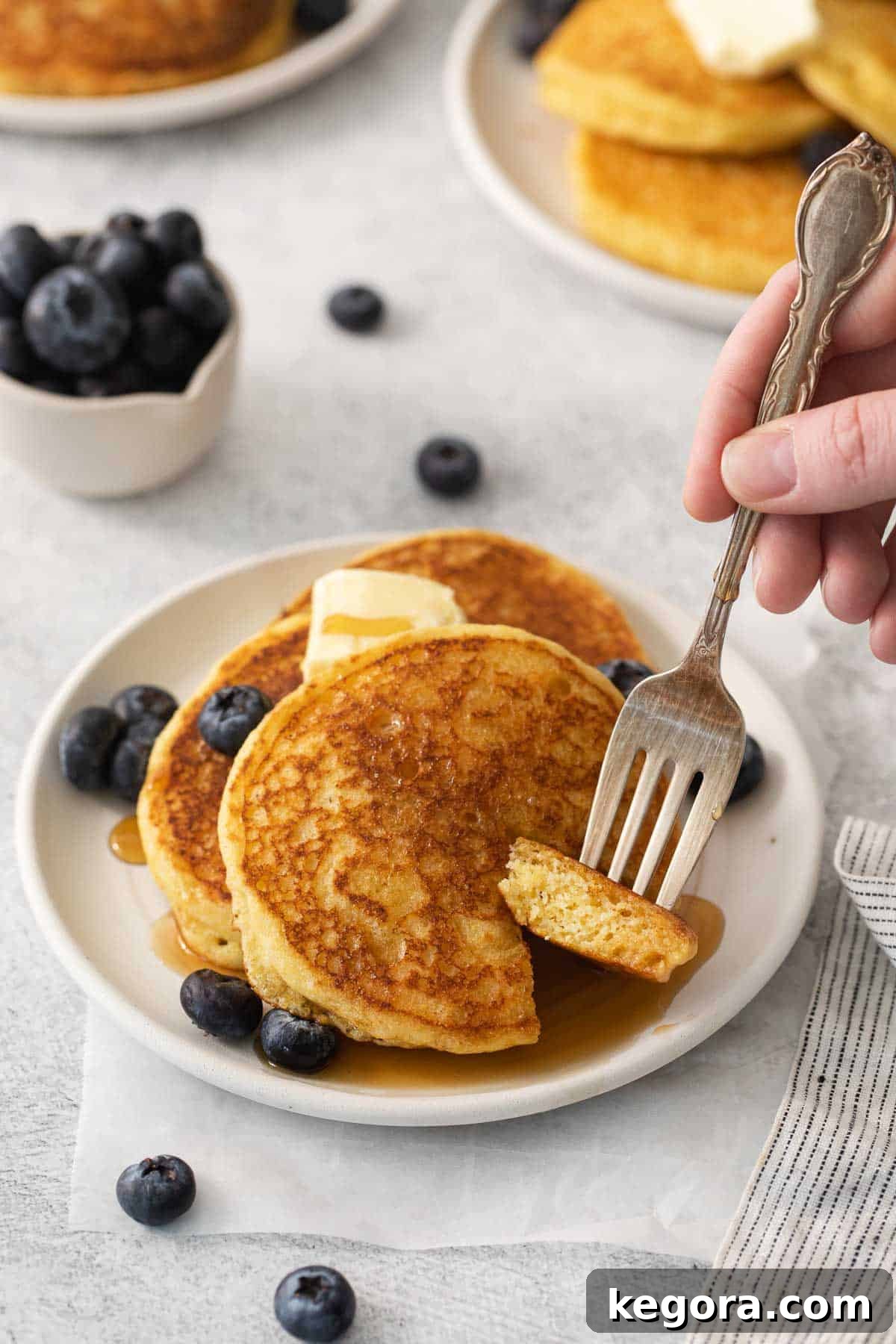
I sincerely hope you enjoy these fantastic cornmeal pancakes as much as my family and I do! They truly are a delightful departure from the everyday and a perfect way to brighten any morning. If you try this recipe, please consider leaving a comment or rating below to share your experience. Your feedback is always appreciated and helps others discover this wonderful dish!
Fluffy Cornmeal Pancakes
Erin Collins
5 mins
15 mins
20 mins
4 servings
Comments
Ingredients
DRY INGREDIENTS:
- 1 ½ cups cornmeal (210 grams, be sure it’s gluten-free!)
- 1 cup gluten-free 1:1 baking flour (150 grams)
- 2 tablespoons sugar
- 1 teaspoon baking powder
- ½ teaspoon baking soda
- ½ teaspoon salt
WET INGREDIENTS:
- 2 cups buttermilk
- ¼ cup sour cream
- 2 large eggs
- 3 tablespoons butter, melted
- butter or oil for cooking
Instructions
-
In a large bowl, stir together the cornmeal, gluten-free flour, sugar, baking powder, baking soda, and salt.
-
In a large measuring cup or medium bowl, whisk together the buttermilk, sour cream and eggs, breaking up the eggs until totally smooth. Stir in the melted butter.
-
Add the wet ingredients to the dry and gently stir to combine. Let the batter sit for 10 minutes before cooking.
-
Heat a non-stick skillet or griddle over medium-high heat. Once hot, add butter to coat the pan. Cook 2-3 tablespoon-size scoops of batter for 2-4 minutes on each side, until golden. (NOTE: Make these pancakes smaller than you’d think! They expand and cook better when they’re smaller.)
-
Serve immediately with butter, maple syrup or honey butter. Enjoy!
Notes
- I love topping these pancakes with fresh blueberries, strawberries or other fresh fruit, but you can also add fruit compote, honey, maple syrup, or powdered sugar.
- If you don’t have buttermilk, you can add one tablespoon of vinegar to one cup of milk and let it sit until it sours.
- Don’t overmix the pancake batter! Overmixing can lead to rubbery pancakes that aren’t as light and fluffy.
- Make these pancakes smaller than you’d think! They expand and cook better when they’re smaller.
Nutrition