
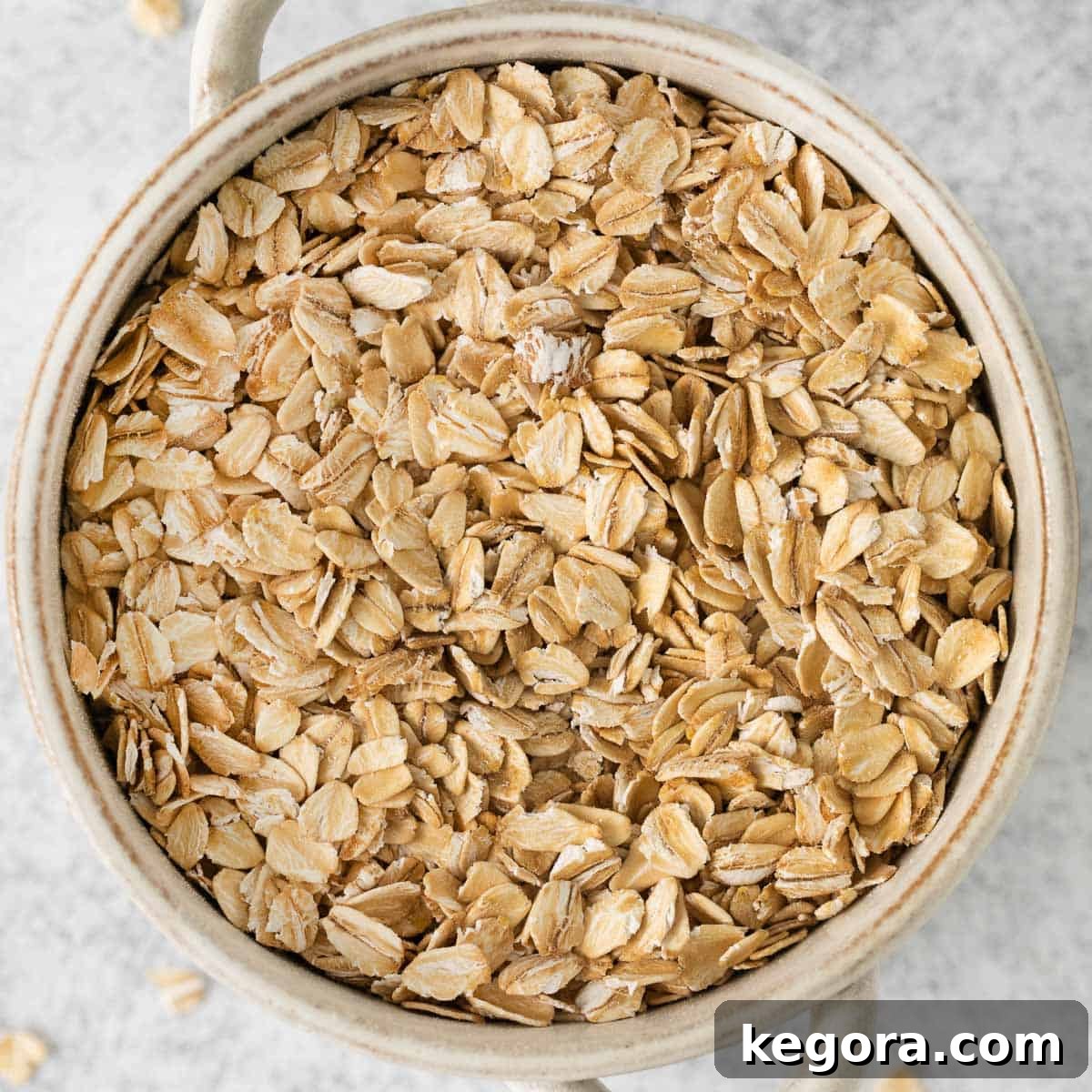
Oatmeal is widely celebrated as a wholesome, versatile, and incredibly convenient breakfast option, providing a hearty start to the day or a fulfilling snack. Packed with essential nutrients, fiber, and beneficial compounds, it’s a staple in many healthy diets. But for those navigating the complexities of a gluten-free lifestyle, a crucial question often arises: Is oatmeal truly gluten-free?
The answer, surprisingly, isn’t a simple yes or no. It often depends on various factors, from how the oats are grown and harvested to how they are processed and packaged. This comprehensive guide will delve deep into the world of oats and gluten, providing you with all the detailed information you need to make informed choices.
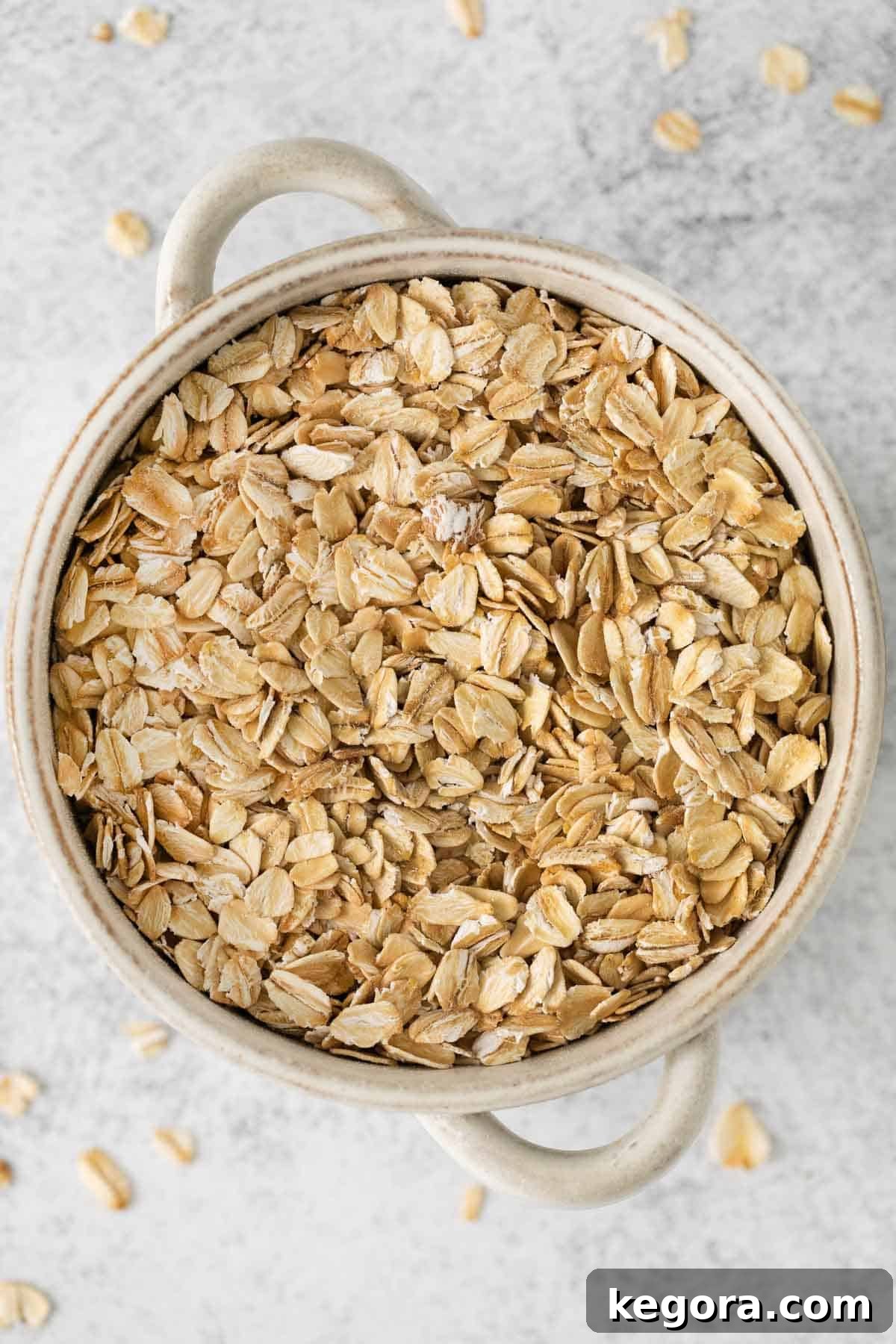
A warm bowl of oatmeal represents comfort, nutrition, and ease, perfectly suited for a busy morning or as a quick, energizing boost. Made from whole grains, oats offer a wealth of health benefits, being naturally filling, heart-healthy, and loaded with vital vitamins, minerals, and soluble fiber. Whether you prefer the classic chewiness of old-fashioned rolled oats, the robust texture of steel-cut oats, or the rapid preparation of quick oats, there’s a type of oat to suit every preference and schedule.
Beyond the traditional bowl, oats offer endless culinary possibilities. You can prepare them with a satisfyingly chewy texture, whip up convenient overnight oats for on-the-go nourishment, or even bake oatmeal into a comforting dish perfect for serving a crowd. Their mild flavor makes them an ideal canvas for customization, allowing you to add a plethora of mix-ins and toppings, from fresh fruits and nuts to spices and sweeteners.
However, if you’re managing a wheat allergy, Celiac disease, or adhering to a strict gluten-free diet, understanding the relationship between oats and gluten is paramount. Misinformation or oversight could lead to adverse health reactions.
In this post, we’ll thoroughly explore everything you need to know about this beloved breakfast food and its gluten status, empowering you to make safe and healthy dietary choices.
SHORT ANSWER: Is Oatmeal Gluten-Free?
Sometimes, but not always!
While pure, unprocessed oats are inherently gluten-free, they pose a significant risk of cross-contamination with gluten-containing grains. This contamination typically occurs during various stages of production, from farming and harvesting to transportation, milling, and packaging. These shared processes often involve wheat, barley, or rye, which are common sources of gluten.
For this crucial reason, regular oatmeal commonly found in grocery stores is generally not considered safe for individuals on a strict gluten-free diet. To ensure safety and avoid potential health issues, only oatmeal explicitly labeled as “certified gluten-free” should be consumed. These certified products undergo stringent testing to confirm they contain less than 20 parts per million (ppm) of gluten, which is the internationally recognized threshold for gluten-free foods.
To gain an even deeper understanding, you can explore more details in our article: Are Oats Gluten-Free?
You might also find these related articles helpful: gluten-free cereal, how to make oat flour, substitute for oat flour, and is oat milk gluten-free.
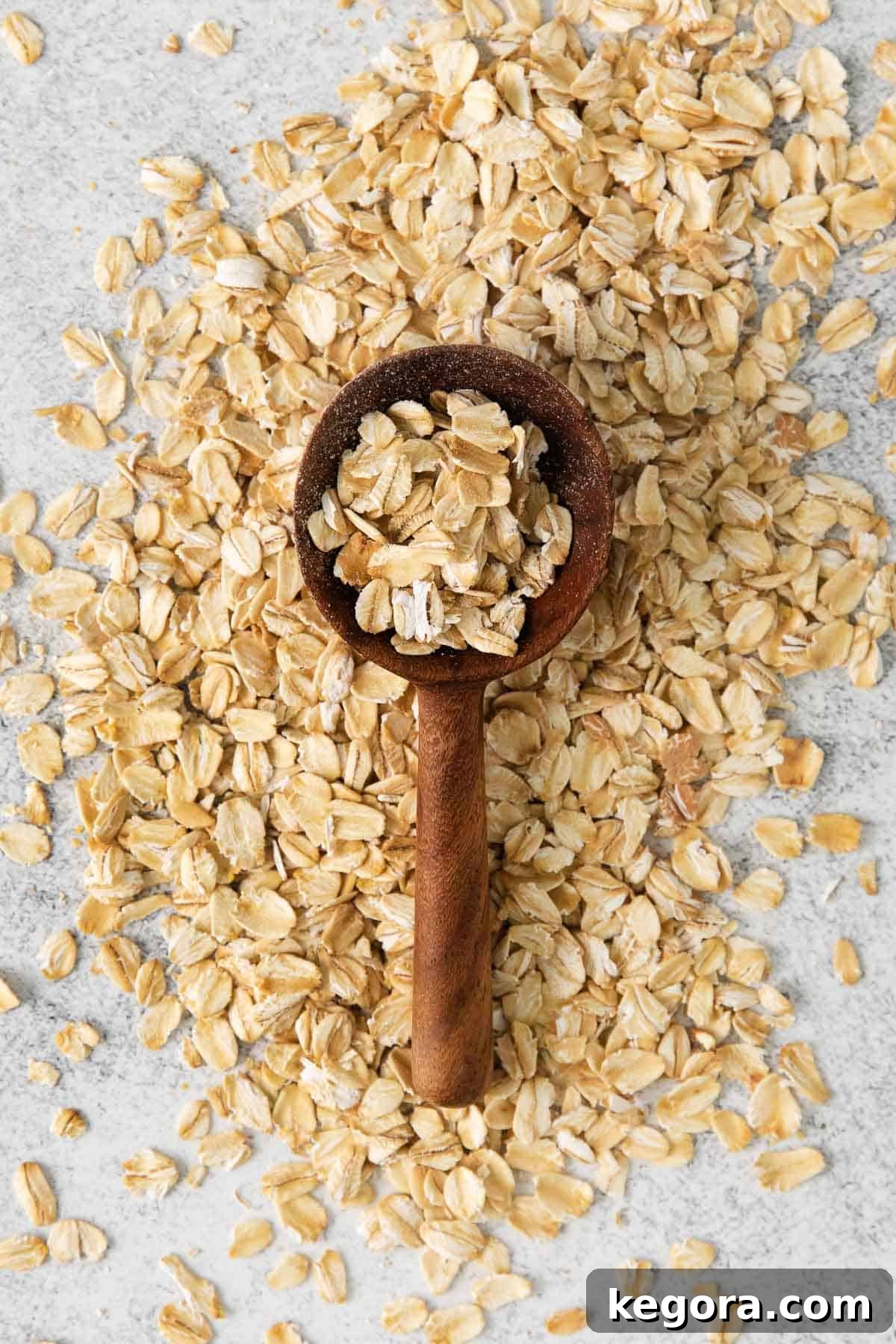
The Science Behind Oats and Gluten: Understanding Cross-Contamination
Gluten is a general name for the proteins found in wheat, barley, and rye. These proteins, primarily gliadin and glutenin, give dough its elasticity and help it rise. For individuals with Celiac disease, an autoimmune disorder, consuming even tiny amounts of gluten can trigger a damaging immune response in the small intestine, leading to nutrient malabsorption and various health complications. Similarly, those with non-Celiac gluten sensitivity (NCGS) or a wheat allergy must also avoid gluten to prevent symptoms.
Pure oats, on the other hand, contain a protein called avenin, which is structurally different from the gluten proteins found in wheat, barley, and rye. Most people with Celiac disease can tolerate avenin without issues. However, the problem arises from the journey oats take from the field to your bowl.
How Cross-Contamination Occurs:
- Farming Practices: Oats are often grown in rotation with wheat or barley, or even in adjacent fields. Residual gluten grains can remain in the soil or be carried over during planting.
- Harvesting Equipment: Harvesters, combines, and other machinery used for oats are frequently the same ones used for wheat, barley, and rye. This shared equipment can easily transfer gluten-containing residue to oat crops.
- Transportation and Storage: Oats may be transported in the same trucks or stored in the same silos and bins that previously held gluten grains, leading to contamination.
- Milling and Processing Facilities: This is one of the most significant points of cross-contamination. Many food processing plants handle both gluten-containing grains and oats on the same production lines, using shared machinery, conveyors, and packaging equipment. Unless a facility is dedicated entirely to gluten-free production, the risk is high.
This is why the “certified gluten-free” label is so vital. It signifies that the oats have been processed in a way that minimizes cross-contamination and have been tested to meet strict gluten-free standards, typically less than 20 ppm of gluten, ensuring they are safe for those with gluten-related disorders.
Identifying Certified Gluten-Free Oats
When selecting oats, the most reliable way to ensure they are safe for a gluten-free diet is to look for specific certifications. A product labeled “gluten-free” means it meets the FDA standard of containing less than 20 ppm of gluten. However, some brands go a step further by seeking third-party certification, often indicated by a distinct symbol (like the Gluten-Free Certification Organization – GFCO mark).
These certifications mean the product has undergone rigorous testing and adherence to strict protocols for growing, harvesting, processing, and packaging to prevent cross-contamination. Always check the packaging carefully for these labels.
Is Quaker Oatmeal Gluten-Free?
No, regular Quaker oatmeal is generally not gluten-free. The primary reason is that standard Quaker oats are milled and packaged on the same equipment and in facilities that also process wheat, barley, and other gluten-containing products. This shared processing environment creates a high risk of cross-contamination, making their regular products unsuitable for those avoiding gluten.
However, Quaker has recognized the growing demand for gluten-free options and does offer specific gluten-free products. If you are determined to enjoy Quaker oats while adhering to a gluten-free diet, you must specifically seek out Quaker products with a clear “gluten-free” label. It’s important to note that Quaker does not currently offer gluten-free rolled oats, but they do provide several varieties of gluten-free instant oatmeal.
For those seeking reliable gluten-free oats, brands like Bob’s Red Mill are highly recommended, as they offer a wide range of certified gluten-free oat products, including rolled oats and steel-cut oats.
Is Quaker Instant Oatmeal Gluten-Free?
Yes, certain varieties of Quaker Instant Oatmeal are indeed gluten-free. Quaker specifically offers three types of instant oats that are certified gluten-free:
- Gluten-Free Original Instant Oats
- Gluten-Free Maple & Brown Sugar Instant Oats
- Gluten-Free Quick 1-Minute Oats
It is crucial to remember that only these specifically labeled gluten-free instant oat products from Quaker are safe for a gluten-free diet. All other Quaker oat products, including their traditional rolled oats, are not considered gluten-free due to the risk of cross-contamination during processing. Always verify the “gluten-free” label on the packaging before purchasing.
If you’re exploring other breakfast alternatives, you might also like this Keto oatmeal substitute.
Is Starbucks Oatmeal Gluten-Free?
No, Starbucks oatmeal is not certified gluten-free. While the pure oats themselves do not contain gluten, Starbucks’ preparation and sourcing methods introduce a significant risk of cross-contamination. The oats they use are likely processed on shared machinery with wheat and other gluten-containing products, meaning trace amounts of gluten could be present.
Furthermore, the environment within a Starbucks store, with shared serving utensils and preparation surfaces, creates an additional risk of cross-contamination. For individuals with Celiac disease or a serious gluten intolerance, it is strongly advised to avoid Starbucks oatmeal. To be truly safe, it’s best to consume only certified gluten-free oatmeal prepared in a controlled environment.
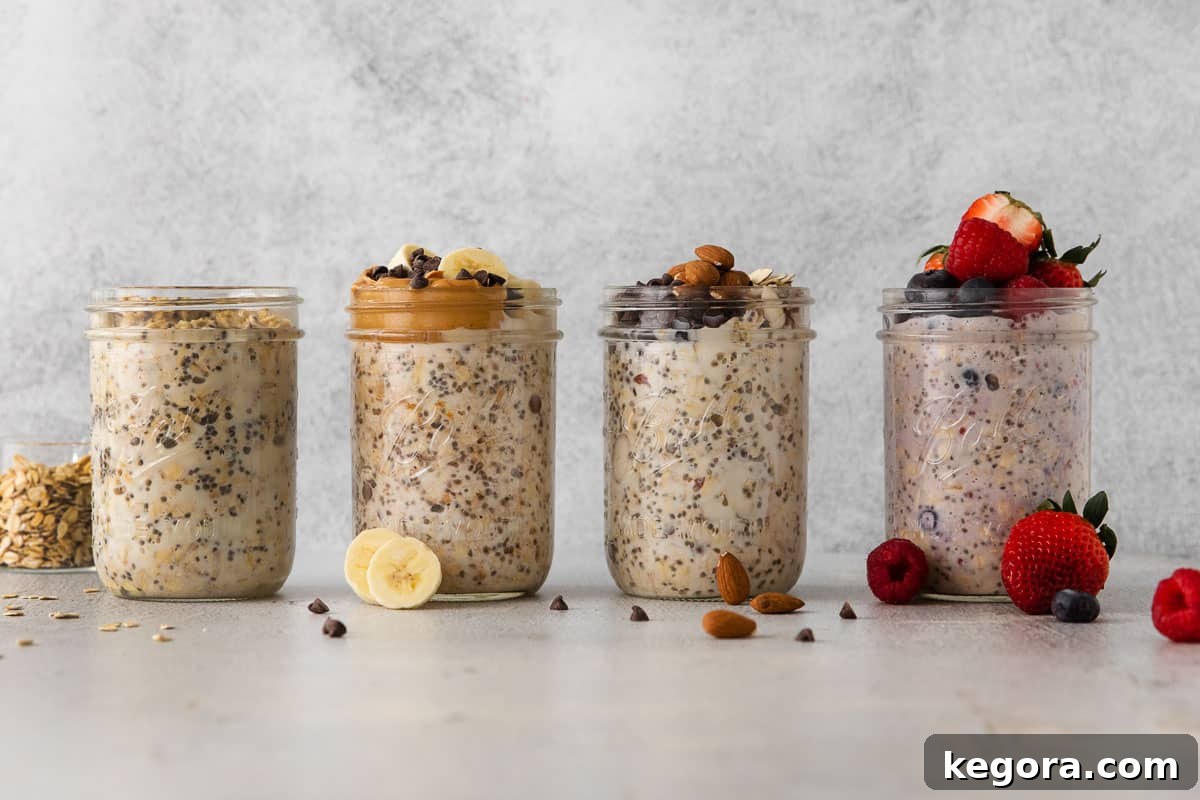
For a safe and delicious gluten-free breakfast, check out this recipe for customizable gluten-free overnight oats! You also might enjoy this strawberry baked oatmeal.
Is McDonald’s Oatmeal Gluten-Free?
No, McDonald’s oatmeal is not certified gluten-free. Similar to other commercial food service establishments, McDonald’s sources oats that may have a high risk of cross-contamination during their manufacturing process. There are no assurances that the oats used meet gluten-free standards (less than 20 ppm gluten).
Given the potential for gluten exposure through shared equipment in processing and preparation, it is best to avoid McDonald’s oatmeal if you are strictly following a gluten-free diet due to Celiac disease or gluten intolerance.
Is Kodiak Oatmeal Gluten-Free?
No, Kodiak oatmeal is not gluten-free. While plain oats are naturally gluten-free, the Kodiak brand explicitly states that their products present a risk of cross-contamination due to processing on shared equipment. This is a crucial detail for anyone adhering to a gluten-free diet.
The Kodiak brand specifically includes a clear allergen warning on its packaging, such as for their Protein-Packed Instant Oatmeal. It commonly states, “Also Contains Trace Amounts Of Egg, Soy, Peanuts, Tree Nuts And Wheat Due To Processing On Shared Equipment.” The mention of “Wheat” confirms the presence of gluten risk, making it unsuitable for individuals with Celiac disease or gluten sensitivity. Always read ingredient labels and allergen warnings thoroughly when considering any food product.

Is Steel-Cut Oatmeal Gluten-Free?
The gluten-free status of steel-cut oatmeal follows the same principles as other oat varieties: it depends entirely on the brand and its processing methods. Some brands meticulously process their steel-cut oats to be gluten-free, while others do not.
The definitive way to determine if steel-cut oatmeal is gluten-free is by diligently looking for certified gluten-free labels on the product packaging. These labels guarantee that the oats have been processed in facilities free from cross-contamination with gluten-containing grains and meet the less than 20 ppm gluten standard.
It is strongly recommended to avoid steel-cut oats that do not carry a “certified gluten-free” label. Without this certification, there’s a significant risk that the oats could have been cross-contaminated with wheat, barley, or rye during the milling, transportation, or packaging stages. Prioritize your health by choosing only clearly labeled products.
For a delightful and safe option, check out this recipe for creamy coconut gluten-free steel cut oats!
Beyond the Bowl: Gluten-Free Oat Flour and Its Uses
Did you know that beyond just a breakfast cereal, you can also purchase or make gluten-free oat flour? This versatile flour opens up a whole new world of gluten-free baking. Just like with whole oats, it’s essential to ensure that any oat flour you buy is certified gluten-free to avoid cross-contamination.
Gluten-free oat flour is a fantastic ingredient for adding a wholesome, slightly nutty flavor and tender texture to various baked goods. It’s an excellent alternative for those who need to avoid traditional wheat flour. You can use it to create a wide array of delicious treats and meals. For instance, try it to make these delightful recipes:
- Oat flour waffles
- Oat flour muffins with endless mix-ins
- Oat flour banana bread
- Oat flour pancakes
- Oat flour brownies
- Oat flour chocolate chip cookies
- Oat flour banana muffins
Incorporating gluten-free oat flour into your baking is a simple yet effective way to enjoy the nutritional benefits of oats in new and exciting forms, all while maintaining a safe gluten-free diet.
DELICIOUS GLUTEN-FREE RECIPES FEATURING OATMEAL
The Best Gluten-Free Oatmeal Chocolate Chip Cookies
Oat Flour Pumpkin Pancakes
Instant Pot Creamy Pumpkin Maple Oatmeal {Gluten-Free, Dairy-Free}
Flourless Oatmeal Almond Butter Cookies
Gluten-Free Oatmeal Raisin Cookies
Banana Oat Egg Pancakes
Frequently Asked Questions About Gluten-Free Oatmeal
Yes, absolutely! Individuals with gluten intolerance or Celiac disease can safely enjoy oatmeal, provided they choose certified gluten-free oats. It’s paramount to ensure you’re purchasing oats or oatmeal packets specifically labeled as “gluten-free.” This certification indicates that the oats have been processed to prevent cross-contamination with gluten-containing grains, ensuring they meet the less than 20 ppm gluten standard required for safe consumption on a gluten-free diet. Always double-check the label.
Any oatmeal product that does not explicitly carry a “gluten-free” label should be considered NOT gluten-free. This includes most conventional brands of rolled oats, quick oats, and steel-cut oats found in standard grocery stores, as well as oatmeal served at most restaurants or coffee shops (e.g., Starbucks, McDonald’s). The absence of a certified gluten-free label means the oats have a high chance of having been cross-contaminated with wheat, barley, or rye during cultivation, milling, transportation, or packaging processes. Only certified gluten-free oatmeal has undergone rigorous testing to ensure it contains less than 20 ppm of gluten.
Whether instant oats are gluten-free depends entirely on their certification status. Instant oats must have a clearly visible “gluten-free” label to ensure they are uncontaminated and safe for a gluten-free diet. Without this specific label, regular instant oats carry the same high risk of gluten contamination as other non-certified oat products. This is because they are often transported, milled, and packaged on the same machinery and in facilities that also handle gluten-containing grains, making cross-contamination a significant concern.
The good news is that there’s an abundance of delicious gluten-free breakfast options beyond certified gluten-free oatmeal! You can enjoy nutritious choices such as smoothies made with fruits, vegetables, and dairy-free milk; versatile eggs prepared scrambled, fried, or in an omelet; savory bacon or sausage (ensure they are gluten-free); fluffy gluten-free pancakes or waffles made with alternative flours; refreshing yogurt parfaits layered with berries and gluten-free granola; or even grain-free options like chia seed pudding or sweet potato hash. The possibilities are vast and cater to various tastes and dietary needs.
No, organic certification pertains to farming practices (e.g., no synthetic pesticides, non-GMO) and does not automatically guarantee gluten-free status. Organic oats can still be subject to cross-contamination with gluten-containing grains during cultivation, harvesting, or processing, just like conventional oats. For oats to be considered truly gluten-free, they must be specifically labeled as “certified gluten-free,” regardless of whether they are organic or not. Always look for the gluten-free seal, in addition to the organic label, if both are important to you.
The Bottom Line: Making Safe Choices
Is oatmeal gluten-free? As we’ve thoroughly explored, the answer is nuanced: it depends. Not all oatmeal products are gluten-free, which remains a crucial point of distinction and a frequent topic of discussion within the Celiac and gluten-sensitive communities. The inherent risk of cross-contamination throughout the journey of oats from farm to package means that vigilance is key.
If you have a wheat allergy, Celiac disease, non-Celiac gluten sensitivity, or simply prefer eating gluten-free foods for other health reasons, you must exclusively stick to certified gluten-free oatmeal. This certification is your assurance that the product has been carefully handled and tested to contain less than 20 parts per million (ppm) of gluten, making it safe for your dietary needs.
Oatmeal that does not bear a clear “certified gluten-free” label is highly prone to gluten contamination. Without this verification, there is no reliable way to be sure it contains less than 20 ppm of gluten, and consuming it could lead to adverse health reactions. Always read labels carefully, prioritize certified products, and when in doubt, choose a different, unequivocally gluten-free option. Your health and well-being depend on making informed and safe dietary choices.
MORE ARTICLES ON GLUTEN-FREE LIVING
5 Gluten-Free Halloween Treats To Bake This Week
Top 15 BEST Gluten-Free Pumpkin Recipes
Gluten-Free Taco Seasoning
The 25 BEST Gluten-Free Thanksgiving Desserts
Are Swedish Fish Gluten-Free?
Gluten-Free Candy List 2025!