
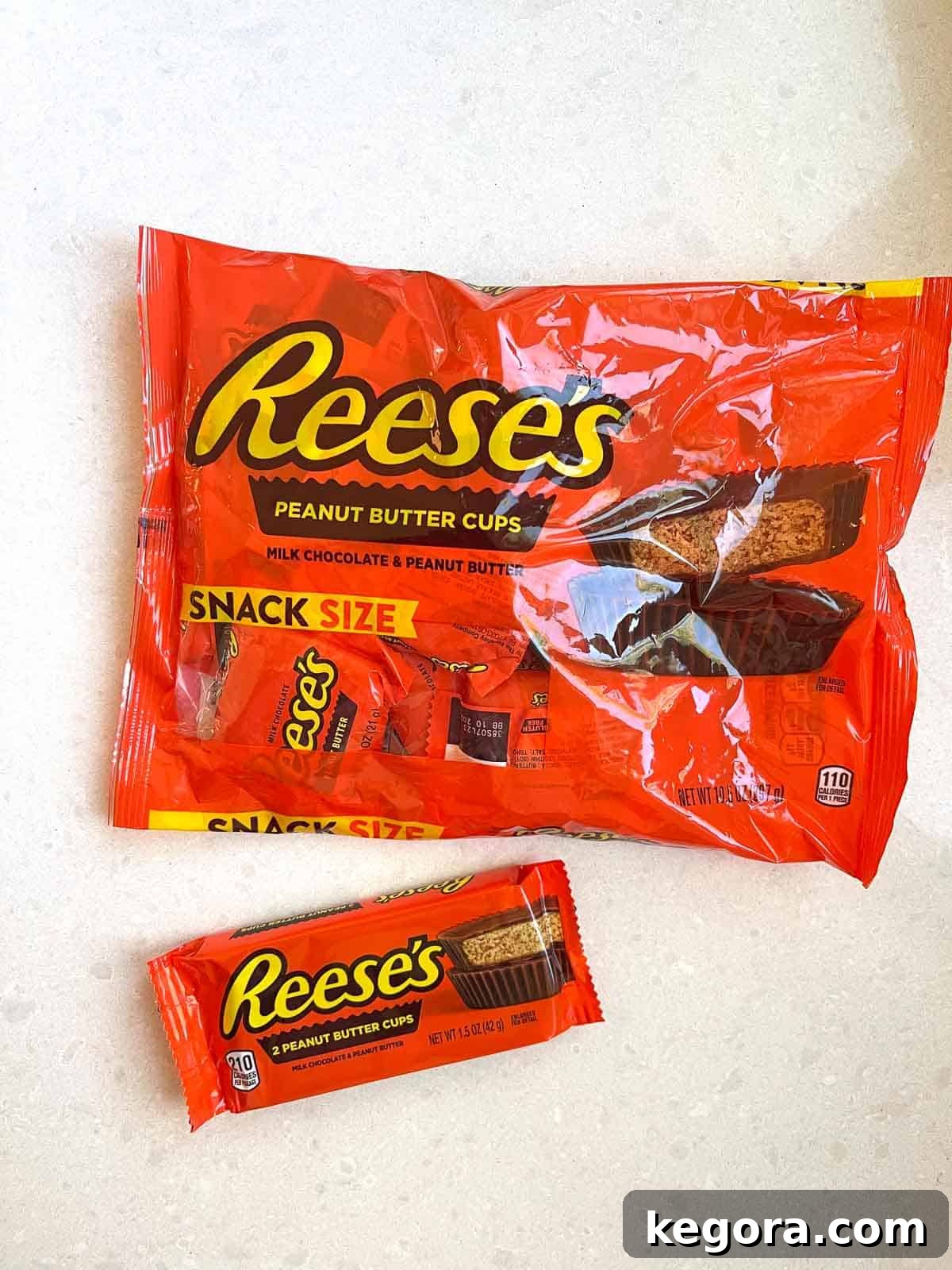
You’re curious: Are Reese’s gluten-free? We can help answer that! Check out this post for everything you want to know about eating Reese’s on a gluten-free diet.
This post was originally published in September 2022. It was updated with new photos and instructions in February 2025.
Are Reese’s Gluten-Free? Your Ultimate Guide to Enjoying This Classic Treat Safely
For generations, Reese’s Peanut Butter Cups have held a special place in the hearts of candy lovers worldwide. Their iconic combination of rich, creamy peanut butter and smooth, decadent milk chocolate creates a symphony of salty and sweet that is simply irresistible. From the classic cups to seasonal shapes, and a myriad of innovative new varieties, Reese’s remains a beloved American favorite.
If you’re navigating a gluten-free diet, whether due to celiac disease, gluten sensitivity, or simply a lifestyle choice, you’ve likely found yourself asking a common question: “Are Reese’s gluten-free?” This is a crucial inquiry for anyone who needs to avoid gluten, as even trace amounts can cause adverse reactions. The good news is that the answer, for most Reese’s products, is overwhelmingly positive!
We understand the importance of clarity when it comes to dietary restrictions. That’s why we’ve conducted an in-depth investigation into Reese’s ingredients, manufacturing processes, and official statements from The Hershey Company to provide you with a comprehensive and reliable guide. Get ready to dive into all the details, so you can enjoy your favorite peanut butter and chocolate treat with confidence.
Short answer: Yes, most Reese’s candies are gluten-free, with the notable exception of seasonal shapes.
Decoding Reese’s: Are They Truly Gluten-Free?
The question of whether Reese’s are gluten-free is a frequent one, and we’re here to provide a definitive answer. Yes, the vast majority of Reese’s products are indeed considered gluten-free. However, it’s crucial to understand the nuances, especially concerning seasonal varieties and the distinction between “gluten-free ingredients” and “certified gluten-free.”
Ingredient Purity: What’s Inside a Reese’s?
A quick glance at the ingredient label of a classic Reese’s Peanut Butter Cup reveals why it’s a safe bet for most on a gluten-free diet. The core ingredients are naturally free of gluten. These typically include:
- Milk Chocolate: A blend of sugar, cocoa butter, chocolate, milk, and milk fat, none of which contain gluten.
- Peanuts: The star of the show, peanuts are naturally gluten-free.
- Sugar: A simple carbohydrate, sugar is gluten-free.
- Dextrose: A type of sugar derived from corn, also gluten-free.
- Salt: A staple seasoning, completely gluten-free.
- Lecithin (Soy): An emulsifier derived from soy, which is gluten-free.
- TBHQ and Citric Acid: Used to maintain freshness, these preservatives are gluten-free.
As you can see, the fundamental components of Reese’s Peanut Butter Cups do not contain wheat, barley, rye, or any derivatives of these gluten-containing grains. This makes them inherently suitable for a gluten-free diet based on ingredients alone.
Hershey’s Official Stance and Gluten-Free Status
The Hershey Company, the maker of Reese’s, provides an official list of all gluten-free Reese’s products on their Hersheyland website. This resource is invaluable for consumers, as it’s regularly updated and confirms which specific products meet their internal gluten-free guidelines. We highly recommend checking this official list for the most current information, especially if you have particular concerns about a less common variety.
Important Distinction: Not “Certified Gluten-Free”
While most Reese’s products are made with naturally gluten-free ingredients and listed as such by Hershey’s, it’s vital to note that Reese’s are generally not certified gluten-free. What does this mean? Gluten-free certification, typically issued by third-party organizations, requires products to undergo rigorous testing to ensure they contain less than 20 parts per million (ppm) of gluten. This is the internationally recognized standard for “gluten-free.”
Hershey’s, for many of its products including Reese’s, does not conduct this specific third-party testing to achieve certification. While their ingredient statements indicate no gluten, and they take precautions to minimize cross-contact, the absence of certification means they don’t guarantee the <20 ppm threshold through external verification. For individuals with extreme gluten allergies or celiac disease, who must avoid even minute traces of gluten, this distinction can be important. Some highly sensitive individuals might choose to test the candy for gluten themselves or opt for alternatives that are explicitly certified.
Understanding this difference allows you to make an informed decision based on your personal dietary needs and sensitivity level. For many on a gluten-free diet, the assurance from Hershey’s official list and the naturally gluten-free ingredients are sufficient.
Navigating the Options: Which Reese’s Varieties Are Gluten-Free?
The good news for Reese’s enthusiasts on a gluten-free diet is that the vast majority of their product line is safe to enjoy. The general rule of thumb is: if it’s not a seasonal shape, it’s likely gluten-free! This means there’s an expansive world of gluten-free Reese’s out there waiting for you.
The Hershey Company maintains an exhaustive and regularly updated list on their website, which is always the best resource for the most current information. However, to give you a head start, here are some of the most popular and commonly available Reese’s options that are considered gluten-free:
- Reese’s Peanut Butter Cups: The original and most iconic treat.
- Reese’s Miniatures Peanut Butter Cups: Smaller versions of the classic, perfect for a quick bite.
- Reese’s Miniatures White Creme Peanut Butter Cups: A delightful twist with white chocolate flavor.
- Reese’s Big Cup Milk Chocolate Peanut Butter Cups: For those who crave an extra-large dose of peanut butter.
- Reese’s Pieces Peanut Butter Candy: The crunchy, colorful candy shells filled with peanut butter goodness.
- Reese’s Big Cup with Potato Chips: A unique sweet and salty combination.
- Reese’s Dark Chocolate Peanut Butter Cups: A more intense chocolate experience.
- Reese’s Stuffed with Pieces Big Cup Milk Chocolate Peanut Butter Cups: The best of both worlds, cups filled with Reese’s Pieces.
- Reese’s Stuffed with Pieces Miniatures Milk Chocolate Peanut Butter Cups: Miniature versions of the stuffed cups.
- Reese’s Nutrageous Milk Chocolate Peanut Butter Candy Bar: A hearty bar with peanuts, caramel, and peanut butter.
- Reese’s Fast Break Milk Chocolate Peanut Butter Candy Bar: A satisfying bar with peanut butter, nougat, and chocolate.
- Reese’s Franken-Cup Milk Chocolate Peanut Butter Cups: Often appearing around Halloween, check the label for specific seasonal variants of this type.
- Reese’s Mallow-Top Marshmallow Creme with Milk Chocolate Peanut Butter Cups: A limited edition offering featuring a marshmallow creme layer.
- Reese’s Peanut Butter Lovers Peanut Butter Cups: Featuring an extra layer of peanut butter for ultimate fans.
- Reese’s Chocolate Lovers Peanut Butter Cups: An extra layer of chocolate for those who prefer more cocoa.
- Reese’s Thins: A lighter, thinner version of the classic cup.
This extensive list demonstrates that a gluten-free diet doesn’t mean giving up on the joy of Reese’s. You have a wide array of choices to satisfy your cravings, from the traditional cup to innovative new flavors and textures. Always remember to quickly verify the product on the Hersheyland website if you encounter a new or less common variety, just to be absolutely sure.
For more articles on gluten-free candy and treats, make sure to explore our comprehensive guides on topics like are marshmallows gluten-free, are starburst gluten-free, are Swedish fish gluten-free, are M&Ms gluten-free, are Milky Ways gluten-free, are macarons gluten-free, are Skittles gluten-free, and are Snickers gluten-free.
You also might like these articles on navigating gluten-free Chick-Fil-A and gluten-free Wendy’s options.
Are Reese’s Celiac-Friendly? Understanding Safety for Severe Gluten Sensitivity
For individuals with celiac disease, strict adherence to a gluten-free diet is not just a preference, but a medical necessity. Even tiny amounts of gluten can trigger an autoimmune response, leading to intestinal damage and a host of uncomfortable symptoms. So, when we ask if Reese’s are “gluten-free,” for those with celiac, the deeper question is: Are Reese’s truly celiac-friendly?
The good news is that for most Reese’s products, the answer is a resounding yes! Reese’s Peanut Butter Cups, along with nearly all their standard varieties, are considered a safe and delicious chocolate treat for those managing celiac disease. As discussed, the core ingredients—milk chocolate, peanuts, sugar, and various emulsifiers and preservatives—are naturally gluten-free.
The Hershey Company explicitly lists these products as gluten-free on their official website, Hersheyland.com. This indicates that while they may not carry a third-party “certified gluten-free” label, Hershey’s believes these products meet their internal standards for being free of gluten-containing ingredients.
Therefore, you can confidently reach for almost any Reese’s variety you encounter at the grocery store—from the classic cups to Reese’s Pieces and various bars. These products are manufactured with care to avoid gluten-containing components in their recipes, making them a generally safe indulgence for the celiac community. The only crucial exception, which we will elaborate on, remains the seasonal-shaped Reese’s items.
By understanding which products are crafted with celiac-safe ingredients and practices, you can enjoy the delightful taste of Reese’s without compromising your health or dietary needs. Always prioritize the official Hershey’s list for the most reliable information.
The Seasonal Shape Exception: Why Some Reese’s Aren’t Gluten-Free
This is where the plot thickens slightly for Reese’s and gluten-free diets. While the vast majority of Reese’s products are safe, there’s a specific category you need to be wary of: the seasonal shapes. This includes beloved holiday treats like Reese’s eggs (Easter), Reese’s trees (Christmas), Reese’s hearts (Valentine’s Day), and Reese’s pumpkins (Halloween).
The puzzling part for many is that if you scrutinize the ingredient list for these seasonal shapes, you likely won’t find any gluten-containing ingredients explicitly listed. So, why are they not considered gluten-free by The Hershey Company? The answer lies not in the recipe, but in the manufacturing environment and the risk of cross-contamination.
Understanding Cross-Contamination
Food production facilities are complex environments. While standard Reese’s Peanut Butter Cups might be produced on dedicated lines or with stringent cleaning protocols to prevent gluten contamination, seasonal shapes often involve different production processes. These special holiday shapes typically require unique molds and specialized equipment to achieve their festive forms.
It is common for these seasonal items to be manufactured in facilities or on shared equipment that also process other products containing gluten ingredients. Despite efforts to clean equipment between production runs, there’s an inherent, higher risk of trace amounts of gluten from flour, wheat starches, or other gluten-containing ingredients accidentally finding their way into the seasonal Reese’s. This minuscule amount, while perhaps not listed as an ingredient, can still be enough to trigger a reaction in individuals with celiac disease or high gluten sensitivity.
The Hershey Company, in its commitment to transparency and consumer safety, errs on the side of caution. Because they cannot guarantee that these seasonal shapes meet their internal gluten-free standards due to potential cross-contact, they do not list them as gluten-free. This careful approach helps protect consumers who rely on accurate dietary information.
Therefore, even though they are delicious and festive, it’s best for anyone on a strict gluten-free diet to steer clear of Reese’s eggs, trees, hearts, pumpkins, and other specially molded seasonal items. Always prioritize your health and well-being, and stick to the varieties officially listed as gluten-free.
Are Reese’s Mini Cups Gluten-Free?
Yes, absolutely! Just like their larger counterparts, Reese’s Miniatures Peanut Butter Cups are considered gluten-free. This is fantastic news for those who prefer a smaller, bite-sized indulgence or are looking for a convenient treat to share (or not share!).
The ingredients used to make Reese’s Miniatures are the same naturally gluten-free components found in the regular-sized peanut butter cups. The manufacturing process for these standard miniature versions also adheres to the same practices that ensure they remain free of gluten-containing ingredients.
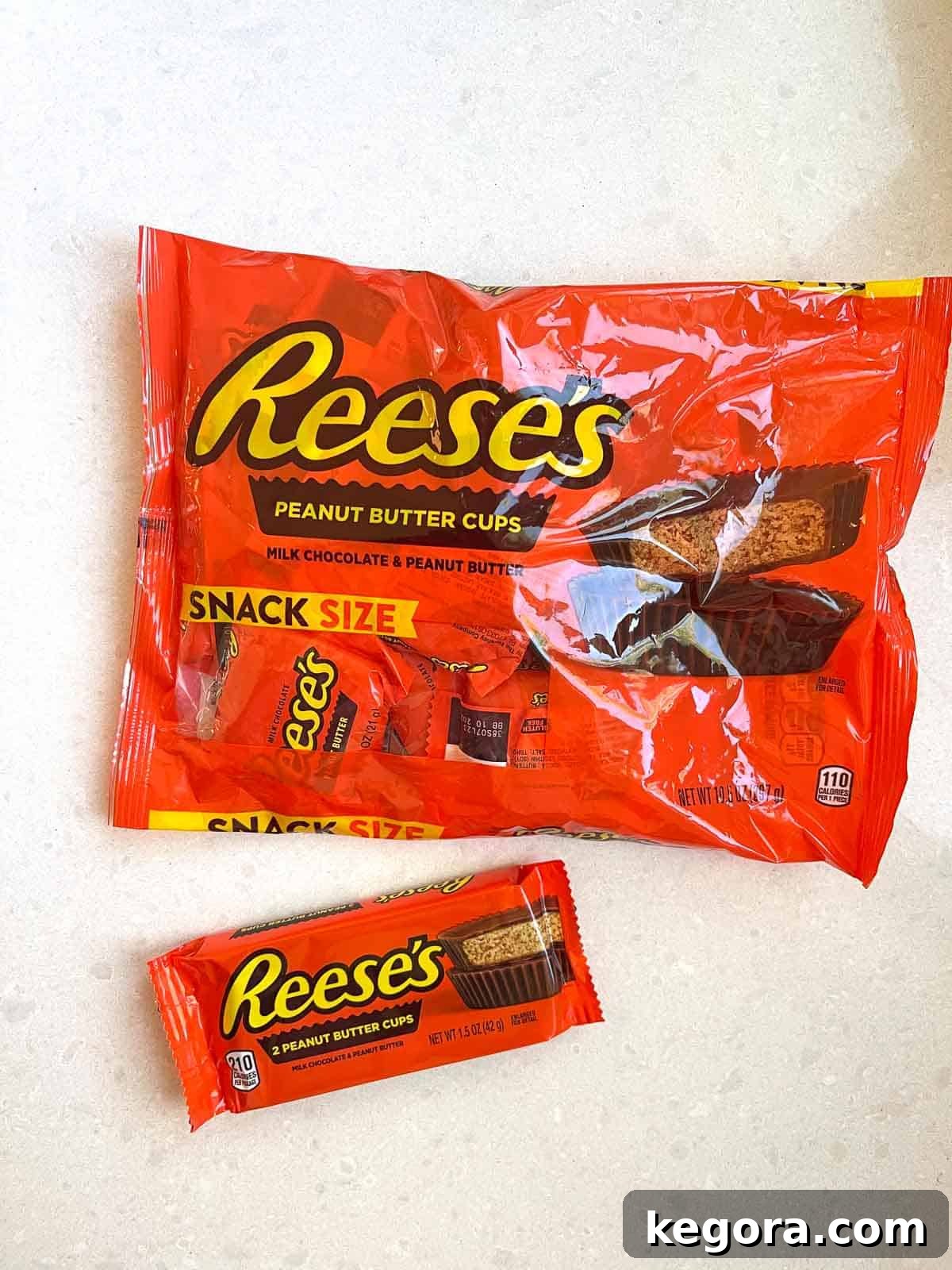
You might notice that they don’t always have a prominent “gluten-free” label on the front or back of their packaging. This is common for many products that are gluten-free by ingredients but not officially certified. However, rest assured that Reese’s Miniatures Peanut Butter Cups are consistently featured on the official list of gluten-free Reese’s products that you can easily find on the Hershey’s website. So go ahead and enjoy these delightful mini treats without a worry!
For favorite gluten-free recipes to pair with your Reese’s, why not try these best gluten-free chocolate chip cookies, gluten-free banana bread, and gluten-free brownies.
Exploring Certified Gluten-Free Alternatives to Reese’s
While most Reese’s products are made without gluten ingredients and are suitable for many on a gluten-free diet, they are not certified gluten-free. For individuals with severe gluten allergies, celiac disease, or those who simply prefer the extra assurance of a third-party certification, there are several fantastic alternatives available that offer a similar delightful peanut butter and chocolate experience.
These brands often produce their products in dedicated gluten-free facilities or follow extremely strict protocols to ensure cross-contamination is virtually eliminated, and they typically carry a “certified gluten-free” label. Here are some excellent options to consider:
- Justin’s Organic Peanut Butter Cups: Justin’s offers both milk chocolate and dark chocolate peanut butter cups that are certified gluten-free. They are also made with organic ingredients, appeal to a broader health-conscious audience, and often use Rainforest Alliance Certified cocoa.
- Unreal Dark Chocolate Peanut Butter Cups: Unreal is known for its commitment to real ingredients and lower sugar content. Their dark chocolate peanut butter cups are certified gluten-free, non-GMO, and often vegan, making them a great choice for multiple dietary needs.
- Free2b Sun Cups: For those with peanut allergies in addition to gluten sensitivities, Free2b Sun Cups are an excellent choice. They are made with sunflower seed butter instead of peanut butter, and are certified gluten-free, dairy-free, nut-free, and soy-free, making them incredibly allergen-friendly.
- Lily’s Milk Chocolate Style Peanut Butter Cups: Lily’s specializes in sugar-free and low-sugar chocolates. Their peanut butter cups are certified gluten-free and sweetened with erythritol and stevia, offering a delicious option for those managing sugar intake.
- Skinny Dipped Dark Chocolate Peanut Butter Cups: These feature lightly coated almonds or peanuts in dark chocolate. While some of their products might not be direct “peanut butter cup” replacements, Skinny Dipped offers gluten-free options that combine nuts and chocolate, often with less sugar. Always check specific product labels.
- Trader Joe’s Peanut Butter Cups: Many of Trader Joe’s private label items are surprisingly gluten-free, and their famous peanut butter cups (both milk and dark chocolate) are often made without gluten-containing ingredients. While not always certified, many in the GF community find them safe; however, always verify ingredients for current batches.
Choosing one of these certified alternatives provides an extra layer of comfort and safety for those who need it most. They prove that you don’t have to miss out on the classic peanut butter and chocolate pairing, even with strict dietary requirements.
Frequently Asked Questions About Reese’s and Gluten
To further assist you in navigating the world of Reese’s and gluten-free eating, here are answers to some of the most common questions.
What other popular candies are gluten-free?
The good news is that many popular candies are naturally gluten-free, offering plenty of sweet options. If you’re looking for gluten-free chocolate candy, you have a variety of choices:
- Reese’s Peanut Butter Cups: (Except for seasonal shapes)
- 3 Musketeers bars: A fluffy, chocolate-covered nougat bar.
- M&M’s: Most varieties are gluten-free, but always double-check, especially for specialty flavors like Pretzel or Crispy which typically contain gluten. Plain, Peanut, Milk Chocolate, Caramel, and Dark Chocolate M&M’s are usually safe.
- Dove Chocolates: Most plain Dove chocolate bars and squares are gluten-free.
- Snickers bars: The classic nougat, caramel, and peanut bar is typically gluten-free.
- Hershey’s Milk Chocolate Bar: The classic plain bar is gluten-free.
- Almond Joy and Mounds: Coconut and chocolate delights, generally gluten-free.
- Baby Ruth: Peanuts, caramel, and nougat, also typically gluten-free.
Beyond chocolate, many fruity and chewy candies are also gluten-free:
- Skittles: All standard flavors are gluten-free.
- Starbursts: Chewy, fruity, and gluten-free.
- Swedish Fish: A chewy, jelly-like candy that’s gluten-free.
- Haribo Gummy Bears: Most classic Haribo gummy bears are gluten-free, but always check ingredients as formulations can vary by region.
- Laffy Taffy: Most varieties are gluten-free.
- Jelly Beans: Most brands of traditional jelly beans are gluten-free.
- Sour Patch Kids: Generally considered gluten-free.
Always make it a habit to read the ingredient labels, as recipes and manufacturing practices can change. When in doubt, consult the manufacturer’s official website.
Are Reese’s certified gluten-free?
No, most Reese’s products are not certified gluten-free. This means they do not carry a third-party certification seal that guarantees they contain less than 20 ppm of gluten. While The Hershey Company lists many Reese’s varieties as gluten-free on their website based on ingredients, they do not undergo the specific external testing required for certification. This distinction is important for individuals with severe celiac disease or high gluten sensitivity, who might prefer certified products for maximum safety.
Are Reese’s pumpkins gluten-free?
No, Reese’s pumpkins are generally not considered gluten-free. Similar to Reese’s eggs, trees, and other holiday-specific shapes, Reese’s pumpkins are produced in facilities where there’s an elevated risk of cross-contamination with gluten-containing ingredients. Even if their listed ingredients are gluten-free, this risk makes them unsafe for those on a strict gluten-free diet or with celiac disease. It’s best to avoid them and opt for the standard Reese’s cups.
Are Reese’s eggs gluten-free in 2025?
No, as of 2025, Reese’s eggs are still among the few Reese’s candies that are not listed as gluten-free. Despite having naturally gluten-free ingredients, they are manufactured in facilities where other gluten-containing products are made. This poses a risk of cross-contamination, which means they could contain trace amounts of gluten. Therefore, if you follow a gluten-free diet, it’s advised to avoid Reese’s eggs and other seasonal shapes.
Are Reese’s dairy-free?
No, Reese’s are not dairy-free. The classic Reese’s Peanut Butter Cups are made with milk chocolate, which, as the name indicates, contains milk ingredients. Therefore, Reese’s are not suitable for individuals with dairy allergies or those following a vegan diet. There might be some specialty dark chocolate or plant-based alternatives by other brands that mimic the Reese’s flavor profile, but original Reese’s products contain dairy.
Are Reese’s Take 5 Gluten-Free?
No, Reese’s Take 5 candy bars are definitively not gluten-free. This particular Reese’s product contains pretzels, which are made from wheat flour and are a source of gluten. While most standard Reese’s candies, such as Reese’s Peanut Butter Cups and Reese’s Fast Break candy bars, are gluten-free (with the exception of seasonal shapes due to cross-contamination risk), the Take 5 bar is an explicit exception due to its gluten-containing ingredients.
Where can I find an official list of gluten-free Reese’s products?
The most reliable and up-to-date official list of gluten-free Reese’s products can always be found on The Hershey Company’s Hersheyland website. They regularly update this section to reflect any changes in ingredients or manufacturing processes, making it your go-to resource for accurate dietary information regarding Reese’s candies.
The Bottom Line: Enjoying Reese’s on a Gluten-Free Diet
After a thorough exploration, we can confidently conclude that the question, “Are Reese’s Peanut Butter Cups gluten-free?” has a largely positive answer. Yes, nearly all standard varieties of Reese’s candies are suitable for a gluten-free diet. This means you can continue to enjoy the classic, irresistible combination of peanut butter and chocolate that Reese’s is famous for, without worry, for most of their product line.
The key takeaway and most important distinction to remember is the exception: seasonal shapes are the only Reese’s products you’ll want to avoid if you have celiac disease or are strictly adhering to a gluten-free diet. These festive items, such as Reese’s eggs, trees, hearts, and pumpkins, are often manufactured in shared facilities or on equipment that also processes gluten-containing products. This creates a risk of cross-contamination, meaning they could contain trace amounts of gluten, which is a concern for sensitive individuals.
For all other standard Reese’s products, from the regular cups to Reese’s Pieces and various candy bars (excluding those with explicit gluten ingredients like pretzels), The Hershey Company uses naturally gluten-free ingredients and lists them as such on their official website. While they may not be “certified gluten-free” by a third party, they are widely considered safe for the majority of gluten-free consumers.
So, go ahead and indulge in your favorite Reese’s treat with peace of mind, knowing you’re making informed choices about your diet. Just be mindful of those seasonal exceptions, and always check the official Hersheyland website for the most up-to-date product information.