
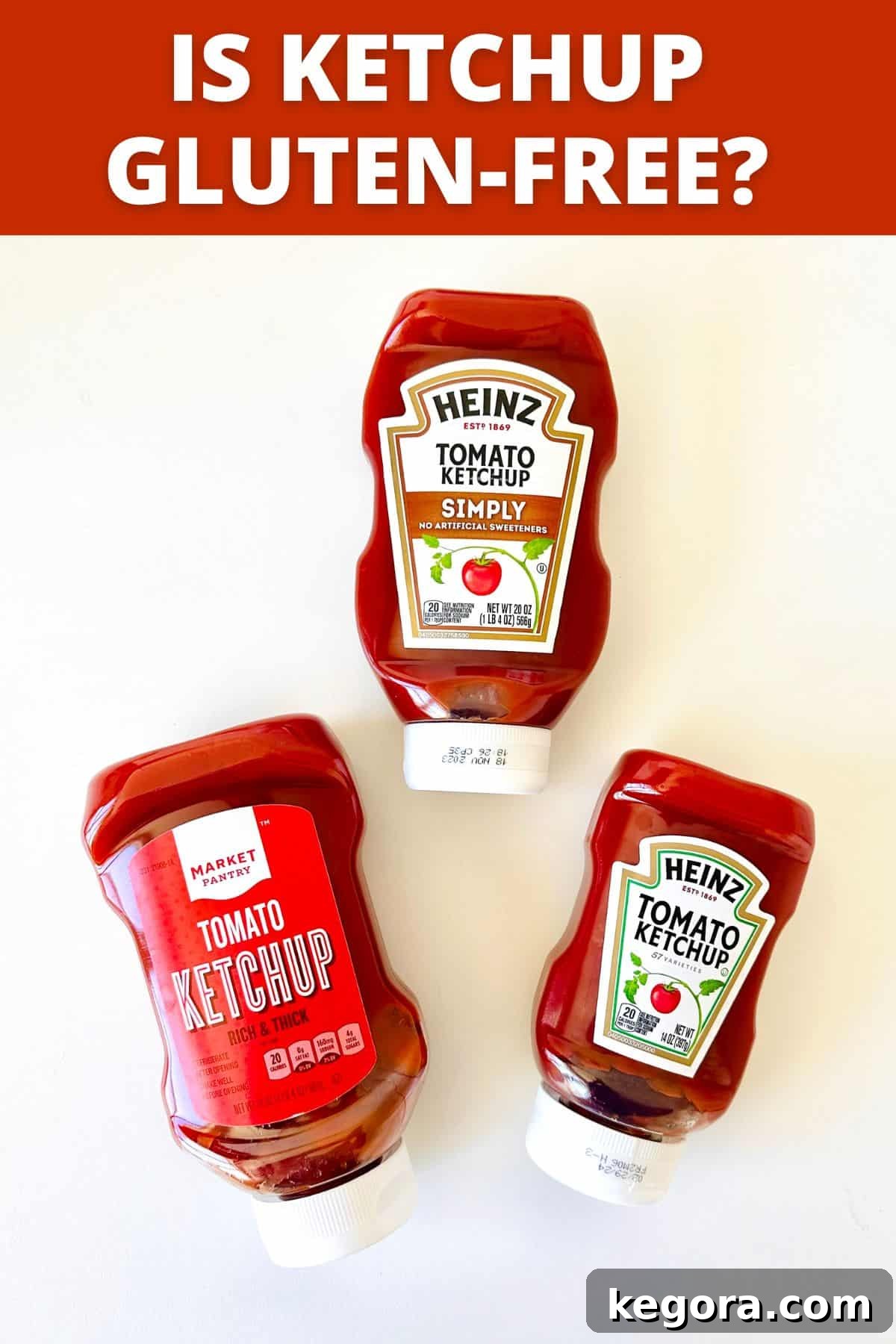
Navigating a gluten-free diet often involves a careful inspection of food labels, even for the most common kitchen staples. For many, ketchup is a universally loved condiment, an indispensable companion to everything from crispy French fries and juicy burgers to hot dogs and chicken nuggets. If you’ve recently transitioned to a gluten-free lifestyle, one of the first questions you might ask is: “Is ketchup gluten-free?” Fortunately, for the vast majority of consumers, the answer is a resounding yes!
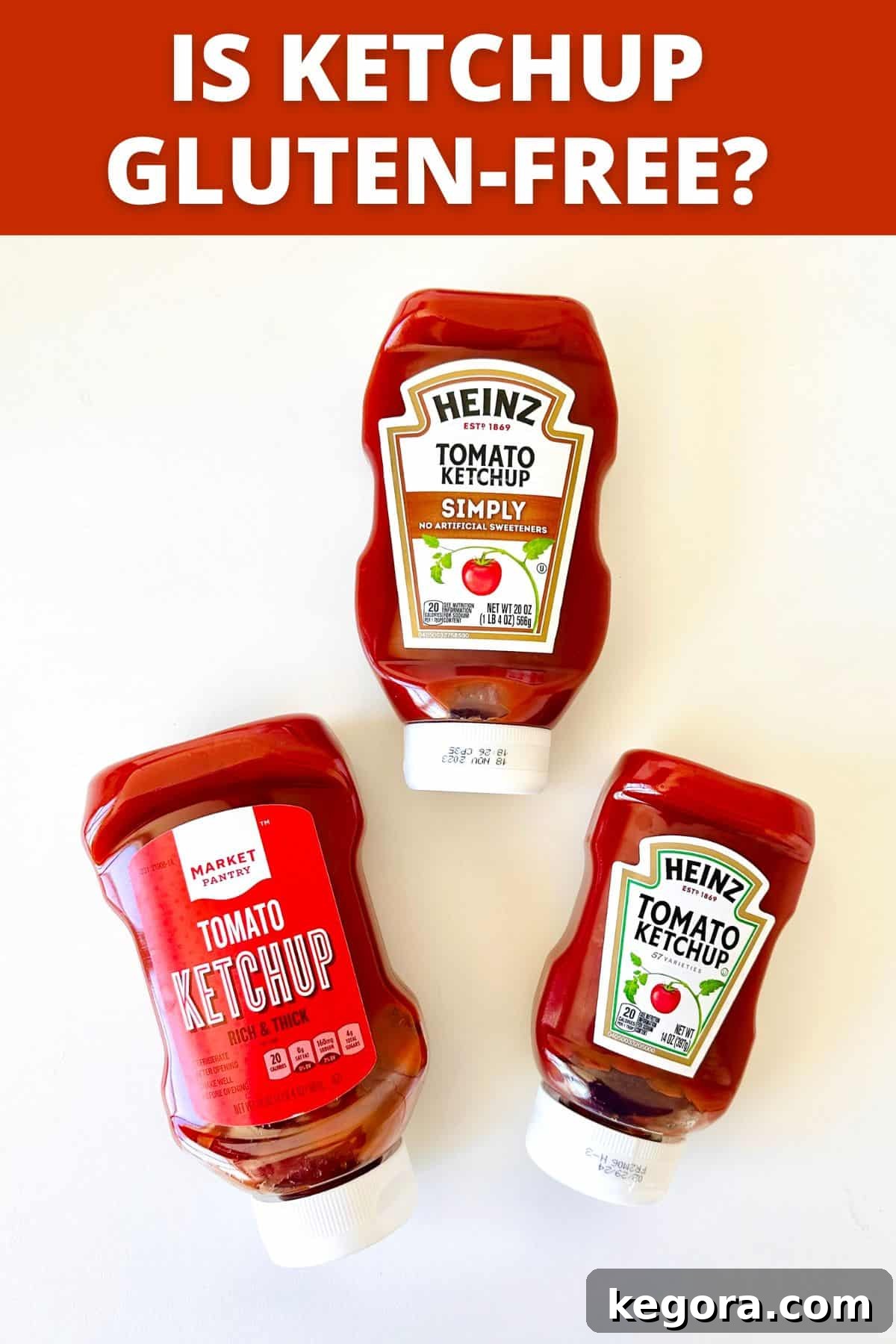
Ketchup is undeniably one of America’s best-loved condiments, elevating the flavor of countless meals. Its unique blend of sweet, tangy, and savory notes makes it a perfect complement to a wide array of dishes. For those committed to a gluten-free diet, the thought of giving up such a beloved staple can be daunting. You’ll be relieved to know that traditional ketchup, in most cases, is naturally free of gluten.
The core ingredients that form the basis of classic ketchup are inherently gluten-free. This means that for most people with gluten sensitivity or Celiac disease, ketchup can remain a cherished part of their dining experience. However, a nuanced understanding of labeling, ingredients, and potential cross-contamination is always beneficial to ensure complete safety and peace of mind.
While the fundamental composition of ketchup is gluten-free, it’s important to recognize that not all brands are certified gluten-free. This distinction can be crucial for individuals with Celiac disease or severe gluten allergies, where even trace amounts of gluten can trigger adverse reactions. Potential cross-contamination during manufacturing, where gluten-containing products are also processed, is a primary concern. Manufacturers often address this in their allergen statements on product labels, which is always worth checking.
For those exploring other gluten-free options and dietary considerations, these related articles might be helpful: Are Tater Tots Gluten-Free?, Are French Fries Gluten-Free?, Gluten-Free Wendy’s Options, and Gluten-Free Chick-fil-A Choices. Additionally, dive deeper into specific ingredient analyses with articles such as Is Velveeta Gluten-Free?, Is Soy Sauce Gluten-Free?, and Is Worcestershire Sauce Gluten-Free?
Is Ketchup Gluten-Free? Unpacking the Ingredients
The short answer is a resounding yes, most ketchup is gluten-free. The fundamental components of ketchup — tomatoes, vinegar, sweeteners, and spices — are naturally free from gluten. This makes it a generally safe choice for those avoiding gluten. Many of the most popular ketchup brands, including market leaders like Heinz, explicitly label their products as gluten-free. This means they meet the stringent FDA regulation for gluten-free foods, which requires the product to contain less than 20 parts per million (ppm) of gluten.
Let’s take a closer look at the typical ingredients found in a classic tomato ketchup, using Heinz as a widely recognized example, to understand why it’s considered gluten-free:
- Tomato Concentrate from Red Ripe Tomatoes: The primary ingredient, tomatoes, are a fruit and naturally gluten-free.
- Distilled Vinegar: This is a common point of confusion, but generally safe, as will be explained in detail below.
- High Fructose Corn Syrup & Corn Syrup: These are sweeteners derived from corn, which is a gluten-free grain.
- Salt: A mineral and flavor enhancer, always gluten-free.
- Spice: This typically refers to a blend of various herbs and spices, which are naturally gluten-free. While extremely rare, some spice blends could theoretically contain anti-caking agents that include gluten; however, major brands are vigilant about allergen control.
- Onion Powder: Derived from onions, which are naturally gluten-free vegetables.
- Natural Flavoring: “Natural flavoring” can sometimes be a concern for highly sensitive individuals if the source is vague. However, in reputable brands like Heinz, these flavorings are carefully formulated and sourced to be gluten-free.
The main ingredient that frequently raises questions among those on a gluten-free diet is distilled vinegar. It’s important to note that in North America, the distilled vinegar used in products like Heinz is almost always derived from corn, not wheat. Furthermore, the distillation process itself is highly effective at removing any potential gluten proteins, even if a gluten-containing grain were originally used. So, the presence of distilled vinegar in ketchup is generally not a concern for gluten avoidance.
Is Vinegar Gluten-Free? Deciphering a Key Ingredient
Vinegar is a fundamental component of ketchup, contributing significantly to its characteristic tang and acting as a natural preservative. Understanding the different types of vinegar and their origins is essential for anyone on a gluten-free diet.
The good news is that most vinegars are naturally gluten-free, as they are derived from gluten-free sources. These include:
- Apple Cider Vinegar: Made from fermented apples.
- Wine Vinegar (Red and White): Produced from fermented grapes.
- Balsamic Vinegar: A specialty vinegar originating from fermented grape must.
- Cane Vinegar: Derived from fermented sugar cane.
- Rice Vinegar: Made from fermented rice.
The type of vinegar most commonly found in commercial ketchup is distilled white vinegar. In the United States and Canada, distilled white vinegar is overwhelmingly made from corn or sometimes from sugar cane, both of which are gluten-free sources. Crucially, the distillation process itself effectively separates any proteins (including gluten) from the resulting acetic acid. This means that even if a distilled vinegar were theoretically started from a gluten-containing grain like wheat (which is uncommon for white vinegar in North America), the final distilled product would be considered gluten-free according to scientific consensus and FDA guidelines.
However, there is one significant exception to be aware of: Malt Vinegar. Malt vinegar is produced from fermented barley, a grain that contains gluten. Unlike distilled white vinegar, malt vinegar does not undergo a distillation process that removes gluten. Therefore, malt vinegar is definitively not gluten-free and should be strictly avoided by individuals with Celiac disease or any form of gluten sensitivity. Even small quantities can cause adverse reactions. Fortunately, malt vinegar is rarely, if ever, used in standard tomato ketchups; it’s more commonly found in specific condiments like those served with fish and chips.
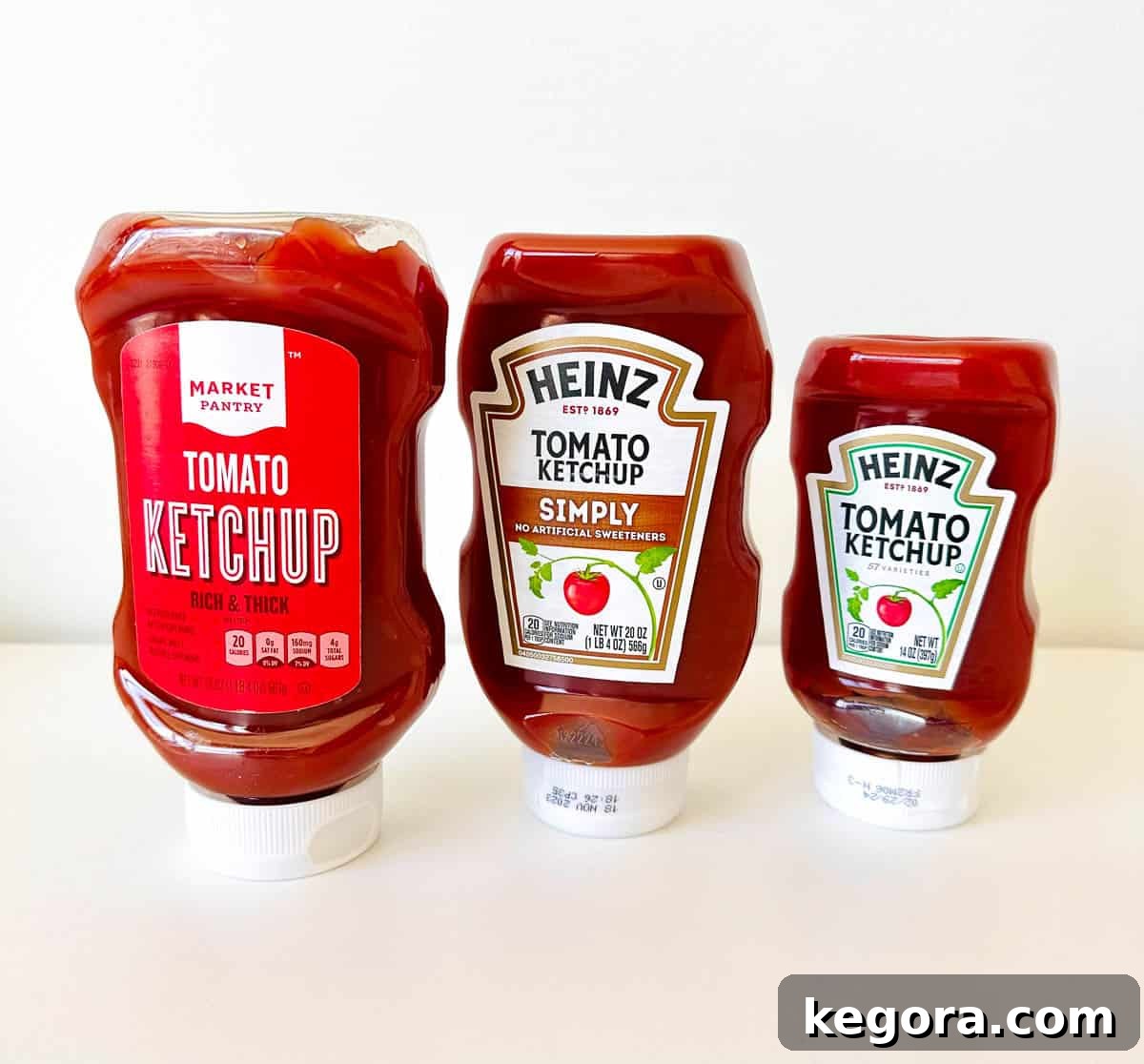
Top Gluten-Free Ketchup Brands You Can Trust
For maximum assurance, particularly for those with Celiac disease or high sensitivity, seeking out ketchup brands that are specifically labeled and/or certified gluten-free is the safest approach. These certifications typically signify that the product has undergone rigorous testing to confirm gluten levels are below 20 ppm and that robust measures are in place to prevent cross-contamination during production.
The good news is that many widely available and popular ketchup brands are safe for a gluten-free diet and are clearly labeled as such. Here are some excellent gluten-free ketchup brands commonly found in grocery stores:
- Heinz: The classic Heinz Tomato Ketchup is a reliable gluten-free choice. Most of their ketchup varieties are labeled as gluten-free, making them a go-to for many.
- French’s: Known for their delicious mustard, French’s also offers a high-quality ketchup product that is explicitly labeled gluten-free, confirming its safety.
- Annie’s Organic Ketchup: For those seeking organic options, Annie’s provides a tasty and certified gluten-free ketchup, often free from artificial colors, flavors, and high-fructose corn syrup.
- Organicville: Another excellent organic alternative, Organicville ketchups are certified gluten-free and frequently use healthier sweeteners like agave nectar.
- Sir Kensington’s: This brand focuses on premium ingredients and offers a classic ketchup that is clearly labeled gluten-free, catering to discerning tastes.
- Walden Farms: For individuals monitoring sugar and calorie intake, Walden Farms provides a range of zero-calorie, sugar-free products, including ketchup, which are also confirmed gluten-free.
Beyond gluten-free status, many ketchup brands have become increasingly health-conscious. It’s now easier than ever to find options that are free from artificial colors, artificial flavors, and high-fructose corn syrup, allowing you to align your condiment choices with broader dietary preferences.
Condiments to Avoid: What is Not Gluten-Free (and Why)?
While ketchup generally gets a green light, it’s vital to be aware that several other popular condiments commonly contain gluten and should be approached with caution or avoided entirely on a gluten-free diet. Understanding their gluten sources is key to making informed choices:
- Soy Sauce: Traditional soy sauce is brewed with wheat, making it a significant source of gluten. Always opt for Tamari, which is a specific type of gluten-free soy sauce made without wheat.
- Gravy: Most gravies are thickened with a roux, which typically consists of wheat flour and fat. This makes them gluten-containing. Look for gravies thickened with cornstarch, tapioca starch, or other gluten-free alternatives, or make your own from scratch.
- Malt Vinegar: As previously discussed, malt vinegar is made from barley, a gluten-containing grain. It is not distilled in a way that removes gluten and must be avoided.
- Heinz 57 Sauce: This popular steak sauce is known to contain malt vinegar as an ingredient, rendering it unsuitable for a gluten-free diet.
- Worcestershire Sauce: This condiment can be a bit of a mixed bag. Some traditional recipes or international versions of Worcestershire sauce may contain malt vinegar or other gluten-containing ingredients. However, in the US, many popular brands (such as Lea & Perrins) are considered gluten-free because they use distilled white vinegar. It is imperative to always check the label carefully.
- Some Marinades and Salad Dressings: Many pre-packaged marinades and salad dressings can contain hidden gluten in the form of soy sauce, wheat-based thickeners, or modified food starches derived from wheat. Always scrutinize the ingredient list.
- Beer-Based BBQ Sauces: Any barbecue sauce that lists beer as an ingredient will contain gluten, as most beers are brewed from barley.
The golden rule for any processed food, especially condiments, is to read the ingredient label diligently. Look for explicit “gluten-free” certifications and be familiar with ingredients that signal the presence of gluten.
Which Heinz Products are Gluten-Free? A Detailed List
Heinz, being a dominant force in the condiment market, understands the needs of consumers on restricted diets. They have a strong commitment to clearly labeling their gluten-free products, making it much easier for individuals to find safe options. The majority of Heinz products are naturally gluten-free or specifically formulated to be so. This broad availability helps ensure that a gluten-free diet doesn’t mean sacrificing flavor or variety.
Here’s an extensive list of many Heinz products that are generally considered gluten-free. Please remember that product formulations can change, and regional variations exist, so always cross-reference with the most current product label or the official Heinz website:
- Ketchup (all standard varieties, including Organic and Simply Ketchup)
- Honey Mustard
- Spicy Brown Mustard
- Yellow Mustard
- Carolina Mustard BBQ Sauce
- Carolina Vinegar BBQ Sauce
- Chili Sauce
- Culinary Crunch (all varieties – always check specific product for latest info)
- Dill Relish
- Honeyracha
- Hot Dog Relish
- Balsamic Vinegar
- Kranch (a popular blend of ketchup and ranch)
- India Relish
- Kansas City BBQ Sauce
- Mayochup (a delicious fusion of mayonnaise and ketchup)
- Mayomust (a creamy blend of mayonnaise and mustard)
- Mayoracha (a zesty mix of mayonnaise and sriracha)
- Cocktail Sauce
- Ketchili (ketchup with a hint of chili spice)
- Original Sweet & Thick BBQ Sauce
- White Vinegar (distilled)
For the most current and definitive information regarding ingredients and allergen statements, the official Heinz website is always the best resource. Their product range is continuously expanding and being updated.
Frequently Asked Questions About Gluten-Free Ketchup
No, French’s ketchup is verified to be gluten-free. It is manufactured using naturally gluten-free ingredients such as tomato concentrate, sugar, distilled vinegar, salt, onion powder, spices, and natural flavor. Consumers can enjoy French’s ketchup confidently as part of a gluten-free diet.
Yes, Great Value ketchup, commonly found at Walmart, is labeled as gluten-free. Its ingredient list, which includes tomato concentrate, high fructose corn syrup, corn syrup, distilled vinegar, salt, spices, onion powder, and natural flavor, confirms that it adheres to gluten-free standards, making it safe for consumption.
Absolutely, Heinz ketchup is gluten-free. This status is clearly indicated on its label, signifying that it contains less than 20 parts per million of gluten. This makes Heinz ketchup a safe and reliable choice for individuals with Celiac disease and other gluten sensitivities.
Hunt’s ketchup is generally considered to be made with naturally gluten-free ingredients. While it might not always carry an explicit “gluten-free” certification label (which implies third-party testing below 20 ppm), the Hunt’s website often states that its products do not contain common allergens. For those with severe sensitivities, opting for explicitly labeled gluten-free brands is always the safest approach.
For most reputable commercial brands, ketchup is very unlikely to cause gluten symptoms because their ingredients are naturally gluten-free and many are certified. However, in exceptionally rare instances, or due to severe cross-contamination in production (less likely with major brands) or preparation (e.g., shared utensils in a restaurant), highly sensitive individuals could potentially react. Sticking to certified gluten-free options minimizes this risk.
The primary ingredient in all ketchups, including those marketed as gluten-free, is tomato concentrate, typically made from ripe red tomatoes. Other major naturally gluten-free ingredients include distilled vinegar, corn syrup or other sweeteners, salt, and various spices.
The Bottom Line: Ketchup is a Gluten-Free Friend
For all ketchup aficionados, the good news is overwhelmingly positive: ketchup is typically gluten-free and can be safely enjoyed as part of your dietary regimen. The natural composition of its core ingredients—tomatoes, distilled vinegar, sweeteners, and spices—ensures that most brands are inherently free from gluten.
For those managing Celiac disease or significant gluten sensitivities, taking the extra step to purchase brands that are explicitly labeled “gluten-free” provides an invaluable layer of assurance. This certification confirms that the product adheres to strict regulatory standards, containing less than 20 parts per million of gluten, and has been handled to minimize cross-contamination risks.
So, you can confidently continue to dollop, dip, and savor your favorite ketchup without any gluten-related worries. Your gluten-free lifestyle certainly doesn’t mean compromising on the simple pleasure of this beloved condiment!
MORE ARTICLES ON GLUTEN-FREE LIVING
5 Gluten-Free Halloween Treats To Bake This Week
Top 15 BEST Gluten-Free Pumpkin Recipes
Gluten-Free Taco Seasoning
The 25 BEST Gluten-Free Thanksgiving Desserts
Are Swedish Fish Gluten-Free?
Gluten-Free Candy List 2025!