
Welcome to the ultimate guide for deciphering the gluten-free status of one of the world’s most talked-about spicy snacks: Takis. These vibrant, crunchy, and intensely flavored rolled tortilla chips have captivated taste buds globally, becoming a staple at parties, sporting events, and late-night snack sessions. With their distinctive shape and powerful kick, Takis offer an unparalleled snacking experience. However, for individuals navigating a gluten-free lifestyle, the burning question isn’t just about heat, but about hidden ingredients and potential cross-contamination. Are Takis safe for those with celiac disease, gluten sensitivity, or anyone adhering to a strict gluten-free diet? Let’s dive deep into the ingredients, manufacturing processes, and official statements to uncover the truth.
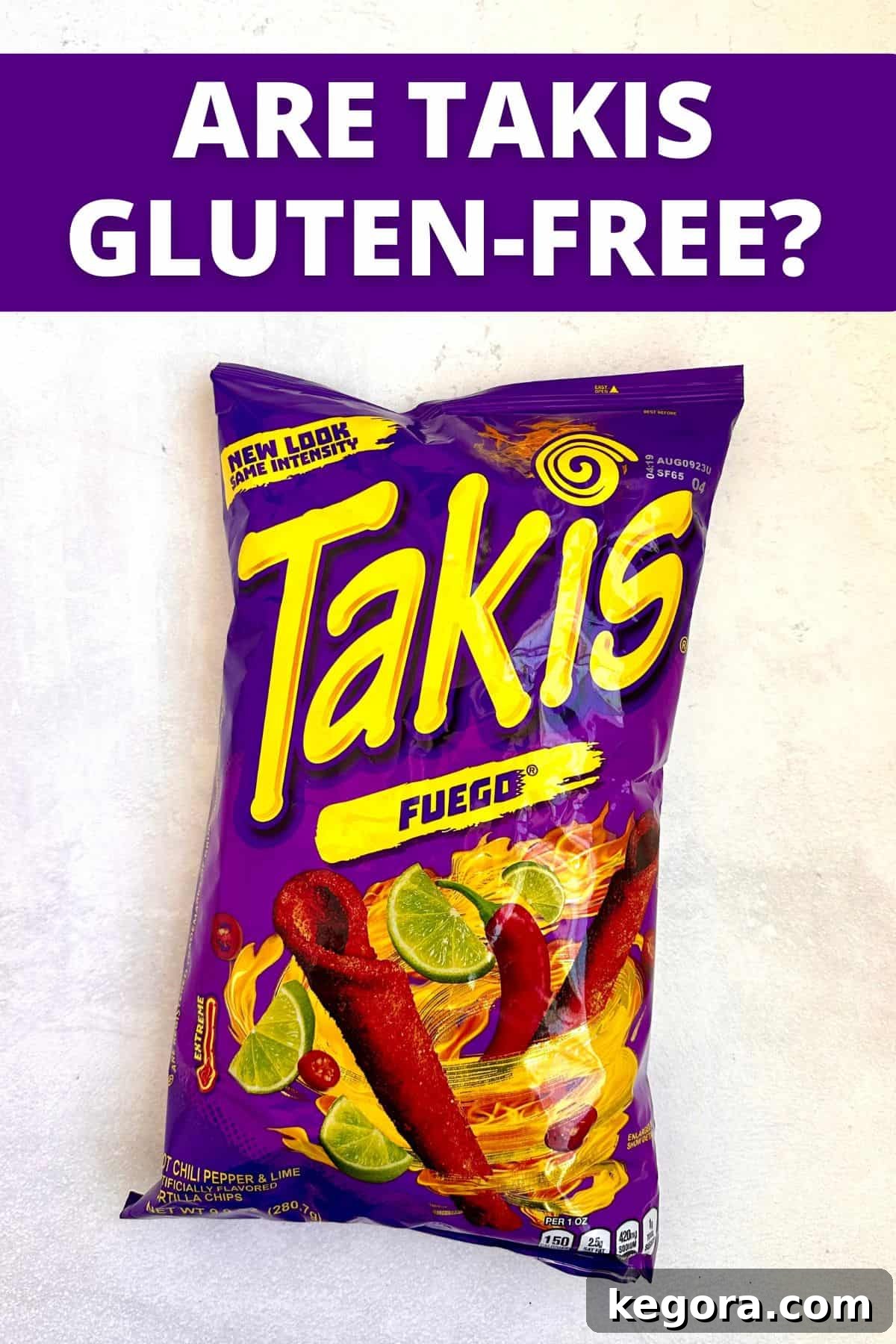
As the popularity of gluten-free diets continues to grow, consumers are becoming increasingly vigilant about reading food labels and understanding what truly goes into their favorite snacks. Whether you’re new to the gluten-free world or a seasoned pro, the complex nature of food production often leaves room for doubt. This comprehensive guide aims to clarify once and for all whether Takis, with their captivating “Fuego” (fire) and other explosive flavors, can be enjoyed without gluten-related concerns. We’ll explore the common pitfalls of seemingly gluten-free ingredients and shed light on what manufacturers’ disclaimers truly mean for your health.
SHORT ANSWER: NO!
Unfortunately, Takis tortilla chips are generally not considered gluten-free. They pose a risk due to specific ingredients and potential cross-contamination during manufacturing. Therefore, individuals with celiac disease, non-celiac gluten sensitivity, or anyone strictly avoiding gluten should steer clear of Takis.
Are Takis Gluten-Free? A Detailed Examination
While corn, the primary ingredient in Takis, is naturally gluten-free, the journey from corn kernel to spicy rolled chip involves several processing steps and added ingredients that can introduce gluten. Many consumers, seeing “corn flour” at the top of the ingredient list, might assume Takis are safe. However, a closer look at the full ingredient panel, particularly the seasoning mix, reveals potential hidden sources of gluten that make these beloved chips unsuitable for a gluten-free diet.
Let’s take the popular Takis Fuego as an example, analyzing its typical ingredient list:
- Corn flour (processed with lime)
- Vegetable oil (palm oil and/or soybean oil and/or canola oil)
- Seasoning [salt, maltodextrin, citric acid, sugar, monosodium glutamate, hydrolyzed soy protein, onion powder, yeast extract, red 40 lake, yellow 6 lake, natural and artificial flavors, sodium bicarbonate, soybean oil, chili pepper, disodium inosinate, disodium guanylate, TBHQ (antioxidant)]
At first glance, this list might seem innocuous to the untrained eye. Corn flour is a positive start, and most of the oils and common spices are typically gluten-free. However, two critical factors emerge from this list that raise significant red flags for gluten-free consumers:
The Problematic “Yeast Extract”
Yeast extract is a flavor enhancer commonly used in many processed foods to add a savory, umami taste. While some forms of yeast extract are gluten-free, it is frequently derived from brewer’s yeast, which is a byproduct of beer production and often contains barley. Barley, along with wheat and rye, is one of the primary grains that contain gluten. Unless explicitly stated as “gluten-free yeast extract” or derived from a confirmed gluten-free source (like beet molasses), its presence strongly indicates a potential gluten risk.
For those with celiac disease or severe gluten sensitivity, even trace amounts of gluten can trigger adverse reactions. Therefore, any ingredient labeled simply as “yeast extract” should be treated with extreme caution and generally avoided unless the product carries a certified gluten-free label.
The Crucial “May Contain” Allergen Warning
Beyond the ingredient list, a critical piece of information is often found at the very bottom of the nutrition label: the allergen advisory statement. For Takis, this disclaimer typically reads: “May contain milk, wheat and egg.” This warning is not to be taken lightly. It signifies that while wheat (a major source of gluten) may not be an intentional ingredient, the product is manufactured in a facility or on equipment that also handles wheat-containing products. This creates a high risk of cross-contamination.
Cross-contamination occurs when gluten-free ingredients or products come into contact with gluten-containing ingredients or products, even in small amounts. For someone with celiac disease, consuming food that has been cross-contaminated can lead to intestinal damage and a range of debilitating symptoms. Manufacturers include these warnings to protect themselves legally and to inform consumers of potential risks. For individuals on a medically necessary gluten-free diet, a “May Contain Wheat” warning is a clear instruction to avoid the product.
Understanding these two points – the ambiguity of yeast extract and the explicit “May Contain Wheat” warning – makes it clear why Takis cannot be considered a safe option for a gluten-free diet.
For more insights into gluten-free snacking, you might find these articles helpful:
- Are Fritos Gluten-Free?
- Are Cheetos Gluten-Free?
- Are Doritos Gluten-Free?
- Are Tortilla Chips Gluten-Free?
- Are Pringles Gluten-Free?
- Are Potato Chips Gluten-Free?
And for gluten-free dining options:
- Wendy’s Gluten-Free Options
- Starbucks Gluten-Free Guide
- Jersey Mike’s Gluten-Free Choices
- Chipotle Gluten-Free Menu
- Chick-Fil-A Gluten-Free Selections
And for beverages:
- Is Corona Gluten-Free?
What Are Takis? Exploring the Phenomenon
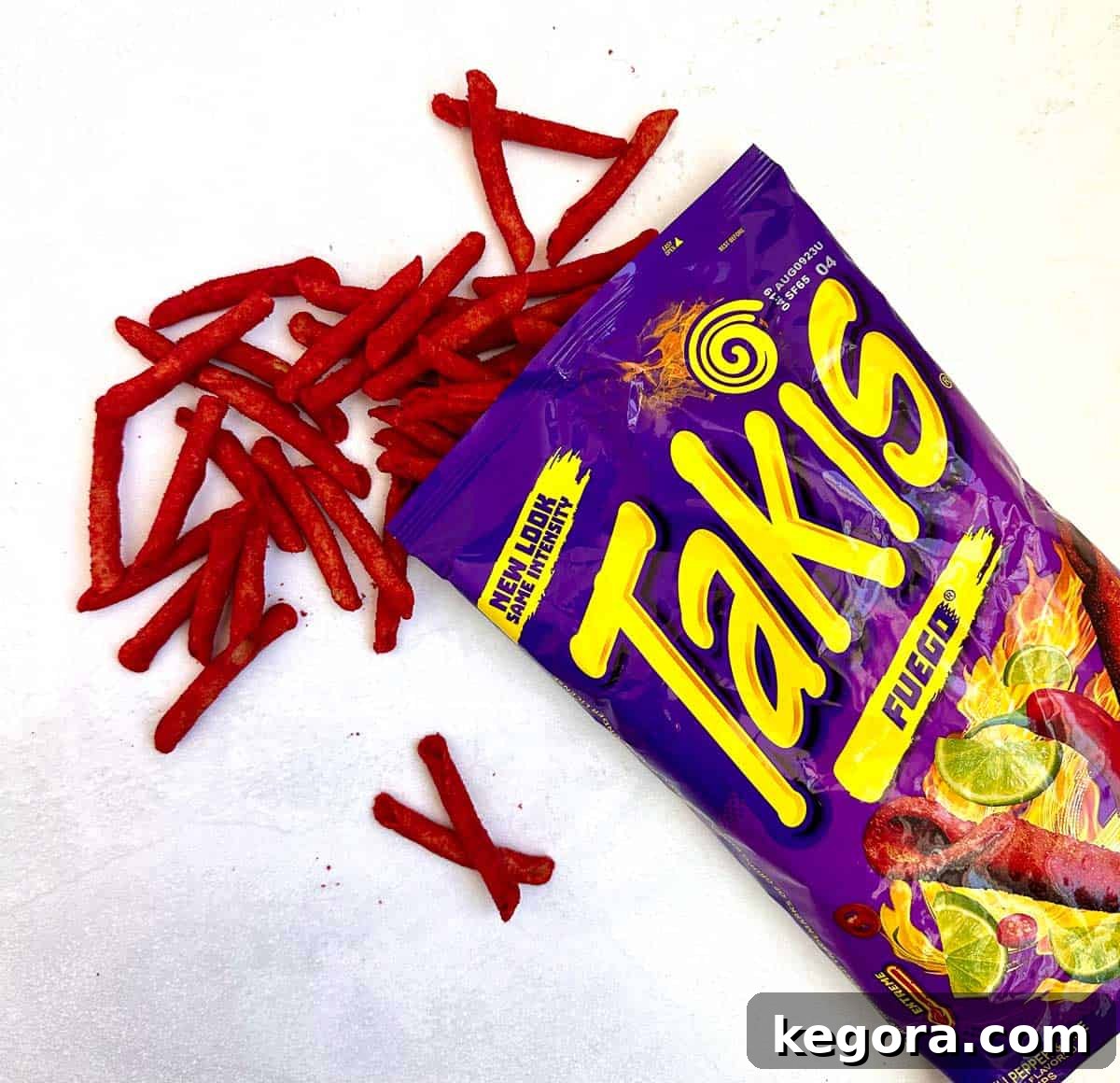
Takis are much more than just a spicy snack; they are a cultural phenomenon. These distinctively rolled corn tortilla chips, resembling mini taquitos, are renowned for their extreme flavors and satisfying crunch. Each bite delivers a powerful burst of spice, often accompanied by a zesty lime tang, making them an unforgettable experience for those who dare to take the heat.
The brand offers a variety of popular flavors, each with its own fan base:
- Fuego: The classic, fiery hot chili pepper and lime combination that started it all.
- Blue Heat: An intensely hot chili pepper flavor, notable for its bright blue color.
- Crunchy Fajitas: Delivering the spicy intensity reminiscent of a Tex-Mex fajita dish.
- Guacamole: A unique flavor profile that captures the essence of fresh guacamole.
- Intense Nacho: A cheesy, less intensely spicy option for those who prefer milder heat.
- Nitro: An explosive mix of habanero, lime, and cucumber for a surprising twist.
Takis were first introduced in Mexico in 1999 by Barcel USA, a subsidiary of the international food giant Grupo Bimbo. Their success quickly crossed borders, making their way to the United States in 2004, where they rapidly gained a massive following, particularly among younger demographics and snack aficionados seeking bold flavors. The brand’s success has led to a fleet of spin-off snacks, including Takis Stix, Chippz, Waves, Crisps, Hot Nuts, POP!, and Kettlez, each attempting to capture the unique zest and heat of the original rolled chip. These vibrant snacks have truly cemented their place as a go-to option for solo snacking, parties, and sporting events for anyone craving a serious spicy kick.
For more on gluten-free beverages, check out:
- Gluten-Free Alcohol Options
- Gluten-Free Beer Guide
Why Do Takis Have Gluten? Unpacking the Specific Risks
The assumption that Takis are gluten-free because they are corn-based is a common misconception. While corn is naturally gluten-free, the manufacturing process and added seasonings are where gluten can be introduced. For those with celiac disease or gluten sensitivities, understanding these specific risks is paramount.
The primary reasons Takis are not considered gluten-free are twofold:
-
Yeast Extract in Seasoning: As discussed, yeast extract, a key flavor enhancer in many Takis varieties (like Fuego), is often derived from gluten-containing grains such as barley. Unless the product specifically certifies the yeast extract as gluten-free or specifies its non-gluten source, it must be presumed to contain gluten. This ingredient alone is enough to render the product unsuitable for a strict gluten-free diet.
-
Cross-Contamination Risk: The “May contain milk, wheat and egg” advisory on Takis packaging is a clear indicator of shared manufacturing facilities and equipment. Even if the ingredients for a particular Takis flavor were individually gluten-free, the risk of gluten particles transferring from other products made on the same lines is significant. This cross-contamination can occur at various stages, from ingredient handling and mixing to packaging. For individuals with celiac disease, even minute amounts of gluten – as little as 20 parts per million (ppm) – can trigger an autoimmune response. The “May Contain” warning signals that the product cannot meet the strict standards required for a certified gluten-free label.
It’s important to differentiate between foods that are naturally gluten-free (like plain corn, fruits, vegetables) and processed foods that are *labeled* or *certified* gluten-free. For a product to be legally labeled “gluten-free” in the United States, the Food and Drug Administration (FDA) mandates that it must contain less than 20 ppm of gluten. This standard is designed to be safe for most individuals with celiac disease. When a product, like Takis, carries a “May Contain Wheat” warning or includes ambiguous ingredients like “yeast extract,” it typically falls outside this safe threshold for those who must strictly avoid gluten.
Always prioritize snacks that are explicitly labeled “certified gluten-free” by reputable organizations (such as the Gluten-Free Certification Organization, GFCO) or that clearly state “gluten-free” on the packaging in accordance with FDA guidelines. These products have undergone rigorous testing and auditing to ensure they meet the stringent gluten-free standards, providing peace of mind for consumers.
Gluten-Free Takis Alternatives: Satisfying Your Spicy Cravings Safely
While the news about Takis might be disappointing for gluten-free snack lovers, the good news is that the market is brimming with delicious, flavorful, and genuinely gluten-free alternatives! You don’t have to sacrifice the crunch or the spice. Many brands are now prioritizing gluten-free options, offering bold flavors that can rival the intensity of Takis without the gluten risk.
When searching for alternatives, look for products that are explicitly labeled “gluten-free” to ensure they meet the FDA’s strict less than 20 ppm standard. Here are some fantastic options to consider when your spicy, crunchy cravings hit:
- Trader Joe’s Chili & Lime Flavored Rolled Corn Tortilla Chips: This is arguably one of the best direct alternatives, specifically designed to emulate the rolled, spicy, and lime-infused experience of Takis. They are clearly labeled gluten-free and have garnered a loyal following. (Check them out here)
- Doritos Simply Organic White Cheddar Flavored Tortilla Chips: While not all Doritos are gluten-free, the Simply Organic line often offers certified options. The White Cheddar flavor provides a satisfying crunch and savory taste. Always double-check the label as specific flavors and product lines can vary. (Read our detailed post on Doritos and gluten here)
- Fritos Original Corn Chips: These classic corn chips are made with just three ingredients: corn, corn oil, and salt, making them naturally gluten-free and a reliable choice for a simple, savory snack.
- Most Plain Tortilla Chips: The vast majority of plain corn tortilla chips are naturally gluten-free, typically made from ground corn, oil, and salt. When opting for flavored varieties, always check the seasoning ingredients. (For a comprehensive guide, see our post on tortilla chips)
- Ruffles Original Potato Chips: Another classic that is generally gluten-free. Their ridged texture offers a satisfying crunch, and the simple potato, oil, and salt ingredients make them a safe bet.
- Cheetos Crunchy Flamin’ Hot Cheese Flavored Snacks: Many Cheetos varieties, including the iconic Flamin’ Hot, are considered gluten-free by Frito-Lay. They deliver a cheesy, spicy kick similar to some Takis flavors. Always check the specific product label, as formulations can change.
- Smartfood White Cheddar Popcorn: For a lighter, airy, yet equally satisfying cheesy crunch, Smartfood White Cheddar Popcorn is a fantastic gluten-free choice. (Discover more here)
- Veggie Straws by Sensible Portions (including Screamin’ Hot flavor!): These vegetable and potato-based straws offer a lighter, crispy texture. Sensible Portions offers many gluten-free options, including a “Screamin’ Hot” flavor for those seeking intense spice. (Explore Veggie Straws)
A highly recommended resource for identifying safe gluten-free snacks is the official Frito-Lay website. Frito-Lay, a major snack manufacturer, maintains a dedicated page listing their products that have been validated through analytical testing to contain less than 20 ppm of gluten, aligning with FDA standards. This is an excellent starting point for finding a wide variety of certified gluten-free options from mainstream brands. (Visit the Frito-Lay Gluten-Free Products page)
Remember, the golden rule of a gluten-free diet is always to read the label. Manufacturers can change ingredients or processes, so what was safe yesterday might not be safe today. Looking for explicit “gluten-free” labeling is your best defense against accidental gluten exposure.
Frequently Asked Questions About Takis and Gluten
Despite some variations in ingredients between Takis flavors, Takis Blue Heat should still be avoided on a gluten-free diet. While Takis Blue Heat might use hydrolyzed yeast instead of regular yeast extract (hydrolyzed yeast is generally considered gluten-free), the critical factor remains the allergen warning. The packaging for Takis Blue Heat, like other varieties, typically includes the disclaimer “May contain milk, wheat or egg.” This warning indicates a high risk of cross-contamination with gluten during manufacturing, making them unsuitable for individuals with celiac disease or a strict gluten intolerance.
No, Takis Fuego are not gluten-free and should be avoided. While their primary ingredient is corn masa flour, the seasoning blend contains yeast extract, which is highly likely to be derived from gluten-containing grains such as wheat or barley. Furthermore, Takis Fuego packaging prominently displays the “May contain milk, wheat or egg” allergen advisory. This dual risk—from a problematic ingredient and potential cross-contamination—makes Takis Fuego an unsafe choice for anyone strictly adhering to a gluten-free diet.
The vegan status of Takis varies by flavor. Some varieties of Takis are vegan, while others are not. For example, the classic Takis Fuego flavor is generally considered vegan as it does not typically contain any animal products like milk, egg, or cheese in its ingredients. However, other flavors, such as Guacamole and Crunchy Fajitas, do contain animal-derived ingredients (e.g., milk or egg products) in their seasoning mixes, making them non-vegan. Always check the ingredient list for specific flavors if you are following a vegan diet.
Takis are renowned for their intense, bold, and often spicy flavors. The most iconic flavor, Fuego, delivers a potent combination of hot chili pepper and zesty lime, creating a distinctive tangy heat. Takis Crunchy Fajitas are designed to mimic the spicy and savory notes of a Tex-Mex fajita dish. Takis Nitro offers a unique twist with habanero, lime, and a surprising hint of cucumber. Guacamole flavored Takis taste distinctly like their namesake dip, while Blue Heat provides an intensely hot chili pepper kick with a striking blue color. For those who prefer a less extreme but still flavorful experience, Takis Intense Nacho offers a cheesy option with moderate spice. The common thread across all varieties is their signature crunchy texture and a flavor profile that leaves a lasting impression.
The Bottom Line: Making Safe Snack Choices
In conclusion, while Takis corn chips are incredibly popular for their intense flavors and satisfying crunch, they are regrettably not a suitable choice for individuals following a gluten-free diet. The presence of “yeast extract,” an ingredient commonly derived from gluten-containing grains like barley, poses a direct gluten risk. More critically, the consistent “May contain milk, wheat and egg” allergen warning across Takis products signifies a significant risk of cross-contamination with wheat during the manufacturing process. For those with celiac disease or a serious gluten sensitivity, these warnings are a clear signal to avoid the product entirely to safeguard their health.
Navigating a gluten-free lifestyle requires diligent label reading and a clear understanding of ingredient lists and allergen advisories. While it can sometimes feel limiting, the good news is that the market for delicious and safe gluten-free snacks is continuously expanding. There are numerous fantastic alternatives available that offer comparable spicy, crunchy satisfaction without the gluten concern.
If you’re craving that unique rolled, spicy, and tangy chip experience, consider certified gluten-free options like Trader Joe’s Chili & Lime Flavored Rolled Corn Tortilla Chips, which are specifically formulated to be gluten-free and mimic the popular Takis profile. Always prioritize products that carry an explicit “gluten-free” label or certification, as these undergo rigorous testing to ensure they meet the FDA’s stringent standards of less than 20 parts per million of gluten.
Embrace the journey of discovering new, safe, and equally exciting gluten-free snacks. Your health and peace of mind are worth the extra effort in making informed choices.