
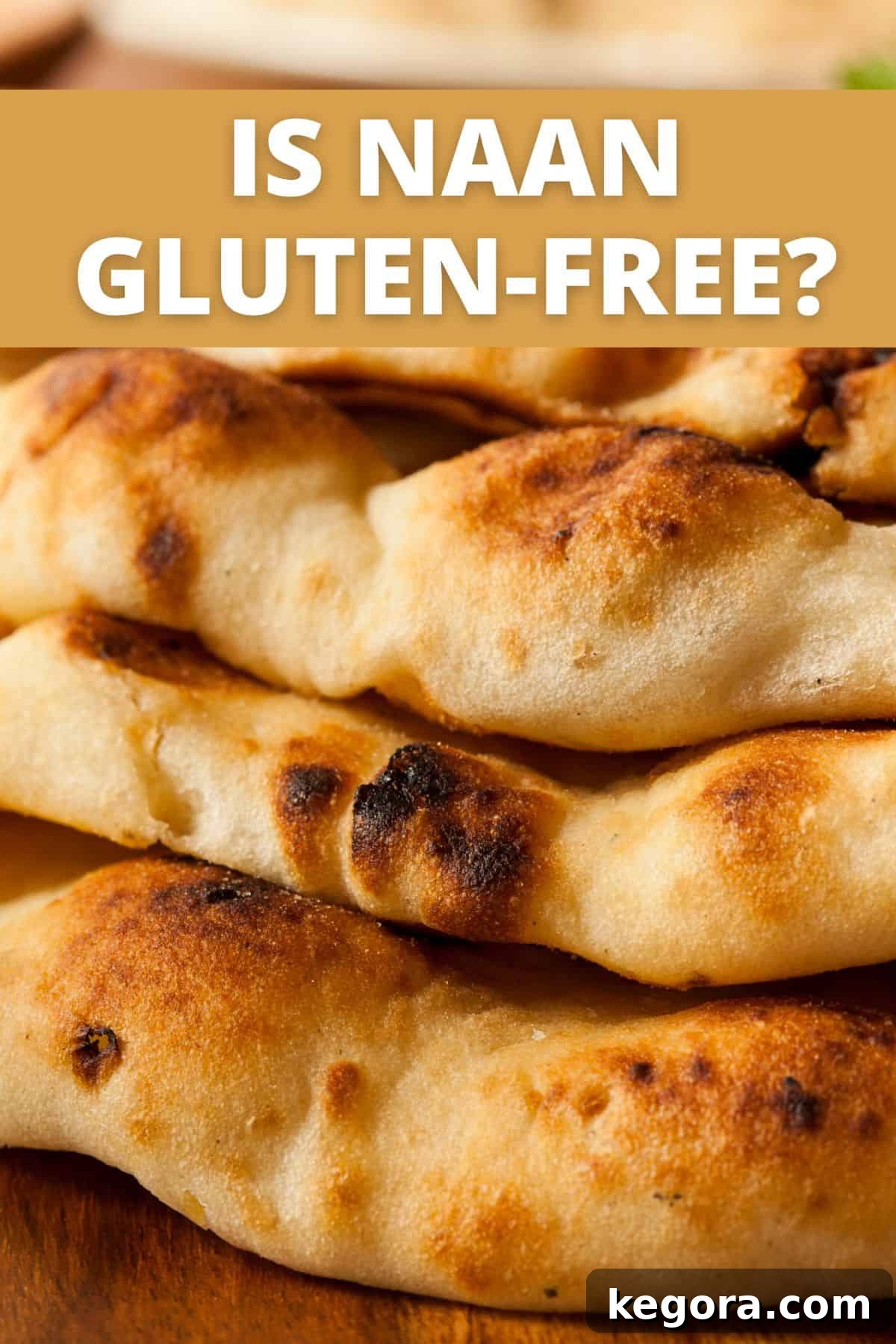
Are you navigating a gluten-free lifestyle and wondering if your favorite Indian flatbread, naan, can still be part of your diet? You’re not alone! This comprehensive guide will answer all your questions about whether naan is gluten-free, why traditional versions contain gluten, and how to safely enjoy delicious naan alternatives.
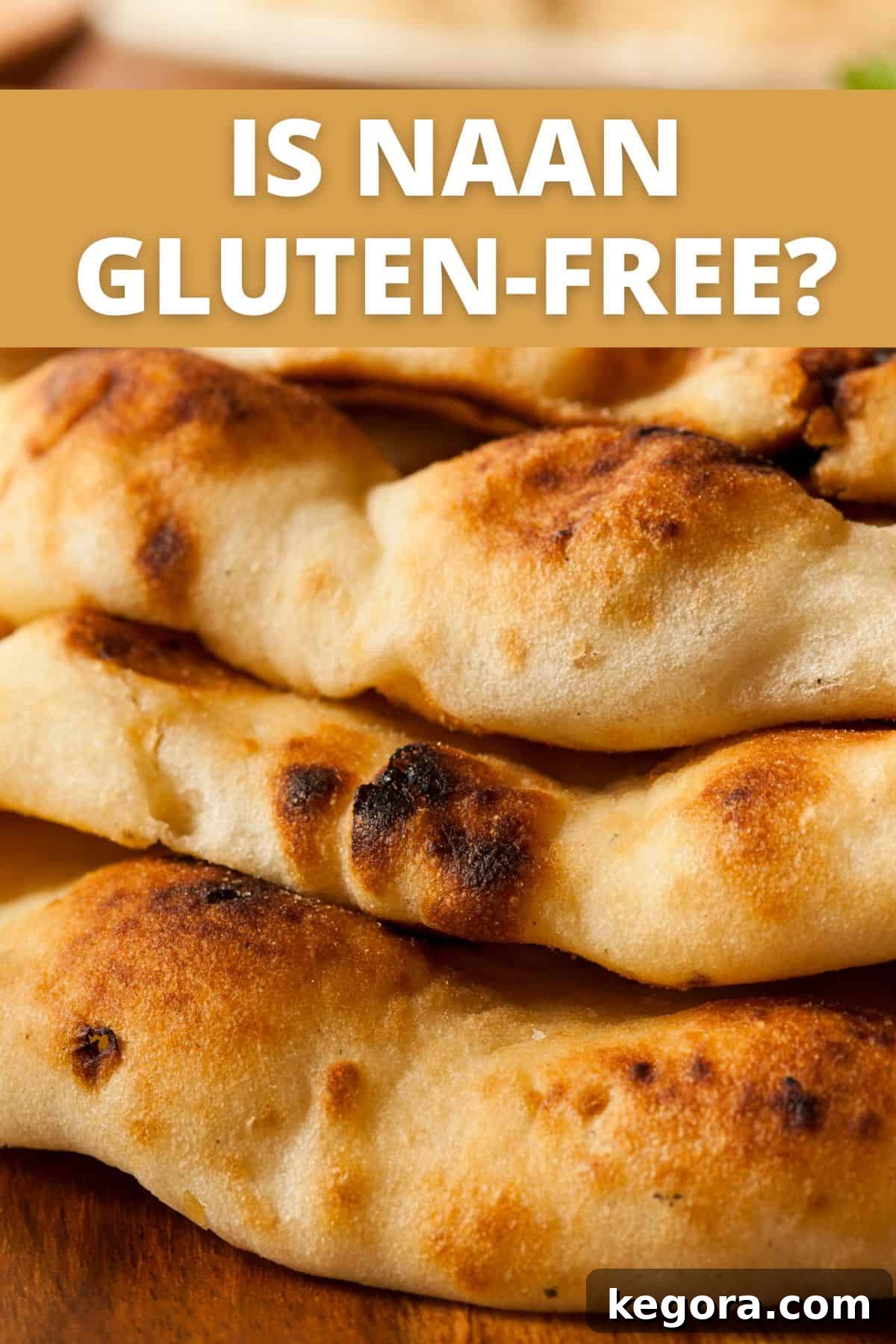
Is Naan Gluten-Free? Understanding This Popular Indian Flatbread
Naan, a beloved and ancient Indian flatbread, has graced dinner tables across Asia for over 2,500 years. Known for its soft, chewy texture and slightly puffed, bubbly surface, traditional naan is typically baked in a tandoor oven—a unique clay oven that imparts a distinctive smoky flavor and charred spots.
This versatile bread can be plain or infused with flavors like garlic, saffron, or various spices. Its characteristic oval shape and tender crumb make it an ideal accompaniment to a wide array of dishes. While most commonly associated with Indian cuisine, such as rich curries, comforting lentil dals, or savory bean dishes, naan’s appeal extends far beyond. It serves wonderfully as a creative alternative to pizza crust, a hearty side for roasted vegetables, or a vessel for your favorite dips and spreads. Imagine wrapping up delicious falafel bites in warm naan – the culinary possibilities are truly endless!
Given its widespread popularity and incredible taste, it’s natural for those following a gluten-free diet to ask: Is naan bread gluten-free?
The straightforward answer is: Unfortunately, no. Traditional naan bread is made with wheat flour, a primary source of gluten. This means it is unsuitable and unsafe for individuals diagnosed with Celiac disease or those who experience gluten intolerance or sensitivity. Consuming traditional naan can lead to adverse health effects for anyone on a strict gluten-free diet.
However, there’s good news! The increasing demand for gluten-free options has led to innovations in baking. It is indeed possible to enjoy naan-like bread if it’s prepared using a gluten-free flour blend. Continue reading to explore more about naan bread and discover safe, delicious alternatives for a gluten-free lifestyle.
Quick Answer: Is Traditional Naan Bread Gluten-Free?
No, traditional naan bread is not gluten-free. The core ingredient in most naan recipes is wheat flour, which contains gluten. Consequently, naan served in the vast majority of Indian restaurants is not gluten-free, and most commercially available naan brands in grocery stores also contain gluten. This is a crucial point for anyone managing Celiac disease or a gluten intolerance, as even small amounts of gluten can trigger symptoms and health issues.
But don’t despair! The world of gluten-free eating has expanded considerably. There are several excellent brands now producing gluten-free naan bread or similar flatbreads, and creating your own at home is surprisingly simple. For instance, my highly-rated recipe for gluten-free flatbread offers a fantastic, homemade option that perfectly mimics the texture and versatility of traditional naan.
For more insights into managing a gluten-free diet and identifying safe ingredients, explore our other articles on topics such as is butter gluten-free, is buckwheat gluten-free, is brown rice gluten-free, and are grits gluten-free.
You might also find these guides helpful: are goldfish gluten-free, is oat milk gluten-free, is couscous gluten-free, and are potatoes gluten-free. These resources aim to equip you with the knowledge to make informed dietary choices.
Why Does Naan Bread Contain Gluten?
Yes, authentic naan bread inherently contains gluten because its primary ingredient is wheat-based all-purpose flour. Gluten is a protein found in wheat, barley, and rye, responsible for the elasticity and chewiness that characterize many baked goods, including naan. Beyond wheat flour, traditional naan recipes typically incorporate other ingredients like yogurt, eggs, yeast, and olive oil, all of which contribute to its unique flavor and texture profile. While these additional ingredients are generally gluten-free, the presence of wheat flour makes traditional Indian naan unsuitable for anyone avoiding gluten. Thankfully, the increasing availability of specialized gluten-free flour blends means that home bakers can now easily find gluten-free naan recipes to replicate this delicious bread at home without the wheat.
Understanding Gluten and Its Impact
For those new to the gluten-free diet, understanding what gluten is and why it’s avoided is key. Gluten acts as a “glue” in doughs, providing structure, elasticity, and a desirable chewiness. For individuals with Celiac disease, an autoimmune condition, consuming gluten triggers an immune response that damages the small intestine, leading to malabsorption of nutrients and various health problems. For others with non-Celiac gluten sensitivity (NCGS), gluten can cause symptoms like digestive upset, fatigue, and headaches without the intestinal damage seen in Celiac disease. Therefore, strictly avoiding wheat, barley, and rye—and products made from them, like traditional naan—is essential for maintaining health and well-being on a gluten-free diet.
Is Pita Bread Gluten-Free? A Comparison to Naan
Like naan, traditional pita bread is typically not gluten-free, as it is also made primarily with wheat flour. Both naan and pita are types of flatbreads, but they differ in texture and preparation. Naan is generally thicker, chewier, and often includes yogurt or milk, giving it a richer, softer crumb. Pita, on the other hand, is usually thinner and famously forms a pocket when baked due to steam expanding inside the dough. Despite these differences, their shared foundation in wheat flour means neither is suitable for a gluten-free diet in their traditional forms.
However, just as with naan, the market has seen a rise in gluten-free pita bread options. You can find excellent gluten-free pita bread from innovative brands like Mybread and Against the Grain. Alternatively, many home cooks successfully prepare gluten-free pita at home using a variety of gluten-free flour blends, offering a fresh and customizable solution.
Which Naan Bread Alternatives are Gluten-Free? Brands and Options
While widely popular traditional brands like Stonefire naan bread are not gluten-free, the good news is that a growing number of brands are dedicated to creating delicious gluten-free pita and flatbread options that can serve as excellent substitutes for naan. These alternatives might be slightly thinner or have a different chew compared to authentic, tandoor-baked naan, but they are incredibly versatile and perfect for soaking up rich curry sauces, butter chicken, hearty lentils, flavorful soups, and much more.
When you’re shopping for gluten-free flatbreads or pita that can stand in for naan, here are some fantastic options to look out for:
- Mybread Gluten-Free Pita Bread: This popular gluten-free pita is crafted from a thoughtful blend of brown rice flour, tapioca flour, potato starch, and corn starch. To achieve that satisfying chew and elasticity often found in traditional bread, xanthan gum is incorporated. Mybread offers a reliable and completely safe option for those on a gluten-free diet, making it a great choice for various meals.
- Against the Grain Pita Bread: This family-owned business has built a reputation for producing a wide range of gluten-free food products, specifically designed for individuals with Celiac disease and gluten sensitivities. Their pita bread is a standout, made with a blend of tapioca starch and buckwheat flour, providing a unique flavor and texture that many gluten-free eaters adore.
- Casabi Artisan Flatbread: For those seeking a vegan, paleo, and naturally gluten-free option, Casabi’s cassava flour-based flatbread is an excellent choice. This versatile bread can be quickly baked for just a few minutes, delivering a fresh-from-the-oven taste and a wonderfully crispy, yet tender texture. It’s a fantastic clean-eating alternative that doesn’t compromise on flavor or dietary needs.
- BFree Gluten-Free Pita Bread: BFree offers another commendable alternative to traditional naan. Their pita bread is formulated with a combination of white rice flour, corn starch, and potato starch. This blend results in a soft and flexible pita that works beautifully with all your favorite dishes, providing a satisfying and safe gluten-free experience.
- Bob’s Red Mill Gluten-Free Flatbread Mix: If you prefer the satisfaction of baking your own gluten-free naan-style bread but want a convenient head start, Bob’s Red Mill offers an excellent solution. Their gluten-free flatbread mix provides a quick and easy route to homemade goodness. This grain-free blend is made with almond and cassava flour, ensuring a delicious and safe product for your gluten-free kitchen.
Where to Find Gluten-Free Naan Bread and Alternatives
Finding dedicated “gluten-free naan” specifically labeled as such can sometimes be a challenge in conventional grocery stores. However, the good news is that gluten-free pita bread and versatile gluten-free flatbreads, which serve as excellent naan substitutes, are becoming increasingly available. You can often find these specialty bread products both online and in various brick-and-mortar stores. Here’s a guide to help you locate these gluten-free options:
- Sprouts Farmers Market: Many Sprouts locations stock Mybread gluten-free pita bread, a fantastic option made with a blend of gluten-free flours.
- Amazon: The online marketplace is a treasure trove for gluten-free products. You can easily find brands like BFree pita bread and Casabi flatbread, often with convenient delivery straight to your door.
- Thrive Market: This online membership-based retailer specializes in natural and organic products, including a wide selection of gluten-free items. They carry Against the Grain pita bread, among other specialty dietary products.
- Specialty Health Food Stores: Independent health food stores or larger organic markets often have dedicated gluten-free sections where you might discover a wider variety of brands.
- Mainstream Grocery Stores: Check the natural foods or international aisles of larger supermarket chains. While dedicated GF naan may be rare, gluten-free pita or flatbreads are becoming more common alongside other GF breads.
Always remember to read labels carefully to ensure products are certified gluten-free, especially if you have Celiac disease, to avoid cross-contamination.
Making Gluten-Free Naan at Home: A Simple and Satisfying Option
If store-bought options are hard to find or you simply enjoy the freshness of homemade bread, making gluten-free naan or flatbread at home is a rewarding experience. The process is often simpler than you might imagine and doesn’t require a traditional tandoor oven—a cast iron skillet or a good frying pan will yield excellent results.
A typical gluten-free naan recipe will involve a blend of gluten-free flours (such as rice flour, tapioca starch, potato starch, or a pre-made gluten-free all-purpose blend), warm water, instant yeast, and often a dairy component like Greek yogurt or a dairy-free alternative to achieve that characteristic softness and tang. The beauty of homemade is that you can customize flavors, adding fresh garlic, herbs, or spices to your liking. This gives you complete control over ingredients, ensuring a safe and delicious bread that caters perfectly to your gluten-free needs.
What to Serve with Gluten-Free Naan Bread
Gluten-free naan bread, whether store-bought or homemade, is incredibly versatile and pairs wonderfully with a vast array of dishes. Its soft texture and ability to absorb flavors make it a perfect companion for various cuisines. Here are some delightful ideas to inspire your next meal:
It goes exceptionally well with:
- Rich Soups and Hearty Stews: Use it to scoop up creamy tomato soup or a robust lentil stew.
- Flavorful Curries and Dals: The classic pairing! Gluten-free naan is perfect for soaking up every drop of a vibrant curry or a comforting dal.
- Savory Beans: A simple yet satisfying combination.
- Fresh Salads: Tear it into pieces to add a chewy element to your favorite greens, or use it to mop up dressing.
- As a Base: Transform it into a mini gluten-free pizza, top it with roasted vegetables and hummus, or use it for open-faced sandwiches.
- Dips and Spreads: Serve with baba ghanoush, tzatziki, or your favorite dairy-free dip.
If you’re looking for amazing gluten-free recipes to pair with your naan bread or my favorite gluten-free flatbread recipe, try these delicious suggestions:
- Slow-Cooker Moroccan Apricot Chicken
- Creamy Dairy-Free Tomato Soup
- Sweet Corn Soup
- Butternut Squash Leek Soup
- Instant Pot Sausage Lentil Stew
- Lentil Salad with Olives and Feta
- Chicken, Kale, & Wild Rice Salad
Frequently Asked Questions About Gluten-Free Naan
No, none of the Stonefire naan bread varieties are gluten-free. This includes their Original, Roasted Garlic, Whole Grain, and other flavors. As clearly stated on their ingredients lists and website, the primary ingredient in all Stonefire naan products is enriched wheat flour, which contains gluten. Therefore, Stonefire naan is not suitable for a gluten-free diet.
While many common breads contain gluten, several types from around the world are naturally gluten-free. Examples include cassava bread (often made solely with cassava flour), socca (a pancake-like bread from Nice made with chickpea flour), and corn bread (when prepared without wheat flour, as some recipes may include it). Additionally, many brands now produce dedicated gluten-free sandwich breads using alternative flours, such as Schar, Udi’s, and Canyon Bakehouse.
Naan bread distinguishes itself from other flatbreads like pita or roti through its unique preparation and resulting texture. It is characteristically thicker, often enriched with yogurt or milk, and baked at high temperatures in a tandoor oven, which gives it a distinctive chewy, bubbly, and fluffy texture with charred spots. This contrasts with pita, which typically forms a pocket, or thinner, unleavened flatbreads like roti.
It is highly unlikely to find truly gluten-free naan in traditional Indian restaurants. Standard restaurant naan is made with wheat flour, and even if a restaurant attempted to make a gluten-free version, the risk of cross-contamination from shared cooking surfaces, ovens, and utensils is very high. For those with Celiac disease or severe gluten sensitivity, it is safest to avoid naan in restaurants and opt for naturally gluten-free dishes or enjoy gluten-free naan alternatives at home.
When making gluten-free naan or flatbreads, a variety of gluten-free flours and starches are commonly used. These include brown rice flour, white rice flour, tapioca starch, potato starch, corn starch, almond flour, and cassava flour. Often, a blend of several flours is used to achieve the best texture, and ingredients like xanthan gum are added to provide elasticity that gluten typically offers.
The Bottom Line: Enjoying Naan on a Gluten-Free Diet
So, to reiterate: Is naan gluten-free?
No, regular naan bread is traditionally made with wheat flour, which contains gluten. This makes it unsuitable for anyone following a gluten-free diet due to Celiac disease or gluten intolerance. If you’re committed to a gluten-free lifestyle, it is generally not safe to order traditional naan bread from restaurants or purchase most conventional brands from grocery stores, as they pose a significant risk of gluten exposure.
However, this doesn’t mean you have to miss out on the joy of naan! Instead, you have excellent alternatives. You can easily find and purchase gluten-free pita or flatbread from various brands and retailers, which serve as delicious and safe substitutes. Even better, you can embark on a culinary adventure and make gluten-free naan bread at home using a dedicated gluten-free naan or flatbread recipe. This typically requires simple, accessible ingredients like a gluten-free flour blend (such as a mix of rice, tapioca, or almond flour), warm water, instant yeast, and often Greek yogurt or a dairy-free equivalent to achieve that signature soft, pliable texture. And there’s no need for a specialized tandoor oven—a common cast iron skillet or even a regular frying pan will yield beautifully cooked, homemade gluten-free naan that everyone can enjoy!
Embracing these gluten-free alternatives ensures you can savor the comforting experience of naan without compromising your health or dietary needs. Happy eating!
More Articles on Gluten-Free Living
5 Gluten-Free Halloween Treats To Bake This Week
Top 15 BEST Gluten-Free Pumpkin Recipes
Gluten-Free Taco Seasoning
The 25 BEST Gluten-Free Thanksgiving Desserts
Are Swedish Fish Gluten-Free?
Gluten-Free Candy List 2025!
Gluten-Free Beer (What to Look for + 2025 Brand List!)
Gluten-Free Alcohol 2025 List