
603
shares
- PIN
The Ultimate Gluten-Free Oat Flour Banana Bread: A Wholesome & Easy Recipe
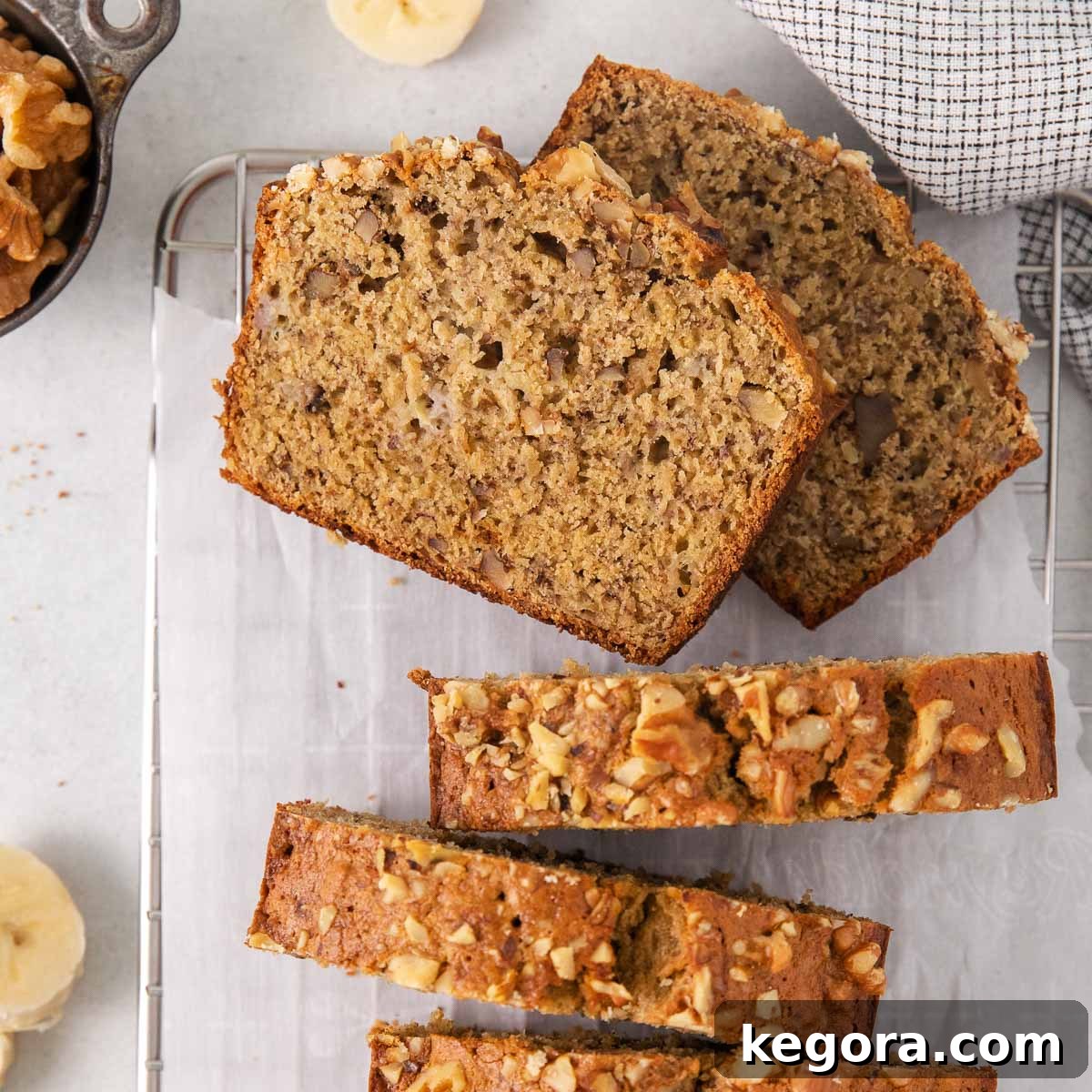
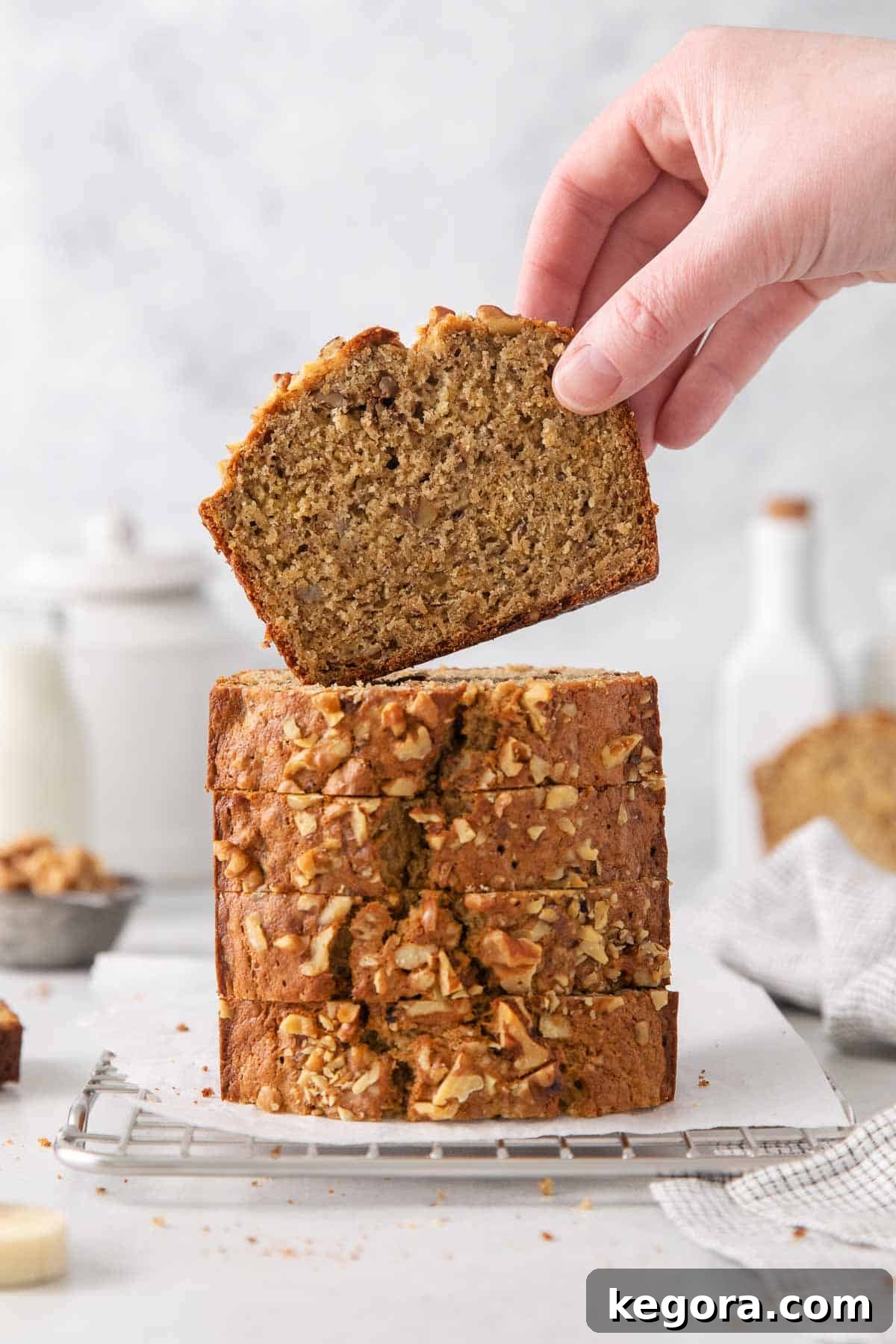
Welcome to your new favorite banana bread recipe! This delightful oat flour banana bread is incredibly fluffy, wonderfully moist, and packed with wholesome goodness. What makes it truly special is that it’s naturally gluten-free and can be easily adapted to be dairy-free or even vegan, making it a crowd-pleaser for nearly every dietary need. Whether you’re a seasoned baker or new to gluten-free cooking, this recipe promises fantastic results every time.
For those looking for more delicious ways to incorporate oat flour into their baking, explore our extensive collection of oat flour recipes, offering everything from pancakes to cookies and more!
Erin’s Recipe Rundown: Why You’ll Love This Bread
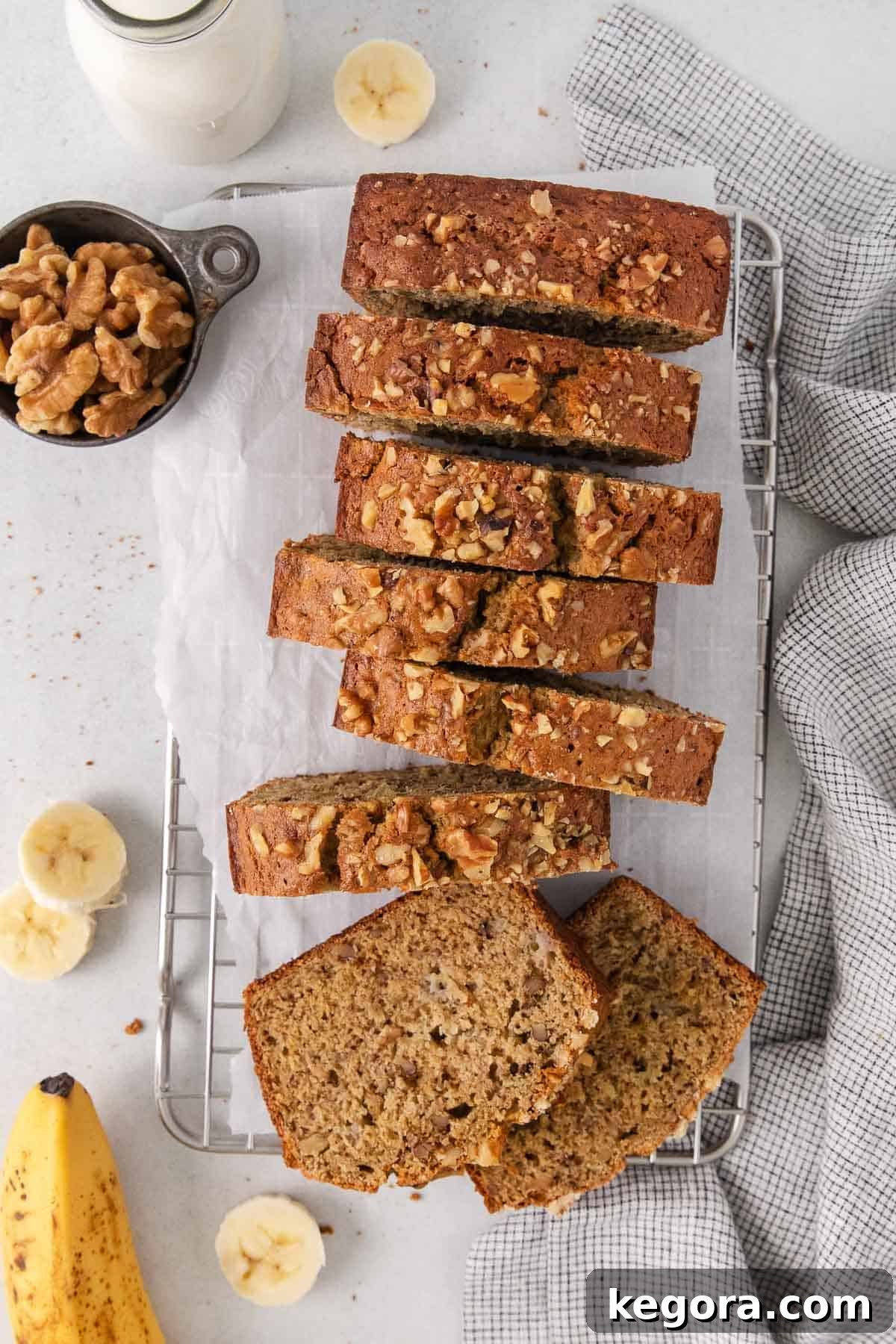
- Texture & Taste: Prepare for a perfectly moist interior with a delightful, tender crumb. This banana bread strikes the ideal balance, being just sweet enough without being overly indulgent. It’s comforting and satisfying, making it an instant hit with everyone who tries it.
- Effortless Ease: One of the best features of this recipe is its simplicity. You’ll be amazed at how quickly it comes together, primarily requiring staple ingredients you likely already have in your pantry. No complex techniques or fancy equipment needed—just straightforward steps for delicious results.
- Pro Tips for Success: Whether you prefer the convenience of certified store-bought oat flour or enjoy the satisfaction of making your own at home (it’s surprisingly simple and cost-effective!), this quick bread recipe is incredibly forgiving and will turn out beautifully either way. The key is to use very ripe, spotty bananas for maximum natural sweetness and intense banana flavor.
- Recommended Gluten-Free Flour: This recipe exclusively uses oat flour, making it an excellent choice for gluten-sensitive individuals. For consistent and reliable results, I highly recommend Bob’s Red Mill Gluten-Free Oat Flour. Alternatively, you can easily learn how to make your own oat flour from certified gluten-free rolled oats right in your kitchen.
- A Recipe to Repeat: Would I make this again? Absolutely! If you’re ever wondering what to do with that bag of oat flour, look no further. This banana bread is a guaranteed crowd-pleaser and will quickly become a cherished recipe in your household, perfect for breakfasts, snacks, or even a light dessert.
xoxo erin
Featured Comment
From Sara: “This bread has a fantastic texture. This is such a great recipe. I added chopped walnuts too!”
What others are saying:
27 more comments
Table of Contents
- Erin’s Recipe Rundown: Why You’ll Love This Bread
- Essential Ingredients for Oat Flour Banana Bread
- Understanding Gluten-Free Oat Flour
- Step-by-Step Guide to Making Oat Flour Banana Bread
- Make-Ahead, Storage, and Freezing Tips
- FAQ: Is this Oat Flour Banana Bread Gluten-Free?
- FAQ: Can this Oat Flour Banana Bread be Made Dairy-Free/Vegan?
- FAQ: Can this Oat Flour Banana Bread be Made Without Refined Sugar?
- FAQ: What Mix-ins Can be Used in this Oat Flour Banana Bread?
- FAQ: Is Oat Flour Good for Baking?
- FAQ: Does Oat Flour Rise with Baking Powder?
- More Gluten-Free Oat Flour Recipes to Explore
- Printable Recipe Card: Oat Flour Banana Bread (Gluten-Free!)
Essential Ingredients for Oat Flour Banana Bread
Crafting the perfect oat flour banana bread starts with understanding your ingredients. Below, we’ll delve into the key components that give this bread its incredible flavor and texture. For precise measurements, please refer to the full recipe card further down the page.
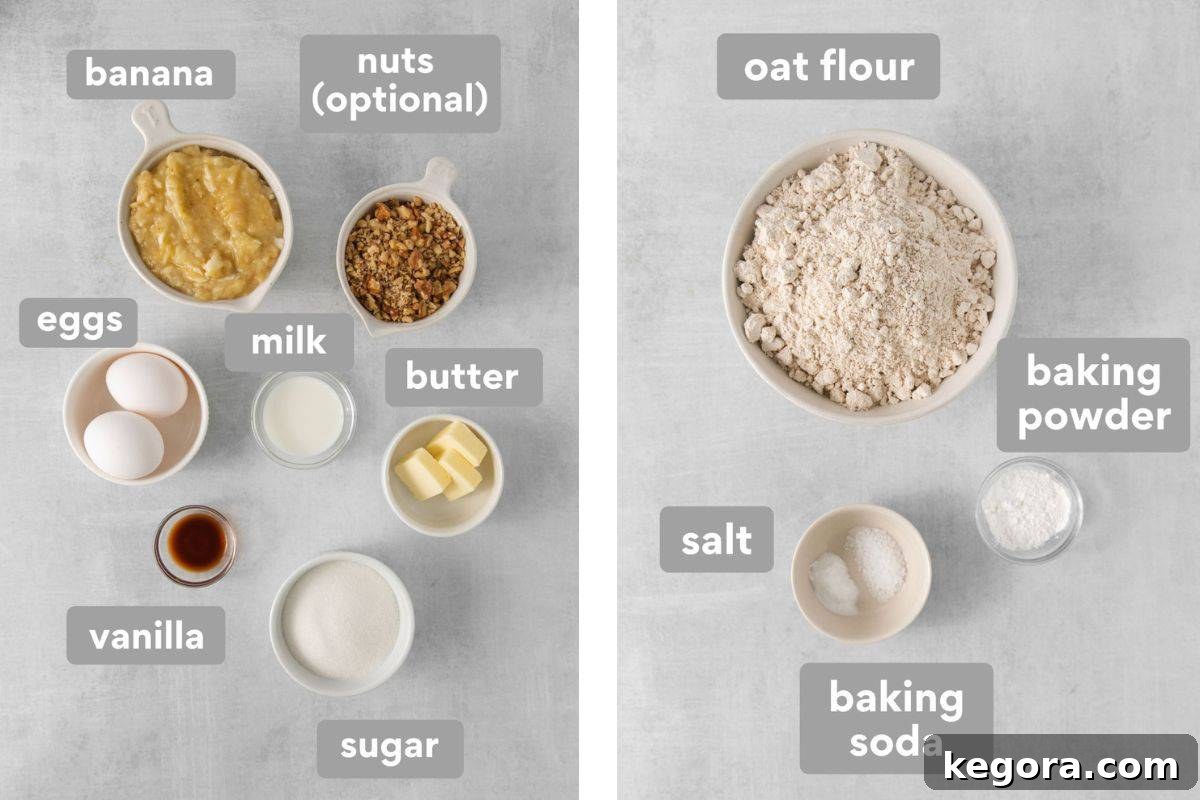
- Oat Flour: The star of our recipe! Oat flour provides a naturally sweet, nutty flavor and a tender crumb, making it an ideal gluten-free alternative to traditional wheat flour. My go-to is Bob’s Red Mill Gluten-Free Oat Flour for its consistent quality and fine texture. You can also easily make your own by grinding certified gluten-free old-fashioned rolled oats in a food processor or high-speed blender until finely powdered. Crucially, if you require a truly gluten-free product, always opt for certified gluten-free oats to avoid cross-contamination.
- Overripe Bananas: This is non-negotiable for superior banana bread! The browner and spottier your bananas are, the better. Overripe bananas are significantly sweeter, have a more concentrated banana flavor, and contribute essential moisture, which translates directly into a richer, more flavorful, and moist bread. Bright yellow or green bananas simply won’t deliver the same depth or texture.
- Nuts (Optional Mix-in): For an added layer of crunch, texture, and nutty goodness, I love incorporating chopped and lightly toasted walnuts or pecans. These add a fantastic textural contrast and earthy flavor. However, this is entirely optional! Feel free to customize your bread with other delicious mix-ins like chocolate chips, dried fruits, shredded coconut, or simply leave it plain for a classic, unadorned taste.
- Eggs: Using large eggs, preferably at room temperature, yields the best results. Room temperature eggs emulsify more effectively with other ingredients, creating a smoother, more uniform batter and contributing to a more consistent final texture and rise. If you’re aiming for a vegan version, two flax eggs (prepared by mixing 2 tablespoons of ground flaxseed meal with 6 tablespoons of water, then allowing the mixture to sit for 5 minutes until it forms a gel-like consistency) work beautifully as a reliable egg substitute.
- Butter & Milk: I prefer using salted butter in all my baking, as it adds a wonderful depth of flavor that unsalted butter often lacks, enhancing the overall taste profile of the bread. If using unsalted butter, you might want to slightly increase the amount of salt in the recipe to compensate. For those needing a dairy-free option, simply swap out the butter for your favorite dairy-free butter alternative (like a plant-based stick butter) and use plant-based milk (such as almond milk, soy milk, or oat milk). Any type of milk will work well in this recipe, so choose what you have on hand or what best suits your dietary preferences.
Understanding Gluten-Free Oat Flour: What You Need to Know
While oats are inherently gluten-free, the reality of commercial processing means there’s a significant risk of cross-contamination with gluten-containing grains like wheat, barley, or rye. This can occur at various stages, including farming (through crop rotation), transportation, storage, or during manufacturing if shared equipment is used. Therefore, if you or someone you’re baking for has celiac disease or a severe gluten sensitivity, using certified gluten-free oat flour is absolutely essential for their health and safety.
Certified gluten-free oats and oat flour undergo stringent protocols. They are typically grown, harvested, and processed in dedicated facilities and rigorously tested to ensure their gluten content is below the internationally recognized standard of 20 parts per million (ppm). This certification provides peace of mind and guarantees the integrity and safety of your gluten-free baked goods.
As mentioned earlier, you can also opt to make homemade oat flour from whole, certified gluten-free rolled oats using a food processor or high-speed blender. The key is to start with certified gluten-free oats. For a deeper dive into the complexities of whether oats are truly gluten-free and what certifications mean, check out our detailed guide on the topic.
Step-by-Step Guide to Making Oat Flour Banana Bread
Baking this delicious oat flour banana bread is a straightforward and rewarding process. Follow these simple steps carefully for a perfectly moist and fluffy loaf every time. For comprehensive details and exact measurements, please refer to the recipe card at the end of this article.
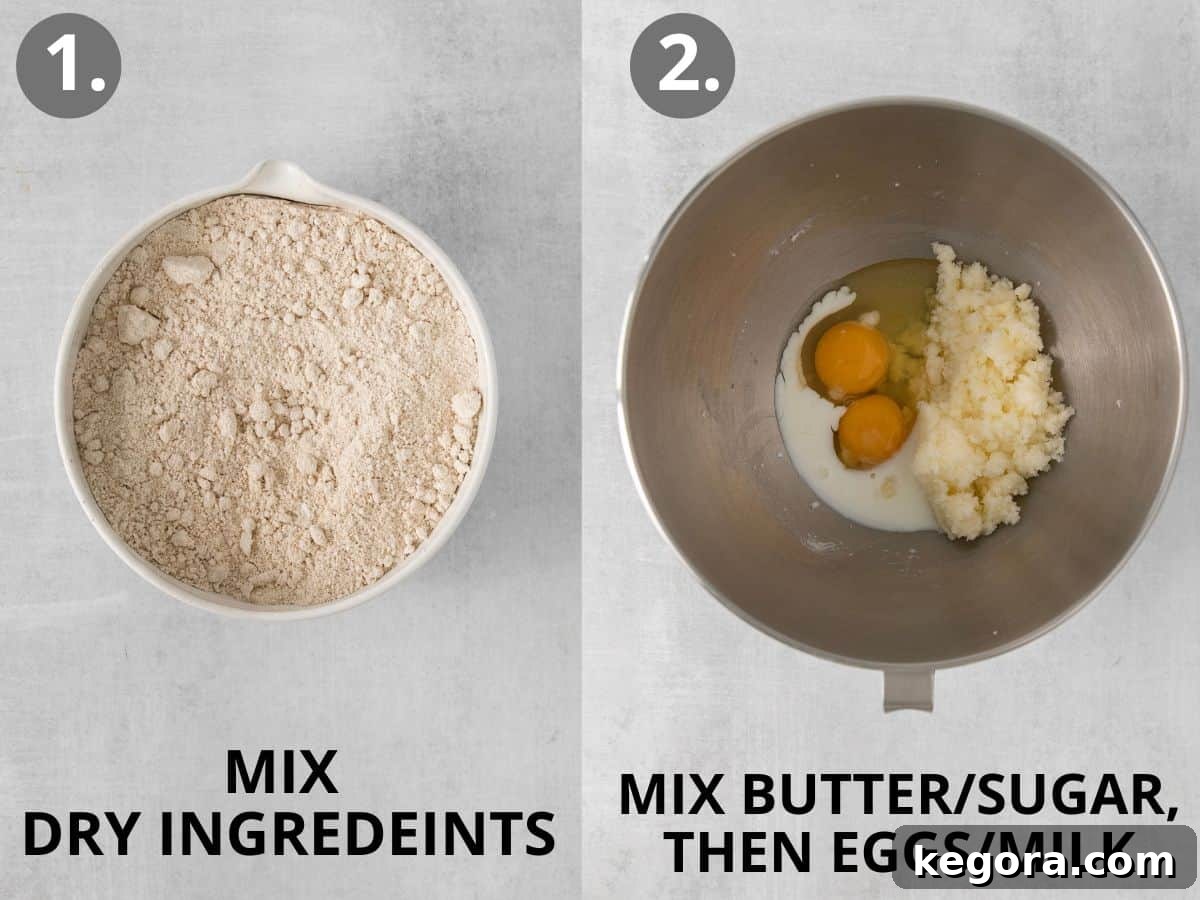
- Prepare Your Dry Ingredients: Begin by preheating your oven to 350°F (175°C). While the oven heats, prepare your loaf pan by greasing it thoroughly with cooking spray or butter, and lightly dusting it with a little oat flour to prevent sticking. In a medium-sized mixing bowl, whisk together all your dry ingredients – the certified gluten-free oat flour, baking powder, baking soda, and kosher salt. Whisk them thoroughly to ensure they are evenly distributed, which is crucial for an even rise and consistent texture in your finished bread.
- Cream Butter and Sugar: In the bowl of a stand mixer fitted with the paddle attachment (or using a large bowl and a powerful hand mixer), add the softened butter and granulated sugar. Beat them together on medium speed until the mixture is light, fluffy, and well-combined. This creaming process incorporates essential air into the mixture, which significantly contributes to the bread’s tender and airy crumb.
- Incorporate Wet Ingredients: Next, beat in the room temperature eggs one at a time, ensuring each is fully incorporated before adding the next. Then, stir in the vanilla extract and your milk of choice. Continue beating the mixture for another 1-2 minutes until it becomes visibly lighter in color and fully emulsified. The batter should now look smooth and creamy, ready for the dry ingredients.
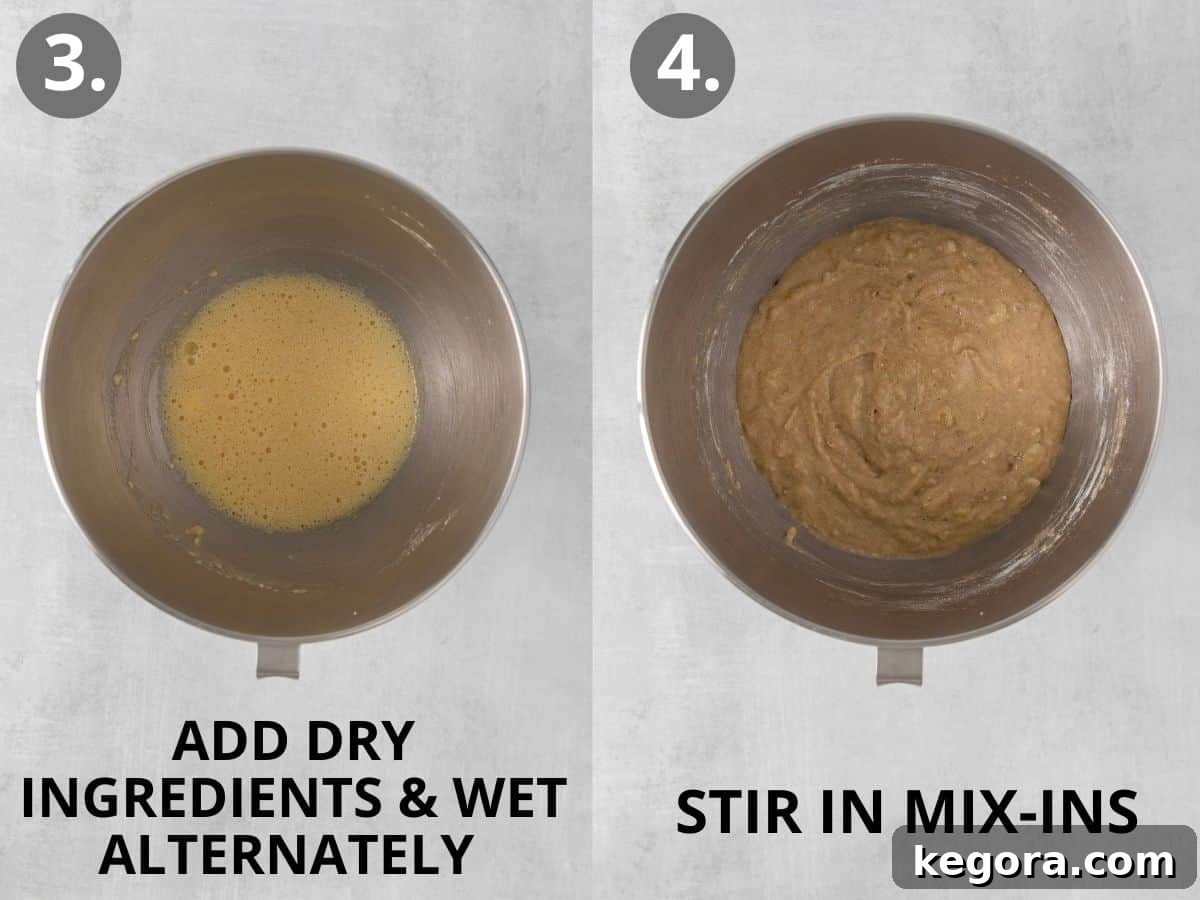
- Combine Dry and Wet Alternately: To achieve the best consistency and prevent overmixing, gradually incorporate the dry ingredients and mashed bananas into the wet mixture. Add about half of your whisked dry ingredients to the wet mixture and mix on low speed until just combined. Then, gently fold in half of your mashed ripe bananas. Repeat this process with the remaining dry mixture and then with the remaining mashed bananas. This alternating addition helps hydrate the oat flour evenly and prevents overmixing, which can lead to a tough or gummy bread.
- Introduce Optional Mix-ins: If you’re adding any delightful extras like chopped nuts, chocolate chips, dried fruit, or shredded coconut, now is the ideal time! Gently fold them into the batter with a spatula until they are evenly distributed. Be careful not to overmix the batter at this stage to maintain its tender structure.
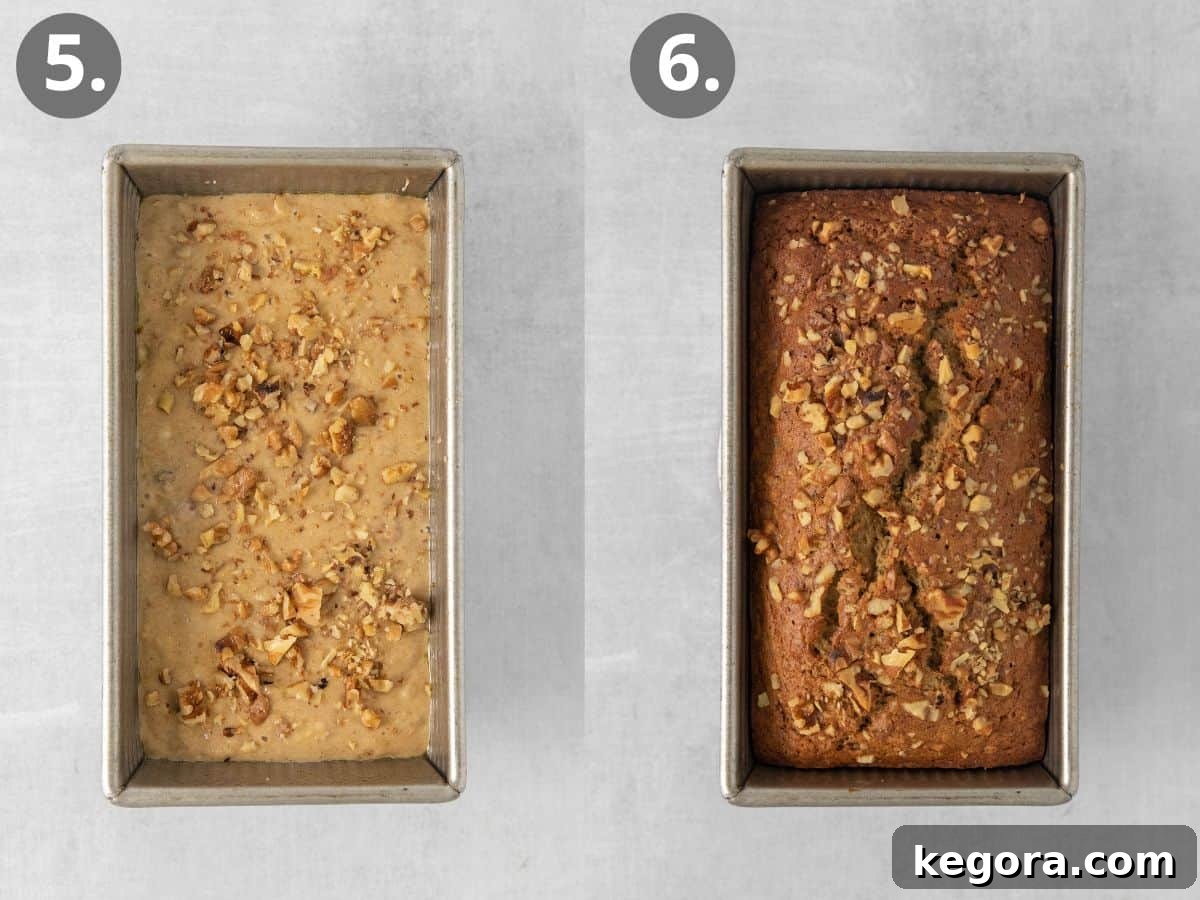
- Bake to Golden Perfection: Pour the prepared batter evenly into your greased and floured loaf pan. Place the pan in the center of your preheated oven. Bake for approximately 50-60 minutes. To check for doneness, insert a wooden skewer or toothpick into the very center of the loaf; it should come out clean or with only a few moist crumbs attached. If the top starts to brown too quickly, you can loosely tent it with aluminum foil to prevent over-browning.
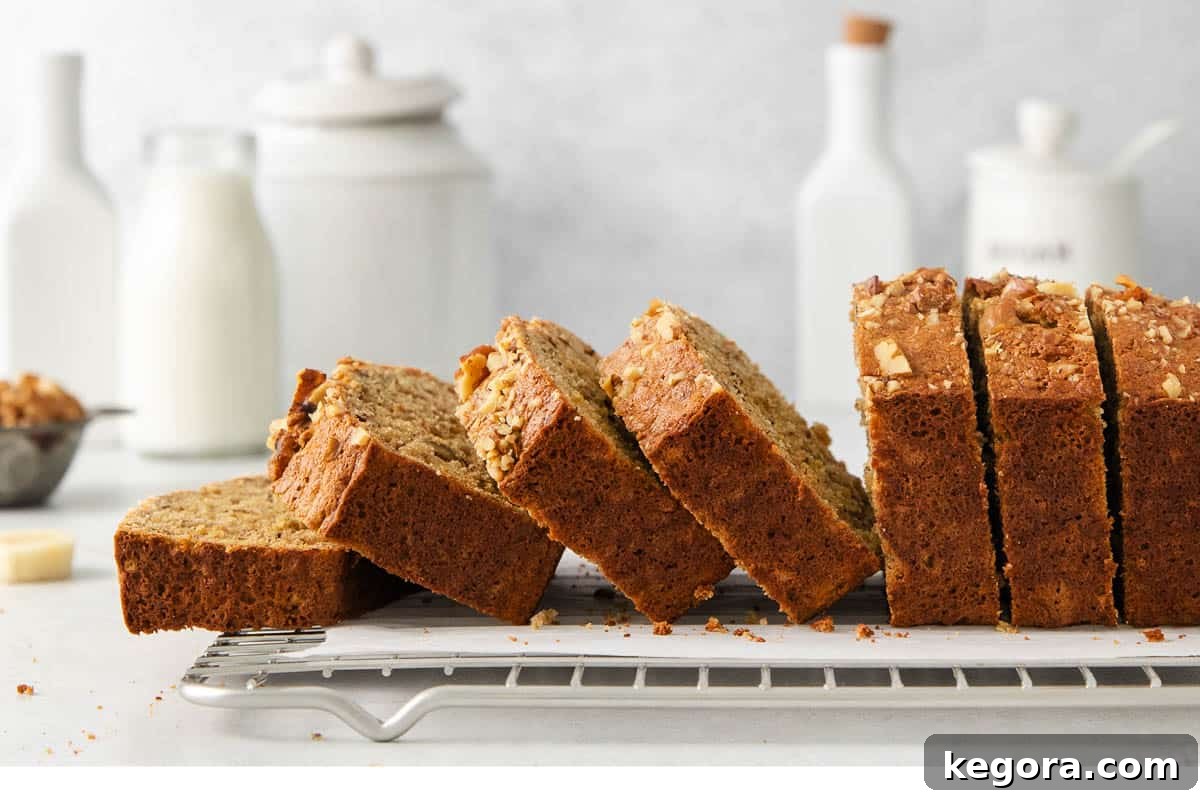
- Cool and Enjoy: Once baked, remove the banana bread from the oven and allow it to cool in the pan for about 5-10 minutes. This crucial resting period allows the bread to firm up slightly, making it less likely to crumble when removed. Then, carefully invert the loaf onto a wire cooling rack to cool completely. While slicing into a warm loaf is tempting, a fully cooled bread will have a better, more stable texture and will be easier to slice cleanly. Store any leftovers properly for lasting freshness.
Make-Ahead, Storage, and Freezing Tips for Your Banana Bread
This oat flour banana bread is not only delicious freshly baked, but it also stores beautifully, making it an ideal candidate for meal prepping or enjoying throughout the week. Knowing how to properly store your loaf ensures every slice is as delightful as the first.
- To Make-Ahead: This recipe is perfect for preparing in advance. The flavors often deepen and meld beautifully overnight, making it arguably even more delicious the next day. You can bake it a day or two before you plan to serve it, or even freeze it for longer-term storage, allowing you to have a homemade treat ready whenever the craving strikes.
- To Store at Room Temperature: Once your banana bread has completely cooled to room temperature, wrap any leftover slices or the entire loaf tightly in plastic wrap. Alternatively, place it in an airtight container. Stored this way, it will remain wonderfully moist and fresh on your countertop for up to 5 days. Keeping it well-sealed is key to preventing it from drying out.
- To Freeze for Longer Enjoyment: For extended storage, this banana bread freezes exceptionally well. Wrap the entire cooled loaf or individual slices securely first in plastic wrap, then add an additional layer of aluminum foil. This double-layer protection helps prevent freezer burn. Label with the date and freeze for up to 3 months. When you’re ready to enjoy, thaw frozen slices overnight in the refrigerator, or warm them gently in the microwave or toaster oven for a quick and comforting treat.
FAQ: Is this Oat Flour Banana Bread Gluten-Free?
Yes, this recipe is meticulously designed to be a deliciously gluten-free banana bread! However, to ensure it meets strict gluten-free standards, it is absolutely paramount to use certified gluten-free oat flour. While oats themselves are naturally free of gluten, conventional oats are frequently subjected to cross-contamination with gluten-containing grains such as wheat, barley, or rye. This can occur during various stages of production, including farming through shared fields or equipment, during transportation in shared vehicles, or during processing in facilities that handle both gluten and non-gluten grains.
Certified gluten-free oats and oat flour are specifically grown, harvested, and processed in dedicated facilities to avoid such cross-contamination. They are also rigorously tested to guarantee that their gluten content remains below 20 parts per million (ppm), which is the internationally recognized safe threshold for gluten-free products. Always check the product label to confirm “gluten-free” certification for peace of mind, especially if baking for someone with celiac disease or a severe gluten sensitivity.
FAQ: Can this Oat Flour Banana Bread be Made Dairy-Free/Vegan?
Absolutely! This recipe is incredibly versatile and can be easily adapted to accommodate both dairy-free and vegan dietary preferences without compromising on flavor or texture. To make it dairy-free, simply substitute the regular butter with your favorite high-quality plant-based butter alternative (often found in stick form for baking) and use a non-dairy milk (such as unsweetened almond milk, oat milk, or soy milk) in place of cow’s milk. These substitutions will ensure your bread is free of dairy while maintaining moisture and richness.
To make the bread fully vegan, in addition to the dairy-free swaps, you will also need to replace the eggs. Flax eggs are an excellent and reliable vegan egg substitute for quick breads like this one. To make one flax egg, combine 1 tablespoon of ground flaxseed meal with 3 tablespoons of water, stir well, and let the mixture sit for about 5 minutes until it thickens and achieves a gel-like consistency. For this recipe, you would need to prepare two flax eggs. These simple adjustments allow everyone to enjoy this wholesome banana bread!
FAQ: Can this Oat Flour Banana Bread be Made Without Refined Sugar?
Yes, you can certainly make this delicious banana bread without refined sugar for a healthier alternative! Granulated sugar can be successfully replaced with an equal amount of natural liquid sweeteners such as honey or maple syrup. These natural sweeteners will impart a slightly different flavor profile and can also contribute to a wonderfully moist crumb.
When substituting liquid sweeteners, keep in mind that they add extra moisture to the batter. However, with only 2/3 cup of granulated sugar in the original recipe, a direct 1:1 swap with honey or maple syrup typically works very well without requiring significant adjustments to other liquid ingredients. If you prefer to be extra cautious, you could reduce the milk by 1-2 tablespoons, but this is often unnecessary. Using very ripe bananas, as recommended, also boosts the natural sweetness, potentially allowing you to even slightly reduce the overall amount of added sweetener if desired, depending on your taste preferences.
FAQ: What Mix-ins Can be Used in this Oat Flour Banana Bread?
One of the true joys of baking banana bread is its incredible adaptability to various mix-ins! This oat flour banana bread serves as a perfect, neutral canvas for your culinary creativity. Beyond the suggested chopped walnuts or pecans, which add a classic crunch and nutty flavor, consider these delightful additions to customize your loaf:
- Chocolate Chips: A timeless favorite! Use dark, semi-sweet, milk, or even white chocolate chips for varying levels of sweetness and richness.
- Nut Butter Chips or Swirls: Incorporate peanut butter chips, almond butter chips, or even swirl a few tablespoons of your favorite nut or seed butter (like almond butter, cashew butter, or sunflower seed butter) into the batter before baking for an extra layer of flavor and moisture.
- Dried Fruits: Add chewiness and concentrated natural sweetness with raisins, dried cranberries, chopped dates, or diced apricots.
- Shredded Coconut: Toasted or untoasted shredded coconut can add a lovely tropical flavor and texture.
- Seeds: Boost nutrition and texture with chia seeds, hemp hearts, or sunflower seeds.
- Spices: A pinch of warm spices like cinnamon, nutmeg, allspice, or a touch of cardamom can complement the banana flavor beautifully and add aromatic complexity.
Feel free to experiment with different combinations to find your ultimate favorite! Remember to gently fold in mix-ins with a spatula to avoid overmixing the batter.
FAQ: Is Oat Flour Good for Baking?
Absolutely! Oat flour is an exceptional choice for baking, especially for those seeking healthier and gluten-free alternatives. It has gained significant popularity due to its unique qualities that contribute to delicious baked goods. Oat flour imparts a delightful light, tender, and slightly chewy texture, along with a subtle, naturally sweet, and nutty flavor that complements many recipes beautifully. Its fine consistency also helps create a smooth batter.
Beyond its culinary attributes, oat flour is also highly nutritious. It’s rich in soluble fiber (beta-glucan), which is known for its heart-healthy benefits, and it provides a good source of protein, vitamins, and minerals. This makes it a wholesome addition to your diet. You’ll find oat flour shines in a wide range of recipes, from fluffy pancakes and waffles to tender muffins, robust sandwich breads, and decadent cookies and brownies. Its versatility, coupled with its health benefits and pleasant taste, makes it a staple in many health-conscious and gluten-free pantries.
FAQ: Does Oat Flour Rise with Baking Powder?
Yes, oat flour does rise effectively with leavening agents like baking powder and baking soda, which are crucial for achieving a light and airy texture in quick breads like this banana bread. However, it’s important to understand that oat flour behaves differently from traditional all-purpose wheat flour.
The primary reason for this difference is the absence of gluten in oat flour. Gluten is a protein network that provides structure and elasticity, trapping gases and allowing baked goods to rise and hold their shape. Since oat flour lacks this gluten structure, it tends to be denser and requires a slightly higher proportion of chemical leavening agents (baking powder and baking soda) to achieve a comparable lift and tender crumb. The increased amount of baking powder helps to create more carbon dioxide bubbles within the batter, which expand during baking, resulting in more air pockets and a lighter, airier texture, preventing the bread from becoming too dense or heavy. In this recipe, the carefully balanced combination of baking powder and baking soda works synergistically to ensure a perfect rise and a wonderfully tender crumb, despite the absence of gluten.
More Gluten-Free Oat Flour Recipes to Explore
Loved this oat flour banana bread and eager to try more wholesome, gluten-free baking? Oat flour is incredibly versatile! Expand your gluten-free baking repertoire with these other fantastic oat flour creations:
- Fluffy Oat Flour Waffles: Start your day with a stack of light and crispy waffles, perfect with your favorite toppings.
- Versatile Oat Flour Muffins: A wonderfully customizable recipe that offers endless possibilities for delicious and healthy muffins.
- Light and Healthy Oat Flour Pancakes: Enjoy a nutritious breakfast with these easy-to-make, fluffy pancakes.
- Chewy Oat Flour Chocolate Chip Cookies: Indulge in classic chocolate chip cookies with a delightful gluten-free twist.
- Rich Oat Flour Brownies: For chocolate lovers, these decadent brownies are fudgy, rich, and surprisingly wholesome.
- Delicious Oat Flour Banana Muffins: If you loved this banana bread, these individual-sized banana muffins are a perfect grab-and-go treat.
Reader Rating: 4.82 from 11 votes
Oat Flour Banana Bread (Gluten-Free!) Recipe
Erin Collins
15
1
1 15
12 servings
Comments
Print Recipe
Want to save this recipe for later? Bookmark this page or use the “Pin It” button above to save it to your Pinterest board!
Ingredients
- 1 2/3 cups (150g) certified gluten-free oat flour
- 1 1/4 teaspoon baking powder
- 1/2 teaspoon baking soda
- 3/4 teaspoon kosher salt
Other Wet Ingredients:
- 1/3 cup (75g) butter softened (use dairy-free butter for DF/Vegan)
- 2/3 cup (133g) granulated sugar
- 2 large eggs (use 2 flax eggs for Vegan)
- 1 teaspoon vanilla extract
- 2 tablespoons milk of choice (almond, oat, or dairy)
- 1 cup (230g) mashed ripe banana (about 2-3 very ripe bananas)
- 1/2 cup (60g) chopped walnuts or pecans or chocolate chips (optional)
Instructions
-
Preheat your oven to 350°F (175°C). Prepare a 9×5 inch loaf pan by greasing it thoroughly with cooking spray or butter, and lightly dusting with a little oat flour to prevent sticking.
-
In a medium bowl, whisk together the dry ingredients: oat flour, baking powder, baking soda, and kosher salt. Set aside. In a separate small bowl, mash the very ripe bananas until smooth or slightly lumpy, according to your preference.
-
In the bowl of a stand mixer (or a large bowl with a hand mixer), combine the softened butter and granulated sugar. Beat with an electric mixer on medium speed until the mixture is light and fluffy, about 2-3 minutes. Add the eggs one at a time, mixing well after each addition. Stir in the vanilla extract and milk of choice, beating for another 1-2 minutes until everything is well-combined and airy.
-
Gradually incorporate the dry and wet ingredients into the butter mixture. Add about half of the dry ingredients to the wet mixture and mix on low speed until just combined. Next, add half of the mashed bananas and mix. Repeat this process with the remaining half of the dry ingredients and then the remaining mashed bananas. This alternating addition helps ensure the batter is well-hydrated and prevents overmixing. Finish by gently folding in any optional mix-ins (like walnuts or chocolate chips) with a spatula.
-
Pour the batter evenly into your prepared loaf pan. Bake for 50-60 minutes, or until a wooden skewer or toothpick inserted into the very center of the loaf comes out clean. If the top starts to brown too quickly, you can loosely tent it with aluminum foil.
-
Allow the banana bread to cool in the pan for 5-10 minutes before carefully turning it out onto a wire cooling rack to cool completely. This step is important to prevent the bread from crumbling and to achieve the best texture. Once cooled, slice and enjoy! Store any leftovers wrapped at room temperature.
Notes
Make-Ahead Tips: This banana bread is excellent for preparing in advance. It tastes even better the next day as the flavors meld. You can bake it a day or two before your event or freeze it for future enjoyment.
Storage Instructions: To keep your banana bread fresh, wrap cooled leftovers tightly in plastic wrap or store them in an airtight container at room temperature. It will stay delicious for up to 5 days.
Freezing Instructions: For longer storage, wrap the entire cooled loaf or individual slices first in plastic wrap, then in aluminum foil, and place in a freezer-safe bag. Freeze for up to 3 months. Thaw in the refrigerator overnight or gently warm in the microwave or toaster oven.
Gluten-Free Assurance: For a truly gluten-free result, always use certified gluten-free oat flour. This prevents potential cross-contamination with wheat during processing. Check labels carefully!
Dairy-Free/Vegan Adaptations: Easily make this recipe dairy-free by swapping regular butter for dairy-free butter and using a plant-based milk (e.g., almond, oat). For a fully vegan version, also substitute the eggs with flax eggs (2 flax eggs = 2 tbsp ground flaxseed + 6 tbsp water, resting 5 mins).
Mix-in Versatility: Get creative with your banana bread! Incorporate chocolate chips, peanut butter chips, almond slices, various nuts (walnuts, pecans), or seeds for added flavor and texture. A drizzle of your favorite nut or seed butter can also be a delightful addition.
Nutrition Facts (per serving)
The following nutritional information is an estimate per serving, based on 12 servings:
- Calories: 154kcal
- Carbohydrates: 23g
- Protein: 4g
- Fat: 5g
- Saturated Fat: 1g
- Polyunsaturated Fat: 3g
- Monounsaturated Fat: 1g
- Trans Fat: 0.003g
- Cholesterol: 27mg
- Sodium: 208mg
- Potassium: 136mg
- Fiber: 1g
- Sugar: 11g
- Vitamin A: 41IU
- Vitamin C: 0.1mg
- Calcium: 39mg
- Iron: 1mg
Please note that nutritional values are approximate and may vary based on specific ingredients, portion sizes, and preparation methods.