
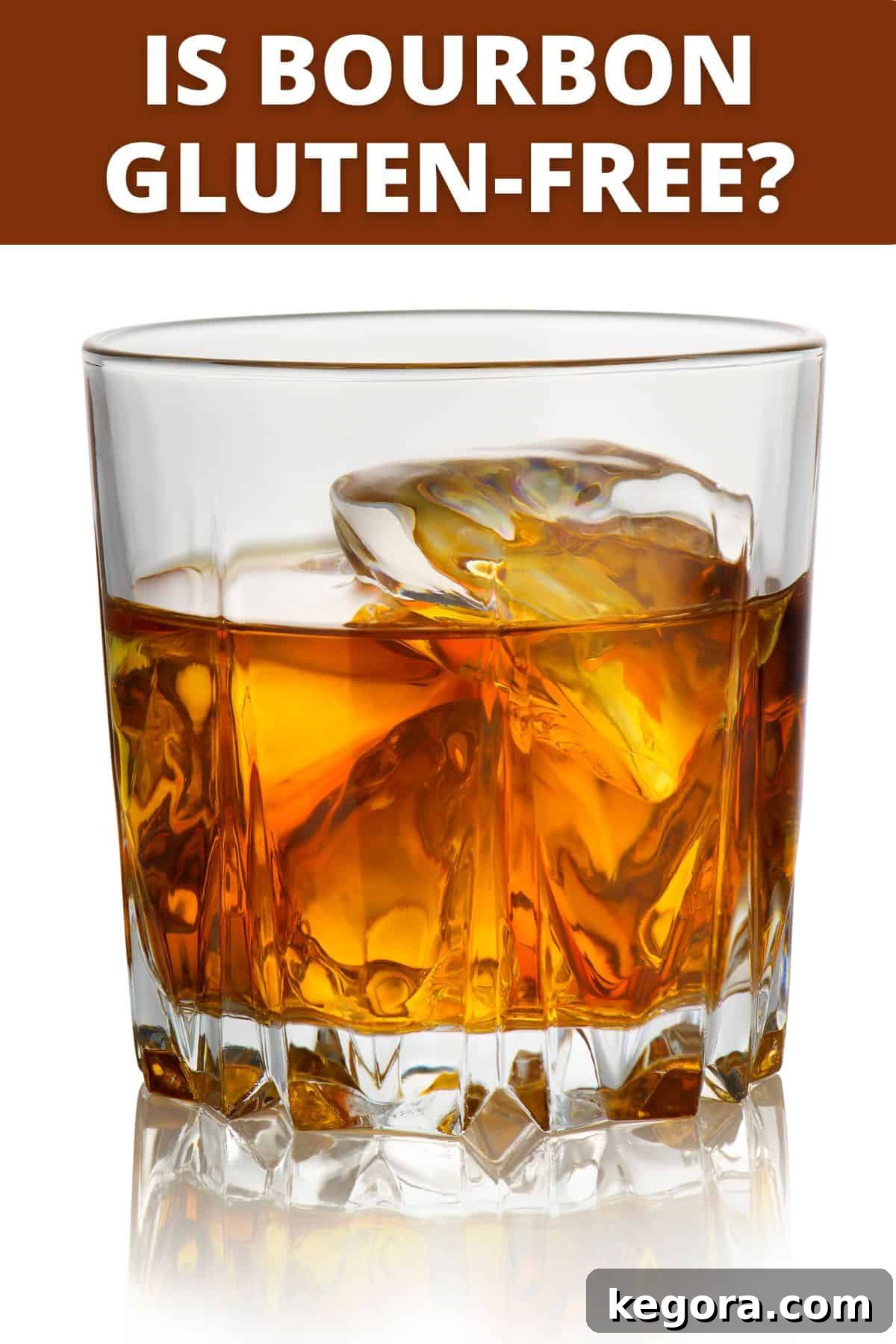
Bourbon, a spirit deeply rooted in American tradition and history, is as iconic as apple pie. For many, enjoying this classic drink comes with a crucial question: Is bourbon gluten-free? This guide dives deep into the science and regulations behind bourbon production to provide a clear, comprehensive answer for those with gluten sensitivities or celiac disease.
Originating primarily from Kentucky, this corn-based whiskey holds a special place in American culture. But before you savor its rich, complex flavors, understanding its gluten content is essential. Let’s explore whether bourbon truly fits into a gluten-free lifestyle.
SHORT ANSWER: YES!
Yes, pure, distilled bourbon is widely considered gluten-free. While its production often involves gluten-containing grains like wheat, barley, and rye in the “mash bill,” the distillation process effectively removes gluten proteins, making the final product safe for most individuals following a gluten-free diet.
Is Bourbon Truly Gluten-Free? A Detailed Look
The short answer is indeed yes, bourbon is generally considered gluten-free. This might surprise many, especially given that bourbon’s foundational ingredients, known as the “mash bill,” often include grains like wheat, barley, and rye—all of which naturally contain gluten. However, the magic lies in the distillation process, a critical step that purifies the spirit and, crucially, separates the gluten proteins from the alcohol.
By legal definition, bourbon must be made from a mash bill of at least 51% corn. The remaining 49% can be a mix of other grains, often rye (for a spicier profile), wheat (for a softer touch), or malted barley (which aids in fermentation). While these grains are gluten-rich, the science of distillation works to remove these proteins. During distillation, alcohol and water vaporize at lower temperatures than gluten proteins. As these vapors rise and are then condensed back into liquid, the heavy, non-volatile gluten proteins are left behind in the still. This separation is highly effective, resulting in a final product with virtually no detectable gluten.
The U.S. Alcohol and Tobacco Tax and Trade Bureau (TTB) considers distilled spirits made from gluten-containing grains, such as bourbon, as gluten-free, provided that no gluten-containing ingredients are added after distillation. This distinction is vital for consumers. For the vast majority of individuals with gluten sensitivity or celiac disease, pure, unadulterated bourbon is a safe choice. However, as with any dietary consideration, individual reactions can vary, and some extremely sensitive individuals might opt for naturally gluten-free alternatives just to be absolutely safe.
Potential exceptions to bourbon’s gluten-free classification are rare but important to note. These primarily include bourbons with flavorings or additives introduced *after* the distillation process, which could potentially contain gluten. Another less common risk is cross-contamination during bottling or storage in facilities that also handle gluten-containing products, though reputable distilleries maintain stringent protocols to prevent this. Always check labels for “flavored bourbon” or any added ingredients if you are highly sensitive.
Understanding Bourbon: History, Production, and Legal Criteria
Bourbon is more than just a drink; it’s a testament to American ingenuity and tradition, often linked intimately with the state of Kentucky. Its origins trace back to the 18th century, when European immigrant farmers in the nascent United States began distilling their surplus corn and other grains. While the spirit itself existed, it wasn’t formally recognized as “bourbon” until the 19th century, likely named after Bourbon County, Kentucky, or Bourbon Street in New Orleans.
The strict legal requirements defining bourbon are what give it its distinctive character and quality:
- Origin: Must be produced within the United States.
- Mash Bill: Made from a grain mixture (mash) that is at least 51% corn. The remaining percentage can include rye, wheat, and malted barley.
- Aging: Must be aged in new, charred oak barrels. The charring process caramelizes the wood sugars, imparting bourbon’s signature vanilla, caramel, and smoky notes, as well as its rich amber color.
- Distillation Proof: Distilled to no more than 160 proof (80% alcohol by volume).
- Barrel Entry Proof: Entered into the barrel for aging at no more than 125 proof (62.5% alcohol by volume).
- Bottling Proof: Bottled at no less than 80 proof (40% alcohol by volume).
- Additives: No artificial colors or flavorings can be added to straight bourbon.
The color of bourbon can range from light amber to deep reddish-brown, primarily influenced by the duration of aging and the char level of the oak barrels. The interaction between the spirit and the charred wood is crucial, allowing the wood to “breathe” and impart its unique characteristics over time. While Kentucky is the spiritual home and primary producer of bourbon, it can legally be made anywhere in the U.S., a fact often overlooked. It shares a close relationship with Tennessee whiskey, which undergoes an additional “Lincoln County Process” (charcoal mellowing) before aging, distinguishing it slightly from bourbon.
Identifying Gluten-Free Bourbon Brands
For those seeking to enjoy bourbon safely on a gluten-free diet, the good news is that nearly all pure, distilled bourbons are considered gluten-free. As previously discussed, the distillation process is highly effective at removing gluten proteins, regardless of the grains used in the initial mash bill. Therefore, you don’t typically need to search for “special” gluten-free bourbon; standard bourbons fit the bill.
Here’s a list of popular and widely available bourbon brands that are considered gluten-free due to the distillation process:
- Maker’s Mark: Known for its signature red wax seal and smooth, sweet profile, with a mash bill featuring winter wheat.
- Four Roses: Offers a range of expressions from a combination of two mash bills and five yeast strains, providing diverse flavor profiles.
- Jim Beam: One of the world’s best-selling bourbons, offering a consistent and classic taste.
- Woodford Reserve Bourbon: A premium small-batch bourbon praised for its balance and complexity.
- Wild Turkey: Famous for its high rye content and bold, spicy character.
- Evan Williams: A widely available and affordable option, often referred to as “Kentucky Straight Bourbon Whiskey.”
- Bulleit: Recognized for its high rye content, offering a distinctive spicy kick.
- Knob Creek: Part of Jim Beam’s Small Batch collection, known for its robust and full-bodied flavor.
- Elijah Craig: Credited with pioneering the use of new charred oak barrels, offering rich and often spicy notes.
- Hudson Baby Bourbon: A craft bourbon from New York, known for being 100% corn-based.
The efficacy of gluten removal is often enhanced by the fact that many bourbons are distilled multiple times—sometimes twice or even three times. This multi-stage distillation further purifies the spirit, ensuring that the mash ingredients, including any gluten proteins and other impurities, are thoroughly separated from the final alcoholic product. When selecting a bourbon, focus on brands that emphasize their traditional distillation methods and avoid those with added flavorings or sweeteners, which could introduce gluten after the purification process.
Navigating Gluten-Free Alcohol: Beyond Bourbon
Understanding which liquors are gluten-free is essential for anyone managing a gluten-free diet. The good news is that the vast majority of distilled spirits are considered gluten-free, irrespective of their original ingredients. This principle, as seen with bourbon, hinges on the distillation process.
Distilled Grain Alcohols: Generally Gluten-Free
Many popular spirits begin with gluten-containing grains but become gluten-free through distillation:
- Vodka: Can be made from wheat, rye, or barley, but distillation renders it gluten-free.
- Gin: Often made from a neutral grain spirit (which can be wheat or barley) and then flavored with botanicals; the base spirit is gluten-free.
- Whiskey (Scotch, Rye, Irish): Like bourbon, these are typically made from various grains (barley, rye, wheat) but are considered gluten-free after distillation.
The TTB’s stance supports this, stating that distilled spirits derived from gluten-containing grains do not contain gluten. The key exception, as with bourbon, would be if gluten-containing flavorings or ingredients are added *after* distillation.
Naturally Gluten-Free Alcohols: The Safest Bet
For those with extreme sensitivities or who prefer to avoid any grain-based alcohol altogether, several excellent options are naturally 100% gluten-free because their ingredients never contained gluten in the first place:
- Wine: Made from grapes.
- Hard Cider: Made from apples.
- Rum: Made from sugarcane or molasses.
- Tequila: Made from the blue agave plant.
- Brandy/Cognac: Made from distilled wine (grapes).
- Potato Vodka: Made specifically from potatoes.
These naturally gluten-free choices offer peace of mind for even the most cautious individuals. Always be mindful of mixed drinks, liqueurs, or pre-made cocktails, as these may contain other ingredients that introduce gluten. When in doubt, opt for pure spirits and mix with naturally gluten-free mixers.
Frequently Asked Questions About Bourbon and Gluten
Maker’s Mark’s unique mash bill includes red winter wheat, corn, and malted barley. While these grains contain gluten, the extensive distillation process removes the gluten proteins, making Maker’s Mark, like other pure bourbons, generally considered gluten-free and safe for most individuals on a gluten-free diet. Those with extremely high sensitivity to gluten might still prefer naturally gluten-free spirits.
Bulleit Bourbon, known as “Frontier Whiskey,” is crafted with a high rye content, alongside corn and barley malt. Despite the presence of these gluten-containing grains in its mash bill, the rigorous distillation process effectively eliminates gluten. Therefore, Bulleit Bourbon is widely regarded as gluten-free once bottled and is typically safe for gluten-free consumption.
Yes, pure, distilled bourbon whiskey is generally considered gluten-free. Although its production begins with a mash that is at least 51% corn and often includes other gluten-containing grains like wheat, barley, or rye, the distillation process is crucial. This process separates the alcohol from the heavier gluten proteins and other impurities, resulting in a final product that is widely deemed appropriate for a gluten-free diet.
Brother’s Bond “Straight Bourbon Whiskey” features a four-grain mash bill of corn, wheat, malted barley, and rye. As with other traditional bourbons, the distillation process plays a key role in removing gluten proteins from these grains. Consequently, Brother’s Bond Bourbon is considered gluten-free and should be safe for those following a gluten-free lifestyle.
Four Roses Bourbon utilizes a combination of two distinct mash bills, each containing corn, rye, and malted barley. Despite the presence of gluten in these mash ingredients, the distillation effectively eliminates it. This makes Four Roses Bourbon, consistent with other bourbon brands, a gluten-free option for consumers.
For individuals with celiac disease, naturally gluten-free alcoholic beverages are the safest choice. These include rum (made from sugarcane), tequila (from agave), wine (from grapes), hard cider (from apples), brandy, and cognac (from grapes). While distilled grain alcohols like scotch, vodka, whiskey, gin, and bourbon are generally considered safe due to gluten removal during distillation, some highly sensitive individuals might still experience reactions. Consulting a healthcare professional or opting for naturally gluten-free options is recommended for utmost caution.
The Bottom Line: Enjoying Bourbon on a Gluten-Free Diet
Bourbon, that distinctly American spirit, is produced from a grain mash consisting of at least 51% corn, often complemented by other grains such as wheat, barley, or rye, which inherently contain gluten. However, the critical takeaway for those on a gluten-free diet is the transformative power of distillation. This purification process effectively separates the heavy, non-volatile gluten proteins from the alcohol, rendering the final product virtually gluten-free.
Therefore, pure, traditionally distilled bourbon is widely considered safe for most individuals with gluten sensitivity or celiac disease. The primary instances where caution might be advised are exceedingly rare: if gluten-containing flavorings or ingredients are explicitly added *after* the distillation process, or in the unlikely event of significant cross-contamination during manufacturing or bottling. Reputable distilleries maintain high standards to prevent such issues.
While the scientific consensus and regulatory guidelines point to distilled spirits like bourbon as gluten-free, some sources and healthcare professionals still advise extreme caution for individuals with severe celiac disease. This stems from the possibility of trace amounts of gluten (below detectable levels or thresholds) that could still trigger a reaction in the most sensitive individuals. It is always prudent to listen to your body and consult with a medical professional regarding personal dietary needs.
For those who wish to eliminate any potential trace of gluten or prefer to stick to ingredients that are naturally free from gluten, there are numerous excellent alternatives. Beverages like wine, rum, tequila, and brandy are made from ingredients that never contained gluten to begin with, offering truly worry-free gluten-free options. Ultimately, enjoying bourbon or any alcoholic beverage on a gluten-free diet involves understanding the production process and making informed choices based on individual sensitivity and preference.