
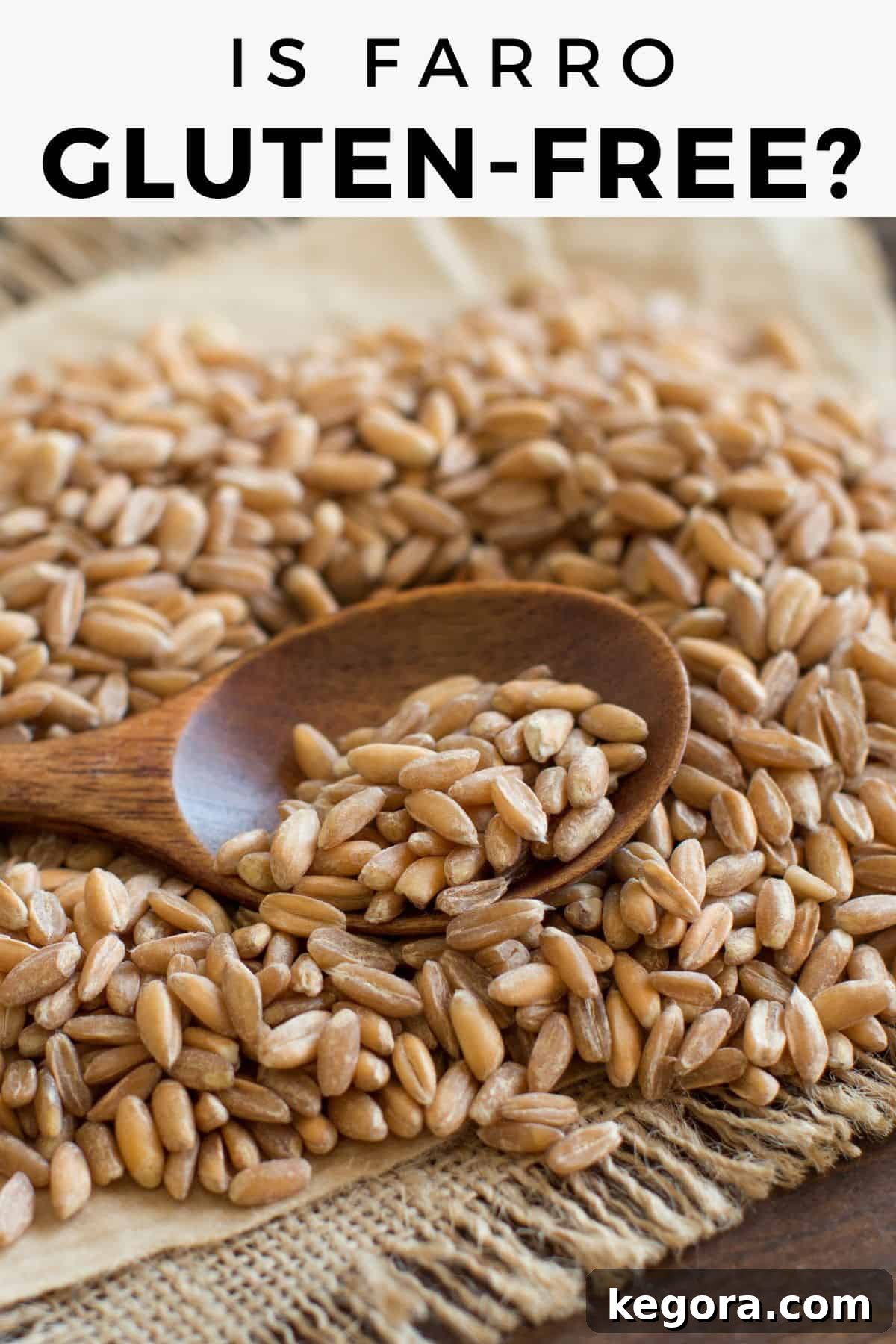
Farro, a beloved ancient grain renowned for its robust flavor and impressive nutritional profile, has garnered significant attention in health-conscious circles. However, with the increasing prevalence of gluten-free diets, a crucial question often arises: is this versatile grain a suitable addition to a gluten-free lifestyle? This comprehensive guide delves into the nature of farro, its gluten content, and offers valuable insights for those navigating dietary restrictions, providing clear answers and delicious alternatives.
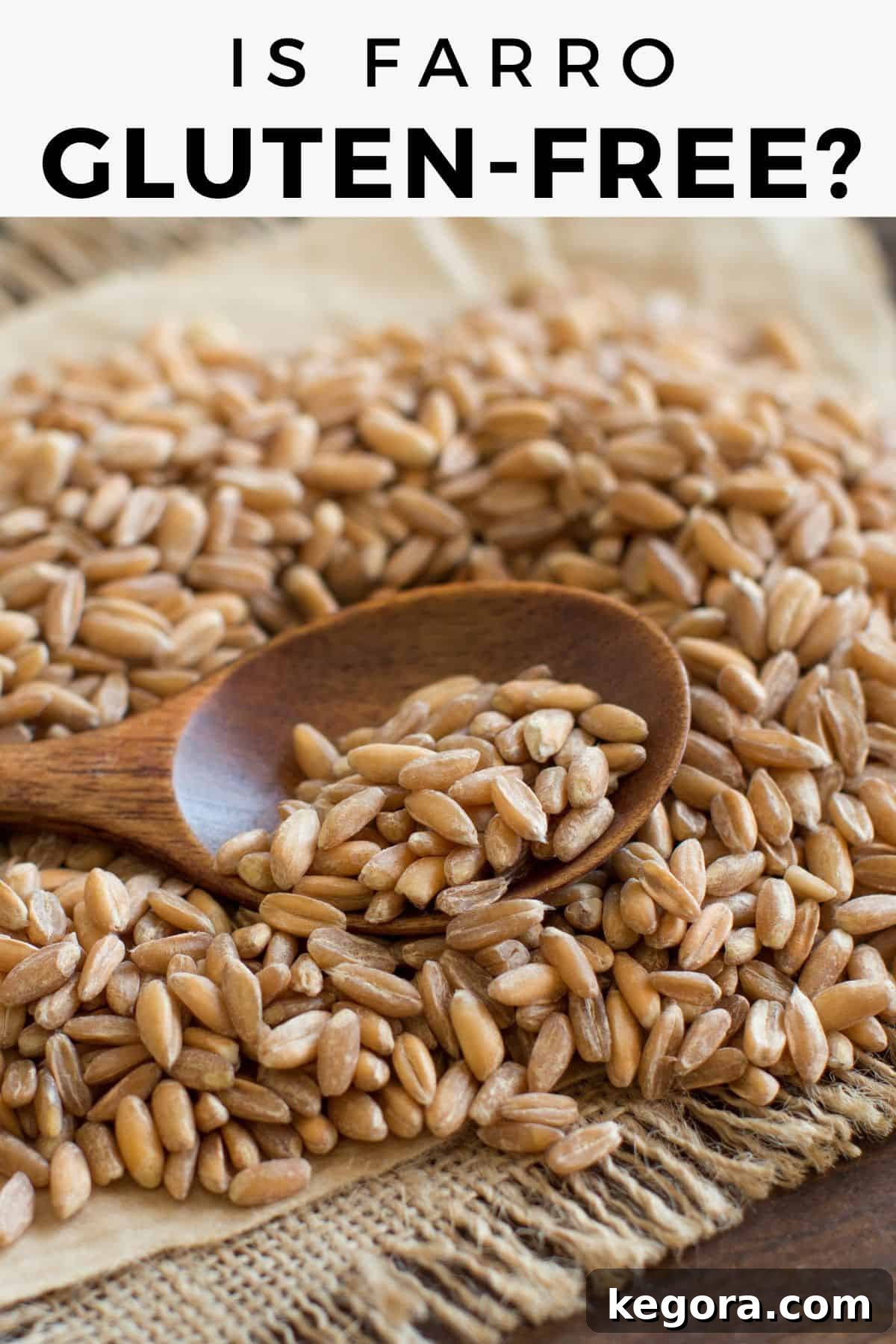
Farro, a cornerstone of Mediterranean and Middle Eastern cuisine for millennia, stands out as an unrefined ancient grain, celebrated for its richness in protein, dietary fiber, essential nutrients, and vital vitamins. Unlike many modern wheat varieties that undergo extensive processing, hybridization, and even bleaching, farro has remarkably retained its original genetic makeup and nutritional integrity across centuries. This preservation makes it a highly regarded whole grain for its health benefits. However, despite its ancient roots and natural qualities, a key distinction must be made regarding its compatibility with a gluten-free diet.
SHORT ANSWER: NO!
No, farro is emphatically not gluten-free. Farro is, by definition, a form of wheat, encompassing three distinct species (einkorn, emmer, and spelt), all of which naturally contain gluten. Consequently, farro must be strictly avoided by individuals diagnosed with celiac disease, non-celiac gluten sensitivity, gluten intolerance, or a wheat allergy. Consuming farro, even in small amounts, can trigger adverse reactions and potentially lead to significant health complications for those with these conditions.
While this news might be disappointing for farro enthusiasts on a restricted diet, there’s no need to despair! The culinary world offers an abundance of delicious, versatile, and highly nutritious alternative grains that are naturally gluten-free. Embracing these options allows you to maintain a varied and satisfying diet without compromising your health or taste buds.
Why Is Farro Not Gluten-Free? Understanding the Core Issue
To fully grasp why farro is unsuitable for a gluten-free diet, it’s essential to understand what farro truly is and what gluten represents. Farro is not just a single grain; it’s a collective term referring to the kernels of three ancient wheat species: einkorn, emmer, and spelt. Because all three of these are varieties of wheat, they inherently contain gluten. While farro may boast a healthier nutritional profile than highly refined modern wheat flour due to its minimal processing, it remains a natural source of gluten protein. Therefore, if you are adhering to a gluten-free diet due to medical necessity such as celiac disease, gluten intolerance, or a wheat allergy, consuming farro, or any product containing farro, should be entirely avoided.
Gluten itself is a complex protein composite found in wheat, barley, rye, and triticale. It’s responsible for the elastic texture of dough, providing structure and chewiness to baked goods. For the majority of the global population, gluten can be consumed without any adverse effects and is simply a source of protein. However, for individuals with celiac disease, an autoimmune disorder, the ingestion of gluten triggers a severe immune response that damages the lining of the small intestine. This damage, known as villous atrophy, impairs nutrient absorption, leading to a wide range of symptoms and long-term health complications. Short-term effects can include debilitating nausea, abdominal pain, severe stomach cramps, vomiting, diarrhea, bloating, and fatigue. In the long term, repeated exposure to gluten can lead to malnutrition, anemia, osteoporosis, neurological issues, infertility, and even an increased risk of certain cancers. Even a minuscule amount of gluten, often as little as a crumb, can initiate this harmful immune reaction in sensitive individuals.
Beyond celiac disease, a growing number of people experience non-celiac gluten sensitivity (NCGS) or a wheat allergy. While distinct from celiac disease, these conditions also necessitate a strict gluten-free or wheat-free diet to alleviate symptoms like digestive distress, headaches, skin rashes, and joint pain. For all these groups, the benefits of farro’s ancient grain status do not outweigh the potential harm caused by its gluten content.
The good news is that a well-rounded, delicious, and incredibly nutritious diet is entirely achievable without gluten-containing grains. The market is now abundant with naturally gluten-free grains and products that can provide similar textures, flavors, and nutritional benefits to farro. Exploring these alternatives can open up a world of new culinary possibilities and ensure that your dietary needs are met without compromise. Read on for detailed suggestions of gluten-free alternatives to farro that can be a perfect fit for your health and lifestyle.
You also might like these articles on is couscous gluten-free, is quinoa gluten-free, is buckwheat gluten-free, is brown rice gluten-free, is oat milk gluten-free.
You also might like is popcorn gluten-free, are oats gluten-free and are grits gluten-free.
What Is Farro? A Closer Look at This Ancient Grain
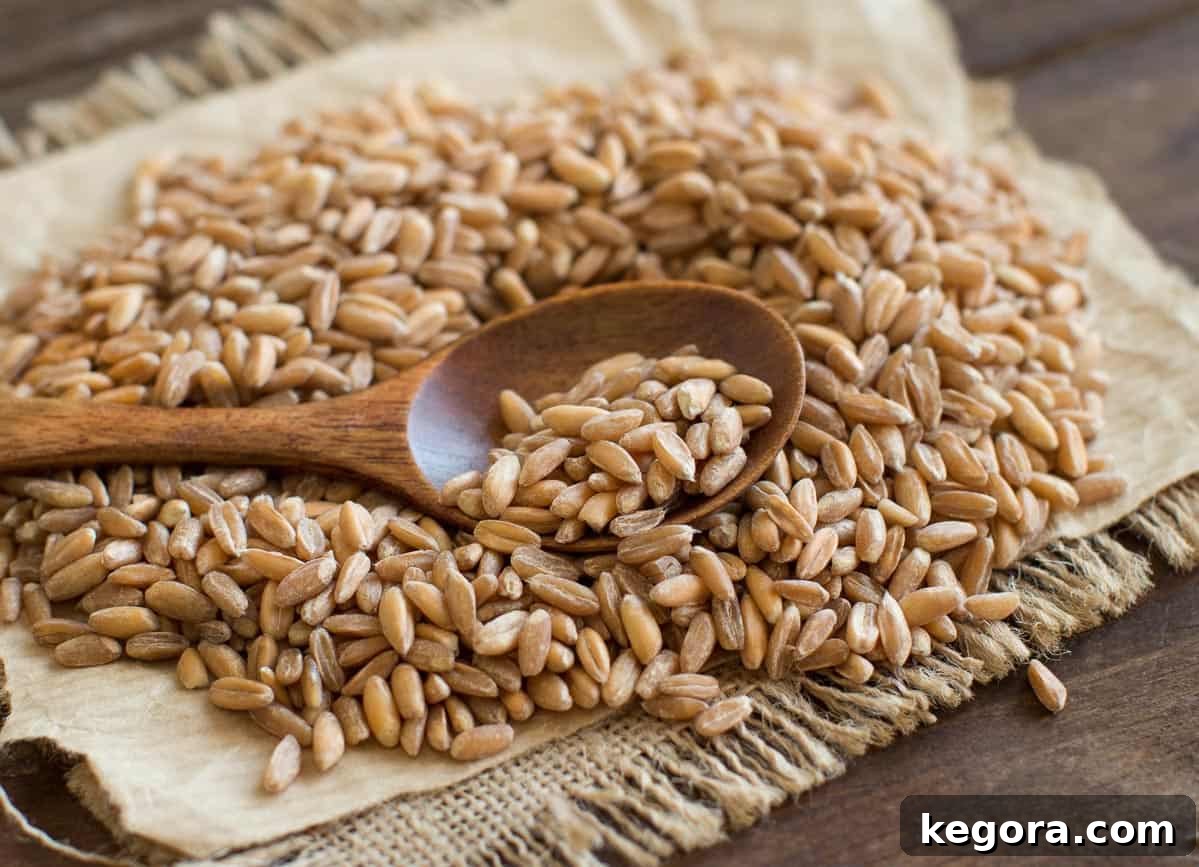
The term “farro” is used to broadly describe the grains derived from three distinct species of hulled wheat: spelt (Triticum spelta), einkorn (Triticum monococcum), and emmer wheat (Triticum dicoccum). Each of these varieties contributes to the diverse genetic lineage of modern wheat. Originating from the Fertile Crescent in the Middle East, farro boasts an astonishing history, having been cultivated and consumed as a staple food for approximately 17,000 years. This makes it a true ancient grain, predating much of recorded history and playing a vital role in the diets of early civilizations.
What sets farro apart from many contemporary grains, particularly modern wheat, is its minimal processing. Unlike the highly refined and hybridized wheat typically found in stores and restaurants today, farro largely retains its natural structure and nutrient density. This less-processed nature means that farro offers a superior nutritional profile for those who can tolerate gluten. It is particularly rich in protein, making it an excellent plant-based protein source. It’s also an exceptional source of dietary fiber, which is crucial for digestive health and blood sugar regulation. Furthermore, farro provides a significant amount of B vitamins, which are vital for energy metabolism, along with essential minerals such as magnesium (important for muscle and nerve function), iron (critical for oxygen transport), and zinc (beneficial for immune health). Its robust, nutty flavor and chewy texture also make it a popular ingredient in various culinary applications, from soups and salads to pilafs and side dishes.
Farro is typically available for purchase in a few different forms, which relate to its processing level and, consequently, its nutritional content and cooking time:
- Whole Farro: This is the most nutritious and least processed form. Whole farro retains all three parts of the grain kernel – the bran, germ, and endosperm – meaning it offers the highest amount of fiber and nutrients. While it requires the longest cooking time, often needing an overnight soak, it is the healthiest option and can usually be found in health food stores.
- Semi-Pearled Farro: This variety falls in the middle in terms of processing and nutritional value. Part of the bran layer has been removed, but some beneficial fiber and nutrients remain. Semi-pearled farro cooks faster than whole farro and still offers good nutritional benefits, providing a balance between convenience and health.
- Pearled Farro: In pearled farro, both the bran and husk layers have been completely removed. This processing significantly reduces its fiber content and some nutrients, making it less nutritious than whole or semi-pearled versions. However, pearled farro cooks the fastest and is the most widely available type in conventional grocery stores, making it a convenient choice for many.
Regardless of the type, farro is typically sold dried and prepared much like rice or quinoa. It usually involves an initial rinse, followed by either soaking (especially for whole farro) or boiling in water or broth until it absorbs the liquid, softens, and develops its characteristic chewy texture. Beyond whole grain cooking, farro can also be ground into flour, which is then used in baking to create distinct breads, pastas, and other baked goods. Farro flour, like the grain, is available online and in specialty health food stores.
What Are Good Gluten-Free Substitutes for Farro?
For those following a gluten-free diet, the excellent news is that there are numerous delicious, nutritious, and naturally gluten-free grains that can readily substitute farro in a variety of dishes. These alternatives offer similar textural qualities and culinary versatility, ensuring your meals remain satisfying and flavorful without any gluten concerns. According to the FDA, a product can only be labeled “gluten-free” if it contains less than 20 parts per million (ppm) of gluten. When selecting gluten-free grains, always make it a habit to check product labels to confirm their gluten-free certification and to ensure that no cross-contamination has occurred during processing or packaging. The following grains are naturally gluten-free and make excellent substitutes for farro:
- White Rice: A highly versatile and widely available grain, white rice is naturally gluten-free, easily digestible, and provides a neutral base for countless dishes. It works well as a side, in stir-fries, or even in salads where farro might typically be used.
- Brown Rice: A whole grain alternative to white rice, brown rice offers more fiber, magnesium, and other nutrients, providing a satisfyingly chewy texture similar to farro. It’s an excellent choice for pilafs, grain bowls, and as a hearty side dish.
- Corn: While often consumed as a vegetable, corn is also a gluten-free grain, primarily used in its whole form (corn kernels) or processed into cornmeal or polenta. Its sweet flavor and tender-chewy texture can add a unique dimension to dishes where farro is usually found.
- *Oats: Oats are naturally gluten-free; however, they pose a significant risk of cross-contamination with gluten-containing grains (like wheat, barley, and rye) during farming, harvesting, transportation, and processing. For this reason, it is absolutely crucial to purchase only oats that are explicitly labeled and certified gluten-free. These products are processed in dedicated facilities to ensure they meet strict gluten-free standards. Read this comprehensive post for more in-depth information on safely incorporating oats into a gluten-free diet.
- Quinoa: Often referred to as a “supergrain,” quinoa is botanically a seed but functionally a whole grain. It offers a nutty flavor and a delightful fluffy-chewy texture, making it an excellent substitute for farro in terms of both taste and consistency. Quinoa is also a complete protein, containing all nine essential amino acids, making it incredibly nutritious.
- Buckwheat: Despite its name, buckwheat is not related to wheat and is entirely gluten-free. It has an earthy, robust flavor and a soft, chewy texture. Buckwheat groats are fantastic in salads, as a side dish, or can be ground into flour for baking.
- Millet: This ancient grain is small, round, and has a mild, slightly sweet flavor. When cooked, millet can be light and fluffy, similar to couscous, or creamy, like porridge. It’s highly versatile and a great option for those seeking a less common but equally nutritious gluten-free grain.
- Amaranth: Another ancient pseudo-cereal, amaranth is gluten-free and incredibly nutritious, packed with protein, fiber, and micronutrients. It has a slightly peppery, earthy flavor and a tiny, poppy-like texture when cooked, making it a unique addition to grain bowls and salads.
These diverse gluten-free grains can be creatively incorporated into your meals in myriad ways. They serve as excellent bases for protein and veggie entrees, create hearty and flavorful side dishes, and add substance to vibrant salads. Many can also be ground into gluten-free flours, opening up endless possibilities for baking and cooking. Experiment with these alternatives to discover your new favorite staples!
You also might like these articles on gluten-free alcohol and gluten-free beer
Frequently Asked Questions About Farro and Gluten
No, farro wheat is unequivocally not gluten-free. The very definition of farro refers to three ancient species of wheat (einkorn, emmer, and spelt), and all types of wheat naturally contain gluten protein. While farro is often celebrated for being less processed and more nutrient-dense than modern wheat, its genetic origin as a wheat species means it will always contain gluten. Therefore, if you have celiac disease, a wheat allergy, or are on a gluten-free diet for any other medical reason, you must avoid farro. For celiac patients, the potential health benefits of farro are entirely overshadowed by the severe and harmful immune response triggered by ingesting gluten. Instead, opt for truly gluten-free whole grains like brown rice, quinoa, millet, or buckwheat to round out your meals nutritiously and safely.
Absolutely not. Farro should not be consumed by anyone diagnosed with gluten intolerance (also known as non-celiac gluten sensitivity), a wheat allergy, or celiac disease. As a type of wheat, farro inherently contains gluten, which is the specific protein that triggers adverse reactions in these conditions. Even if some individuals claim farro is “easier to digest” than modern wheat, it still contains enough gluten to cause symptoms for those with sensitivities or lead to serious damage for celiacs. To ensure your health and comfort, stick to grains that are certified and naturally gluten-free. Excellent alternatives include white or brown rice, quinoa (which also offers a nutty, chewy texture), corn, millet, buckwheat, and amaranth. If you wish to consume oats, always ensure they are certified gluten-free to avoid cross-contamination with gluten-containing grains.
No, farro pasta is not gluten-free. Farro pasta is crafted using farro flour, which is derived directly from farro wheat. Consequently, any product made from farro, including farro pasta, will contain gluten. While farro may have a different gluten structure or potentially a slightly lower gluten content compared to highly processed modern wheat strains, it still contains enough gluten to be harmful to individuals with celiac disease, gluten intolerance, or a wheat allergy. When searching for gluten-free pasta options, always look for noodles made from alternative, naturally gluten-free flours such as rice flour, corn flour, chickpea flour, red lentil flour, or blends of various gluten-free ingredients. It is critical to meticulously check the packaging for an explicit “gluten-free” label to verify that your pasta is safe and compliant with your dietary needs.
When comparing the health benefits of farro and quinoa, it’s important to consider individual dietary needs. For individuals who can safely consume gluten, farro might be considered healthier in some respects. Both farro and quinoa are nutritional powerhouses, rich in protein, fiber, and various vitamins. However, farro often boasts higher levels of certain specific nutrients and minerals, such as iron, magnesium, and some B vitamins, making it incredibly beneficial for general health.
However, the critical distinction lies in their gluten content: quinoa is naturally gluten-free, while farro is not. Therefore, if you follow a gluten-free diet due to a wheat allergy, celiac disease, or any other health reason, quinoa is the unequivocally healthier and safer choice for you. Quinoa offers its own impressive array of health benefits, including being a complete protein (containing all nine essential amino acids), rich in fiber, and abundant in antioxidants and minerals. Ultimately, the “healthier” grain depends entirely on your dietary restrictions and personal health requirements.
The Bottom Line: Making Informed Gluten-Free Choices
Farro, an ancient grain with a rich history and impressive nutritional value, is undoubtedly a beneficial addition to many diets. Popular in Italian cuisine and cherished for its chewy texture and nutty flavor, farro actually refers to the grains of three distinct species of hulled wheat: einkorn, emmer, and spelt. The critical takeaway, however, is that all forms of wheat inherently contain gluten. Therefore, while farro is highly nutritious for those without sensitivities, it is absolutely not a healthy or safe option for anyone adhering to a strict gluten-free diet. This applies universally to all types of farro—whole, semi-pearled, or pearled—and any product that lists farro as an ingredient.
If you are committed to a gluten-free lifestyle, whether due to celiac disease, gluten intolerance, or a wheat allergy, it is imperative to bypass farro. Thankfully, the culinary landscape is rich with an array of delicious and healthful gluten-free alternatives. Opt instead for naturally gluten-free grains such as versatile white or brown rice, carefully certified gluten-free oats, sweet corn, complete-protein quinoa, earthy buckwheat, mild millet, or nutritious amaranth. These choices are not only incredibly filling and healthy (especially when consumed in their unrefined, whole forms) but are also entirely free from gluten, allowing you to enjoy a diverse and satisfying diet without compromising your health.