
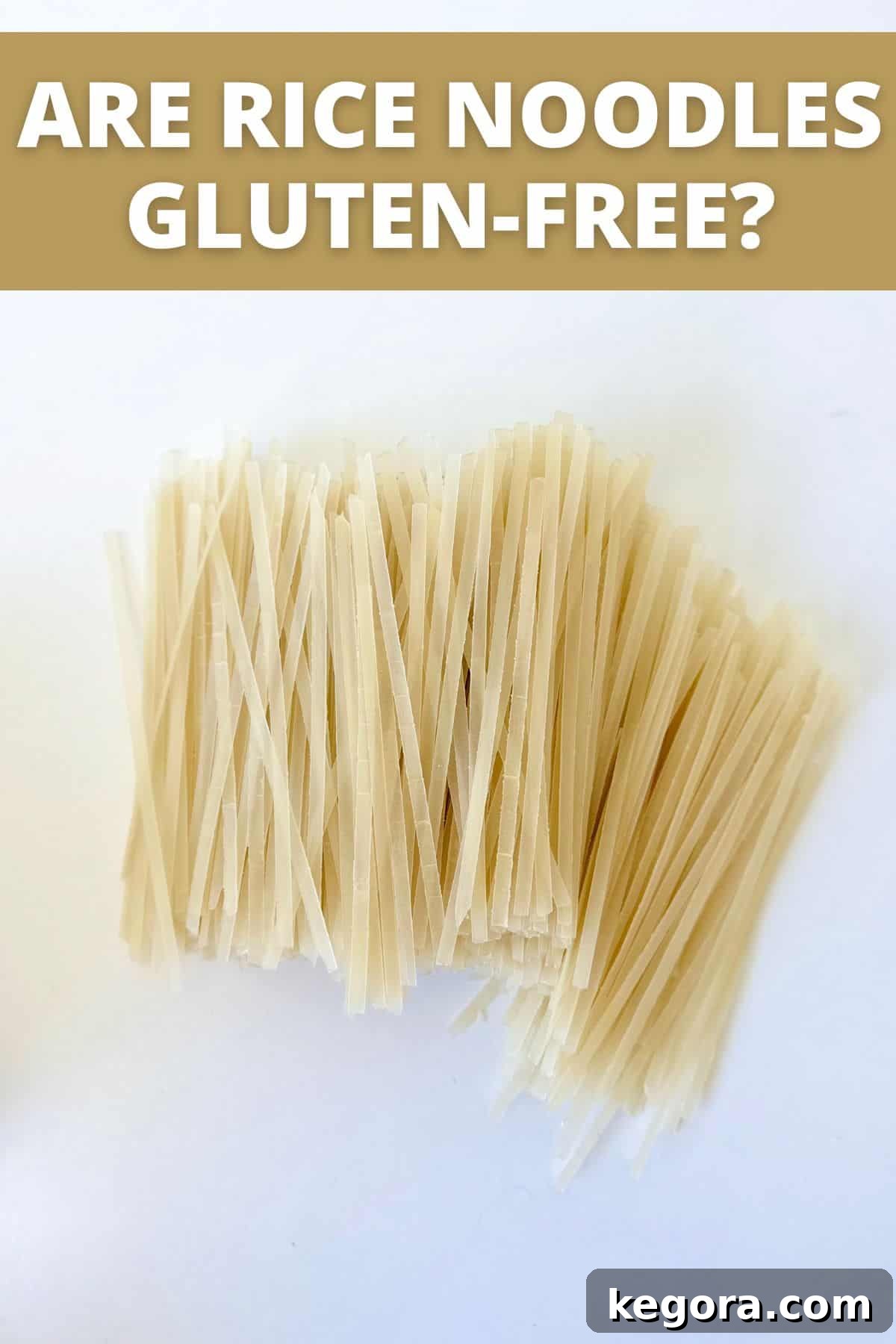
Navigating a gluten-free diet can sometimes feel like a culinary labyrinth, especially when it comes to beloved staples like noodles. If you’ve ever found yourself pondering, “Are rice noodles gluten-free?” you’ve landed on the perfect resource. This comprehensive guide will explore everything you need to know about rice noodles, their gluten status, and how to enjoy them safely and deliciously.
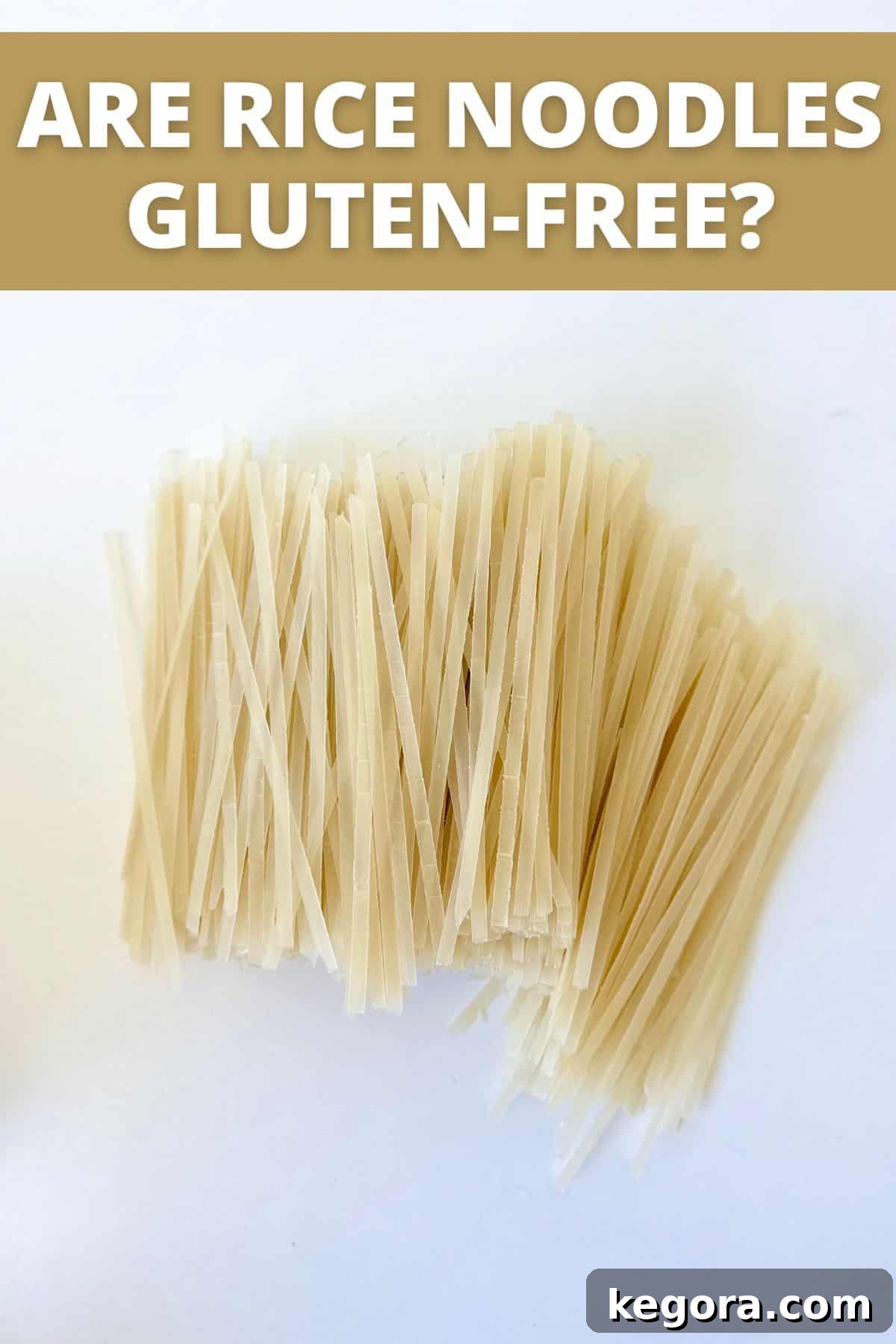
Rice noodles, with their distinctive chewy texture and incredible ability to absorb vibrant flavors, are a cherished ingredient in countless Asian cuisines. From the fragrant broths of Vietnamese pho to the savory stir-fries of Thai pad see ew, these versatile strands evoke mouth-watering memories and offer a delightful culinary experience. For many, they appear to be an ideal, naturally gluten-free alternative to traditional wheat-based pasta. But is this assumption truly accurate?
SHORT ANSWER: ABSOLUTELY, YES!
Yes! Rice noodles are inherently a gluten-free food. Composed primarily of rice flour and water, they offer a safe and delicious option for individuals managing celiac disease, gluten sensitivity, or those simply choosing a gluten-free lifestyle. You’ll find it incredibly straightforward to locate certified gluten-free rice noodles in most grocery stores, making them an excellent and accessible choice.
You might also find these related articles helpful for your gluten-free journey: Is Brown Rice Gluten-Free?, Are Oats Gluten-Free?, Is Soy Sauce Gluten-Free?, Is Couscous Gluten-Free?, and Are Potatoes Gluten-Free? Furthermore, explore this article on Are Egg Noodles Gluten-Free?.
Are Rice Noodles Truly Gluten-Free? Understanding the Core Ingredients
The good news for gluten-avoiders is that, at their core, rice noodles are indeed gluten-free! This is because rice, in its natural state, contains no gluten. The fundamental ingredients for traditional rice noodles are typically very simple: rice flour and water. Sometimes, a small amount of starch, such as tapioca starch or corn starch, is added to improve the texture and elasticity of the noodles, preventing them from breaking apart during cooking. Since tapioca and corn are also naturally gluten-free, their inclusion does not compromise the gluten-free status of the noodles.
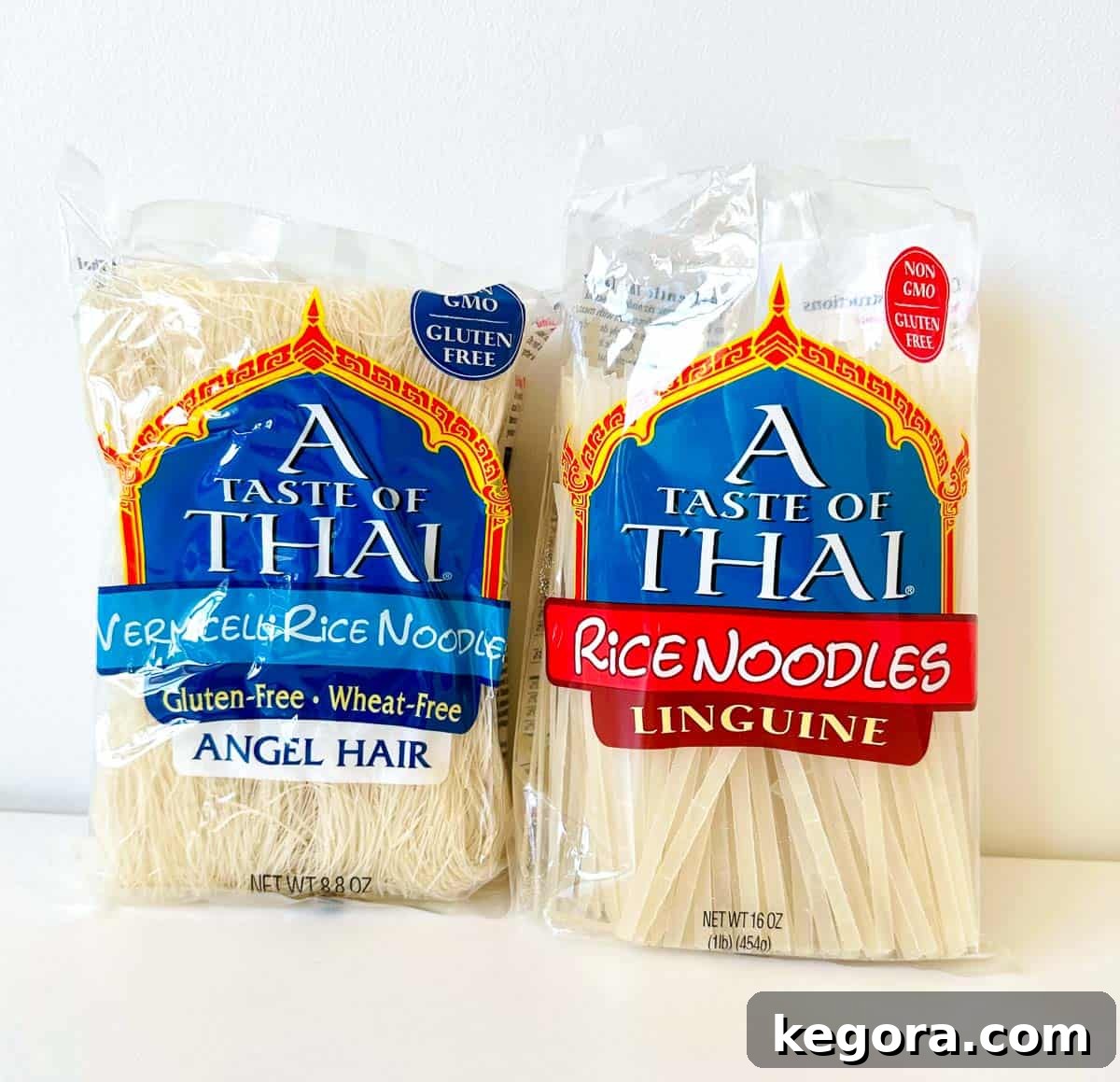
When shopping for rice noodles, particularly if you have celiac disease or a severe gluten sensitivity, it’s crucial to look for products clearly labeled “certified gluten-free.” This certification ensures that the product meets strict standards, typically containing less than 20 parts per million (ppm) of gluten, which is the FDA standard for gluten-free foods. This extra step helps minimize the risk of cross-contamination during manufacturing. Many reputable brands offer such certified options, making it easier than ever to enjoy rice noodles worry-free.
Some popular brands widely recognized for their certified gluten-free rice noodle offerings include:
- A Taste of Thai
- Thai Kitchen
- Ocean’s Halo
- Annie Chun’s
- Lotus Foods
However, it’s vital to exercise caution when dining out. While the noodles themselves are typically gluten-free, the overall dish prepared in a restaurant setting might not be. Always inform your server about your dietary needs and inquire about the ingredients in sauces and the kitchen’s cross-contamination practices. Many establishments are increasingly aware and accommodating of gluten-free requests, but it never hurts to be vigilant.
What Exactly Are Rice Noodles? A Culinary Overview
Rice noodles are distinct from their wheat-based counterparts primarily because their main ingredient is rice flour, as opposed to wheat flour commonly used in most Western pasta and noodles. This fundamental difference is precisely what makes them a safe haven for those avoiding gluten.
A typical ingredient list for rice noodles is refreshingly short. For instance, Vermicelli Rice Noodles from a brand like A Taste of Thai might contain just three core components:
- Rice flour
- Water
- Modified tapioca starch
As mentioned, some variations might only contain rice flour and water, while others may opt for corn starch instead of tapioca starch. The addition of these starches is primarily functional, enhancing the noodles’ texture by making them chewier and helping them maintain their structural integrity during cooking and serving. Regardless of the specific starch used, the key remains that all forms of rice are naturally gluten-free, ensuring the noodles are free of gluten unless contamination occurs.
Texture, Flavor, and Nutritional Profile
On their own, rice noodles possess a very mild, almost neutral flavor, which makes them incredibly versatile. This allows them to beautifully absorb the robust flavors of sauces, broths, and spices they are cooked with, making them a perfect canvas for a wide array of dishes. While they don’t boast a rich nutritional profile on their own, often being referred to as “empty carbs,” they provide essential calories and a delightful, satisfying chewiness that adds substance to any meal. For a more nutritious option, brown rice noodles are available and offer a higher fiber content compared to white rice noodles, aiding in digestion and providing more sustained energy.
Rice noodles come in various shapes and sizes, each suited for different culinary applications:
- **Thin vermicelli noodles:** Delicate and fine, often used in spring rolls, cold salads, and light broths like pho.
- **Flat, wide noodles:** Heartier and more substantial, perfect for stir-fries (like pad see ew or chow fun) and thicker sauces.
- **Medium-width noodles:** Versatile for many dishes, including pad Thai.
Global Popularity and Culinary Uses
Rice noodles are a cornerstone of cuisine across South and Southeast Asia, deeply integrated into the daily diet and culinary traditions of many nations. Countries where rice is a staple crop naturally feature rice noodles prominently in their dishes. Some of these regions include:
- Burma (Myanmar)
- Cambodia
- China
- Philippines
- Indonesia
- Laos
- Malaysia
- Sri Lanka
- Singapore
- Thailand
- Vietnam
Their versatility means they can be served hot or cold, in soups, stir-fries, salads, and more. Preparing rice noodles is generally straightforward. Dry rice noodles usually require a brief soak in hot water or a few minutes of boiling, while fresh rice noodles, often found in Asian markets, might just need a quick rinse or gentle warming.
Navigating Pad Thai and Other Dishes: Potential Gluten Traps
While rice noodles themselves are gluten-free, it’s crucial to understand that the overall dish they are served in might not be. This is particularly true for complex dishes like Pad Thai, a beloved staple of Thai cuisine.
Traditional Pad Thai is indeed made with rice noodles. However, the sauces and other ingredients used in its preparation are often where hidden gluten can lurk. The most common culprit is traditional soy sauce, which is a key component in many Pad Thai recipes and contains wheat. Other potential sources of gluten could include certain oyster sauces, thickening agents, or even seasonings. Therefore, if a restaurant uses conventional soy sauce or other gluten-containing ingredients in their Pad Thai, the dish will not be gluten-free.
If you have a gluten intolerance or celiac disease, it is paramount to communicate clearly with your server and the kitchen staff when ordering Pad Thai or any other Asian dish. Ask specific questions:
- Are the noodles themselves 100% rice flour based? (Usually yes, but confirm)
- Is gluten-free soy sauce (tamari) used in the sauce?
- Are there any other gluten-containing ingredients in the sauce or marinade?
- Is there a risk of cross-contamination? For example, are shared woks or fryers used for dishes containing wheat noodles or ingredients?
Many restaurants now offer gluten-free versions of popular dishes, using tamari instead of regular soy sauce and being mindful of other ingredients. However, independent verification is always the safest approach.
Preparing your own Pad Thai at home gives you complete control over ingredients, allowing you to easily ensure every component is certified gluten-free. This empowers you to enjoy this flavorful dish without any dietary concerns.
You might also enjoy exploring this Gochujang Pasta recipe as another unique noodle alternative.
Frequently Asked Questions About Rice Noodles and Gluten
Yes, traditional rice noodles are perfectly safe and an excellent choice for a gluten-free diet. They are made primarily from rice flour and water, sometimes with added tapioca or corn starch, all of which are naturally gluten-free. When purchasing from a grocery store, always look for packaging that clearly states “gluten-free” to ensure no hidden ingredients or cross-contamination. Brands like A Taste of Thai, Thai Kitchen, and Lotus Foods offer reliable certified gluten-free options, typically found in the international foods aisle.
While rice noodles are a great gluten-free alternative, it’s important to understand their nutritional context. Neither white rice noodles nor traditional white wheat pasta are considered significantly “healthy” on their own, often being referred to as “empty calories” because they provide energy but lack substantial vitamins, minerals, or fiber. However, if you choose brown rice noodles, you’ll benefit from more dietary fiber, which aids digestion and provides a more sustained energy release. To make any noodle dish truly healthy, focus on pairing them with plenty of fresh vegetables, lean proteins, and healthy fats. They are not inherently unhealthy, but their nutritional value is boosted by what you add to them.
Most conventional ramen noodle soups, including popular instant brands like Top Ramen and Maruchan, are made with noodles derived from wheat flour, meaning they *do* contain gluten. However, the good news is that gluten-free ramen alternatives are increasingly available. Some restaurants may offer the option to substitute wheat noodles with gluten-free rice noodles or other gluten-free varieties. For home preparation, companies such as Lotus Foods produce excellent gluten-free ramen kits and noodles made from rice or other gluten-free grains, allowing you to create delicious, celiac-safe ramen at home.
Pho, the iconic and flavorful Vietnamese noodle soup, traditionally features rice noodles. Since rice noodles are naturally gluten-free, pho is almost always a safe bet for a gluten-free diet. However, as with any restaurant meal, it’s always prudent to confirm with your server that the dish is indeed gluten-free. Additionally, if you have celiac disease or a non-celiac gluten sensitivity, ask about potential cross-contamination with gluten-containing ingredients in the kitchen, especially concerning broths or garnishes, although pho broth is typically quite safe.
Yes, regardless of their width or shape, rice noodles are almost universally gluten-free as long as they are made from rice flour. Whether they are thin vermicelli, medium-width, or broad, flat sheets, the key ingredient is rice. When purchasing packaged wide rice noodles in a grocery store, always double-check the ingredient list and look for a “gluten-free” label to be absolutely certain. Most will contain only rice flour, water, and perhaps a starch like tapioca or corn. When dining out, follow the same precautions: inquire if the wide noodles are rice-based and ask about any potential cross-contamination in the kitchen’s preparation methods.
The Bottom Line: Enjoying Gluten-Free Rice Noodles Safely
To reiterate, rice noodles are an excellent, inherently gluten-free choice for anyone on a gluten-free diet. Their foundation of naturally gluten-free rice flour makes them a safe and versatile ingredient for countless delicious dishes.
From a culinary perspective, rice noodles are incredibly easy to cook and adapt beautifully to a vast array of Asian cuisines. Their subtle flavor and satisfying texture make them a perfect canvas for absorbing the rich spices and sauces that define many traditional dishes.
When you’re stocking your pantry, prioritize selecting rice noodles that are clearly certified gluten-free. This certification serves as your assurance that the product adheres to strict FDA criteria, containing less than 20 parts per million (ppm) of gluten, and significantly reduces the risk of accidental cross-contamination. Combine these safe noodles with lean proteins and an abundance of fresh vegetables, and you’ve got the makings of a healthy, wholesome, and celiac-safe meal.
However, vigilance is key, especially when dining outside your home. While the rice noodles themselves are typically free of gluten, it’s always imperative to confirm with the restaurant kitchen. Ask specific questions about the ingredients used in accompanying sauces, marinades, and broths, as traditional soy sauce and certain thickeners are common sources of hidden gluten. Furthermore, inquire about the kitchen’s preparation practices to ascertain any potential for cross-contamination with wheat-containing ingredients or shared cooking surfaces. By taking these proactive steps, you can confidently enjoy the delightful world of rice noodles as part of your gluten-free lifestyle.