
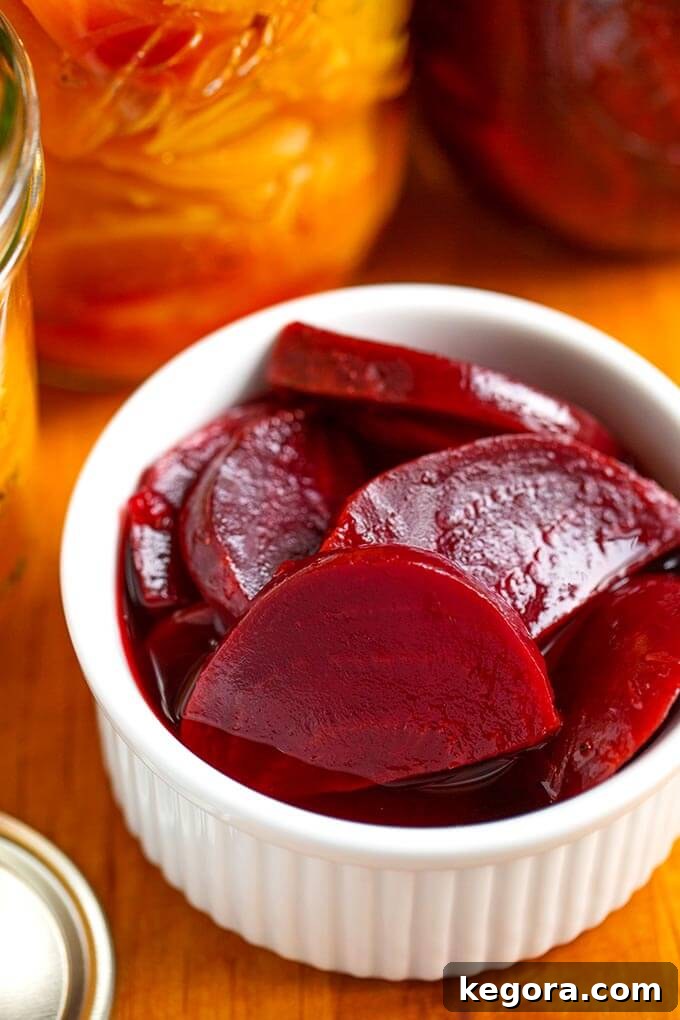
Welcome to the vibrant world of homemade pickled beets! If you’re searching for a simple yet incredibly flavorful way to enjoy one of nature’s most beautiful and nutritious vegetables, you’ve found the perfect guide. These Easy Pickled Beets offer an exquisite balance of sweet, tangy, and earthy notes, transforming them into an irresistible snack, a bright and colorful addition to any salad, or a fantastic side dish for a variety of meals.
For me, homemade pickled beets are more than just a culinary item; they embody a burst of freshness and a touch of nostalgic charm. There’s a profound satisfaction in taking fresh, humble beets and preserving them in a way that extends their enjoyment and adds a ruby-red sparkle to your plate. This year’s beet harvest has been exceptionally abundant, inspiring a delightful culinary journey in my kitchen. I’ve been cooking and experimenting with beets almost daily for weeks – not obsessively, but certainly with a deep appreciation for their versatility!
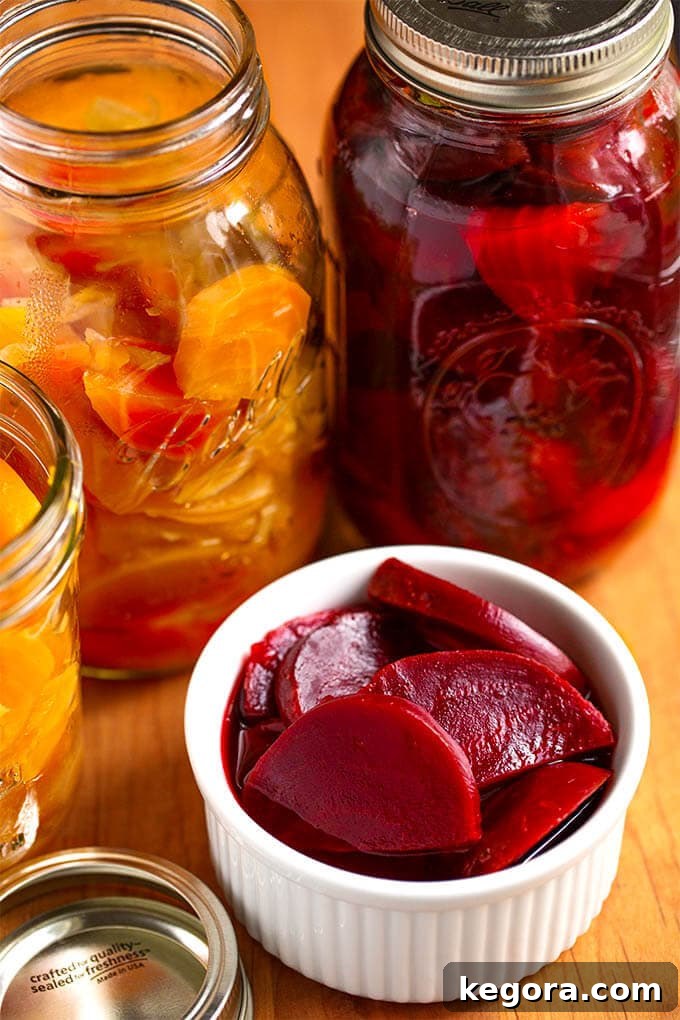
Easy Pickled Beets: Your Ultimate Recipe for Homemade Sweet & Tangy Perfection
Embrace the delightful taste of homemade pickled beets, a culinary staple that brings a unique blend of sweetness, acidity, and that distinct earthy beet flavor to your table. Beyond their exquisite taste, beets are recognized as a superfood, packed with essential vitamins and minerals. This comprehensive recipe focuses on making the pickling process straightforward and enjoyable, ensuring you can create beautiful, flavorful batches with ease. Whether you plan to store them in your refrigerator for quick enjoyment or embark on a canning adventure for longer preservation, this guide provides all the steps for success.
Why Choose Homemade Pickled Beets? The Benefits Are Abundant!
Opting to make your own pickled beets instead of buying them from the store comes with numerous advantages. First and foremost, you gain complete control over the ingredients. This means you can say goodbye to artificial preservatives, unnecessary additives, and excessive sodium often found in commercial products. Instead, you’ll use fresh, wholesome components, tailoring the sweetness, tanginess, and spice levels to perfectly match your personal preference.
Furthermore, pickling is a time-honored tradition and an excellent method for preserving the bounty of a garden or a fortunate farmers market find. It allows you to extend the enjoyment of seasonal beets far beyond their typical freshness window. It’s also incredibly cost-effective, transforming a few pounds of relatively inexpensive beets into multiple jars of gourmet-quality preserves. The satisfaction of opening a jar of your own homemade pickled beets, knowing exactly what went into them, is truly unparalleled.
My Beet-ful Culinary Adventures: Beyond Pickled Beets
My recent explorations in the kitchen have been a truly “beetiful” experience! (Yes, I enjoy a good pun, even if it’s a little cheesy – I have to sneak them in when I can!). In addition to perfecting these easy pickled beets, I’ve had a wonderful time creating other delicious beet-centric dishes. If you’re looking for more creative ways to incorporate this incredibly versatile and healthy root vegetable into your diet, I highly recommend exploring these fantastic recipes:
- Vibrant Red Beet Hummus: A stunning and earthy twist on the classic hummus, perfect for adding a pop of color and unique flavor to your appetizer spread or sandwiches.
- Beet Salad with Goat Cheese and Orange Vinaigrette: This stands as my absolute favorite salad, featuring a delightful combination of sweet beets, creamy goat cheese, and a zesty orange vinaigrette that tantalizes the taste buds.
Diving into these recipes will undoubtedly showcase just how adaptable and delicious beets can be, elevating them from a simple side dish to a celebrated main component in your meals.
Preparing Your Beets: The Essential First Step to Perfect Pickles
Before your beets can soak up the sweet and tangy goodness of the pickling liquid, they must be cooked until perfectly tender. This initial step is absolutely crucial for achieving the desired texture in your pickled beets and ensuring that the brine can fully infuse its flavors. There are several effective methods for cooking beets, each offering its own benefits:
1. Stovetop Boiling Method
This is a time-honored and straightforward approach that consistently yields excellent results. Begin by thoroughly washing and scrubbing your beets to remove any dirt. It’s important to leave about 1 to 2 inches of the stems intact and refrain from trimming the root end; this helps to minimize the beets “bleeding” their vibrant color during the cooking process. Place the prepared beets in a large pot, cover them with water by approximately one inch, and bring the water to a rolling boil. Once boiling, reduce the heat to a simmer and cook until the beets are fork-tender. The cooking time can vary significantly, typically ranging from 30 minutes to an hour, depending on the size and freshness of your beets. After cooking, carefully drain the beets, but here’s a crucial tip: **remember to reserve 1 to 2 cups of the beet cooking water!** This intensely colored and subtly flavored liquid can be a wonderful addition to your pickling brine, enhancing both its hue and depth of taste.
2. Electric Pressure Cooker (Instant Pot) Method
For those seeking a significantly faster and highly efficient cooking process, an electric pressure cooker, such as the ever-popular Instant Pot, is an absolute game-changer. Pressure cooking drastically reduces the time required to achieve perfectly tender beets while locking in their nutrients and flavor. You can find detailed, step-by-step instructions on how to master this method here: Instant Pot Beets Instructions. This technique is ideal when you’re pressed for time but unwilling to compromise on the quality and tenderness of your cooked beets.
Peeling and Slicing Cooked Beets
Once your beets are cooked and have cooled sufficiently to handle comfortably, the skins should slip off with remarkable ease. Many find it helpful to use a paper towel for a better grip and to offer a slight barrier against the beet’s natural staining (though a little beet juice on the hands is a badge of honor for any home cook!). After peeling, proceed to slice the beets into uniform 1/4-inch thick rounds or elegant wedges. If you happen to be working with very small beets, those typically 1 to 2 inches in diameter, you have the option of leaving them whole for a charming and impressive visual presentation in your jars.
Crafting the Perfect Pickling Brine: The Heart of Your Pickled Beets
The true artistry of pickled beets lies in the carefully balanced and aromatic brine. This exquisite sweet, tangy, and spiced liquid is what ultimately transforms tender, cooked beets into an extraordinary culinary delight. Our recipe calls for a thoughtfully selected blend of ingredients that ensures a robust and deeply satisfying flavor profile:
- Vinegar: We primarily recommend apple cider vinegar for its delightfully fruity tang, which beautifully complements the earthy notes of the beets. However, you can certainly experiment with white vinegar for a sharper, more pronounced acidic kick if that’s your preference.
- Sweetener: Sugar is an indispensable component, crucial for balancing the intense acidity of the vinegar and creating that signature sweet and sour profile that makes pickled beets so addictive.
- Salt: For optimal results, pickling salt (also known as canning salt) is highly recommended. It is specifically formulated to be free of anti-caking agents and iodine, which can otherwise cause your brine to become cloudy or discolor your vegetables. If pickling salt isn’t available, regular non-iodized salt can be used.
- Water: You’ll need plain water, but ideally, incorporate some of that flavorful, reserved beet cooking water. This not only adds an extra layer of beet flavor but also contributes to a gorgeously deep, ruby-red color in your final product.
- Spices: This recipe features classic cinnamon sticks and a high-quality pickling spice blend. A typical pickling spice mix often includes a medley of whole spices such as mustard seeds, coriander seeds, allspice, bay leaves, and sometimes dill seeds or red pepper flakes, all contributing a complex warmth and subtle aromatic heat. Utilizing a spice ball or creating a simple cheesecloth bundle for your spices makes for effortless removal once the brine has achieved its desired flavor.
- Onions: Thinly sliced sweet onions, such as Walla Walla or Vidalia varieties, soften wonderfully in the warm brine. They impart a delicate sweetness and provide a pleasant textural contrast to the tender beets.
The process of combining these ingredients and gently simmering them allows the individual flavors to thoroughly meld and the sugar to dissolve completely, preparing your brine to beautifully embrace the beets with its delicious essence.
Extend the Flavor: Maximizing Your Pickling Brine with Delicious Pickled Eggs
One of the delightful bonuses of crafting your own pickled beets is the incredible, flavor-packed brine that remains once the beets have been enjoyed. This precious liquid, thoroughly infused with sweet, tangy, and subtly spicy notes, is far too good to discard! It’s perfectly suited for creating another beloved preserve: classic pickled eggs.
How to Make Easy Pickled Eggs
Transforming your leftover beet brine into pickled eggs is remarkably simple. Once you’ve savored most of your pickled beets, simply peel some hard-boiled eggs and gently submerge them in the remaining pickling liquid within the jar. For the most profound flavor absorption and a truly vibrant color, allow the eggs to pickle in the refrigerator for at least two weeks. This extended period enables the complex flavors of the brine to fully penetrate the egg, turning the whites a beautiful, deep pink hue and imparting a delicious tanginess to the yolk. The longer they “marinate,” the more flavorful and visually striking they will become!
Alternatively, if you’re planning ahead and anticipating a desire for both pickled beets and eggs, you can easily double the pickling liquid recipe from the outset. Use one half for your delectable pickled beets and reserve the other half (or a generous portion of it) specifically for a dedicated batch of pickled eggs. This ingenious approach allows you to yield two wonderful, versatile preserves from a single, delicious brine!
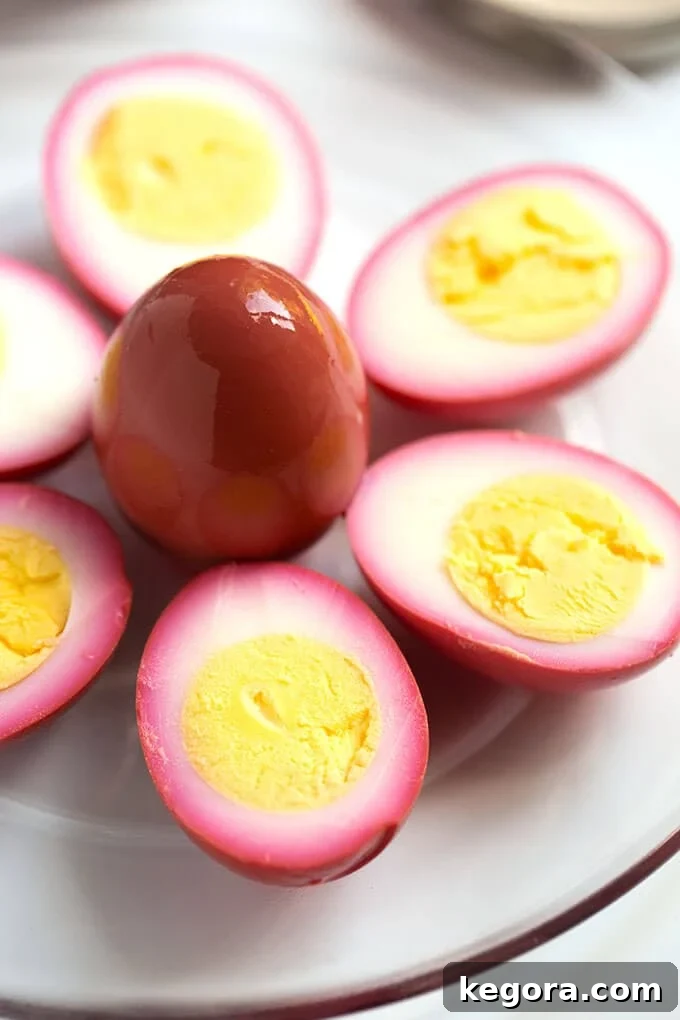
Pickled eggs serve as a fantastic, high-protein snack, a distinctive addition to various salads, or a flavorful and visually appealing component on a charcuterie board. They stand as a testament to the incredible versatility and potential of a well-crafted pickling brine!
Other Delicious & Easy Recipes You Might Enjoy
If you appreciate simple, flavorful home cooking and love discovering new staples for your kitchen, you might also find these popular recipes from our collection to be fantastic additions:
- Easy Creamy Coleslaw: A timeless and beloved side dish, perfect for complementing barbecues, picnics, and any hearty meal with its refreshing crunch and rich flavor.
- Instant Pot Hot Sauce: Ready to add a kick to your culinary creations? This homemade hot sauce is quick to prepare using an Instant Pot and allows you to customize the heat level to your liking.
Recipe: Easy Pickled Beets
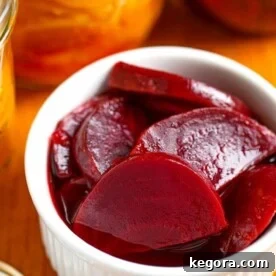
Easy Pickled Beets
By Sandy Clifton
It’s incredibly easy to pickle your own beets right at home! You don’t necessarily have to go through the canning process; simply keep them in your fridge for a quick and delicious treat. Of course, this recipe is also perfectly suitable for traditional water bath canning if you prefer long-term pantry storage!
Prep Time: 10 mins
Cook Time: 15 mins
Total Time: 25 mins
Yields: Approximately 4 pints
Ingredients
- 3-4 lbs Small Beets (if already cooked, slice 1/4″ thick)
- 1 Sweet Onion (such as Walla Walla or Vidalia) sliced thinly
- 2 cups Water* (or use 1 cup of the water from cooking the beets, if you have it, and 1 cup of plain water)
- 2 ½ cups Apple Cider Vinegar
- 1 tsp Salt (I prefer pickling salt for clarity, but use what you have)
- 2 Cinnamon Sticks
- 2 Tbsp Pickling Spice (for best results, place in a spice ball/tea ball, or tie in a cheesecloth bundle for easy removal)
- 1 ¾ cups Sugar
Instructions
Phase 1: Cook Beets (if not already cooked)
- Stovetop Method: Thoroughly wash and scrub your beets. Leave about 2 inches of the stems on and do not trim the root end. Place beets in a large pot, cover with water (about an inch above the beets), and bring to a boil. Reduce heat and simmer until the beets are fork tender. This typically takes 30 minutes to an hour, depending on beet size. *Remember to reserve 1-2 cups of this beet cooking water if you can!
- Once cool enough to handle, peel the beets (skins should slip off easily) and slice them into uniform 1/4-inch thick rounds or wedges. If using very small beets (1″-2″ in diameter), you may opt to leave them whole for a different presentation.
- Electric Pressure Cooker Method: For a quicker cooking time, please refer to my detailed instructions for Instant Pot Beets to cook your beets efficiently.
Phase 2: Make the Pickling Liquid
- In a large pot, combine all pickling liquid ingredients (water, apple cider vinegar, salt, cinnamon sticks, pickling spice, and sugar), *except* for the cooked beets and sliced onions. Bring this mixture to a low boil, stirring occasionally to ensure all the sugar fully dissolves.
- Once simmering, reduce the heat to low. Add the thinly sliced sweet onions to the pot and cook, covered, for 5-10 minutes. This gentle simmer will soften the onions and prevent excessive evaporation of your brine.
- Finally, add the already cooked and sliced beets to the pot. Continue to simmer until the beets are heated through and the onions are tender-crisp. Carefully remove and discard the spice ball (or cheesecloth bundle) and cinnamon sticks from the liquid.
Phase 3: Storage Options (If Not Canning for Long-Term)
If you prefer quick and easy refrigerator pickles:
- Carefully fill clean, sterilized mason jars with the warm beets and onions. Ladle the hot pickling liquid over them, ensuring the beets are fully submerged and covered. Leave about 1/2 inch of headspace at the top of the jar.
- Allow the jars to cool completely to room temperature on your countertop. Once cool, secure the lids tightly and transfer them to the refrigerator. These delicious refrigerator pickles will keep well for 2-3 weeks, and their flavor will deepen over a few days.
Phase 4: Storage Options (If You Are Canning for Pantry Storage)
For safe, long-term pantry storage, you can process your pickled beets using the boiling water bath canning method. Always ensure your jars and lids are properly sterilized and follow all up-to-date canning safety guidelines from reliable sources like the NCHFP.
- Carefully pack the hot beets and onions into prepared hot canning jars, leaving precisely 1/4 inch of headspace. Ladle the hot pickling liquid over the beets, again maintaining 1/4 inch headspace.
- Gently remove any trapped air bubbles by running a clean, non-metallic utensil (like a chopstick or plastic knife) around the inside of each jar.
- Wipe the jar rims clean with a damp cloth to ensure a proper seal. Center new, prepared two-piece caps (lids and rings) on the jars and tighten the rings to fingertip-tight.
- Process the filled jars for 30 minutes in a boiling-water canner. Remember to adjust your processing time if you are at an altitude above 1,000 feet.
- Once processed, remove jars from the canner and let them cool undisturbed on a towel-lined surface for 12-24 hours. Check for proper seals (lids should be concave and not flex when pressed). Properly sealed jars can be stored in a cool, dark pantry for up to one year.
Notes
This delightful recipe has been adapted and perfected from a base recipe found on Scrambled Henfruit.
Additional Info
Course: Appetizer, Side Dish, Snack, Vegetarian
Cuisine: American
Tried this easy pickled beets recipe? We would absolutely love to see your delicious creations! Share your photos and mention @simply_happy_foodie on Instagram so we can celebrate your success!
Expert Tips for Achieving Perfect Pickled Beets Every Time
- Select the Best Beets: Opt for smaller, younger beets as they tend to be sweeter, more tender, and have a finer texture. Choosing beets of a uniform size will also help ensure they cook evenly.
- Protect Your Hands: Beets contain powerful pigments that can easily stain your hands and cutting surfaces. Wearing kitchen gloves during the peeling and slicing process is highly recommended to avoid temporary discoloration.
- Customize Your Flavor Profile: The beauty of homemade pickling lies in customization! Feel free to adjust the spice level to your liking. A tiny pinch of red pepper flakes can add a subtle heat, while a slice of fresh ginger can introduce an intriguing Asian-inspired twist. Fresh dill sprigs or a few cloves of garlic can also be wonderful aromatic additions to the brine.
- Patience for Peak Flavor: While refrigerator pickled beets can be enjoyed after just a day or two, their flavor truly deepens, harmonizes, and becomes significantly more complex after sitting for at least one to two weeks. For the absolute best taste, patience is key!
- Ensure Full Submersion: To prevent spoilage and maintain optimal quality, always ensure that your pickled beets are completely submerged in the pickling brine, whether they are stored in the refrigerator or sealed in canning jars. Any beets exposed to air can spoil.
The Incredible Health Benefits of Incorporating Beets into Your Diet
Beyond their delightful taste and stunning vibrant color, beets are recognized as a true nutritional powerhouse. These humble root vegetables are abundantly rich in essential vitamins and minerals, including folate (important for cell function), manganese (vital for bone health), potassium (beneficial for blood pressure), iron (crucial for oxygen transport), and Vitamin C (a powerful antioxidant). Beets are also an excellent source of dietary fiber, which plays a significant role in supporting healthy digestion and gut health.
Perhaps most notably, beets contain unique pigments called betalains, which are potent antioxidants and possess strong anti-inflammatory properties. These compounds are believed to contribute to various health benefits, including improved athletic performance and enhanced blood flow. Incorporating these delicious pickled beets into your diet is a flavorful, easy, and incredibly beneficial way to boost your overall well-being and enjoy the many advantages this superfood has to offer.
Conclusion: Savor the Sweet Success of Your Homemade Pickled Beets!
Making your own Easy Pickled Beets is a truly rewarding culinary endeavor that promises to bring a burst of unparalleled flavor and a splash of vibrant color to your table. Whether you prefer to enjoy them straight from the jar as a refreshing snack, toss them into a crisp salad for an added tang, or serve them as a lively accompaniment to your favorite savory main dishes, these homemade preserves are destined to become a cherished staple in your kitchen. Embrace the joy and satisfaction of preserving fresh produce, and savor every sweet, tangy, and subtly spiced bite of the delicious goodness you’ve created with your own hands. Happy pickling, and enjoy the fruits (or rather, roots!) of your labor!
Resources to Help You Make This Recipe and More
As an Amazon Associate, we earn from qualifying purchases made through links on this site. We are a participant in the Amazon Services LLC Associates Program, an affiliate advertising program designed to provide a means for us to earn fees by linking to Amazon.com and affiliated sites. These are products we genuinely recommend for your kitchen and home canning needs.
While the dynamic ad widget has been removed, you can easily find essential tools like quality canning jars, versatile pickling spice blends, or an electric pressure cooker on Amazon to aid in your preserving journey.