
Navigating dietary restrictions can often feel like a culinary labyrinth, especially when your favorite comfort foods are involved. If you’ve ever found yourself wondering, “Are egg noodles gluten-free?” you’re certainly not alone. This comprehensive guide will answer all your questions, delve into the world of gluten-containing and gluten-free noodles, and help you make informed choices for your diet.
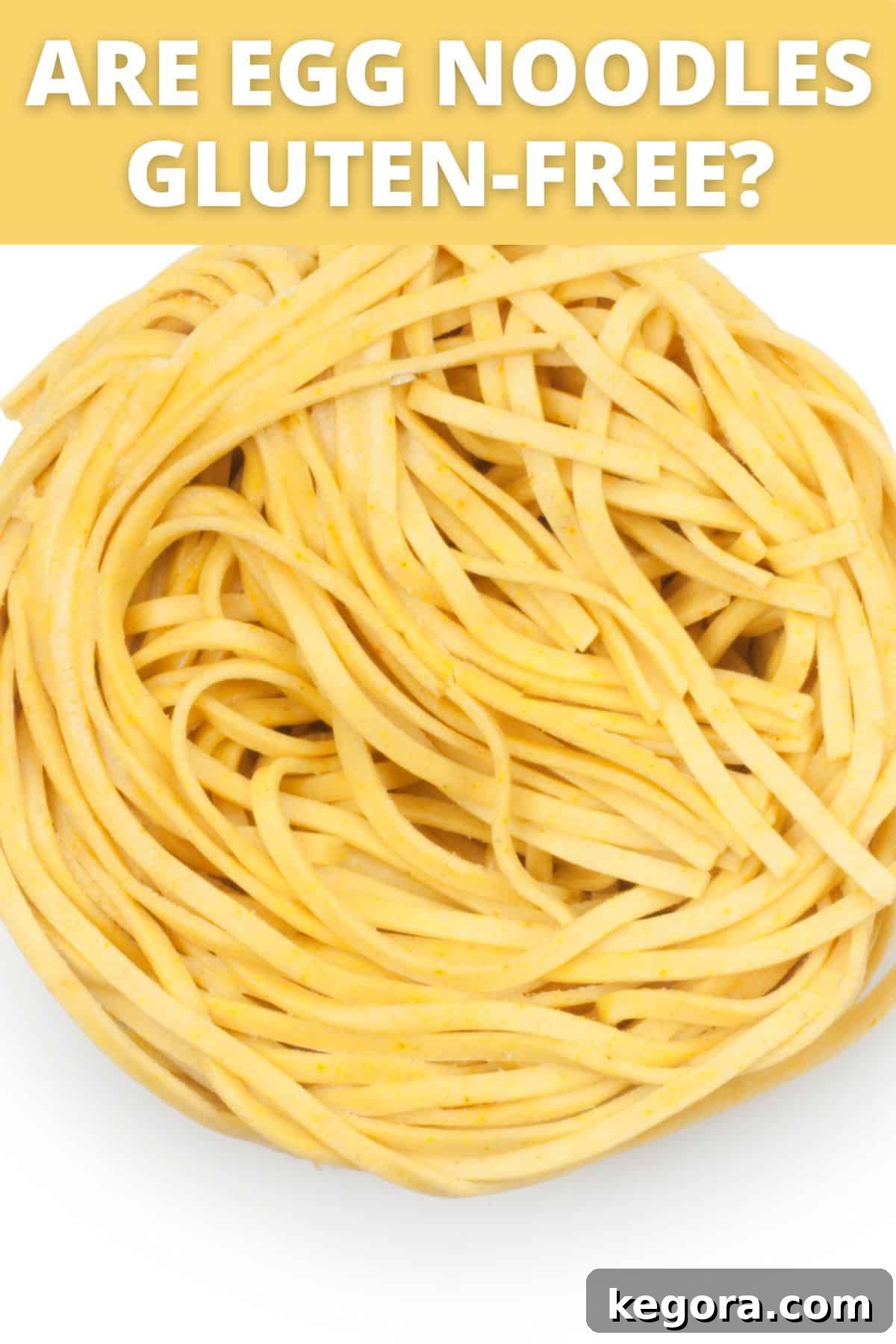
Egg noodles hold a special place in cuisines worldwide, from the rich and creamy German spaetzle and hearty Russian stroganoff to the vibrant Chinese chow mein. Their soft texture and savory flavor make them a beloved ingredient in countless dishes, comforting palates across cultures. But for individuals adhering to a gluten-free diet due to celiac disease, gluten sensitivity, or personal preference, the question of whether these popular noodles are safe to consume is paramount.
THE QUICK ANSWER: ARE EGG NOODLES GLUTEN-FREE?
In most traditional preparations, no, egg noodles are generally NOT gluten-free.
Regrettably for those managing a gluten-free lifestyle, conventional egg noodles are primarily crafted from wheat-based flours like semolina and durum wheat, which are naturally abundant in gluten.
However, the good news is that a growing number of delicious and accessible gluten-free alternatives now exist!
Embark on a journey to a fully gluten-free kitchen with our other helpful guides: explore whether rice noodles are gluten-free, uncover the truth about gluten in soy sauce, learn about Worcestershire sauce and gluten, find out if chicken broth is gluten-free, and get the facts on brown rice being gluten-free.
And for those eager to cook up a storm, don’t miss these incredible recipes: a versatile gluten-free teriyaki sauce perfect for stir-fries, and a comforting bowl of gluten-free chicken noodle soup that rivals any classic!
Decoding Gluten: Why Most Egg Noodles Aren’t Gluten-Free
To understand why most egg noodles are not suitable for a gluten-free diet, it’s essential to first grasp what gluten is. Gluten is a family of proteins found in wheat, barley, rye, and triticale. It acts as a binder, giving dough its elasticity and helping it rise, which is crucial for the texture of many baked goods and pasta, including traditional egg noodles. When someone has celiac disease, consuming gluten triggers an autoimmune response that damages the small intestine. For those with non-celiac gluten sensitivity, gluten can cause a range of uncomfortable digestive and other symptoms.
The vast majority of egg noodles you encounter in grocery stores or restaurants are crafted using wheat flour. Specifically, ingredients like semolina and durum flour, which are derived from durum wheat, are primary components. Durum wheat is renowned for its high protein content and strong gluten network, making it ideal for pasta production, providing that desirable firm, chewy texture.
Consider a popular brand like No Yolks Broad Noodles, which lists the following ingredients:
- Semolina (wheat)
- Durum flour (wheat)
- Dried egg white
- Niacin
- Ferrous sulfate (iron)
- Thiamin mononitrate
- Riboflavin
- Folic acid
As evident from the list, both semolina and durum flour are wheat-based ingredients, making these noodles unequivocally high in gluten. Therefore, they are not appropriate for individuals with celiac disease or gluten intolerance. While dishes like butternut squash ravioli might traditionally contain gluten-filled pasta, the landscape of gluten-free cooking is constantly expanding, offering countless compliant recipes for nearly every favorite dish.
The good news is that the demand for gluten-free products has led to innovations in the food industry. Several forward-thinking companies now produce dedicated gluten-free egg noodles. While they might not be as readily available on every supermarket shelf as their wheat-based counterparts, they are increasingly found in health food stores and, most conveniently, through online retailers. Read on as we unveil a selection of top-rated gluten-free egg noodle brands!
Why wait to savor the taste of homemade? You might also enjoy crafting your own gluten-free egg noodles at home! Once mastered, try them in this heartwarming Beef and Noodles recipe for a truly comforting meal.
Understanding Egg Noodles: More Than Just Pasta
Egg noodles, at their core, share similarities with other forms of pasta. They are typically made from a simple dough, rolled thin, and then cut into various shapes—most commonly long, flat, ribbon-like strips. Like other pastas, they are prepared by boiling until tender. You can find them in two main forms: fresh, which offers a delightful, soft texture and quick cooking time, or dried and packaged, designed for longer shelf stability and convenience. While fresh, homemade egg noodles offer an unparalleled treat for those who enjoy making pasta from scratch, dried varieties are excellent for everyday meals.
What truly sets egg noodles apart from many conventional pastas, however, is the prominent inclusion of egg as a key ingredient, alongside flour and water. The egg component contributes to their distinctively rich flavor, tender texture, and often a slightly yellowish hue. Recipes can vary, calling for egg whites only, yolks only, or whole eggs, each imparting subtle differences in taste and consistency. Unlike the firm, “al dente” bite often desired in Italian pasta, egg noodles are typically served soft, making them incredibly comforting and easy to eat.
The culinary journey of noodles spans millennia, with evidence pointing to their origin in China thousands of years ago. In Chinese cuisine, egg noodles frequently appear as long and slender strands, differing slightly from their wider European relatives. These fresh Chinese egg noodles might be boiled for dishes like lo mein or pan-fried for crispy chow mein, showcasing their versatility. Wonton noodles, lo mein noodles, and chow mein noodles are just a few of the popular varieties of Chinese egg noodles cherished globally, illustrating their enduring appeal and adaptability in various dishes.
View Recipe
Exploring the World of Gluten-Free Noodles
While traditional wheat-based egg noodles contain gluten, the good news is that the culinary landscape offers a diverse and expanding range of naturally gluten-free noodle alternatives. These options allow individuals with celiac disease or gluten sensitivities to enjoy a wide array of pasta dishes without compromise. Here are some of the most popular and versatile gluten-free noodle types:
- Rice Noodles (White or Brown Rice): A staple in Asian cuisine, these noodles are made from rice flour and water. They come in various widths and are incredibly versatile, perfect for stir-fries, soups, and salads. Brown rice noodles offer a slightly nuttier flavor and more fiber than white rice varieties.
- Kelp Noodles: Derived from sea vegetables, kelp noodles are a unique, translucent, and almost flavorless option. They are excellent for cold salads or as a raw noodle substitute, providing a crisp texture and absorbing flavors from dressings and sauces.
- Soba (Buckwheat) Noodles: Hailing from Japan, traditional soba noodles are made primarily from buckwheat flour, which is naturally gluten-free. However, it’s crucial to check labels, as many commercial soba noodles contain a blend of buckwheat and wheat flour. Look for “100% buckwheat” or “gluten-free” certified soba.
- Shirataki Noodles: These Japanese noodles are made from konjac yam and are notably low in calories and carbohydrates. They have a slightly chewy, gelatinous texture and are often used in diet-conscious recipes or Asian-inspired dishes.
- Glass/Cellophane Noodles: Also known as mung bean vermicelli, these transparent noodles are made from starches like mung bean, potato, or sweet potato. They are commonly used in spring rolls, stir-fries, and soups, becoming soft and translucent when cooked.
- Red Lentil Pasta: A newer innovation in the gluten-free pasta world, red lentil pasta is made from red lentil flour. It’s a fantastic source of plant-based protein and fiber, offering a slightly earthy flavor and a pleasing texture.
- Chickpea Pasta: Similar to lentil pasta, chickpea pasta is crafted from chickpea flour, providing another excellent protein and fiber boost. It has a slightly denser texture and a mild, nutty flavor that works well with robust sauces.
- Quinoa Pasta: Made from quinoa flour, this pasta offers a complete protein source and a range of essential amino acids. It has a slightly grainy texture and a mild flavor that pairs well with most pasta sauces.
- Corn Pasta: A popular choice for its resemblance to traditional pasta in terms of color and texture, corn pasta is made from corn flour. It has a neutral flavor that readily absorbs the taste of your chosen sauce.
- Gluten-Free Blends: Many brands create pasta from blends of gluten-free flours like rice, corn, tapioca, and potato starch. These blends are often formulated to mimic the taste and texture of wheat pasta as closely as possible.
Regardless of the type of gluten-free noodle you choose, always make it a practice to meticulously check the packaging for a “certified gluten-free” label. This certification ensures that the product meets stringent standards, typically containing less than 20 parts per million (ppm) of gluten, making them safe for individuals with celiac disease to consume.
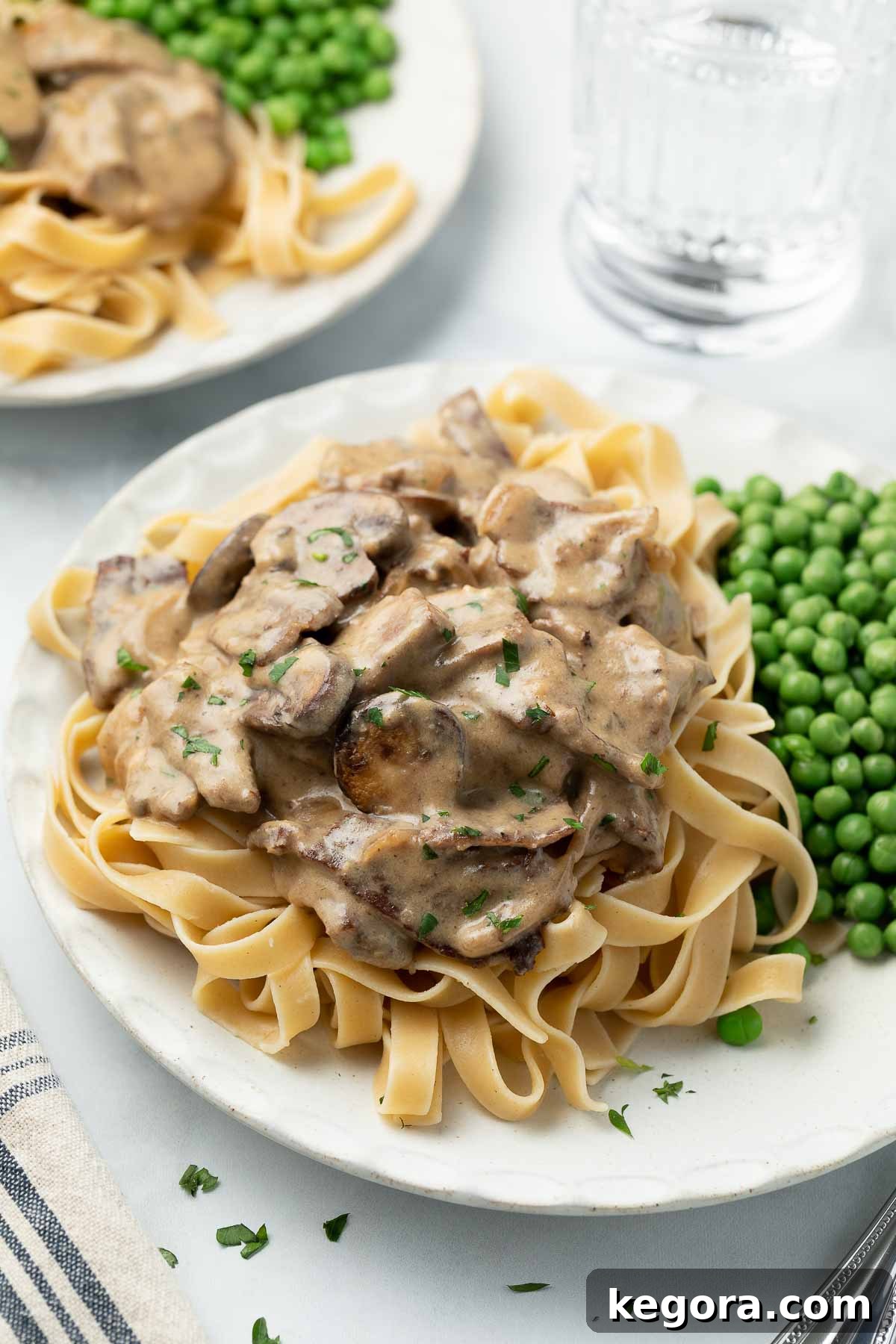
Craving a classic comfort dish? You absolutely must try this delectable gluten-free beef stroganoff, perfectly served over my favorite gluten-free egg noodles for an authentic taste without the gluten!
Discovering Dedicated Gluten-Free Egg Noodle Brands
While traditional egg noodles are made from semolina and durum wheat, which are high in gluten, the market has responded to the growing need for gluten-free options. Several innovative brands now offer dedicated gluten-free egg noodles, allowing you to enjoy your favorite dishes without dietary concerns. These products achieve their gluten-free status by utilizing alternative flours, though the precise blend of ingredients can vary significantly between manufacturers.
For instance, some “Double Yolk” branded gluten-free noodles might be crafted from a blend of white rice flour, tapioca starch, millet flour, dried egg yolk, xanthan gum (a common gluten-free binder), and water. In contrast, a brand like Jovial’s egg tagliatelle keeps it incredibly simple, often using just organic brown rice flour and organic eggs. These variations mean that not only will the taste and texture differ slightly, but the nutritional profile—including protein, fiber, and cholesterol content—will also vary depending on the specific flours and egg components (whites, yolks, or whole eggs) used.
Here are some of the best and most trusted brands offering delicious gluten-free egg noodles:
- Manischewitz: Known for their wide range of kosher products, Manischewitz offers gluten-free egg noodles in various widths, including fine, medium, and wide, catering to different recipe needs.
- Double Yolk Gluten-Free Egg Noodles: This brand often provides several options, including a high-fiber variety, making them a great choice for those looking to boost their dietary fiber intake while staying gluten-free.
- Jovial Egg Tagliatelle: Jovial is highly regarded for its commitment to organic ingredients and excellent gluten-free pasta products. Their egg tagliatelle is a favorite for its texture and flavor, often made with organic brown rice flour and organic eggs.
- Lieber’s Egg Noodles: Lieber’s offers a range of gluten-free egg noodles, including thin, wide, and even gluten-free chow mein varieties, providing versatility for different culinary applications.
- Beiler’s Gluten-Free Egg Noodles: You can find Beiler’s gluten-free egg noodles in both regular and high-fiber options, appealing to a broad spectrum of dietary preferences.
Important Note: It’s crucial to exercise caution when purchasing from brands that offer both conventional and gluten-free products. Always double-check the packaging to ensure you are selecting the specific “gluten-free” variety to avoid accidental gluten consumption.
While finding these specialized gluten-free egg noodles might require a bit more searching at your local grocery store, they are consistently easier to source and purchase through online retailers, often with a wider selection available.
Frequently Asked Questions About Gluten-Free Egg Noodles
No, traditional Chinese egg noodles are typically not gluten-free. Like many other types of egg noodles, they are made using wheat-based flours such as semolina and durum flour, which are high in gluten. If you’re looking to enjoy your favorite Chinese dishes like chow mein or lo mein on a gluten-free diet, you’ll need to seek out specific gluten-free egg noodle alternatives. Brands like Lieber’s offer gluten-free chow mein egg noodles. Alternatively, rice noodles, which are made from naturally gluten-free rice flour, are an excellent and commonly used substitute in Asian cuisine and are perfectly safe for those with celiac disease or gluten intolerance. Always confirm ingredients when dining out or purchasing packaged foods.
Historically and traditionally, most egg noodles are indeed made from wheat-based flours like semolina and durum wheat, which contain significant amounts of gluten. However, the market for gluten-free products has expanded considerably. Today, you can find a growing number of brands that specifically produce gluten-free egg noodles using alternative flours such as brown rice flour, white rice flour, or millet flour, combined with eggs. Brands like Jovial, Manischewitz, Double Yolk, and Lieber’s are examples of companies offering these gluten-free versions. Furthermore, for the adventurous home cook, making your own gluten-free egg noodles from scratch using a suitable gluten-free flour blend is a rewarding option, giving you full control over the ingredients.
When comparing traditional egg noodles to traditional wheat-based pasta, there are some nutritional differences to consider. Egg noodles often contain higher levels of certain micronutrients such as calcium, magnesium, iron, phosphorus, niacin, and folate, primarily due to the egg content. However, they also typically contain more cholesterol and, in some cases, slightly less protein than standard pasta. The nutritional profile can shift significantly when you switch to gluten-free egg noodles, as the base flours change. For example, gluten-free egg noodles made from lentil or chickpea flour will be higher in protein and fiber, while those made from white rice flour might be lower in fiber. Ultimately, “healthier” depends on individual dietary needs and priorities, and it’s always best to check the specific nutritional information on the packaging for a detailed comparison.
No, No Yolks egg noodles are NOT gluten-free. The ingredients clearly indicate their wheat content. For example, according to their product information, No Yolks’ Broad Noodles list semolina (wheat) and durum flour (wheat) as primary ingredients, alongside dried egg white, niacin, ferrous sulfate (iron), thiamin mononitrate, riboflavin, and folic acid. Both semolina and durum flour are derived from wheat and are rich in gluten. If you are strictly adhering to a gluten-free diet, it is essential to avoid No Yolks products and instead opt for certified gluten-free egg noodle brands or explore other inherently gluten-free pasta alternatives.
The Bottom Line on Gluten-Free Egg Noodles
Egg noodles, with their delightful texture and ability to absorb flavors, are a truly versatile ingredient, whether they’re forming the backbone of a comforting beef stroganoff, starring in a savory chow mein, or adding substance to a homemade chicken noodle soup. They are a beloved staple, cherished for their ability to bring warmth and satisfaction to any meal.
However, for those navigating a gluten-free diet, it’s a critical distinction to remember that the vast majority of egg noodles available in stores are made from wheat-based flours like semolina and durum wheat, rendering them high in gluten. This means they are unsuitable for individuals with celiac disease or gluten sensitivity.
The good news is that living gluten-free doesn’t mean sacrificing these culinary delights. The market has embraced the need for dietary alternatives, and you can now easily find high-quality gluten-free egg noodles. When planning a pasta dish that traditionally calls for egg noodles, simply seek out trusted gluten-free brands such as Jovial, Double Yolks, Manischewitz, or Lieber’s. Better yet, embrace your inner chef and try your hand at crafting your own homemade gluten-free egg noodles for an incredibly fresh and satisfying experience.
Ready to elevate your gluten-free cooking? Don’t miss our fantastic recipe for Gluten-Free Spaetzle (German Egg Noodles)! This easy-to-follow recipe utilizes a gluten-free flour blend, like Bob’s Red Mill, along with other simple, wholesome ingredients to create tender, flavorful noodles. Preparing your own fresh pasta at home is not only incredibly rewarding but also provides the ultimate assurance that every ingredient is truly gluten-free, allowing you to enjoy your meals with complete peace of mind.