
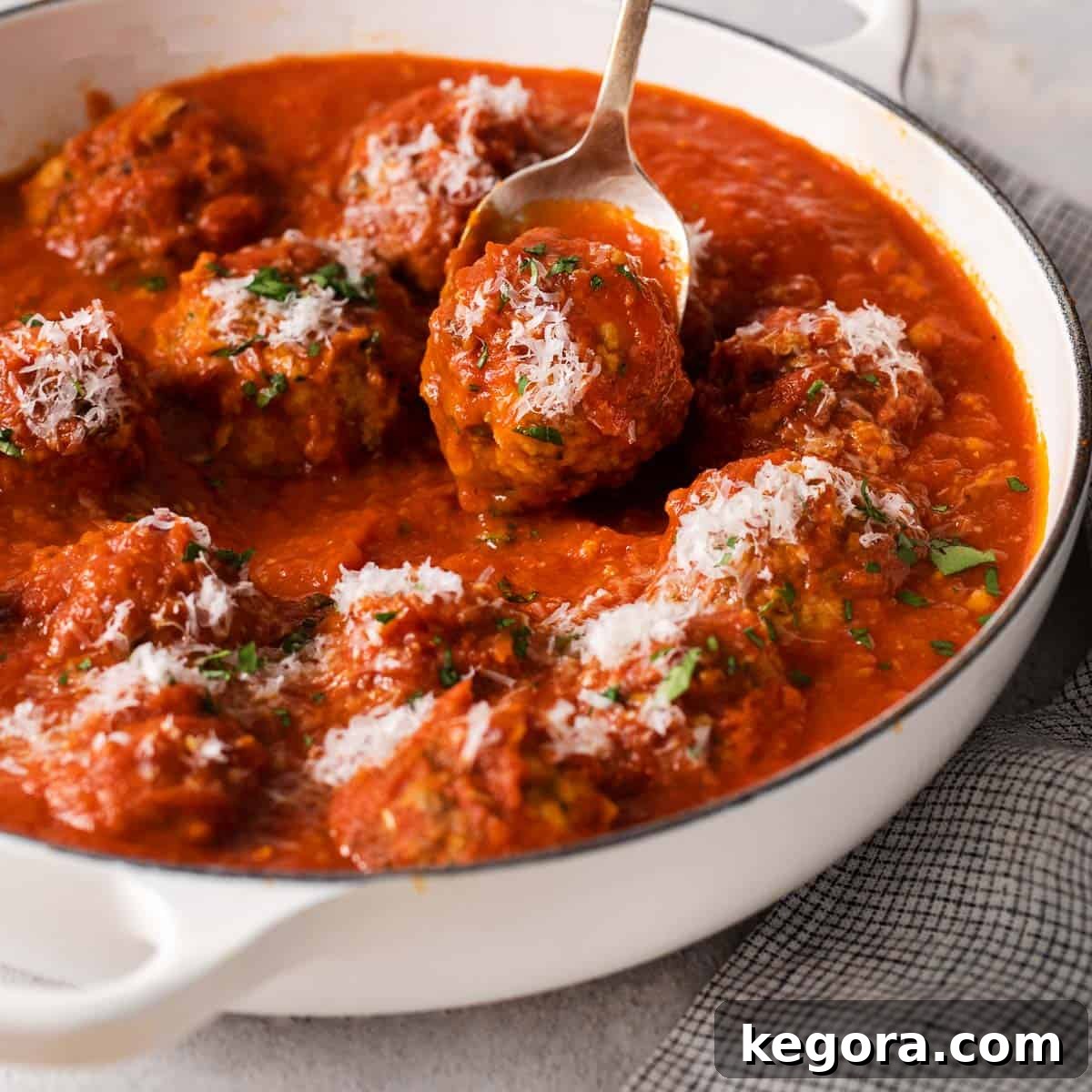
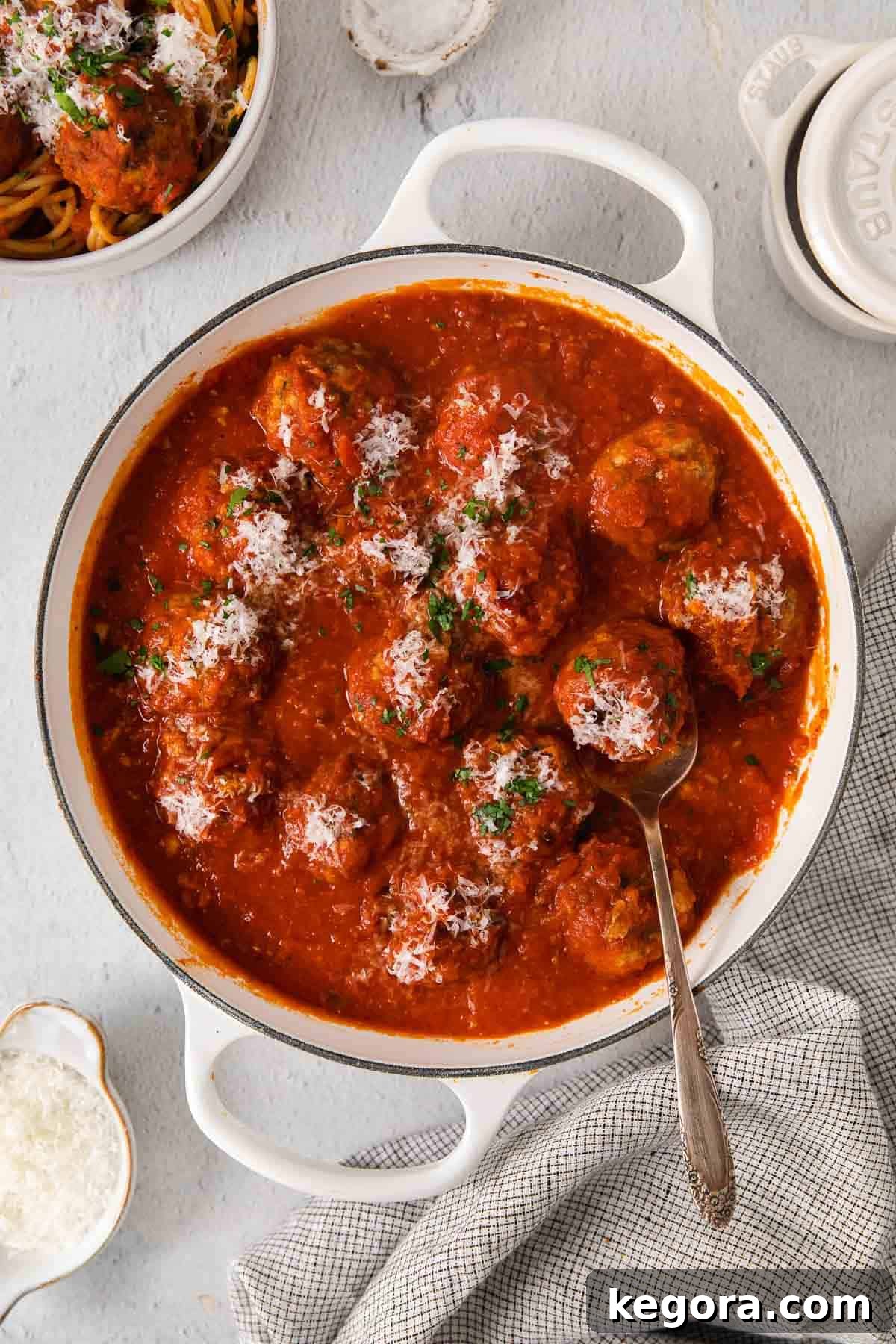
This comprehensive guide to gluten-free meatballs was first published in January 2024 and received an update with fresh photos and enhanced instructions in October 2024.
Every home cook deserves a reliable, crowd-pleasing meatball recipe in their repertoire. Meatballs are the epitome of comfort food – hearty, satisfying, and universally loved. Their incredible versatility makes them a perfect addition to countless meals, whether nestled in a bed of gluten-free pasta, served alongside a crisp, fresh salad, or enjoyed simply on their own as a savory appetizer. Forget about bland, store-bought options; these homemade gluten-free meatballs are a revelation, promising unparalleled flavor and tenderness that far surpasses any traditional or frozen alternative you’ve ever tasted.
Beyond being a fantastic main course, these gluten-free meatballs are also superb for meal prepping. Transform any leftovers into delicious meatball subs, and watch as smiles light up every face around the table. This recipe ensures that even those with dietary restrictions can indulge in the rich, authentic taste of Italian-style meatballs without compromise.
Why These Gluten-Free Meatballs Are Exceptional
What makes our gluten-free meatballs truly stand out from the rest? It boils down to a few carefully selected techniques and premium ingredients that guarantee a moist, flavorful, and incredibly tender result every single time:
Perfect Beef and Pork Blend – The secret to an extraordinary meatball often lies in the meat itself. Our recipe calls for a thoughtful combination of ground beef and ground pork. This blend not only enriches the flavor profile with both savory beef notes and the delicate richness of pork but also contributes significantly to the tender texture. For the absolute best results, we highly recommend using freshly ground meat where you can discern the individual strands – this ensures a lighter, more succulent meatball structure.
The Magic of a Panade – Unlike many recipes that rely solely on dry breadcrumbs, our gluten-free meatballs utilize a panade. This is a carefully crafted mixture of gluten-free bread soaked in milk, combined with eggs and a medley of spices. The panade acts as a binder and a moisture retainer, creating an internal structure that is exceptionally moist and tender, preventing the meatballs from becoming dense or dry. This is a key step that truly elevates the texture.
Effortless Broiling Method – Traditionally, meatballs are pan-fried, which can be messy and time-consuming. We’ve streamlined the cooking process by employing a broiling method. This quick technique allows you to achieve a beautiful golden-brown crust and lock in flavors efficiently, saving you valuable time in the kitchen without sacrificing quality or taste. The meatballs then finish cooking gently in the sauce, ensuring they remain tender throughout.
Praise from Our Kitchen to Yours
From Diane: “I’ve tried many meatball recipes, but these gluten-free meatballs are truly the best! They are incredibly flavorful and so tender. My kids absolutely loved the meatball subs I made with the leftovers – it’s a new family favorite!”
Read 30 more comments
Table of Contents
- Why These Gluten-Free Meatballs Are Exceptional
- Essential Ingredients You’ll Need
- Step-by-Step Guide to Making Gluten-Free Meatballs
- Meatball Preparation and Shaping Tips
- Make-Ahead, Storage, and Freezing Instructions
- Frequently Asked Questions About Gluten-Free Meatballs
- Can these gluten-free meatballs be made dairy-free?
- How do I know when the meatballs are fully cooked?
- Can I pan-fry the meatballs instead of broiling?
- What can I serve with these gluten-free meatballs?
- Versatile Serving Suggestions
- Expert Tips for Perfect Gluten-Free Meatballs
- More Comforting Gluten-Free Recipes
- Authentic Italian-Style Gluten-Free Meatballs Recipe
Essential Ingredients You’ll Need
Crafting the perfect gluten-free meatballs starts with high-quality ingredients. Here’s a closer look at the key components and why they are vital for achieving the best flavor and texture. For the precise measurements and a full list, please refer to the recipe card below.
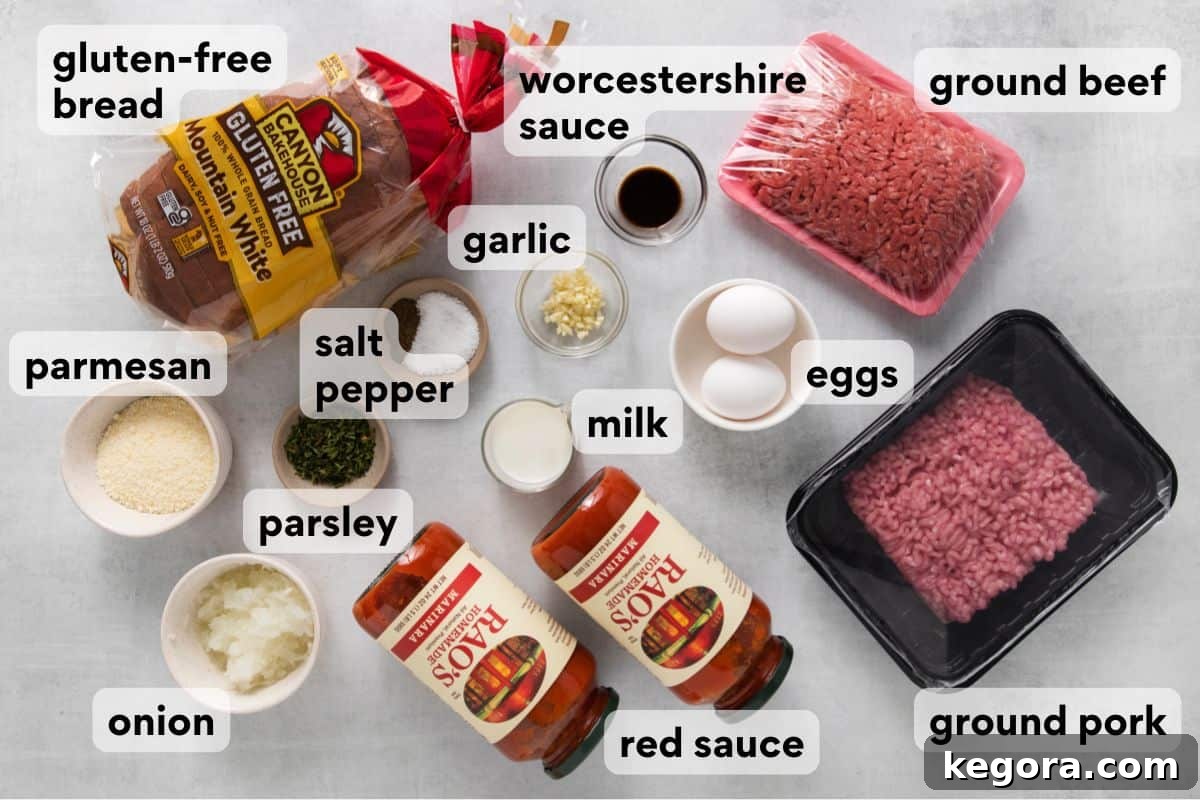
- Ground Pork: The inclusion of ground pork is a game-changer for these meatballs, imparting a delicate richness and depth of flavor that complements the beef beautifully. For superior tenderness and a lighter texture, it is crucial to use freshly ground pork, ideally where you can visibly see the individual strands from the grinder. This prevents the meat from becoming overly compressed. As an alternative, a pound of high-quality Italian sausage can be used for a slightly different, seasoned flavor profile.
- Ground Beef: We recommend using 90% lean ground beef to strike a perfect balance between flavor and moisture without making the meatballs too greasy. Similar to the pork, freshly ground beef is highly recommended for optimal texture. The quality of your meat directly impacts the final taste and consistency of your meatballs, so choose wisely!
- Gluten-Free Bread: This recipe utilizes gluten-free white bread as the base for our essential panade. It’s important to remove the crusts and tear the bread into small pieces to ensure it fully absorbs the liquids. I’ve found that four slices of Canyon Bakehouse Mountain White Bread work exceptionally well, providing the right amount of softness and structure. The bread, when moistened, creates a tender binder that prevents the meatballs from becoming tough.
- Red Sauce: While you’re welcome to prepare your own homemade tomato sauce from scratch, using a high-quality store-bought marinara or spaghetti sauce is a convenient and delicious option. My personal favorite is Rao’s marinara for its rich, authentic flavor. Choose a sauce that you genuinely enjoy, as it will be a foundational flavor for your meatballs.
- Onion: Grated onion plays a dual role in our panade. It introduces an aromatic layer of flavor that permeates the entire meatball, and critically, its natural juices contribute significant moisture, ensuring the meatballs remain incredibly tender. Don’t discard those precious juices released during grating!
- Parmesan Cheese: For an authentic Italian touch and a burst of savory, salty flavor, freshly grated Parmesan cheese is non-negotiable. Steer clear of the pre-grated powdered varieties, as they lack the robust flavor and superior melt of fresh Parmesan. A block of good quality Parmesan grated just before mixing will make a noticeable difference.
Step-by-Step Guide to Making Gluten-Free Meatballs
Creating these tender and flavorful gluten-free meatballs is a straightforward process when you follow these simple steps. For complete instructions and detailed measurements, please refer to the full recipe card at the end of this article.
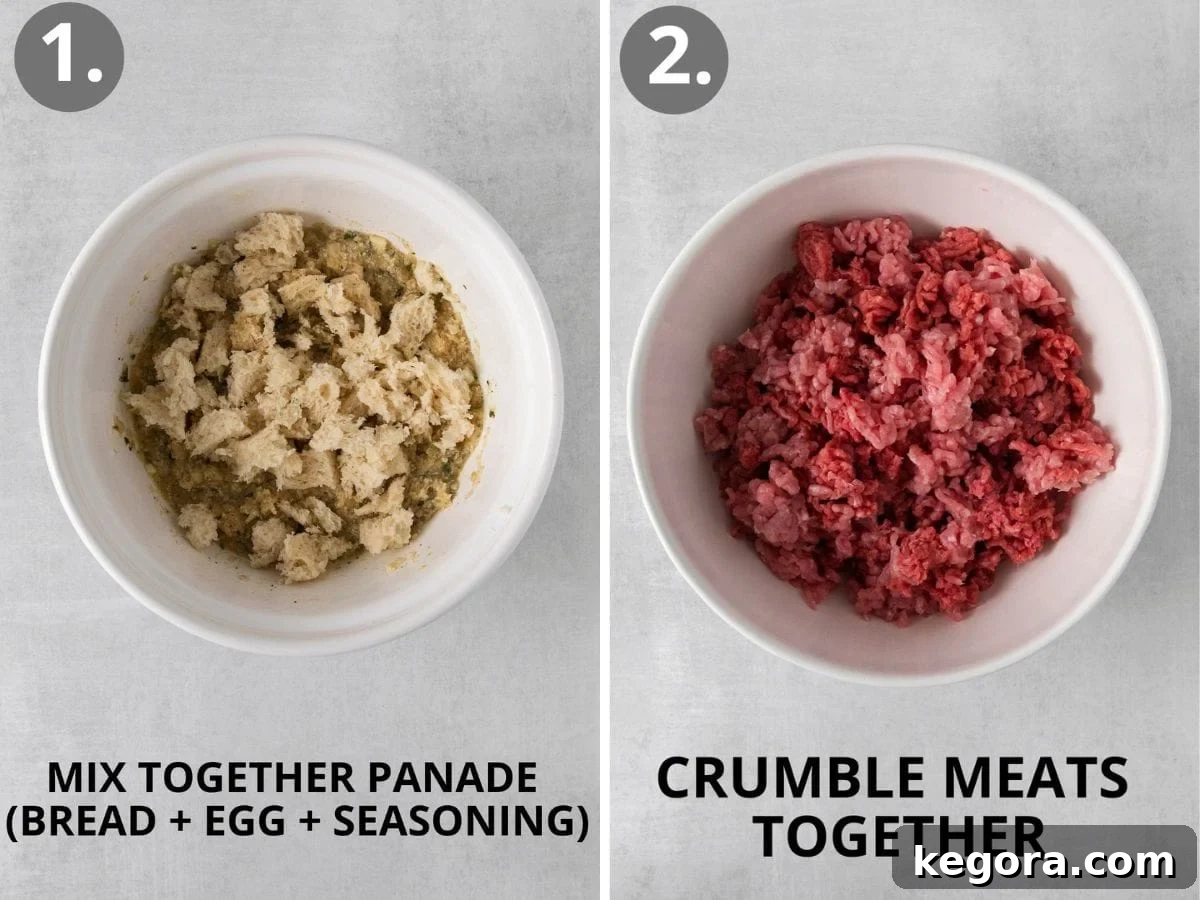
- Prepare the Panade: Begin by making the panade, the secret to super moist meatballs. In a small bowl, lightly whisk the eggs, then add the milk. Stir in the torn gluten-free bread pieces along with the grated Parmesan, dried parsley, grated onion (including its juices!), minced garlic, Worcestershire sauce, kosher salt, and black pepper. Mix everything thoroughly, ensuring the bread is fully coated and soaking up the liquids. Let this mixture rest for about 10 minutes to allow the bread to soften and absorb the flavors.
- Gently Combine Ground Meats: While the panade rests, prepare your meat mixture. In a large mixing bowl, gently crumble the ground beef and ground pork. The key here is not to compact the meat. For easier and more even mixing, I find it helpful to layer the meats in alternating crumbles rather than dumping them all in at once. This method prevents over-mixing later on, which can lead to tough meatballs.
Meatball Preparation and Shaping Tips
When combining the meats, layer them loosely in your bowl, alternating between beef and pork. This technique makes it significantly easier to achieve an even blend without overworking the meat. Over-mixing is a common pitfall that can result in dense, chewy meatballs. Gentle handling is essential for light, tender, and perfectly textured meatballs!
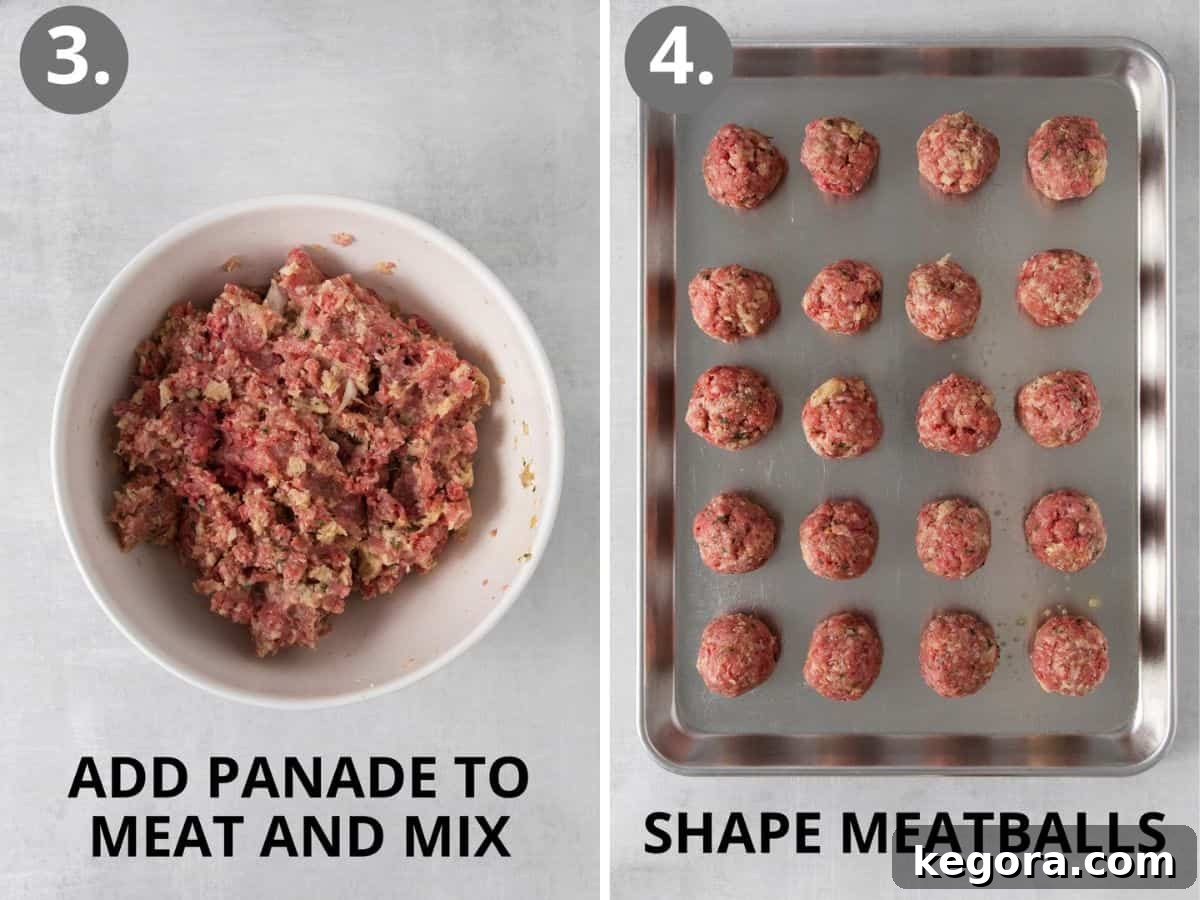
- Incorporate Panade with Meat: Add the prepared panade mixture directly to the crumbled meat in the large bowl. Using your hands (or a rubber spatula for those who prefer not to use their hands), gently combine the ingredients. Mix just until everything is incorporated and no dry spots remain. Resist the urge to press or knead the mixture; light, gentle movements are key to maintaining a tender texture.
- Portion and Shape Meatballs: Use a 2-tablespoon scoop (a #40 scoop works perfectly) to portion out uniform amounts of the meat mixture. This ensures consistent cooking. Then, lightly wet your hands (re-wetting them every few meatballs) and gently roll each portion into a smooth, round ball. The wet hands prevent the meat from sticking and help create a neat surface. Arrange the raw meatballs in a single layer on a lightly greased baking sheet, leaving a small space between each.
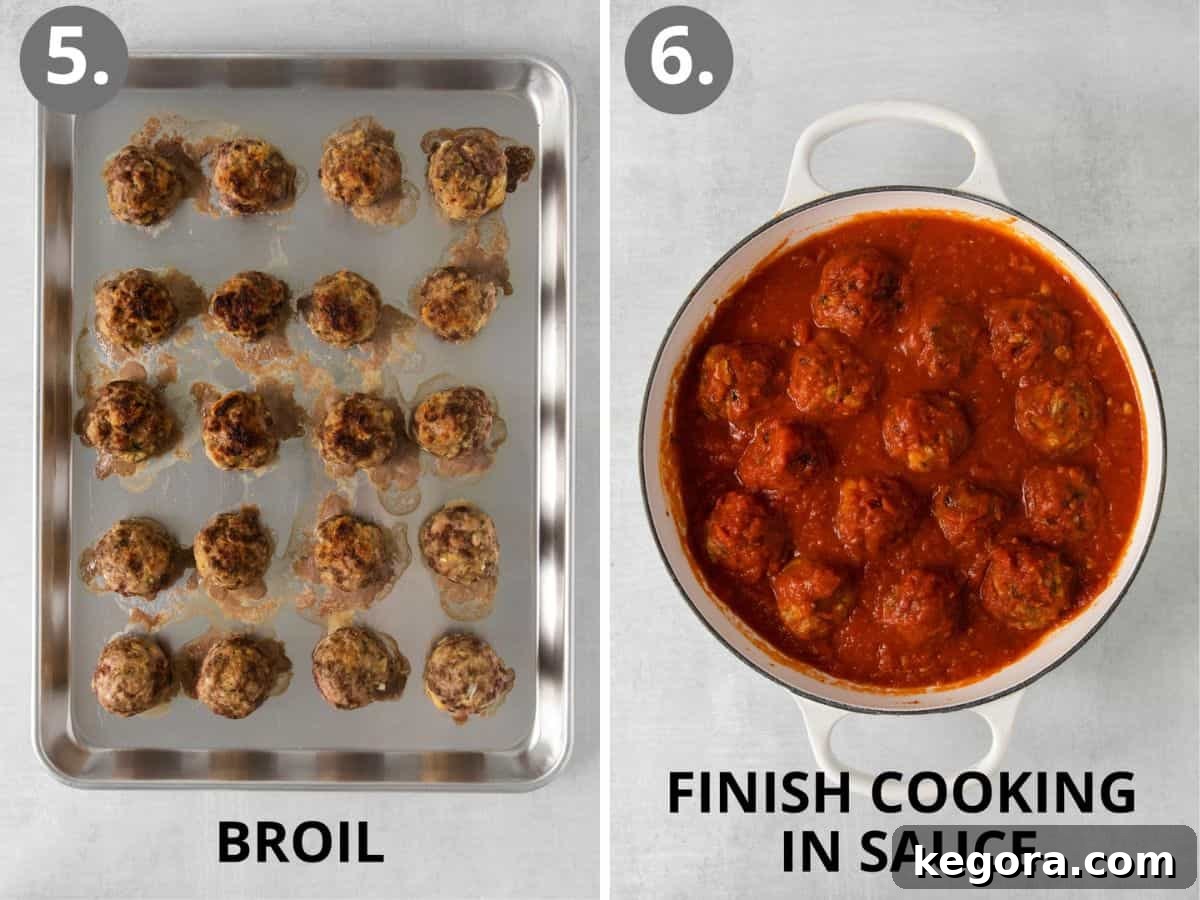
- Broil the Meatballs: Preheat your broiler to high. Carefully place the baking sheet with the shaped meatballs under the broiler. Broil for approximately 5-7 minutes, or until the meatballs develop a lovely golden-brown crust. The goal here is to achieve some color and a delicious sear on the exterior, which adds incredible flavor. The meatballs do not need to be cooked through at this stage, as they will finish cooking in the simmering red sauce, ensuring they remain exceptionally tender and juicy.
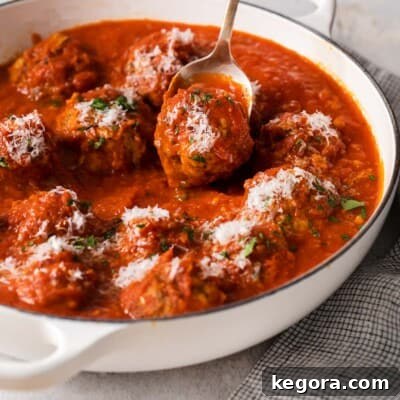
- Simmer in Sauce: In a large pot or Dutch oven, pour your favorite red sauce (marinara or spaghetti sauce). Bring the sauce to a gentle simmer over medium heat. Using tongs, carefully transfer the browned meatballs from the baking sheet into the simmering sauce, leaving behind any excess drippings or grease. Reduce the heat to low, cover, and let the meatballs simmer for an additional 10-15 minutes, or until they are cooked through and have absorbed the rich flavors of the sauce. Serve hot and enjoy the authentic taste of these homemade gluten-free meatballs!
Make-Ahead, Storage, and Freezing Instructions
These gluten-free meatballs are fantastic for meal prep, allowing you to enjoy a delicious, homemade meal with minimal effort on busy days. Here’s how to properly prepare, store, and freeze them to maintain their freshness and flavor:
To Make-Ahead (Uncooked): You can prepare the meatball mixture and form the raw meatballs up to 1-2 days in advance. Arrange them on a plate or in an airtight container, ensuring they are in a single layer to prevent sticking, and refrigerate. If you need to prepare them further in advance, freezing the uncooked meatballs is the best option to preserve their freshness and quality.
To Store Leftover (Cooked) Meatballs: Allow any cooked and sauced leftover meatballs to cool completely to room temperature. Transfer them to an airtight container and store them in the refrigerator for up to 5 days. These leftovers are perfect for quick lunches, dinner, or, as mentioned, making delightful meatball subs!
To Freeze Uncooked Meatballs: This is a great way to have meatballs ready for future meals. After forming the raw meatballs, place them in a single layer on a baking sheet lined with parchment paper. Freeze for 1-2 hours, or until they are firm enough to hold their shape. Once frozen solid, transfer the meatballs to a freezer-safe airtight container or a heavy-duty freezer bag. They can be stored in the freezer for up to 3 months. When you’re ready to cook, simply take them out of the freezer and follow the broiling and simmering steps (steps 6-7) of the recipe. There’s no need to thaw them first; just increase simmering time slightly if needed.
To Freeze Cooked Meatballs (with or without sauce): If you’ve already cooked your meatballs and have leftovers, you can freeze them too! Allow the cooked meatballs (preferably with some sauce for moisture) to cool completely. Place them in an airtight freezer-safe container or bag. They will keep well in the freezer for up to 3 months. To reheat, simply transfer the frozen meatballs and sauce to a saucepan on the stovetop and gently simmer over low heat until they are warmed through, stirring occasionally. Alternatively, they can be reheated in the microwave.
Frequently Asked Questions About Gluten-Free Meatballs
Here are some common questions about making and serving these delicious gluten-free meatballs:
Can these gluten-free meatballs be made dairy-free?
Absolutely! Making these meatballs dairy-free is quite simple. You can easily substitute the regular milk with any unsweetened dairy-free milk alternative, such as almond milk, soy milk, or oat milk. For the Parmesan cheese, opt for a high-quality vegan Parmesan substitute. These adjustments will allow you to enjoy all the flavor and tenderness of these meatballs while adhering to a dairy-free diet.
How do I know when the meatballs are fully cooked?
The most reliable way to ensure your meatballs are perfectly cooked and safe to eat is to use a meat thermometer. Insert it into the center of a meatball; the internal temperature should register 165°F (74°C). If you don’t have a thermometer, you can cut one of the larger meatballs in half to check. It should no longer be pink in the center, and the juices should run clear. Remember, they finish cooking in the sauce, so the broiling step is just for browning.
Can I pan-fry the meatballs instead of broiling?
Yes, you can certainly pan-fry your meatballs if you prefer! While I personally favor the ease and less mess of broiling, pan-frying in a large non-stick skillet with a little olive oil will also yield delicious results. Whichever method you choose, the goal for this initial cooking step is simply to achieve a lovely golden-brown exterior and a bit of a crust, which adds a fantastic layer of flavor. The meatballs will complete their cooking process by simmering in your red sauce, ensuring they remain moist and tender.
What can I serve with these gluten-free meatballs?
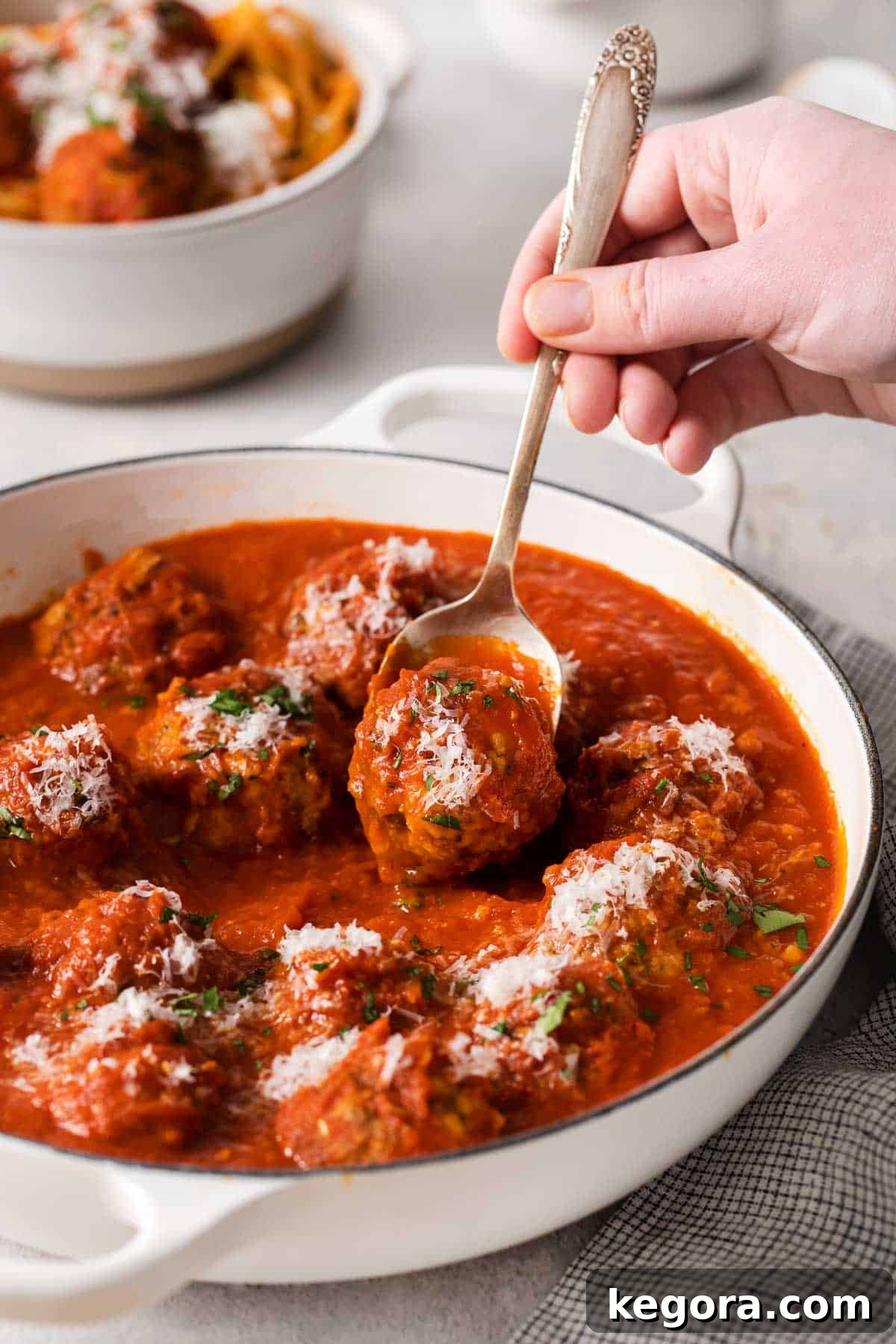
These incredibly versatile gluten-free meatballs pair beautifully with a wide array of dishes. Classic options include serving them over your favorite gluten-free pasta or a lighter alternative like zucchini noodles. For a heartier meal, enjoy them on gluten-free bread or a sub roll to create delicious meatball sandwiches. They also make a fantastic stand-alone appetizer or can be served alongside a fresh, crisp side salad for a balanced meal. Their rich flavor means they can truly shine in many different culinary contexts.
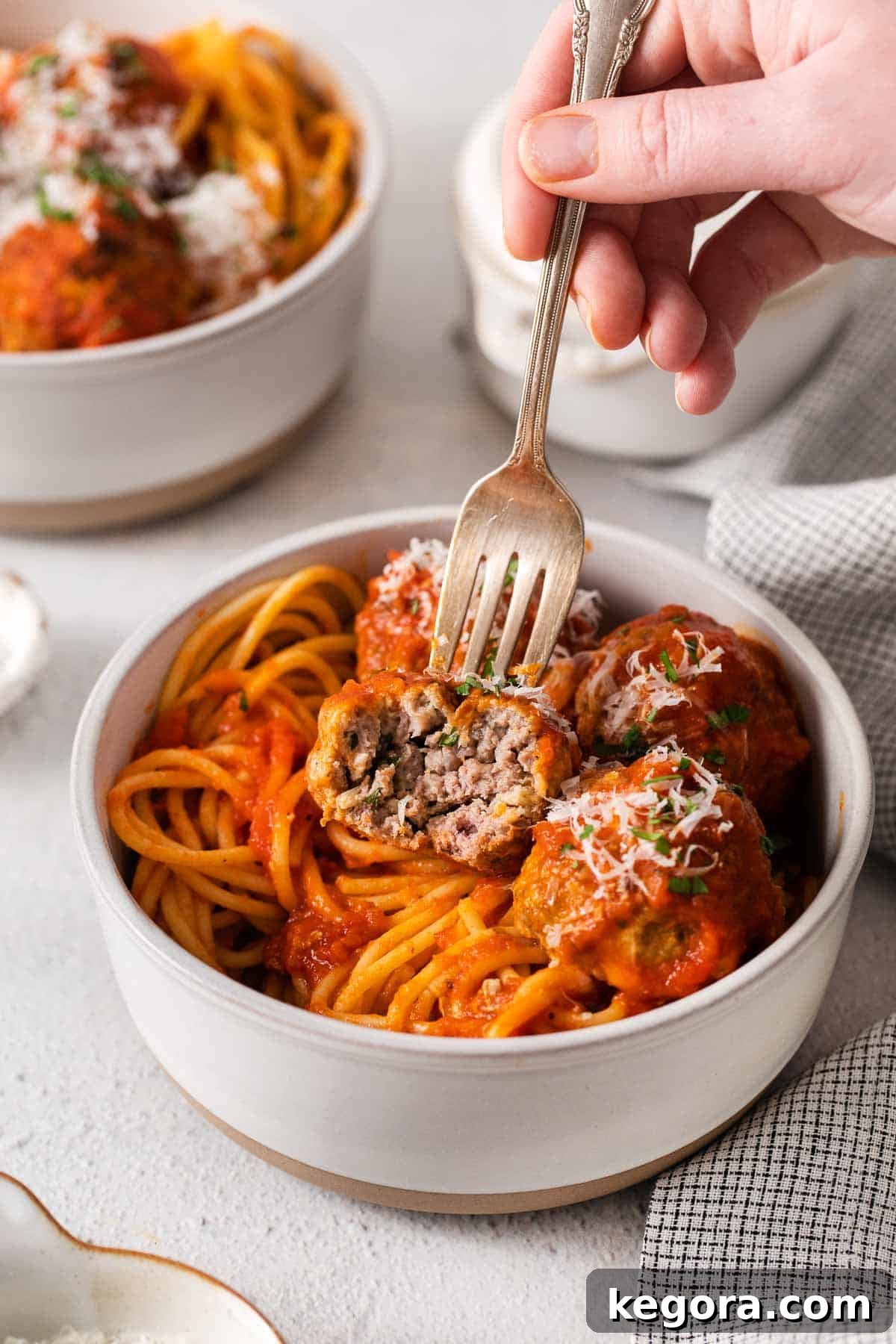
Versatile Serving Suggestions
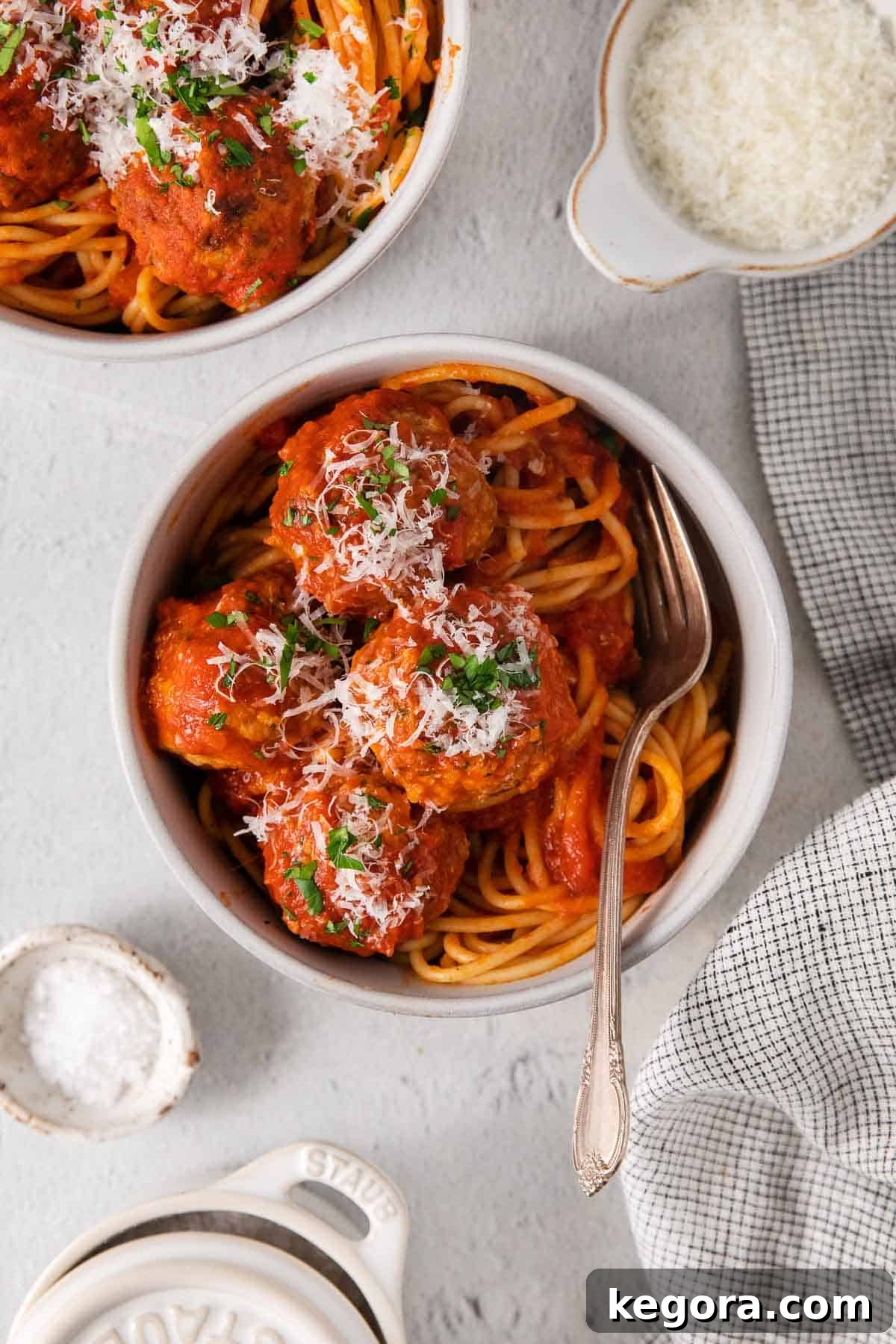
While these gluten-free meatballs are undeniably delicious when served over a generous helping of pasta, their serving potential extends far beyond. Elevate your comfort food dinner by pairing them with homemade gluten-free breadsticks or cheesy gluten-free garlic bread. For a truly satisfying and easy meal, pile them onto your favorite gluten-free sub rolls to create mouthwatering meatball subs that will become an instant family favorite!
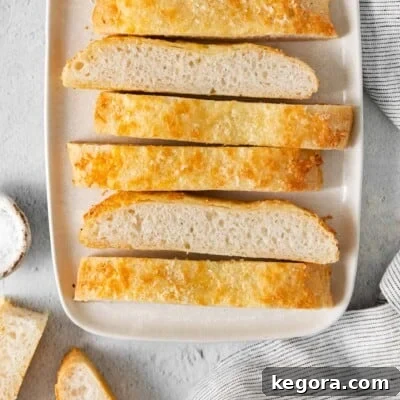
Complement your gluten-free meatballs with a side of these delightful, easy-to-make gluten-free breadsticks. Dipped in your favorite marinara sauce, they create a truly comforting and complete dinner experience!
View Recipe
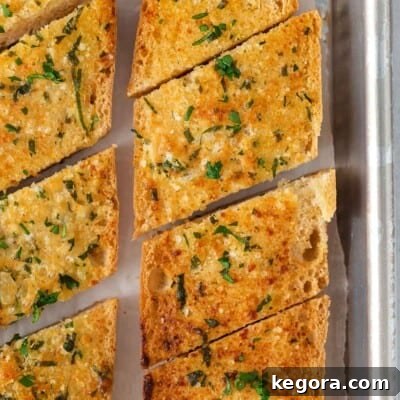
This quick and easy gluten-free garlic bread is the perfect accompaniment to your homemade meatballs. It takes only minutes to prepare and is incredibly delicious. You can even use slices of this garlic bread as the base for fantastic meatball subs!
View Recipe
Expert Tips for Perfect Gluten-Free Meatballs
Achieving perfectly tender, flavorful gluten-free meatballs is simple when you keep these key tips in mind:
- Always Use a Panade: This is arguably the most crucial tip! A panade, made from milk-soaked gluten-free bread and seasonings, adds significantly more moisture and creates a far more tender meatball than dry gluten-free breadcrumbs ever could. Do not skip this step! Four slices of a good quality gluten-free white bread, like Canyon Bakehouse Mountain White Bread, work wonderfully.
- Opt for Freshly Ground Meat: The quality of your ground meat truly makes a difference. Whenever possible, choose freshly ground beef and pork where you can see the distinct strands of meat. This ensures a lighter, less dense, and ultimately more tender meatball. If preferred, a pound of mild or hot Italian sausage can be substituted for the ground pork to infuse an extra layer of savory spice.
- Broil for the Best Sear and Convenience: While pan-frying is an option, broiling offers a fantastic way to achieve a delicious golden-brown crust on your meatballs with less mess and effort. Remember, the initial broiling step is solely for creating that flavorful exterior and locking in juices. The meatballs will finish cooking through completely as they gently simmer in the rich red sauce, resulting in a wonderfully tender interior.
- Don’t Overmix the Meat: This is a common mistake that leads to tough, rubbery meatballs. Once the panade is added to the meat, mix gently with your hands until just combined. Overworking the meat develops the proteins too much, making the meatballs dense.
- Wet Hands for Easy Shaping: Keep a small bowl of water nearby when shaping the meatballs. Dipping your hands in water every few meatballs prevents the mixture from sticking to your hands, making the shaping process much smoother and ensuring perfectly round, uniform meatballs.
More Comforting Gluten-Free Recipes
If you love these gluten-free meatballs, you’ll surely enjoy these other comforting gluten-free dishes:
- Gluten-Free Turkey Meatballs
- The Best Gluten-Free Meatloaf
- Hearty Gluten-Free Spaghetti Sauce
- Creamy Gluten-Free Mac and Cheese
- Classic Gluten-Free Shepherd’s Pie
- The Best Gluten-Free Pizza Crust
- Easy Gluten-Free Chicken Parmesan
Authentic Italian-Style Gluten-Free Meatballs Recipe
Erin Collins
20 mins
30 mins
50 mins
6 servings
My #1 tip for amazing gluten-free meatballs – always use the right kind of meat! Additionally, incorporate a panade (a flavorful mixture of soaked gluten-free bread and seasonings) instead of simple breadcrumbs for unparalleled moisture and tenderness. These authentic Italian-style gluten-free meatballs are juicy, tender, and packed with flavor, making them a perfect comfort food meal!
Serve these meatballs with gluten-free breadsticks for a truly comforting dinner, or even with a delicious gluten-free lasagna.
Comments
Print Recipe
Ingredients
For the Meat:
- 1 pound ground beef, 90% lean (preferably freshly ground)
- 1 pound ground pork (preferably freshly ground)
For the Panade:
- 2 large eggs
- ¼ cup milk of choice (dairy or unsweetened dairy-free)
- 2 cups gluten-free white bread, crusts removed and torn into small pieces (approximately 4 slices of Canyon Bakehouse Mountain White Bread)
- ½ cup freshly grated Parmesan cheese (or vegan Parmesan)
- 1 tablespoon dried parsley
- ½ cup grated onion (with its juices)
- 2 cloves garlic, minced
- 1 teaspoon Worcestershire sauce
- 1 ½ teaspoons kosher salt
- ½ teaspoon black pepper
Other:
- 48-52 oz (approx. 2 jars) of your favorite spaghetti sauce, marinara, or other red sauce
Instructions
- Lightly grease a baking sheet and set it aside.
- In a small bowl, whisk the eggs and milk until smooth. Add the torn gluten-free bread, grated Parmesan, dried parsley, grated onion (with juices), minced garlic, Worcestershire sauce, kosher salt, and pepper. Mix thoroughly until the bread is fully coated. Let the panade sit for 10 minutes to allow the bread to soften.
- In a large bowl, gently crumble the ground beef and ground pork over the prepared panade. For easier mixing, alternate layers of beef and pork as you crumble.
- Using your hands or a rubber spatula, carefully mix the meat mixture until just combined. Be careful not to over-mix or compact the meat, as this can make the meatballs tough.
- Use a 2-tablespoon scoop (#40) to portion the meatball mixture. Then, wet your hands slightly (re-wetting every few meatballs) and roll each portion into a smooth, uniform ball. Place the raw meatballs in a single layer on the prepared baking sheet.
- Preheat your broiler to high. Broil the meatballs for about 5-7 minutes, or until they are nicely browned on the exterior. The goal is to develop a flavorful crust; the meatballs will finish cooking through in the sauce, ensuring they remain tender.
- Pour your favorite red sauce into a large pot. Bring the sauce to a gentle simmer. Carefully transfer the browned meatballs to the simmering sauce using tongs, leaving any excess grease on the baking sheet. Simmer for 10-15 minutes, or until the meatballs are fully cooked through and incredibly tender. Serve hot and enjoy!
Notes
The Panade: This is crucial for moisture! It adds significantly more tenderness than dry gluten-free breadcrumbs. I recommend using four slices of Canyon Bakehouse Mountain White Bread.
Freshly Ground Meat: Using freshly ground beef and pork (where you can see the individual strands) will result in lighter, more tender meatballs. If you prefer, you can substitute a pound of Italian sausage for the ground pork.
Broiling vs. Pan-Frying: While you can pan-fry these meatballs, broiling is an easier and less messy method. Remember, the initial broiling (or pan-frying) is just to create a delicious browned crust. The meatballs will finish cooking in the red sauce.
To Serve: Enjoy these meatballs over gluten-free pasta, with zucchini noodles, or use them to make mouthwatering meatball subs on your favorite gluten-free bread (Schar baguettes are a great choice!). They are also wonderful served with a side salad.
Dairy-Free Option: To make this recipe dairy-free, simply use any unsweetened dairy-free milk and a high-quality vegan Parmesan cheese substitute.
Make-Ahead & Storage: Uncooked meatballs can be refrigerated for 1-2 days in an airtight container. Cooked leftovers store well in the fridge for up to 5 days.
Freezing Uncooked: Form meatballs, flash-freeze on a baking sheet for 1-2 hours, then transfer to a freezer bag or container. Freeze for up to 3 months. Cook from frozen by following steps 6-7, allowing a little extra simmering time.
Freezing Cooked: Cool completely, then freeze in an airtight container for up to 3 months. Reheat on the stovetop with sauce until warmed through.
Nutrition
Calories: 588kcal | Carbohydrates: 23g | Protein: 33g | Fat: 40g | Saturated Fat: 15g | Polyunsaturated Fat: 4g | Monounsaturated Fat: 17g | Trans Fat: 1g | Cholesterol: 171mg | Sodium: 2445mg | Potassium: 1176mg | Fiber: 4g | Sugar: 10g | Vitamin A: 1215IU | Vitamin C: 18mg | Calcium: 189mg | Iron: 5mg