
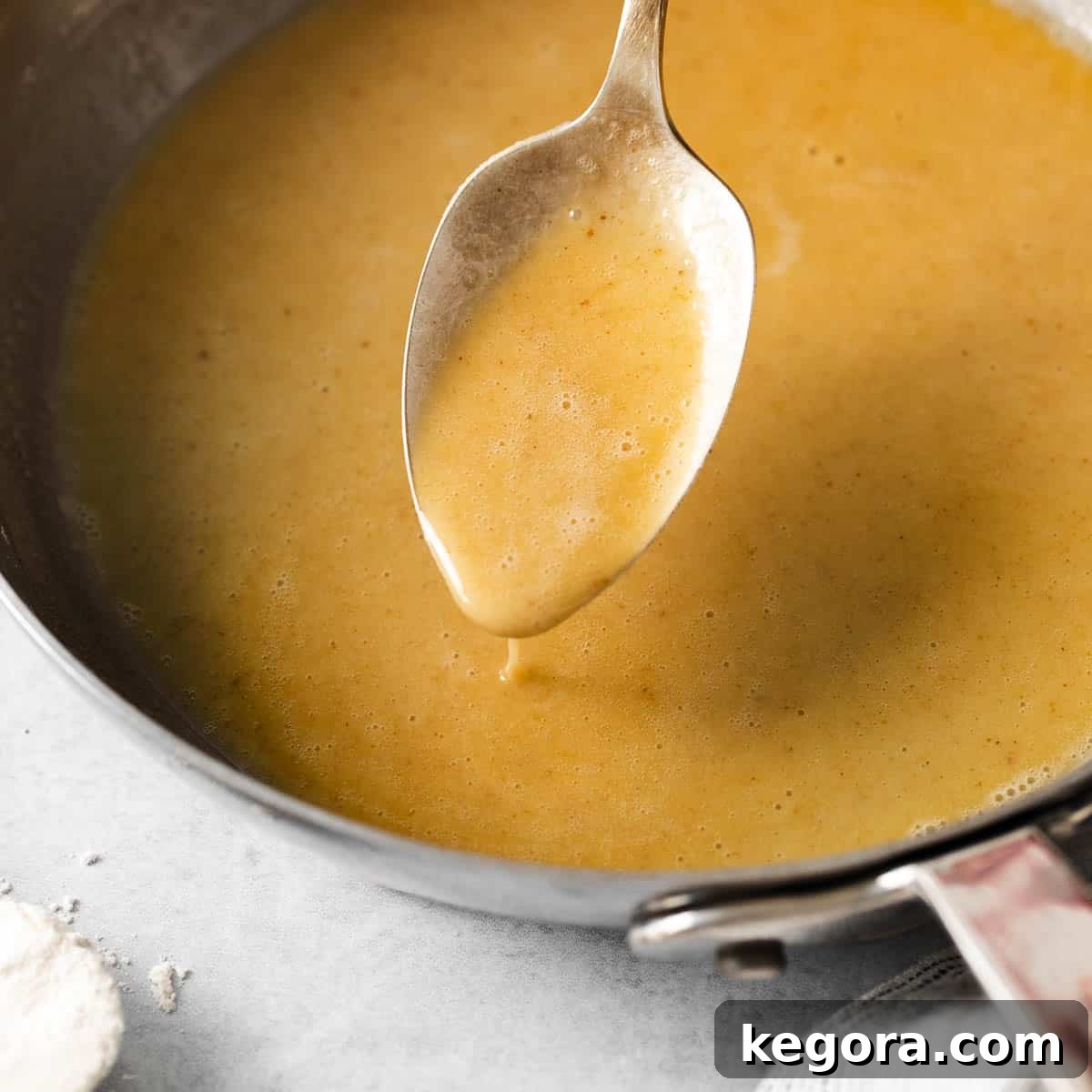
Mastering Gluten-Free Roux: Your Ultimate Guide to Perfect Thickening
Welcome to a culinary essential for anyone embracing a gluten-free lifestyle: the perfect gluten-free roux. If you’ve ever felt limited in creating rich, creamy sauces, gravies, or hearty soups because of gluten restrictions, this recipe is about to change your kitchen game. A foundational element in classic French cooking, roux traditionally uses wheat flour. However, with the right approach and a few simple tweaks, you can easily create a magnificent gluten-free version that performs just as beautifully, providing that essential thickening power without compromising on flavor or texture. This guide will walk you through every step, from understanding the unique properties of gluten-free flour in a roux to mastering the perfect consistency for all your favorite dishes.
Erin’s Recipe Rundown
As a passionate home cook and advocate for delicious, accessible gluten-free meals, I’m thrilled to share my tried-and-true method for making a superior gluten-free roux. This isn’t just another recipe; it’s a foundational skill that will unlock a world of culinary possibilities in your gluten-free kitchen. Let’s dive into what makes this recipe truly special:
- Texture: Expect a luxuriously smooth and incredibly creamy consistency. Our goal is a perfectly emulsified blend of fat and flour that creates a velvety base for any sauce or soup, entirely free of lumps or grittiness.
- Taste: The beauty of this roux lies in its mild, subtly buttery flavor. It’s designed to be a neutral foundation, allowing the other ingredients in your dish to shine through. Properly cooked, it will enhance the overall richness without imparting any raw flour taste.
- Ease: You’ll be amazed at how simple this is! With just two essential ingredients and a mere five minutes of active cooking, you can create a versatile thickening agent that rivals traditional roux in both performance and flavor. It’s perfect for busy weeknights or when you need a quick culinary boost.
- Top Tips: The key to an outstanding roux is patience and constant whisking. Ensure you cook the flour and butter mixture for a full 2-3 minutes. This crucial step is not just about combining ingredients; it’s about cooking out the raw flour flavor, which can otherwise spoil your finished dish. Whisking continuously also helps achieve that desirable smooth texture and prevents sticking.
- Recommended GF Flour: The fantastic news is that you can use virtually any gluten-free flour you prefer for this recipe. Unlike some gluten-free baking projects that demand specific measure-for-measure blends or additional binding agents like xanthan gum, this roux is incredibly forgiving. Standard gluten-free all-purpose flour blends work wonderfully, as do single-ingredient flours like rice flour or sorghum flour.
- Would I make these again? Absolutely, and I do so frequently! This gluten-free roux is a genuine game-changer. It serves as the ideal thickening base, ready to be transformed into a wide array of culinary creations. Think rich gravies for your holiday roasts, creamy sauces for pasta dishes, comforting soups, and perfectly bound casseroles. Its versatility makes it an indispensable tool in any gluten-free kitchen.
xoxo erin
Featured Comment
From Cindy: “Thank you, I never knew the ratio.”
10 more comments
Understanding the Gluten-Free Roux Ratio: A Key Difference
The standard ratio for a traditional roux, made with wheat flour, is typically 1 part flour to 1 part fat. This balanced proportion allows for a consistent thickening and smooth texture. However, when transitioning to a gluten-free roux, we adjust this slightly to achieve optimal results. For this gluten-free roux, I recommend a 2:3 ratio of gluten-free flour to fat. This means for every 2 tablespoons of gluten-free flour, you’ll use 3 tablespoons of fat.
The reason for this adjustment lies in the inherent properties of gluten-free flours. Gluten-free flours are often denser and possess different absorption qualities compared to wheat flour. Many gluten-free flour blends also contain binding agents like xanthan gum (even if not explicitly labeled “measure-for-measure”) which can cause them to thicken more efficiently and sometimes more quickly. By increasing the fat content relative to the flour, we ensure a smoother, more pliable roux that disperses evenly into liquids without becoming overly thick or gummy. This slightly higher fat ratio contributes to a richer mouthfeel and helps prevent the flour from clumping, making it easier to whisk into a perfect, lump-free base for your dishes. This ratio has been extensively tested to deliver the best texture and performance in a gluten-free setting.
Essential Ingredients You’ll Need for Gluten-Free Roux
Creating a perfect gluten-free roux requires only two primary ingredients, making it incredibly accessible and straightforward. While the list is short, understanding the role of each component is vital for achieving the best results. Below, I’ll provide some helpful notes on selecting and preparing these key ingredients. For the precise measurements, remember to consult the recipe card below, which provides all the details you’ll need.
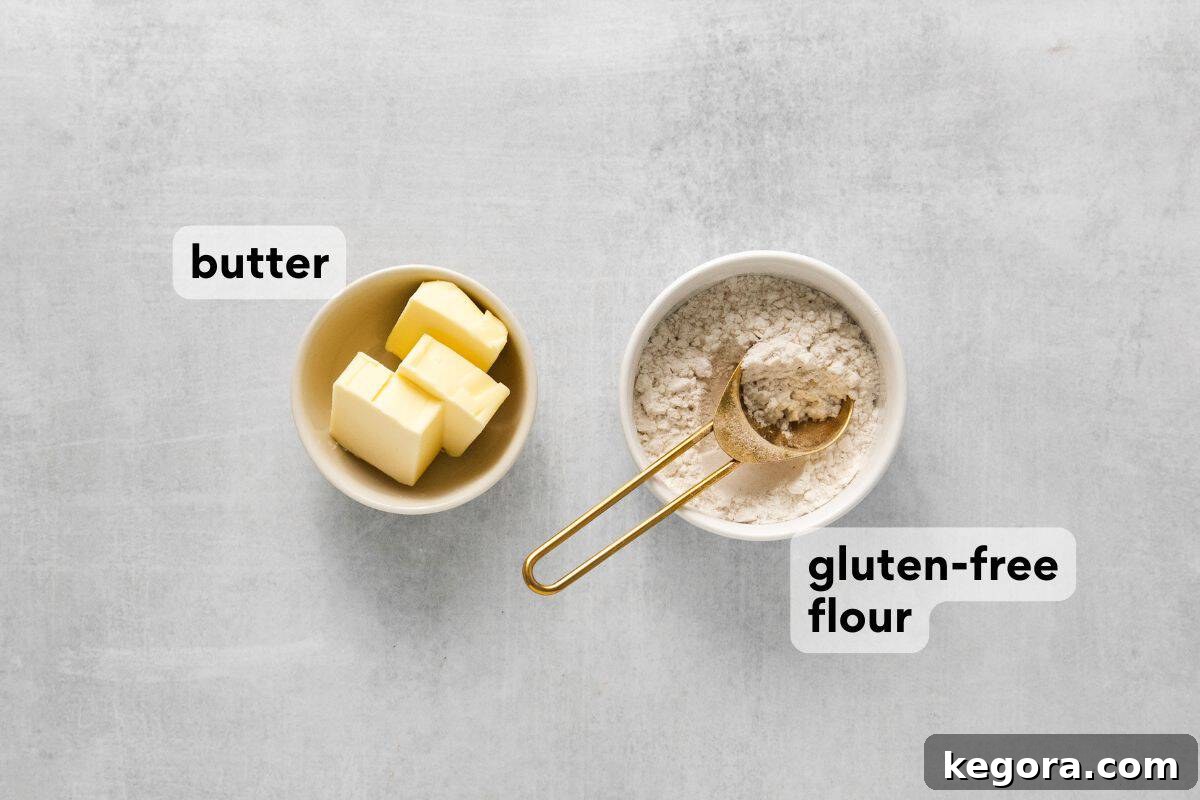
- Butter: Unsalted butter is overwhelmingly the best choice for making roux. The primary advantage of using unsalted butter is that it grants you complete control over the total amount of salt added to your final dish. This flexibility is crucial when building complex flavors in sauces, gravies, or soups. While salted butter can be used in a pinch, be mindful to adjust any additional salt in your recipe accordingly. For an even more refined flavor and a roux that can be cooked to a deeper brown without burning milk solids, you could even use clarified butter (ghee), which removes the water and milk solids. However, for most home cooks, regular unsalted butter is perfect.
- Gluten-Free Flour: The beauty of this recipe is its adaptability to various gluten-free flours. You truly can use any gluten-free flour you like as your thickening agent. This includes single-ingredient flours such as white rice flour, brown rice flour, sorghum flour, or even a basic gluten-free all-purpose blend. You do not need a specialized “measure-for-measure” flour that contains xanthan gum for this particular application. In fact, many standard gluten-free flours contain natural starches that aid in thickening. The key is to ensure your chosen flour is fresh and finely ground to prevent a gritty texture. Experiment with what you have on hand, and you’ll find that a wide range of gluten-free options will yield excellent results for a smooth and effective roux.
Step-by-Step Guide: How to Make Gluten-Free Roux Perfectly
Making gluten-free roux is a straightforward process that yields incredibly versatile results. Follow these steps for a perfectly smooth and flavorful roux every time. For comprehensive details and exact measurements, you can always jump directly to the full recipe card below!
Prepping Your Pan and Melting the Butter
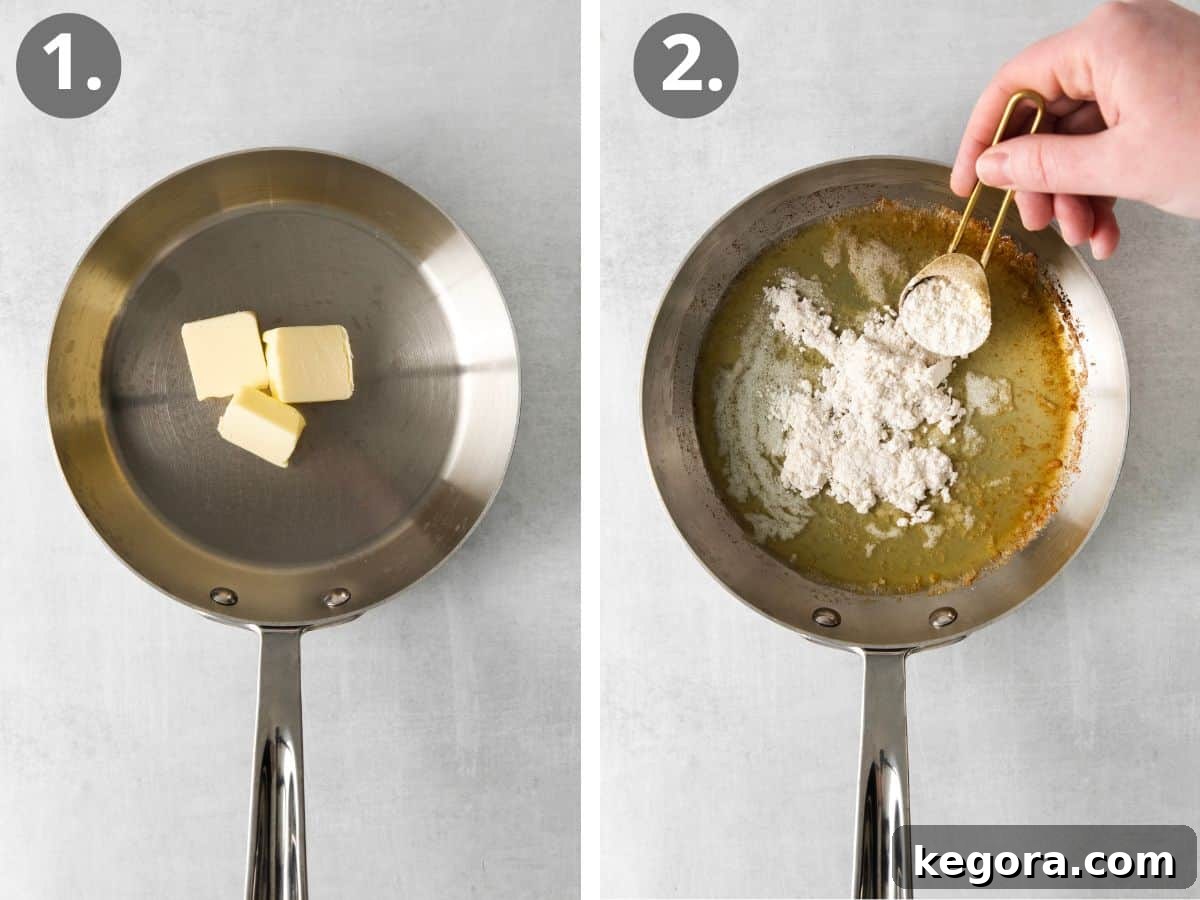
The foundation of a good roux starts with the right fat. It is paramount to use butter over other fats like olive oil or bacon grease when aiming for a traditional-tasting, creamy white or blonde roux. While other fats can technically be used, they will significantly alter both the texture and the delicate, buttery taste that a classic roux provides. Melt the specified amount of unsalted butter in a medium-sized saucepan over medium heat. Keep a close eye on it to ensure it melts evenly without browning too quickly. You want it fully liquid and shimmering, but not yet turning brown. Using a non-stick pan can also simplify the process and prevent sticking.
Adding Flour and Cooking to Perfection
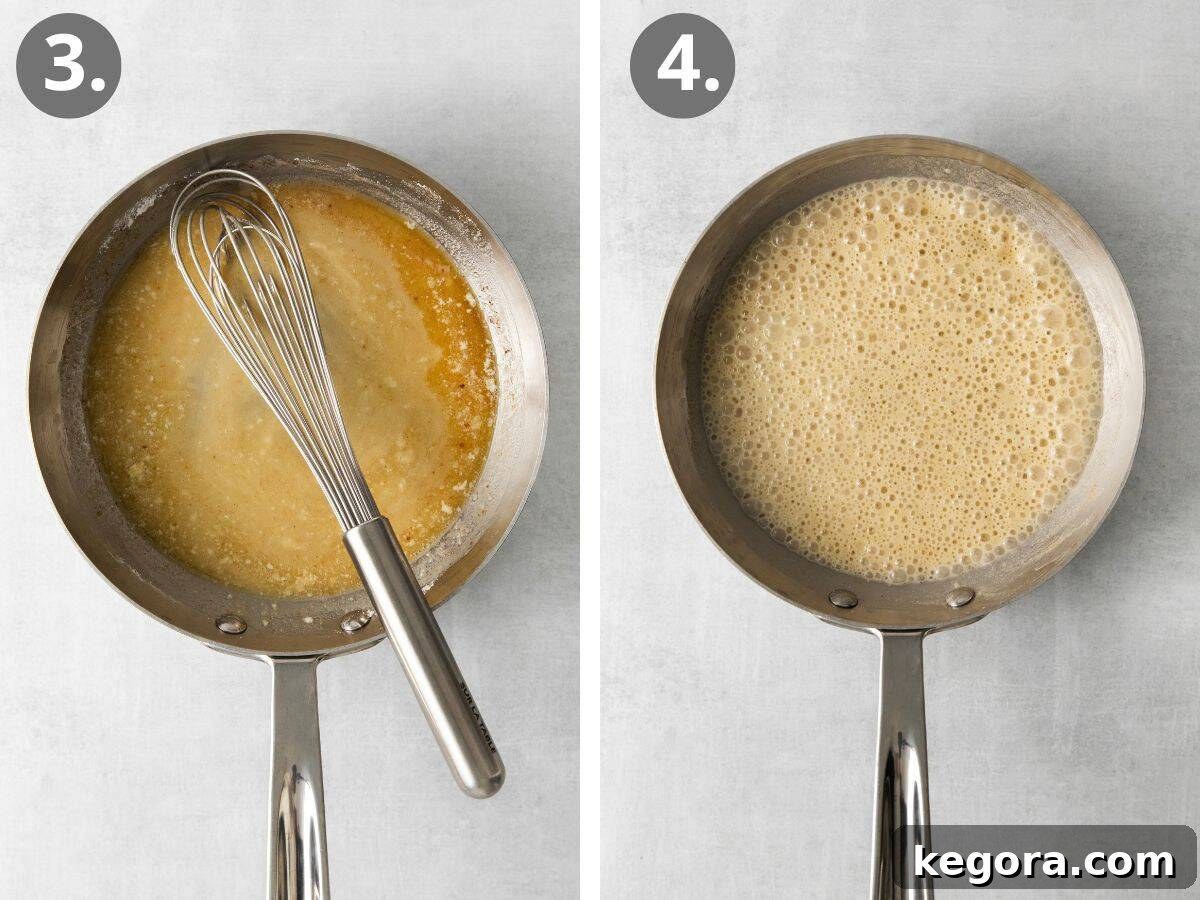
Once your butter is fully melted and hot, it’s time to incorporate the gluten-free flour. Gradually whisk in the measured gluten-free flour directly into the melted butter. Continue to whisk vigorously and constantly. This continuous movement is critical for preventing lumps and ensuring the flour is thoroughly coated by the fat. The mixture will initially form a paste, then it will smooth out as it cooks.
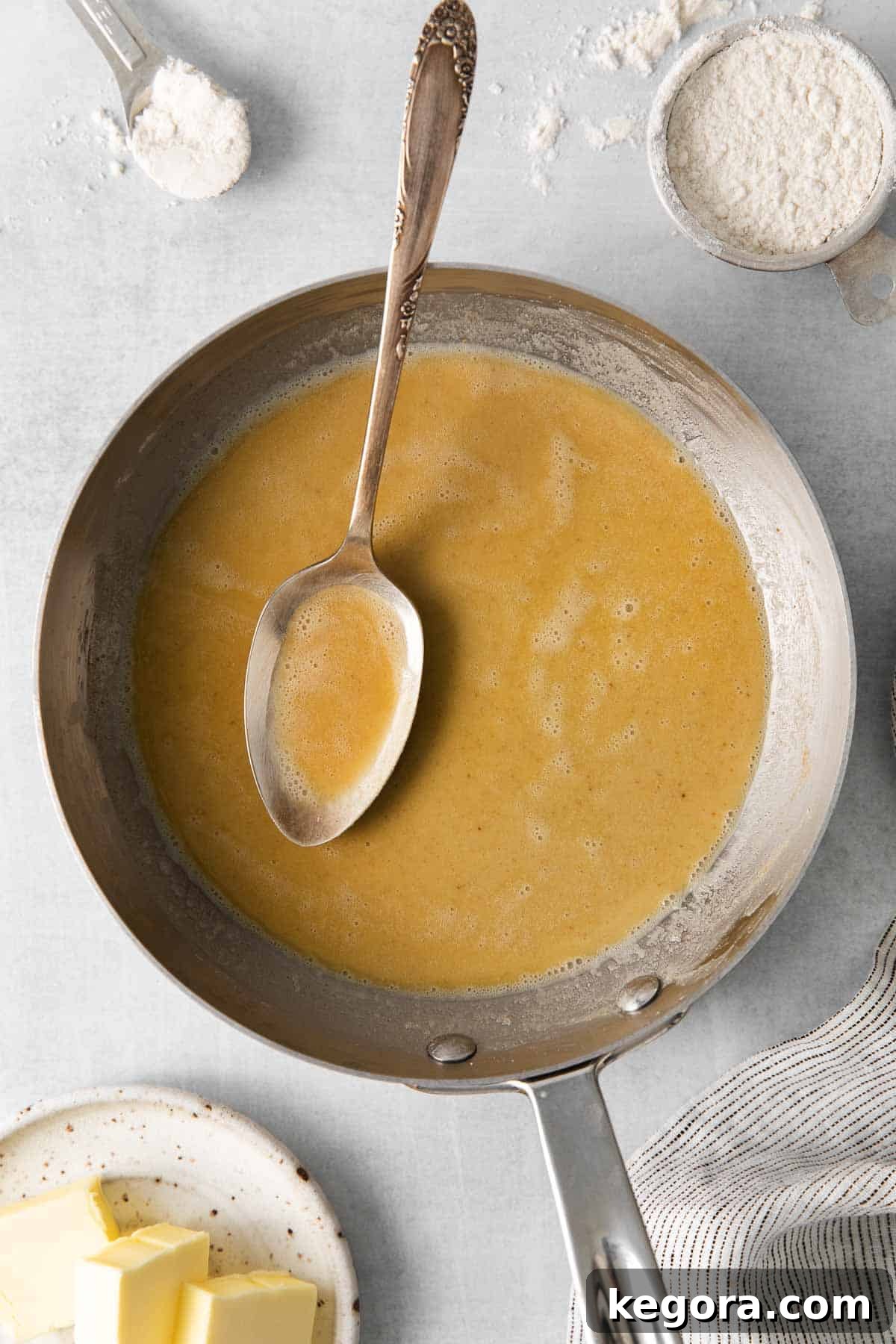
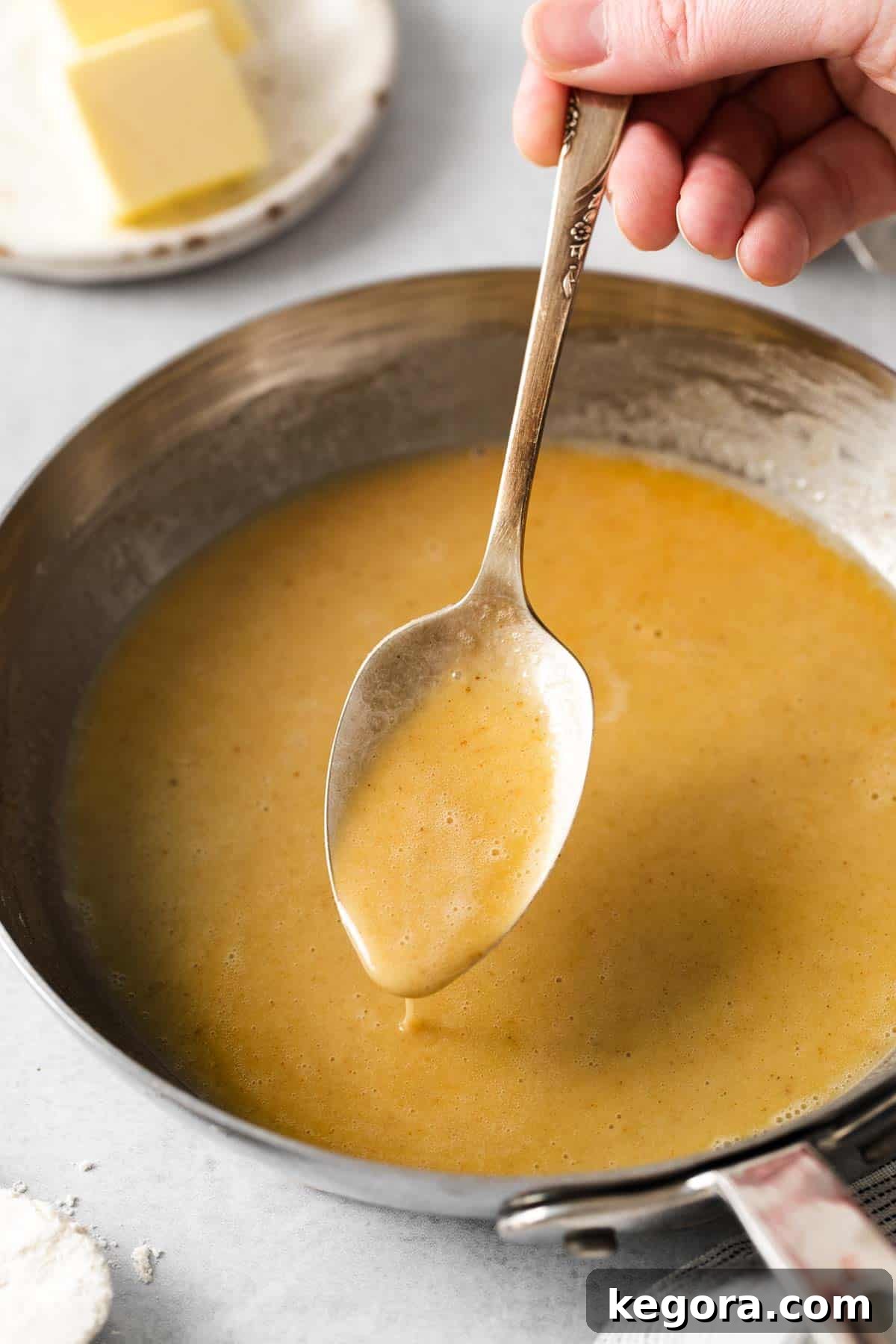
After the flour is fully incorporated, continue cooking the roux for a full 2-3 minutes. This duration is essential for cooking off the raw flour taste, which can be quite unappetizing if not properly addressed. While whisking, the roux will bubble gently and transform from a raw-smelling paste into a more pleasant, slightly toasted aroma. For a white roux, you’ll stop cooking around the 2-minute mark, ensuring it remains very light in color. For a blonde roux, you might cook it slightly longer, up to 3-4 minutes, until it reaches a pale golden hue. The goal is to cook the flour without browning it too much, unless a darker roux is specifically desired for your end recipe.
Once your roux has cooked for the recommended time and achieved the desired color, it’s ready! You can then proceed immediately with your recipe of choice, adding liquid (like milk, stock, or water) slowly while whisking constantly to create a smooth, thickened sauce, gravy, or soup base. This incredibly versatile roux can be used as a thickener for so many gluten-free recipes, from béchamel sauce to country gravy, and everything in between.
Common Gluten-Free Roux Questions & Troubleshooting
Even though making gluten-free roux is straightforward, it’s helpful to be aware of potential issues and how to resolve them. Understanding these tips will ensure your roux is always perfect.
- Why is my roux lumpy? Lumps usually form if the flour is added too quickly or if you don’t whisk continuously. To avoid this, sprinkle the flour in gradually while whisking constantly and vigorously. If lumps still appear, you can push the roux through a fine-mesh sieve before adding liquid, or use an immersion blender once the liquid is added to smooth out the sauce.
- What if my roux is too thick/thin? The 2:3 ratio of flour to fat is key. If your roux seems too thick before adding liquid, you might have used too much flour or not enough fat. If it’s too thin, you may have used too much fat. Adjusting slightly in subsequent batches will help. Once liquid is added, if the final sauce is too thin, you can make a slurry of cornstarch and cold water/broth and whisk it in, bringing it to a simmer to thicken. If it’s too thick, simply add more liquid.
- Can I make a darker roux? Yes! Just like traditional roux, you can cook your gluten-free roux longer to achieve a blonde, peanut butter, or even a dark brown color. A darker roux will have a nuttier flavor and less thickening power, as the starches break down. However, be extremely careful not to burn it – a burnt roux has a bitter taste and cannot be salvaged. Always cook on medium-low heat for darker rouxs, stirring frequently.
- What kind of whisk should I use? A balloon whisk is ideal for making roux, as its shape allows you to reach all corners of the pan and incorporate ingredients thoroughly, preventing anything from sticking or burning at the edges.
You may also enjoy exploring other delightful gluten-free creations from our kitchen, such as this creamy gluten-free béchamel, a comforting hearty gluten-free cream of chicken soup, or a rich savory gluten-free cream of mushroom soup!
Easy Gluten-Free Roux Recipe
Erin Collins
2 minutes
5 minutes
7 minutes
4 people
Use this quick and easy base for all your favorite gluten-free soups, gravies, and sauces!
Comments
Ingredients
- 3 tablespoons unsalted butter
- 2 tablespoons gluten-free flour
- 2 cups (480ml) liquid (e.g., milk, chicken stock, vegetable broth), optional, for a complete sauce
Instructions
-
In a medium saucepan, melt the unsalted butter over medium heat until completely liquid and shimmering.
-
Gradually whisk in the gluten-free flour. Continue whisking constantly to ensure the flour is fully incorporated and no lumps form.
-
Continue whisking and cooking the roux for 2-3 minutes. This crucial step cooks off the raw flour taste and allows the roux to achieve a light, desired color. For a white roux, aim for 2 minutes; for a blonde roux, cook slightly longer until pale golden.
-
Once the roux is cooked, you can immediately proceed with your desired recipe. Gradually add your chosen liquid (milk, stock, etc.) while whisking continuously to create a smooth, thickened sauce or base.
Notes
To Make-Ahead: While this roux is best when used fresh due to its quick preparation time (only about 5 minutes!), it can be made a little in advance if needed.
To Store: Store any leftover, cooled gluten-free roux in an airtight container in the refrigerator for up to 3 days. When reheating, do so gently over low heat, whisking frequently to recombine and smooth out any separation. Please note that the texture may differ slightly from freshly made roux.
To Freeze: Freezing is generally not recommended for this gluten-free roux, as it can significantly impact the texture and consistency upon thawing and reheating. It’s so quick to make fresh, that it’s often more convenient to prepare a new batch as needed.
Nutrition
(Nutritional information is an estimate based on ingredients and may vary.)
Calories: 87kcal | Carbohydrates: 3g | Protein: 0.4g | Fat: 9g | Saturated Fat: 5g | Polyunsaturated Fat: 0.3g | Monounsaturated Fat: 2g | Trans Fat: 0.3g | Cholesterol: 23mg | Sodium: 68mg | Potassium: 3mg | Fiber: 0.4g | Sugar: 0.1g | Vitamin A: 262IU | Calcium: 5mg | Iron: 0.1mg
This post was originally published in January 2023. It was updated with new photos and expanded instructions in June 2025 to provide even more valuable insights and tips for perfecting your gluten-free roux.
Explore More Gluten-Free Sauce Recipes
Now that you’ve mastered the art of gluten-free roux, you’re equipped to create a myriad of delicious sauces. A great roux is the foundation for countless recipes, transforming simple ingredients into extraordinary dishes. Don’t stop here! Expand your gluten-free culinary repertoire with these other fantastic sauce recipes:
- Creamy Gluten-Free Alfredo Sauce
- Rich Gluten-Free Gravy
- Authentic Gluten-Free Enchilada Sauce
- Classic Gluten-Free Spaghetti Sauce
- Quick Gluten-Free Stir-Fry Sauce
- Homemade Gluten-Free Teriyaki Sauce
- Tangy Gluten-Free BBQ Sauce
Enjoy building a gluten-free kitchen full of flavor and versatility!