
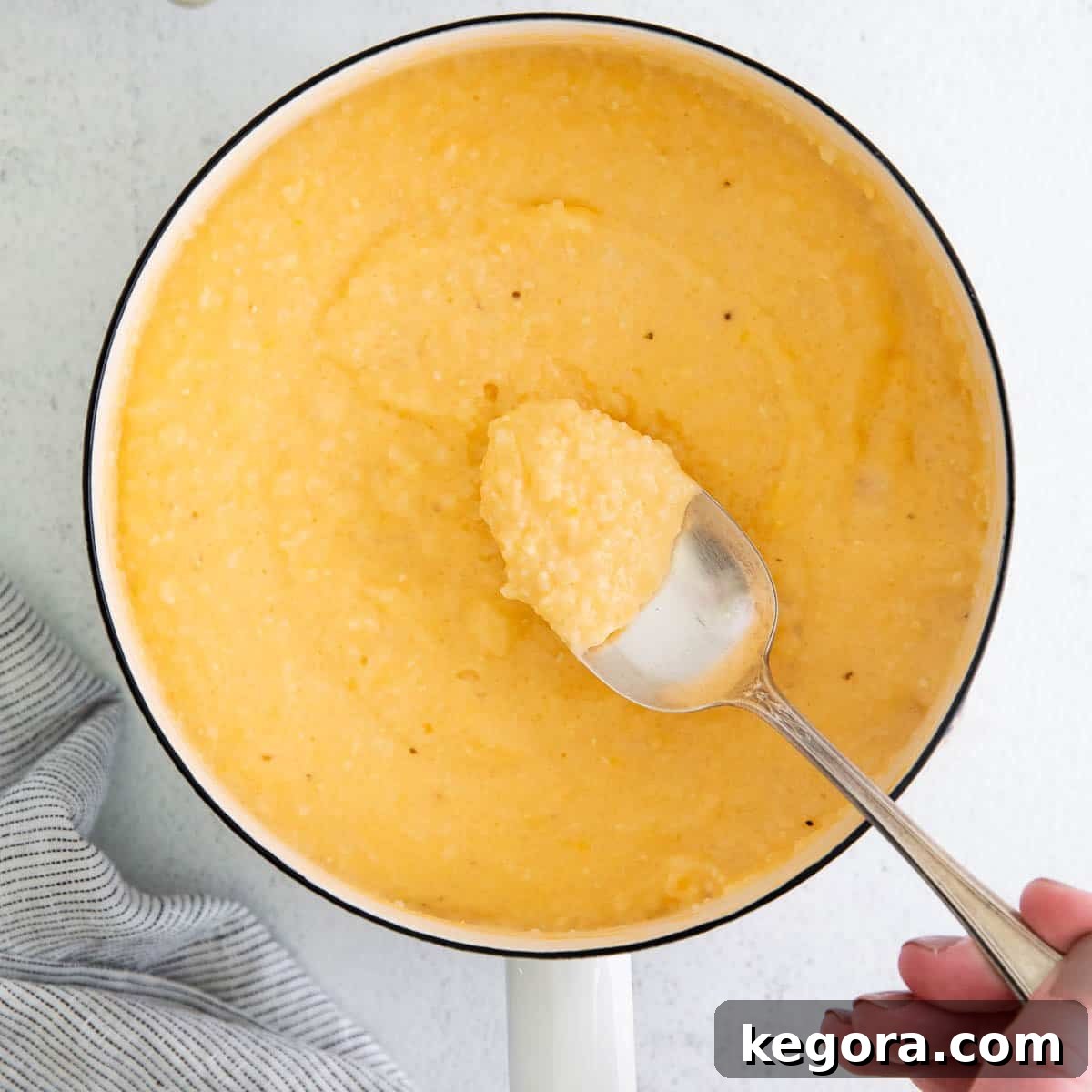
You’ve found yourself asking, “Are grits gluten-free?” This comprehensive guide is here to provide you with all the answers! We’ll delve into the details, ensuring you can confidently identify which grits are safe and delicious for a gluten-free diet. Whether you’re managing celiac disease, gluten sensitivity, or simply choosing a gluten-free lifestyle, understanding your food choices is paramount.

Grits are a beloved comfort food with a rich history, cherished for centuries across various cultures. While often synonymous with the American South, this versatile porridge-like dish also holds a significant place in Northern Italian cuisine, where it’s known as polenta. Its origins stretch back even further than its adoption as a Southern staple, tracing back to the indigenous Muscogee tribe in the 16th century. Made from dried, ground corn, grits have evolved into a culinary cornerstone, enjoyed for breakfast, lunch, or dinner, and serving as a hearty base for a myriad of flavors, from savory shrimp and grits to sweet, buttered varieties. This enduring popularity underscores its status as a true culinary classic, but for those navigating a gluten-free lifestyle, a crucial question arises: can this comforting dish be enjoyed without worry?
Are Grits Gluten-Free? Understanding the Core Ingredient
The fundamental answer to “Are grits gluten-free?” is complex yet reassuring for most. Traditional grits are made from ground corn, and corn is a naturally gluten-free grain. This means that in their purest form, without any additives or cross-contamination, grits are indeed safe for those avoiding gluten. The confusion often arises from how grits are processed and packaged, as manufacturing environments can introduce gluten from other grains. For individuals with celiac disease or severe gluten intolerance, vigilance regarding these processing details is essential to prevent adverse reactions.
Gluten is a protein found in wheat, barley, and rye. Since corn, the sole ingredient in traditional grits, does not contain these proteins, it is inherently free of gluten. However, the journey from corn kernel to your breakfast bowl involves several stages where gluten could potentially be introduced. This includes shared harvesting equipment, storage facilities, grinding mills, and packaging lines. Therefore, while the corn itself is gluten-free, the final product may not be if it hasn’t been handled with specific gluten-free protocols.
For a product to be labeled “gluten-free” in the United States, the Food and Drug Administration (FDA) requires that it contain less than 20 parts per million (ppm) of gluten. This standard is recognized as safe for most individuals with celiac disease. Therefore, when selecting grits, always prioritize brands that explicitly carry a “gluten-free” certification or label. These labels indicate that the manufacturer has implemented strict controls throughout their production process to prevent cross-contamination and ensure the product meets the FDA’s guidelines.
Curious about other gluten-free staples? Explore our guides on gluten-free cornbread, whether cornbread is gluten-free, and are oats gluten-free.
Identifying Trustworthy Gluten-Free Grits Brands
Fortunately, the growing demand for gluten-free products has led to a wider availability of certified gluten-free grits. Many reliable brands are now easily found in most grocery stores across the United States, making it simpler for consumers to enjoy this classic dish safely. When shopping, always look for clear labeling to ensure the product meets your dietary needs.
Bob’s Red Mill is a standout brand consistently praised for its commitment to gluten-free integrity. Their corn grits (often labeled as polenta, which is essentially a finer grind of corn grits) bear a prominent gluten-free label, providing peace of mind for consumers. Bob’s Red Mill is renowned for its high-quality products and stringent protocols. As their website states, all their gluten-free products undergo “rigorous and strict gluten-free protocols.” This commitment includes manufacturing these products in a dedicated gluten-free facility, followed by testing in their in-house quality control laboratory to confirm they contain zero detectable gluten. This level of dedication makes Bob’s Red Mill a top recommendation for anyone seeking truly gluten-free grains.
Beyond Bob’s Red Mill, several other excellent gluten-free corn grits varieties are available, often conveniently found online or in specialty stores:
- Palmetto Farms Stone Ground White Corn Grits: Known for their traditional Southern flavor and texture, Palmetto Farms offers stone-ground grits that are naturally gluten-free and processed with care to avoid cross-contamination. Stone-ground grits retain more of the corn’s natural flavor and texture, offering a richer experience.
- Carolina Grits Company Traditional Grits: This company also specializes in authentic grits, ensuring their products are safe for gluten-free diets. Their commitment to traditional methods often means a purer product, but always verify the “gluten-free” claim on the packaging.
- House Autry White Stone Ground Grits: Another excellent choice for a traditional Southern-style grit. House Autry often provides clear labeling for their gluten-free products, making them a trusted option for consumers.
- Judee’s Jalapeno Cheddar Cheese Corn Grits: For those seeking flavored options, Judee’s often provides gluten-free choices. When considering flavored grits, it’s particularly important to check for gluten-free certification, as additional ingredients can introduce gluten.
When in doubt, always scrutinize the ingredient list and look for explicit “gluten-free” certification marks. These certifications, often from third-party organizations, offer an additional layer of assurance that the product has been tested and meets strict gluten-free standards.
Are Quaker Grits Gluten-Free? A Cautionary Tale
For those familiar with grits, Quaker is a widely recognized brand. However, when it comes to gluten-free options, Quaker grits, including their white corn, white hominy, and yellow corn varieties, are unfortunately not considered gluten-free. This is a critical distinction for individuals with celiac disease or significant gluten sensitivities.
The primary reason Quaker grits are not certified gluten-free stems from their manufacturing practices. Quaker is a large-scale producer that processes a wide range of grain products, including those containing gluten like wheat, rye, and barley. Their facilities often share equipment for growing, harvesting, storing, and processing these different grains. This shared environment creates a significant risk of cross-contamination. While the corn itself is gluten-free, trace amounts of gluten-containing grains can mix with the grits during various stages of production.
Because Quaker cannot guarantee that their products contain zero gluten or fall below the FDA’s 20 ppm threshold for gluten-free labeling, they do not label their grits as gluten-free. This transparency is important, as it helps consumers make informed choices. For those strictly adhering to a gluten-free diet, it is best to avoid Quaker grits and opt for brands that explicitly state their gluten-free status and adhere to rigorous cross-contamination prevention measures.
Frequently Asked Questions About Gluten-Free Grits
Pure corn grits, made from 100% ground corn, do not naturally contain gluten. Corn is a gluten-free grain. However, the gluten-free status of the final product depends entirely on how it is processed and packaged. Many conventional brands use facilities that also handle gluten-containing grains like wheat, barley, or rye. This shared processing equipment can lead to cross-contamination, where trace amounts of gluten inadvertently mix with the grits. Therefore, while the ingredient itself is gluten-free, it’s crucial to look for brands that are specifically labeled and certified gluten-free. These brands typically employ dedicated gluten-free facilities and rigorous testing protocols to ensure their products meet strict gluten-free standards (less than 20 ppm gluten).
Traditionally, grits are made exclusively from corn. Specifically, they are dried kernels of corn that have been ground into a coarse meal. The term “hominy grits” refers to grits made from hominy, which is corn that has been treated with an alkali process (nixtamalization) to remove the hull and germ, resulting in a slightly different flavor and texture but still purely corn-based. Since the main dietary sources of gluten are wheat, barley, and rye, any grits made solely from corn in a facility that prevents cross-contamination are naturally gluten-free and safe for a gluten-free diet. Always double-check ingredient labels to ensure no wheat-based thickeners or other gluten-containing ingredients have been added, especially in instant or flavored grit varieties.
In their purest form, made from ground corn and hot water, grits can be a nutritious and healthy dish. Corn itself provides a good source of complex carbohydrates, dietary fiber, and various vitamins and minerals, including B vitamins (folate, thiamine, niacin), iron, magnesium, and phosphorus. It also contains beneficial antioxidants. However, the overall healthiness of grits largely depends on how they are prepared and what additions are included. Many popular recipes call for generous amounts of butter, cheese, milk, cream, or other high-fat, high-calorie ingredients. While these additions certainly enhance flavor and creaminess, they can significantly increase the total fat, saturated fat, sodium, and calorie content. To enjoy grits as part of a balanced diet, consider preparing them with water or low-fat milk, and flavoring them with herbs, spices, or a small amount of lean protein rather than excessive fats and cheeses.
Exploring Different Types of Grits (and Their Gluten-Free Implications)
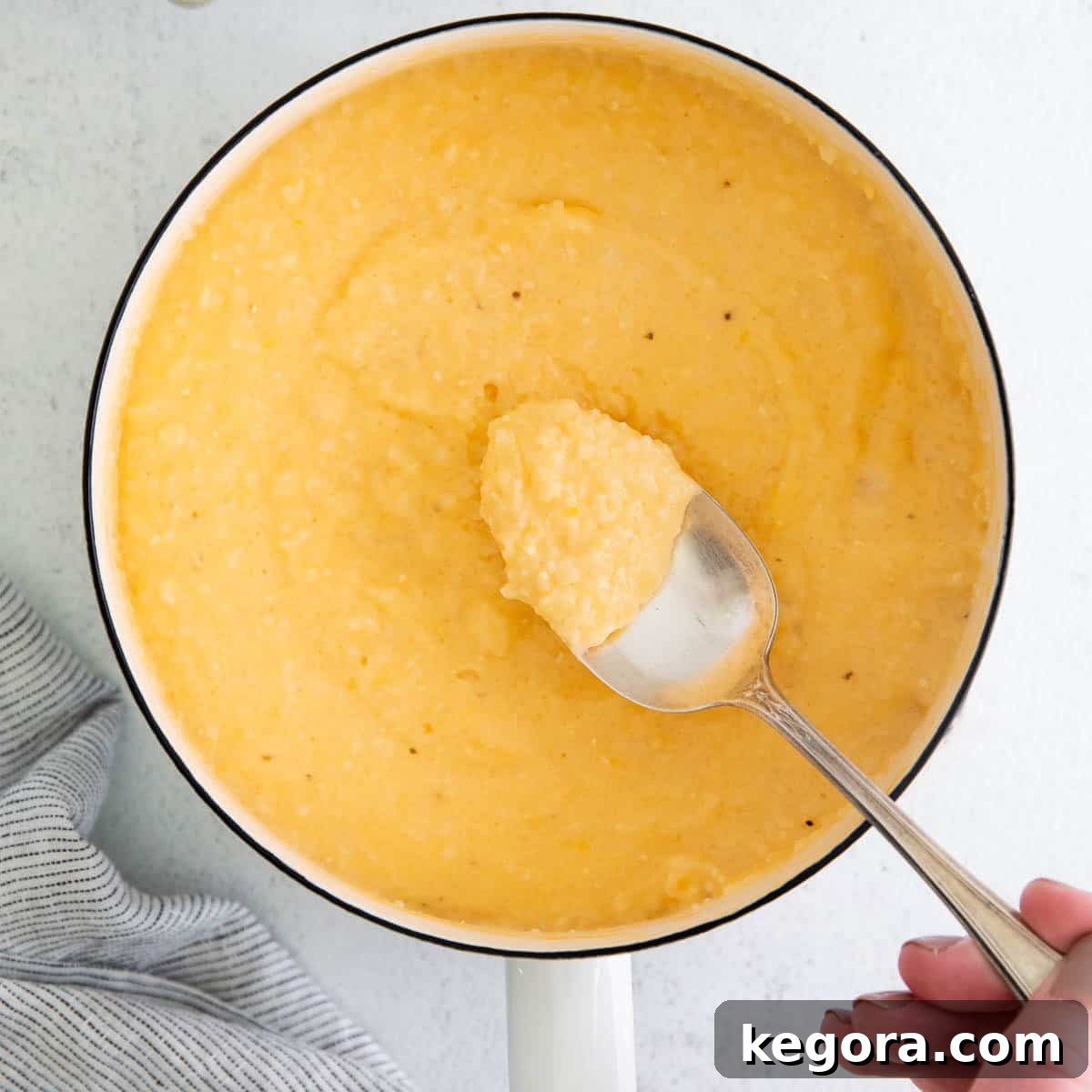
Understanding the various types of grits can also help you make informed gluten-free choices. While the base ingredient is always corn, the processing affects texture and cooking time:
- Stone-Ground Grits: These are traditionally milled, coarser grits that retain more of the corn’s natural germ, giving them a richer flavor and chewier texture. They take the longest to cook but are often preferred by connoisseurs. If certified gluten-free, these are an excellent choice.
- Regular/Quick Grits: These are finer in texture than stone-ground grits and have usually been de-germed. They cook faster, typically in 5-10 minutes. Again, the gluten-free status depends entirely on the brand and processing environment.
- Instant Grits: These are pre-cooked and dehydrated, requiring only hot water for preparation. While convenient, the processing for instant varieties can sometimes introduce additional ingredients or greater risks of cross-contamination if not explicitly labeled gluten-free. Always check the label.
- Hominy Grits: As mentioned, hominy grits are made from hominy (alkali-treated corn). They are still corn-based and naturally gluten-free. Many Southern brands offer hominy grits, so look for a certified gluten-free label.
Regardless of the type, the key takeaway remains: always verify the “gluten-free” label on the packaging, especially if you have celiac disease or severe gluten sensitivity.
Cooking Gluten-Free Grits: Tips for Avoiding Cross-Contamination in Your Kitchen
Even after purchasing certified gluten-free grits, it’s crucial to maintain a gluten-free environment in your kitchen to prevent cross-contamination. This is especially important if you share your kitchen with individuals who consume gluten.
- Dedicated Utensils and Cookware: Use separate pots, pans, cutting boards, and spoons for preparing gluten-free foods. Wooden utensils are particularly porous and can harbor gluten, so consider having a dedicated set.
- Clean Surfaces: Thoroughly clean all countertops, stoves, and tables before preparing gluten-free grits.
- Separate Storage: Store gluten-free grits in airtight containers, separate from gluten-containing grains or flours, to prevent airborne particles from contaminating them.
- Shared Ingredients: Be mindful of shared ingredients like butter or cheese if they are used with gluten-containing items (e.g., dipping a knife used for gluten bread into a butter tub).
Delicious Gluten-Free Grits Recipes to Try
Once you’ve confidently selected your certified gluten-free grits, a world of culinary possibilities opens up! Whether you prefer them savory or sweet, grits are incredibly versatile. Don’t hesitate to experiment with different flavor profiles and toppings to suit your taste. Here are some fantastic recipes to get you started:
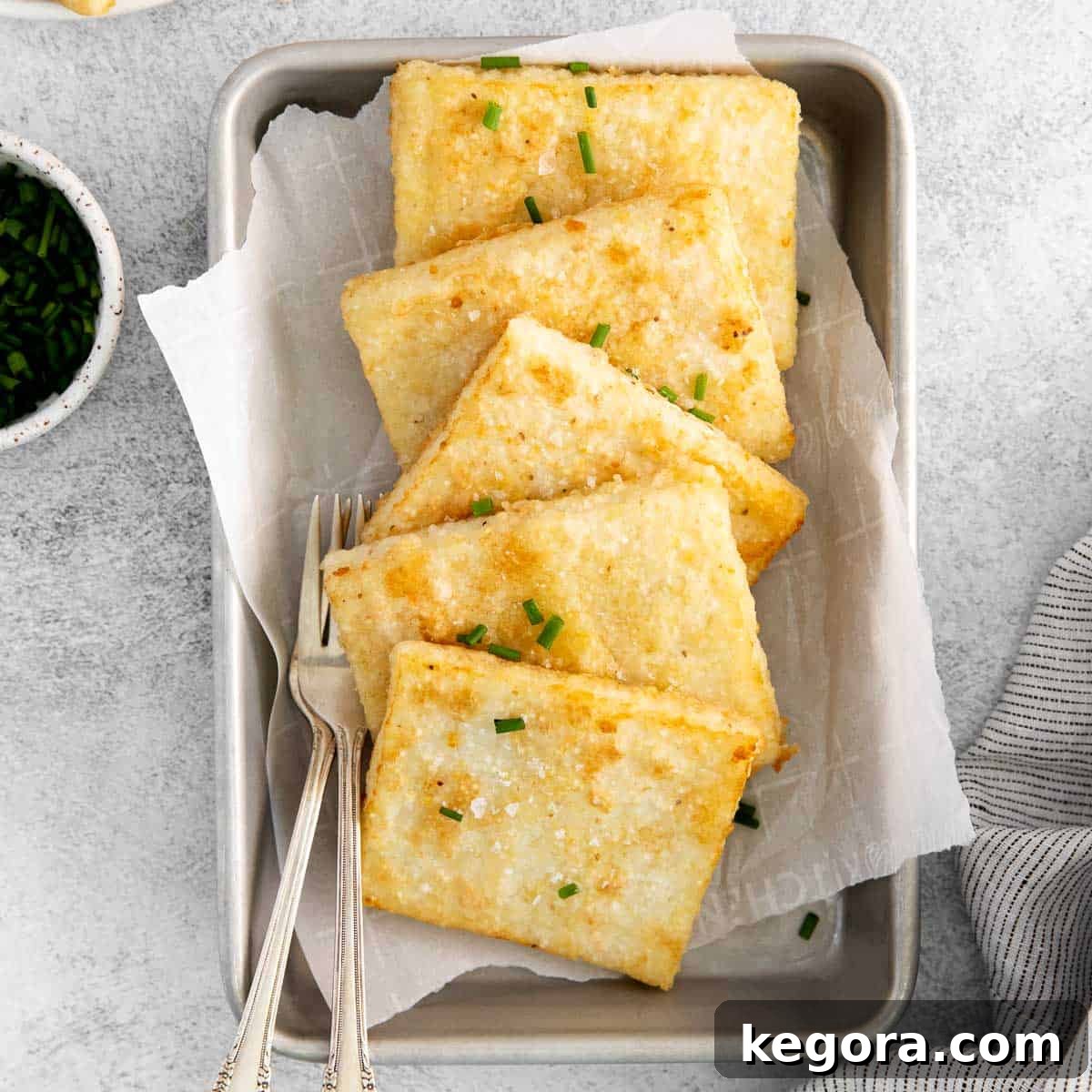
- For a delightful twist, try these comforting grits cakes, perfect as a side dish or appetizer.
- Indulge in the rich and creamy texture of cream cheese grits, a decadent and satisfying meal.
- Start your day right with a classic combination: hearty grits and eggs, a simple yet fulfilling breakfast.
The Bottom Line: Making Informed Gluten-Free Choices
Are grits gluten-free? The answer is nuanced: yes, when carefully chosen! Grits, fundamentally derived from corn, are naturally a gluten-free food. This means they can absolutely be a safe and delicious component of a gluten-free diet for individuals with celiac disease or gluten sensitivity. However, the critical factor lies in the manufacturing process. Many conventional brands risk cross-contamination due to shared facilities with gluten-containing grains, making their products unsafe for strict gluten-free requirements.
To ensure you’re making a safe choice, always prioritize brands that clearly display a “gluten-free” certification or label on their packaging. These certifications signify that the product has been processed in a dedicated gluten-free environment and tested to meet stringent gluten-free standards. By staying informed and checking labels, you can confidently enjoy this timeless comfort food without compromising your health or dietary needs.
For more insights into gluten-free products and living, check out these helpful articles:
Curious if your favorite snacks are safe? Find out are Doritos gluten-free, are french fries gluten-free, and are marshmallows gluten-free? For grains and staples, explore is buckwheat gluten-free, is brown rice gluten-free, is farro gluten-free, is quinoa gluten-free, and are corn flakes gluten-free. Don’t forget household items like is butter gluten-free, and even breakfast cereals like is raisin bran gluten-free.