
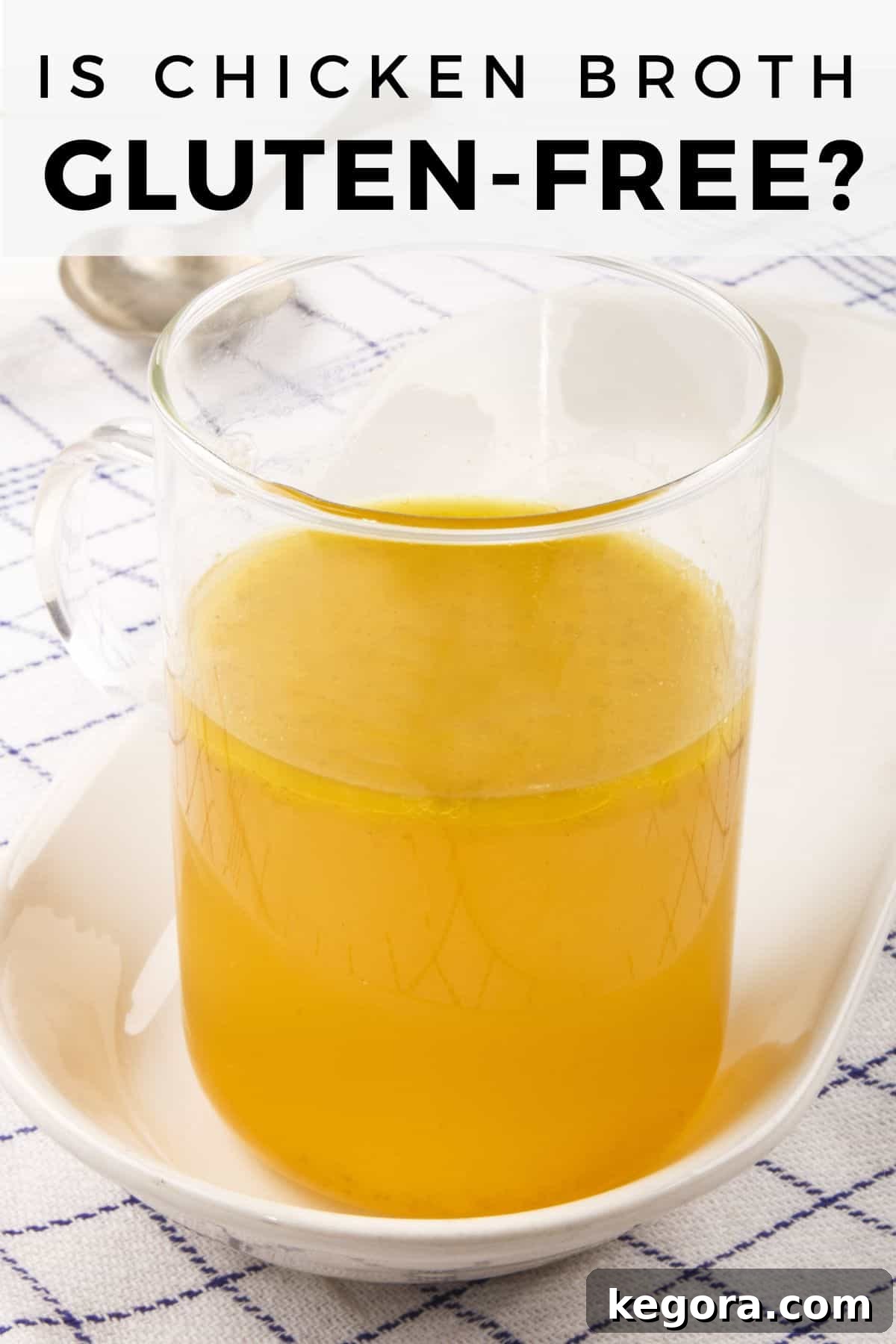
Chicken broth is a foundational ingredient in countless culinary traditions, forming the base of rich soups, savory stews, and flavorful sauces. For those managing celiac disease, gluten sensitivity, or a wheat allergy, a crucial question often arises: Is chicken broth gluten-free? This comprehensive guide will explore the ingredients, potential hidden gluten sources, and help you confidently choose safe, delicious chicken broths for your kitchen – plus a list of trusted brands!
From comforting chicken noodle soup to an aromatic risotto, chicken broth is a versatile pantry staple that adds depth and savory goodness to nearly any dish. Its ability to effortlessly enhance flavors makes it indispensable for home cooks and professional chefs alike. Whether you’re simmering a delicate sauce or simply looking to replace water in your grain dishes for an extra layer of flavor, chicken broth offers immense culinary value.
When you prepare homemade broth from scratch, you have complete control over every ingredient, ensuring it aligns perfectly with your dietary needs. However, the convenience of store-bought options is undeniable. If you frequently reach for ready-made broths, understanding their gluten status becomes paramount. So, let’s get straight to the point: Is chicken broth typically gluten-free?
The reassuring short answer: Most chicken broths are indeed gluten-free! However, vigilance is key. It’s absolutely essential to meticulously check the labels of all store-bought chicken broths to confirm that no gluten-containing ingredients have been inadvertently or intentionally added during their production.
Understanding Gluten: A Key to Safe Eating
Before diving deeper into chicken broth’s ingredients, let’s clarify what gluten is. Gluten is a family of proteins found naturally in certain grains, specifically wheat (including spelt, farro, durum, and semolina), barley, rye, and triticale (a hybrid of wheat and rye). It acts as a “glue” that holds food together, giving elasticity to dough and a chewy texture to baked goods. For a food product to be labeled “gluten-free” in the United States, it must contain less than 20 parts per million (ppm) of gluten, a standard set by the FDA.
For a significant portion of the population, consuming gluten is entirely harmless. However, for others, it can trigger adverse health reactions ranging from mild discomfort to severe, chronic conditions. The primary conditions requiring a strict gluten-free diet include:
- Celiac Disease: An autoimmune disorder where ingesting gluten leads to damage in the small intestine, impairing nutrient absorption. Even trace amounts of gluten can cause significant harm and long-term health complications, affecting multiple body systems beyond just digestion.
- Non-Celiac Gluten Sensitivity (NCGS): Individuals experience symptoms similar to celiac disease (digestive issues, fatigue, headaches, brain fog) but without the autoimmune response or intestinal damage characteristic of celiac disease. While the mechanism isn’t fully understood, symptoms typically resolve on a gluten-free diet.
- Wheat Allergy: An allergic reaction to proteins found in wheat. This is an immune system response that can cause symptoms ranging from hives and swelling to life-threatening anaphylaxis. While distinct from celiac disease and NCGS, it also necessitates avoiding wheat, which contains gluten.
Given the potential health implications, particularly for those with celiac disease, adhering to a truly gluten-free diet means carefully scrutinizing all food labels and understanding where gluten might hide. The consequences of accidental gluten exposure can range from immediate discomfort to long-term health challenges, making informed choices essential.
What is Chicken Broth? Traditional vs. Commercial Preparations
At its core, chicken broth is a savory liquid made by simmering chicken parts (often bones, but also meat), vegetables (like carrots, celery, and onions, commonly known as mirepoix), herbs (such as parsley, thyme, bay leaves), and seasonings (salt, peppercorns) in water for an extended period. This slow simmering process extracts flavors, nutrients, and often some gelatin from the ingredients, creating a flavorful and aromatic base. Once fully infused, the liquid is strained to remove all solids, leaving behind a clear, golden broth ready for culinary use.
It’s also useful to briefly distinguish between chicken *broth* and chicken *stock*. While often used interchangeably, there’s a subtle difference: stock is typically made predominantly from bones (often roasted for deeper flavor) and simmered longer, resulting in a richer gelatinous texture. Broth, on the other hand, usually includes more meat, is simmered for a shorter duration, and tends to be lighter. For the purposes of gluten content, however, both traditionally made broth and stock are inherently gluten-free, provided no gluten-containing ingredients are added.
While traditional homemade broth is a labor of love, commercial chicken broths offer unparalleled convenience. Manufacturers aim to replicate the homemade taste using a standardized set of ingredients. For example, a classic brand like Swanson typically lists the following components in its chicken broth:
- Chicken Stock
- Salt
- Natural Flavoring
- Mirepoix (Carrots, Celery, Onions)
- Chicken Fat
- Yeast Extract
Most of these ingredients – chicken, water, salt, vegetables, and chicken fat – are inherently gluten-free. However, two particular components, “natural flavoring” and “yeast extract,” warrant closer examination as they can sometimes be sources of hidden gluten, making label reading paramount for a gluten-free diet.
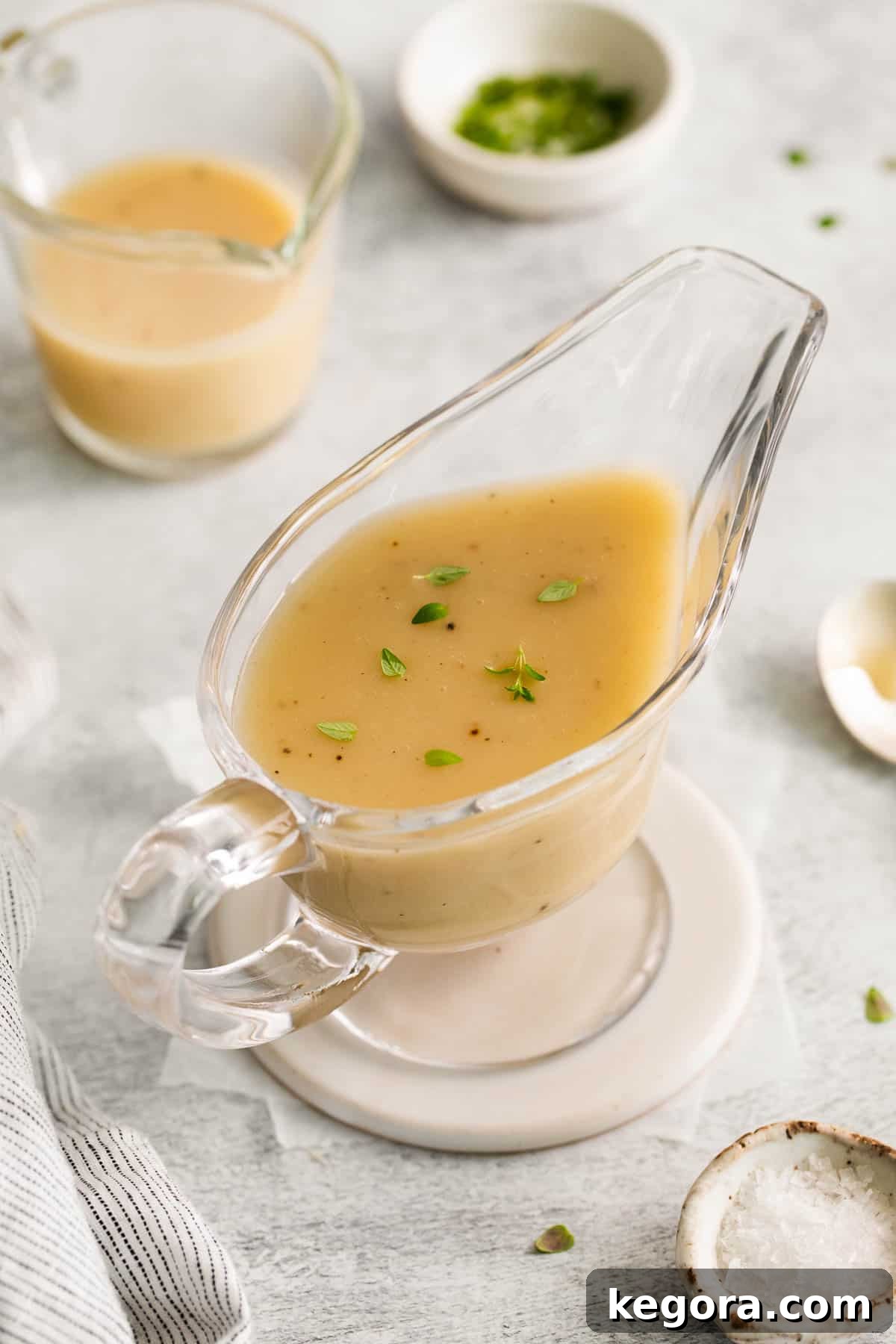
Utilize high-quality, gluten-free chicken broth to prepare a rich and delicious gluten-free gravy. You might also find it invaluable in these other fantastic recipes: gluten-free stir-fry sauce, gluten-free chicken noodle soup, and gluten-free cheesy potatoes. The possibilities are endless when you have a safe, flavorful base!
Decoding Labels: Suspect Ingredients and Hidden Gluten
When scrutinizing ingredient lists for gluten, “natural flavoring” and “yeast extract” are often the primary culprits to watch out for in products like chicken broth. Understanding their potential origins is crucial for making informed choices and ensuring your chicken broth is truly gluten-free.
Natural Flavoring
The term “natural flavor” or “natural flavoring” is defined by the FDA as a flavoring constituent derived from a natural source (such as a plant, animal, or herb) and used primarily for its taste enhancement rather than its nutritional value. In simpler terms, it means a flavor compound has been extracted from a natural source to enhance taste. The FDA’s broad definition means that “natural flavoring” can encompass a wide array of ingredients.
The challenge for gluten-free consumers lies in the fact that ingredient labels rarely specify the exact source of these natural flavorings. While many are benign and inherently gluten-free (e.g., extracts from spices, fruits, or vegetables), some can be derived from gluten-containing grains. For instance, barley malt extract is sometimes used as a natural flavor, which would clearly not be gluten-free. However, under U.S. food labeling regulations, if a natural flavoring contains a major allergen like wheat, it *must* be declared in the allergen statement (e.g., “Contains: Wheat”) prominently on the label. If a product is explicitly labeled as “gluten-free” by the manufacturer, or better yet, carries a third-party gluten-free certification, you can be confident that any natural flavorings used are from gluten-free sources and meet the FDA’s standard of less than 20 ppm of gluten.
Yeast Extract
Yeast extract is another ingredient that can cause confusion for those on a gluten-free diet. It’s a popular flavor enhancer known for its umami qualities, often used to add a savory depth similar to monosodium glutamate (MSG). Yeast extract is typically made by concentrating the intracellular contents of yeast cells after their cell walls have been broken down. While yeast itself is naturally gluten-free, the concern arises from the medium in which the yeast is grown or processed.
If yeast extract is derived from brewer’s yeast that has been cultivated on barley or other gluten-containing grains (a common practice in brewing), it can retain trace amounts of gluten. If the concentration of gluten exceeds 20 ppm, the product cannot be legally labeled “gluten-free” in the U.S. Therefore, when chicken broth contains yeast extract, it is imperative to look for a clear “gluten-free” label or certification on the packaging. Without this explicit assurance, the yeast extract could be a hidden source of gluten, making the product unsafe for individuals with celiac disease or severe gluten sensitivity. Always prioritize products with a verified gluten-free claim.
Explore the different types of yeast and determine which varieties are gluten-free in this informative article!
Other Potential Hidden Gluten Sources
While less common in pure chicken broth, it’s wise to be aware of other ingredients that might occasionally contain gluten, especially in more complex broths, stocks, or gravies:
- Modified Food Starch: Can be derived from wheat. Always look for “corn starch” or “tapioca starch” if not clearly labeled gluten-free. If simply listed as “modified food starch” without further clarification and no gluten-free claim, proceed with caution.
- Soy Sauce: Traditional soy sauce contains wheat. Ensure “tamari” (a gluten-free alternative) is specified or the product is certified GF. Always check dressings, marinades, or Asian-inspired broths.
- Hydrolyzed Vegetable Protein (HVP): Can sometimes be wheat-based. Again, the absence of a gluten-free label warrants suspicion.
Beyond ingredients, cross-contamination during manufacturing is also a significant risk. Shared equipment or facilities that process gluten-containing products can inadvertently introduce gluten into otherwise gluten-free items. This is precisely why official “gluten-free” labeling is so vital, as it indicates manufacturers have implemented stringent measures to prevent such contamination and adhere to the 20 ppm standard.
Identifying Truly Gluten-Free Broth: What to Look For
Making safe choices in the grocery store requires knowing what signs to look for on product packaging. Here’s how to confidently identify truly gluten-free chicken broth:
- “Gluten-Free” Label: This is the most straightforward indicator. In the U.S., this label means the product contains less than 20 ppm of gluten, as regulated by the FDA. It implies manufacturers have tested the product and taken steps to prevent cross-contamination.
- Third-Party Certifications: Look for symbols from independent organizations like the Gluten-Free Certification Organization (GFCO) or NSF International. These certifications often signify even stricter standards (e.g., <10 ppm gluten) and require regular audits of manufacturing facilities, offering an extra layer of assurance.
- Allergen Statements: Always check the “Contains:” statement near the ingredient list. If it lists “Wheat” (or barley/rye derivatives), the product is not gluten-free. Even if not directly listed, any “May Contain Wheat” warning should be a red flag for celiacs.
- Ingredient List Scrutiny: Familiarize yourself with common gluten-containing ingredients and their aliases. If a product lacks a “gluten-free” label, you’ll need to carefully read every ingredient.
- Contacting Manufacturers: If you are ever in doubt about a product’s gluten-free status, especially with specific ingredients like “natural flavors” or “yeast extract” where no “gluten-free” label is present, don’t hesitate to contact the manufacturer directly through their website or customer service line for clarification.
Gluten-Free Chicken Broth Brands: Your Reliable Choices
Navigating the grocery aisles for gluten-free options can be challenging, but thankfully, many reputable brands produce chicken broths that are clearly labeled and safe for those on a gluten-free diet. These companies understand the importance of clear communication and often go through rigorous testing to ensure their products meet gluten-free standards. Here’s a list of brands commonly found to be celiac-friendly:
- Swanson: A widely available and trusted brand with numerous clearly labeled gluten-free options, known for its rigorous testing protocols.
- College Inn: Offers several gluten-free broth varieties. Always double-check specific products, as their turkey broth, for example, has historically contained wheat-based soy sauce.
- Kettle & Fire: Specializes in high-quality bone broths, all designed to be certified gluten-free, often appealing to those looking for higher protein and collagen options.
- Imagine Foods: Known for their organic and natural products, many of which are certified gluten-free and have clear labeling.
- Bare Bones: Another brand focusing on premium bone broths, committed to being gluten-free for health-conscious consumers.
- Pacific Foods: Offers a broad range of organic and natural broths and stocks, many of which are explicitly labeled gluten-free and easily identifiable.
- Kitchen Basics: A popular choice with a good selection of gluten-free broths and stocks, often found in conventional grocery stores.
- Trader Joe’s: Many of their house-brand products, including various chicken broths and stocks, are labeled gluten-free, offering convenient and affordable options.
- Great Value (Walmart): Walmart’s store brand offers an affordable and clearly labeled gluten-free chicken broth, a reliable choice for everyday cooking.
- Chef’s Cupboard (Aldi): Aldi’s house brand often provides gluten-free chicken broth options, offering good value and accessibility.
*Important Reminder: Even with trusted brands, product formulations can change, and not all products within a brand’s entire line may be gluten-free. For instance, while College Inn produces many gluten-free broths, their turkey broth has previously contained soy sauce made with wheat. Therefore, always take a moment to review the ingredient list and allergen statement on the packaging, even if you’re familiar with the brand. Look for the “gluten-free” certification or claim directly on the label. When in doubt, making your own homemade broth is always the safest and freshest option.
In-Depth Look: Swanson Chicken Broth and Great Value
Let’s delve deeper into two of the most popular and accessible chicken broth brands, examining their gluten-free status and why they can be trusted.
Is Swanson Chicken Broth Gluten Free?
Swanson is a household name in broths and stocks, readily available at nearly every grocery store across the United States. The good news for those avoiding gluten is that the Campbell’s company, which owns Swanson, is transparent about its gluten-free offerings. According to the official Campbell’s website, the following Swanson chicken stocks and broths are specifically verified as gluten-free, demonstrating their commitment to consumer safety:
- Swanson Organic Chicken Broth (Low Sodium & Regular)
- Swanson Natural Goodness 33% Less Sodium Chicken Broth
- Swanson Unsalted Chicken Broth
- Swanson Chicken Broth (Regular, in cartons)
- Swanson Organic Chicken Stock
- Swanson Chicken Stock (Regular)
- Swanson Chicken Bone Broth
These products can be consumed with confidence by individuals with celiac disease or severe gluten sensitivities because Swanson employs a rigorous testing process to ensure their gluten-free claims are accurate and reliable. They explicitly state: “Our products undergo a rigorous testing process before being verified gluten free. First, we take the time to verify each ingredient is gluten free. Then, we analyze the finished product to ensure that it also does not contain gluten.” This comprehensive approach to verification provides an important layer of assurance for gluten-free consumers.
Swanson also extends its gluten-free offerings beyond chicken, including several gluten-free beef and vegetable broths. You can find a complete, up-to-date list of all their certified gluten-free products directly on the Campbell’s Swanson gluten-free page, which is regularly updated to reflect current product lines.
For related information that might assist your gluten-free journey, you might be interested in whether rotisserie chicken is gluten-free, as it’s another common grocery store item.
Is Great Value Chicken Broth Gluten Free?
Great Value, Walmart’s exclusive store brand, offers an accessible and budget-friendly option for many pantry staples, including chicken broth. Their classic chicken broth is indeed labeled as gluten-free directly on Walmart’s website and usually prominently displayed on the packaging itself. This is significant because, like many commercial broths, Great Value chicken broth lists “yeast extract” and “natural flavor” among its ingredients.
As previously discussed, these ingredients can sometimes be problematic for those with gluten sensitivities if not carefully sourced. However, the explicit “gluten-free” label on Great Value products indicates that Walmart and its suppliers have ensured these potentially suspect ingredients are sourced and processed in a way that keeps the final product below the 20 ppm gluten threshold. This means you can generally trust the gluten-free claim for Great Value chicken broth, making it a reliable, economical, and safe choice for gluten-free cooking.
For further guidance on navigating gluten-free choices across various food categories, explore our articles on gluten-free cereal, gluten-free graham crackers, gluten-free pretzels, and is popcorn gluten-free. These resources can help you build a comprehensive understanding of a gluten-free lifestyle.
Culinary Uses and Benefits of Gluten-Free Chicken Broth
Beyond its safety for those with gluten sensitivities, gluten-free chicken broth offers immense culinary versatility and several potential health benefits. It’s not just a cooking liquid; it’s an ingredient that can transform dishes from simple to spectacular.
- Soup and Stew Base: This is its most obvious application, providing a flavorful foundation for everything from hearty winter stews to light, summery vegetable soups. It’s the soul of classic dishes like chicken noodle soup, minestrone, and creamy chowders.
- Sauces and Gravies: Essential for deglazing pans, creating rich pan sauces, or whisking into a smooth, gluten-free gravy. Its savory notes can elevate simple roasted meats and vegetables.
- Cooking Grains: Use broth instead of water when cooking rice, quinoa, couscous (ensure GF variety), or polenta to infuse them with deeper, more complex flavors, making them far from bland side dishes.
- Braising and Poaching: Ideal for braising meats like short ribs or chicken thighs, ensuring they remain moist, tender, and absorb delicious flavors. It’s also perfect for poaching delicate fish or chicken breasts.
- Roasting Vegetables: A splash of broth in the roasting pan can add moisture, prevent drying, and enhance the caramelization of root vegetables like potatoes, carrots, and parsnips.
- Deglazing: Perfect for lifting browned bits (fond) from the bottom of a pan after sautéing, forming the basis of a quick, intensely flavorful sauce without needing much effort.
- Beyond Cooking: Warm broth can also serve as a comforting, hydrating beverage, especially beneficial during illness or as a soothing evening drink.
From a nutritional standpoint, chicken broth provides essential hydration and can be a source of easily digestible amino acids. Bone broth versions, in particular, are lauded for their collagen content, which may support gut health, joint health, and skin elasticity. It’s a comforting, nutrient-dense liquid that can support overall well-being and contribute to a balanced diet.
Frequently Asked Questions About Gluten-Free Chicken Broth
Is there gluten in Campbell’s chicken broth?
It’s crucial to distinguish between Campbell’s standard condensed chicken broth and Swanson broths (also a Campbell’s brand). Campbell’s traditional condensed chicken broth is generally NOT suitable for a gluten-free diet. The allergen statement on its ingredients label often indicates “May contain traces of wheat,” or lists wheat directly as an ingredient. For anyone with celiac disease or severe gluten sensitivity, this presents too great a risk of gluten exposure and potential adverse reactions. Instead, always opt for commercial chicken broth that is explicitly labeled “gluten-free,” such as many varieties of Swanson broth, to avoid cross-contamination and ensure safety.
Is chicken broth safe for celiacs?
Yes, chicken broth can be safe for individuals with celiac disease, but only if it is clearly labeled “gluten-free.” This label signifies that the product meets the FDA’s standard of less than 20 parts per million of gluten, and that manufacturers have implemented strict procedures to prevent cross-contamination from gluten-containing ingredients. Always check labels meticulously for this explicit claim. Additionally, making your own homemade chicken broth from naturally gluten-free ingredients (chicken, vegetables, water, salt, herbs) is always a delicious, healthy, and 100% safe option, as you control every component.
Does chicken stock contain gluten?
Like chicken broth, chicken stock is typically gluten-free in its basic form, made from bones, vegetables, and water. However, the same caveats apply: you must be very diligent in reading labels and checking for allergen warnings on store-bought varieties. Commercial chicken stocks may also contain “natural flavors” or “yeast extract” that could potentially harbor hidden gluten if derived from gluten-containing grains. Your safest choice for celiacs and anyone avoiding gluten is to select store-bought stock that is certified or explicitly labeled “gluten-free.” Swanson is a popular and reliable brand that carries various gluten-free chicken stocks.
What is the difference between broth and stock regarding gluten?
The primary difference between broth and stock lies in their preparation and ingredients – broth is usually made with meat and some bones, simmered for a shorter time, while stock is primarily made from bones (often roasted) and simmered longer, yielding more gelatin and a richer mouthfeel. From a gluten perspective, both are naturally gluten-free in their pure forms, as the core ingredients (meat, bones, vegetables, water) do not contain gluten. The risk of gluten contamination or added gluten-containing ingredients (like certain flavorings) is similar for both commercial broth and stock products. Therefore, the same advice applies to both: always check the label for a “gluten-free” claim, regardless of whether you’re buying broth or stock.
Can I make my own gluten-free chicken broth?
Absolutely! Making your own chicken broth is not only incredibly easy but also the most guaranteed way to ensure it’s 100% gluten-free. By using fresh, whole ingredients like chicken bones and meat, naturally gluten-free vegetables (carrots, celery, onions), herbs, and spices, you maintain complete control over the entire process. This method eliminates any concerns about hidden gluten in “natural flavors,” yeast extract, or cross-contamination from manufacturing facilities. Homemade broth also often boasts a richer, fresher flavor and more nutritional benefits, making it a superior choice for many home cooks.
The Bottom Line: Choosing Your Gluten-Free Chicken Broth
In conclusion, while chicken broth is frequently gluten-free by nature, it’s not a universal guarantee when opting for store-bought varieties. The golden rule for those adhering to a gluten-free diet is always to exercise caution and carefully inspect product labels. Prioritize purchasing store-bought broth that explicitly states “gluten-free” or carries a reputable third-party gluten-free certification logo.
Be particularly vigilant for potentially problematic ingredients such as “natural flavors” and “yeast extract.” These components, while often harmless, *could* originate from gluten-containing sources. However, if the chicken broth is certified gluten-free, you can confidently proceed, as the manufacturer has verified that these ingredients do not contribute gluten above the acceptable threshold of 20 ppm and that cross-contamination risks have been managed.
When in doubt, or if you simply prefer the freshest, purest flavor and maximum control over your ingredients, consider making your own chicken broth at home! It’s a healthy, delicious, and entirely controllable option, ensuring your broth is always made from your own carefully selected, naturally gluten-free ingredients, providing ultimate peace of mind for your gluten-free lifestyle.
MORE ARTICLES ON GLUTEN-FREE LIVING
Gluten-Free Cake Pops
Gluten-Free Dairy Free Banana Protein Pancakes (30g Protein!)
Gluten-Free Peppermint Meltaways
Bake These 16 Gluten-Free Christmas Cookies Before the Holidays Hit Full Speed
Gluten-Free Chocolate Turtle Cookies
Christmas Tree Crispy Treats