
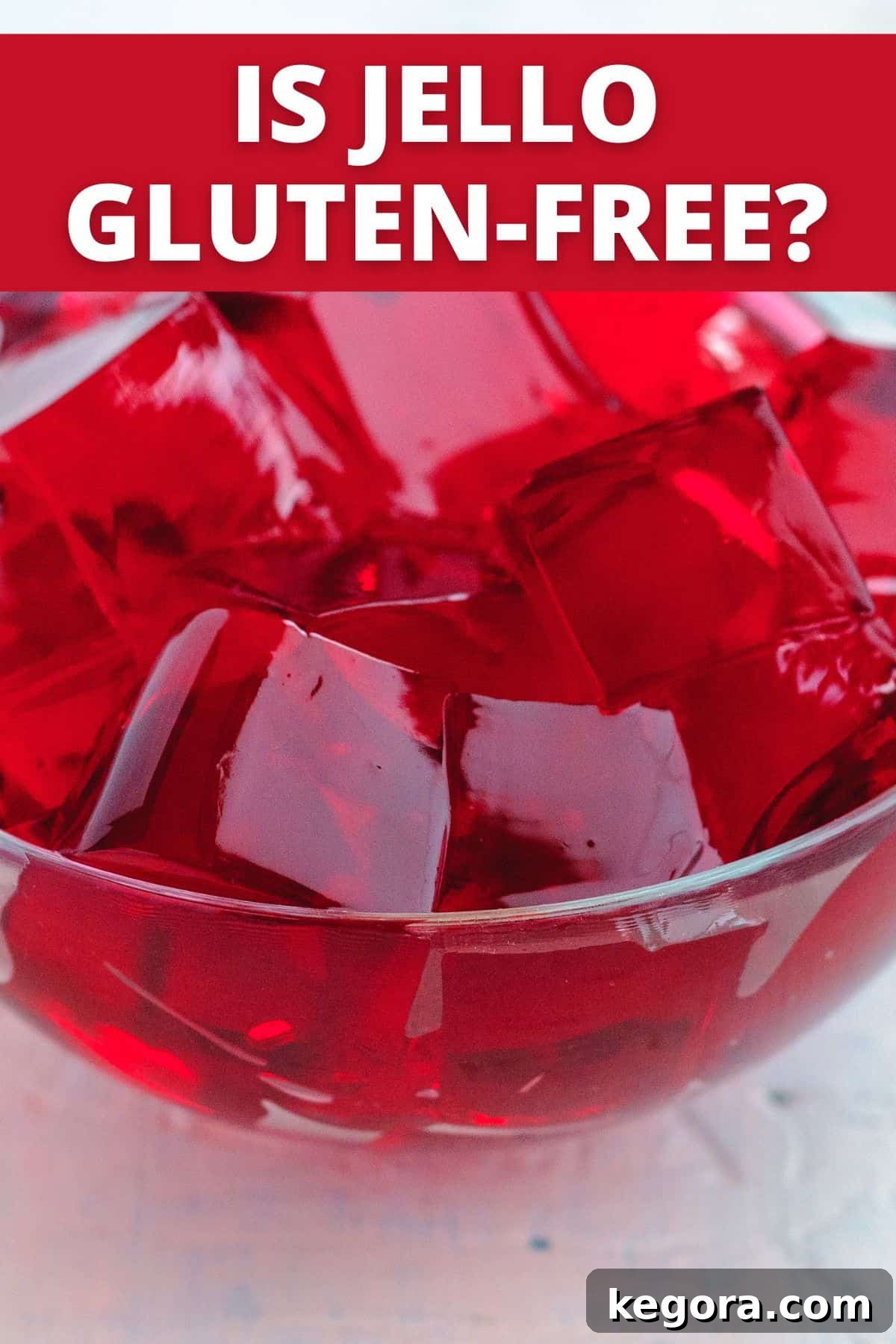
Navigating a gluten-free diet can often feel like a puzzle, especially when it comes to popular desserts and packaged snacks. A common question that arises for many is: “Is Jello gluten-free?” This vibrant, jiggly dessert has been a staple at family gatherings, school parties, and hospital cafeterias for decades. Its whimsical nature brings joy to both children and adults, but for those managing celiac disease, gluten sensitivity, or simply choosing a gluten-free lifestyle, understanding its ingredients is crucial. This comprehensive guide will delve into the world of Jello, exploring its gluten-free status, the nuances of certification, and offering safe alternatives to ensure you can enjoy this classic treat without worry.
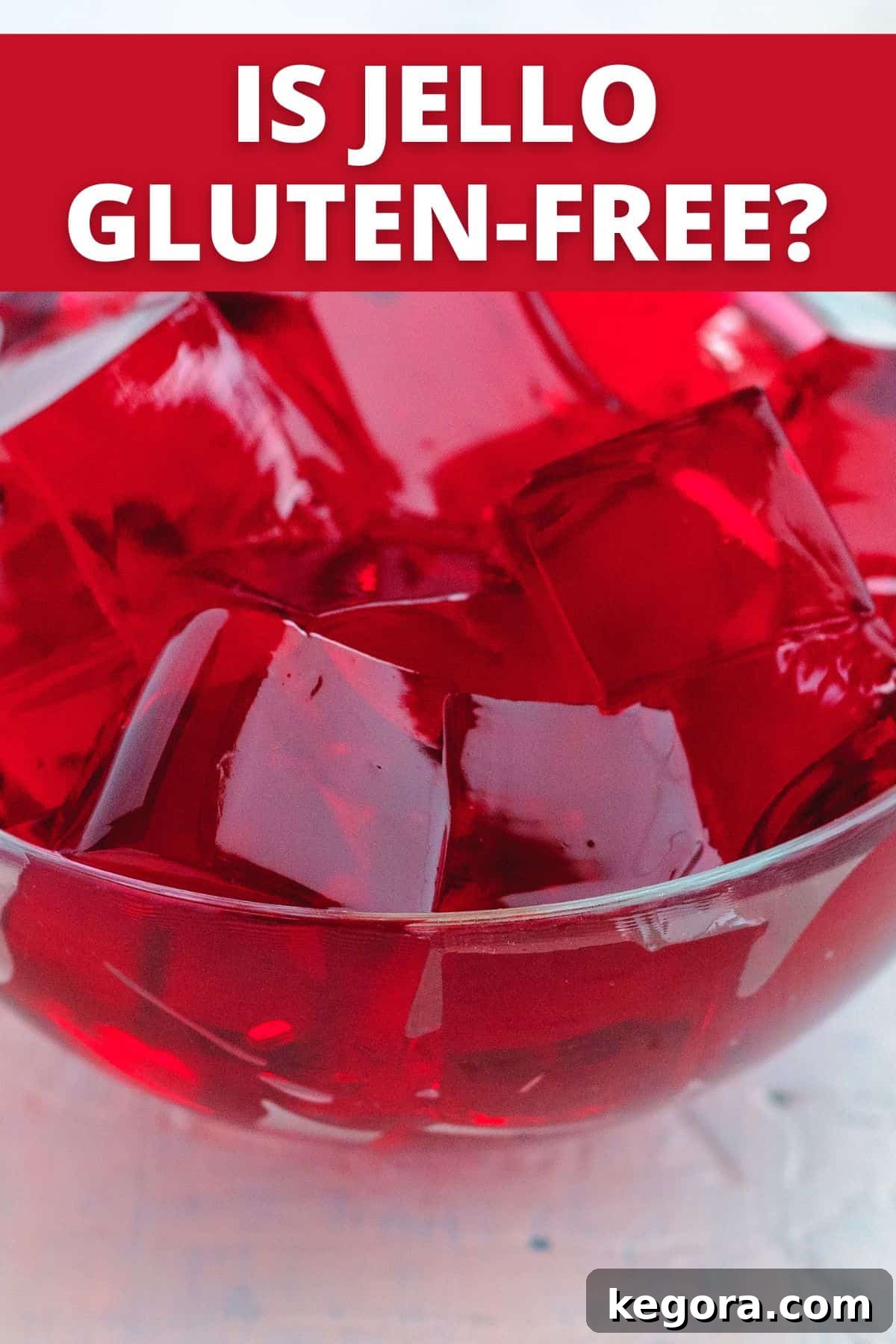
Since its popularization in the 1950s, Jello, known for its unique texture and array of flavors, has cemented its place in American culture. From elaborate layered molds to simple, refreshing cups, its versatility in dessert creation is unmatched. But beyond its nostalgic appeal, a fundamental question often emerges for those on a restricted diet: Is this beloved dessert compatible with a gluten-free lifestyle? The simple answer is generally reassuring, but with important distinctions that every gluten-conscious consumer should understand.
Here’s the straightforward answer: Yes, Jell-O brand gelatin dessert is considered gluten-free by ingredients, but it is not officially *certified* gluten-free. This distinction is vital for individuals with varying levels of gluten sensitivity or diagnosed celiac disease.
The Jell-O brand, owned by Kraft Heinz, adheres to a clear labeling policy. The company commits to transparently listing any gluten-containing ingredients directly on their product labels. This means that if wheat, barley, rye, or their derivatives are used in a Jell-O product, it will be clearly stated in the ingredient list. However, Kraft Heinz does not conduct specific testing on their Jell-O products to ensure they consistently contain less than 20 parts per million (ppm) of gluten, which is the widely accepted standard for “gluten-free” certification in many countries. Furthermore, Jell-O products are typically manufactured in facilities that may also process gluten-containing items, posing a potential, albeit low, risk of cross-contamination. Due to these factors, the Jell-O brand refrains from labeling their products as officially “certified gluten-free.”
Quick Answer: Unpacking Jello’s Gluten-Free Status
To elaborate on the quick answer, let’s examine the core ingredients of traditional Jell-O gelatin dessert. These typically include water, gelatin (derived from animal collagen, a protein that is naturally gluten-free), sugar or artificial sweeteners, artificial flavors, and food coloring. None of these primary components are derived from gluten-containing grains like wheat, barley, or rye. From an ingredient standpoint, Jell-O is inherently gluten-free.
The primary reason Jell-O doesn’t carry a “gluten-free” label is tied to manufacturing practices and certification standards. While the ingredients themselves are free of gluten, the production facilities are not dedicated gluten-free environments. This means there’s a theoretical risk of cross-contact with gluten-containing products on shared lines or in the general factory atmosphere. For individuals with celiac disease, even trace amounts of gluten can trigger adverse reactions, making this lack of certification a point of consideration.
Despite this, for most people following a gluten-free diet, including many with celiac disease, Jell-O is generally considered safe to consume. The risk of significant cross-contamination is often low for products composed of naturally gluten-free ingredients, but it’s not zero. Personal tolerance levels play a crucial role in deciding whether to consume uncertified products.
For more insights into gluten-free living and specific product queries, explore our articles on is oat milk gluten-free, are marshmallows gluten-free, are cheetos gluten-free, and are potato chips gluten-free. If you have a sweet tooth, check out our guides on gluten-free candy like are reeses gluten-free, are skittles gluten-free, are Swedish fish gluten-free, are M&Ms gluten-free and are Starburst gluten-free. You might also find our article on gluten-free Chick-fil-A helpful!
Jell-O Brand Varieties: What’s Safe to Eat?
When we talk about “Jello,” we often refer to the classic gelatin dessert. It’s important to differentiate this from other Jell-O brand products, such as puddings, tapioca, or cheesecake mixes, which may contain different ingredients and therefore have different gluten statuses. While most Jell-O brand gelatin desserts are made with naturally gluten-free ingredients, the same cannot be automatically assumed for their entire product line. Always double-check the ingredient list for any Jell-O product that isn’t a simple gelatin dessert.
For the classic Jell-O gelatin dessert, almost all standard varieties are formulated without gluten-containing ingredients. However, as previously mentioned, they do not undergo certification to guarantee a gluten level below 20 ppm. For most individuals with gluten sensitivity, these products are well-tolerated. But for those with highly sensitive celiac disease, where even minimal cross-contamination can cause symptoms, extreme caution or opting for certified gluten-free alternatives might be a safer approach.
Here’s a list of Jell-O brand gelatin desserts that are generally considered gluten-free by ingredients. This list covers popular flavors and variations, but it is always advisable to check the packaging of the specific product you intend to purchase, as formulations can occasionally change:
- Jell-O Original Strawberry Gelatin Snacks
- Jell-O Raspberry Sugar Free Gelatin Dessert
- Jell-O Sours Blue Raspberry Gelatin Snacks
- Jell-O Berry Blue Gelatin Dessert
- Jell-O Blackberry Fusion Gelatin Dessert
- Jell-O Black Cherry Gelatin Dessert
- Jell-O Blueberry Pomegranate Gelatin Dessert
- Jell-O Peach Gelatin Dessert
- Jell-O Watermelon Gelatin Dessert
- Jell-O Cherry Gelatin Dessert
- Jell-O Cranberry Gelatin Dessert
- Jell-O Mango Gelatin Dessert
- Jell-O Lemon Gelatin Dessert
- Jell-O Lime Gelatin Dessert
- Jell-O Orange Sugar Free Gelatin Dessert
- Jell-O Strawberry Banana Gelatin Dessert
Remember, this list specifically pertains to the gelatin dessert mixes and prepared gelatin snacks. Always exercise due diligence by reading the ingredient labels on any other Jell-O brand products you consider. For example, Jell-O Instant Pudding and Pie Fillings are also generally considered gluten-free by ingredients, with their primary thickener being modified cornstarch, which is naturally gluten-free. However, the same lack of “certified gluten-free” status applies due to shared manufacturing facilities.
Exploring Certified Gluten-Free Gelatin Dessert Alternatives
While the Jell-O brand offers a wide range of gluten-free-by-ingredient options, some consumers, particularly those with celiac disease or severe gluten sensitivities, may prefer products with official gluten-free certification. Fortunately, Jell-O is just one brand among many offering gelatin desserts, and several companies specifically cater to the gluten-free market. These alternatives often provide an added layer of assurance through rigorous testing and dedicated production practices.
Most gelatin desserts, regardless of brand, utilize gelatin as their primary structural component, which is naturally gluten-free. The key differentiators among brands often lie in their sweeteners, flavorings, colorings, and, most importantly, their manufacturing environment and certification status. Here are some excellent certified gluten-free (or similarly stringent) gelatin dessert brands to consider:
- Simply Delish: This brand stands out as a top choice for individuals seeking certified gluten-free options. Simply Delish Jel desserts are not only certified gluten-free but also kosher, keto-certified, and non-GMO verified. Their commitment to natural ingredients means they are plant-based (using plant-derived gelling agents instead of animal gelatin) and made with natural sweeteners and natural flavors. This makes Simply Delish an excellent option for those with dietary restrictions beyond just gluten, including vegans and those avoiding artificial ingredients.
- Bakol Jel Dessert: Bakol offers another fantastic certified gluten-free option. This all-natural, vegan gelatin dessert mix is also kosher and halal. What makes Bakol particularly convenient is the clear “gluten-free” label prominently displayed right on the box, providing immediate assurance to consumers. Their dedication to natural ingredients and multiple dietary certifications makes them a reliable choice for a safe and delicious dessert. You can often find Bakol Jel Dessert on platforms like Amazon.
- Simple Mixes: For those who don’t require a vegan option but prioritize gluten-free certification, Simple Mixes provides a safe and high-quality alternative. This brand is certified gluten-free, making it a trustworthy choice for individuals with celiac disease. Unlike Simply Delish and Bakol, Simple Mixes uses beef gelatin, so it is not vegan. Their products are made with cane sugar, citric acid, natural coloring (avoiding artificial colors), and other carefully selected ingredients, ensuring a wholesome dessert experience. You can explore their offerings on platforms like Amazon.
- Royal Gelatin: Similar to the Jell-O brand, Royal Gelatin desserts are made with ingredients that are naturally free of gluten. While Royal also does not carry an official “certified gluten-free” label due to manufacturing practices, many gluten-free consumers feel comfortable consuming it. The Spoonful app, a popular resource for gluten-free product identification, typically indicates no gluten detected in Royal Gelatin products, suggesting a very low risk of cross-contamination. You can find more information about their products on the Royal Desserts website.
When choosing among these options, consider your personal sensitivity to gluten, any other dietary preferences (like vegan or keto), and your comfort level with uncertified products. The availability of certified gluten-free gelatin desserts ensures that everyone can enjoy this delightful treat with confidence.
Frequently Asked Questions About Jello and Gluten-Free Diets
Jell-O gelatin desserts and Jell-O instant pudding are made with naturally gluten-free ingredients. This means their core components are not derived from wheat, barley, or rye. Consequently, for most individuals on a gluten-free diet, these products are considered safe for consumption. However, the brand does not perform testing to confirm that the products consistently contain less than 20 parts per million (ppm) of gluten, which is the standard for “certified gluten-free.” Because of this, and the potential for cross-contact in shared manufacturing facilities, Jell-O products are not officially certified gluten-free.
Similar to Jell-O gelatin desserts, Jell-O instant pudding and pie fillings are formulated with ingredients that are free of gluten. Key ingredients typically include sugar, modified cornstarch (a naturally gluten-free thickener), dextrose, artificial flavors, and artificial colors. Most gluten-free individuals consume Jell-O pudding without issue. However, due to its production in facilities that also handle gluten-containing items and the absence of specific gluten testing below 20 ppm, Jell-O pudding is not certified gluten-free. Always check the ingredient label for the most current information, especially for any specialty pudding mixes that might contain unique additives.
Yes, Cool Whip, a popular topping often paired with Jell-O desserts, is considered gluten-free and is safe for individuals following a gluten-free diet. Its primary ingredients, such as skim milk, hydrogenated vegetable oil, and high fructose corn syrup, do not contain gluten. Cool Whip is also manufactured by Kraft Heinz, which follows the same clear labeling policy regarding gluten-containing ingredients. As with Jell-O, while it’s gluten-free by ingredients, it’s not officially certified gluten-free, but the risk of cross-contamination is generally considered negligible for this product.
Gelatin, the key ingredient giving Jell-O its characteristic jiggly texture, is a protein derived from animal collagen. Specifically, it’s typically extracted from the bones, connective tissues, and skin of animals like pigs and cows. This natural protein source is inherently gluten-free. It’s important to note that while animal-derived gelatin is gluten-free, some modern “jels” or gelling agents for plant-based desserts use alternatives like agar-agar or carrageenan, which are also naturally gluten-free.
Absolutely! Making your own gluten-free gelatin dessert at home is a simple and rewarding way to ensure it meets your dietary needs, especially if you have high sensitivities or prefer to avoid artificial ingredients. You can use unflavored, unsweetened gelatin (such as Great Lakes Gelatin or Knox Gelatine, both naturally gluten-free) combined with 100% fruit juice, pureed fruit, or natural flavorings and sweeteners. This method allows you complete control over all ingredients, eliminating any concerns about cross-contamination or hidden gluten. It’s a fantastic option for a truly customized and safe gluten-free treat.
The Bottom Line: Enjoying Jello on a Gluten-Free Diet
So, to reiterate the core question: Is Jello gluten-free? Yes, Jell-O brand gelatin dessert is overwhelmingly considered a safe choice for those on a gluten-free diet, given its naturally gluten-free ingredient list. A thorough review of Jell-O’s ingredients will confirm the absence of wheat, barley, rye, or any of their derivatives, aligning with the dietary requirements for avoiding gluten.
The primary caveat lies in the fact that Kraft Heinz Jell-O products are not officially *certified* gluten-free. This is due to their manufacturing processes, which do not guarantee that gluten levels are consistently below the 20 ppm threshold required for certification, and the use of facilities that may also process gluten-containing foods. For the vast majority of individuals with celiac disease or gluten intolerance, this risk of cross-contamination is often deemed minimal and does not typically cause adverse reactions.
However, personal sensitivity to gluten varies greatly. If you have a severe form of celiac disease or a heightened sensitivity where even trace amounts of gluten cause significant symptoms, you might prefer to err on the side of caution. In such cases, opting for brands that are explicitly certified gluten-free, like Simply Delish or Bakol Jel Dessert, provides the highest level of assurance.
Ultimately, enjoying Jello on a gluten-free diet comes down to understanding the distinction between “gluten-free by ingredients” and “certified gluten-free,” and assessing your personal tolerance. For most, Jell-O gelatin dessert and even Jell-O pudding mixes are a delightful and safe indulgence. For those who prioritize absolute certainty, the market offers excellent certified gluten-free alternatives that deliver the same jiggly fun without any gluten-related concerns. Always read labels, and when in doubt, choose a certified option or consider making your own homemade gelatin dessert for ultimate peace of mind.