
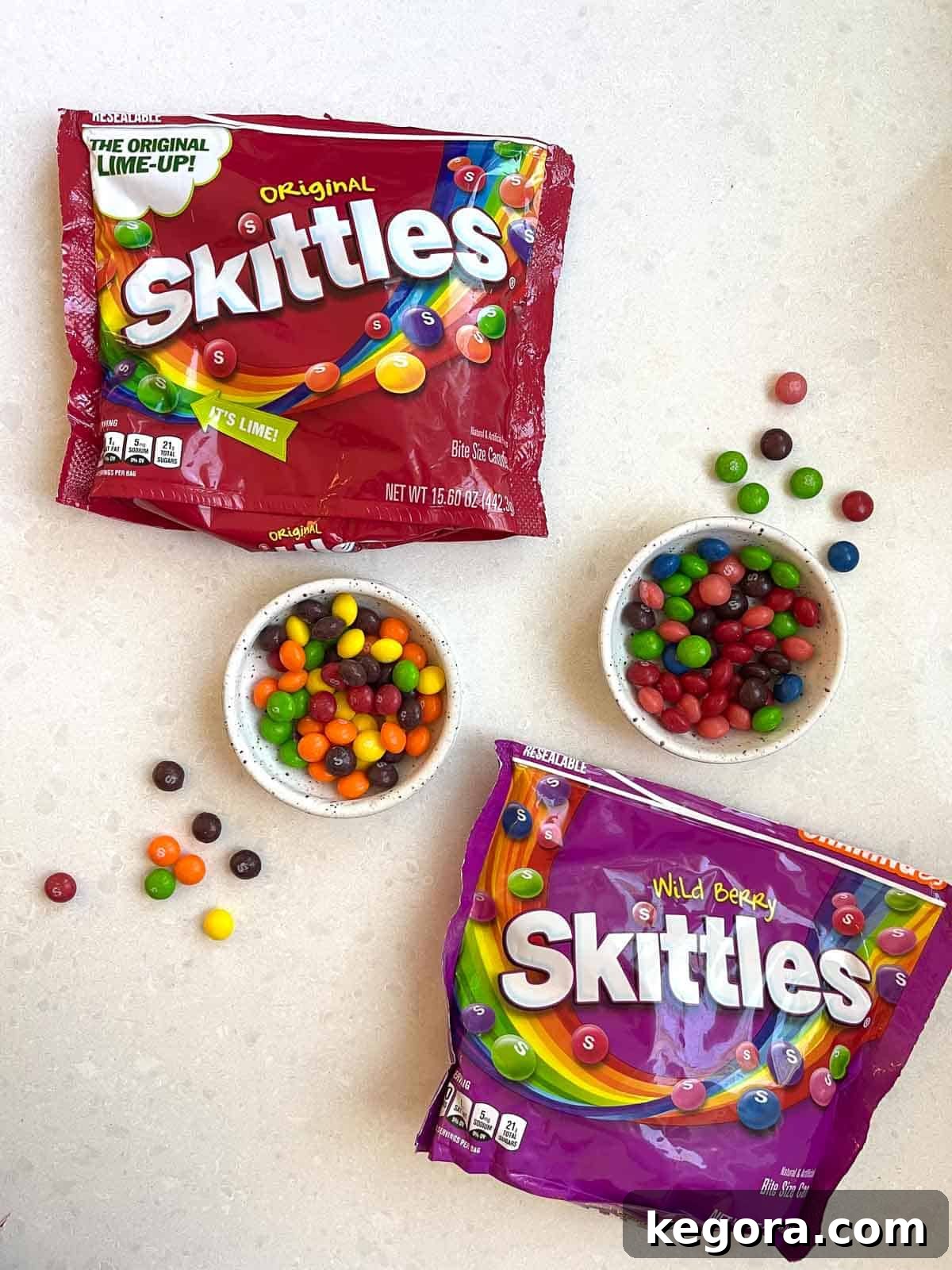
Embark on a sweet journey to discover if everyone’s favorite rainbow candy, Skittles, aligns with a gluten-free lifestyle. This comprehensive guide delves into ingredients, manufacturing processes, and important considerations for those managing gluten sensitivities or celiac disease.
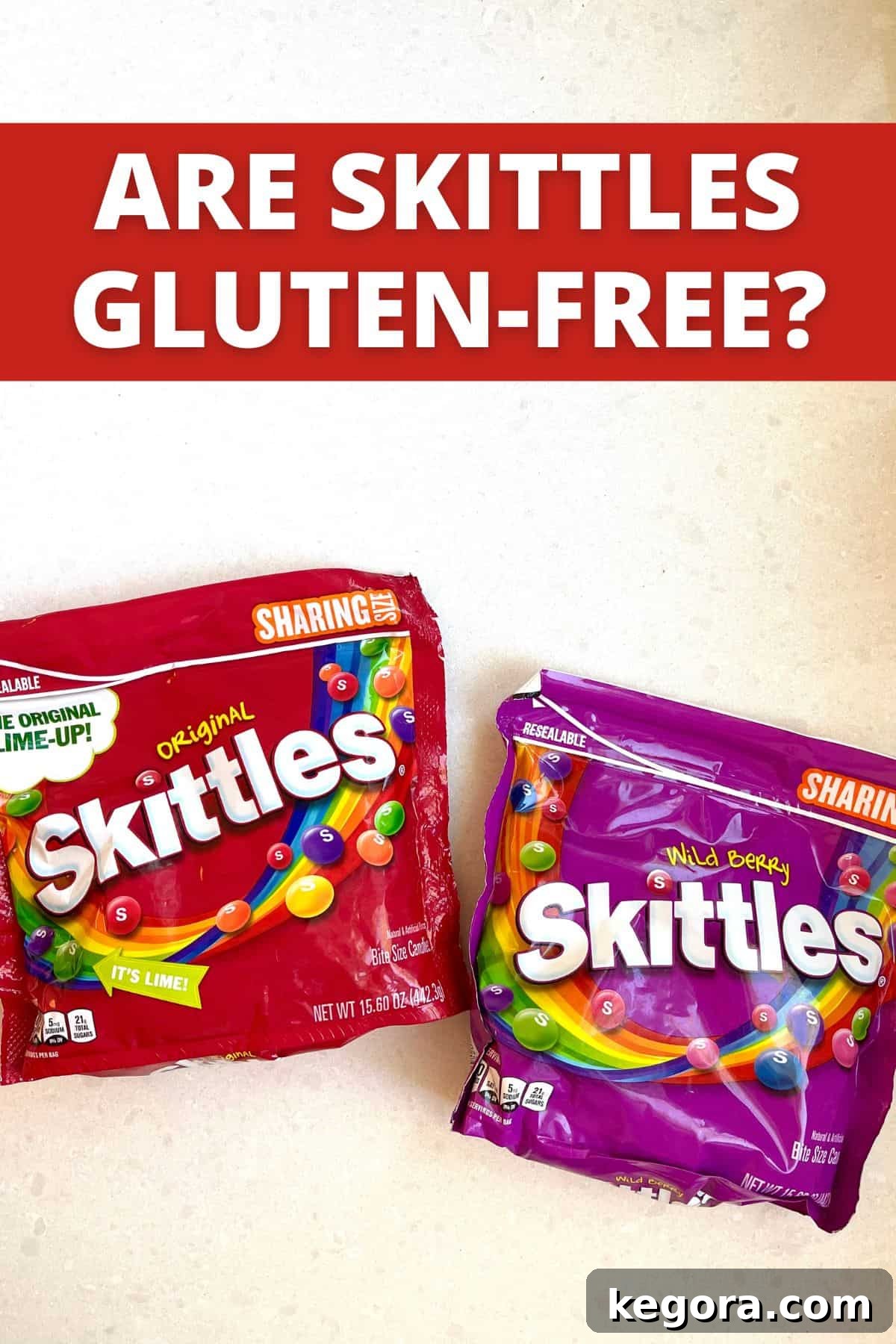
Skittles have long held a special place in the hearts of candy lovers across the globe. With their vibrant colors, distinct fruity flavors, and satisfying chewy texture, they evoke a sense of childhood nostalgia and simple joy. From schoolyard trades to movie night treats, these iconic candies offer a burst of flavor that’s hard to resist, making you “taste the rainbow” with every piece.
The brand’s commitment to its fanbase is evident, famously reintroducing the beloved Lime flavor after popular demand, proving that Skittles isn’t just a candy, but a cultural phenomenon. Its widespread appeal and diverse flavor range — from classic fruity to sour and wild berry — solidify its position as one of America’s top candy brands.
However, for individuals adhering to a gluten-free diet, a crucial question often arises amidst the craving: Are Skittles gluten-free? Navigating the world of packaged foods with dietary restrictions can be challenging, especially when it comes to snacks and sweets. Understanding the ingredients and manufacturing practices is paramount for making informed choices.
The quick answer is reassuring for most: Yes, Skittles produced in the United States are generally considered gluten-free. However, it’s vital to note that while they are made without gluten-containing ingredients, they are not officially “certified gluten-free.” This distinction carries important implications, primarily due to the potential for cross-contamination during the manufacturing process.
Decoding Skittles: Are They Truly Gluten-Free?
For those living with celiac disease or gluten sensitivity, the good news is that Skittles can typically be enjoyed without worry. The Mars Wrigley company, the manufacturer of Skittles, formulates its products in the United States without any gluten-containing ingredients. This means that, based on their declared ingredient list, Skittles do not inherently contain wheat, barley, or rye components.
However, the absence of a “certified gluten-free” label is a key detail. Gluten-free certification often involves rigorous third-party testing to ensure a product consistently contains less than 20 parts per million (ppm) of gluten, which is the widely accepted standard for safe consumption by individuals with celiac disease. Since Mars Wrigley does not undergo this specific certification process for Skittles, there’s a theoretical, albeit often low, risk of cross-contamination. This could occur if Skittles are produced on shared equipment with other products that do contain gluten, even if the equipment is thoroughly cleaned between runs.
For most individuals managing a gluten-free diet, this level of risk is acceptable. Many “naturally gluten-free” products, like plain fruits or vegetables, do not carry a certification, but are considered safe. The decision to consume non-certified products ultimately depends on an individual’s level of sensitivity and comfort. Those with extreme gluten allergies or highly severe celiac disease might opt for explicitly certified products for complete peace of mind.
Let’s examine the common ingredients found in Skittles, which consistently demonstrate their gluten-free nature:
- Sugar
- Corn Syrup
- Hydrogenated Palm Kernel Oil
- Modified Corn Starch
- Natural and Artificial Flavors
- Citric Acid
- Tapioca Dextrin
- Red 40 Lake
- Yellow 5 Lake
- Blue 2 Lake
- Yellow 6 Lake
- Titanium Dioxide
- Blue 1 Lake
- Yellow 6
- Red 40
- Yellow 5
- Blue 1
- Sodium Citrate
- Carnauba Wax
As you can see, none of these ingredients are derived from wheat, barley, rye, or their derivatives. This comprehensive list confirms why Skittles are widely recognized as a safe choice for those avoiding gluten, placing them among the many candies that naturally fit into a gluten-free regimen. It’s always a good practice, however, to quickly scan the label for any unexpected changes, as formulations can occasionally be updated by manufacturers.
Beyond Skittles, a vast world of gluten-free treats awaits discovery. For more insights into safe candy choices, explore guides on gluten-free candy, are marshmallows gluten-free, are Starburst gluten-free, are Swedish Fish gluten-free, and are M&M’s gluten-free. You might also find answers to your questions about are Sour Patch Kids gluten-free, are Reese’s gluten-free, are Milky Ways gluten-free, and are Snickers gluten-free. For broader dining options, check out articles on gluten-free Chick-Fil-A and gluten-free Wendy’s.
Understanding the Importance of a Gluten-Free Diet
For many, a gluten-free diet isn’t a fad but a medical necessity. Celiac disease, an autoimmune disorder, causes damage to the small intestine when gluten is consumed, leading to nutrient malabsorption and a range of debilitating symptoms. Even non-celiac gluten sensitivity can trigger adverse reactions, from digestive issues to fatigue and skin problems. Adhering strictly to a gluten-free diet is the only effective treatment for these conditions, making accurate information about food products like Skittles incredibly important for maintaining health and quality of life. The careful scrutiny of ingredients and potential for cross-contamination helps individuals avoid discomfort and long-term health complications.
Exploring Gluten-Free Skittles Flavors
Fantastic news for those with a sweet tooth! The expansive world of Skittles flavors generally adheres to the same gluten-free ingredient standard as the original variety. Whether you prefer the classic mix, a tropical twist, or an intense sour kick, you can typically indulge without concern for gluten. The Mars Wrigley company has maintained a consistent approach across its product lines, ensuring that the base ingredients remain free from gluten-containing components. This consistency means you don’t have to limit your “rainbow tasting” experience to just one flavor profile.
The extensive list of Skittles flavors considered gluten-free includes, but is not limited to:
- Skittles Original Fruity Candy
- Tropical Skittles
- Wild Berry Skittles
- Sour Skittles
- Skittles Smoothies
- Crazy Cores Skittles
- Xtreme Skittles
- Crazy Sours Skittles
- Ice Cream Skittles (if still available)
- Skittles Sensations (if still available)
- Sour Wild Berry Skittles
- Tart-N-Tangy Skittles (often a throwback flavor)
This wide array extends to most seasonal and limited-edition flavors as well. However, it is an absolute best practice to perform a quick ingredient check on any Skittles package you purchase. Manufacturer formulations can evolve over time, and regional variations in ingredients, particularly for products sold outside the United States, are common. For instance, Skittles produced in the UK or Canada might have slightly different ingredient lists. Therefore, making a habit of checking the product label for the most current information is always the safest approach to ensure your candy choice remains aligned with your dietary needs.
Are Skittles Vegan?
Beyond their gluten-free status, Skittles also appeal to another specific dietary group: vegans. Unlike many chewy candies that rely on gelatin, an animal-derived product, Skittles are proudly vegan and gelatin-free. The company made a significant shift in its formulation around 2010, removing gelatin and ensuring that all other ingredients are plant-based. This means that Skittles contain no animal products or by-products, making them a suitable sweet treat for those following a vegan lifestyle. This commitment to plant-based ingredients broadens their appeal, allowing more people to enjoy their fruity goodness without compromising their ethical or dietary principles.
Understanding Skittles’ Labeling: Why No Gluten-Free Mark?
A common point of confusion arises from the fact that while Skittles are considered gluten-free by ingredients, they do not feature an explicit “gluten-free” label on their packaging. This is primarily because the Mars Wrigley company, like many large food manufacturers, has chosen not to pursue the official gluten-free certification process for Skittles. This certification requires ongoing testing and compliance to guarantee that products consistently meet the strict threshold of less than 20 ppm of gluten. Without this formal certification, manufacturers typically refrain from labeling their products as “gluten-free” to avoid potential liabilities, even if the ingredients themselves are naturally free of gluten.
Despite the absence of this specific label, a careful review of the ingredient list on any Skittles package will reveal that it is composed entirely of naturally gluten-free components. This transparency in ingredient listing allows consumers to make their own informed decisions based on their individual sensitivity levels and comfort with non-certified products. It’s a testament to the fact that not all gluten-free foods carry a dedicated label, relying instead on consumer diligence in reading ingredient statements.
Skittles and Celiac Disease: A Closer Look
For individuals diagnosed with celiac disease, strict adherence to a gluten-free diet is non-negotiable for their health and well-being. Given that Skittles are manufactured without gluten-containing ingredients, they are generally considered safe for celiac patients. The risk of cross-contamination, while present due to the lack of certification, is often deemed low enough by many in the celiac community to permit consumption. Mars Wrigley’s manufacturing practices are typically robust, designed to minimize such risks, even if not officially certified.
However, the severity of celiac disease and individual reactions to trace amounts of gluten can vary significantly. If you have an extreme gluten allergy, are highly sensitive to even minimal exposure, or prefer absolute certainty, you might consider reaching out directly to Mars Wrigley for their latest information on production lines and cross-contamination protocols. Alternatively, you may choose to opt for only those candies that explicitly carry a “certified gluten-free” seal. For most, however, Skittles remain a safe and enjoyable indulgence.
Are Skittles Gluten- and Dairy-Free?
Adding to their impressive dietary versatility, Skittles are not only considered gluten-free but also dairy-free. This makes them an excellent choice for individuals managing multiple dietary restrictions, such as those with lactose intolerance, milk allergies, or a vegan lifestyle. Skittles do not contain any milk products, casein, or other dairy-derived ingredients, further expanding their accessibility as a widely enjoyed snack.
As previously mentioned, the primary consideration for Skittles and gluten remains the potential for cross-contamination during manufacturing, as they are not officially certified. While the ingredients themselves are free from both gluten and dairy, manufacturing environments can sometimes process multiple products. For those with severe allergies to either gluten or dairy, it’s always prudent to exercise caution and consult with the manufacturer if there’s any uncertainty. However, for the vast majority, Skittles stand as a delicious and safe option that fits both gluten-free and dairy-free dietary needs.
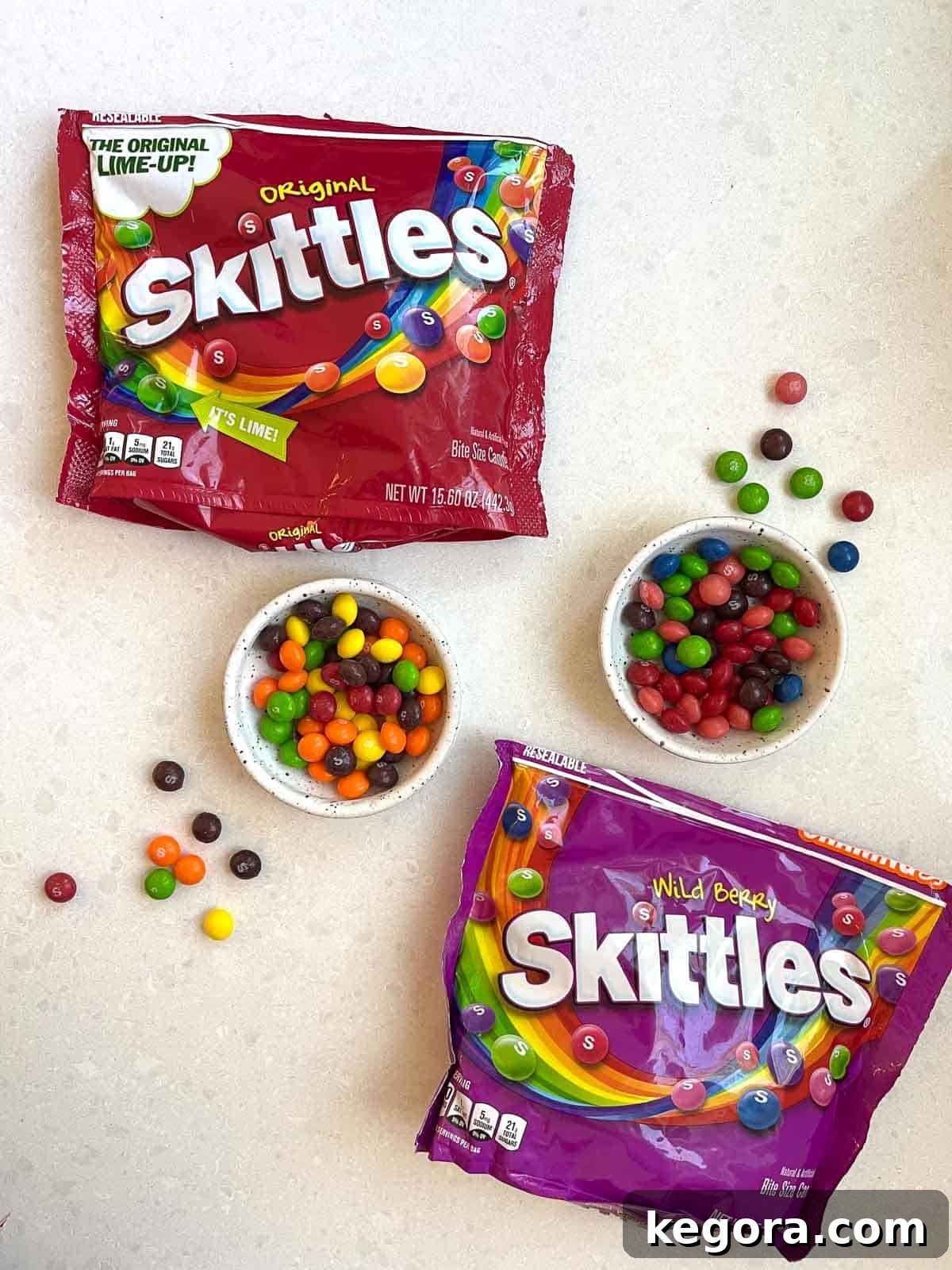
Frequently Asked Questions About Skittles and Gluten
Yes, Sour Skittles, like all other varieties made in the US, are formulated without gluten-containing ingredients and are considered gluten-free. They are not certified gluten-free, so there’s a minimal risk of cross-contamination.
Absolutely. Tropical Skittles are made with the same gluten-free ingredient base as the classic flavors. While they do not carry a “certified gluten-free” label, they are safe for most individuals following a gluten-free diet.
Indeed. Wild Berry Skittles are free from gluten ingredients. Keep in mind that, consistent with the brand’s policy, they are not certified gluten-free, meaning independent testing for gluten levels below 20 ppm is not conducted.
Skittles’ gluten-free status primarily applies to products manufactured for the U.S. market. Ingredient formulations can vary by country, so it is crucial to always check the local packaging for ingredients if you are outside the United States.
It means that while Skittles are made with ingredients that do not contain gluten, they have not undergone the rigorous third-party testing and auditing required to receive an official “certified gluten-free” label. This implies a very low, theoretical risk of cross-contamination from shared manufacturing equipment.
Yes, as of 2024 (and previous years like 2021, 2022, 2023), Skittles continue to be made with gluten-free ingredients by Mars Wrigley in the United States.
Most M&M’s varieties are gluten-free, including the classic Milk Chocolate and Peanut M&M’s. However, specific flavors like Crispy and Pretzel M&M’s do contain gluten and should be avoided. Always check the label.
Yes, Smarties (the American kind, which are small, colorful tablets) are considered a gluten-free candy and are safe for those with gluten allergies or celiac disease.
The Bottom Line: Enjoying Skittles on a Gluten-Free Diet
To reiterate, Skittles are widely considered gluten-free based on their ingredients, though they are not officially certified gluten-free. This means that while no gluten-containing components are intentionally added, a minimal risk of cross-contamination exists in the manufacturing environment.
For the vast majority of individuals managing a gluten-free diet, including those with celiac disease, Skittles are a safe and enjoyable option. Their commitment to using naturally gluten-free ingredients across all flavors, coupled with their vegan and dairy-free status, makes them a versatile treat. However, those with extreme sensitivities or who prefer absolute certainty should always prioritize products with explicit “certified gluten-free” labels or contact the manufacturer directly for specific assurances. For everyone else, go ahead and taste the rainbow, confidently knowing that Skittles are a sweet choice for your gluten-free journey.