
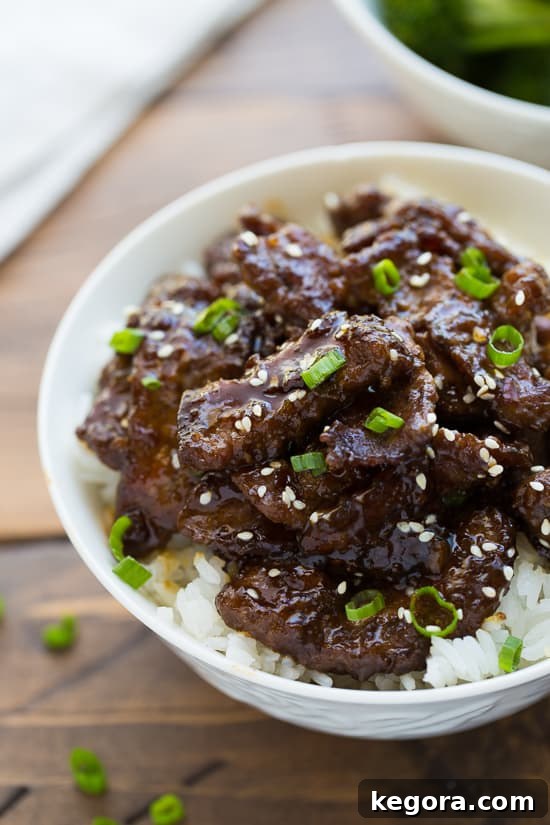
Beef Teriyaki is a culinary masterpiece, renowned for its irresistible blend of sweet and savory flavors. This exceptional dish, often considered a takeout favorite, can be recreated in your own kitchen in approximately 30 minutes. Imagine tender, crispy beef coated in a luscious, homemade teriyaki sauce, all prepared effortlessly in a single pan. This recipe promises a dining experience that not only rivals but often surpasses your go-to restaurant orders, making it a perfect solution for busy weeknights or when a craving for authentic Asian-inspired cuisine strikes.
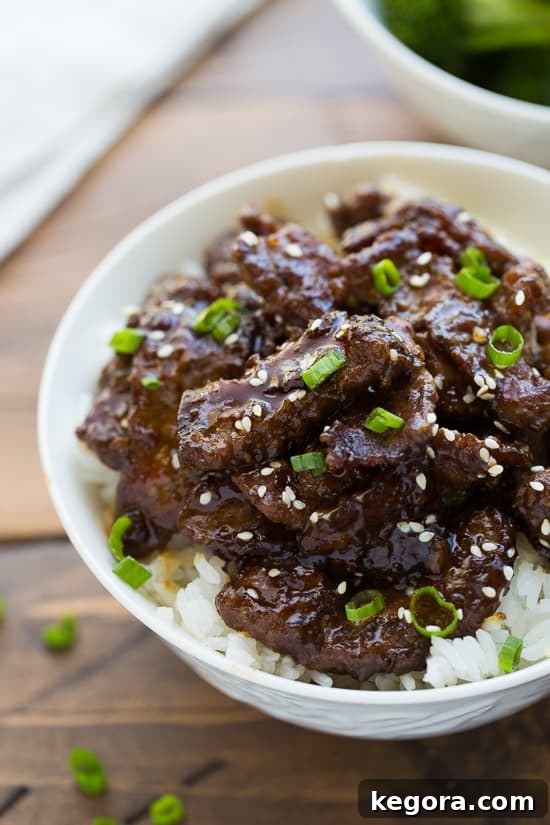
There’s something uniquely satisfying about preparing a beloved restaurant dish from scratch, especially when it’s as quick and rewarding as this homemade beef teriyaki. Each perfectly seared piece of flank steak achieves a delightful crispiness on the exterior, while remaining wonderfully tender within. It’s then generously enveloped in a rich, glossy teriyaki glaze that strikes the perfect balance between sweetness and umami, with a subtle hint of spice. This dish is truly a revelation when served over a steaming bed of fluffy white rice, offering a complete and immensely flavorful meal that will impress everyone at your table.
Unveiling the Essence of Teriyaki: A Culinary Journey
The term “Teriyaki” originates from Japanese cuisine, where “teri” refers to the glaze or luster imparted by the sauce, and “yaki” means grilling, broiling, or pan-frying. Traditionally, teriyaki describes a cooking method where food, typically meat or fish, is dipped in or brushed with a special sauce and then cooked quickly over high heat, resulting in a beautiful sheen and caramelized flavor. While globally recognized, authentic teriyaki embodies a delicate balance of flavors and a meticulous cooking technique that truly sets it apart.
The traditional teriyaki sauce is a harmonious blend of fundamental Japanese pantry staples: soy sauce (or tamari for a gluten-free option), mirin (a sweet rice wine), sake (Japanese rice wine), and sugar or honey. These ingredients combine to create a deeply flavored marinade and glaze that is both complex and incredibly versatile. Mirin adds a subtle sweetness and umami depth, while sake helps tenderize the meat and brings out richer flavors. While the core components remain consistent, variations exist, often incorporating aromatics like fresh ginger and garlic, or a touch of red pepper for a subtle kick, tailoring the sauce to different palates and regional preferences.
For those managing dietary restrictions, it’s important to note that many conventional soy sauces contain wheat. Fortunately, Tamari, a Japanese form of soy sauce, is naturally gluten-free and makes an excellent substitute without compromising on flavor. It offers a rich, less salty profile than some soy sauces, making it perfect for teriyaki. To ensure this homemade beef teriyaki recipe is entirely gluten-free, simply opt for tamari or any certified gluten-free soy sauce. This simple swap ensures everyone can enjoy this flavorful dish. You might also find this comprehensive guide on making your own gluten-free teriyaki sauce incredibly helpful for future culinary adventures, allowing you to customize your sauce to perfection.
Mastering the Ingredients for Your Best Beef Teriyaki
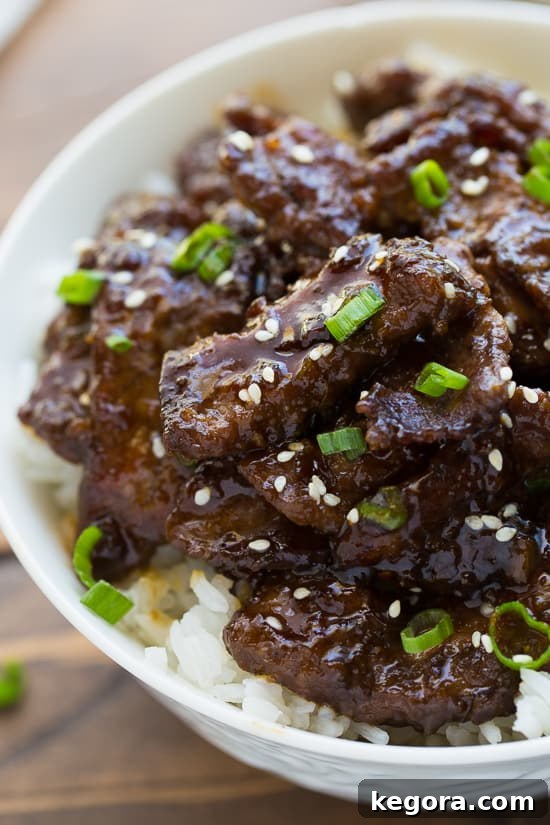
Crafting an exceptional beef teriyaki begins with selecting high-quality ingredients. Many of these staples are likely already in your kitchen, especially if you enjoy exploring Asian-inspired flavors. This recipe calls for a balanced combination that delivers authentic taste and satisfying texture, ensuring every bite is a delightful experience.
For the Perfectly Crispy Beef:
- Flank Steak: This cut is ideal for stir-fries and quick cooking due to its lean nature, robust beefy flavor, and fibrous texture. When sliced correctly against the grain, it becomes incredibly tender and absorbs marinades beautifully. Alternatives like skirt steak or sirloin can also be used, though cooking times may vary slightly.
- Cornstarch: A crucial ingredient for achieving that signature crispy exterior on the beef. It creates a light coating that protects the meat from overcooking and helps it develop a golden, slightly crunchy crust when seared. It also acts as a binder, helping the sauce adhere beautifully to each piece of meat.
- Coconut Oil (or preferred cooking oil): Provides a high smoke point necessary for searing the beef to golden perfection without burning. Its subtle flavor complements Asian dishes well. Avocado oil or grapeseed oil are also excellent neutral-flavored choices, ensuring the natural flavors of the beef and sauce shine through.
For the Irresistible Sweet and Savory Teriyaki Sauce:
- Tamari (or Gluten-Free Soy Sauce): The foundation of our teriyaki sauce, providing the essential umami and savory notes. Its deep, rich flavor is indispensable. Ensure it’s certified gluten-free if needed to adhere to dietary requirements. (For more information, see our article: Is Soy Sauce Gluten-Free?)
- Brown Sugar: Adds a rich, molasses-like sweetness that caramelizes beautifully during cooking, contributing to the glossy glaze and balancing the savory notes of the soy sauce. You can adjust the amount to your preference or substitute with honey or maple syrup for a different, nuanced flavor profile.
- Water: Helps to thin the sauce to the right consistency initially and allows the flavors to meld during simmering, preventing it from becoming overly concentrated or thick too quickly.
- Cornstarch: A second dose of cornstarch, specifically for the sauce, ensures it thickens into that desirable sticky, coat-your-spoon texture. This is key to a restaurant-quality teriyaki finish, allowing the sauce to cling to the beef rather than running off.
- Red Pepper Flakes: Offers a gentle warmth and a subtle kick, balancing the sweetness and adding an exciting layer of complexity. Adjust the quantity to control the spice level according to your taste – a little goes a long way!
- Green Onions (Scallions): Both the white and green parts are used for their fresh, oniony flavor and vibrant color, adding a pleasant aromatic element and a pop of freshness to the finished dish. They also serve as an excellent garnish.
- Garlic Cloves (Minced): An aromatic powerhouse that provides depth and a pungent, savory base to the sauce. Freshly minced garlic delivers the best flavor; avoid pre-minced for optimal results.
- Fresh Ginger (Grated): Imparts a bright, zesty, and slightly spicy note, essential for authentic Asian flavors. Fresh ginger makes a significant difference compared to powdered ginger, bringing a lively, aromatic warmth to the sauce.
The Art of Cutting Flank Steak: Ensuring Tenderness Every Time
One of the secrets to exceptionally tender beef teriyaki lies in how you prepare the flank steak. Improper cutting can result in chewy meat, even with the best cooking techniques. Understanding the grain of the meat is paramount for a succulent outcome, transforming a potentially tough cut into a melt-in-your-mouth experience.
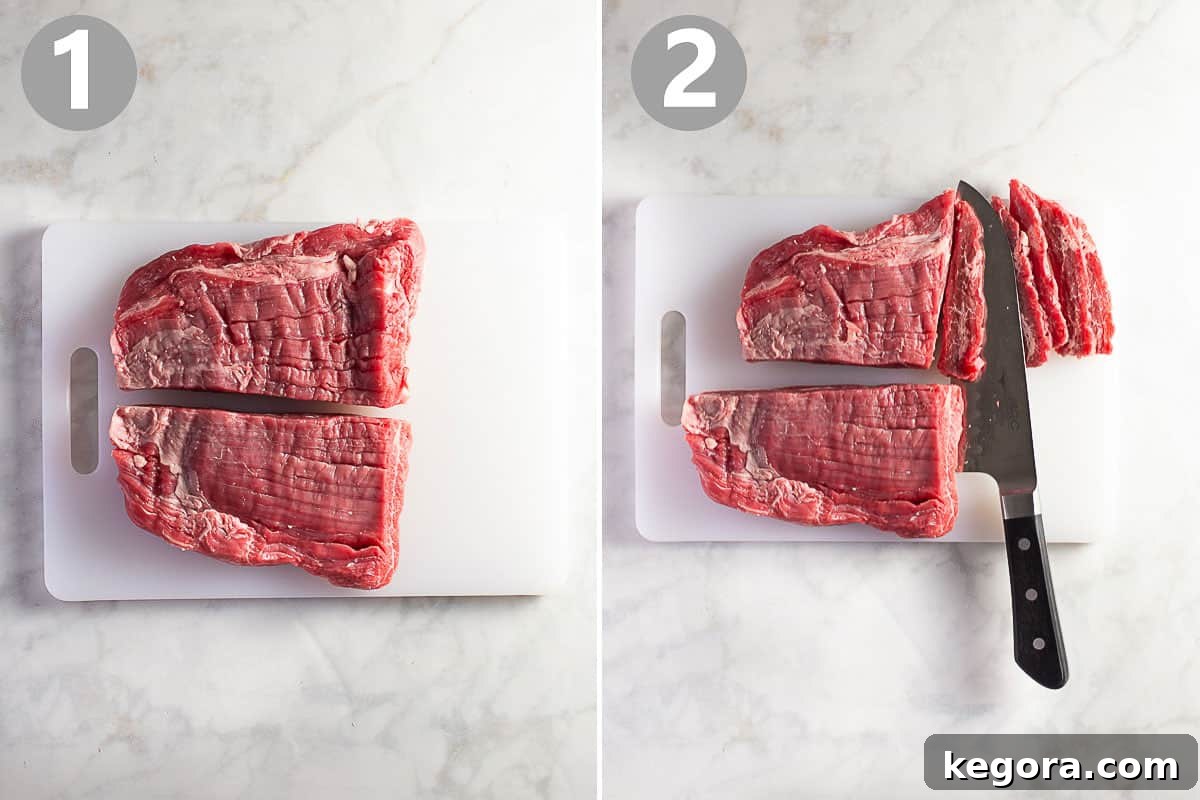
- Identify the Grain of the Meat: The “grain” refers to the direction in which the long muscle fibers run within the meat. In a flank steak, these fibers are typically quite pronounced and visible, running parallel along the length of the cut. Before you begin slicing, take a moment to carefully observe your steak; you should be able to clearly see these distinct lines. They often look like tiny, parallel strands.
- Slice Against the Grain: Once you’ve clearly identified the grain, position your knife perpendicular to it. The fundamental rule is to cut across these long muscle fibers, effectively shortening them. When muscle fibers are shorter, the meat requires less chewing, breaks down more easily, and feels much more tender in your mouth. This technique acts as a form of “pre-tenderizing” the meat with your knife, making a significant difference in the final texture of your beef teriyaki.
Expert Tips for Cutting Flank Steak:
- Cut as Thin as Possible: Aim for slices no thicker than ¼ inch. Thinner slices not only cook faster and more evenly but also absorb the sauce better and contribute significantly to the overall tenderness of the dish. A sharp knife is your absolute best friend here, making clean, precise cuts much easier.
- Angle Your Knife: Instead of cutting straight down, hold your knife at a 45-degree angle to the cutting board. This technique achieves two important things: it increases the surface area of each slice, allowing more of that delicious teriyaki sauce to cling to the beef, and it helps to further shorten the muscle fibers on the diagonal, making the beef even more palatable and tender. This also creates a more appealing, broader slice for presentation.
- Partially Freeze for Easier Slicing: If you find it challenging to get uniform thin slices, especially with a less-than-razor-sharp knife, try placing the flank steak in the freezer for about 20-30 minutes before slicing. It won’t freeze solid but will firm up enough to make cutting much easier and more precise, preventing the meat from tearing or squishing.
- Pat Dry Before Cutting: Ensure your flank steak is patted thoroughly dry with paper towels before you start cutting. This not only helps you get a better grip but also prevents the meat from slipping and makes cleaner cuts.
Crafting Your Quick and Delicious Beef Teriyaki: Step-by-Step
With your ingredients prepped and your flank steak expertly sliced, it’s time to bring this fantastic beef teriyaki to life. The beauty of this recipe lies in its simplicity and speed, ensuring a delicious, satisfying meal on the table in no time, often quicker than ordering takeout.
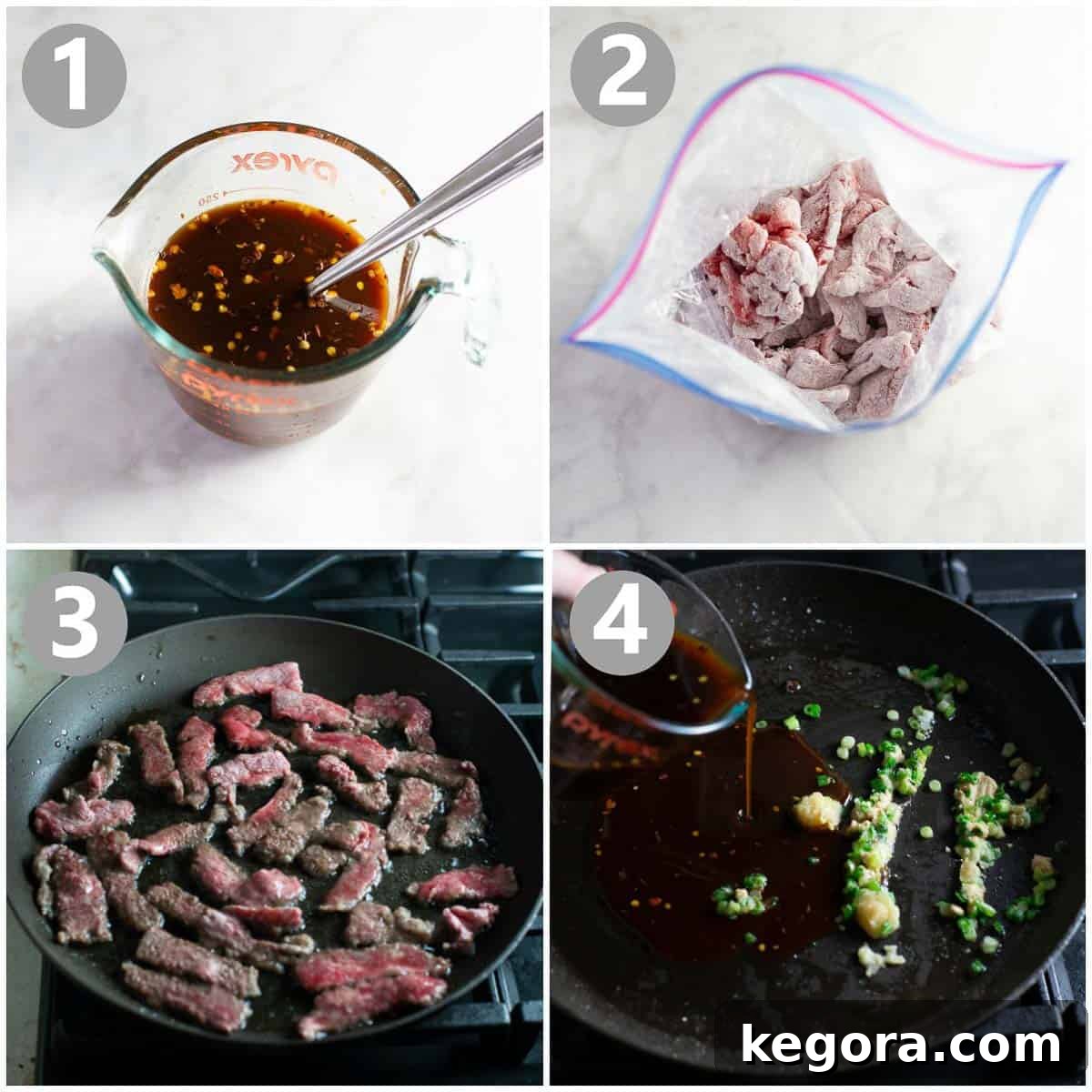
- Prepare the Teriyaki Sauce: In a medium bowl, whisk together the tamari (or gluten-free soy sauce), brown sugar, water, cornstarch, and red pepper flakes until the sugar is completely dissolved and no lumps of cornstarch remain. A well-mixed sauce is crucial for a smooth, glossy finish. Set this mixture aside; it will thicken rapidly once added to the hot pan.
- Coat the Beef: Take your thinly sliced flank steak strips and place them into a large zip-top bag or a shallow bowl. Add the 1/2 cup of cornstarch and toss thoroughly until each strip is lightly and evenly coated. This cornstarch coating is vital for achieving that desirable crispy texture when searing and helps create a barrier that keeps the beef juicy.
- Sear the Beef to Perfection: Heat a large skillet (cast iron or heavy-bottomed stainless steel works best for even heat distribution) over medium-high heat. Add 2-3 tablespoons of coconut oil (or your chosen cooking oil) and let it get shimmering hot, almost to the smoke point. Working in batches to avoid overcrowding the pan (this is critical for crispiness!), add about half of the beef strips in a single layer, ensuring they have enough space to sear, not steam. Let them cook undisturbed for 4-5 minutes until deeply browned and wonderfully crispy on one side. Use tongs to flip the beef and cook for another 2-3 minutes on the other side. Transfer the cooked beef to a clean plate and repeat with the remaining oil and beef until all batches are perfectly seared.
- Build the Flavorful Sauce: After cooking the last batch of beef and transferring it to the plate, you might need to add a touch more oil (about 1 tablespoon) to the skillet if it appears dry. Reduce the heat to medium. Add the thinly sliced green onions (white and light green parts), minced garlic, and grated fresh ginger to the pan. Sauté for 1-2 minutes, stirring constantly, until fragrant and slightly softened, being careful not to burn the garlic, which can turn bitter. Pour in the reserved teriyaki sauce mixture. Stir continuously as the sauce comes to a simmer and begins to thicken, which should take about 4-5 minutes. The sauce will become glossy, reduce slightly, and cling beautifully to a spoon, indicating it’s ready.
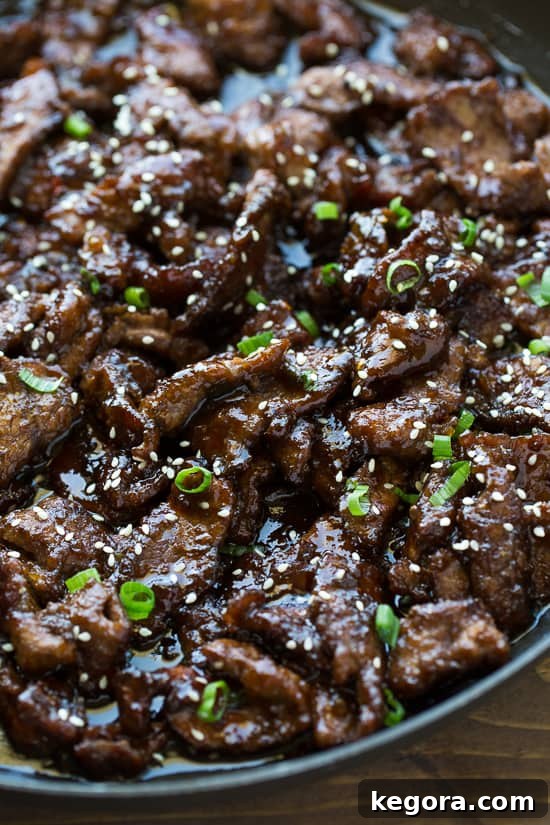
- Combine and Serve: Return all of the seared beef to the skillet with the thickened teriyaki sauce. Toss gently but thoroughly to coat every single piece evenly with the rich, sticky glaze. Serve immediately to ensure you enjoy the beef at its absolute crispiest, ideally over freshly steamed rice. Garnish with additional green onions and toasted sesame seeds, if desired, for extra flavor, texture, and visual appeal. This dish is best enjoyed fresh off the stove!
Pro Tip: For the ultimate crispy beef, ensure you shake off any excess cornstarch from the beef strips before placing them in the hot skillet. A light, even coating is all you need for that perfect crisp, preventing a gummy texture.
Perfect Pairings: What to Serve with Beef Teriyaki
Beef Teriyaki is a star dish that shines brightly when accompanied by the right side dishes. The key is to select accompaniments that complement its intense, rich flavors without overpowering them. Simple, fresh, and often Asian-inspired sides are usually the best choice to create a well-rounded and satisfying meal that feels both wholesome and indulgent.
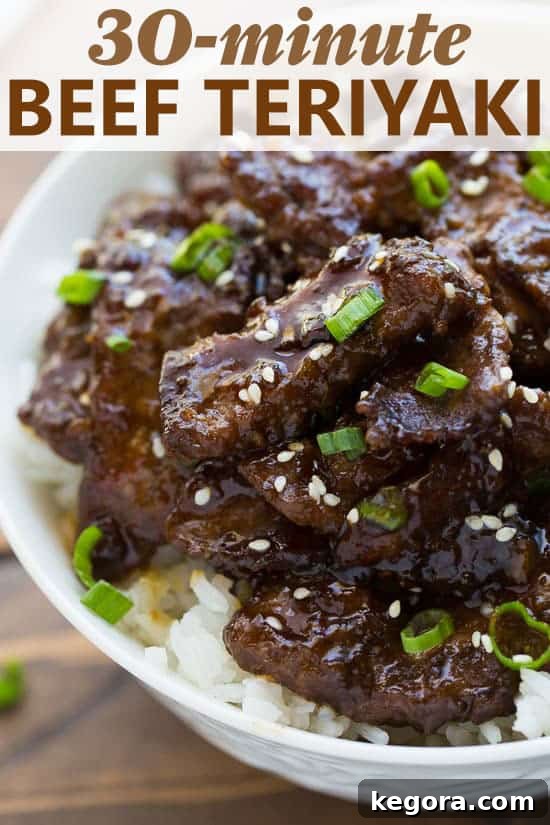
Our favorite way to enjoy this dish is with a generous helping of perfectly steamed white rice, which soaks up all the delicious sauce, and a side of vibrant, crisp-tender steamed broccoli. This classic combination mirrors what you’d find in the finest Japanese restaurants and provides a wholesome balance of protein, carbs, and vegetables, making it a complete meal solution.
However, the versatility of beef teriyaki allows for numerous other delightful pairings. Consider these options to elevate your dining experience and cater to different preferences:
- Steamed or Stir-Fried Vegetables: Enhance your meal with a colorful medley of fresh vegetables. Great choices include crunchy green beans, tender cauliflower florets, earthy mushrooms, crisp snow peas, or nutrient-rich bok choy. A quick stir-fry with a dash of sesame oil, minced garlic, and a splash of soy sauce can transform these into a fantastic and flavorful side. Asparagus or bell peppers also add great texture and sweetness.
- Noodles: For a heartier meal, serve your beef teriyaki alongside delicate rice noodles or satisfying egg noodles. They absorb the sauce beautifully and add another textural dimension to the dish. Consider a light noodle salad or simply toss cooked noodles with a touch of sesame oil.
- Specialty Rice Dishes: Beyond plain white rice, consider options like fragrant jasmine rice, nutty basmati rice, or even a creamy coconut rice for a subtle tropical twist. If you’re looking to sneak in extra vegetables and fiber while keeping it flavorful, our 50/50 Cauli-Brown Rice Fried Rice makes an excellent and healthy complement, adding extra depth without much fuss.
- Asian Salad: A light, refreshing Asian-inspired salad with a crisp mix of greens, cucumber, and carrots, dressed in a bright ginger-sesame vinaigrette, can provide a contrasting freshness that beautifully cuts through the richness of the teriyaki, offering a palate cleanser.
- Miso Soup: A simple bowl of warm miso soup can be a comforting and traditional starter or side, adding a subtle umami element to the meal.
Beyond Teriyaki: More Quick & Flavorful Weeknight Dinner Ideas
One of the most appealing aspects of this beef teriyaki recipe is its incredibly short preparation and cooking time. In today’s fast-paced world, busy schedules often leave little room for elaborate meals. Mastering quick, flavorful recipes like this is essential for getting a delicious, wholesome dinner on the table without stress. This beef teriyaki is just one of many solutions for maintaining culinary enjoyment even on the most hectic evenings.
If you’re constantly seeking more efficient and enjoyable dinner options to add to your repertoire, we encourage you to explore some of our other popular recipes designed for both speed and incredible taste. You might particularly love our Baked Sticky Chicken, a family-friendly dish that delivers incredible flavor with minimal effort, perfect for a fuss-free meal. Another fantastic choice is our 30-Minute Beef Stroganoff, a comforting classic reimagined for quick weeknight indulgence, perfect for satisfying hearty appetites with its rich and creamy (yet dairy-free and gluten-free!) sauce.
Cooking at home should be a joy, not a chore. These quick and simple recipes empower you to create memorable, delicious meals, even on your busiest days, proving that great food doesn’t always require hours in the kitchen. We hope you find them as delightful and indispensable as we do, transforming your weeknight dinners into something truly special!
If you’ve enjoyed making and savoring this Homemade Beef Teriyaki recipe, we’d absolutely love to hear about your experience! Please take a moment to leave a quick comment and a star rating below. Your feedback helps us grow and inspires other home cooks in our community. Happy Cooking!
Beef Teriyaki (30-Minute One-Pan Recipe)
Author: Erin Collins
Prep Time: 20 mins
Cook Time: 15 mins
Total Time: 35 mins
Servings: 6 servings
This Beef Teriyaki is a quick and flavorful recipe ready in about 30 minutes! Enjoy crispy beef and a quick teriyaki sauce, all made effortlessly in one pan, perfect for a busy weeknight meal.
Ingredients
For the Beef:
- 2 lbs flank steak
- 1/2 cup cornstarch
- 4-6 tablespoons coconut oil or cooking oil of choice
For the Sauce:
- 1/2 cup soy sauce (use tamari for gluten-free)
- 1/2 cup brown sugar
- 1/4 cup water
- 1 tablespoon cornstarch
- 1/4 teaspoon red pepper flakes
- 3 green onions (white and green parts thinly sliced)
- 3 cloves garlic (minced)
- 1 tablespoon fresh ginger (grated)
For Serving:
- Cooked rice
- Extra sliced green onions (for garnish)
Instructions
- Slice the flank steak against the grain into strips, as thin as possible (ideally no thicker than 1/4 inch). Place the steak in a zip-top bag or a shallow bowl and add the 1/2 cup cornstarch. Toss well to evenly coat each strip. Shake off any excess cornstarch before cooking.
- In a small bowl, thoroughly mix together the tamari (or gluten-free soy sauce), brown sugar, 1/4 cup water, 1 tablespoon cornstarch, and red pepper flakes. Stir until the sugar and cornstarch are completely dissolved. Set aside.
- Heat a large skillet over medium-high heat. Add 2-3 tablespoons of coconut oil and heat until shimmering. Carefully add about half of the beef strips in a single layer, ensuring not to overcrowd the pan. Cook undisturbed for 4-5 minutes until deeply browned and crispy. Using tongs, flip the beef and cook for another 2-3 minutes. Transfer the cooked beef to a plate and repeat with the remaining oil and beef.
- Once all the beef is cooked and removed, add a little more oil to the pan if needed and reduce the heat to medium. Add the thinly sliced green onions, minced garlic, and grated fresh ginger. Sauté for 1-2 minutes until fragrant, being careful not to burn the aromatics. Pour in the prepared sauce mixture and stir constantly. Bring the sauce to a gentle simmer and cook for 4-5 minutes, stirring occasionally, until it thickens to a glossy, desirable consistency.
- Return all of the seared beef to the skillet with the thickened sauce. Toss gently to coat all the beef evenly. Serve immediately over warm cooked rice, garnished with extra sliced green onions. Enjoy while the beef is still wonderfully crispy!
Notes
- MAKE IT GLUTEN-FREE: Always use tamari or a certified gluten-free soy sauce to ensure your dish is suitable for gluten-free diets.
- HOW TO SLICE FLANK STEAK: For maximum tenderness, it is crucial to slice the flank steak against the grain. This shortens the muscle fibers, making the meat much less chewy. Aim for very thin slices (about 1/4 inch) and consider holding your knife at a 45-degree angle.
- CRISPY BEEF TIP: Before browning the beef, ensure you shake off any excess cornstarch. Each piece should have only a very light, even coating to achieve the best crispy texture.
- SERVING SUGGESTION: This dish is best served immediately to maintain the crispy texture of the beef. Pair it with steamed rice and a side of steamed broccoli or your favorite stir-fried vegetables for a complete and delicious meal.
Nutrition Facts (per serving)
Calories: 419.9 kcal | Carbohydrates: 31.2g | Protein: 34.72g | Fat: 16.96g | Saturated Fat: 11.22g | Cholesterol: 90.72mg | Sodium: 1169.56mg | Potassium: 603.53mg | Fiber: 0.41g | Sugar: 18.3g | Vitamin A: 84.53IU | Vitamin C: 1.6mg | Calcium: 57.87mg | Iron: 3.06mg