
Is Soy Sauce Gluten-Free? Your Essential Guide to Navigating a Gluten-Free Diet
If you’re managing Celiac disease or a gluten intolerance, navigating your diet can often feel like a culinary detective mission. One common ingredient that frequently raises questions is soy sauce – a staple in countless dishes worldwide. You’ve likely found yourself asking, “Is soy sauce gluten-free?” The answer, as with many dietary inquiries, is not always a simple yes or no, but rather a nuanced explanation that depends heavily on the type and brand of soy sauce in question.
This comprehensive guide will unravel all the details you need to confidently choose and cook with soy sauce while adhering to a strict gluten-free diet. We’ll explore the ingredients, manufacturing processes, specific brands, and readily available alternatives to ensure your meals remain delicious and safe.
What is Soy Sauce? A Culinary Staple
Soy sauce is a beloved liquid condiment that forms the foundation of much Asian cuisine, celebrated for its unique umami (savory) flavor profile. Traditionally, it’s made from a fermented paste of soybeans, roasted grain (usually wheat), water, and salt. This mixture is then brewed over several months, resulting in a dark, salty, and incredibly versatile sauce. Its deep, rich flavor enhances everything from delicate sushi to robust stir-fries, marinades, and dipping sauces.
The magic of soy sauce lies in its fermentation process, which breaks down proteins and starches, creating complex flavors and aromas that are difficult to replicate. This process is what gives soy sauce its signature taste, making it indispensable for dishes like fried rice, dumplings, noodle bowls, and numerous other savory creations. For many, imagining Asian-inspired cooking without soy sauce is almost impossible, which is why finding a safe, gluten-free option is paramount for those with dietary restrictions.
Is Traditional Soy Sauce Gluten-Free? The Wheat Connection
The quick and crucial answer is: No, most traditional soy sauce varieties found in your average grocery store are not gluten-free. The reason lies directly in its traditional brewing method. Authentic soy sauce production typically involves soaking soybeans in water, then combining them with roasted and crushed wheat. This mixture is inoculated with a special mold (koji), mixed with brine, and allowed to ferment for many months.
Since wheat is one of the primary ingredients in this process, traditional soy sauce contains gluten. For individuals with Celiac disease, even trace amounts of gluten can trigger adverse reactions, making conventional soy sauce a significant hazard. Similarly, those with gluten sensitivity or intolerance must also exercise caution to avoid discomfort and health issues.
Therefore, when you see a standard bottle of soy sauce, especially from well-known brands that don’t explicitly state “gluten-free,” you should assume it contains wheat and, consequently, gluten.
Understanding Tamari: The Gluten-Free Alternative
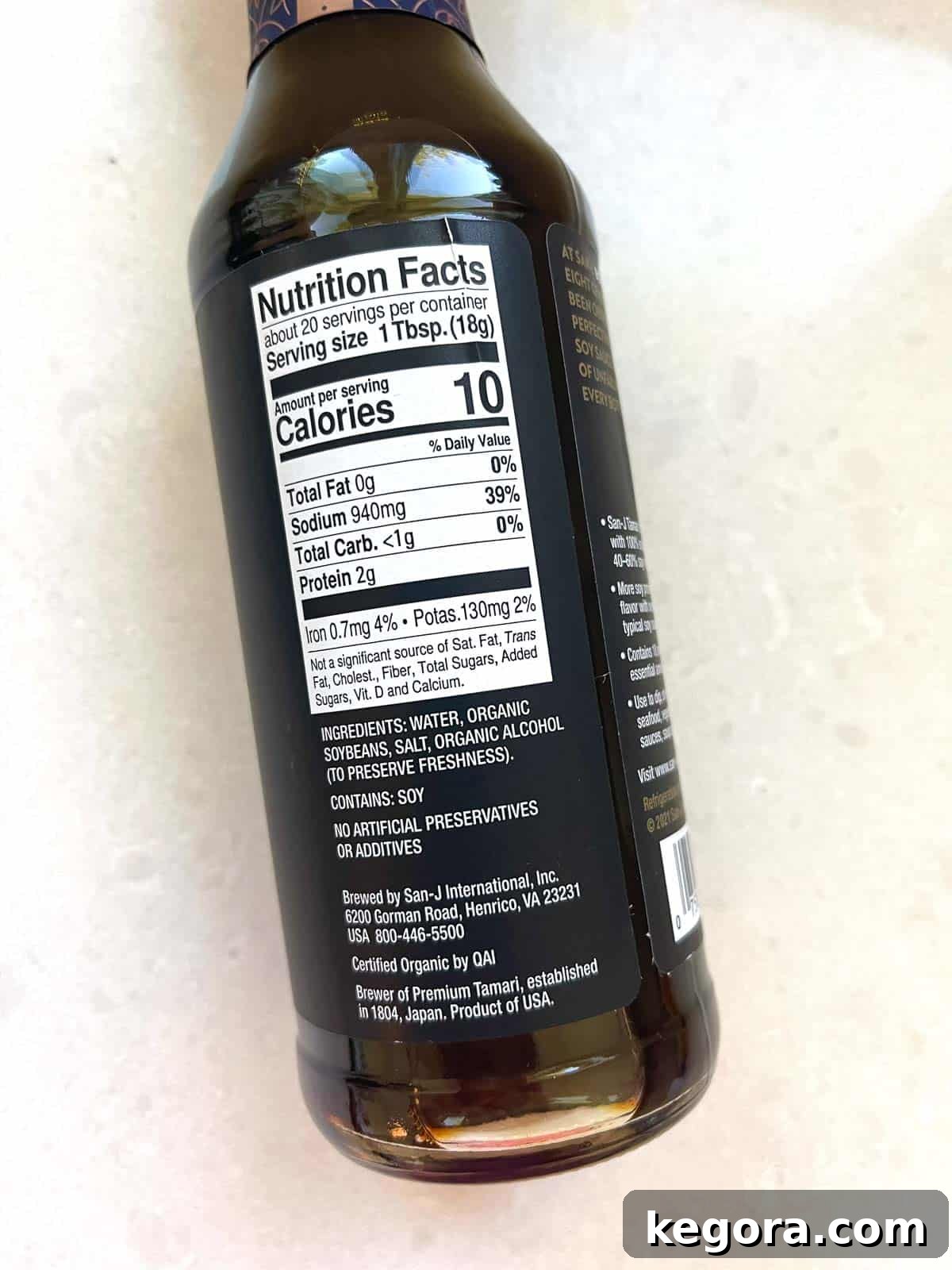
Fortunately, the culinary world offers an excellent and widely available solution: tamari soy sauce. Tamari is a type of Japanese soy sauce that differs significantly from common varieties like Japanese shoyu (which contains wheat) in its production. While both are made from fermented soybeans, traditional tamari is produced with little to no wheat, making it an inherently gluten-free alternative.
Historically, tamari was a byproduct of miso paste production. Modern tamari is often brewed specifically as a sauce, and its ingredient list typically includes only water, soybeans, salt, and sometimes a small amount of alcohol for preservation. This absence of wheat makes tamari a safe and delicious choice for anyone following a gluten-free diet. It boasts a slightly darker color, a richer, less salty, and more balanced umami flavor compared to regular soy sauce, which many prefer even without dietary restrictions.
When selecting tamari, it’s vital to look for labels explicitly stating “gluten-free.” While most tamari is naturally wheat-free, some brands might contain trace amounts of wheat or be produced in facilities that handle wheat, leading to cross-contamination. Always check the ingredient list and certified gluten-free labels for complete assurance.
Can You Eat Soy Sauce if You’re Gluten-Free? Navigating Your Choices
If you have Celiac disease or a gluten intolerance, avoiding most conventional soy sauces is essential for your health and well-being. Brands like Kikkoman (their traditional variant) or generic market pantry soy sauces almost certainly contain wheat and are therefore not suitable for a gluten-free lifestyle.
However, your culinary adventures are far from limited! You have several excellent and safe options:
- Tamari Soy Sauce: As discussed, this is your primary go-to. Tamari offers a fantastic, rich flavor that perfectly mimics traditional soy sauce without the gluten. Many major brands now offer certified gluten-free tamari.
- Coconut Aminos: This popular alternative is made from the fermented sap of coconut palm trees and sea salt. It offers a savory, slightly sweet flavor profile that is comparable to soy sauce, though often milder and less salty. Coconut aminos are not only gluten-free but also soy-free, making them an excellent choice for individuals with both gluten and soy allergies.
- Liquid Aminos: Produced by Bragg, liquid aminos are made from non-GMO soybeans and purified water, undergoing a process that separates amino acids. Like tamari, they are gluten-free and offer a distinct savory flavor profile that can be used as a direct substitute for soy sauce in many recipes.
These alternatives ensure that you don’t have to miss out on the incredible depth of flavor that soy sauce brings to your favorite Asian-inspired dishes, from delectable marinades to hearty stir-fries.
Which Soy Sauce Brands Are Gluten-Free? A Comprehensive List
When it comes to sourcing gluten-free soy sauce, the key is to look for tamari, specifically brands that are certified gluten-free. Most traditional soy sauce brands, which include wheat, are not suitable. Here’s a helpful list of brands that consistently offer gluten-free tamari soy sauce:
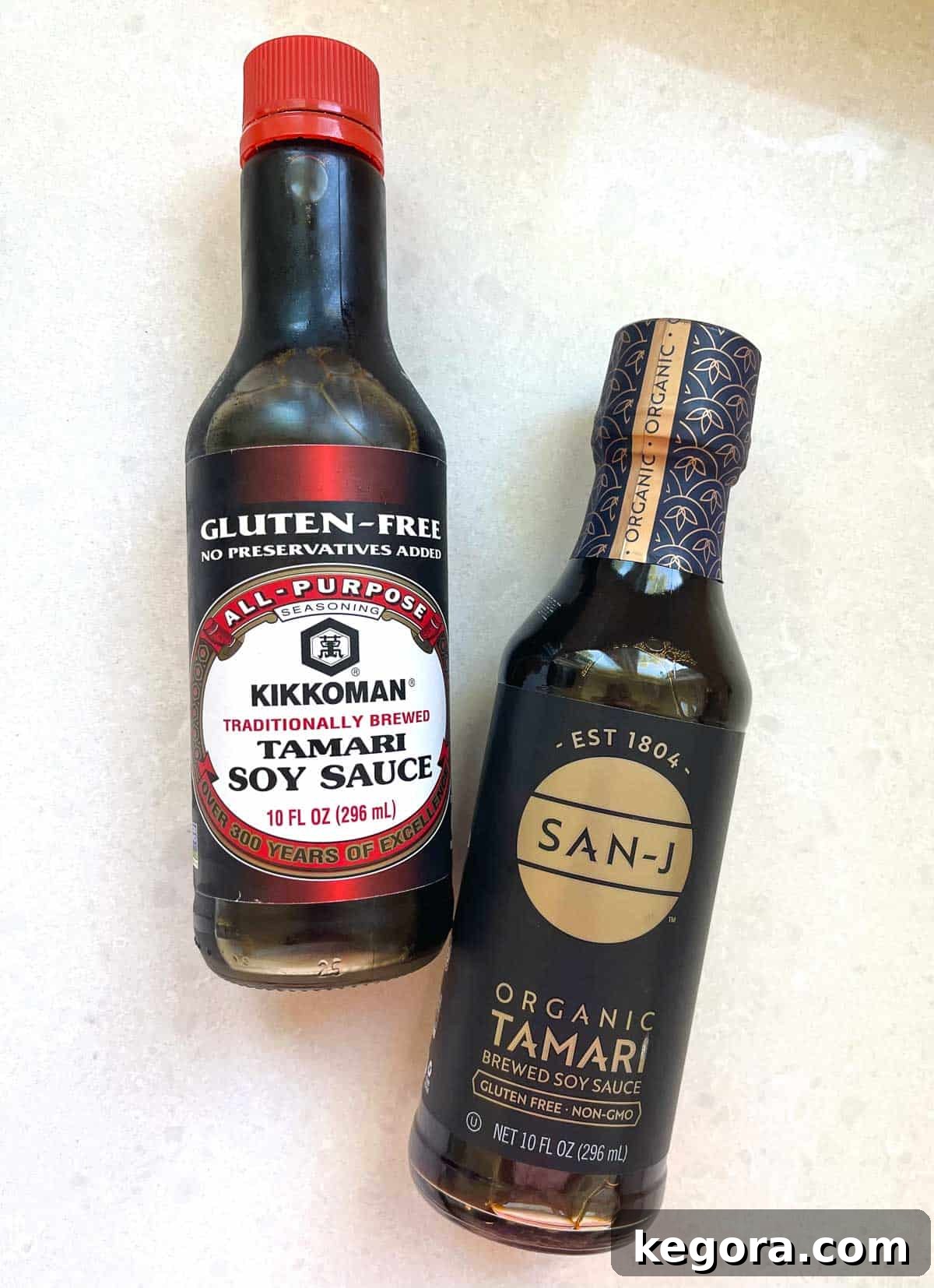
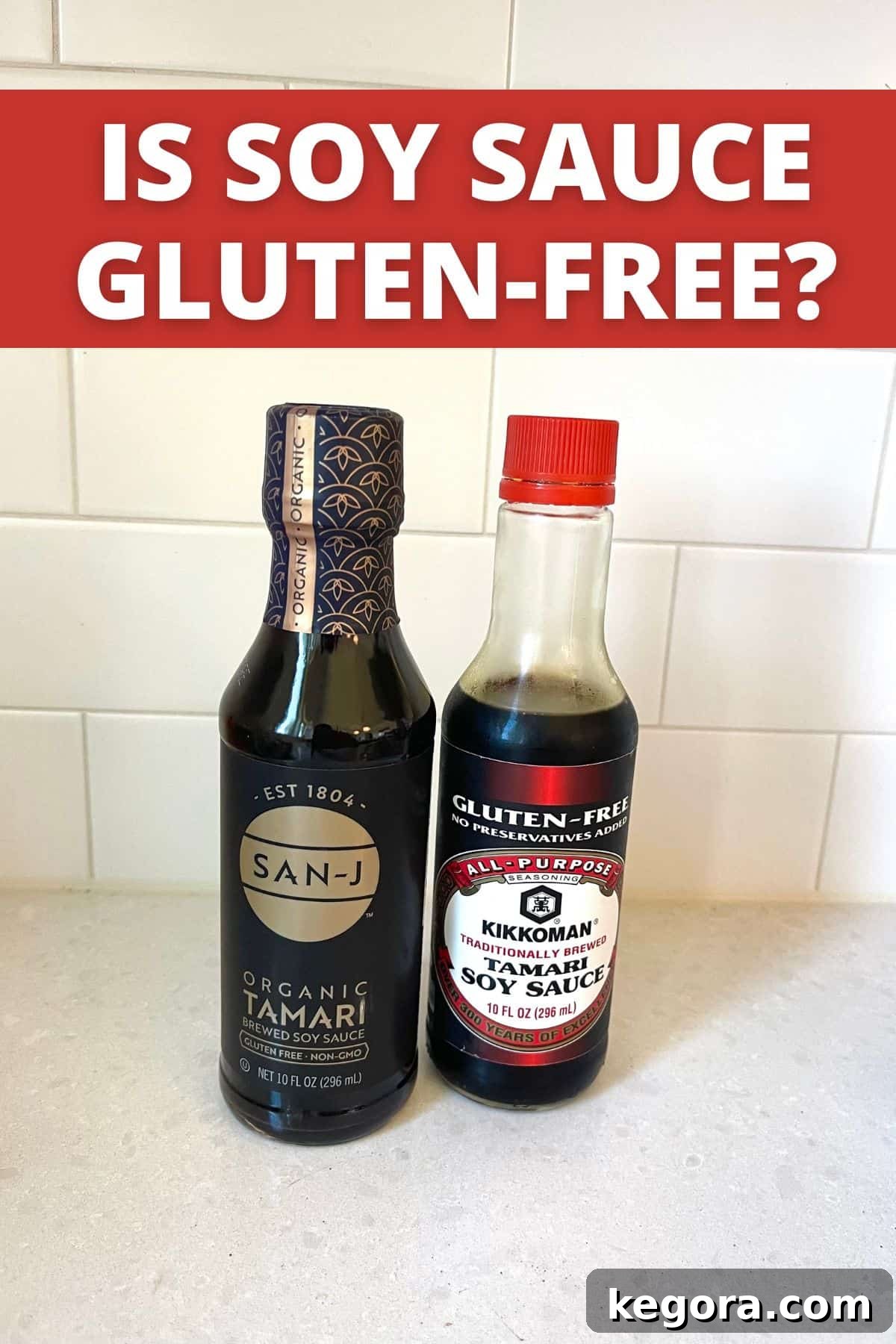
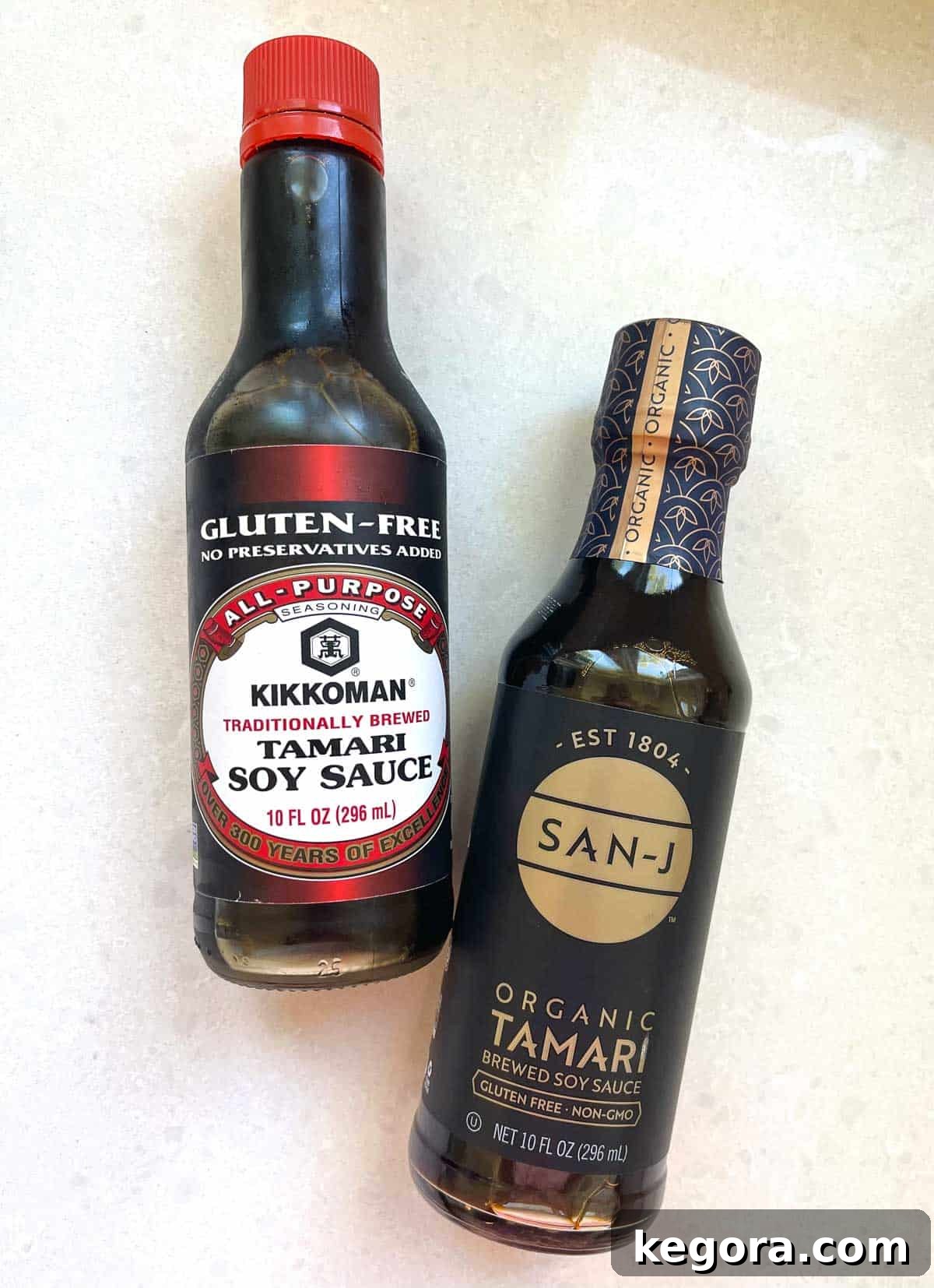
- San-J: One of the most widely recognized and trusted brands for gluten-free tamari. San-J offers various tamari options, all clearly labeled gluten-free.
- Kikkoman Gluten-Free: While Kikkoman’s traditional soy sauce contains wheat, they produce a dedicated gluten-free tamari soy sauce. Always ensure the label explicitly states “gluten-free.”
- Lee Kum Kee: A well-respected brand in Asian condiments, Lee Kum Kee offers a gluten-free soy sauce option that is a reliable choice.
- La Choy: Often found in the international aisle, La Choy also provides a gluten-free soy sauce, which can be a convenient and accessible option.
- Eden Organic Tamari: Another reputable brand known for its organic and often gluten-free products.
- Bragg Liquid Aminos: While not a soy sauce in the traditional sense, it’s a fantastic gluten-free and often soy-free alternative.
- Coconut Secret Coconut Aminos: Excellent for those avoiding both gluten and soy, offering a distinct, savory-sweet flavor.
Always double-check the labels, even for brands known to carry gluten-free options, as product formulations can change, and cross-contamination warnings are important.
Does Kikkoman Soy Sauce Have Gluten? A Closer Look
This is a common point of confusion for many consumers. The answer is twofold: Traditional Kikkoman soy sauce does contain gluten because it is brewed with wheat. However, Kikkoman also produces a distinct and certified gluten-free tamari soy sauce.
It is absolutely critical for individuals on a gluten-free diet to distinguish between these two products. Always scrutinize the label for the “gluten-free” certification or clear indication before purchasing or consuming Kikkoman products. Their gluten-free tamari is clearly marked and is specifically formulated without wheat, ensuring it is safe for those with Celiac disease and gluten intolerance. Never assume all Kikkoman products are safe just because one variant is.
Where to Buy Gluten-Free Soy Sauce and Alternatives
Finding gluten-free soy sauce or its alternatives has become significantly easier as awareness of gluten restrictions grows. With a little diligent searching, you can stock your pantry with safe options from various retailers, both online and in brick-and-mortar stores. Here are some of the best places to look:
- Amazon: An excellent resource for a wide variety of gluten-free soy sauce brands, including San-J, Kikkoman Gluten-Free, and BetterBody Foods coconut aminos. The convenience of online shopping means you can compare products and read reviews from the comfort of your home.
- Walmart: While the in-store selection might vary by location, Walmart’s online store often carries a good range of gluten-free soy sauce brands like San-J and Coconut Secret coconut aminos. It’s worth checking their online inventory before heading to the store.
- Target: Similar to Walmart, Target offers San-J gluten-free tamari soy sauce and Coconut Secret coconut aminos, often available both in-store and online. Look in the international foods aisle or dedicated “natural and organic” sections.
- Whole Foods Market: As a health-conscious grocery store, Whole Foods is a reliable source for gluten-free products. While they might not always stock “gluten-free soy sauce” per se (due to tamari being the main focus), they consistently carry Coconut Secret coconut aminos and other certified gluten-free Asian sauces like teriyaki and stir-fry sauces.
- Thrive Market: An online membership-based retailer specializing in organic and healthy products, Thrive Market is a fantastic option for buying gluten-free tamari soy sauce and various coconut aminos brands, including their own Thrive Market brand, San-J, and Primal Kitchen.
- Local Health Food Stores: Many smaller, independent health food stores often have a dedicated gluten-free section and can be excellent places to find specialty brands of tamari and other alternatives.
- Asian Markets: While traditional Asian markets may predominantly carry wheat-based soy sauces, an increasing number are now stocking gluten-free tamari due to growing demand. Always check labels carefully.
Frequently Asked Questions (FAQs) About Gluten-Free Soy Sauce
Most brands of store-bought teriyaki sauce do contain gluten. This is because traditional teriyaki sauce often uses soy sauce (which contains wheat) as a base, along with other ingredients like mirin, sugar, and spices. For example, popular brands like Kikkoman, Soy Vay, and Kinder’s typically list wheat as a main ingredient. If you’re on a gluten-free diet, always look for specific gluten-free certified teriyaki sauces, which are becoming more common.
The gluten content in Worcestershire sauce can vary by brand. Some brands use malt vinegar derived from barley (which contains gluten), while others use distilled vinegar or gluten-free alternatives. It’s crucial to read the ingredient label carefully. For instance, the original Lea & Perrins brand Worcestershire sauce is widely considered gluten-free in the U.S., but other brands like Annie’s may contain wheat or barley. Always verify the ingredients to ensure it aligns with your gluten-free needs. For more details, refer to our article on is Worcestershire sauce gluten-free.
Yes, soy on its own is naturally gluten-free and generally safe for people with Celiac disease to consume. The issue arises when soy is processed into products like traditional soy sauce, where wheat is introduced during fermentation. For example, Kikkoman’s traditional soy sauce is not gluten-free because it contains wheat. However, unprocessed soy products like edamame, tofu, tempeh, and gluten-free tamari are perfectly safe for individuals with Celiac disease, assuming no cross-contamination has occurred.
Most brands of traditional, store-bought soy sauce contain a significant amount of wheat and typically exceed 20 parts per million (ppm) of gluten, which is the legal threshold for a product to be labeled “gluten-free” in many countries. This means they are definitely not gluten-free and unsafe for individuals with Celiac disease or gluten intolerance. Conversely, tamari soy sauce is specifically made without wheat and is formulated to be completely gluten-free, usually containing well below 20 ppm of gluten, if any at all.
While “best” can be subjective, San-J Tamari Gluten-Free Soy Sauce is widely regarded as one of the best and most popular brands of gluten-free soy sauce (tamari). It’s made with high-quality soybeans, sea salt, and a touch of alcohol for freshness, completely omitting the wheat found in traditional soy sauce. Its rich flavor and consistent quality make it a favorite for many gluten-free cooks and diners, offering a taste that closely matches traditional soy sauce without the gluten.
Several brands offer gluten-free soy sauce, predominantly in the form of tamari. Key brands to look for include San-J Tamari, Kikkoman Gluten-Free Tamari, Lee Kum Kee Gluten-Free Soy Sauce, and La Choy Gluten-Free Soy Sauce. Additionally, alternatives like Bragg Liquid Aminos and Coconut Secret Coconut Aminos are excellent gluten-free (and often soy-free) options. Always ensure the product label clearly states “gluten-free” to confirm its suitability for your dietary needs.
Traditional soy sauce, which is brewed with wheat, is not safe for people with Celiac disease. The gluten content would trigger an autoimmune reaction. However, tamari soy sauce, which is specifically produced without wheat, is perfectly safe and suitable for individuals with Celiac disease. When dining out or purchasing soy sauce, always specify that you need a gluten-free option or opt for certified gluten-free tamari to ensure your safety.
The Bottom Line: Making Safe Choices for Your Gluten-Free Diet
Navigating the world of sauces and condiments can be tricky when you’re on a gluten-free diet, and soy sauce is a prime example. To reiterate:
No, most popular, conventional soy sauces are not gluten-free, as wheat is a fundamental ingredient in their traditional brewing process.
However, the good news is that living gluten-free doesn’t mean sacrificing the rich, savory flavors that soy sauce brings to your favorite dishes. Tamari soy sauce stands out as a safe and delicious gluten-free alternative to traditional soy sauce. This wheat-free variety is specifically formulated to eliminate gluten content while retaining that beloved umami taste.
Furthermore, for those seeking alternatives beyond tamari, gluten-free products like coconut aminos and liquid aminos offer excellent substitutes. They deliver a comparable savory flavor and integrate seamlessly into any Asian-inspired cuisine, often with added benefits like being soy-free. By being informed and carefully reading labels, you can confidently enjoy a wide array of delicious, gluten-free meals.
More Articles on Gluten-Free Living
Explore More Gluten-Free Insights
5 Gluten-Free Halloween Treats To Bake This Week
Top 15 BEST Gluten-Free Pumpkin Recipes
Gluten-Free Taco Seasoning
The 25 BEST Gluten-Free Thanksgiving Desserts
Are Swedish Fish Gluten-Free?
Gluten-Free Candy List 2025!
Gluten-Free Beer (What to Look for + 2025 Brand List!)
Gluten-Free Alcohol 2025 List