
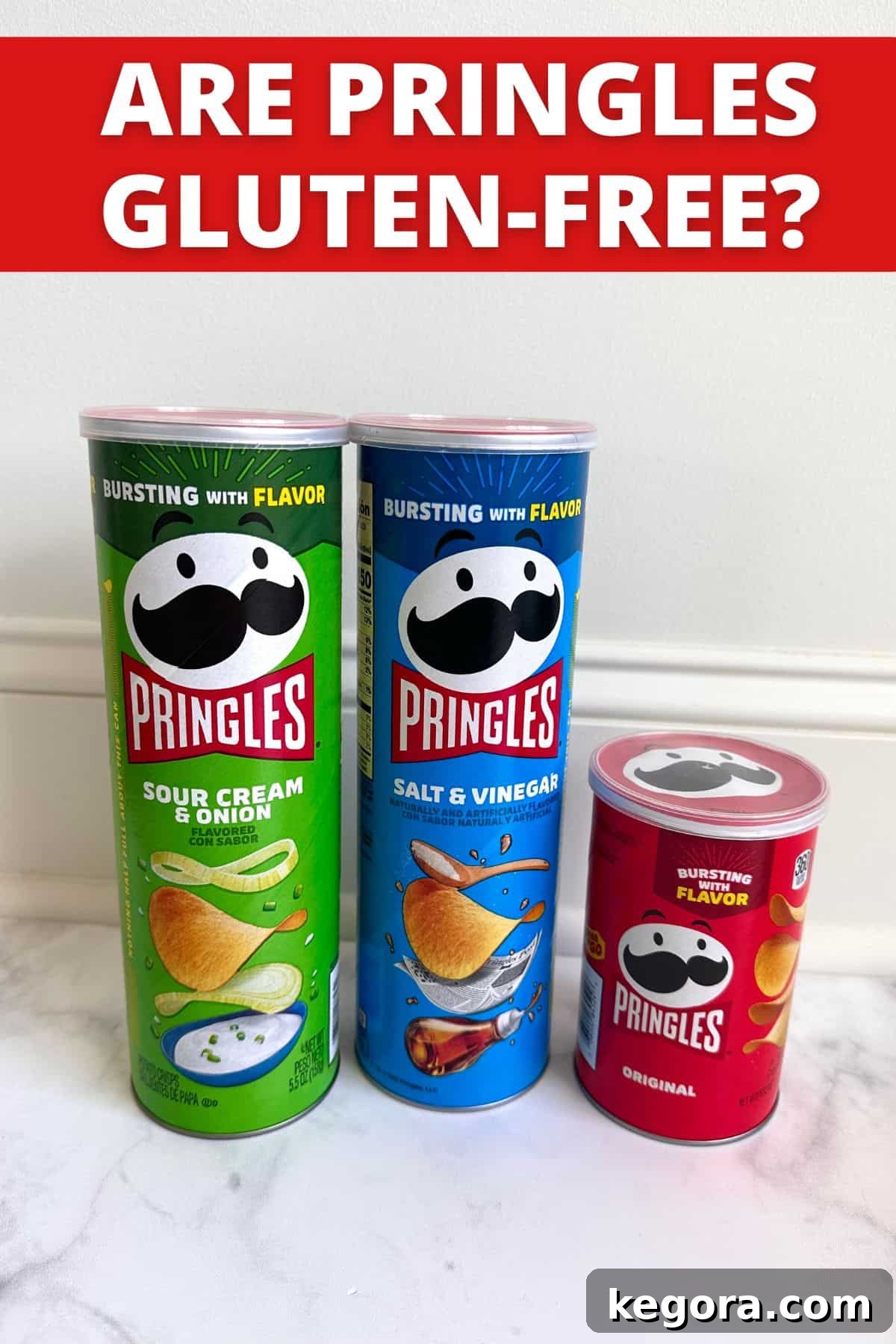
Delving into the world of snack foods, one particular crisp often sparks a common question among those adhering to a gluten-free diet: Are Pringles gluten-free? These iconic, saddle-shaped potato crisps have been a pantry staple and a travel companion for generations. Their distinctive shape, consistent texture, and convenient cylindrical packaging have cemented their place in snack culture since their debut. But for individuals navigating the complexities of gluten intolerance, celiac disease, or a wheat allergy, understanding the ingredients of beloved snacks like Pringles is paramount. In this comprehensive guide, we’ll peel back the layers of Pringles’ ingredients, explore why they aren’t gluten-free, and introduce you to a delicious array of safe, satisfying alternatives.
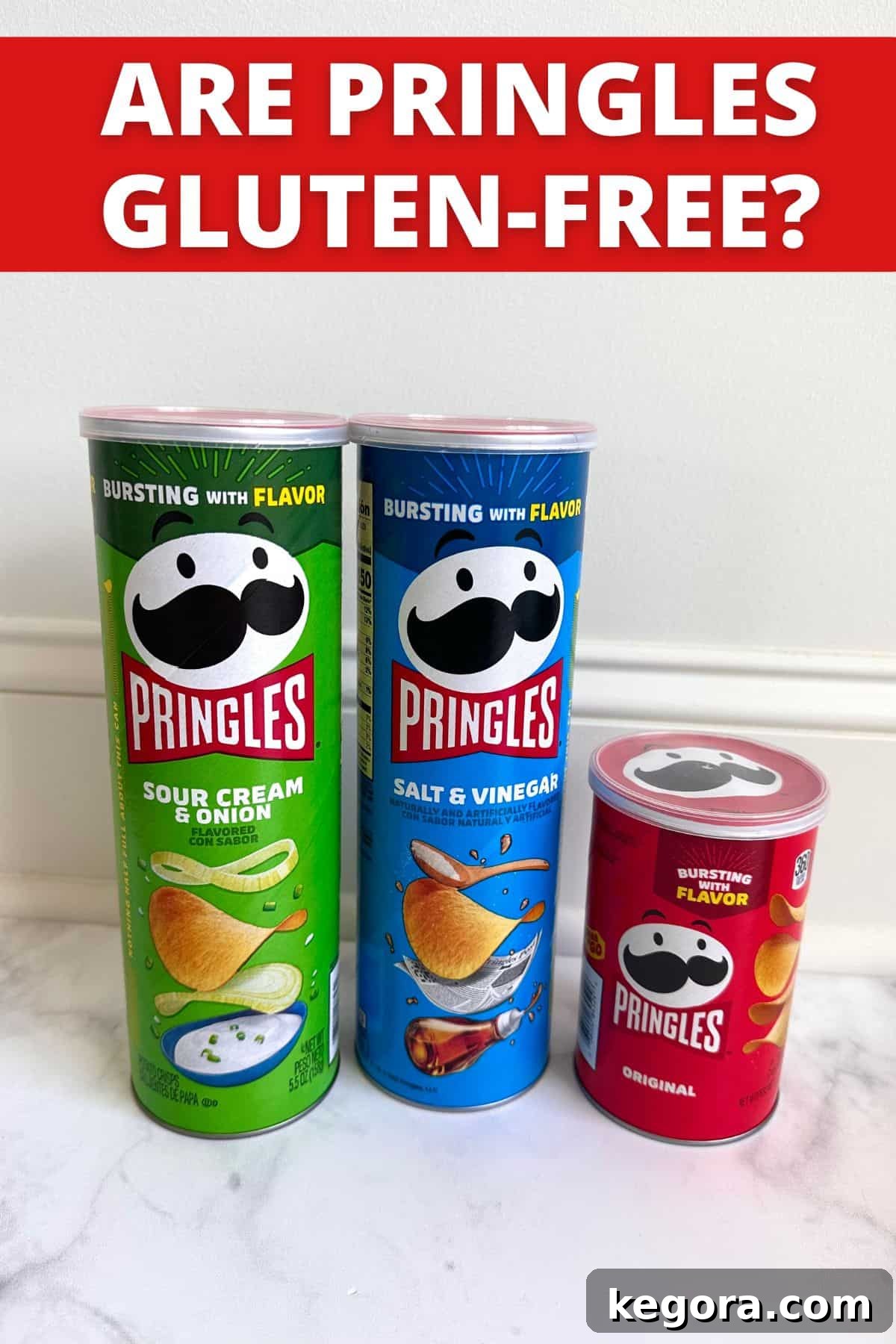
Pringles, first introduced in 1968, revolutionized the snack industry with their innovative design and packaging. Conceived as a solution to the common complaints of broken, greasy, and stale potato chips, Pringles offered a uniform, less oily alternative. Their tall, cylindrical cans protected the crisps from damage, and their unique saddle shape (a hyperbolic paraboloid, for the geometrically inclined) allowed for perfect stackability. This engineering marvel was so beloved that its creator, Fredric Baur, famously requested to be buried in one of the iconic Pringles cans. This enduring legacy highlights Pringles’ significant impact on the snack landscape.
However, as dietary needs and health awareness evolve, so does the scrutiny of our favorite foods. Many people are now adopting gluten-free lifestyles for various reasons, including medical necessity or personal preference. This shift inevitably leads to re-evaluating everyday items, especially snack foods. While many traditional potato chips are naturally gluten-free, the unique composition of Pringles often raises questions. So, let’s get straight to the point.
The Definitive Answer: Are Pringles Gluten-Free?
Sadly, no. Pringles are not considered gluten-free. The official Pringles FAQ page explicitly confirms this, stating, “Pringles are not gluten-free.” This is primarily due to the inclusion of wheat starch in their ingredient list, a component that naturally contains gluten. Therefore, Pringles are not a suitable choice for anyone following a strict gluten-free diet, including those with celiac disease, non-celiac gluten sensitivity, or a wheat allergy.
Understanding what gluten is and why it matters is crucial for those managing gluten-related health conditions. Gluten is a family of proteins found in grains like wheat, barley, and rye. For individuals with celiac disease, consuming gluten triggers an autoimmune response that damages the lining of the small intestine, leading to malabsorption of nutrients and a range of digestive and systemic symptoms. Non-celiac gluten sensitivity can cause similar symptoms without the intestinal damage, while a wheat allergy involves an immune reaction to wheat proteins, which may or may not include gluten. For all these conditions, avoiding gluten is essential for health and well-being.
What Are Pringles Made Of? A Look at the Ingredients
To fully grasp why Pringles are not gluten-free, it’s helpful to examine their ingredients. Unlike traditional potato chips that are simply sliced potatoes fried in oil, Pringles are made from a carefully engineered “potato dough” that gives them their consistent shape and texture. Here’s a breakdown of their primary ingredients:
- Dried Potatoes
- Vegetable Oil (such as corn, cottonseed, high oleic soybean, and/or sunflower oil)
- Degerminated Yellow Corn Flour
- Cornstarch
- Rice Flour
- Maltodextrin
- Mono- and Diglycerides
- Salt
- Wheat Starch
The combination of these ingredients creates a dough that is then pressed into the distinctive Pringles shape, fried, and seasoned. While dried potatoes form the base, the inclusion of wheat starch is the critical factor preventing Pringles from being labeled gluten-free. Wheat starch, even in its processed form, contains residual gluten proteins that are sufficient to trigger reactions in sensitive individuals.
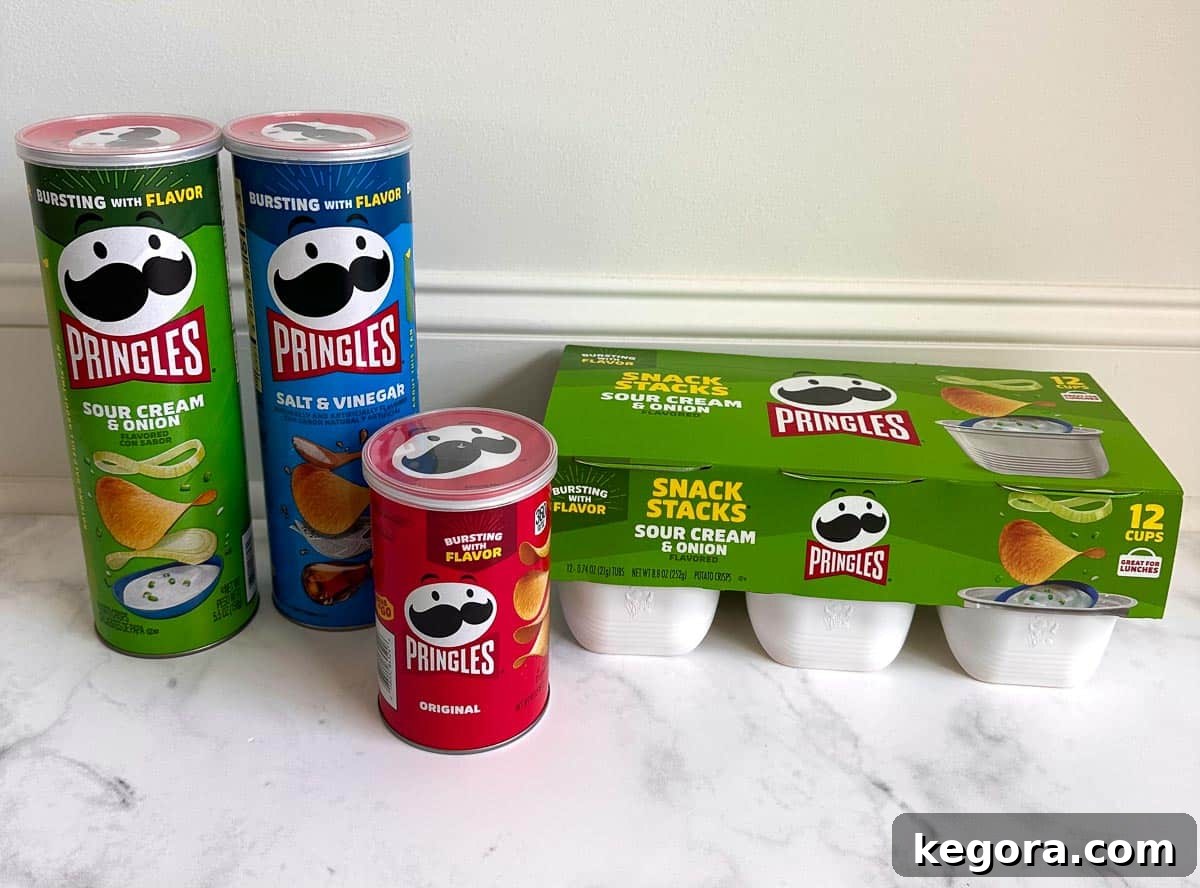
Satisfying Your Cravings: Which Chips Are Gluten-Free?
The good news is that opting for a gluten-free diet doesn’t mean sacrificing the joy of crispy, delicious snacks. While Pringles may be off-limits, the market is brimming with excellent gluten-free chip options, including those that mimic the unique Pringles experience. When searching for gluten-free snacks, remember that the U.S. Food and Drug Administration (FDA) defines “gluten-free” as containing less than 20 parts per million (ppm) of gluten, a level generally considered safe for most individuals with celiac disease.
For those who love the stackable, uniform crisp of Pringles, several brands offer fantastic gluten-free alternatives:
- The Good Crisp Company: These crisps are specifically made to be gluten-free and come in a variety of classic flavors, including Classic Original, Outback BBQ, Sea Salt & Vinegar, Spicy Jalapeno, Aged White Cheddar, and Sour Cream & Onion. They are an excellent direct substitute for Pringles.
- Schar Curvies: Schar is a well-known brand in the gluten-free community, offering a range of products. Their Curvies are potato-based crisps with a familiar curved shape, available in flavors like Original, BBQ, and Paprika.
- Lay’s Stax Potato Crisps: While not all flavors of Lay’s Stax are gluten-free, several varieties are. It is crucial to check the packaging and the Frito-Lay official list of gluten-free products to ensure safety. Known gluten-free options often include Original, Sour Cream & Onion, Mesquite BBQ, Cheddar, Salt & Vinegar, and Buffalo Wings with Ranch. Always verify, as formulations can change.
Beyond these Pringles-like options, a vast world of naturally gluten-free potato chips and tortilla chips awaits. Many popular brands of potato chips, such as Lay’s Potato Chips (Original), Ruffles (Original), Kettle Brand Potato Chips, and Cape Cod Potato Chips (Original), are typically made with just potatoes, oil, and salt, making them naturally gluten-free. Similarly, most plain corn tortilla chips are also gluten-free. However, flavored varieties can sometimes contain gluten-derived ingredients, so diligence in reading ingredient labels is always recommended. Look for products with a “Certified Gluten-Free” label for the highest assurance against gluten-containing ingredients and cross-contamination.
For more detailed information on specific chip types, you might find these articles helpful:
- Are Doritos Gluten-Free?
- Are Fritos Gluten-Free?
- Are Cheetos Gluten-Free?
- Are Tortilla Chips Gluten-Free?
- Are Takis Gluten-Free?
- Are Pretzels Gluten-Free?
- Are Goldfish Gluten-Free?
- Are Potato Chips Gluten-Free?
Frequently Asked Questions About Pringles and Gluten
Are Pringles safe for celiacs?
No, Pringles are not safe for individuals with celiac disease, gluten sensitivities, or wheat allergies. This is because all varieties of Pringles contain wheat starch, an ingredient derived from wheat that contains gluten. Consuming gluten can trigger an autoimmune reaction in celiac patients, leading to damage to the small intestine and various uncomfortable symptoms.
Are Original Pringles gluten-free?
Original Pringles, just like all other flavors and variations of Pringles (including Scorchin’ Crisps, Wavy Crisps, and Reduced Fat Crisps), contain wheat starch and are therefore not gluten-free. If you’re looking for a gluten-free crisp with a similar shape and texture to Original Pringles, consider brands like The Good Crisp Company (Classic Original flavor), Schar Curvies (Original flavor), or specific gluten-free certified flavors of Lay’s Stax.
Which Pringles are gluten-free?
Unfortunately, no Pringles varieties are gluten-free. Pringles come in numerous flavors and styles globally, but every single one includes wheat starch as a key ingredient, rendering them unsuitable for a gluten-free diet. The good news is that several excellent gluten-free alternatives exist from brands such as The Good Crisp Company, Schar, and certain Lay’s Stax flavors, which offer a similar snack experience without any wheat-derived ingredients.
The Bottom Line: Enjoying Gluten-Free Snacking
To summarize, if you’re navigating a gluten-free lifestyle, Pringles are unfortunately not a suitable snack choice. The presence of wheat starch in all Pringles products means they contain gluten and should be avoided by anyone with celiac disease, gluten intolerance, or a wheat allergy.
However, this doesn’t mean your snack time has to be bland! The market has evolved significantly, offering a plethora of delicious and safe gluten-free options. From stackable crisps that perfectly mimic the Pringles experience (like those from The Good Crisp Company and Schar Curvies) to a wide array of classic potato and tortilla chips, you have many choices. Always make it a habit to carefully read ingredient labels and look for products explicitly marked “Certified Gluten-Free” to ensure they meet strict gluten-free standards and are safe from cross-contamination.
Embrace the adventure of discovering new gluten-free snacks. With a little awareness and label-reading, you can continue to enjoy satisfyingly crispy, flavorful chips without compromising your dietary needs.