

Delicious Gluten-Free Gingerbread Cookies: A Holiday Baking Essential
Welcome to my kitchen, fellow bakers! Today, we’re diving into a cherished family recipe, meticulously adapted to be completely gluten-free: our famously soft and chewy gingerbread cookies. These aren’t just any holiday treat; they’re a tradition, perfect for gifting, sharing, and most importantly, decorating with loved ones.
Before we embark on this delightful baking journey, let me give you a quick rundown of what makes these gluten-free gingerbread cookies truly special:
- Texture: Expect a cookie that’s wonderfully soft and deliciously chewy, yet robust enough to maintain its intricate cutout shapes during baking and handling. No crumbling here!
- Taste: A perfect harmony of sweet sugar and warm, aromatic spices. Each bite delivers that classic gingerbread flavor profile that instantly evokes holiday cheer.
- Ease of Preparation: This recipe is surprisingly easy to follow, making it accessible for bakers of all skill levels. Plus, the decorating process is incredibly fun and a fantastic activity for families.
- Pro Tip: The secret to their impeccable shape lies in the extended chilling time. This step is non-negotiable for achieving perfect gingerbread men, stars, or snowflakes.
- Recommended Gluten-Free Flour: For consistent, reliable results, I highly recommend using King Arthur Flour Gluten-Free Measure-for-Measure Flour. Its blend is ideal for replicating traditional cookie textures without gluten.
- Will I Bake These Again? Absolutely, without a doubt! Gingerbread cookies are the quintessential Christmas cookie, a timeless classic. I particularly love involving my children in the decorating process, transforming it into a cherished holiday memory for the entire family.
xoxo erin

This post was originally published in November 2021 and has been thoroughly updated in October 2024 with fresh photos, improved instructions, and even more helpful tips to ensure your baking success.
‘Tis the season for holiday baking, and if you’re searching for the ultimate gingerbread cookie recipe, look no further! This delightful recipe is a treasured family heirloom, passed down from my Grandma, and meticulously adapted to be entirely gluten-free without sacrificing any of its original charm or flavor. With just a few simple adjustments and a couple of “secret ingredients,” these cookies emerge soft, wonderfully chewy, and perfectly suited for elaborate decorating. They are, without question, one of my absolute favorite Christmas cookie recipes, guaranteed to bring warmth and joy to your festive season.
Embrace the spirit of the holidays with these aromatic and flavorful gluten-free gingerbread cookies. Their perfect texture and spiced taste make them an undeniable crowd-pleaser, whether you’re serving them at a festive gathering or enjoying a cozy evening by the fire. Get ready to create some delicious memories!
Featured Comment
From Rachel: “This is the best gluten-free gingerbread recipe that I’ve found! Super easy to follow and great texture. My family couldn’t even tell they were gluten-free!”
47 more comments
Table of Contents: Your Guide to Perfect Gluten-Free Gingerbread
- Erin’s Recipe Rundown: Why These Gingerbread Cookies Are a Must-Bake
- Essential Ingredients for Your Gluten-Free Gingerbread Cookies
- Step-by-Step: Crafting Irresistible Gluten-Free Gingerbread Cookies
- Make-Ahead, Storage, and Freezing Tips for Gingerbread Dough and Cookies
- Can I Adapt This Gluten-Free Gingerbread Recipe for Dairy-Free or Egg-Free Diets?
- The Importance of Chilling Gingerbread Cookie Dough: A Non-Negotiable Step
- Almond Flour vs. Gluten-Free Measure-for-Measure Flour: What You Need to Know
- Expert Tips for Keeping Gluten-Free Cookies Intact and Perfect
- Building with Gingerbread: Can This Recipe Be Used for a Gingerbread House?
- Explore More Gluten-Free Christmas Cookie Recipes
- Soft, Gluten-Free Gingerbread Cookies: The Full Recipe
Essential Ingredients for Your Gluten-Free Gingerbread Cookies
Crafting the perfect gluten-free gingerbread cookie begins with selecting the right ingredients. Each component plays a crucial role in achieving that desirable soft, chewy texture and rich, spicy flavor that defines a classic gingerbread. Here are some key notes on the vital ingredients you’ll need. For the precise measurements, please refer to the full recipe card below.
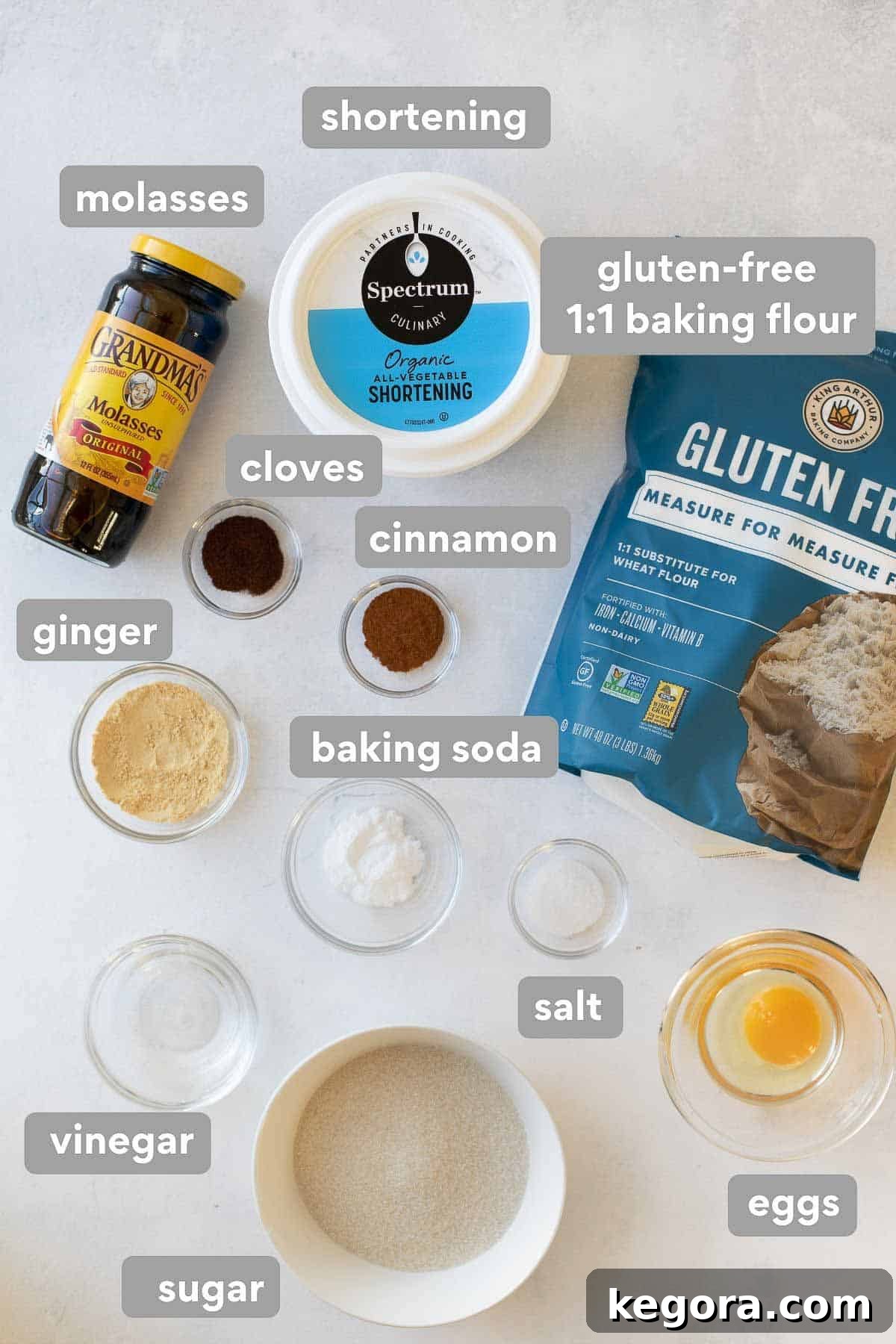
- Gluten-Free Measure-for-Measure Flour: This is the cornerstone of our gluten-free adaptation. I cannot stress enough the importance of using a high-quality gluten-free measure-for-measure flour blend that already contains xanthan gum. Xanthan gum is a crucial binder in gluten-free baking, helping to give cookies structure and prevent crumbling. My absolute favorite brand for this recipe, delivering consistent and outstanding results, is this specific one. Using a blend ensures the right balance of starches and flours for the best texture.
- Shortening: Unlike many traditional cookie recipes that rely on butter, these gingerbread cookies call for shortening. This is one of the “secret” tricks for achieving their signature soft and chewy consistency. Shortening also has a higher melting point than butter, which significantly helps the cookies hold their shape beautifully during baking, making them perfect for intricate cutouts. If you prefer a buttery flavor profile, you can opt for butter-flavored shortening, which offers the best of both worlds.
- Molasses: A non-negotiable ingredient for any authentic gingerbread cookie. Molasses not only imparts their characteristic rich, dark color but also contributes a deep, complex flavor that is both sweet and subtly bitter. Crucially, it also adds moisture and chewiness, ensuring your cookies stay soft and never become dry or brittle. Choose unsulphured molasses for the best flavor.
- Vinegar: This is my Grandma’s ingenious secret ingredient! Don’t be alarmed; you absolutely won’t taste the vinegar in the final product. Its purpose is purely scientific: it reacts with the baking soda in the recipe, creating carbon dioxide bubbles that lighten the cookie dough, contributing to that soft, tender crumb. This subtle addition makes a noticeable difference in texture.
- Ground Ginger: A gingerbread cookie wouldn’t be complete without a generous amount of ground ginger. This recipe calls for a full tablespoon to ensure that distinct spicy, warm flavor truly shines through. The combination with other spices works synergistically to enhance this warmth, creating a truly comforting and inviting aroma and taste.
- Other Spices (Cinnamon, Cloves): Beyond ginger, cinnamon and cloves provide additional layers of warmth, sweetness, and complexity. They round out the flavor profile, creating that quintessential holiday spice blend that makes gingerbread so irresistible. Ensure your spices are fresh for the most potent and vibrant flavor.
For another delightful Christmas treat, don’t miss out on this incredible soft and buttery homemade caramel recipe!
Step-by-Step: Crafting Irresistible Gluten-Free Gingerbread Cookies
Baking these gluten-free gingerbread cookies is a straightforward and rewarding process. Follow these detailed steps to achieve perfect, soft, and chewy cookies every time. For the full, printable recipe with exact measurements, remember you can jump directly to the recipe card at the bottom of the page!
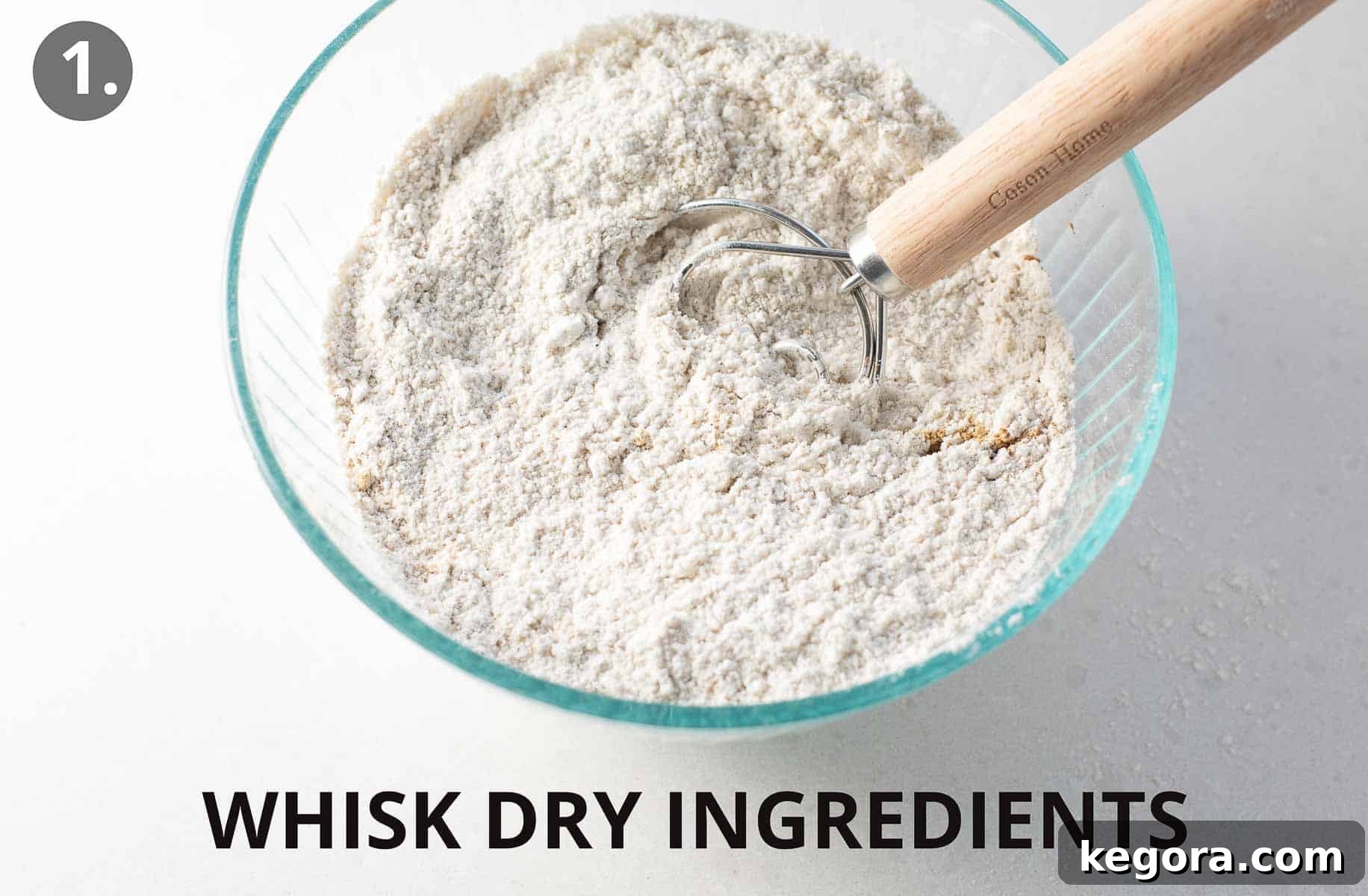
- Prepare Your Dry Ingredients: In a medium-sized mixing bowl, thoroughly whisk together your gluten-free measure-for-measure flour, baking soda, kosher salt, ground ginger, ground cinnamon, and ground cloves. Whisking ensures that all the dry ingredients are evenly distributed, preventing pockets of unmixed leavening agent or spices in your final cookies. Set this bowl aside.
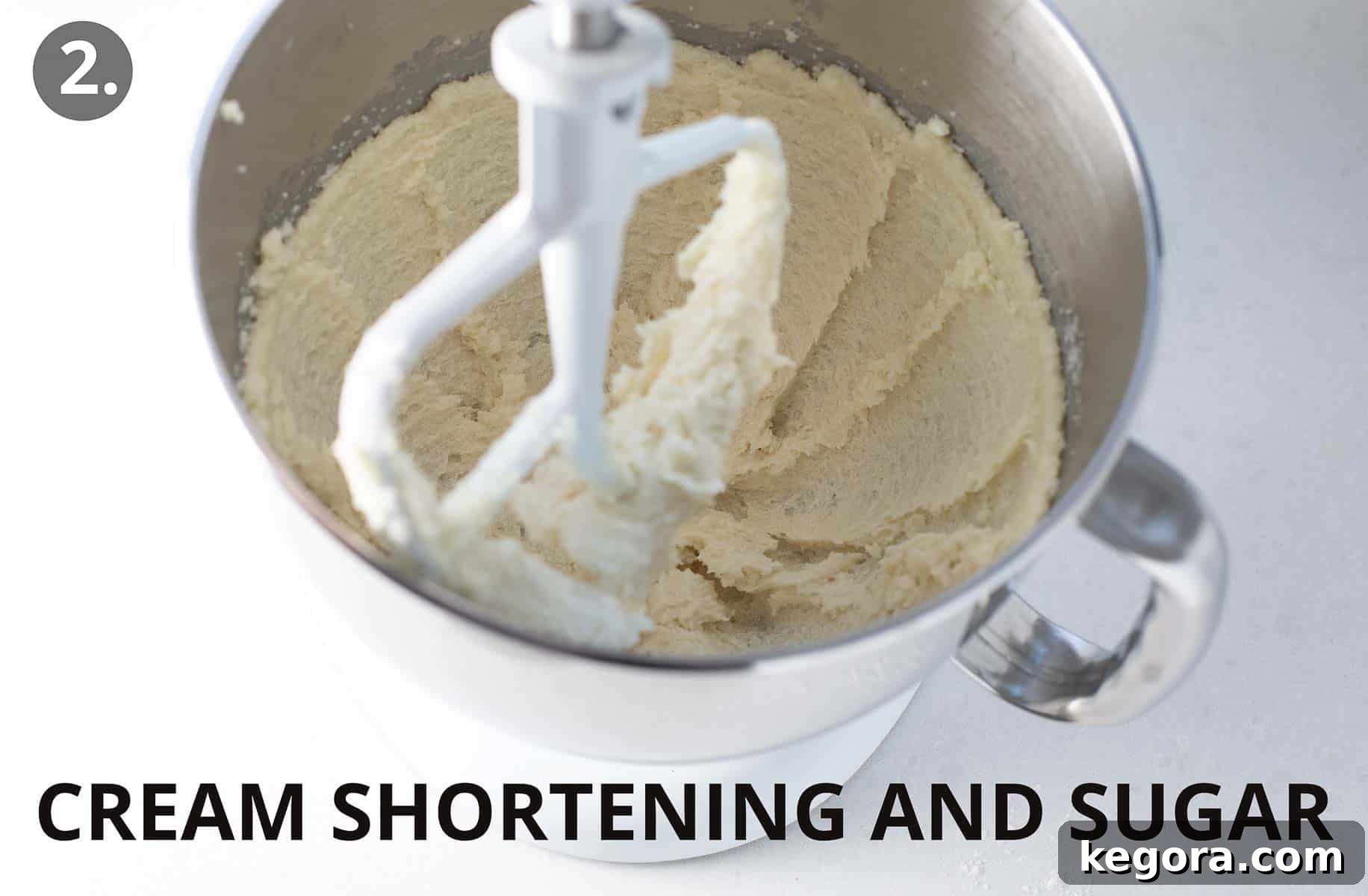
- Cream Shortening and Sugar: In the bowl of a stand mixer fitted with a paddle attachment (or using a hand mixer in a large bowl), combine the shortening and granulated sugar. Beat on medium speed for a full 2 minutes. This creaming process is vital; it incorporates air into the mixture, resulting in a lighter, softer cookie. The mixture should become light, fluffy, and noticeably paler in color.
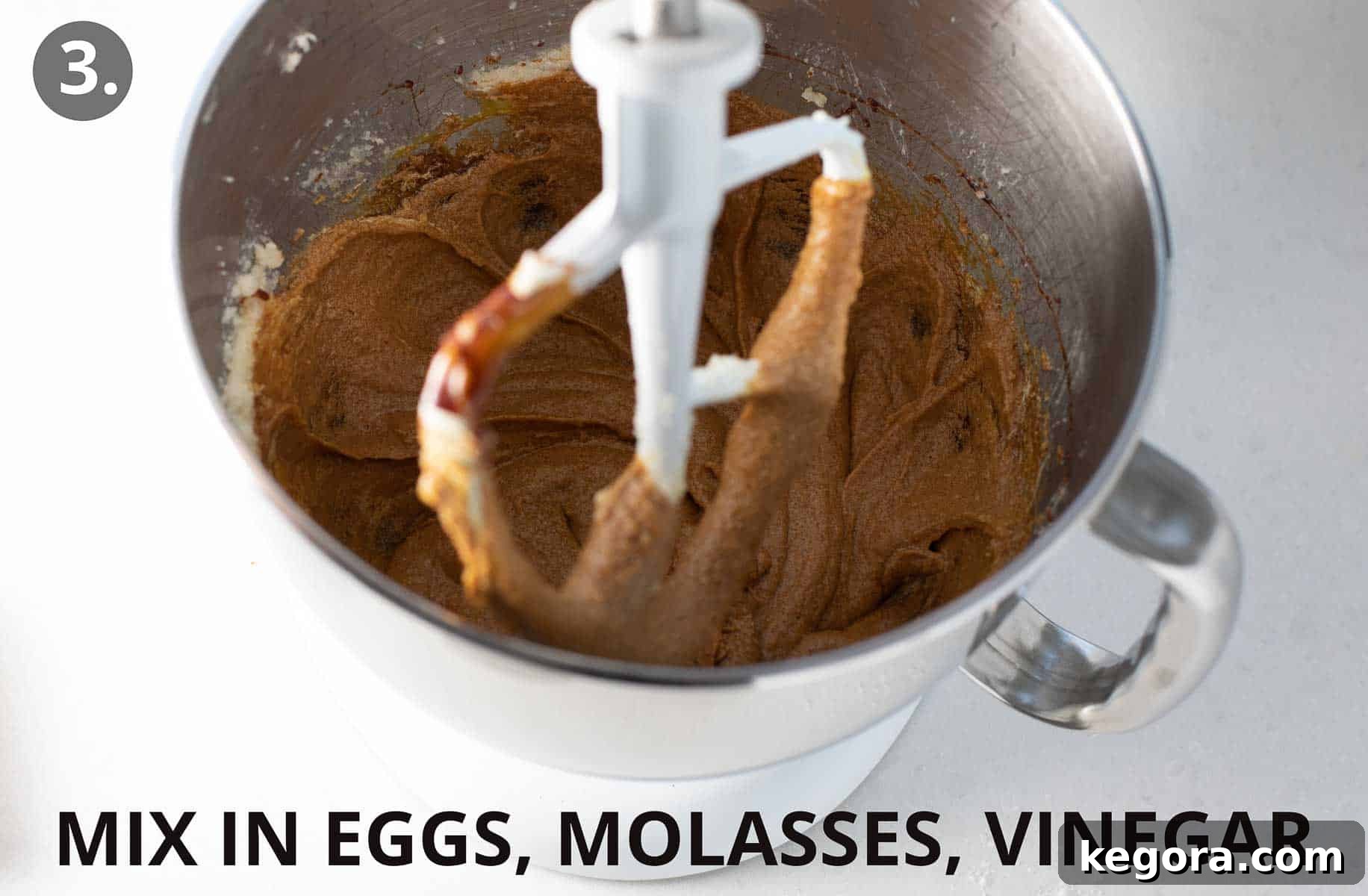
- Incorporate Wet Ingredients: To the creamed mixture, add the large egg, molasses, and the “secret ingredient” white vinegar. Mix on low speed until just combined. Use a rubber spatula to scrape down the sides of the bowl thoroughly. This ensures all ingredients are fully incorporated and prevents any unmixed streaks in your dough.
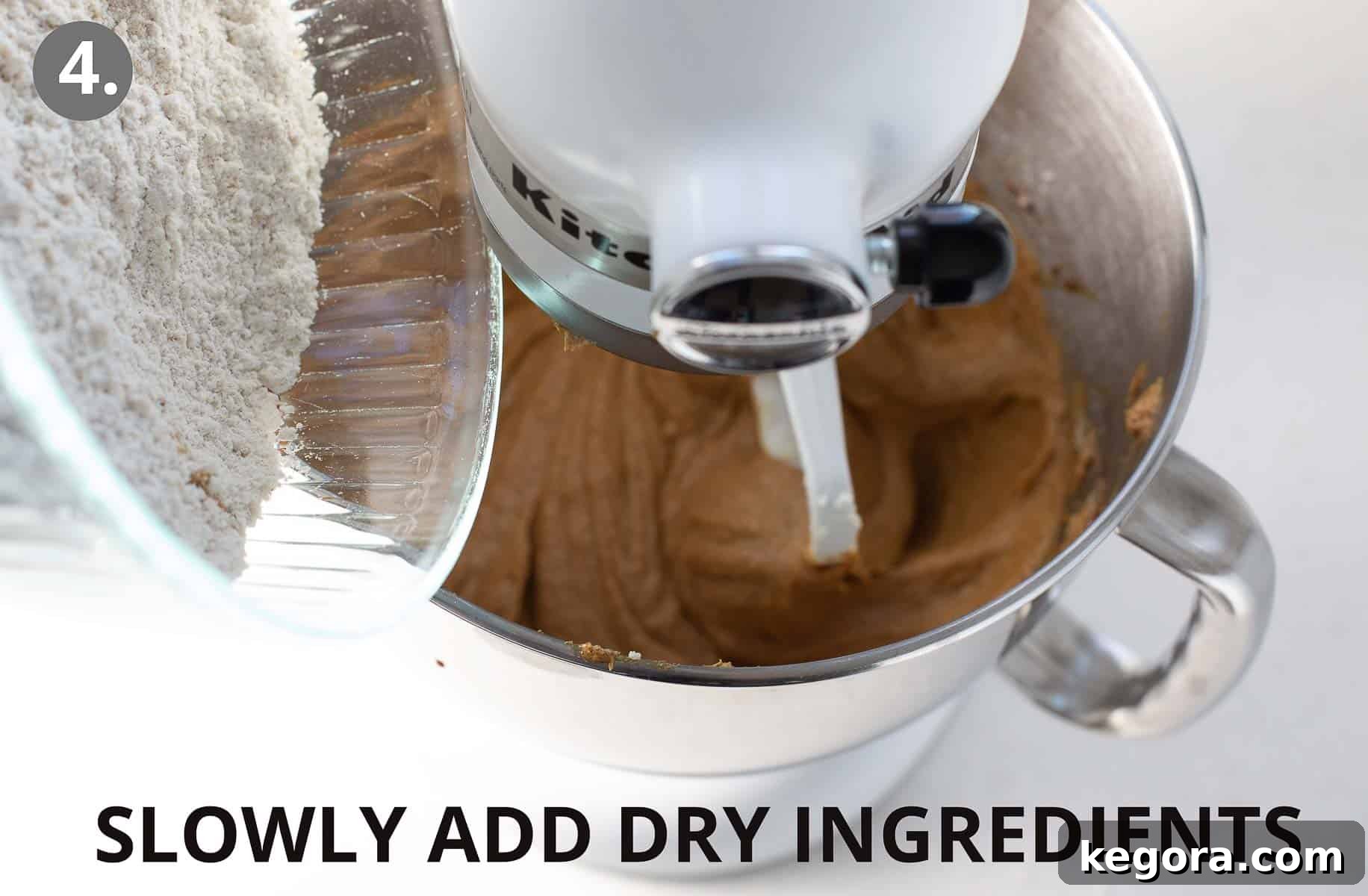
- Combine Wet and Dry: With the stand mixer running on its lowest speed, gradually add the whisked dry ingredient mixture to the wet ingredients. Continue mixing until everything is just well combined. Be careful not to overmix, as this can lead to tougher cookies. Stop as soon as no dry streaks of flour remain.

- Prepare and Chill the Dough: Scrape the cohesive gingerbread dough onto a clean work surface and divide it into two equal halves. Working with one half at a time, place the dough between two large sheets of parchment paper (or plastic wrap). Using a rolling pin, roll or press the dough evenly to a thickness of 1/4-inch. Leave the dough sandwiched between the parchment paper layers and stack them carefully on a baking sheet. This method prevents sticking and makes handling easier. Refrigerate for a minimum of 4 hours, or ideally, overnight. For those times you need cookies quicker, you can speed up the chilling by placing the dough in the freezer for 15-20 minutes.
Important Tip: The extended chill time is absolutely critical for the success of these gluten-free gingerbread cookies. Chilling stiffens the dough, ensuring that your beautiful cutouts hold their shape perfectly during baking and don’t spread. It also allows the gluten-free flour to fully hydrate, which leads to the best possible soft, tender, and consistent cookie texture. Don’t skip this step!

- Cut and Arrange Cookies: Once chilled, preheat your oven to 375°F (190°C) and line two baking sheets with parchment paper or silicone baking mats. Remove one sheet of chilled dough from the refrigerator (or freezer) at a time. Peel off the top layer of parchment paper. Working quickly to keep the dough cold, use your favorite cookie cutters to cut out desired shapes. For easy transfer and to prevent distortion, use a thin metal spatula to gently move the shaped cookie dough onto your prepared baking sheets, leaving about an inch between each cookie. If the dough starts to become too warm and sticky, simply pop it back into the freezer for 5-10 minutes to firm up before continuing. Gather any dough scraps, gently re-roll them between parchment paper, chill briefly, and cut out more cookies until all dough is used.
- Bake to Perfection: Bake the cookies for 9-10 minutes. The baking time may vary slightly depending on the size of your cookies and your oven, but they are done when the edges are lightly golden and the centers are set. Avoid overbaking, as this can make them hard. Let the cookies cool on the baking sheet for about 3 minutes before carefully transferring them to a wire rack to cool completely. This initial cooling on the hot baking sheet helps them firm up without breaking. Once fully cooled, they are ready for decorating and enjoying!
The Best Icing for Decorating Gluten-Free Gingerbread Cookies
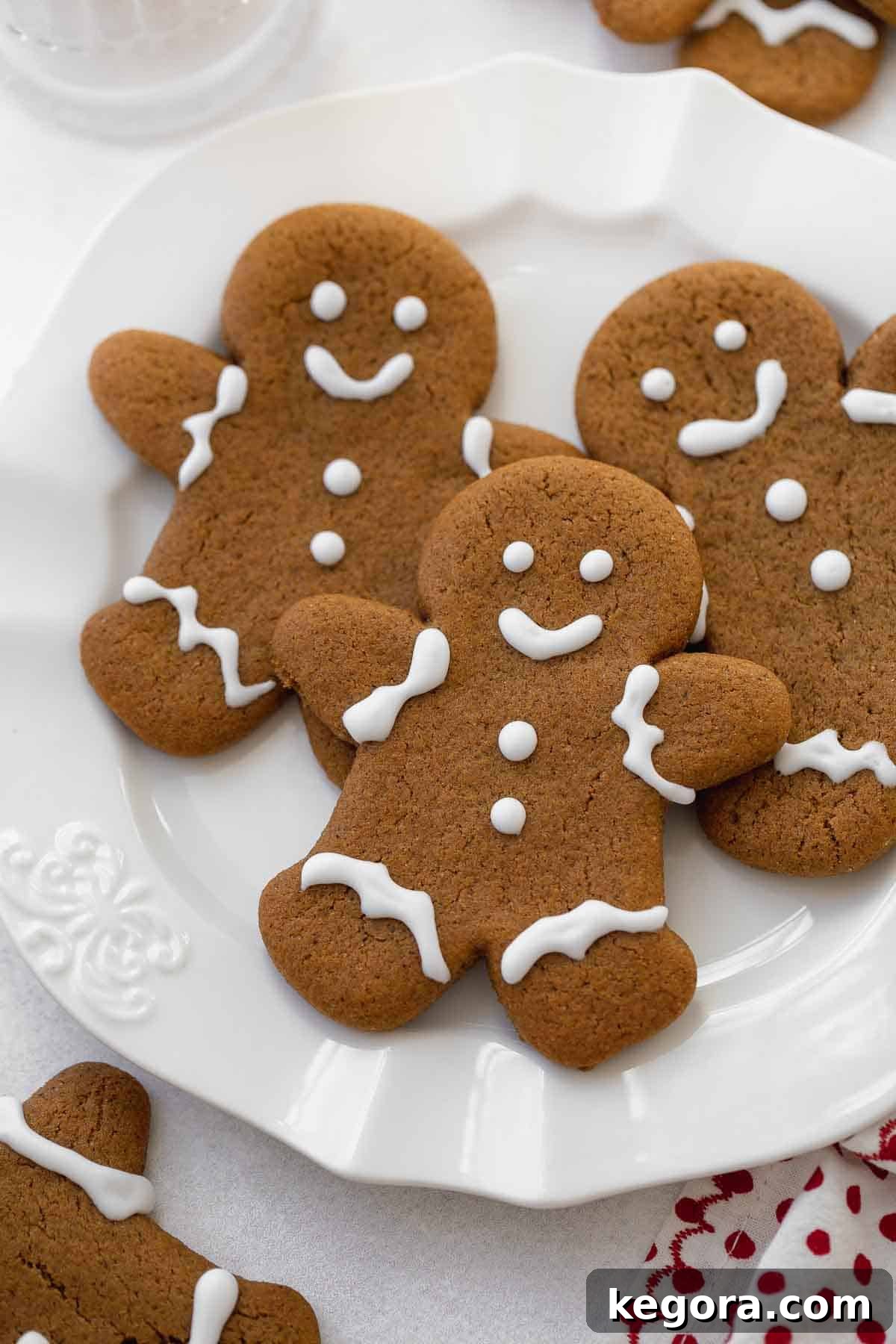
These gluten-free gingerbread cookies provide the perfect canvas for creative decorating. While royal icing is a popular choice for intricate designs and buttercream frosting offers a rich, creamy texture, my personal favorite is a simple yet elegant glaze. It’s easy to make, pipes beautifully, and sets well, making your cookies look as good as they taste.
Here’s my go-to simple icing recipe for decorating these delicious gingerbread cookies:
- 1 1/2 cups powdered sugar
- 1 tablespoon milk (dairy or non-dairy works)
- 1 tablespoon corn syrup (for shine and flexibility)
- 1/2 teaspoon vanilla extract
- Pinch of salt (to balance the sweetness)
Instructions: In a medium bowl, whisk all ingredients together until completely smooth and free of lumps. The consistency should be thick enough to hold its shape when piped but still flow smoothly. If your frosting is too thick, add a few drops of milk at a time until the desired consistency is achieved. If it’s too thin, add a little more powdered sugar. This versatile icing is fantastic for outlining, flooding, or adding simple designs to your holiday masterpieces.
Make-Ahead, Storage, and Freezing Tips for Gingerbread Dough and Cookies
One of the many joys of these gluten-free gingerbread cookies is how well they can be prepared in advance, allowing you to spread out your holiday baking tasks and reduce stress. Proper storage also ensures they remain fresh and delicious for days or even months.
- To Make-Ahead (Dough): This recipe already incorporates a crucial long chill time (4 hours to overnight), which is excellent for planning. For even more advanced preparation, you can wrap the unbaked cookie dough tightly in plastic wrap, ensuring no air can reach it, and refrigerate it for up to 3 days. This gives you ample flexibility to bake when it’s most convenient. To freeze the dough, wrap it meticulously in several layers of plastic wrap, then place it in an airtight container or a freezer-safe bag. The dough can be frozen for up to 1 month. When you’re ready to bake, simply thaw the dough in the refrigerator overnight before rolling and cutting.
- To Store (Baked Cookies): Once baked and decorated, leftover gingerbread cookies can be stored at room temperature in an airtight container for up to 1 week. To maintain their soft texture, you can place a slice of bread in the container; the cookies will absorb moisture from the bread, keeping them tender. Change the bread slice every couple of days.
- To Freeze (Baked Cookies): If you plan to freeze baked cookies, it’s best to do so *before* decorating them. Arrange the undecorated, fully cooled cookies in a single layer on a baking sheet and flash freeze them for about 30 minutes until solid. Then, transfer them to an airtight container or freezer bag, placing parchment paper between layers to prevent sticking. They can be frozen for up to 3 months. To enjoy, thaw the frozen cookies at room temperature for about 1 hour. Once thawed, they’re perfectly ready for decorating and savoring!
Can I Adapt This Gluten-Free Gingerbread Recipe for Dairy-Free or Egg-Free Diets?
Absolutely! This gluten-free gingerbread cookie recipe is naturally dairy-free since it uses shortening instead of butter. This makes it a fantastic option for those with dairy sensitivities or allergies. For an egg-free version, you’ll be pleased to know there’s only one large egg in the entire batch, making it very easy to substitute. I highly recommend using a commercial egg replacer like Bob’s Red Mill Egg Replacer for the best results, ensuring your cookies maintain their perfect texture and structure without the need for an actual egg.
The Importance of Chilling Gingerbread Cookie Dough: A Non-Negotiable Step
Yes, chilling the gingerbread cookie dough is absolutely essential and should not be skipped! There are two main reasons why this step is so crucial for successful gluten-free gingerbread cookies. First, chilling solidifies the shortening in the dough, which prevents the cookies from spreading excessively in the oven. This ensures your beautifully cut gingerbread shapes hold their form and retain crisp, clean edges. Second, and equally important for gluten-free baking, the chilling time allows the gluten-free flour blend to fully hydrate. This hydration process results in a softer, more pliable dough that is easier to roll out and cut, and ultimately contributes to a superior, more consistent texture in the baked cookies.
Almond Flour vs. Gluten-Free Measure-for-Measure Flour: What You Need to Know
Unfortunately, I do not recommend substituting almond flour for the gluten-free measure-for-measure flour in this recipe. Almond flour has a significantly different protein and fat content, as well as distinct absorption properties compared to a balanced gluten-free measure-for-measure blend. Using almond flour would drastically alter the texture, potentially resulting in crumbly, overly moist, or dense cookies that do not hold their shape. For best results and to ensure the cookies turn out as intended, stick to a high-quality gluten-free measure-for-measure flour that contains xanthan gum, as specified in the recipe.
Expert Tips for Keeping Gluten-Free Cookies Intact and Perfect
Ensuring your gluten-free cookies hold together and don’t crumble requires a few key practices. First and foremost, the choice of flour is paramount: always opt for a high-quality 1:1 gluten-free measure-for-measure flour blend. These blends are specifically formulated to mimic the properties of wheat flour and almost always contain xanthan gum, which acts as a vital binder in the absence of gluten. This particular brand is my top recommendation for consistent results. Additionally, thoroughly chilling your dough, as instructed, allows the starches to hydrate and the fats to solidify, creating a more stable structure that resists breaking during handling and baking. Lastly, avoid overmixing the dough and ensure precise measurements, as variations can impact the delicate balance of gluten-free ingredients.
Building with Gingerbread: Can This Recipe Be Used for a Gingerbread House?
Yes, absolutely! This versatile gluten-free gingerbread cookie recipe is excellent for constructing a gingerbread house. Its ability to hold shape makes it ideal for structural pieces. When preparing the dough for a gingerbread house, ensure you roll it out very evenly to a consistent 1/4 inch thickness. The full chilling time (at least 4 hours or overnight) is crucial here, even more so than for regular cookies, to guarantee the gingerbread house pieces maintain their precise dimensions in the oven. You’ll want to bake them slightly longer, closer to the 10-minute mark, to ensure they are firm and set, but be careful not to overbake them, as brittle pieces can easily break. Once cooled, use royal icing as a strong “glue” to assemble your festive gluten-free gingerbread house. It’s a wonderful project for the holidays!
Explore More Delicious Gluten-Free Christmas Cookies!
The holiday season is a perfect time to indulge in a variety of festive treats. If you’re loving these gingerbread cookies and looking for more gluten-free options to add to your holiday baking repertoire, explore some of my other popular recipes:
- Gluten-Free Gingerbread House: Take your gingerbread skills to the next level with a delicious and sturdy edible house.
- Gluten-Free Gingerbread Bars: All the flavor of gingerbread in an easy-to-make bar form.
- Chewy Gluten-Free Ginger Snaps: For those who love a bit more snap and spice.
- Crisp Gluten-Free Pizzelle: Delicate, crispy Italian wafers perfect for holiday entertaining.
- Soft Gluten-Free Molasses Crinkle Cookies: Another classic holiday cookie, soft and full of warm molasses flavor.
- Classic Gluten-Free Spritz Cookies: Beautifully pressed cookies perfect for any festive occasion.

Soft, Chewy Gluten-Free Gingerbread Cookies Recipe
Erin Collins
20 minutes
10 minutes
4 hours
4 hours
30 minutes
24
cookies
Hooray for cookies that are both delightfully soft AND hold their shape beautifully! This easy-to-follow recipe guarantees gluten-free cut-out gingerbread cookies that won’t spread, making them ideal for elaborate designs and bringing smiles to everyone’s faces.
Comments
(A video demonstrating the recipe steps would typically be placed here.)
Ingredients
Dry Ingredients:
-
3 1/2
cups
(525g) gluten-free measure-for-measure flour
-
1 ½
teaspoons
baking soda -
½
teaspoon
kosher salt -
3
teaspoons
ground ginger -
1
teaspoon
ground cinnamon -
1
teaspoon
ground cloves
Other:
-
1
cup
(195g) shortening
(I use organic palm shortening) -
1
cup
(200g) granulated sugar -
1
large egg -
2
tablespoons
white vinegar -
1
cup
(240ml) molasses
Instructions
-
In a medium bowl, thoroughly whisk together the gluten-free measure-for-measure flour, baking soda, salt, ground ginger, cinnamon, and cloves until well combined. This ensures all dry ingredients are evenly distributed.
-
In the bowl of a stand mixer (or using a hand mixer), add the shortening and granulated sugar. Mix on medium speed for 2 minutes until the mixture is thoroughly creamed, light, and fluffy.
-
Add the large egg, white vinegar, and molasses to the creamed mixture. Mix on low speed until just combined. Use a rubber spatula to scrape down the sides of the bowl to ensure all ingredients are fully incorporated.
-
With the mixer running on low speed, slowly add the dry ingredients to the wet mixture. Mix until everything is just combined and no dry streaks of flour remain. Be careful not to overmix.
-
Scrape the dough onto a clean work surface and divide it in half. Working with one portion at a time, roll or press the dough to an even ¼-inch thickness between two large sheets of parchment paper (or plastic wrap). Leave the dough sandwiched between the parchment paper layers, stack on a baking sheet, and refrigerate for 4 hours or overnight. For quicker chilling, freeze the dough for 15-20 minutes.
-
Preheat your oven to 375°F (190°C). Line two baking sheets with parchment paper or silicone baking mats.
-
Remove one chilled dough sheet from the refrigerator (or freezer) and place it on the counter. Quickly peel off the top layer of parchment paper, then use cookie cutters to cut into your desired shapes. Use a thin metal spatula to carefully transfer the shaped cookies to the prepared baking sheets, ensuring they are about an inch apart.
-
If the dough becomes sticky or difficult to work with, place it back in the freezer for 5-10 minutes to firm up. Repeat the cutting process with the second dough sheet. Gather any dough scraps, gently re-roll them between parchment, chill briefly, and cut out additional cookies until all dough is used.
-
Bake for 9-10 minutes, or until the edges are lightly golden and the centers are set. Be careful not to overbake. Let the cookies cool on the baking sheet for 3 minutes before transferring them to a wire rack to cool completely. Once fully cooled, decorate with your favorite royal icing or frosting, and enjoy your delicious gluten-free gingerbread cookies!
Notes
Make-Ahead Dough: Wrap raw dough tightly in plastic wrap and refrigerate for up to 3 days, or freeze for up to 1 month. Thaw in the refrigerator overnight before use.
Storage: Store baked and decorated cookies in an airtight container at room temperature for up to 1 week.
Freezing Baked Cookies: Freeze undecorated cookies in an airtight container with parchment paper between layers for up to 3 months. Thaw at room temperature for 1 hour, then decorate and enjoy.
Ingredient Insights:
- Gluten-Free Flour: Use a reliable gluten-free measure-for-measure flour blend that includes xanthan gum for optimal binding and texture. This brand is a favorite for consistent results.
- Shortening: Essential for the soft, chewy texture and preventing cookie spread. Butter-flavored shortening can be used if preferred.
- Vinegar: My Grandma’s secret! It reacts with baking soda to lighten the dough, and it’s completely flavorless in the final cookie.
Simple Gingerbread Cookie Icing Recipe:
- 1 ½ cups powdered sugar
- 1 tablespoon milk (dairy or non-dairy)
- 1 tablespoon corn syrup
- ½ teaspoon vanilla extract
- Pinch of salt
Whisk all ingredients until smooth. Adjust consistency with a few drops of milk if too thick, or a touch more powdered sugar if too thin. It should be thick enough to pipe but still spreadable.
Nutrition
Calories:
211
kcal
|
Carbohydrates:
32
g
|
Protein:
2
g
|
Fat:
9
g
|
Saturated Fat:
2
g
|
Polyunsaturated Fat:
3
g
|
Monounsaturated Fat:
4
g
|
Trans Fat:
1
g
|
Cholesterol:
7
mg
|
Sodium:
125
mg
|
Potassium:
212
mg
|
Fiber:
2
g
|
Sugar:
19
g
|
Vitamin A:
10
IU
|
Vitamin C:
0.01
mg
|
Calcium:
43
mg
|
Iron:
1
mg