
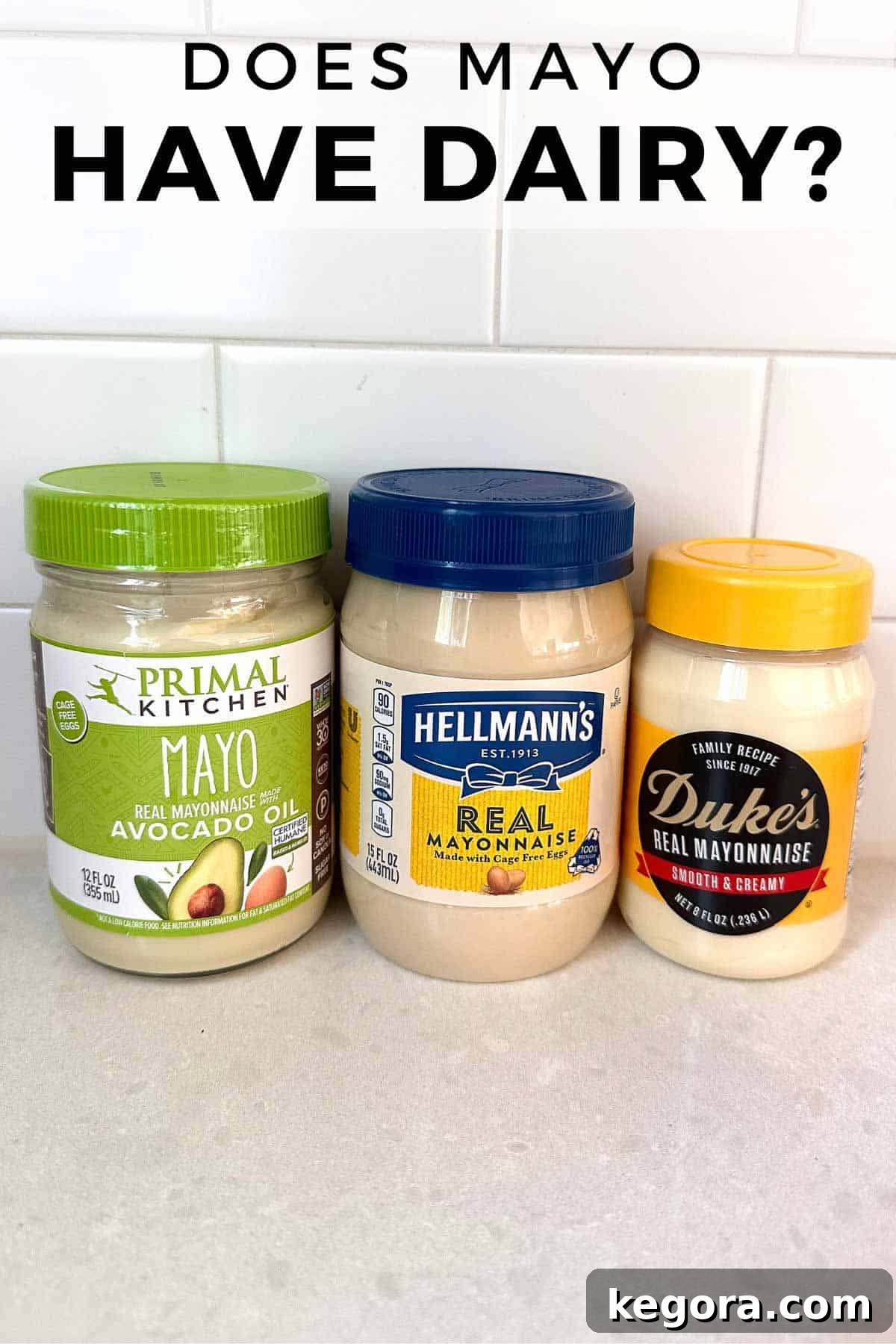
Mayonnaise, often simply called “mayo,” is a beloved condiment found in kitchens worldwide, adding a rich, creamy texture and tangy flavor to countless dishes. From classic sandwiches and juicy burgers to essential roles in potato salad, coleslaw, and a myriad of salad dressings, its versatility is undeniable. However, for individuals navigating specific dietary requirements, a common question often arises: Does this creamy staple contain dairy? This concern is particularly relevant for those with lactose intolerance, dairy allergies, or anyone following a dairy-free lifestyle. Understanding the core ingredients of mayonnaise is crucial to confidently incorporate it into your diet.
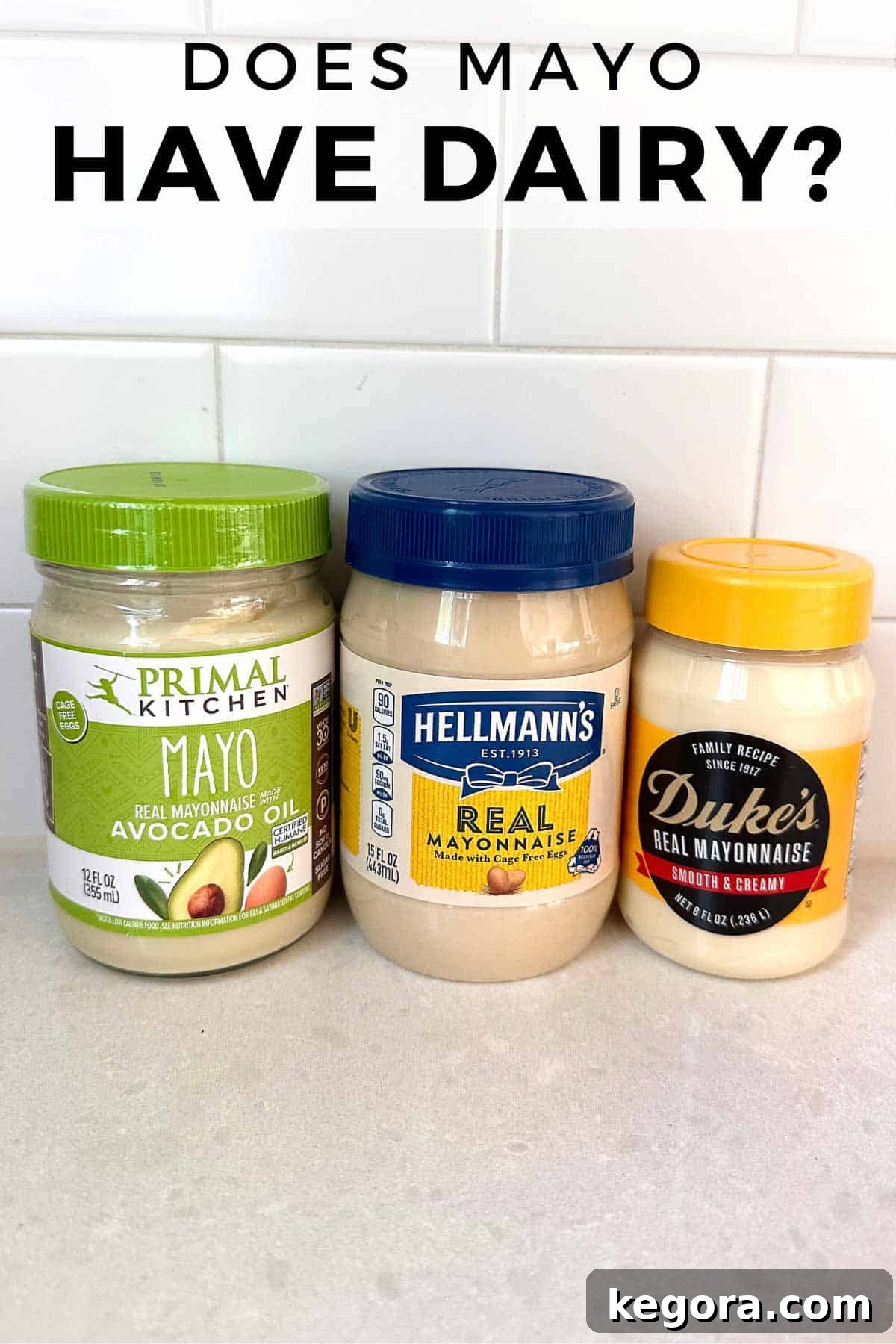
The visual appearance of mayonnaise—its pale, opaque, and undeniably creamy consistency—often leads to the assumption that it must be dairy-based, similar to milk, yogurt, or cream cheese. This common misconception can cause unnecessary dietary restrictions for many. Let’s delve into the facts to clarify this culinary query and empower you with accurate information for your dietary choices.
SHORT ANSWER: Mayo is Dairy-Free!
Rest assured, traditional mayonnaise is typically dairy-free. Its primary ingredients are eggs, oil, and vinegar, none of which are derived from milk. The vast majority of commercially available mayonnaise brands do not include any milk or milk products, making them suitable for most dairy-free diets. Always remember to check product labels to confirm ingredients for specific brands.
Unpacking the Dairy Question: Is Mayonnaise Dairy-Free?
Despite its rich, white, and creamy appearance, which often makes it resemble dairy products, mayonnaise, in its most traditional form, does not contain animal milk or any milk-derived ingredients. This fundamental distinction is key for individuals managing dietary restrictions such as lactose intolerance or a dairy allergy. Lactose intolerance, characterized by the inability to digest lactose (the sugar found in milk), means that consuming dairy products can lead to uncomfortable digestive symptoms. Similarly, a dairy allergy involves an immune response to milk proteins, which can trigger more severe reactions.
Because authentic mayonnaise is crafted from a blend of eggs, oil, and an acidic agent like vinegar or lemon juice, it naturally lacks the milk sugar lactose and milk proteins that cause issues for those with dairy sensitivities. Therefore, it serves as an excellent condiment option for individuals adhering to a dairy-free diet. It’s important to note, however, that while mayo is dairy-free, it does contain eggs as a primary emulsifier. This means that regular mayonnaise is not suitable for a vegan diet, which excludes all animal products, including eggs. For vegans, numerous egg-free and plant-based mayonnaise alternatives are readily available. Regardless of your specific dietary needs, cultivating the habit of checking the ingredient list on any packaged food item, including mayonnaise, is always a wise practice to ensure it aligns with your dietary requirements and preferences.
The Science of Mayonnaise: Decoding Its Ingredients
Mayonnaise is a testament to culinary chemistry, a stable emulsion that perfectly blends ingredients that would typically separate. This remarkable consistency is achieved through a precise combination of eggs, oil, and an acid, creating its signature creamy texture and robust flavor profile. Understanding these core components not only clarifies its dairy-free status but also highlights the ingenuity behind this everyday condiment.
The primary ingredients in traditional mayonnaise include:
- Oil: This forms the bulk of mayonnaise and contributes to its smooth texture. Common choices include soybean oil, canola oil, sunflower oil, olive oil, or avocado oil. The neutral flavor of most vegetable oils allows the other ingredients to shine, while specialized oils like olive or avocado oil can impart distinct notes.
- Eggs: Specifically, egg yolks are the star here. Eggs act as the emulsifying agent, meaning they contain lecithin, a phospholipid that helps bind the oil and water-based ingredients together, preventing them from separating. Whole eggs can also be used, contributing both emulsification and richness.
- Acid: Distilled vinegar or lemon juice concentrate provides the necessary acidity, which not only brightens the flavor but also helps to stabilize the emulsion and adds to the shelf life. The acid also contributes to the characteristic tangy taste of mayonnaise.
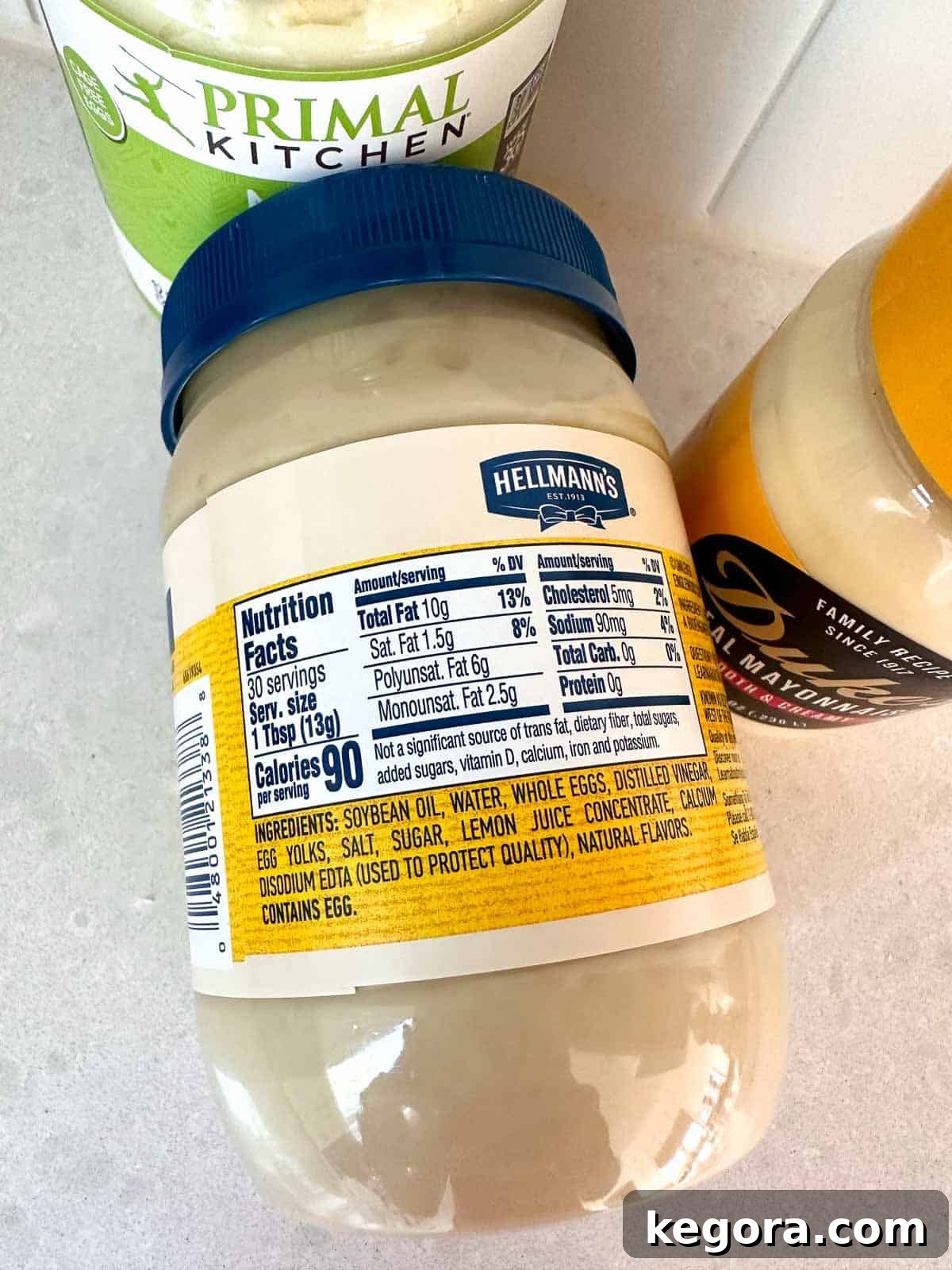
Beyond these foundational elements, commercial mayonnaise brands often incorporate additional ingredients to enhance flavor, texture, and preservation. For instance, a typical label for a widely recognized brand like Hellmann’s (also known as Best Foods in some regions) might list:
- Soybean oil
- Water
- Whole eggs
- Egg yolks
- Distilled vinegar
- Salt
- Sugar (often in small amounts to balance flavor)
- Lemon juice concentrate
- Calcium Disodium EDTA (a chelating agent and preservative to maintain freshness and stability)
- Natural flavors
While the possibility exists for a manufacturer to introduce dairy ingredients like milk powder, cream, or cheese into a specialty mayonnaise product (e.g., a cheese-flavored aioli), such additions are not part of the standard recipe for traditional mayonnaise. Consequently, the vast majority of mayonnaise found on supermarket shelves remains dairy-free, making it a safe choice for those avoiding milk products. However, as with any packaged food, a quick glance at the ingredient list is always the most reliable way to confirm its suitability for your diet.
Eggs vs. Dairy: Clearing Up the Confusion
A common point of confusion for many consumers is whether eggs fall under the “dairy” category. It’s a misconception often fueled by the fact that eggs are typically found in the refrigerated section of grocery stores, often alongside milk, cheese, and yogurt. However, from a biological and nutritional standpoint, eggs are definitively not considered dairy products.
Dairy products are defined as foods derived from the milk of mammals, such as cows, goats, or sheep. This category includes milk itself, cheese, yogurt, butter, and cream. These products contain lactose (milk sugar) and milk proteins, which are the components that can trigger allergies or intolerance. Eggs, on the other hand, are laid by birds (primarily chickens for culinary use) and are biologically distinct. They do not contain lactose or milk proteins. Therefore, if you are lactose intolerant or have a dairy allergy, eggs are generally safe to consume, provided you don’t also have an egg allergy, which is a separate dietary concern.
Understanding this distinction is crucial for accurate dietary planning. People on dairy-free diets can typically enjoy eggs without issue, and vice-versa. Always remember that while eggs are not dairy, they are animal products, a key consideration for individuals following a vegan lifestyle.
Navigating the Shelves: Is Every Mayonnaise Dairy-Free?
While the general rule holds that most traditional mayonnaise is dairy-free, primarily made from eggs, oil, and vinegar, it’s important to understand that the food industry offers a wide array of products, and individual manufacturers can sometimes deviate from standard recipes. Therefore, the statement “is all mayo dairy-free?” requires a nuanced answer: mostly, but not always.
The vast majority of conventional, store-bought mayonnaise brands do not contain animal milk or milk products. Their core ingredients are inherently dairy-free. However, with the proliferation of specialty condiments and flavored mayonnaises, there’s a slim possibility that dairy could be introduced. For example, some gourmet or artisanal brands might add cheese, cream, or milk solids to create specific flavor profiles (e.g., a “parmesan aioli” or a “creamy herb mayo” that uses dairy cream). While these are rare for standard mayonnaise, they do exist in the broader condiment market. Similarly, some ready-made salad dressings or sauces that list “mayonnaise” as a component might have other dairy ingredients in their overall formulation.
For this reason, developing the habit of scrutinizing ingredient labels is paramount, especially for individuals with diagnosed dairy allergies or severe lactose intolerance. A quick check of the “Contains” statement, usually found at the bottom of the ingredient list, will clearly state if a product includes “Milk” as an allergen. For most mainstream brands, you will find no mention of dairy, ensuring peace of mind for your dairy-free diet. This diligent approach guarantees that the mayonnaise you choose aligns perfectly with your dietary needs.
Mayo: A Double-Win for Dairy and Gluten-Free Diets?
Beyond being typically dairy-free, traditional mayonnaise often presents another significant advantage for those with dietary restrictions: it is also almost always gluten-free. Gluten is a protein complex found in wheat, barley, and rye, and it can cause adverse reactions in individuals with celiac disease or non-celiac gluten sensitivity. According to the FDA, a product can be labeled gluten-free if it contains less than 20 parts per million of gluten, a level generally considered safe for those with celiac disease.
The primary ingredients of mayonnaise—oil, eggs, and vinegar—are all naturally gluten-free. This inherent composition means that most standard mayonnaise brands do not contain any gluten-containing grains or derivatives. This makes it a widely accessible and safe condiment for individuals managing both dairy and gluten-free diets simultaneously, allowing them to enjoy its creamy texture and flavor without worry.
However, the importance of reading labels cannot be overstated. While the core ingredients are safe, potential issues could arise if flavorings, additives, or processing aids containing gluten are used, or through cross-contamination during manufacturing. For those with severe gluten sensitivities or celiac disease, looking for products explicitly labeled “certified gluten-free” provides an extra layer of assurance. This certification indicates that the product has been tested to meet strict gluten-free standards and that measures are in place to prevent cross-contamination at the manufacturing facility. Most major commercial brands of mayonnaise are very transparent about their gluten-free status, often stating it directly on the packaging or their websites, making it easier for consumers to make informed choices.
Mayonnaise is a fantastic base for creating an array of delicious, dairy-free, and often gluten-free meals. Explore these recipes that incorporate dairy-free ingredients, including the versatile mayo: try this dairy-free buffalo chicken dip, a creamy dairy-free spinach artichoke dip, a comforting dairy-free lasagna, fluffy dairy-free mashed potatoes, and a classic dairy-free mac and cheese. You can also elevate your side dishes by using mayo in this popular coleslaw recipe, which promises a delightful crunch and creamy finish.
Frequently Asked Questions About Mayonnaise and Dairy
No, Hellmann’s original mayonnaise is dairy-free. Both Hellmann’s original and Hellmann’s light mayonnaise varieties do not contain any dairy ingredients. Their classic recipe is composed of soybean oil, water, whole eggs, egg yolks, distilled vinegar, salt, sugar, lemon juice concentrate, calcium disodium EDTA (a common preservative), and natural flavors. This makes it a safe choice for those avoiding dairy products.
Yes, Duke’s Real Mayonnaise is indeed dairy-free. Renowned for its unique tangy flavor and rich texture, Duke’s mayo is formulated without any milk or milk-derived ingredients. Its ingredient list typically includes soybean oil, eggs, water, distilled and apple cider vinegar, salt, oleoresin paprika (for color), natural flavors, and calcium disodium EDTA. This makes Duke’s a fantastic option for anyone following a dairy-free diet without compromising on taste.
Yes, in almost all cases, traditional mayonnaise is safe to consume if you have a dairy allergy. This is because standard mayonnaise recipes do not typically include any milk or ingredients derived from milk, which are the culprits for dairy allergy reactions. However, due diligence is always recommended: always check the ingredient label before consumption. While rare for classic mayo, individual companies could potentially add milk, cream, or other dairy components to specialty or flavored mayonnaise products, which would be clearly indicated on the packaging.
No, Miracle Whip dressing, a popular condiment known for its distinctive tangy-sweet flavor, does not contain dairy. Despite its creamy consistency, it is formulated without any milk or milk products. Its key ingredients typically include water, soybean oil, high-fructose corn syrup, vinegar, modified cornstarch, eggs, salt, natural flavor, mustard flour, potassium sorbate (as a preservative), paprika, spice, and dried garlic. Therefore, Miracle Whip is suitable for individuals with a milk allergy or lactose intolerance.
No, individuals following a vegan diet cannot consume traditional mayonnaise because it contains eggs. Eggs are an animal product, and veganism excludes all animal-derived ingredients. However, the good news for vegans is that the market offers a wide and growing selection of delicious eggless mayonnaise options. These plant-based alternatives use ingredients like aquafaba (chickpea brine), plant-based proteins, or starches to achieve a similar creamy texture and flavor without any animal products. Look for brands such as Hellmann’s Vegan Dressing, Sir Kensington’s Classic Vegan Mayo, Follow Your Heart Vegenaise, or Primal Kitchen Vegan Mayo, among many others, to enjoy a vegan-friendly creamy condiment.
The Bottom Line: Enjoy Your Mayonnaise, Dairy-Free!
To summarize, the overwhelming majority of traditional mayonnaise products are dairy-free. This popular condiment is fundamentally an emulsion of oil, eggs, and an acid like vinegar or lemon juice, none of which are dairy-derived. While its creamy white appearance might suggest otherwise, it does not typically contain milk, lactose, or milk proteins, making it a suitable choice for those with lactose intolerance or dairy allergies.
It’s important to remember that while eggs are a key ingredient in conventional mayonnaise, eggs are not considered dairy products. Therefore, if you are avoiding dairy but can consume eggs, standard mayonnaise is generally safe. However, if you follow a vegan diet, you’ll need to opt for specialized egg-free, plant-based mayonnaise alternatives, which are widely available today.
The golden rule for any dietary restriction remains vigilant label checking. Although exceptions are rare for classic mayonnaise, a quick glance at the ingredient list will always confirm whether a particular brand meets your specific dietary needs. With this knowledge, you can confidently enjoy the rich flavor and versatility of mayonnaise in your culinary creations, knowing it aligns with your dairy-free lifestyle.