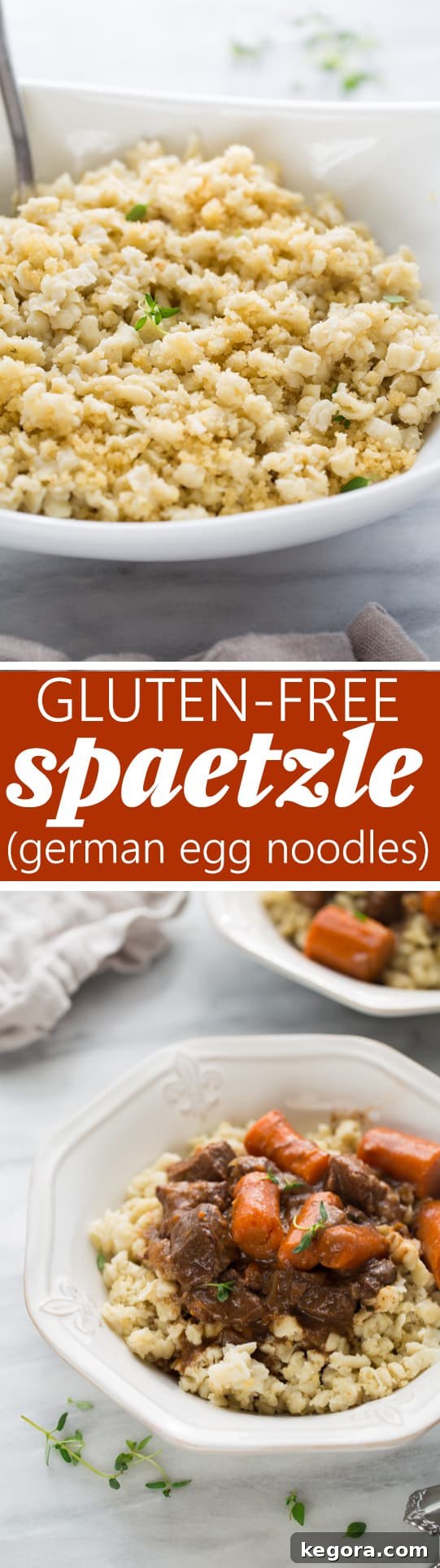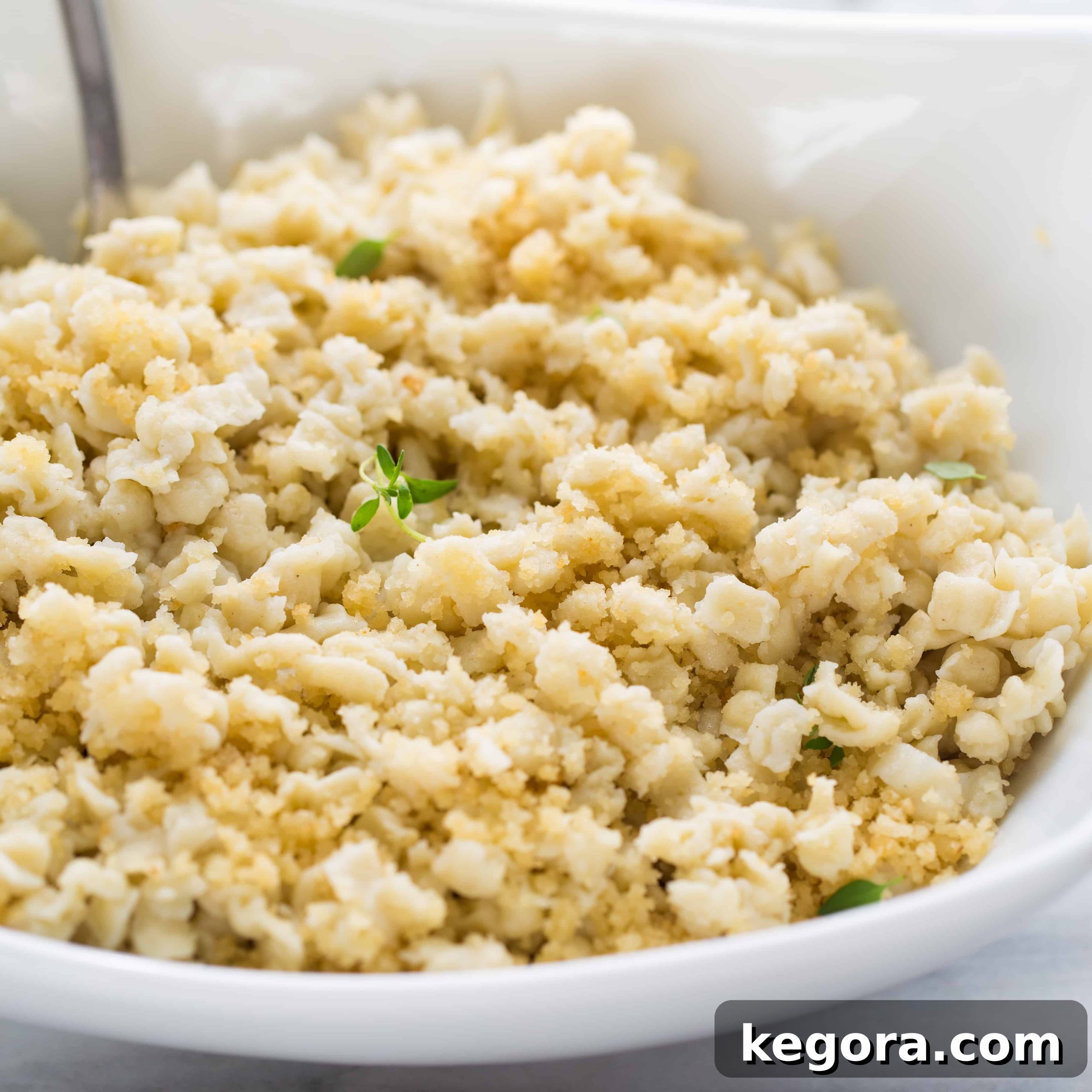
Welcome to the ultimate guide for crafting delightful **Gluten-Free Spaetzle**! These tender German egg noodles are an absolute revelation for anyone living a gluten-free lifestyle and yearning for that classic comfort food experience. Perfectly designed to complement your favorite gravies and stews, this recipe promises to bring traditional German flavors right into your kitchen.
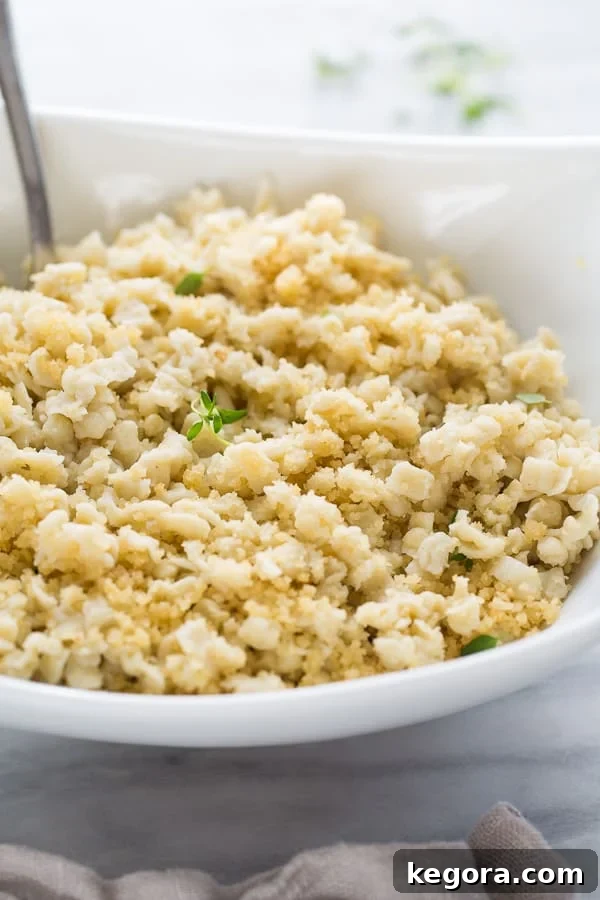
Homemade Gluten-Free Spaetzle: Your New Favorite German Comfort Food
For those navigating the world of gluten-free eating, the absence of certain beloved dishes can often feel like a culinary void. Among these, traditional egg noodles are frequently missed. But fret no more! This meticulously crafted recipe for **Gluten-Free Spaetzle** is here to fill that void, offering a taste and texture remarkably close to its conventional counterpart.
In our family, holiday gatherings are synonymous with a spread of classic German cuisine. And truly, no German feast feels complete without a generous helping of these delightful spaetzle noodles. If you’re new to the world of spaetzle, imagine tiny, irregular egg noodles or dumplings – wonderfully soft, chewy, and incredibly versatile. The best part? They are surprisingly simple to create from scratch!
What Exactly is Spaetzle? A Journey into German Culinary Tradition
Spaetzle, pronounced “SHPEHT-zluh,” holds a cherished place in the culinary traditions of Southern Germany, particularly in the Swabia region of Baden-Württemberg, as well as parts of Austria, Switzerland, Alsace (France), and Hungary. The name itself is often translated as “little sparrows,” perhaps referring to their small, irregular shape. Unlike traditional pasta, which is typically rolled and cut, spaetzle dough is softer and either scraped or pressed directly into boiling water.
Historically, spaetzle was a staple food, providing a hearty and economical meal. It’s often considered a versatile side dish, much like potatoes or rice, but with a unique texture and flavor that sets it apart. Its slightly chewy texture and porous surface make it exceptional at absorbing and complementing the rich flavors of gravies, sauces, and braised meats.
Why Choose Gluten-Free Spaetzle?
For individuals with celiac disease, gluten sensitivity, or those simply choosing a gluten-free diet, traditional pasta and egg noodles are off-limits. This can be particularly disheartening when craving the familiar comforts of dishes like spaetzle. Our **Gluten-Free Spaetzle** recipe ensures that no one has to miss out on this classic German delight. We’ve meticulously tested and perfected a blend of ingredients that mimics the elasticity and tenderness of traditional spaetzle, providing a truly satisfying and authentic experience without any gluten.
Embracing gluten-free alternatives doesn’t mean sacrificing flavor or tradition. In fact, it opens up a world of creative cooking. This recipe is a testament to how easily you can adapt beloved comfort foods to suit dietary needs, ensuring everyone at the table can enjoy a delicious and heartwarming meal.
Making Homemade Spaetzle: Easier Than You Think!
The idea of making your own egg noodles might sound intimidating or like a project reserved for professional chefs. However, the beauty of spaetzle lies in its rustic simplicity. It’s remarkably easy, requiring just a few basic ingredients and a specific tool to achieve its characteristic shape. Once you try making them yourself, you’ll realize there’s nothing “fancy” about it – just pure culinary satisfaction!
The key to creating perfectly shaped spaetzle is a spaetzle press or a spaetzle board. While a dedicated press makes the process incredibly quick and consistent, you can also use a colander with large holes or even a coarse grater in a pinch. The press is a worthwhile investment if you plan to make spaetzle regularly, as it streamlines the process significantly and produces beautifully uniform noodles. It’s often quite affordable, making it an accessible kitchen gadget for any home cook.
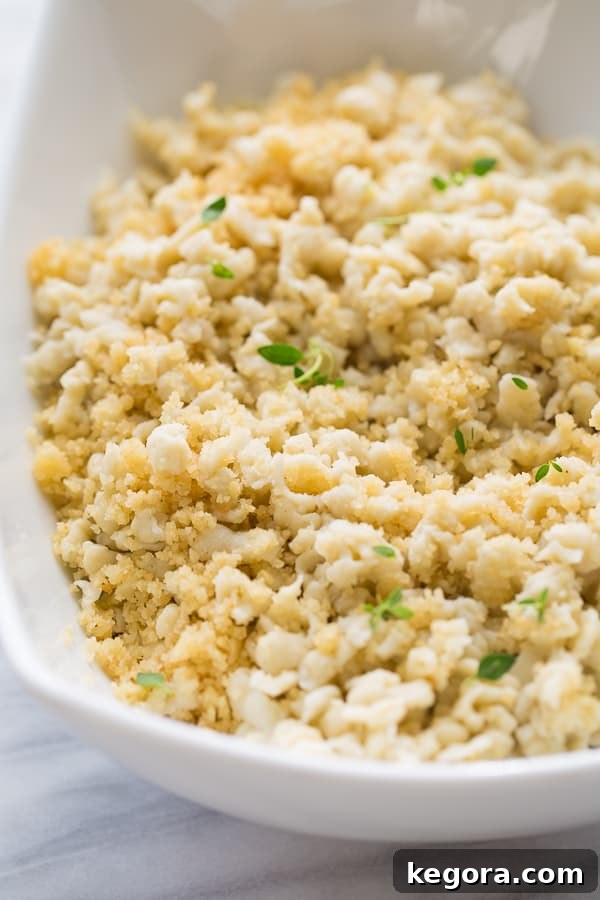
The Simple Ingredients Behind Perfect GF Spaetzle
The magic of these **homemade gluten-free egg noodles** comes from a remarkably simple ingredient list: gluten-free flour, salt, eggs, and milk (or almond milk for a dairy-free option). Each component plays a vital role in achieving the ideal texture and flavor:
- Gluten-Free Flour Blend: This is the cornerstone of our gluten-free spaetzle. It is crucial to use a high-quality 1:1 gluten-free baking flour blend that contains xanthan gum. Xanthan gum acts as a binder, mimicking the elasticity and structure that gluten provides in traditional flours, ensuring your noodles hold together and have that desirable chewy bite. We specifically recommend Bob’s Red Mill 1:1 Gluten-Free Baking Flour, as it consistently yields excellent results in this recipe. Using a blend without xanthan gum or a grain-free flour will likely alter the texture significantly, potentially leading to crumbly or overly soft noodles.
- Eggs: Eggs are essential for binding the dough, adding richness, contributing to the golden color, and providing structure. Beaten eggs ensure even distribution throughout the batter.
- Milk (or Unsweetened Almond Milk): This liquid component hydrates the flour, creating a smooth, pourable dough. Using unsweetened almond milk makes this recipe easily dairy-free without compromising flavor.
- Salt: A touch of salt enhances all the flavors and is crucial for seasoning the noodles themselves.
Crafting Your Gluten-Free Spaetzle: A Step-by-Step Guide
The process of cooking spaetzle is as engaging as it is simple. Once your dough is ready, you’ll press it directly into a pot of rapidly boiling, salted water. The key is to work in batches to avoid overcrowding the pot, which can lower the water temperature and lead to sticky noodles. The noodles cook incredibly fast, often floating to the surface within 20-30 seconds, signaling they are perfectly done.
After cooking, they are typically removed with a slotted spoon or strainer and can be briefly rinsed in cold water to prevent sticking, though many prefer them directly from the hot water into a serving bowl. This hands-on method makes the creation of spaetzle a fun and rewarding kitchen activity.
For more insights into gluten-free alternatives for your favorite dishes, you might find our post on are egg noodles gluten-free particularly helpful.
The Perfect Finish: Buttered Gluten-Free Breadcrumbs
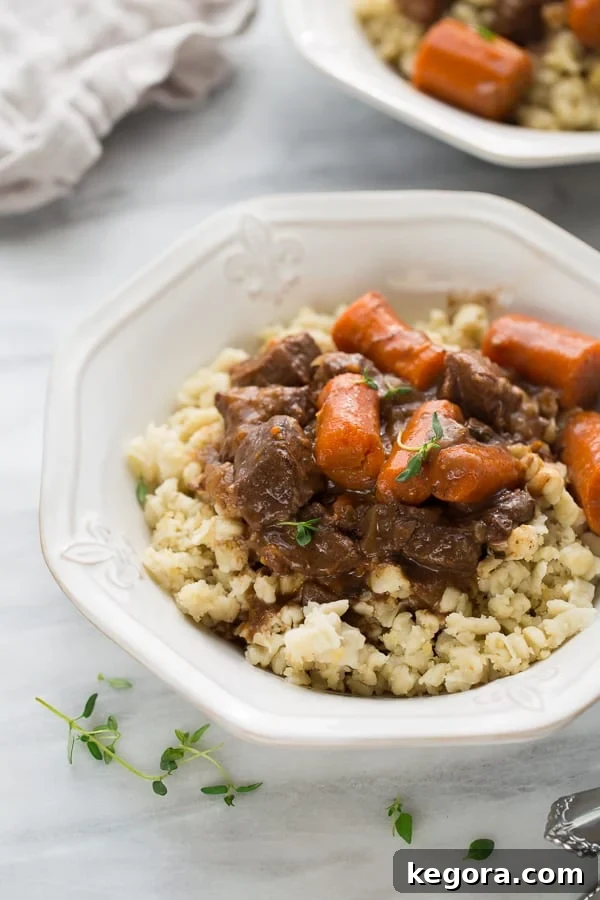
While spaetzle is incredibly delicious on its own, tossed with a simple pat of butter, our favorite way to enjoy it is with a crispy, golden topping of gluten-free breadcrumbs sautéed in melted butter. This classic German finish adds an irresistible texture and a depth of savory, buttery flavor that truly elevates the dish. The contrasting crunch of the breadcrumbs against the soft noodles is pure culinary harmony!
Serving Suggestions for Your Homemade Spaetzle
The versatility of spaetzle is one of its greatest assets. It’s an ideal accompaniment to a wide array of hearty main courses:
- Classic Pairings: Our absolute favorite way to enjoy spaetzle is alongside rich, slow-cooked dishes like my Dad’s famous Beef Burgundy (keep an eye out for that recipe coming soon!) or a tender gluten-free pot roast with a savory mushroom gravy. The spaetzle acts as a perfect sponge, soaking up every last drop of flavorful sauce.
- Holiday Feasts: These noodles are a traditional and beloved component of our Christmas dinner, adding a comforting, authentic touch to the festive spread.
- Beyond the Holidays: Don’t reserve spaetzle just for special occasions! It pairs wonderfully with roasted chicken, pork schnitzel, goulash, or even simple sautéed vegetables.
- Käsespätzle (Cheese Spaetzle): For a truly decadent experience, layer your freshly cooked spaetzle with caramelized onions and a generous amount of grated Swiss or Gruyere cheese. Bake until bubbly and golden for a German-style mac and cheese that’s utterly irresistible.
Gluten-Free Spaetzle {German Egg Noodles}
Comments
Ingredients
- 3 cups Bob’s Red Mill 1:1 Gluten-Free Baking Flour
- 1 teaspoon salt
- 5 eggs beaten
- 1 cup milk or unsweetened almond milk
For the topping:
- 3-4 tablespoons butter melted (or dairy-free butter)
- 1 cup gluten-free breadcrumbs
Instructions
-
Place a large pot of boiling, salted water on the stove. Ensure it is at a rolling boil for best results.
-
In a large bowl, combine the gluten-free flour and salt. Stir thoroughly to ensure they are well mixed. Add the beaten eggs and almond milk (or regular milk) to the flour mixture. Mix until a smooth, somewhat thick batter forms. The dough should be pourable but not watery.
-
Using a spaetzle press, add approximately 1/2 cup of the prepared dough into the press’s hopper. Position the press directly over the pot of boiling water. Slide the press back and forth, or scrape the dough through the holes, allowing the small noodles to drop into the water. Cook very briefly, typically about 20-30 seconds, or until the noodles rise to the surface of the water. This indicates they are cooked through. Remove the cooked noodles from the water using a slotted spoon or strainer and transfer them to a serving bowl. Repeat this process with the remaining dough, working in small batches to maintain the water’s boiling temperature.
-
In a small pan, melt the butter (or dairy-free butter) over medium heat. Add the gluten-free breadcrumbs and sauté for 2-3 minutes until they are golden brown and crispy. Sprinkle this warm, buttery breadcrumb mixture generously over the cooked spaetzle. Serve immediately and enjoy these delightful homemade gluten-free German egg noodles!
Notes
Nutrition
Tips for Spaetzle Success
- Dough Consistency is Key: The dough should be thick but still pourable. If it’s too thick, add a little more milk, a tablespoon at a time. If too thin, add a teaspoon of GF flour. It should slowly fall from a spoon.
- Don’t Overcrowd the Pot: Cook spaetzle in small batches. Overcrowding will lower the water temperature, leading to gummy noodles.
- Season Your Water: Just like pasta, salted boiling water is essential for flavorful spaetzle.
- Have a Landing Spot Ready: As soon as the spaetzle floats, scoop it out. Have a bowl ready, perhaps with a little melted butter or oil to prevent sticking.
- Make Ahead and Reheat: You can cook spaetzle ahead of time. Store it in an airtight container in the refrigerator for 2-3 days. To reheat, simply sauté in a pan with a little butter until warmed through and lightly browned for extra flavor.
- Freezing: Cooked spaetzle can be frozen. Once cooked and cooled, spread them on a baking sheet in a single layer to flash freeze. Once solid, transfer to a freezer-safe bag for up to 2-3 months. Reheat by sautéing from frozen or thawing first.
Frequently Asked Questions About Gluten-Free Spaetzle
Q: Can I make this recipe dairy-free?
A: Absolutely! Simply use unsweetened almond milk in the dough and dairy-free butter for the topping. The recipe is written with these substitutions in mind.
Q: What if I don’t have a spaetzle press? Are there alternatives?
A: Yes! While a press is ideal, you can use a coarse grater, a colander with large holes, or even a cutting board and a knife. For the grater/colander method, press the dough through the holes using a spatula. For the knife method, spread a small amount of dough thinly on a wet cutting board, then scrape small pieces directly into the boiling water with a knife.
Q: Can I use a different gluten-free flour blend?
A: This recipe was developed with Bob’s Red Mill 1:1 Gluten-Free Baking Flour, which includes xanthan gum. Other blends may work, but results can vary significantly depending on the blend’s composition. Ensure your chosen blend contains xanthan gum for optimal texture and structure. Avoid grain-free flours as they lack the necessary binding properties.
Q: Can I add herbs or spices to the spaetzle dough?
A: Certainly! You can easily customize your spaetzle by adding finely chopped fresh herbs like parsley, chives, or dill to the dough. A pinch of nutmeg is also a traditional addition that complements German flavors beautifully.
Q: Is this recipe suitable for vegans?
A: This recipe contains eggs, so it is not vegan. Creating vegan spaetzle requires careful substitution of eggs, which can impact the texture and binding properties significantly. You would need to experiment with egg replacers and possibly adjust liquid amounts.
Q: How long does homemade spaetzle last?
A: Freshly made spaetzle is best enjoyed immediately. Leftovers can be stored in an airtight container in the refrigerator for up to 3 days. Reheat gently by sautéing with a little butter.
Embrace the Joy of Gluten-Free German Cooking!
We hope this comprehensive guide inspires you to try your hand at making **Gluten-Free Spaetzle**. It’s more than just a recipe; it’s an invitation to rediscover the warmth and tradition of German comfort food, made accessible for everyone. Whether it’s part of a festive holiday meal or a cozy weeknight dinner, these tender, homemade egg noodles are sure to become a beloved staple in your gluten-free kitchen. Happy cooking, and Happy Holidays!
Disclaimer: This post contains affiliate links to my favorite products.