
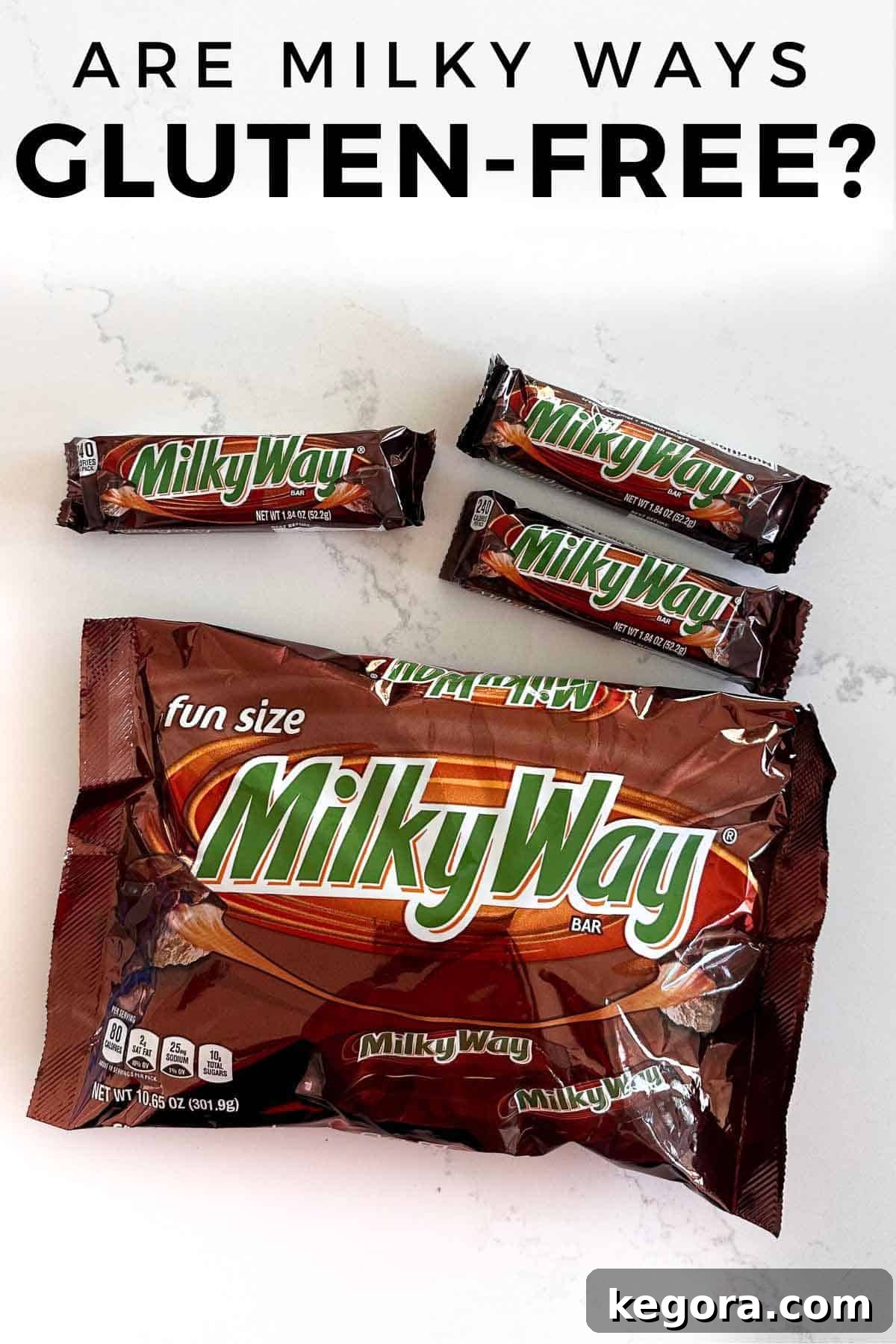
For decades, the classic Milky Way candy bar has been a beloved treat, renowned for its delectable combination of creamy caramel, rich chocolate nougat, and smooth milk chocolate coating. But as more individuals adopt gluten-free lifestyles for health reasons, a common question arises: Are Milky Way bars gluten-free? The answer, especially for those with celiac disease or gluten sensitivity, requires a careful look at the ingredients. Let’s unwrap the truth about this iconic confection and its place in a gluten-free diet.
The Milky Way bar, a confectionery masterpiece crafted by Frank C. Mars in 1923, drew its inspiration from the delightful flavor of malted milkshakes. This original creation features a harmonious blend of chocolate malt-flavored nougat, creamy caramel, and a smooth milk chocolate coating. For a century, this indulgent candy bar has captivated palates across America and globally. However, for those adhering to a strict gluten-free diet, a crucial question arises: Is the classic Milky Way safe to enjoy?
The Quick Answer: Unwrapping the Gluten Status of Milky Way
Unfortunately, the original Milky Way bar is not considered gluten-free. The primary culprit is the barley malt extract, a key flavoring agent in the nougat, which is derived from gluten-containing grains. This makes it unsuitable for individuals with celiac disease, gluten intolerance, or non-celiac gluten sensitivity.
Are Original Milky Way Bars Gluten-Free? A Deep Dive into Ingredients
For anyone managing a gluten-free diet, understanding the ingredients in processed foods is paramount. Gluten, a protein found in wheat, barley, rye, and triticale, can trigger adverse reactions in individuals with celiac disease, a serious autoimmune disorder. Even for those with non-celiac gluten sensitivity (NCGS), avoiding gluten is essential for maintaining health and well-being. So, let’s meticulously examine the components of an original Milky Way candy bar to determine its suitability for a gluten-free lifestyle.
The delicious original Milky Way candy bar typically lists the following ingredients:
- Milk Chocolate (Sugar, Cocoa Butter, Skim Milk, Chocolate, Lactose, Milkfat, Soy Lecithin)
- Corn Syrup
- Sugar
- Palm Oil
- Skim Milk
- Milkfat
- Cocoa Powder (processed with alkali)
- Barley Malt Extract
- Lactose
- Salt
- Egg Whites
- Chocolate
- Artificial Flavor
Upon reviewing the ingredient list, one item immediately stands out as problematic for a gluten-free diet: Barley Malt Extract. While the allergen statement prominently warns about milk, egg, and soy, and notes that the product “may contain peanuts,” it does not explicitly mention wheat or gluten. This oversight can be misleading for consumers who rely solely on allergen statements for gluten information. It’s a critical reminder that allergen warnings primarily cover the top allergens and not necessarily all sources of gluten.
The presence of barley malt extract means that original Milky Way bars are definitively not gluten-free. Barley is one of the three main grains that naturally contain gluten (along with wheat and rye). Therefore, any ingredient derived from barley, such as barley malt extract, will also contain gluten. This makes the classic Milky Way bar an unsafe choice for individuals who must strictly avoid gluten.
Understanding Barley Malt: The Gluten Connection Explained
To fully grasp why original Milky Way bars are not gluten-free, it’s important to understand what barley malt extract is and how it’s produced. Barley malt extract is a common flavoring agent used in various food products, including candies, cereals, and beverages. It’s highly valued for its distinctive sweet, slightly toasted, and caramel-like flavor profile, playing a significant role in giving the original Milky Way nougat its signature chocolate malt taste.
Malt is created through a process called malting, which typically starts with cereal grains – most frequently barley. The process involves several key steps:
- Steeping: The barley grains are soaked in water, prompting them to begin germination. This step activates enzymes within the grain.
- Germination: The grains are allowed to sprout, which further develops enzymes that convert complex starches into simpler sugars. This process also enhances the flavor profile.
- Kilning: The germination is halted by drying the grains with hot air. This “malting” process gives malt its characteristic flavor and color, ranging from light to dark depending on the roasting intensity.
Once malted, the barley can be used in various forms. Barley malt extract, specifically, is a concentrated syrup made from the malted barley. It is precisely because barley is a gluten-containing grain that any product derived from it, including barley malt and barley malt extract, will inherently contain gluten. The gluten proteins remain intact throughout the malting and extraction processes.
For individuals with celiac disease, even trace amounts of gluten can cause significant intestinal damage and other severe symptoms, impacting nutrient absorption and overall health. Those with non-celiac gluten sensitivity or gluten intolerance also experience adverse reactions, albeit typically less severe on a cellular level. Therefore, adhering to a strict gluten-free diet necessitates avoiding all sources of barley, including barley malt extract. The delicious taste of an original Milky Way simply isn’t worth the health risks for this demographic.
What About Milky Way Minis and Other Variations?
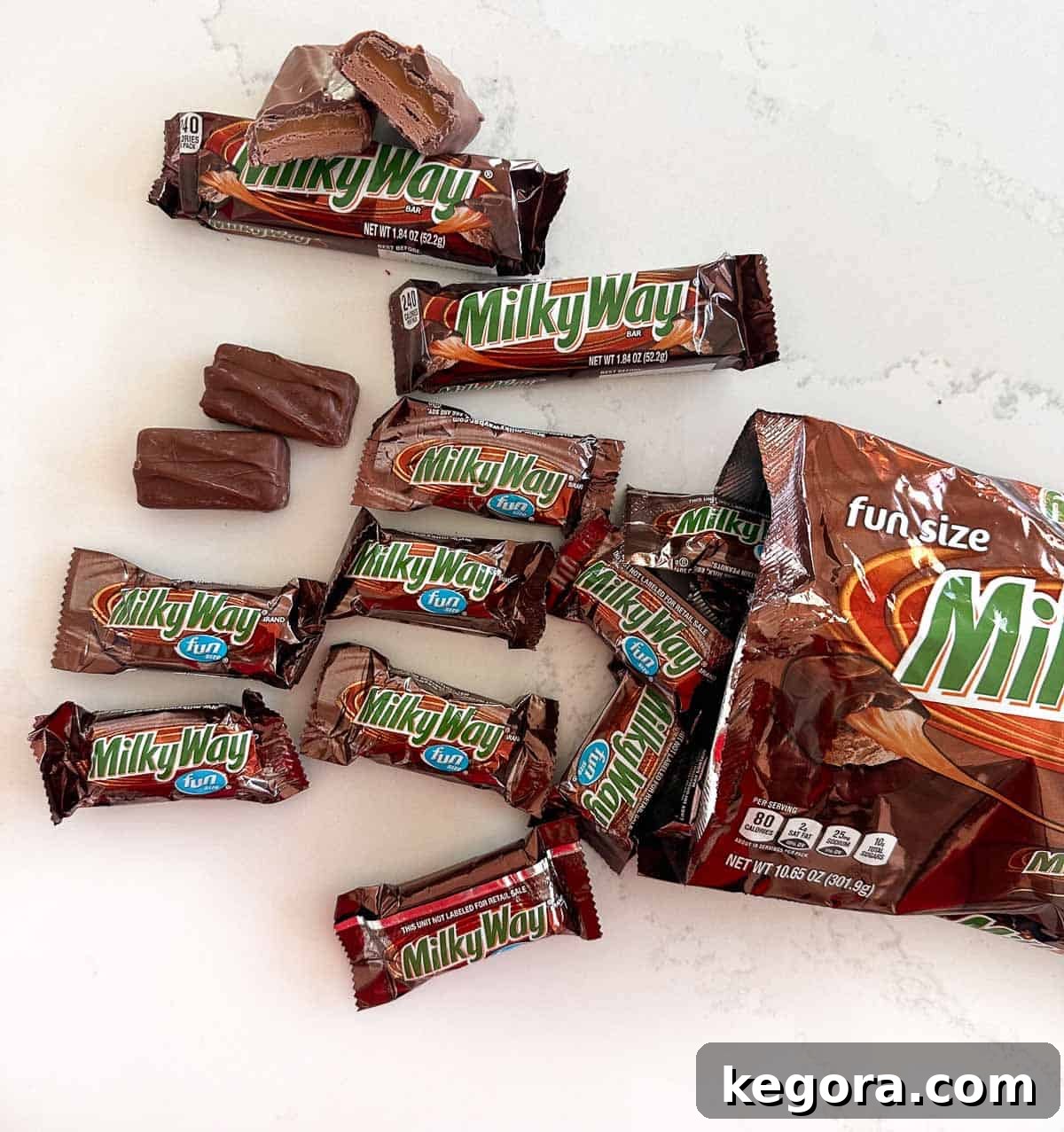
The gluten status of candy bars often extends to their smaller counterparts and different flavor variations. Many consumers wonder if Milky Way Minis, a popular choice for snacking and Halloween treats, are safe for gluten-free diets. Unfortunately, if these Minis are the original Milky Way chocolate bar flavor, they contain the same barley malt extract and are therefore not gluten-free. The size of the candy does not alter its fundamental ingredients or gluten content.
However, the Milky Way brand has introduced other variations over the years, and their gluten status can differ significantly. One notable example is the Milky Way Midnight, which we will discuss in more detail shortly, as it presents a more hopeful, yet cautious, option. Historically, there was also a “Milky Way Simply Caramel” bar, which aimed to highlight the caramel component without the nougat. While this particular variation appears to be out of regular production, it’s a good example of how ingredient lists can change across product lines. If you ever encounter one, it would be crucial to check its specific ingredients; typically, caramel-focused bars often avoid barley malt, but cross-contamination remains a concern.
Another, more recent variation, the Milky Way Cookie Dough bar, would almost certainly contain gluten due to the inclusion of cookie dough pieces, which are typically made with wheat flour, a primary source of gluten. This further emphasizes the critical need to always scrutinize the ingredient label of each specific product and variation before consumption, especially when dealing with dietary restrictions.
For those craving safe caramel delights, rest assured there are many celiac-friendly options. You could try these fantastic recipes for dairy-free caramel sauce, soft and buttery homemade caramels, or this delightful caramel corn recipe. These allow you to enjoy rich caramel flavors without any gluten concerns.
If you’re exploring other candy options, you might find these detailed articles helpful:
- Are Snickers Gluten-Free?
- Are M&Ms Gluten-Free?
- Are Starburst Gluten-Free?
- Are Reese’s Gluten-Free?
- Are Skittles Gluten-Free?
- Are Swedish Fish Gluten-Free?
- Are Marshmallows Gluten-Free?
And for a broader overview, don’t miss this comprehensive gluten-free candy list.
Is Milky Way Midnight Gluten-Free? A Closer Look at Cross-Contamination
The Milky Way Midnight bar presents a unique case in the gluten-free discussion. Unlike the original Milky Way, the Midnight variety features a rich, dark chocolate coating and a vanilla-flavored nougat. Crucially, the ingredient list for Milky Way Midnight typically does not include barley malt extract or any other explicitly gluten-containing ingredients.
This difference in formulation is significant. Because its nougat is vanilla-based, it avoids the barley malt that makes the original bar unsuitable for gluten-free diets. On the surface, this might suggest that Milky Way Midnight is a safe option. However, there’s a critical distinction between a product containing “no gluten ingredients” and a product being officially “gluten-free certified.”
The Challenge of Cross-Contamination
The primary concern with products like Milky Way Midnight, which don’t list gluten ingredients but also don’t carry a “gluten-free” label, is the risk of cross-contamination. Candy manufacturers often produce a wide range of products in the same facilities, using shared equipment and production lines. Even with diligent cleaning protocols, trace amounts of gluten from other products can inadvertently transfer to items that are otherwise gluten-free by ingredient. This transfer, though minimal, can be highly problematic.
For individuals with celiac disease, even minute quantities of gluten – as little as 20 parts per million (ppm), the international standard for a “gluten-free” label – can trigger an adverse immune response. This can lead to intestinal damage, inflammation, and a host of uncomfortable symptoms. Therefore, without an official “gluten-free” certification or explicit labeling, there’s no guarantee that Milky Way Midnight meets this crucial safety threshold.
Manufacturers choose not to label products as “gluten-free” for several reasons: they might use shared equipment, source ingredients from suppliers that also handle gluten-containing materials, or simply not want to incur the costs and rigorous testing required for official certification. This leaves the consumer in a challenging position, requiring them to weigh the potential risks.
Our recommendation: If you have celiac disease or a severe gluten sensitivity, it is generally safest to avoid products that are not explicitly labeled “gluten-free,” even if their ingredient list appears clean. For those with a milder sensitivity or who are simply reducing gluten intake, Milky Way Midnight might be an acceptable occasional treat. However, always exercise caution, consider your personal tolerance level, and consult with your healthcare provider or a registered dietitian for personalized dietary advice.
Frequently Asked Questions About Milky Way and Gluten
Yes, the original Milky Way chocolate bars do contain gluten. The barley malt extract, a key ingredient used to flavor the nougat, is derived from barley, which is a natural source of gluten proteins. This means that individuals diagnosed with celiac disease, gluten sensitivities, or gluten intolerance should avoid consuming original Milky Way candy bars to prevent adverse health reactions.
Milky Way “Simply Caramel” candy bars, which were designed to feature an extra dose of caramel and no nougat, appear to be out of regular production these days. However, if you happen to find one, based on past ingredient lists, they typically did not contain barley malt extract or other gluten ingredients. Similar to Milky Way Midnight, these bars did not carry a specific gluten-free claim on their label. This lack of certification means there’s always a potential risk of cross-contamination during the manufacturing process, which is a concern for those with strict gluten-free requirements.
Nestle Milkybar, a popular white chocolate candy bar primarily sold in the UK, has an ingredient list that generally appears to be free of gluten-containing components (e.g., whole and skim milk powder, sugar, cocoa butter, vegetable fat, emulsifier, natural flavoring). However, and this is crucial for celiacs, the product label explicitly states that it “may contain gluten.” This “may contain” warning is a clear indication of a cross-contamination risk during production. Therefore, for individuals with celiac disease, it is strongly advised to avoid Milkybar to prevent potential gluten exposure.
Many chocolate bars are indeed safe for individuals with celiac disease, provided you always check the most current ingredient labels. Popular brands that offer gluten-free chocolate options or explicitly labeled gluten-free products include: Dove, Lindt (many varieties), Hershey’s (select bars, not all), Snickers bars (original, often considered safe but check label), Reese’s Peanut Butter Cups (original, avoid holiday varieties which may differ), and 3 Musketeers. Brands like Nestle also offer some gluten-free options. It is imperative to always check the ingredient list for any specialty varieties, as they might unexpectedly include gluten grains or “may contain” warnings. For absolute certainty and peace of mind, celiacs are best advised to stick to candy bars that are specifically labeled or certified gluten-free, as this guarantees they meet the strict criteria for gluten content.
A “gluten-free certified” label on a candy bar signifies that the product has undergone rigorous testing and meets strict standards for gluten content, typically less than 20 parts per million (ppm). This certification is often provided by third-party organizations and gives consumers with celiac disease or severe gluten sensitivities a high level of assurance. Products without this certification, even if they don’t list gluten ingredients, may still carry a risk of cross-contamination from manufacturing processes, making certified products the safest choice for those with medical conditions requiring strict gluten avoidance.
The Bottom Line: Making Safe Choices in the Candy Aisle
Navigating the candy aisle with a gluten-free diet can be tricky, but armed with the right information, you can make informed and safe choices. When it comes to Milky Way candy bars, the situation is nuanced:
- Original Milky Way and Milky Way Cookie Dough: Both of these popular varieties contain barley malt extract, which is derived from a gluten-containing grain. Therefore, they are unequivocally not gluten-free and should be avoided by anyone following a strict gluten-free diet due to celiac disease or gluten sensitivity.
- Milky Way Midnight: This dark chocolate variation does not list any gluten-containing ingredients, notably omitting the barley malt extract found in the original. While this is promising, it is crucial to remember that Milky Way Midnight does not carry an official “gluten-free” label. This lack of certification means there’s a potential risk of cross-contamination during manufacturing, which could lead to trace amounts of gluten being present. For those with severe gluten-related conditions, caution is advised, and choosing certified gluten-free alternatives is generally the safest approach.
- Milky Way Simply Caramel: Though largely discontinued, if encountered, this bar also typically did not contain gluten ingredients. However, like the Midnight, it lacked a “gluten-free” label, implying similar cross-contamination risks.
The key takeaway is that vigilance is essential. Always read the most up-to-date ingredient labels, especially since product formulations can change without prior notice. When in doubt, it is always best to err on the side of caution and opt for products that are explicitly labeled or certified as gluten-free. Your health and well-being are worth the extra moment it takes to check, ensuring you can enjoy treats safely and without compromise.
For more detailed information and guidance on which candies are safe for a gluten-free lifestyle, be sure to explore these helpful resources before your next trip down the candy aisle: