
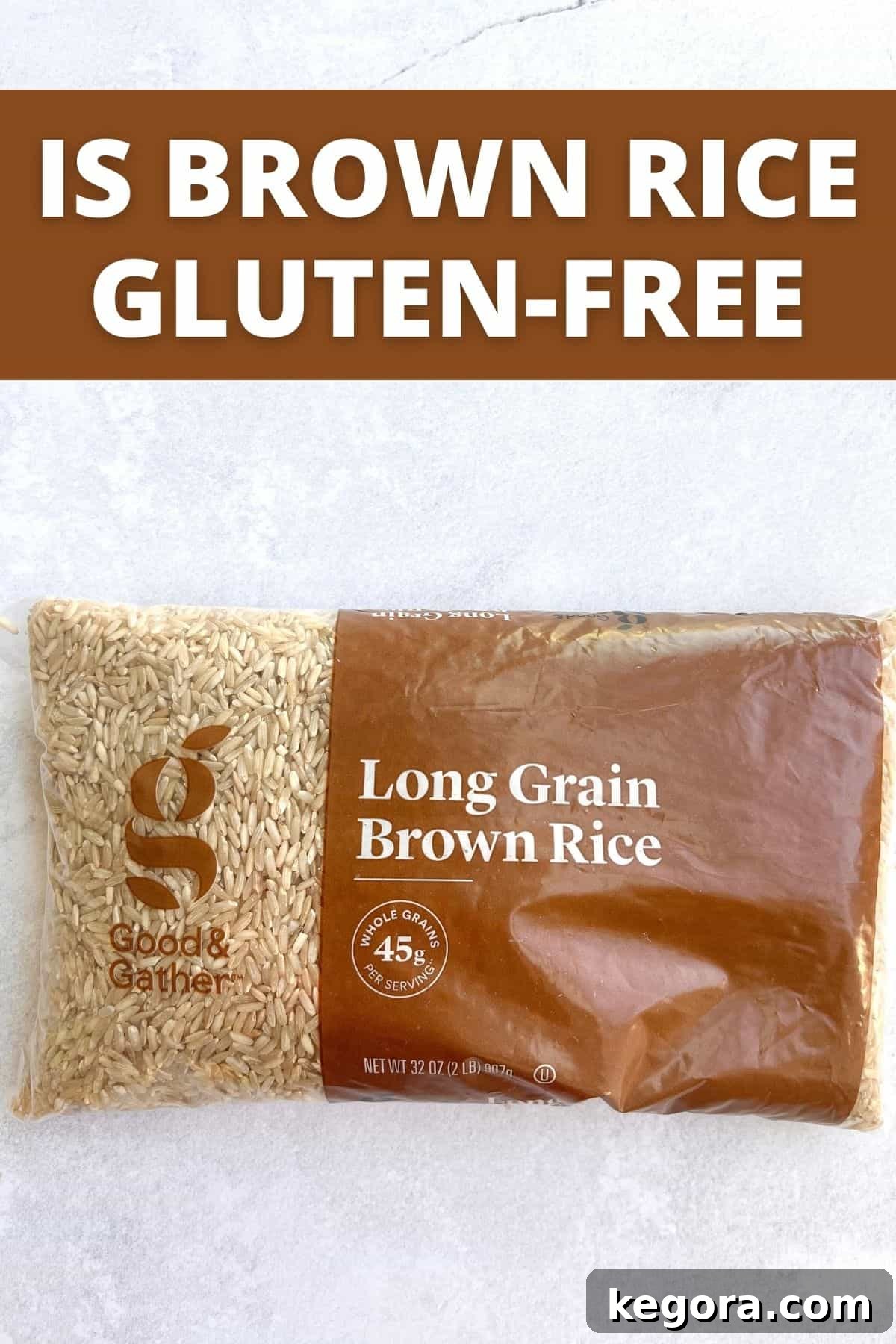
Navigating dietary restrictions, especially a gluten-free diet, can often feel like a complex puzzle. With an increasing number of individuals managing gluten sensitivities, celiac disease, or simply choosing a gluten-free lifestyle for its perceived health benefits, understanding which staple foods are safe is paramount. Among the most common grains, rice frequently comes up in conversation. If you’ve ever found yourself wondering, “Is brown rice gluten-free?” you’re not alone. This comprehensive guide aims to provide a clear, definitive answer, delve into the nutritional advantages of brown rice, highlight potential pitfalls, and offer practical advice for safely incorporating this versatile grain into your gluten-free regimen.
Understanding Gluten and the Gluten-Free Diet
Before we dive into brown rice specifically, let’s establish a foundational understanding of gluten. Gluten is a general name for the proteins found in wheat, rye, and barley. It acts as a “glue” that holds foods together, giving them their shape and often a chewy texture. For individuals with celiac disease, an autoimmune disorder, consuming gluten triggers an immune response that damages the small intestine, leading to malabsorption of nutrients and various health issues. Others may experience non-celiac gluten sensitivity, where they exhibit similar symptoms without the intestinal damage.
Adopting a gluten-free diet means strictly avoiding all foods containing wheat, rye, and barley, including their derivatives. This necessitates careful label reading and an awareness of potential cross-contamination. Many natural, unprocessed foods like fruits, vegetables, most dairy products, lean meats, and certain grains are naturally gluten-free, providing a solid foundation for a healthy diet.
The Definitive Answer: Is Brown Rice Gluten-Free?
Good news for those on a gluten-free diet: Yes, brown rice is naturally gluten-free! This applies to all forms of natural, unprocessed rice, including white rice, wild rice, and various specialty rices like basmati, jasmine, and arborio. The protein known as gluten, found in wheat, rye, and barley, is simply not present in rice grains. Brown rice, being a whole grain, retains its bran and germ layers, which are removed to produce white rice. These layers contribute to its distinctive nutty flavor, chewy texture, and superior nutritional profile.
You can confidently enjoy whole-grain brown rice as a staple in your diet. It pairs wonderfully with a myriad of dishes, serving as a hearty side to fish, chicken, or plant-based proteins, or forming the base of a vibrant rice bowl. Classic combinations like rice and beans are also perfectly safe and delicious when made with brown rice.
Nutritional Powerhouse: The Health Benefits of Brown Rice
Beyond its gluten-free status, brown rice offers a wealth of health benefits that make it an excellent choice for anyone looking to eat well. As a whole grain, it retains all parts of the grain kernel – the bran, germ, and endosperm – each packed with valuable nutrients. Here’s a closer look at what brown rice brings to your plate:
- Rich in Fiber: Brown rice is an excellent source of dietary fiber, especially insoluble fiber. Fiber is crucial for digestive health, promoting regular bowel movements and helping to prevent constipation. It also contributes to satiety, making you feel fuller for longer, which can be beneficial for weight management.
- Essential Minerals: This grain is a good source of vital minerals such as magnesium, manganese, selenium, and phosphorus. Magnesium plays a key role in over 300 enzymatic reactions in the body, including muscle and nerve function, blood glucose control, and blood pressure regulation. Manganese is important for bone development and metabolism.
- B Vitamins: Brown rice contains several B vitamins, including B1 (thiamine), B3 (niacin), and B6 (pyridoxine). These vitamins are essential for energy metabolism, helping your body convert food into usable energy, and for maintaining nerve function.
- Antioxidants: The bran and germ of brown rice are rich in antioxidants, which help protect the body’s cells from damage caused by free radicals. These compounds may contribute to reducing the risk of chronic diseases.
- Heart Health: The fiber and lignans in brown rice can contribute to a healthier cardiovascular system by helping to lower cholesterol levels and blood pressure. Regular consumption of whole grains like brown rice has been linked to a reduced risk of heart disease.
- Blood Sugar Regulation: With a lower glycemic index compared to white rice, brown rice can help manage blood sugar levels more effectively. Its fiber content slows down the absorption of sugar into the bloodstream, making it a better choice for individuals managing diabetes or seeking to prevent type 2 diabetes.
Brown Rice vs. White Rice: A Nutritional Comparison
While both brown and white rice are naturally gluten-free, their nutritional profiles differ significantly. White rice is essentially brown rice that has undergone a milling process to remove the bran and germ layers. This process gives white rice a softer texture and quicker cooking time, but it also strips away much of its nutritional value.
Here’s why brown rice often comes out ahead:
- Fiber Content: Brown rice contains substantially more fiber than white rice. This is its most significant advantage for digestive health, satiety, and blood sugar control.
- Vitamins and Minerals: As mentioned, brown rice is richer in B vitamins (thiamine, niacin, B6) and minerals like magnesium, phosphorus, and selenium. While white rice is often enriched with some of these nutrients after milling, the natural presence in brown rice is generally higher.
- Antioxidants: The outer layers of brown rice contain beneficial plant compounds and antioxidants that are absent in white rice.
- Glycemic Index: Brown rice has a lower glycemic index (GI) than white rice. Foods with a lower GI cause a slower and more gradual rise in blood sugar, which is healthier for everyone, especially those managing diabetes.
However, white rice isn’t without its merits. For individuals with certain digestive issues who find high-fiber foods difficult to digest, or those recovering from illness, white rice can be a gentler option. It’s also a quick source of easily digestible carbohydrates. Ultimately, the “healthier” choice depends on individual dietary needs and health goals.
Demystifying “Glutinous Rice”: A Common Misconception
One common source of confusion regarding rice and gluten is the term “glutinous rice.” Also known as sticky rice, often used in Asian cuisines, this rice variety is frequently misunderstood due to its name. The term “glutinous” in this context refers to the sticky, glue-like texture of the cooked rice, not to the presence of gluten protein. Glutinous rice contains a high amount of amylopectin starch, which gives it its characteristic stickiness. Rest assured, glutinous rice is completely gluten-free and safe for those with celiac disease or gluten sensitivity.
Popular Gluten-Free Rice Brands
Since all natural forms of rice are gluten-free, most reputable rice brands you find in grocery stores across the United States are safe choices. However, for peace of mind, especially if you’re concerned about potential cross-contamination in processing facilities, look for brands that explicitly label their products as “certified gluten-free.”
Here are some popular brands known for their quality rice, many of which are naturally gluten-free and/or offer certified gluten-free options:
- Lundberg Family Farms: Known for their organic and sustainably grown rice, with many certified gluten-free options.
- Bob’s Red Mill: Offers a wide range of grains, including various types of rice, often with clear gluten-free labeling.
- RiceSelect: Specializes in premium rice varieties, typically gluten-free.
- Planet Rice: Focuses on healthy, whole-grain rice products.
- Ben’s Original (formerly Uncle Ben’s): Most plain rice products are naturally gluten-free.
- Mahatma: A widely available brand offering various rice types.
- Seeds of Change: Offers organic rice and grain blends.
- Nishiki: A popular choice for medium-grain rice.
Always double-check the packaging for any certifications or disclaimers, especially if you have severe gluten sensitivities.
When Rice Might Not Be Gluten-Free: Potential Pitfalls
While natural brown rice is inherently gluten-free, there are specific scenarios where rice products might contain gluten. Awareness of these potential pitfalls is crucial for maintaining a strict gluten-free diet:
- Processed Rice Mixes and Flavored Products: This is the most common culprit. Instant rice mixes, flavored rice pilafs, seasoned rice packets, and “boil-in-bag” rice sometimes contain gluten-containing ingredients. These can include wheat-based thickeners, flavor enhancers, hydrolyzed wheat protein, or malt extract (derived from barley). Always scrutinize the ingredient list for hidden gluten.
- Cross-Contamination: Gluten can be introduced during the manufacturing, milling, or packaging process. If rice is processed on shared equipment with wheat, barley, or rye, there’s a risk of cross-contamination. For those with celiac disease, even trace amounts of gluten can be harmful. Look for “certified gluten-free” labels, which indicate that the product meets strict standards for gluten content (typically less than 20 parts per million).
- Restaurant Dishes and Prepared Foods: When dining out or purchasing pre-made meals, be cautious. Rice dishes in restaurants might use sauces or seasonings that contain gluten. For example, some soy sauces contain wheat, and marinades or broths might have gluten-containing ingredients. Always inquire about ingredients and preparation methods when ordering rice in a restaurant.
- “Rice” Crackers or Snacks: Not all rice-based snacks are gluten-free. Some rice crackers or snack bars might include wheat flour, barley malt, or other gluten ingredients for flavor or texture.
Tips for a Safe Gluten-Free Diet with Rice
To ensure your rice consumption is always safe for your gluten-free diet, consider these practical tips:
- Read Labels Diligently: This is your primary defense. Always check the ingredient list of any rice product, especially flavored or instant varieties. Look for clear “gluten-free” certifications.
- Buy Plain, Unprocessed Rice: Opt for plain brown rice, white rice, or wild rice. These are almost always safe in their natural state.
- Prevent Kitchen Cross-Contamination: If you share a kitchen with gluten-eaters, use separate cutting boards, utensils, and even toasters for gluten-free foods. Store gluten-free items in clearly marked containers.
- Educate Yourself on Hidden Gluten: Familiarize yourself with common hidden gluten ingredients like malt, modified food starch (unless specified as corn or potato), and hydrolyzed vegetable protein.
- Shop in the Gluten-Free Aisle: Many grocery stores have dedicated gluten-free sections, which can simplify shopping for processed rice products.
Versatile Culinary Uses for Brown Rice
Brown rice’s appealing texture and earthy flavor make it a remarkably versatile ingredient in the kitchen. Here are just a few ways to incorporate this healthy, gluten-free grain into your meals:
- Side Dish Staple: Serve it simply steamed or boiled alongside grilled chicken, baked fish, or roasted vegetables. A sprinkle of fresh herbs and a squeeze of lemon can elevate its flavor.
- Hearty Bowls: Use brown rice as the foundation for nourishing grain bowls. Top with your favorite proteins, fresh or roasted vegetables, a healthy dressing, and perhaps some avocado or nuts for added texture.
- Stir-Fries: Leftover brown rice is perfect for a quick and satisfying stir-fry. Combine with your preferred protein, colorful veggies, and a gluten-free soy sauce or tamari.
- Soups and Stews: Add cooked brown rice to chunky vegetable soups or hearty stews for extra body and fiber.
- Salads: Chilled brown rice makes an excellent base for cold salads. Mix with chopped vegetables, chickpeas, a light vinaigrette, and fresh herbs for a refreshing meal.
- Stuffing: Use brown rice as a gluten-free alternative to bread for stuffing vegetables like bell peppers or tomatoes.
- Breakfast Porridge: Cooked brown rice can be sweetened with fruit, cinnamon, and a touch of maple syrup for a warm and comforting breakfast.
Gluten-Free Alternatives to Brown Rice
While brown rice is a fantastic gluten-free choice, it’s always good to have a variety of grains in your diet for different nutritional benefits and culinary experiences. If you’re looking to mix things up, here are some excellent gluten-free alternatives that can be used in similar ways:
- Quinoa: A complete protein, meaning it contains all nine essential amino acids. Quinoa cooks quickly and has a slightly nutty flavor and fluffy texture. It’s superb in salads, as a side dish, or as a base for vegetarian meals. Cooking it in chicken or vegetable broth enhances its flavor significantly.
- Lentils: Though technically a legume, lentils are often used in similar ways to grains. They are an incredible source of plant-based protein and fiber. Lentils are perfect for soups, stews, curries, or served as a flavorful side dish with chicken or fish.
- Millet: This often-overlooked ancient grain boasts a mild, slightly sweet flavor and a fluffy texture similar to couscous when cooked. Millet is versatile, working well in stir-fries, as a breakfast porridge, or as a base for grain bowls.
- Buckwheat: Despite its name, buckwheat is not related to wheat and is naturally gluten-free. It’s a pseudocereal known for its distinct earthy flavor. Buckwheat groats can be cooked and served as a side, added to soups, or ground into flour for baking.
- Amaranth: Another highly nutritious pseudocereal, amaranth is rich in protein, fiber, and minerals. It cooks into a slightly sticky, porridge-like consistency, making it great for breakfast or as a thickener in soups.
- Sorghum: A hearty and chewy grain, sorghum can be used in place of rice or barley in many dishes. It’s excellent in grain salads, soups, or even popped like popcorn.
Exploring these alternatives can add diverse flavors and textures to your gluten-free meal repertoire, ensuring a well-rounded and exciting diet.
Frequently Asked Questions About Brown Rice and Gluten
Is basmati rice gluten-free?
Yes, basmati rice is entirely gluten-free. Like all natural forms of rice, including brown rice, jasmine, long-grain, and arborio, basmati rice does not contain the gluten protein found in wheat, rye, and barley. It’s a safe and aromatic choice for your gluten-free diet.
Is Uncle Ben’s rice gluten-free?
Most plain varieties of Ben’s Original (formerly Uncle Ben’s) rice products, such as their plain white rice, brown rice, and parboiled rice, are naturally gluten-free. However, it’s crucial to exercise caution with their flavored rice mixes. These mixes can sometimes contain additional ingredients, seasonings, or flavor enhancers that may contain gluten. Always check the ingredient label of any flavored or pre-seasoned product to confirm its gluten-free status.
What minute rice is gluten-free?
All plain types of minute rice from popular brands like Ben’s Original, Zatarain’s, and the Minute brand are naturally gluten-free. The “minute” simply refers to the pre-cooked and dehydrated nature of the rice, which allows for quicker preparation. As with other rice products, always be vigilant and read labels carefully for any flavored or mixed minute rice varieties, as these might contain gluten-containing additives.
Can I eat brown rice if I have Celiac disease?
Absolutely, yes! Natural, unprocessed brown rice is 100% safe for individuals with Celiac disease because it is inherently gluten-free. However, due to the severe nature of Celiac disease, it is highly recommended to choose brown rice that is labeled “certified gluten-free” to ensure there has been no cross-contamination during processing. Always avoid flavored rice mixes or restaurant dishes where gluten cross-contamination might be a concern.
Are brown rice pasta and other brown rice products gluten-free?
Typically, yes. Brown rice flour is a popular gluten-free flour, and many gluten-free pasta brands use brown rice flour as a primary ingredient. Similarly, brown rice cakes, brown rice tortillas, and brown rice cereals are generally gluten-free. However, it is always imperative to check the ingredient list and look for a “gluten-free” certification label on these processed products, as manufacturers might add other ingredients or process them on shared equipment that could introduce gluten.
The Bottom Line
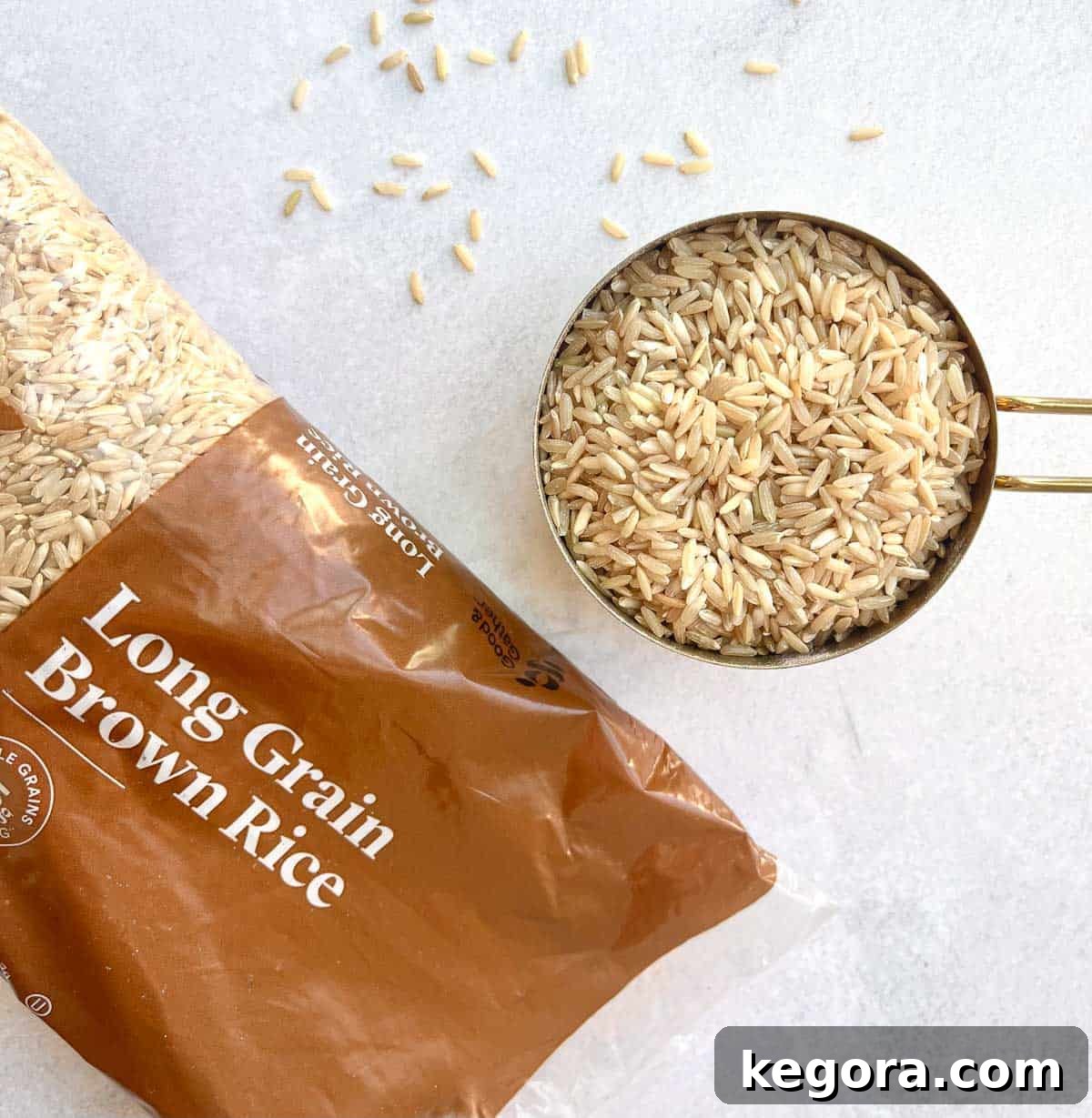
For anyone navigating a gluten-free diet, the question “Is brown rice gluten-free?” can now be confidently answered with a resounding yes! In its natural, unprocessed state, brown rice is completely free of gluten, making it a safe and highly nutritious staple. As a whole grain, it provides essential fiber, vitamins, and minerals that support overall health, from digestive well-being to heart health and blood sugar management.
While brown rice itself is safe, vigilance is key when it comes to processed rice products like flavored mixes or when dining out. Always prioritize plain, unadulterated brown rice and carefully read labels to avoid hidden gluten and cross-contamination. With this knowledge, you can confidently integrate delicious and healthy brown rice into your gluten-free lifestyle, enjoying its culinary versatility and numerous health benefits without worry.
Explore More Gluten-Free Living Resources
For more insights and helpful guides on maintaining a successful gluten-free diet, check out these related articles: