
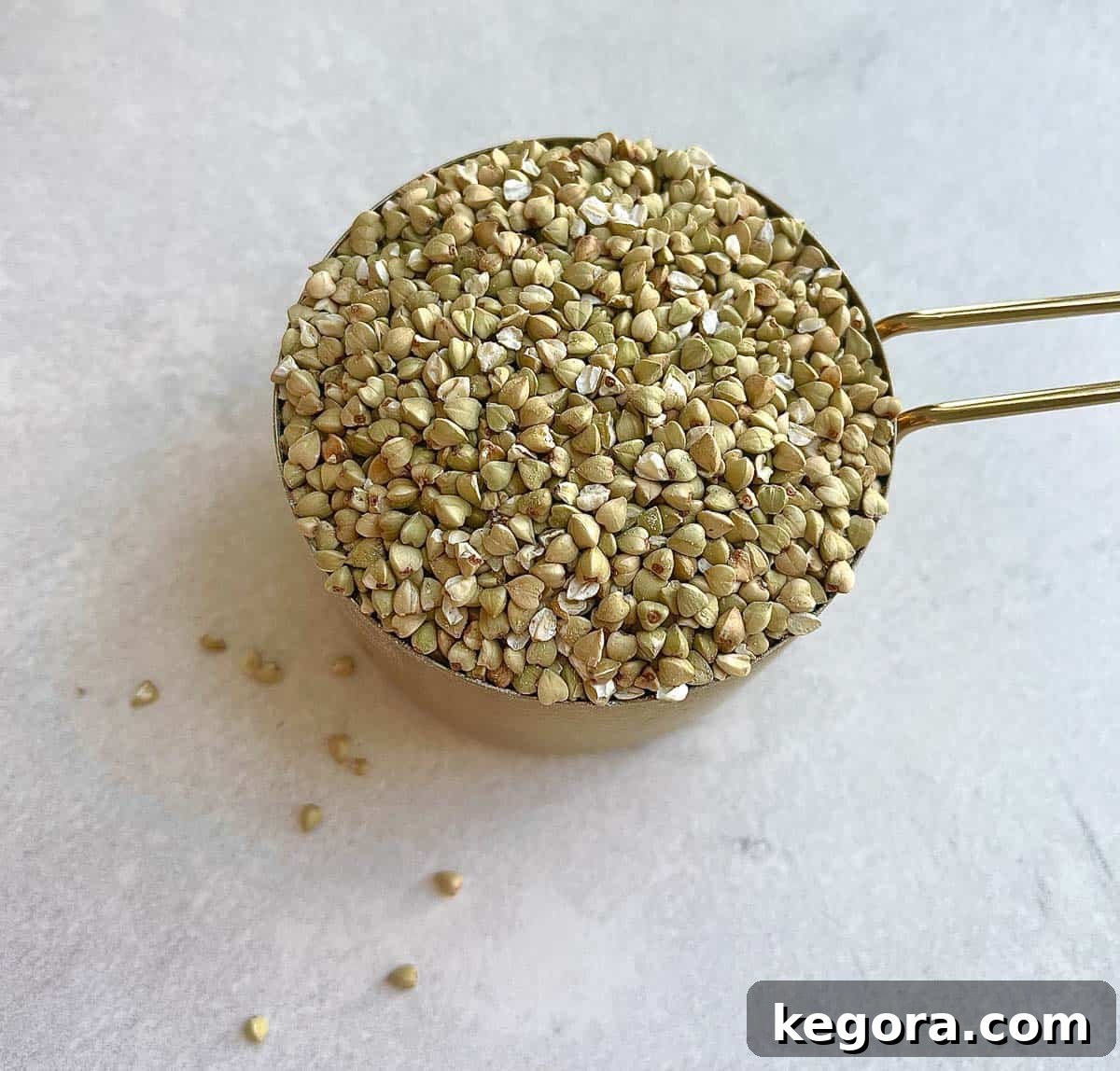
Have you ever found yourself pondering whether buckwheat truly fits into a gluten-free lifestyle? You’re certainly not alone in this common query! This comprehensive guide aims to demystify buckwheat, exploring its origins, nutritional benefits, culinary versatility, and its vital role in the gluten-free diet, especially for individuals managing celiac disease or non-celiac gluten sensitivity. Join us as we uncover the truth about this remarkable “grain.”
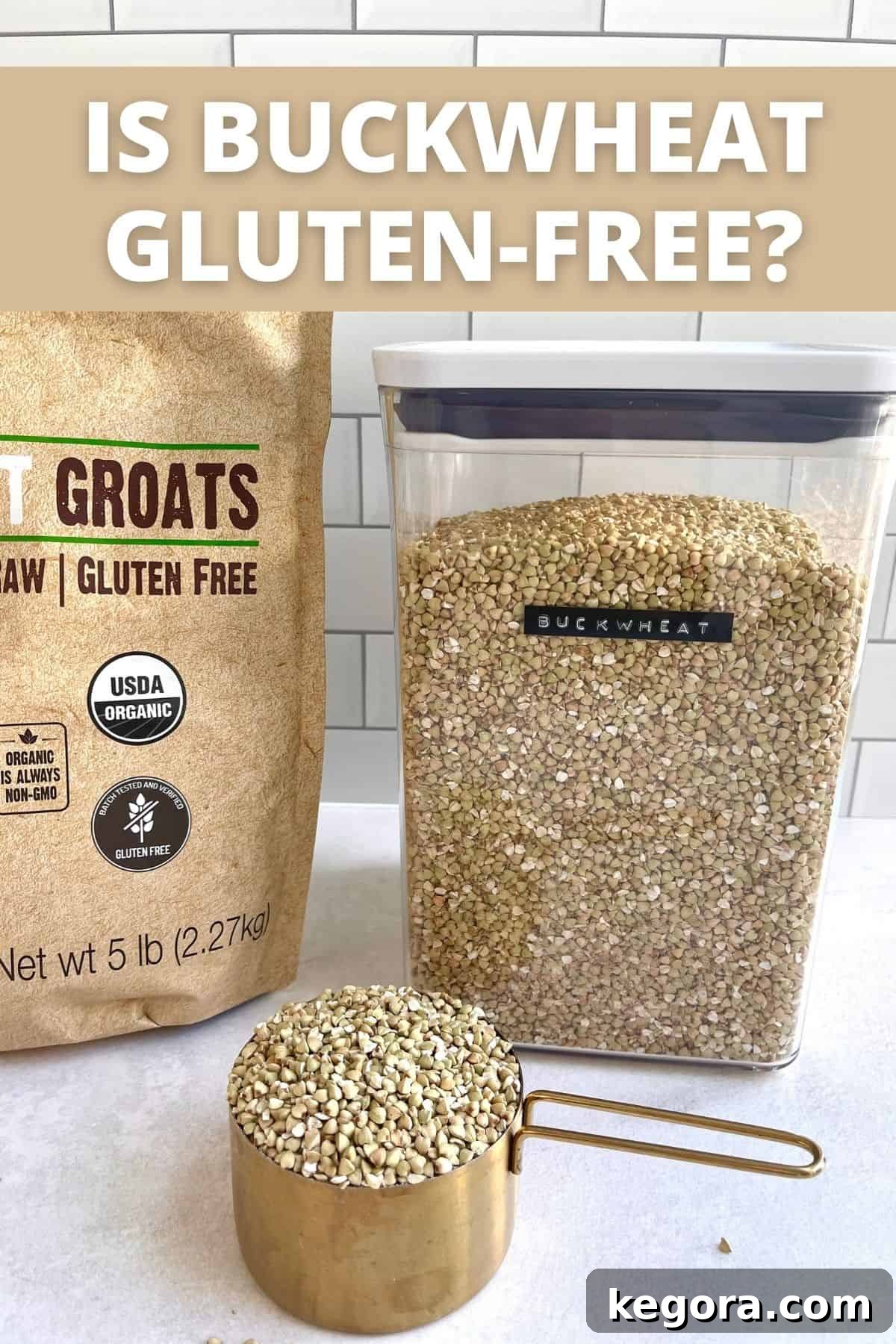
Buckwheat is widely used to create flours, often finding its way into delectable breads, fluffy pancakes, and a myriad of other baked goods. Given its common use as a flour, the question naturally arises: is buckwheat gluten-free?
The definitive answer is yes, buckwheat is naturally gluten-free! But there’s more to understand about this incredible pseudocereal, particularly concerning its safety for those with celiac disease and how to ensure you’re consuming it without risk of cross-contamination. Continue reading for an in-depth exploration.
Is Buckwheat Safe for Individuals with Celiac Disease?
Absolutely, buckwheat is unequivocally safe for those diagnosed with celiac disease. Despite its misleading name, buckwheat is not related to wheat at all. It is botanically classified as a pseudocereal, a term used for seeds that are consumed like cereal grains but do not come from grasses. Instead, buckwheat is the fruit of a plant related to rhubarb and sorrel, specifically Fagopyrum esculentum. This means it’s inherently free from gluten proteins like wheat, barley, and rye.
Buckwheat offers a delightful nutty, earthy flavor and a pleasantly chewy texture, making it an excellent addition to a diverse gluten-free diet. Its versatility allows it to be used in various forms, including whole groats, flour, and noodles.
Roasted buckwheat groats, commonly known as kasha, are also entirely gluten-free and boast an even more pronounced nutty flavor. These can be enjoyed as a hot breakfast cereal, a savory side dish, or a crunchy topping for salads and yogurts.
Many home bakers and professional chefs appreciate buckwheat’s unique properties, especially its ability to add structure and prevent gluten-free baked goods from becoming crumbly. This makes it a prized ingredient in the world of gluten-free baking. Raw buckwheat is believed to have originated in Southeast Asia but has found fertile ground and popularity in various regions worldwide, including the northern United States.
To prepare buckwheat flour at home, raw buckwheat groats can be easily ground into a fine powder using a high-speed blender or a coffee grinder. This allows for fresh flour that can be incorporated into countless recipes.
Understanding Cross-Contamination Risks
While buckwheat itself is naturally gluten-free, the primary concern for individuals with celiac disease or severe gluten sensitivity lies in the potential for cross-contamination. This can occur if buckwheat is processed, milled, or packaged in facilities that also handle gluten-containing grains such as wheat, rye, and barley. Shared equipment, transportation, or even storage areas can lead to traces of gluten finding their way into buckwheat products.
To mitigate this risk and ensure complete safety, it is highly recommended to purchase buckwheat products that are explicitly labeled “certified gluten-free” on the packaging. This certification indicates that the product has been tested and meets strict standards for gluten content (typically less than 20 parts per million, or ppm). Always scrutinize product labels and, if ever in doubt, consult the manufacturer’s website for detailed nutritional and allergen information.
Flavor Profile of Buckwheat
Buckwheat’s flavor is distinct and robust. Raw buckwheat often has a slightly bitter, earthy, and intensely nutty taste. When roasted to make kasha, its flavor becomes somewhat milder and more approachable, retaining its earthy and nutty notes. This unique flavor profile allows buckwheat to shine in both sweet and savory applications, providing depth and character to dishes that might otherwise be bland in a gluten-free context. Its texture, even when ground into flour, maintains a grainy quality that lends itself well to many traditional flour-based recipes.
For those navigating the gluten-free world, exploring safe ingredients is key. You might also find answers to similar questions in our articles on is oat milk gluten-free, is baking powder gluten-free, are Snickers gluten-free, and are french fries gluten-free. Additionally, discover the gluten-free status of other popular foods like is farro gluten-free, is quinoa gluten-free, are marshmallows gluten-free, is Raisin Bran gluten-free, and are grits gluten-free. Don’t forget to check out our guides on is coffee gluten-free and Chick-fil-A Gluten-Free options!
Impressive Health Benefits of Buckwheat
Integrating healthy and delicious foods into one’s diet can often be a challenge, especially when adhering to specific dietary restrictions like a gluten-free regimen. Fortunately, buckwheat excels in both taste and nutritional value. Its adaptability allows it to complement a vast array of dishes, making it an excellent choice for everyone, particularly those with celiac disease or non-celiac gluten sensitivity. The health benefits associated with regular consumption of buckwheat are numerous and well-documented. Here are some of the most prominent ones:
- Supports Healthy Blood Sugar Levels: Buckwheat boasts a low glycemic index (GI), meaning it causes a slower, more gradual rise in blood sugar compared to many other carbohydrates. This characteristic makes it an exceptional food choice for individuals managing diabetes or those aiming to stabilize their blood glucose. Its complex carbohydrate structure and rich fiber content contribute to this effect, making buckwheat flour one of the top flour alternatives for diabetic-friendly baking.
- Abundant in Dietary Fiber: Each cup of cooked buckwheat delivers approximately 6 grams of dietary fiber, a crucial component for digestive health. Fiber promotes regularity, aids in preventing constipation, and supports a healthy gut microbiome. Furthermore, the high fiber content contributes to increased satiety, helping you feel fuller for longer periods, which can be beneficial for weight management goals.
- Enhances Heart Health: Regular inclusion of buckwheat in your diet can contribute significantly to cardiovascular well-being. It helps in reducing systemic inflammation and has been shown to lower levels of “bad” LDL cholesterol while potentially increasing “good” HDL cholesterol. These actions collectively support healthier blood pressure levels and reduce the risk of heart disease, thanks to its unique combination of nutrients, including rutin and magnesium.
- Excellent Source of Vegetarian Protein: For vegetarians, vegans, and anyone looking to boost their plant-based protein intake, buckwheat is a phenomenal option. While it may not contain as much protein per serving as certain legumes and beans, its protein content is notably higher than most traditional whole grains. Providing about 14 grams of protein per 100 grams, buckwheat offers a complete protein profile, meaning it contains all nine essential amino acids necessary for human health, which is rare for plant-based foods.
- Rich in Antioxidants and Essential Minerals: Beyond the key benefits, buckwheat is also a powerhouse of antioxidants, including flavonoids like rutin and quercetin, which combat oxidative stress and inflammation within the body. It’s also packed with vital minerals such as magnesium, manganese, copper, and phosphorus, all of which play critical roles in various bodily functions, from bone health to energy production.
To further diversify your gluten-free cooking and baking repertoire, you might be interested in learning how to make oat flour and exploring suitable substitutes for oat flour.
Versatile Ways to Enjoy Buckwheat in Your Kitchen
Buckwheat’s incredible versatility is one of its most appealing attributes, making it a valuable addition to any kitchen, especially for those seeking nutrient-dense gluten-free alternatives. It can be incorporated into your diet in numerous forms, each offering unique textures and flavors:
Buckwheat Groats (Whole and Roasted)
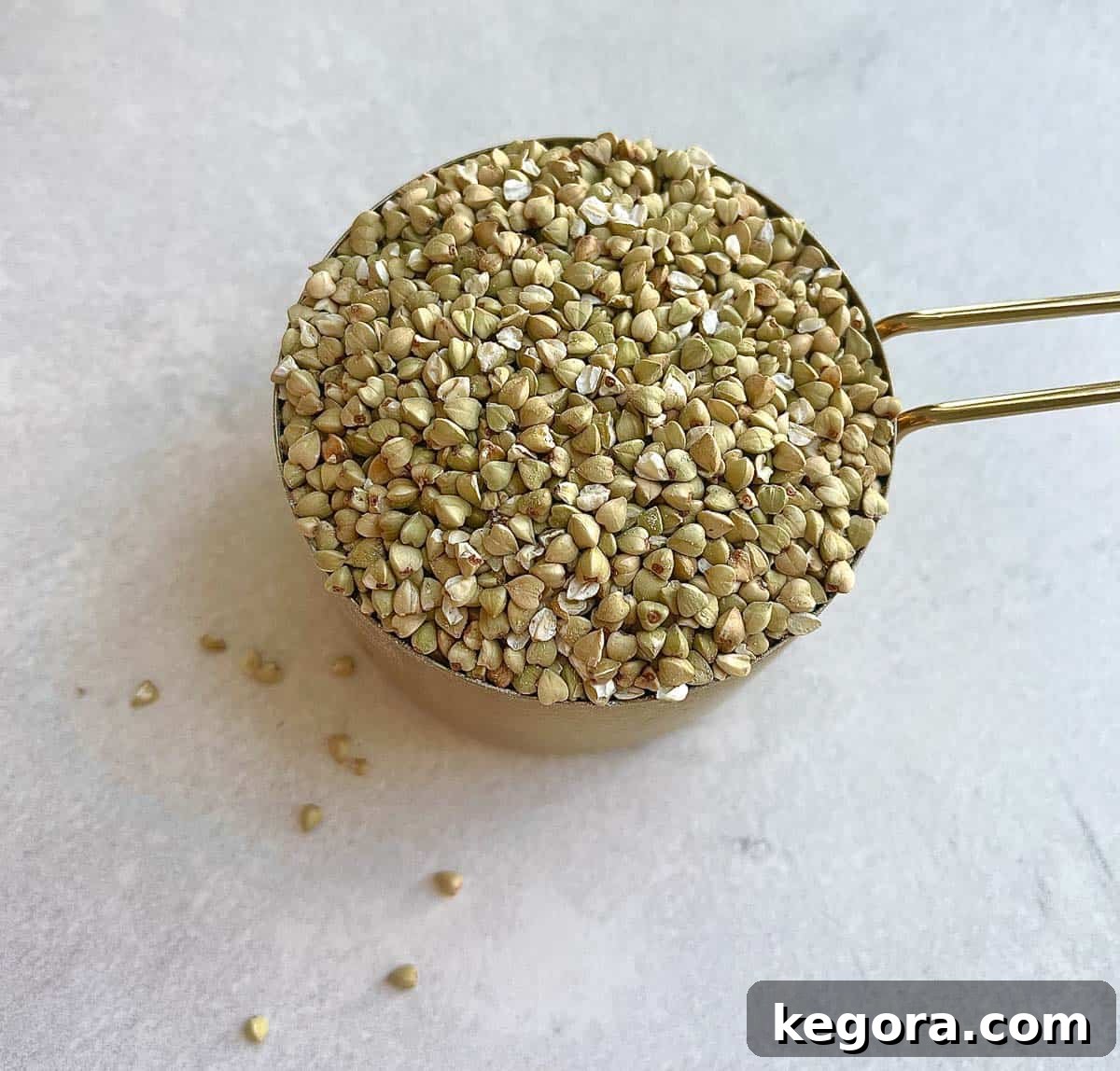
Buckwheat groats are the hulled kernels of the buckwheat plant. They come in two main forms: raw (light green) and roasted (darker brown, known as kasha). Both are exceptionally versatile:
- As a Cereal or Porridge: Cooked groats can be enjoyed as a hearty, warm breakfast cereal, similar to oatmeal. Top with fruits, nuts, and a drizzle of honey or maple syrup.
- Crunchy Topping: Toasted raw groats (or even raw groats) can add a delightful crunch to salads, yogurt parfaits, smoothie bowls, and homemade granola.
- Savory Side Dish: Cooked groats make an excellent substitute for rice, couscous, or quinoa alongside main courses. They can be seasoned with herbs and spices, or cooked in broth for added flavor.
- Pilafs and Stuffings: Their robust texture holds up well in pilafs, often combined with vegetables, mushrooms, or other proteins. They also make a fantastic gluten-free stuffing base.
- Baked Goods: Whole groats can be incorporated into gluten-free bread, muffins, or energy bars for added texture and nutrition.
Buckwheat Flour (Organic and Raw)
Ground from raw buckwheat groats, buckwheat flour is a staple in gluten-free baking. It possesses unique binding properties and a distinctive flavor that enhances many recipes:
- Pancakes and Waffles: Buckwheat flour is famously used to make light, fluffy, and highly nutritious pancakes and waffles. Our Buckwheat Pancakes recipe and Buckwheat Waffles recipe are cherished for their delicious taste and health benefits.
- Crepes: For a delicate breakfast or dessert, Buckwheat Crepes are a fantastic, foolproof option that both kids and adults adore.
- Bagels and Breads: Buckwheat flour lends itself beautifully to making gluten-free breads, rolls, and bagels, such as our incredibly healthy and flavorful Buckwheat Cinnamon Raisin Bagels.
- Cookies and Desserts: Its unique texture contributes to delicious gluten-free cookies, like our Buckwheat Chocolate Chip Cookies, offering a guilt-free indulgence.
- Muffins: For a wholesome snack or breakfast, consider baking Buckwheat Muffins, packed with fiber and nutrients.
- Savory Applications: Beyond sweets, buckwheat flour can be used to thicken gravies, make savory crepes (galettes), or even form the base for gluten-free pizza crusts.
Buckwheat Noodles (Soba)
Soba noodles, a traditional Japanese pasta, are made from buckwheat flour. They offer a unique flavor and texture that can be enjoyed hot or cold. When purchasing soba noodles, always check the ingredient list carefully, as some varieties may contain wheat flour in addition to buckwheat. Opt for 100% buckwheat soba noodles to ensure they are fully gluten-free. These make a great, nutrient-rich replacement for traditional pasta in various dishes.
The high fiber content and rich nutritional profile of buckwheat make it an indispensable ingredient for those adhering to a gluten-free diet. It allows for the replacement of many high-carb, low-nutrient staples with a healthier, more beneficial alternative, ensuring that gluten-free eating is never boring or restrictive.
For more insights into gluten-free ingredients and their safe consumption, explore our articles on is brown rice gluten-free, is couscous gluten-free, and is yeast gluten-free.
No, despite its name, buckwheat contains no actual wheat. This is a common point of confusion, but botanically, buckwheat is a pseudocereal, distinct from true grains like wheat. It is entirely gluten-free, making it a perfect and safe choice for anyone on a gluten-free diet or managing celiac disease. Its unique properties are completely unrelated to wheat proteins.
Buckwheat groats are the hulled seeds of the buckwheat plant. In their raw form, they are small, light brown, and resemble oats or tiny rice grains. When roasted, they become known as “kasha” and develop a darker color and more pronounced nutty flavor. You can easily find buckwheat groats at most grocery stores or health food shops. They are incredibly versatile and can be used in a variety of dishes, including warm breakfast porridges, added to salads for texture, blended into smoothies, or baked into granola for a nutritious crunch.
Yes, buckwheat possesses significant anti-inflammatory properties. It is rich in various beneficial compounds, including phytochemicals, and notably, the flavonoids quercetin and rutin. These powerful antioxidants play a crucial role in reducing inflammation throughout the body. Regular consumption of buckwheat can help combat chronic inflammation, which is linked to various health issues, contributing to overall wellness and disease prevention.
To maintain freshness and prevent spoilage, store raw buckwheat groats in an airtight container in a cool, dark place like your pantry. They typically last for several months. Buckwheat flour, due to its higher oil content and finer texture, can turn rancid more quickly. It’s best stored in an airtight container in the refrigerator or freezer, where it can last up to six months or even longer.
While buckwheat flour is an excellent gluten-free alternative, it typically cannot be used as a direct 1:1 substitute for wheat flour, especially in recipes that rely on gluten for structure. Buckwheat flour has a distinct flavor and a different texture, and it lacks the elastic properties of gluten. For best results in baking, it’s often combined with other gluten-free flours (like rice flour, tapioca starch, or potato starch) to achieve a balanced texture and flavor, or used in recipes specifically formulated for gluten-free baking.
The Bottom Line on Buckwheat
In summary, buckwheat is a powerhouse pseudocereal that is undeniably gluten-free and poses no risk to individuals with celiac disease or gluten sensitivities, provided it’s certified gluten-free to avoid cross-contamination. Its natural gluten-free status, combined with its unique nutty flavor and versatile culinary applications, makes it an invaluable ingredient for gluten-free baking and cooking. From replacing traditional flours and pastas to serving as a nutritious alternative to potatoes and other carbohydrates, buckwheat seamlessly integrates into a healthy diet. Beyond its safety for gluten-free lifestyles, buckwheat offers a wealth of incredible health benefits, including supporting blood sugar regulation, boosting heart health, providing a rich source of fiber, and delivering complete plant-based protein. Embrace buckwheat in your kitchen for a delicious, nutritious, and worry-free dining experience!