
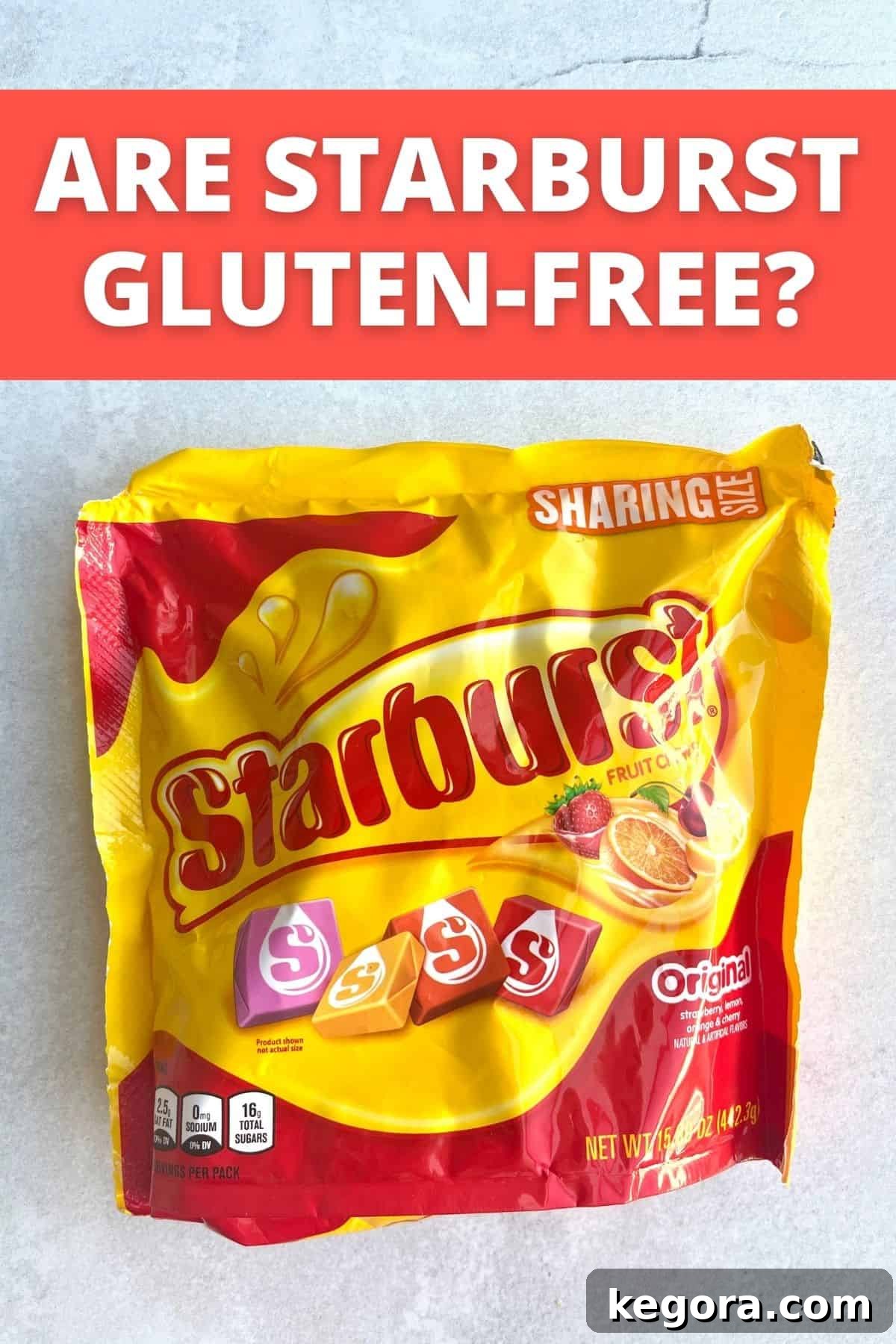
Navigating a gluten-free diet can sometimes feel like a treasure hunt, especially when it comes to sweet treats. One candy that often sparks the question, “Are Starbursts gluten-free?” is the chewy, fruity Starburst. If you’re wondering whether these iconic candies are safe for your gluten-free lifestyle, you’ve come to the right place. We’re here to provide a definitive answer and all the details you need to enjoy your favorite chewy candies worry-free.
Whether you’re unwrapping them at the cinema, filling up your trick-or-treat bag, or simply enjoying a sweet moment at home, Starburst soft taffy candies are a beloved staple. These chewy, fruit-flavored squares have captivated taste buds for decades, especially the highly coveted pink and red flavors! Indeed, the popularity of these “FaveREDs” is so immense that you can often find bags containing only pink and red Starbursts, a testament to their universal appeal.
Originally known as Opal Fruits in the UK and Ireland, Starbursts are produced by the global confectionery giant Mars Wrigley. Their vibrant flavors and satisfying chewiness make them a favorite candy for both children and adults, establishing their place as a cultural icon in the world of sweets.
Are Starbursts Gluten-Free? A Detailed Look
The question of whether Starbursts are gluten-free is a critical one for many individuals managing celiac disease, gluten sensitivity, or those simply choosing a gluten-free diet. It’s a question that deserves a clear and comprehensive answer.
Without further delay: Yes, if you are purchasing Starbursts in the United States, they are considered gluten-free. This means they are formulated without gluten-containing ingredients and, importantly, do not come into contact with gluten during the manufacturing process within U.S. facilities. Therefore, they are widely recognized as safe to enjoy on a gluten-free diet.
This assurance provides peace of mind for countless candy lovers across the country. However, the picture changes slightly when we look beyond U.S. borders.
Global Variations: Why Country of Origin Matters
Are Starbursts gluten-free in other countries? Not always. This is a crucial distinction that gluten-free consumers must be aware of. Food regulations, ingredient sourcing, and manufacturing practices can vary significantly from one region to another.
For instance, if you purchase Starbursts in countries like Australia or New Zealand, you must meticulously check the ingredient label. Starburst products manufactured in these regions may contain ingredients derived from wheat, such as glucose syrup or thickeners made from wheat flour. These wheat-derived components would render the candy unsafe for anyone with celiac disease or gluten sensitivity.
This highlights the paramount importance of reading the ingredient list every time you buy a product, especially when traveling or purchasing imported goods. Even if a product seems identical to its U.S. counterpart, its formulation could be entirely different based on where it was produced.
Are Starbursts Safe for Those with Celiac Disease?
For individuals diagnosed with celiac disease, adhering to a strict gluten-free diet is not just a preference, but a medical necessity. Even trace amounts of gluten can trigger an autoimmune response, leading to intestinal damage and a host of uncomfortable symptoms. Given this seriousness, the safety of popular candies like Starbursts is a frequent concern.
The good news is that in the United States, Starburst fruit chews are indeed a gluten-free candy and are considered safe for those with celiac disease or other gluten-related food allergies or sensitivities. The primary ingredients in most U.S. Starburst candies include sugar, corn syrup, and hydrogenated palm kernel oil—all of which are naturally gluten-free. Mars Wrigley, the manufacturer, also maintains careful production processes in the U.S. to prevent gluten cross-contamination for this product line.
However, as reiterated earlier, ingredients can and often do vary among Starbursts manufactured in other countries. Therefore, for those with celiac disease, checking the label is not merely a recommendation but an essential practice to ensure the candy is safe to consume.
Are Starbursts Gluten-Free Certified? Understanding the Distinction
It’s important to differentiate between a product being “gluten-free” by ingredients and process, and being “gluten-free certified.” While Starburst candies sold in the U.S. are free of gluten-containing ingredients and are considered safe for those on a gluten-free diet, they are not typically labeled with an official “gluten-free certified” seal.
Gluten-free certification involves an independent third-party organization verifying that a product meets stringent standards, often including regular testing to ensure gluten levels are below a very low threshold (e.g., 5, 10, or 20 parts per million, depending on the standard). Many companies, including Mars Wrigley, choose not to pursue third-party certification for all their products, even if those products inherently meet gluten-free criteria. This doesn’t mean the product isn’t safe; it simply means it hasn’t gone through that specific verification process.
To be absolutely sure about the current status of Starbursts or any seasonal items, you can always check the official Starburst website or carefully read the nutrition label and ingredient list on the package. Manufacturers often provide updated allergen information directly on their websites or respond to consumer inquiries.
Specific Starburst Flavors and Products: Are They Gluten-Free?
Starburst offers a delightful array of flavors and product variations beyond the classic fruit chews. For those on a gluten-free diet, it’s natural to wonder if these other options also maintain their gluten-free status.
Are Strawberry Starbursts Gluten-Free?
Absolutely! As with all standard Starburst fruit chews sold in the U.S., the highly coveted strawberry (pink) Starbursts are gluten-free. For those who can’t get enough of this fan-favorite flavor, you can happily indulge in the “All Pink” pouch of Starbursts, knowing you’re enjoying a gluten-free treat.
Are Starburst Jelly Beans Gluten-Free?
Good news for jelly bean enthusiasts! Yes, like most products under the Starburst brand umbrella, Starburst jelly beans are considered a safe option for those on a gluten-free diet in the U.S. They are typically made with ingredients such as sugar, corn syrup, modified corn starch, and fruit juice, none of which contain gluten. Always a good practice to check the label, but generally, these are safe.
Are Starburst Minis and Seasonal Items Gluten-Free?
Yes, Starburst Minis, along with other seasonal and specialty Starburst products available in the U.S., are also considered gluten-free. Mars Wrigley tends to maintain a consistent approach to key allergens across its Starburst line within the same geographical market. This consistency helps consumers make informed choices. However, for any limited-edition or new products, a quick check of the ingredient list is always the safest approach.
Common Questions About Starbursts and Gluten-Free Diets
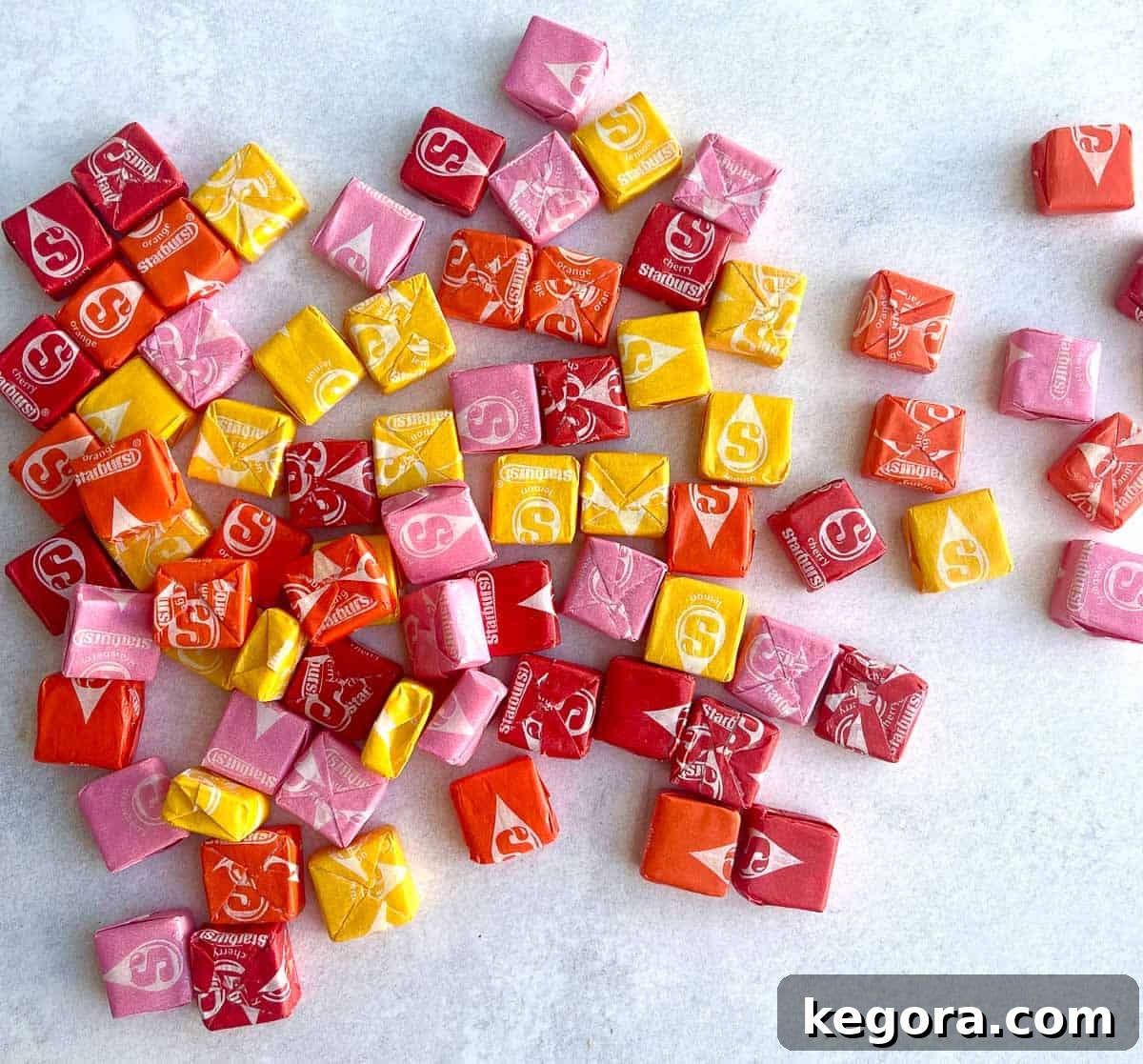
In the United States, all standard Starburst flavors are considered gluten-free, including the original four (strawberry, cherry, orange, lemon), the popular “FaveREDs” (strawberry, cherry, watermelon, fruit punch), and various seasonal candy offerings. This includes both the classic fruit chews and their variations.
Yes, Starburst Minis, including the sour varieties, are gluten-free when purchased in the U.S. Mars Wrigley’s manufacturing practices for Starburst products in the U.S. ensure that these smaller versions, like their full-sized counterparts, do not contain gluten ingredients or suffer from cross-contamination.
Yes, Starbursts are considered dairy-free in addition to being gluten-free. The standard ingredients used in U.S. Starburst products do not contain any milk or egg derivatives, making them suitable for individuals avoiding dairy products as well.
When reading labels, always look for wheat, barley, and rye. These are the main sources of gluten. Less obvious ingredients might include malt (from barley), brewer’s yeast, certain starches, or flavorings derived from gluten grains. For Starbursts specifically, pay attention to glucose syrup if you are outside the U.S., as it can sometimes be wheat-derived.
Absolutely. Reputable manufacturers like Mars Wrigley are legally obligated to provide accurate ingredient and allergen information on their product packaging. Always refer to the most current label on the specific package you intend to purchase, as formulations can occasionally change, especially across different production batches or geographical regions.
The Bottom Line: Starbursts and Your Gluten-Free Diet
After a thorough exploration, we can confidently answer: Are Starbursts gluten-free? The answer is a resounding: Yes, with a crucial caveat!
If you reside in the United States, you can almost certainly add Starburst products, including all their classic flavors and variations, to your safe list of gluten-free treats. Mars Wrigley’s commitment to using gluten-free ingredients and maintaining appropriate manufacturing practices for Starbursts in the U.S. means you can enjoy these chewy candies without concern.
However, the global landscape of food production necessitates caution. If you are purchasing Starbursts in other countries, particularly Australia and New Zealand, it is imperative to check the ingredient label every single time. Starburst candies sold in these and potentially other international markets may contain wheat starch, wheat-derived glucose syrup, or other gluten-containing ingredients, making them unsafe for individuals with celiac disease or gluten sensitivity.
Always prioritize label reading, especially when your health depends on it. With this knowledge, you can continue to enjoy the vibrant, fruity burst of flavor that Starbursts offer, ensuring your sweet moments remain safely gluten-free.
For more questions and insights into gluten-free products and living, explore these related articles:
- Are M&Ms Gluten-Free?
- Is Brown Rice Gluten-Free?
- Is Jello Gluten-Free?
- Is Oat Milk Gluten-Free?
- Are Doritos Gluten-Free?
- Are Sour Patch Kids Gluten-Free?
- Are French Fries Gluten-Free?
- Is Buckwheat Gluten-Free?
- Are Marshmallows Gluten-Free?
- Are Milky Ways Gluten-Free?
- The Ultimate Gluten-Free Candy List