
Easy Homemade Crostini Recipe: Your Go-To Appetizer
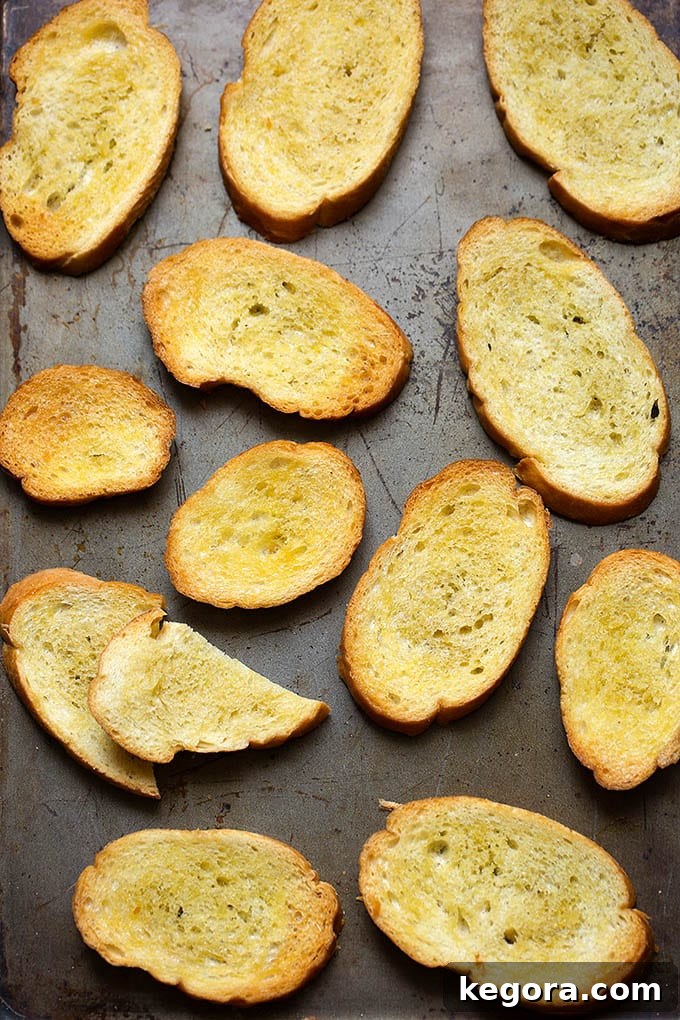
Crostini, meaning “little toasts” in Italian, are delightful, small slices of toasted bread, typically made from a baguette or French bread, then drizzled with olive oil and baked until crisp. They serve as the perfect canvas for an array of delicious toppings, making them an indispensable element in Italian cuisine and a favorite worldwide for entertaining. While often confused with bruschetta, crostini offers a more delicate crunch, ideal for lighter spreads and more intricate arrangements.
Whether you’re hosting a sophisticated dinner party, looking for a quick and satisfying snack, or preparing a versatile appetizer for guests to customize, homemade crostini is an absolute winner. Its simplicity belies its incredible potential to elevate any gathering. From savory spreads like rich olive tapenade and creamy whipped feta to sweet fruit and cheese combinations, the possibilities are truly endless. This recipe ensures a crispy, yet not overly hard, bite every time, making your crostini irresistible straight out of the oven or adorned with your favorite accompaniments.
Why Homemade Crostini is Always Best
While store-bought crostini can be convenient, nothing compares to the taste and texture of freshly made homemade crostini. The aroma of baking bread filling your kitchen is just the beginning. Homemade versions allow you to control the quality of ingredients, from the type of bread to the richness of the olive oil. You can customize the thickness of the slices, ensuring they are perfectly crisp without being brittle, and add subtle flavor enhancements like a rub of garlic or a sprinkle of herbs before baking. Plus, serving warm crostini straight from the oven adds an extra layer of comfort and freshness that pre-packaged options simply can’t match. It’s an effortless way to impress your guests and elevate your culinary experience.
Key Ingredients for Perfect Crostini
Making outstanding crostini requires just a few basic ingredients, but the quality of each makes a significant difference:
- French Bread or Baguette: The foundation of your crostini. A good quality loaf, preferably one that’s a day old, works best as it holds its shape well when sliced and crisps up beautifully without becoming too dense. A 16 oz loaf will yield a generous amount of crostini, perfect for sharing.
- Olive Oil: Extra virgin olive oil is crucial here. It’s not just for brushing; it imparts a wonderful flavor and helps achieve that golden-brown crispness. Choose a good quality oil that you enjoy the taste of, as its flavor will shine through.
- Optional Flavor Enhancements: While simple is often best, a pinch of sea salt, a crack of black pepper, or a light dusting of garlic powder can enhance the flavor profile. For an authentic Italian touch, rubbing a raw garlic clove over the warm, baked crostini adds an aromatic kick.
Classic Crostini Recipe
Ingredients
- 16 oz Loaf of French Bread or Baguette
- 3 Tbsp Good Quality Olive Oil
- Optional: Pinch of sea salt, black pepper, or garlic powder
Instructions
-
Preheat Oven: Heat your oven to 375 degrees Fahrenheit (190 degrees Celsius). This temperature allows for even toasting without burning.
-
Slice Bread: Using a serrated knife, slice the French bread or baguette on the diagonal into approximately 1/2-inch thick slices. Angled slices provide a larger surface area for toppings and a more elegant presentation. Aim for uniformity to ensure even baking.
-
Arrange on Baking Sheet: Arrange the bread slices in a single layer on an ungreased baking sheet. Ensure there’s a little space between each slice for air circulation.
-
Brush with Olive Oil: Lightly brush the top side of each bread slice with olive oil. Be generous but avoid soaking the bread. This is where the flavor infusion begins! You can also sprinkle with a pinch of salt or garlic powder at this stage if desired.
-
Bake to Golden Perfection: Bake for 8-10 minutes, or until the edges of the bread are just starting to turn golden brown and the crostini are crisp. Keep a close eye on them, as baking times can vary slightly depending on your oven and bread thickness.
-
Cool: Remove the crostini from the oven and let them cool completely on the baking sheet or a wire rack. They will continue to crisp up as they cool.
-
Serve: Once cooled, your crostini are ready to be topped with your favorite spreads and ingredients. Serve immediately for the best texture and flavor.
Notes
Nutrition
Nutrition information is automatically calculated and should only be used as an approximation. Actual values may vary based on ingredients and preparation methods.
Additional Info
Endless Crostini Topping Ideas
The true magic of crostini lies in its incredible versatility when it comes to toppings. Here are some inspired ideas to get you started, ranging from classic to creative:
Savory Toppings:
- Classic Bruschetta: Dice fresh ripe tomatoes, mix with chopped basil, minced garlic, a drizzle of olive oil, and a splash of balsamic glaze. This is a timeless favorite for a reason.
- Whipped Feta Spread: A creamy, tangy spread made from feta cheese, Greek yogurt, and a hint of lemon. Top with a sprinkle of red pepper flakes or fresh herbs.
- Olive Tapenade: A rich and salty blend of olives, capers, anchovies (optional), and olive oil. Perfect for an intense burst of Mediterranean flavor.
- Prosciutto and Melon: A sophisticated pairing of salty prosciutto with sweet, thinly sliced cantaloupe or honeydew.
- Roasted Red Pepper and Goat Cheese: Tangy goat cheese spread topped with sweet, smoky roasted red peppers.
- Smoked Salmon and Dill Cream Cheese: A luxurious combination, ideal for brunch or elegant appetizers.
- Mushroom Pâté: Sautéed mushrooms blended into a rich, earthy spread.
- Avocado Toast Crostini: Smashed avocado seasoned with salt, pepper, and a squeeze of lime, perhaps topped with a cherry tomato or a sprinkle of everything bagel seasoning.
- Caprese Style: Mini mozzarella balls, cherry tomato halves, and fresh basil leaves, drizzled with balsamic glaze.
Sweet Toppings:
- Ricotta and Honey: Creamy ricotta cheese drizzled with honey and garnished with fresh berries or chopped nuts.
- Fig Jam and Brie: A delightful sweet and savory combination that pairs wonderfully with a glass of wine.
- Apple and Caramel: Thin apple slices with a dollop of caramel sauce and a sprinkle of cinnamon.
Encourage your guests to create their own custom crostini bar by offering an assortment of toppings. This interactive approach adds a fun element to any party and caters to diverse tastes.
Crostini vs. Bruschetta: What’s the Difference?
The terms crostini and bruschetta are often used interchangeably, but there’s a subtle yet important distinction rooted in Italian tradition.
- Crostini: As mentioned, crostini translates to “little toasts.” They are typically smaller, made from thinly sliced French bread or baguettes, brushed with olive oil, and then baked until crisp. Their delicate size and texture make them perfect for lighter, more intricate toppings and as a base for various spreads.
- Bruschetta: This term comes from the Italian word “bruscare,” meaning “to roast over coals.” Traditional bruschetta uses larger, thicker slices of rustic Italian bread, grilled or toasted, then rubbed with a raw garlic clove and drizzled generously with olive oil. It’s often served simply, perhaps with just a touch of salt, or with a hearty tomato and basil topping. The key characteristics are its thicker cut, often grilled preparation, and prominent garlic flavor.
While their preparation methods and ideal bread types differ, both crostini and bruschetta serve as wonderful vehicles for flavor, bringing people together around delicious, simple Italian fare.
Tips for Crostini Perfection
Achieving the perfect crostini is easy with a few simple tricks:
- Use Day-Old Bread: Slightly stale bread slices absorb olive oil better and become crispier without becoming too hard or tough. Fresh, soft bread can sometimes be too chewy.
- Slice Evenly: Uniform slices ensure that all your crostini toast at the same rate, preventing some from burning while others remain soft. A serrated knife is your best friend for clean cuts.
- Don’t Over-Oil: While olive oil is essential for flavor and texture, over-oiling can make the crostini greasy. A light, even brush is all you need.
- Single Layer on Baking Sheet: Overcrowding the baking sheet can lead to steamed rather than toasted bread. Give each slice room to breathe for maximum crispiness.
- Watch Carefully: Ovens vary, and crostini can go from perfectly golden to burnt in a matter of seconds. Keep an eye on them, especially towards the end of the baking time.
- Garlic Rub Trick: For a burst of garlic flavor without cooking the garlic, rub a peeled raw garlic clove over the warm crostini immediately after they come out of the oven. The warmth of the bread will absorb the garlic’s essence.
- Cool Completely: Allow your crostini to cool completely before topping them. This helps them maintain their crispness. Topping warm crostini can make them soggy.
- Store Properly: Store cooled, untop crostini in an airtight container at room temperature for up to 3-4 days. Re-crisp in a toaster oven if they lose their crunch.
- Make Ahead: You can bake the crostini ahead of time and store them. Prepare your toppings just before serving to maintain freshness and texture.
With these tips, you’ll be making professional-quality crostini that will be the star of any spread. Whether for a casual gathering or a formal event, homemade crostini is a simple pleasure that delights every palate.
Tried this recipe?Share your creations and tag us on Instagram! We love seeing what you make. @simply_happy_foodie