
Welcome to the ultimate guide for anyone asking the crucial question: “Are marshmallows gluten-free?” For individuals navigating a gluten-free diet, whether due to Celiac disease, gluten sensitivity, or personal preference, understanding which everyday treats are safe can be a game-changer. Marshmallows, with their delightfully fluffy and sweet appeal, are often a staple in comforting desserts like s’mores, gooey rice crispy treats, or simply enjoyed roasted over a crackling fire. The good news is that most traditional marshmallows are, in fact, naturally gluten-free, offering a moment of relief and pure indulgence without compromise. This comprehensive article will delve into the ingredients, popular brands, and important considerations to help you confidently select gluten-free marshmallows every time.
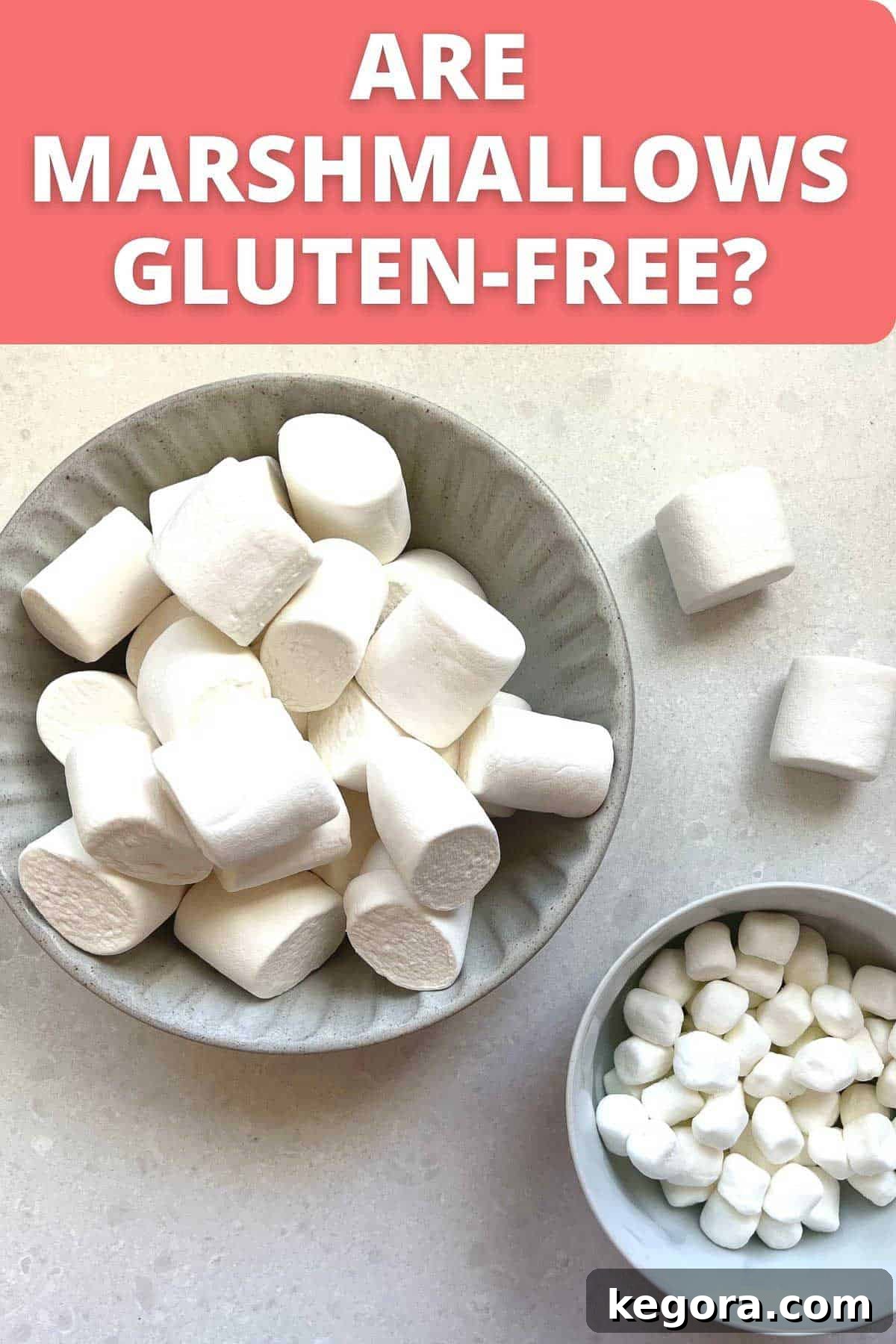
The journey to adopting a gluten-free lifestyle often comes with a steep learning curve. Suddenly, everyday items that once seemed harmless require careful scrutiny. Desserts, in particular, can be tricky territory, as many contain wheat-based flours or thickeners. Marshmallows, however, often stand out as a pleasant surprise. Their core ingredients typically consist of sugar, corn syrup, gelatin, and cornstarch – none of which contain gluten. This simple composition makes them a safe bet for many gluten-free consumers seeking a sweet treat. Yet, it’s always wise to exercise caution, as some specialty or lesser-known brands might deviate from this standard formula. Staying informed is your best defense against accidental gluten exposure.
What Makes Marshmallows Naturally Gluten-Free?
The magic behind most marshmallows being gluten-free lies in their fundamental ingredients. Traditional marshmallows are primarily made from a blend of sugar (often granulated sugar), corn syrup, and gelatin. These components are whipped together to create their signature light and airy texture. Vanilla extract or other flavorings are added for taste, and a dusting of cornstarch prevents them from sticking together. Crucially, none of these standard ingredients are derived from wheat, barley, or rye, which are the grains that contain gluten.
Let’s break down the typical ingredients:
- Sugar: A naturally gluten-free ingredient, providing sweetness.
- Corn Syrup: Derived from corn, which is a gluten-free grain. It adds to the marshmallow’s texture and sweetness.
- Gelatin: A protein derived from animal collagen, gelatin is naturally gluten-free and responsible for the marshmallow’s bouncy, chewy consistency.
- Cornstarch: Used as an anti-caking agent, cornstarch is also naturally gluten-free and helps maintain the marshmallows’ shape and prevents them from melting into a sticky mess.
- Flavorings (e.g., Vanilla Extract): Pure vanilla extract is gluten-free. Always check for artificial flavorings, though they are rarely gluten-containing.
Because these primary ingredients are inherently gluten-free, most popular brands of marshmallows can confidently be consumed by individuals on a gluten-free diet without specific gluten-free labeling. This makes them one of the more accessible processed foods for those with dietary restrictions.
Important Considerations: When to Check Labels
While the vast majority of marshmallows are gluten-free, there are exceptions and important considerations, especially for those with severe Celiac disease. The primary reasons you might encounter gluten in marshmallows or marshmallow products include:
- Wheat Starch or Modified Food Starch: Some manufacturers, particularly in certain regions or for specific specialty products, might use wheat starch as a thickener or stabilizer. Always look for “wheat” explicitly stated in the ingredients list. Modified food starch is usually safe if derived from corn, potato, or tapioca, but if its source is not specified, it’s best to confirm it’s not wheat-based.
- Glucose Syrup from Wheat: While corn syrup is the standard, some glucose syrups can be derived from wheat. In the U.S., even if derived from wheat, these are often processed to the point where the gluten is removed and considered gluten-free according to FDA regulations (less than 20 ppm). However, individuals with extreme sensitivity might prefer to avoid them if not explicitly labeled gluten-free.
- Cross-Contamination: This is a significant concern for those with Celiac disease. Even if ingredients are gluten-free, products manufactured on shared lines with gluten-containing items can pick up trace amounts of gluten. While most major marshmallow brands are produced in dedicated facilities or have robust allergen control protocols, some smaller brands or specific products might pose a risk.
- Added Inclusions or Coatings: Marshmallows with additional coatings, flavors, or mix-ins (like cookie pieces or sprinkles) could introduce gluten. Always check the ingredient list for these embellished varieties.
For ultimate peace of mind, especially if you have Celiac disease, always prioritize products explicitly labeled “gluten-free.” This certification indicates that the product meets regulatory standards (less than 20 parts per million of gluten) and has been tested for safety.
Are Jet-Puffed Marshmallows Gluten-Free?
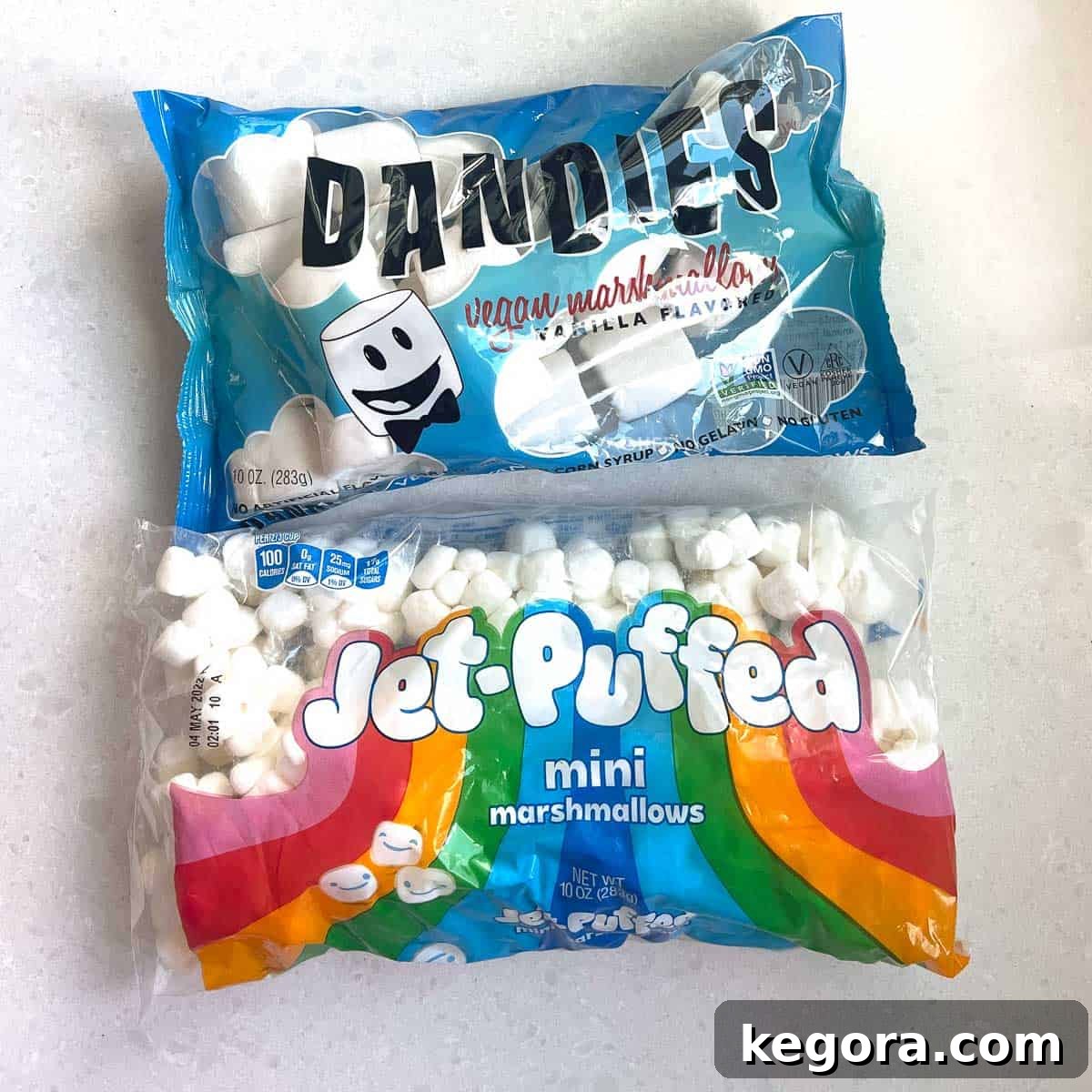
One of the most recognized and widely available marshmallow brands in the United States is Kraft Jet-Puffed. And to the delight of gluten-free consumers, the answer is a resounding YES! Kraft Jet-Puffed marshmallows are considered gluten-free. While the packaging may not always feature a prominent “gluten-free” label, a thorough review of their ingredient list confirms no gluten-containing components are used in their standard formulation.
Furthermore, Kraft, a reputable food manufacturer, has indicated that there is no significant risk of cross-contamination with gluten in the manufacturing process for their Jet-Puffed marshmallows. This commitment to allergen control means you can confidently enjoy these sweet treats without concern for hidden gluten. This makes Jet-Puffed marshmallows a reliable choice for baking, roasting, or simply snacking on your gluten-free diet.
Once you’ve stocked up on these versatile marshmallows, you might be inspired to create some delicious gluten-free desserts. A perennial favorite is my gluten-free Rice Krispie treats recipe. Simply combine your chosen gluten-free crisp rice cereal, creamy butter, a splash of vanilla extract, and a generous amount of melted Jet-Puffed marshmallows for a classic, chewy, and completely safe dessert. It’s a perfect example of how easily you can adapt traditional recipes to fit your dietary needs.
Is Marshmallow Fluff Gluten-Free?
Marshmallow fluff, also known as marshmallow creme, presents a slightly different scenario than solid marshmallows. While the basic ingredients in most marshmallow fluff brands do not inherently contain gluten, the risk of cross-contamination can be higher for some products. For instance, brands like Kraft Jet-Puffed Marshmallow Creme might carry a higher risk of incidental gluten exposure due to shared manufacturing lines or facilities that also process gluten-containing foods. This can result in trace amounts of gluten (potentially exceeding the 20 ppm threshold for gluten-free labeling) making their way into the product.
Therefore, while the ingredient list might appear clean, it’s crucial for those with Celiac disease or high gluten sensitivity to exercise extra caution with marshmallow fluff. Look for brands that are explicitly labeled “gluten-free” or have a clear allergen statement regarding their manufacturing processes. If in doubt, contacting the manufacturer directly for clarification is always a good strategy. For more sweet and safe options, you might also like this comprehensive gluten-free candy list, which provides a detailed breakdown of various confectioneries that are safe for gluten-free diets.
Are Marshmallows Dairy-Free? What About Vegan Options?
Beyond the gluten question, many individuals have other dietary restrictions, such as dairy intolerance or a vegan lifestyle. The good news for those avoiding dairy is that most traditional marshmallows are inherently dairy-free. Their standard recipe does not include milk, cream, butter, or any other dairy products. This makes them a safe and enjoyable treat for people with lactose intolerance or dairy allergies.
However, the picture changes significantly for vegans. While dairy-free, traditional marshmallows are not vegan because they contain gelatin. Gelatin is an animal-derived product, typically made from collagen obtained from animal bones, connective tissues, and skin. Therefore, classic marshmallows, including popular brands like Jet-Puffed and Campfire, are unsuitable for a vegan diet.
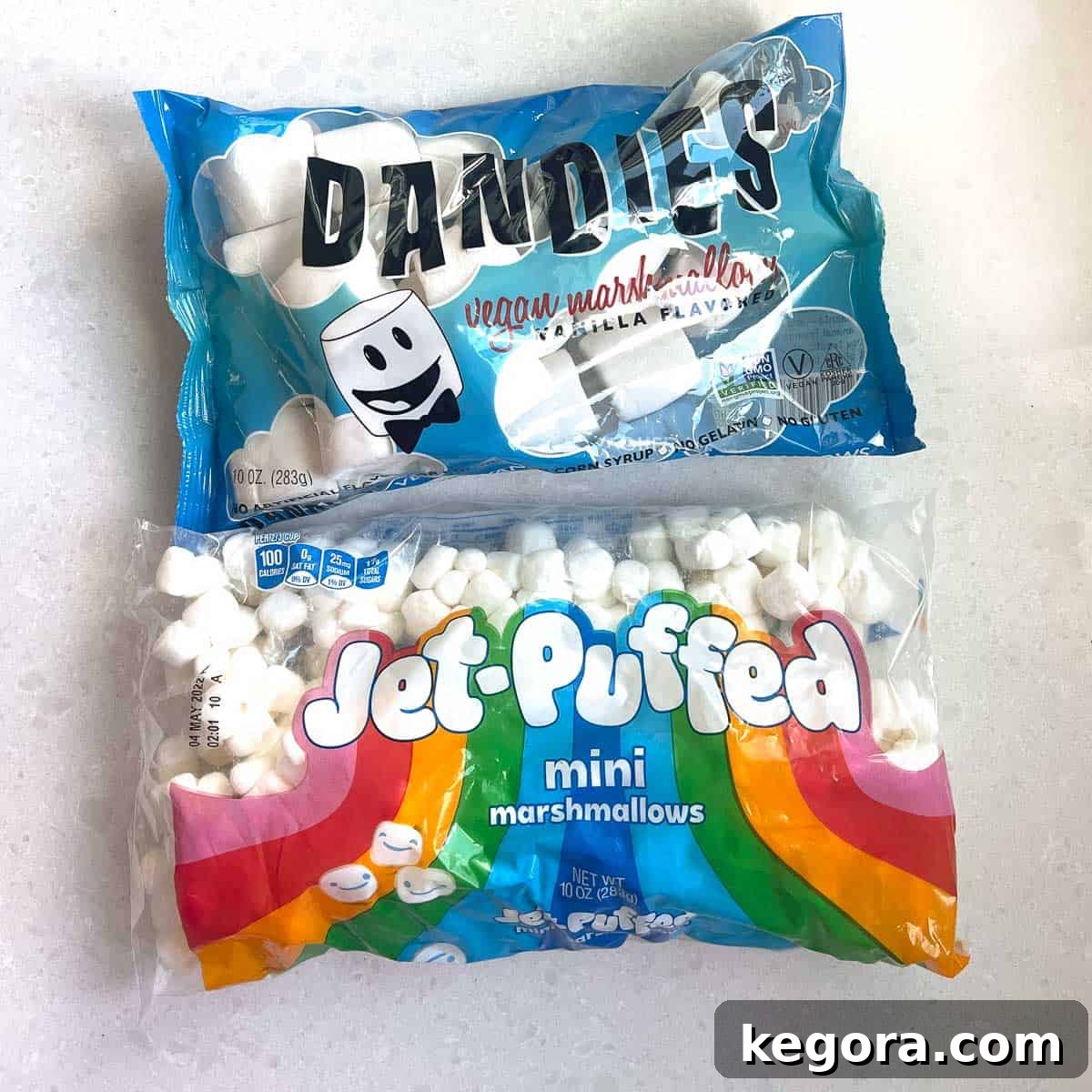
Fortunately, the market for vegan alternatives has expanded considerably. If you’re looking for a delicious and reliable brand of vegan marshmallows that are also gluten-free, look no further than Dandies marshmallows. Dandies use plant-based ingredients like tapioca starch, tapioca syrup, and carrageenan (a seaweed extract) to achieve that familiar fluffy texture without any animal products. They offer a fantastic solution for those following both gluten-free and vegan diets, ensuring everyone can enjoy the simple pleasure of a marshmallow.
Gluten-Free Marshmallow Serving Suggestions and Recipes
Now that you know marshmallows are generally gluten-free, the possibilities for delightful treats are endless! Here are some ideas to incorporate these fluffy delights into your gluten-free repertoire:
- Classic S’mores: Pair your favorite gluten-free graham crackers with a square of chocolate and a perfectly toasted marshmallow for the ultimate camping treat.
- Gluten-Free Rice Crispy Treats: A timeless favorite! Use gluten-free crisp rice cereal with melted marshmallows and butter for a quick and easy dessert.
- Hot Chocolate Topping: Elevate a warm mug of gluten-free hot chocolate with a generous dollop of marshmallows, or even a swirl of gluten-free marshmallow fluff.
- Sweet Potato Casserole Topping: For a holiday classic, top your sweet potato casserole with a layer of mini marshmallows and bake until golden brown and bubbly.
- Marshmallow Fruit Dip: Whisk marshmallow fluff with cream cheese (or dairy-free cream cheese) and a touch of vanilla for a sweet dip perfect for fresh fruit.
- Indoor S’mores Dip: Layer chocolate chips and marshmallows in an oven-safe dish, bake until melted and golden, then scoop with gluten-free cookies or graham crackers.
- Homemade Marshmallows: For the ultimate control, try making your own marshmallows from scratch. This ensures every ingredient is precisely what you want, and it’s a fun project!
Remember to always ensure any accompanying ingredients, such as cookies, cereals, or chocolate, are also certified or verified gluten-free to maintain the integrity of your delicious, safe treat.
FAQs About Gluten-Free Marshmallows
Yes, individuals with Celiac disease or gluten intolerance can typically eat almost all major brands of traditional marshmallows sold on grocery store shelves in the U.S. This is because their core ingredients (sugar, corn syrup, gelatin, cornstarch) are naturally gluten-free. Even if these brands aren’t explicitly labeled “gluten-free,” they are generally considered safe. However, for marshmallow fluff or specialty marshmallows with additional ingredients, always check the label for potential gluten-containing additives or cross-contamination warnings.
Absolutely! Just like most popular brands of marshmallows in the United States, Campfire brand marshmallows are naturally gluten-free. Their commitment to allergen-friendly products extends beyond just gluten; Campfire marshmallows are also dairy-free and nut-free, making them an excellent choice for individuals managing multiple dietary restrictions or allergies. They are a reliable and safe option for enjoying s’mores, baking, or snacking.
Yes, Walmart’s Great Value brand marshmallows are gluten-free. Their ingredient list typically includes corn syrup, sugar, modified cornstarch, and gelatin, all of which are gluten-free components. As with other major brands, the Great Value marshmallows offer a budget-friendly and safe option for those following a gluten-free diet without compromising on taste or texture. Always do a quick check of the ingredient list for any unexpected changes in formulation.
Yes, mini marshmallows from major brands like Jet-Puffed, Campfire, or store brands are also gluten-free. The size of the marshmallow does not change its fundamental ingredients or manufacturing process regarding gluten content. They are made with the same gluten-free components as their larger counterparts and can be used safely in recipes like hot chocolate, crispy treats, or toppings for fruit salads.
While most marshmallows are safe, always be vigilant for ingredients like “wheat starch,” “wheat flour,” or “modified food starch” if the source isn’t specified (e.g., modified corn starch is fine). Occasionally, specialty flavors or coatings might introduce gluten, so always check the full ingredient list, especially for flavored or gourmet varieties. If a product contains “glucose syrup” and is not explicitly labeled gluten-free, and you have severe Celiac disease, you might want to verify its source or choose a certified gluten-free alternative.
The Bottom Line on Gluten-Free Marshmallows
In conclusion, the answer to “Are marshmallows gluten-free?” is overwhelmingly positive for most traditional varieties available in the United States. Almost all conventional marshmallows are made without any gluten-containing ingredients, making them a safe and delightful treat for individuals managing Celiac disease, gluten intolerance, or a gluten-free lifestyle. You can confidently reach for popular brands like Kraft Jet-Puffed, Campfire, and even many store-brand marshmallows without meticulously scrutinizing every ingredient, even if they don’t carry an explicit “gluten-free” label.
This provides a wonderful sense of freedom and allows for easy enjoyment of classic desserts like s’mores (just be sure to pair them with gluten-free graham crackers!) and creamy hot chocolate. However, it is essential to remember the nuances. Marshmallow fluff or creme products can sometimes pose a higher risk of cross-contamination due to manufacturing processes, so a quick check for “gluten-free” certification or a direct inquiry to the manufacturer is a wise step for these items.
By staying informed and understanding the basic composition of your favorite sweets, you can continue to enjoy a wide range of delicious gluten-free desserts. So go ahead, stock up on your favorite fluffy treats and fire up that campfire! For more delicious inspiration, you might like these Costco Marshmallow Krispy Cookies.
For additional guidance on navigating a gluten-free diet and discovering safe products, explore more of our articles. Check out whether Cool Whip is gluten-free, learn about Starburst candy, understand if macarons are gluten-free, find out about Milky Ways, and discover if Doritos are gluten-free. We also have guides on Jello, boba tea, and French fries to help you make confident choices for every meal and snack.