
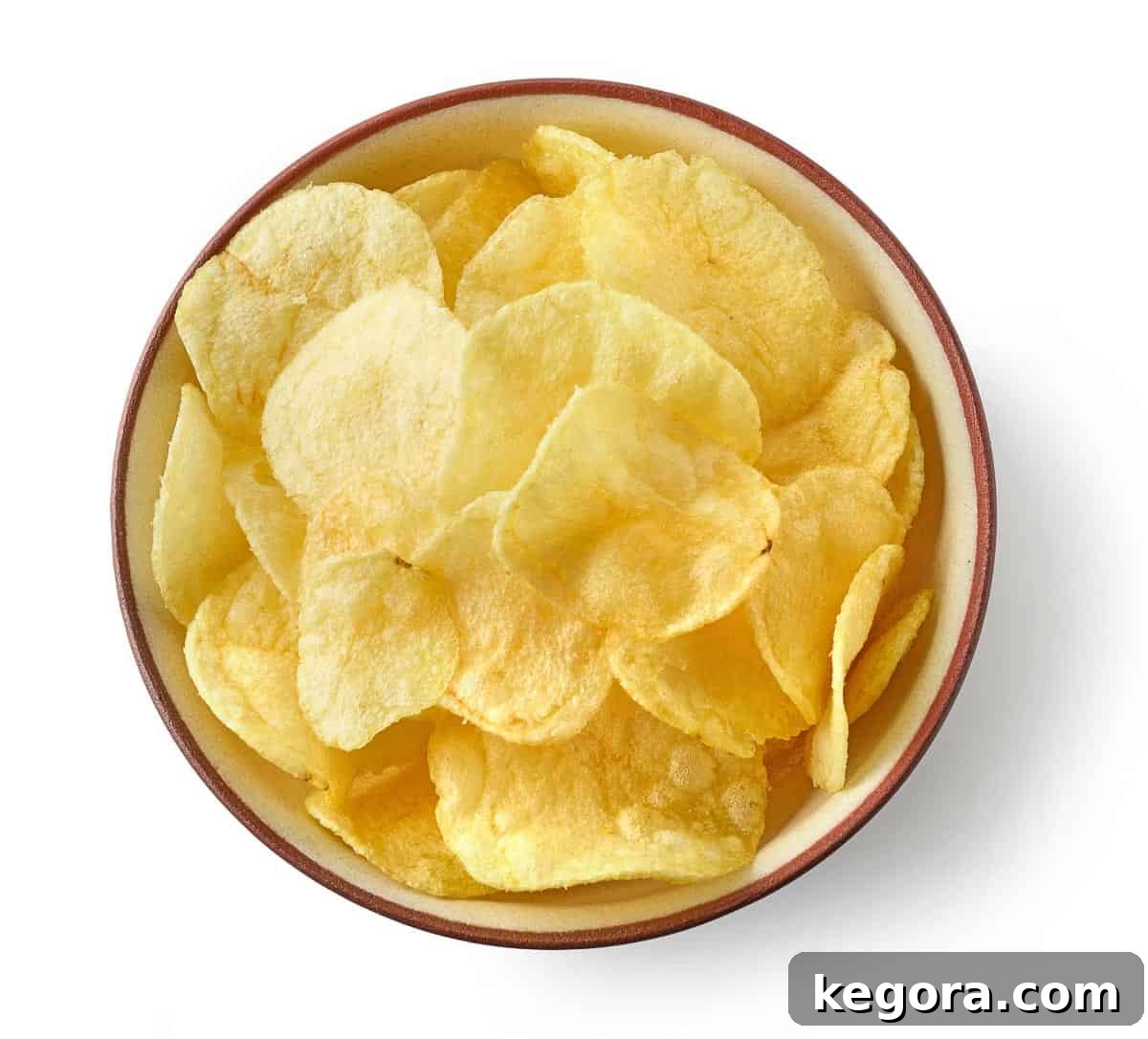
Navigating a gluten-free diet can be challenging, especially when it comes to popular snacks like potato chips. Many wonder: Are potato chips gluten-free? The answer isn’t always straightforward, but we’re here to help you understand all the details and make informed choices.
Are Potato Chips Gluten-Free? Your Ultimate Guide to Safe Snacking
Potato chips are an undeniable staple in snack culture, beloved for their satisfying crunch and diverse range of flavors. From classic salted to zesty barbecue and creamy sour cream and onion, these crispy delights are perfect for pairing with sandwiches, enhancing a summer barbecue, or simply enjoying on their own. Their immense popularity is clear: Americans alone consume an astonishing 1.85 billion pounds of potato chips annually, equating to about 6.6 pounds per person!
Given such widespread appeal, it’s natural for those following a gluten-free diet to wonder if they can safely indulge in this beloved snack. The good news is that for many varieties, the answer is a resounding yes. However, a deeper look reveals some crucial details and exceptions that every gluten-free consumer should be aware of. Understanding these nuances is key to enjoying potato chips without compromising your dietary needs.
The Short Answer: Mostly Yes, But Always Check the Label!
At their core, traditional potato chips are made from simple, naturally gluten-free ingredients: potatoes, vegetable oil, and salt. Potatoes themselves are free from gluten, making them a safe base for a gluten-free diet. This inherent simplicity means that many plain, unflavored potato chips are inherently gluten-free and can be enjoyed by individuals with celiac disease or gluten sensitivity.
However, the world of processed snacks is rarely entirely simple. While the primary ingredients might be gluten-free, the manufacturing process, flavorings, and additives can sometimes introduce gluten. This is why checking the ingredient label and looking for specific gluten-free certifications is always the smartest approach for individuals managing gluten-related health conditions.
Understanding Gluten: Why It’s a Dietary Concern
Before delving deeper into the specifics of potato chips, it’s helpful to understand what gluten is and why it’s a concern for many. Gluten is a family of proteins found naturally in certain grains, primarily wheat, barley, rye, and triticale (a hybrid of wheat and rye). For the majority of the population, gluten is harmless and a normal part of their diet. However, for a significant number of individuals, consuming gluten can lead to serious health issues.
The most severe form of gluten intolerance is **celiac disease**, an autoimmune disorder where ingesting gluten triggers an immune response that damages the small intestine. This damage can lead to nutrient malabsorption and a wide range of symptoms, including digestive problems, fatigue, skin rashes, and neurological issues. For those with celiac disease, strict adherence to a gluten-free diet is medically necessary.
Beyond celiac disease, many people experience **non-celiac gluten sensitivity (NCGS)** or **wheat allergies**. While not involving the same autoimmune response as celiac disease, NCGS can cause similar uncomfortable symptoms like bloating, abdominal pain, diarrhea, constipation, brain fog, and headaches. A wheat allergy, on the other hand, involves an immediate allergic reaction to wheat proteins, which can be severe. For these individuals, avoiding gluten or wheat is crucial for managing their symptoms and maintaining their well-being.
Potential Hidden Gluten in Potato Chips
While the core ingredients of potato chips are typically gluten-free, several factors can introduce gluten, making certain varieties unsafe for a gluten-free diet:
- Flavorings and Seasonings: This is the most common and significant source of hidden gluten. Many popular flavor blends, such as those used for barbecue, sour cream and onion, or salt and vinegar chips, can contain gluten-derived ingredients. Ingredients to scrutinize on a label include:
- Malt Vinegar: Frequently used in salt and vinegar flavored chips, malt vinegar is typically derived from barley, which contains gluten.
- Wheat Starch: Although sometimes processed to reduce gluten content, unless explicitly labeled “gluten-free wheat starch,” it is generally considered unsafe. Pringles are a prime example of a product using wheat starch.
- Hydrolyzed Wheat Protein: Often used as a flavor enhancer, this is a clear gluten-containing ingredient.
- Modified Food Starch: This ingredient can be derived from various sources. Unless the label specifies “corn starch,” “potato starch,” or “tapioca starch,” it’s best to be cautious, as it could be wheat-based.
- Soy Sauce: While not common in potato chips, some Asian-inspired flavors might use soy sauce, which usually contains wheat unless it’s a tamari (gluten-free soy sauce) variety.
- Yeast Extract: While often gluten-free, some yeast extracts are derived from barley or other gluten-containing grains. If no “gluten-free” claim is made, it warrants caution.
- Cross-Contamination: Even if a chip’s ingredients are naturally gluten-free, the manufacturing environment poses a risk. Potato chips produced on shared equipment with gluten-containing products (like wheat crackers, breaded snacks, or other flavored chips using gluten) can pick up trace amounts of gluten. For individuals with celiac disease, even small amounts of gluten (below the FDA’s 20 ppm threshold) can trigger a reaction.
- Processing Aids: Though less common, certain processing aids or anti-caking agents used during the chip-making process might contain gluten or derivatives.
Navigating Gluten-Free Labels and Certifications
The safest and most reliable way to ensure your potato chips are gluten-free is to rely on clear labeling. In the United States, the Food and Drug Administration (FDA) has established regulations for what “gluten-free” means on food labels. Products bearing labels like “gluten-free,” “no gluten,” “free of gluten,” or “without gluten” must legally contain less than 20 parts per million (ppm) of gluten. This threshold is widely accepted as safe for most individuals with celiac disease.
Beyond the FDA’s guidelines, some brands opt for third-party gluten-free certification. Organizations such as the Gluten-Free Certification Organization (GFCO) often set even stricter standards, requiring products to contain less than 10 ppm of gluten. A certified gluten-free label, typically indicated by a specific logo on the packaging, provides an extra layer of assurance and trust for consumers.
When making purchasing decisions, always make it a habit to:
- Look for “Gluten-Free” Claims: Prioritize products with explicit gluten-free labeling.
- Check for Certification Seals: A third-party certification seal offers greater confidence.
- Read the Ingredient List: Even with a “gluten-free” claim, it’s wise to quickly scan the ingredients, especially if you have other allergies or sensitivities. Manufacturers can change recipes, and staying informed is always best.
- Consult Manufacturer Websites: Many large brands, like Frito-Lay, maintain comprehensive lists of their gluten-free products online, which are often more current than static package information.
Popular Gluten-Free Potato Chip Brands
Many trusted brands offer a variety of delicious potato chips that are safe for a gluten-free diet. Here’s a look at some of the most popular choices, known for their commitment to providing gluten-free options:
-
Kettle Brand Potato Chips
Renowned for their thick-cut, extra-crunchy texture, Kettle Brand offers an impressive array of flavors, from classic Sea Salt to unique options like Honey Dijon and Salt & Vinegar. The excellent news for gluten-free snackers is that all Kettle Brand potato chip flavors are certified gluten-free and prominently display this label on their packaging. This consistent commitment to gluten-free standards makes them a top choice for reliable safety and diverse flavor options, ensuring peace of mind with every satisfying crunch.
-
Late July Organic Potato Chips
If you prefer a thinner, crispier chip made with organic ingredients, Late July Organic Potato Chips are an excellent option. They focus on basic, high-quality ingredients with minimal additives and are praised for their clean taste. Like Kettle Brand, Late July chips are certified gluten-free, ensuring they meet strict guidelines for gluten content. Their simplicity, organic nature, and clear labeling appeal greatly to those seeking cleaner and verified gluten-free snack options.
-
Frito-Lay Brands (Lay’s and Ruffles)
Frito-Lay, a snack industry giant, provides clear guidance on its gluten-free products. According to the Frito-Lay website, many varieties of Lay’s and Ruffles potato chips meet the FDA’s gluten-free requirements. While not all flavors may carry a “certified gluten-free” stamp on every bag due to the sheer volume of products, their online resource is an invaluable tool for confirming specific products and staying updated on their latest gluten-free offerings.
For individuals with celiac disease or severe gluten sensitivity, regularly consulting Frito-Lay’s official product list for dietary needs is highly recommended. This resource is frequently updated and provides the most accurate information directly from the manufacturer.
-
Cape Cod Potato Chips
Hailing from the East Coast, Cape Cod potato chips are known for their distinctively hearty crunch and classic flavors, often cooked in kettles for extra crispness. These chips are certified gluten-free, and you’ll find the gluten-free label conveniently located on the back of their bags. Made with just potatoes, vegetable oil, and salt in their original varieties, they offer a reliable and delicious choice for gluten-free individuals who appreciate a robust chip.
-
Market Pantry Potato Chips (Target Brand)
For budget-conscious shoppers, Target’s own Market Pantry brand often provides excellent gluten-free options that don’t compromise on quality or safety. Their potato chips are also certified gluten-free and feature a clear label on the packaging. Typically made from simple ingredients like potatoes, vegetable oils, and sea salt, they offer an accessible and reliable gluten-free snacking choice, proving that safe options can also be affordable.
Looking for a complete meal to go with your chips? Discover gluten-free options at your favorite eateries by exploring guides like Jersey Mike’s gluten-free menu.
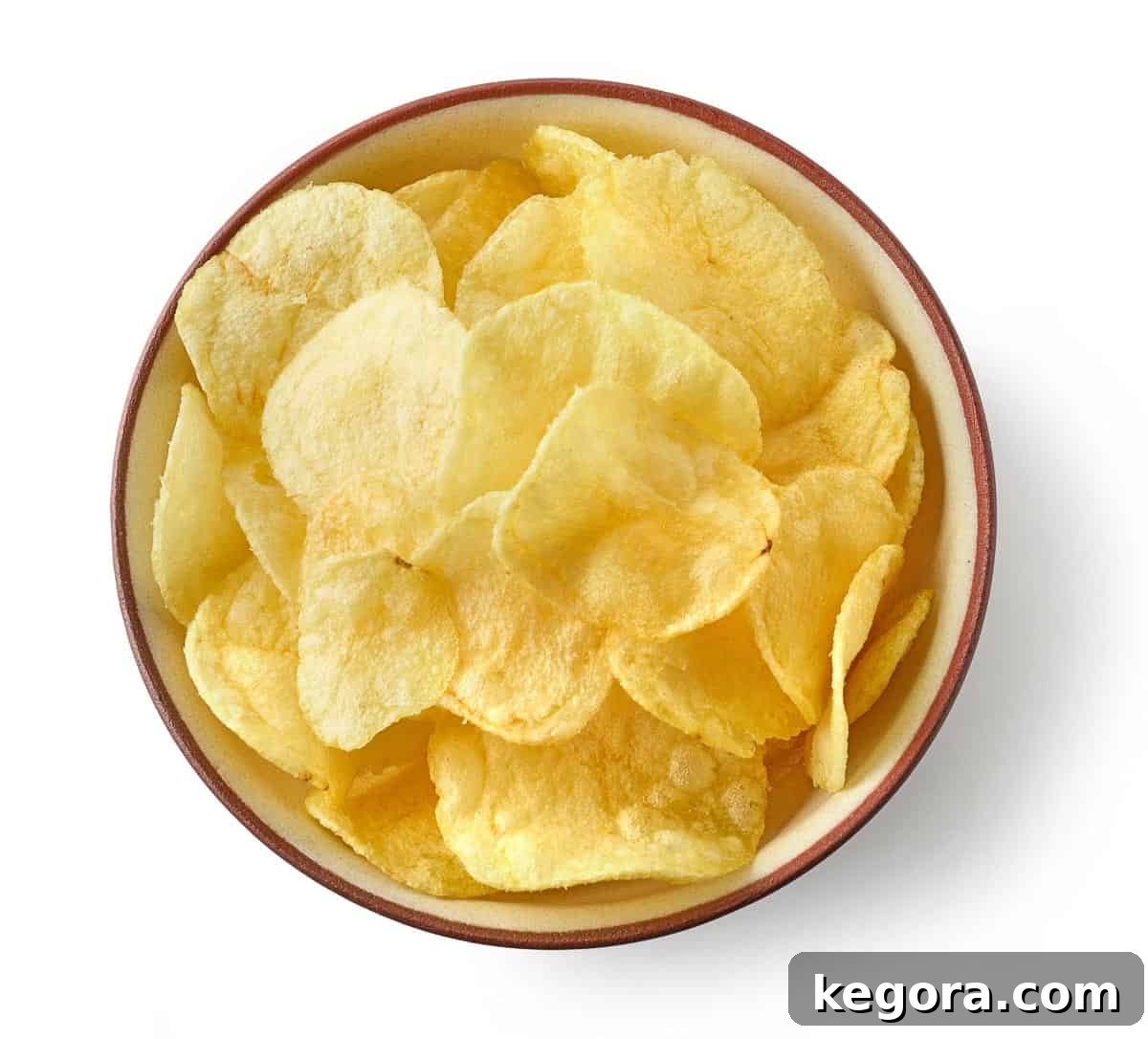
Detailed List: Lay’s Gluten-Free Potato Chips
As one of the most widely available and recognized potato chip brands globally, Lay’s offers an impressive selection of gluten-free options. While always good practice to double-check the latest packaging, the Frito-Lay website remains a highly reliable source for their current gluten-free product list. As of recent updates, many Lay’s flavors are considered gluten-free, catering to a wide range of taste preferences from savory to spicy.
Here are some of the Lay’s potato chip varieties commonly listed as gluten-free:
- LAY’S® Baked BBQ Flavored Potato Crisps
- LAY’S® Baked Original Potato Crisps
- LAY’S® Baked Sour Cream & Onion Flavored Potato Crisps
- LAY’S® Classic Potato Chips
- LAY’S® Lightly Salted Potato Chips
- LAY’S® Simply Sea Salted Thick Cut Potato Chips
- LAY’S® STAX® Bacon & Cheddar Potato Skins Flavored Potato Crisps
- LAY’S® STAX® Buffalo Wings with Ranch Flavored Potato Crisps
- LAY’S® STAX® Cheddar Flavored Potato Crisps
- LAY’S® STAX® Chile Limón Flavored Potato Crisps
- LAY’S® STAX® Flamas® Flavored Potato Crisps
- LAY’S® STAX® Mesquite Barbecue Flavored Potato Crisps (Important Note: Only the STAX version of Mesquite Barbecue is gluten-free. The Lay’s Kettle Cooked Mesquite BBQ Chips contain barley malt and are NOT gluten-free.)
- LAY’S® STAX® Original Potato Crisps
- LAY’S® STAX® Salt & Vinegar Flavored Potato Crisps
- LAY’S® STAX® Sour Cream & Onion Flavored Potato Crisps
- LAY’S® Wavy Lightly Salted Potato Chips
- LAY’S® Wavy Original Potato Chips
This extensive list demonstrates Lay’s commitment to providing gluten-free choices, but the specific note regarding the STAX vs. Kettle Cooked Mesquite BBQ highlights the critical importance of reading labels for every product, even within the same brand or flavor family. Always be vigilant for subtle ingredient differences.
Are Pringles Gluten-Free? A Common Misconception Clarified
Many people assume Pringles are standard potato chips and, by extension, potentially gluten-free. However, this is a pervasive and crucial misconception for those on a gluten-free diet. Pringles are not technically potato chips; the brand itself consistently refers to them as “potato crisps.” This distinction isn’t just semantic; it’s critical because Pringles are primarily made with dried potatoes, but their unique dough-like formulation also includes wheat starch, along with corn flour and rice flour.
The explicit presence of **wheat starch** means Pringles are NOT gluten-free and are unequivocally unsuitable for individuals with celiac disease or gluten sensitivity. This serves as an excellent, cautionary example of why understanding ingredient lists is paramount. Always check the label, even for products that seem like simple potato-based snacks, as hidden gluten can be present in unexpected forms and product categories.
Beyond Potato Chips: Exploring Other Gluten-Free Snack Options
While potato chips are a great starting point for gluten-free snacking, the world of safe and delicious snacks is much broader. Many other popular “junk foods” and treats are naturally gluten-free or have widely available gluten-free versions, allowing for diverse snacking choices:
- Tortilla Chips: Plain corn tortilla chips are generally gluten-free and a versatile option. However, watch out for flavored varieties, which can sometimes contain gluten in their seasoning blends. Reputable brands like Mission, Tostitos, and Santitas often have clearly labeled gluten-free options.
- Popcorn: Plain, air-popped, or stovetop popcorn is naturally gluten-free. Exercise caution with pre-packaged microwave popcorn or heavily flavored varieties, as they may contain gluten ingredients, butter substitutes with gluten, or be subject to cross-contamination during processing.
- Fruits and Vegetables: Always naturally gluten-free, fresh fruits and vegetables are the healthiest and safest snack choices.
- Nuts and Seeds: Unflavored, unprocessed nuts and seeds (e.g., almonds, walnuts, pumpkin seeds, sunflower seeds) are excellent sources of healthy fats and protein and are naturally gluten-free. Be wary of flavored or seasoned nuts, which might contain gluten in their coatings.
- Some Candies: A surprising number of popular chocolate bars (like Hershey’s milk chocolate bars, Snickers) and gummy candies (such as Swedish Fish) are gluten-free. However, always verify ingredients, as formulations can change or vary by product size, flavor, or country of origin.
- Marshmallows: Most traditional marshmallows are made from sugar, corn syrup, gelatin, and vanilla, making them naturally gluten-free.
- French Fries: While potatoes themselves are gluten-free, the preparation method is key. Some fast-food restaurants or frozen fry brands may use shared fryers where gluten-containing items are cooked, or apply coatings containing wheat. Always inquire at restaurants or check packaging for specific gluten-free claims.
For more detailed information on other gluten-free products and specific brand recommendations, explore our comprehensive guides on topics such as Are Snickers Gluten-Free?, Are Grits Gluten-Free?, Are Marshmallows Gluten-Free?, and Are French Fries Gluten-Free?
Frequently Asked Questions About Gluten-Free Potato Chips
Which potato chips do not have gluten?
Many popular potato chip brands offer gluten-free options. Safe and widely available choices often include Kettle Brand chips (all flavors are certified gluten-free), most Lay’s and Ruffles varieties (check Frito-Lay’s website for specific flavors), Late July Organic chips, Cape Cod potato chips, and Target’s Market Pantry chips. For absolute certainty, always look for explicit “gluten-free” labeling on the packaging or consult the manufacturer’s official website, especially for flavored varieties.
Do Lay’s potato chips have gluten in them?
Most Lay’s potato chips are indeed gluten-free and are clearly listed as such on the Frito-Lay website. Frito-Lay adheres to the FDA’s standard of less than 20 ppm gluten for these products. However, it’s always essential to check the specific product’s ingredient list and the Frito-Lay website for any updates, as formulations can occasionally change, or certain specialty flavors might contain gluten-derived ingredients (e.g., the Lay’s Kettle Cooked Mesquite BBQ chips which contain barley malt, unlike their STAX counterpart).
What junk food is gluten-free?
A surprising variety of junk foods are either naturally gluten-free or readily available in gluten-free versions. Besides many potato chips and plain corn tortilla chips, you can often find gluten-free options for things like plain popcorn, specific brands of chocolate bars (e.g., Hershey’s milk chocolate, Snickers), some gummy candies, and even some ice creams. Fast-food items like French fries and tacos can also be gluten-free depending on the restaurant’s preparation methods and ingredients, but always verify with the establishment or check product labels for safety.
Are all plain potato chips gluten-free?
While plain potato chips typically consist of just potatoes, oil, and salt—ingredients that are naturally gluten-free—it’s not safe to assume *all* plain chips are automatically safe without verification. The primary concern comes from potential cross-contamination if they are processed on shared equipment with gluten-containing products. For absolute certainty and to avoid any risk, always opt for plain potato chips that are explicitly labeled “gluten-free” or come from a brand known for its strict gluten-free manufacturing protocols and certifications.
Can people with Celiac disease eat potato chips?
Yes, people with celiac disease can absolutely enjoy potato chips, provided they choose brands and flavors that are certified gluten-free or explicitly labeled as such. Due to the severe nature of celiac disease, strict adherence to gluten-free guidelines is crucial, meaning careful label reading and avoiding products with potential cross-contamination risks are essential. Sticking to brands like Kettle Brand (which is certified gluten-free) or specific Lay’s varieties known to be gluten-free is a safe and enjoyable approach for those managing celiac disease.
The Bottom Line: Enjoying Gluten-Free Potato Chips Safely
The quest to determine “Are potato chips gluten-free?” leads to an encouraging answer for most: yes, many are! With potatoes being a naturally gluten-free vegetable, a large number of potato chips made with simple ingredients like oil and salt are inherently safe for those avoiding gluten. The market offers a fantastic selection, including all flavors of Kettle Brand chips, a wide variety from Lay’s and Ruffles, and delicious options from Cape Cod and Late July Organic.
However, the golden rule for anyone on a gluten-free diet remains paramount: always check the ingredient list and meticulously look for a clear “gluten-free” label or certification. This vigilance is especially important for flavored varieties, which are inherently more likely to contain hidden gluten sources like malt vinegar, wheat starch, or other gluten-derived seasonings. For individuals with celiac disease or severe gluten sensitivity, certified gluten-free products offer the highest level of assurance against cross-contamination, making them the safest bet.
Empowered with this comprehensive knowledge, you can confidently navigate the snack aisle and find delicious, safe potato chips to enjoy without worry. Happy snacking on your gluten-free chips!
More Gluten-Free Article Resources
Continue your gluten-free journey with these informative articles, offering further insights into a variety of gluten-free foods and topics:
- 5 Gluten-Free Halloween Treats To Bake This Week
- Top 15 BEST Gluten-Free Pumpkin Recipes
- Gluten-Free Taco Seasoning: Make Your Own Mix
- The 25 BEST Gluten-Free Thanksgiving Desserts for Your Feast
- Are Swedish Fish Gluten-Free? A Sweet Guide
- Gluten-Free Candy List 2025! Your Go-To Guide
- Gluten-Free Beer: What to Look for + 2025 Brand List!
- Gluten-Free Alcohol 2025 List: Your Comprehensive Guide