
Navigating the world of gluten-free eating can often feel like solving a complex puzzle, especially when it comes to common pantry staples. Oats, beloved for their versatility and nutritional benefits, frequently spark debate in the gluten-free community: Are they truly gluten-free?
The straightforward answer is: it depends. While oats are naturally free from gluten, their journey from farm to table often introduces a risk of cross-contamination with gluten-containing grains. This comprehensive guide will unravel everything you need to know about oats and gluten, helping you make informed choices for your diet, whether you manage Celiac disease, a wheat allergy, or gluten sensitivity.
Oats are a culinary powerhouse, celebrated for their ability to transform into countless delicious and healthy meals. From classic oatmeal and overnight oats to baked goods like cookies, muffins, and even savory dishes, their creamy texture and mild flavor make them a staple in many kitchens. However, for those on a gluten-free diet, understanding the nuances of oat production is crucial. Let’s delve into the details to set the record straight.
THE ESSENTIAL QUESTION: Are Oats Gluten-Free?
The short answer is nuanced: Pure, uncontaminated oats are indeed naturally gluten-free. However, the concern arises from their processing environment. Oats frequently come into contact with wheat, barley, and rye—all gluten-containing grains—at various stages of their cultivation and preparation.
This cross-contact can occur anywhere from the fields where they are grown (due to crop rotation or shared farming equipment) to transportation vehicles that previously carried gluten-laden grains, or even within manufacturing facilities that process both oats and gluten-containing products on shared machinery or packaging lines.
Therefore, the only definitive way to ensure your oats are safe for a gluten-free diet is to purchase varieties explicitly labeled as “certified gluten-free.” These products undergo rigorous processes to prevent contamination and meet stringent gluten-free standards.
Unpacking the Truth: Are All Oats Gluten-Free Products?
No, it’s a common misconception that all oats are safe for individuals avoiding gluten. While the oat grain itself does not contain gluten, the high risk of cross-contamination means that many commercially available oats are not suitable for a gluten-free lifestyle, particularly for those with Celiac disease or severe gluten sensitivities.
The journey of an oat grain is fraught with potential exposure points:
- Field Contamination: Oats are often grown in rotation with wheat or barley, or even in adjacent fields. Shared harvesting equipment, such as combines, can carry residual gluten grains from one field to another.
- Transportation: Trucks, storage silos, and other transportation vehicles may not be thoroughly cleaned between loads, leading to contamination when oats are transported after wheat, barley, or rye.
- Milling and Processing: This is one of the most significant risk areas. Many conventional oat processing plants also handle gluten-containing grains. Shared machinery, such as de-hullers, kilns, rollers, and packaging lines, can easily transfer gluten particles to oats. Even airborne flour dust in a processing facility can lead to contamination.
- Packaging: Similar to processing, if packaging lines are used for both gluten-free and gluten-containing products without proper cleaning protocols, cross-contamination can occur.
To mitigate these risks, certified gluten-free oats are processed in dedicated facilities that exclusively handle gluten-free ingredients or employ stringent cleaning and segregation protocols. They are also regularly tested to ensure their gluten content remains below the internationally recognized standard of 20 parts per million (ppm), which is considered safe for individuals with Celiac disease.
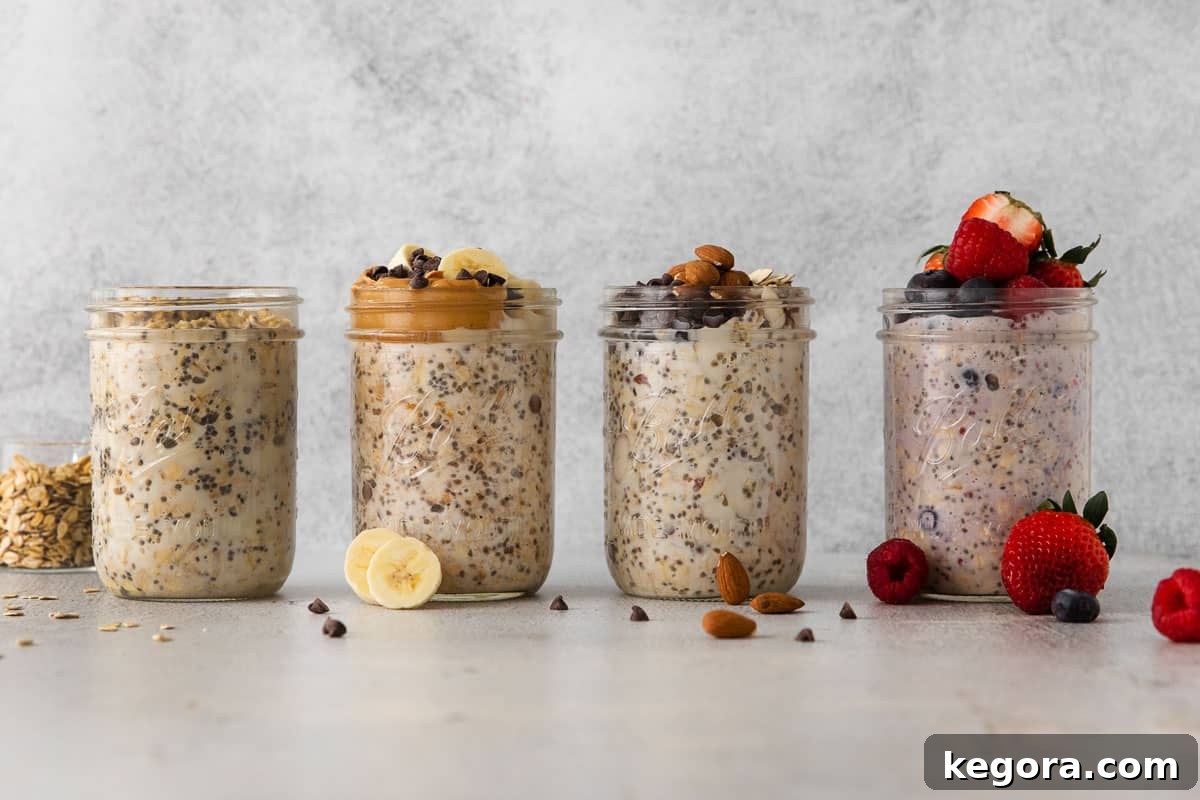
Discover delicious ways to enjoy certified gluten-free oats with this recipe for customizable gluten-free overnight oats!
How to Confidently Identify Gluten-Free Oats
When standing in the grocery aisle, the quickest and most reliable method to identify safe oats is to **look for a clear “gluten-free” label on the packaging.** This isn’t just a marketing claim; it signifies that the product has undergone specific processes and testing to meet regulatory standards.
While many oat products won’t list wheat or other gluten sources in their ingredients (because oats themselves are not wheat), the risk of cross-contamination remains high unless explicitly stated otherwise. Only certified gluten-free oats are guaranteed to contain less than 20 ppm of gluten, which is the benchmark set by regulatory bodies like the FDA for gluten-free labeling.
For an extra layer of assurance, you can research brands online. Reputable companies that produce certified gluten-free oats typically provide detailed information about their sourcing, processing facilities (often dedicated gluten-free environments), and testing protocols on their websites. This transparency allows consumers to understand the measures taken to prevent cross-contamination.
Beyond whole oats, it’s also important to extend this vigilance to oat-derived products. If you’re curious about another popular oat product, check out this article on is oat milk gluten-free?
Are Quaker Oats Gluten-Free? A Brand Spotlight
Quaker, a leading name in oat products, has made efforts to cater to the gluten-free community. However, it’s essential to understand their offerings: Not all Quaker oats are gluten-free. Only specific Quaker oat products explicitly bearing a “gluten-free” label are certified safe for a gluten-free diet.
These certified gluten-free Quaker oats are produced with stringent controls. They are typically made in a separate facility or on dedicated lines, then meticulously tested to ensure their gluten content is below the 20 ppm threshold.
Quaker addresses the issue of cross-contamination directly on its website, explaining their proactive measures:
“While oats are naturally gluten-free, they may come in contact with gluten-containing grains such as wheat, rye, and barley at the farm, in storage, or during transportation. As the world’s leader in oat milling for 140 years, our team of experts developed a breakthrough cleaning system to remove these stray grains so that we can deliver gluten-free oatmeal consumers can trust.”
Their commitment extends through several stages of production, emphasizing their robust process for making Quaker Gluten-Free Oatmeal:
- Advanced Cleaning System: Quaker utilizes a sophisticated mechanical and optical sorting system designed to aggressively identify and remove any stray gluten-containing grains based on their length, density, and color. This process takes place in a dedicated cleaning house specifically for gluten-free products.
- Rigorous Testing Protocols: Throughout the milling process, Quaker implements extensive testing at various checkpoints. These tests verify that their high-quality oats consistently meet both FDA standards for gluten-free products and Quaker’s own exacting standards for quality, taste, and texture.
- Dedicated Equipment: During the actual milling and processing, specialized cutting and flaking equipment is exclusively used for their gluten-free oat products, preventing commingling with conventional oats or other grains.
- Validated Ingredients: Any additional ingredients added during the packaging stage are carefully validated to confirm they are 100% gluten-free.
- Thorough Line Cleaning: The packaging lines for gluten-free oats undergo a validated, comprehensive cleaning procedure to eliminate any risk of cross-contamination from other products.
- Post-Packaging Inspection: After packaging, an additional inspection checkpoint is performed on samples from each production run, providing a final verification that the oats meet all FDA and Quaker gluten-free standards.
This detailed process highlights the significant steps required to produce truly gluten-free oats from a conventional oat supplier.
Decoding Different Oat Varieties: Rolled Oats
Just like their generic counterparts, the gluten-free status of rolled oats (also known as old-fashioned oats) depends entirely on their processing. Some rolled oats are considered gluten-free, while many others are not. The same risks of cross-contamination during farming, transportation, and packaging apply here.
To be absolutely certain, always look for rolled oats that prominently display a “gluten-free” certification label. This ensures that the product has been handled in a way that prevents gluten contamination.
Many brands now offer excellent certified gluten-free rolled oats, making it easier than ever to enjoy this nutritious grain. Here’s a list of commonly available certified gluten-free rolled oat brands:
- Bob’s Red Mill Gluten-Free Rolled Oats
- One Degree Organic Foods, Sprouted Rolled Oats
- Vitacost Quick Oats Gluten Free
- O Organics Organic Oats Old Fashioned
- Good & Gather Organic Old Fashioned Oats
- Thrive Market, Organic Quick Oats, Three Seed
- Nature’s Path Organic Gluten Free Old-Fashioned Oats
- GF Harvest Gluten-Free Rolled Oats
Expanding your gluten-free grain knowledge? Explore these articles on is oatmeal gluten-free (which reiterates points made here but might focus on cooked oatmeal specifics), is farro gluten-free, and is quinoa gluten-free. You can also use certified gluten-free oats to make delightful No-Bake Cookies!
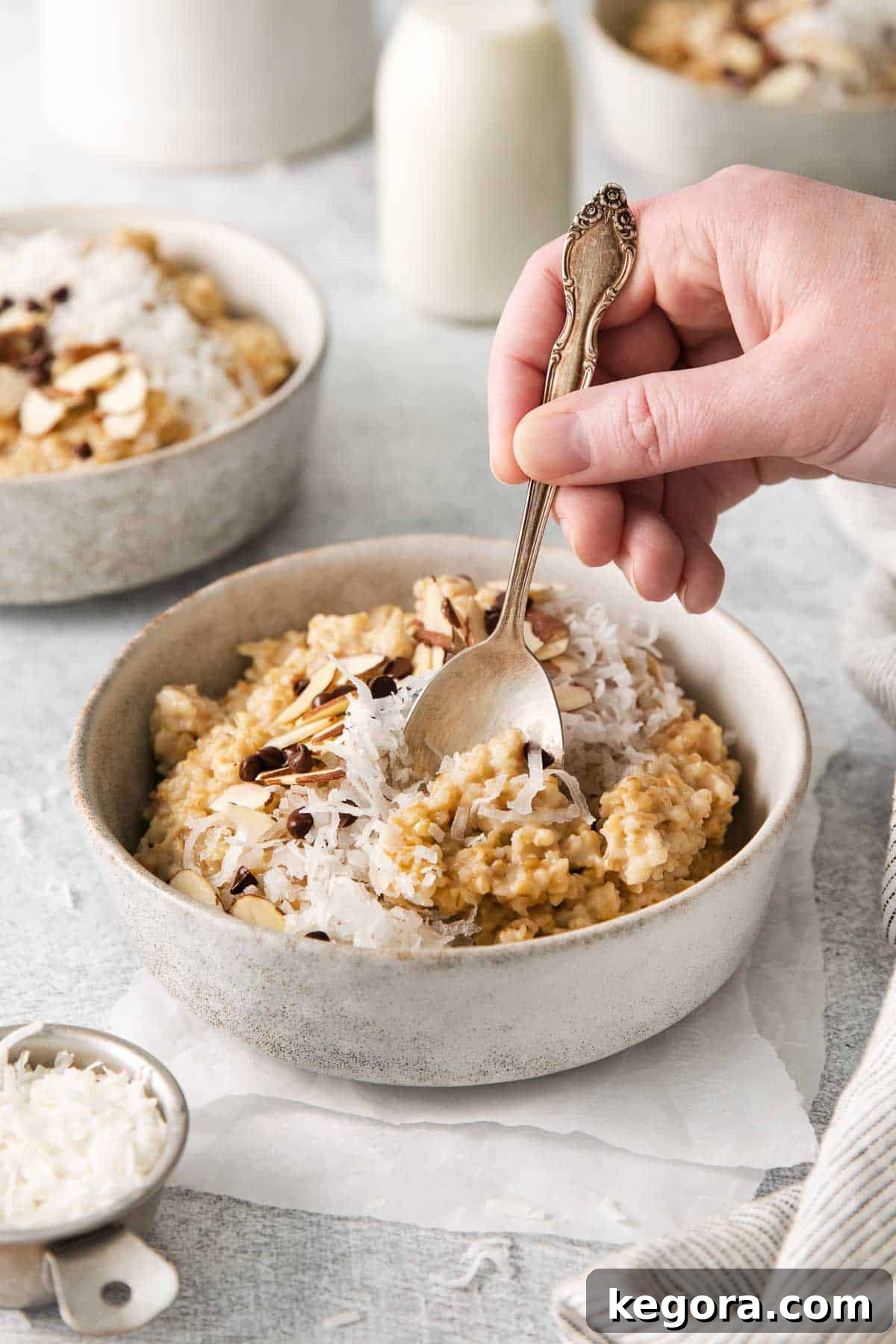
For a hearty and wholesome breakfast, try this recipe for creamy coconut gluten-free steel cut oats!
Are Steel Cut Oats Gluten-Free?
Steel-cut oats, known for their chewy texture and nutty flavor, face the same challenges as rolled oats concerning gluten. As with all forms of oats, some steel-cut oats are certified gluten-free, while others are not. Their gluten status hinges entirely on how they are cultivated, transported, milled, and packaged. The risk of contact with wheat, barley, or rye grains during these stages means that conventional steel-cut oats cannot be presumed gluten-free.
To ensure you are purchasing safe steel-cut oats for a gluten-free diet, always verify the presence of a “gluten-free” certification label on the packaging. This label is your assurance that the product has met strict standards to prevent cross-contamination.
Here are several reputable brands offering certified gluten-free steel-cut oats:
- Arrowhead Mills, Organic Steel Cut Oats, Gluten Free
- Anthony’s Organic Steel Cut Oats, 3 lb, Gluten Free
- Bakery On Main, Whole Grain Steel Cut Oats, Gluten Free
- Bob’s Red Mill, Organic Gluten-Free Steel Cut Oats
- One Degree Organic Foods, Sprouted Steel Cut Oats
- Great River Milling, Steel Cut Oats, Gluten Free
- Good & Gather Steel Cut Oats
- Proper Good Perfectly Plain Steel Cut Oatmeal
- O Organics Organic Oats Steel Cut
- Happy Belly Steel Cut Oats Gluten Free
- Vitacost Steel Cut Oats Gluten Free
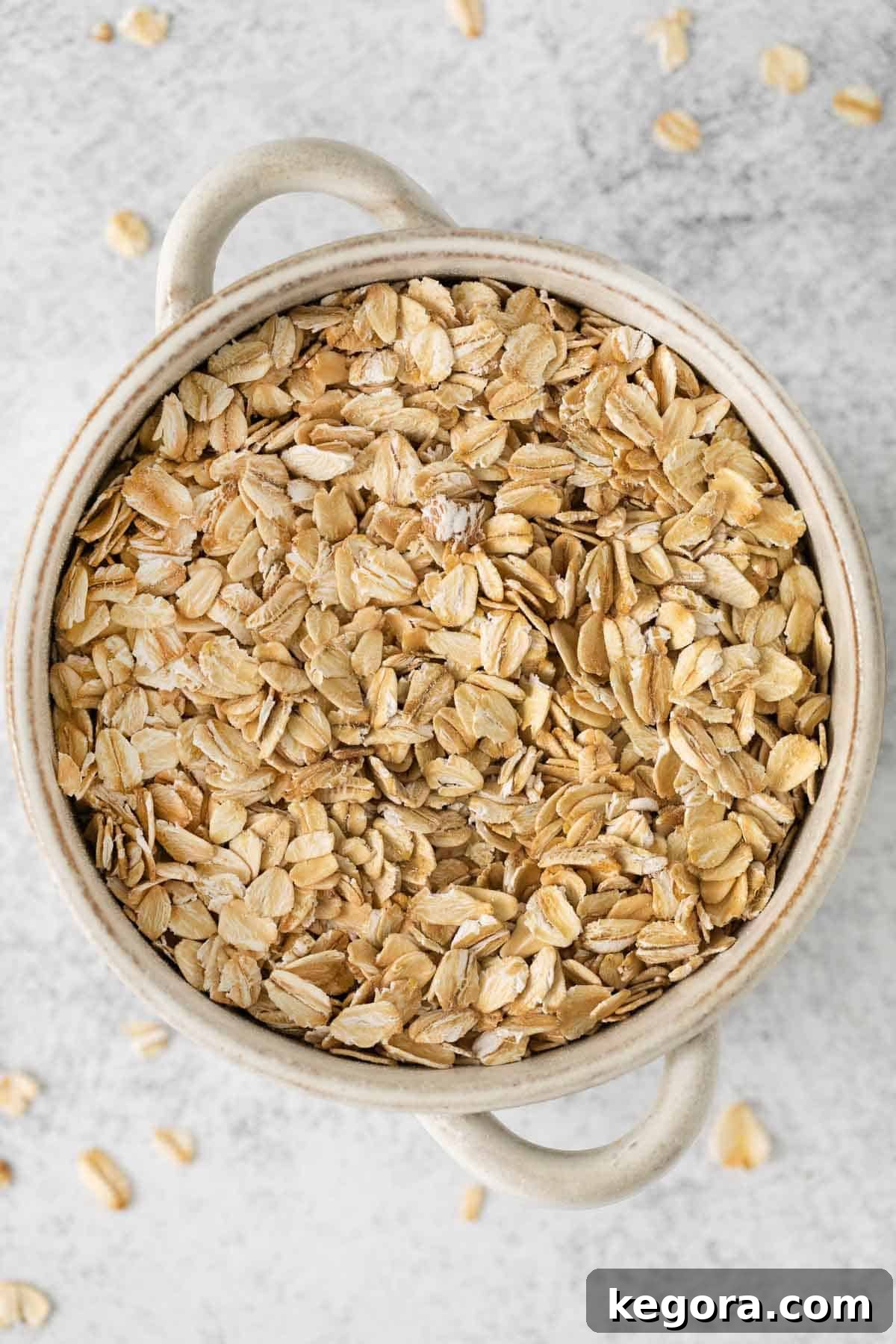
Are Whole Grain Oats Gluten-Free?
The term “whole grain oats” refers to oats that contain all three parts of the grain kernel – the bran, germ, and endosperm. While beneficial for health, this designation does not inherently mean they are gluten-free. The same cross-contamination risks apply to whole grain oats as to other oat forms.
For individuals adhering to a gluten-free diet, the critical factor is not whether oats are whole grain, but whether they are certified gluten-free. Without this certification, there’s a significant chance that these whole grains may have come into contact with wheat, rye, or barley during various stages of their journey to your pantry.
Always prioritize the “certified gluten-free” label over “whole grain” when dietary restrictions are a concern.
Is Oat Flour Gluten-Free? Considerations for Baking
Oat flour is a popular ingredient in gluten-free baking, offering a distinct flavor and texture. However, the question of its gluten-free status mirrors that of whole oats: Not all oat flour is gluten-free.
Even though oats are naturally gluten-free, the milling process for oat flour carries a particularly high risk of cross-contamination with wheat in conventional manufacturing facilities. This means that if you pick up a bag of “regular” oat flour without a specific certification, it very likely contains traces of gluten.
Therefore, when preparing gluten-free baked goods, it is absolutely crucial to use certified gluten-free oat flour. Brands like Bob’s Red Mill offer excellent certified gluten-free oat flour options, specifically processed to avoid contamination.
Certified gluten-free oat flour is considered safe for individuals with Celiac disease because it is manufactured in dedicated facilities that do not process gluten-containing grains, or under strict protocols to prevent any cross-contact. Furthermore, it undergoes rigorous testing to confirm it meets the less than 20 ppm gluten standard.
When in doubt, always scrutinize the packaging for a “gluten-free” label on any oat flour you purchase at the grocery store! You can also opt to make homemade oat flour using a food processor or high-speed blender, provided you start with certified gluten-free oats to ensure a safe end product.
If you’re out of oat flour or looking for alternatives, check out our guide on how to substitute oat flour effectively in your recipes.
Ready to bake with gluten-free oat flour? Here are some of our favorite recipes:
- Fluffy Oat Flour Pancakes
- Rich Oat Flour Brownies
- Crispy Oat Flour Waffles
- Classic Oat Flour Chocolate Chip Cookies
- Versatile Oat Flour Muffins (with endless mix-ins!)
- Moist Oat Flour Banana Bread
- Delicious Oat Flour Banana Muffins
Frequently Asked Questions About Oats and Gluten
Yes, absolutely! Oats can be a wonderful and nutritious addition to a gluten-free diet. However, it is paramount to ensure you are purchasing “certified gluten-free oats.” This is because conventional oats are highly susceptible to cross-contamination with gluten-containing grains during their growth, harvest, and processing. Always prioritize oats with a clear gluten-free label to avoid accidental gluten exposure.
No, regular Quaker oats are not considered gluten-free. For Quaker brand oats to be safe for a gluten-free diet, you must specifically buy their products that are clearly marked with a “gluten-free” label. These certified varieties are processed and packaged in facilities with strict controls to prevent gluten contamination and are tested to meet the FDA’s gluten-free standards.
No, Honey Bunches of Oats cereal is not gluten-free. This product is not manufactured in a gluten-free certified facility and carries a high risk of cross-contamination with gluten ingredients during its production process. Individuals on a gluten-free diet should avoid Honey Bunches of Oats.
Some of Bob’s Red Mill oat products are gluten-free, while others are not. Bob’s Red Mill is a brand that offers both conventional and certified gluten-free options. To ensure you are buying gluten-free oats from this brand, look specifically for their products that prominently display a “certified gluten-free” label on the packaging.
No, Cheerios Oat Crunch cereal is not gluten-free. Despite oats being a primary ingredient, this cereal is not produced in a gluten-free certified facility and has a high likelihood of cross-contamination with gluten-containing ingredients. It is not suitable for a gluten-free diet.
Yes, oats can be safe for most individuals with Celiac disease, but only if they are “certified gluten-free.” Pure oats are naturally gluten-free; however, the significant risk of cross-contamination with wheat, barley, or rye during cultivation, harvesting, processing, and packaging means that regular oats are not safe. For Celiacs, always choose oats (including rolled, quick, and steel-cut varieties) that explicitly carry a gluten-free certification label, ensuring they meet the less than 20 ppm gluten standard.
Oatmeal, when made from conventional oats, is often not gluten-free due to the pervasive risk of cross-contamination. While the oat grain itself is free from gluten, it frequently comes into contact with gluten-containing grains like wheat, rye, or barley. This contact can happen at any stage: in the fields, during storage, transport, milling, or packaging on shared equipment. Unless oatmeal is explicitly labeled and certified as gluten-free, there’s a strong chance it contains trace amounts of gluten from these interactions.
Delicious Gluten-Free Recipes Featuring Oats
The Best Gluten-Free Oatmeal Chocolate Chip Cookies
Banana Oat Egg Pancakes
Instant Pot Creamy Pumpkin Maple Oatmeal {Gluten-Free, Dairy-Free}
Gluten-Free Oatmeal Raisin Cookies
Oat Flour Waffles
Flourless Oatmeal Almond Butter Cookies
The Bottom Line: Making Smart Choices for Gluten-Free Oats
To recap our central question: Are oats gluten-free?
The clear and practical answer is: Sometimes.
While oats are naturally gluten-free grains, the pervasive risk of cross-contamination with other gluten-containing grains such as wheat, barley, and rye during cultivation, transportation, milling, and packaging is a significant concern for those on a strict gluten-free diet.
Therefore, if you need to adhere to a gluten-free diet for health reasons, it is absolutely essential to buy only oats that carry a “certified gluten-free” label. These are the only oats that have been processed with careful measures to prevent contamination and rigorously tested to ensure they meet the FDA’s strict standards for gluten-free products (less than 20 ppm gluten).
Oats that do not bear this specific label may contain gluten due to cross-contact during their journey to your kitchen. By understanding these distinctions and always checking labels, you can confidently enjoy the nutritional benefits and versatility of oats while maintaining your gluten-free lifestyle.