
Embarking on a gluten-free diet is a journey many undertake in pursuit of improved health and vitality. My own experience began years ago with a bewildering skin rash. A call from my doctor’s office delivered the diagnosis: dermatitis herpetiformis, a dermatological manifestation of celiac disease. My immediate thought wasn’t about the science, but the practical: “What on earth do I eat for dinner tonight?” This pivotal moment marked the beginning of a profound dietary shift that, despite its initial challenges, has been undeniably worth it.
For years, I navigated a maze of unexplained health issues and fertility struggles. It was only by committing to a complete dietary overhaul that I found relief and healing. Today, as I write this, I am 33 weeks pregnant and feeling better than I have in a long time – a testament to the transformative power of a carefully chosen diet. However, I also intimately understand the day-to-day logistics of maintaining a healthy, gluten-free lifestyle can be daunting, especially when you’re just starting out. The sheer volume of information, coupled with the need to rethink every meal, can feel overwhelming.
The Path to Better Health: Understanding Gluten-Free Living
Many individuals turn to a gluten-free diet for various health reasons. While my journey was spurred by a clear diagnosis of celiac disease, a serious autoimmune condition where gluten ingestion damages the small intestine, others adopt it due to non-celiac gluten sensitivity, wheat allergy, or simply to reduce inflammation and improve overall well-being. Regardless of the motivation, understanding the fundamentals of a genuinely healthy gluten-free diet is crucial for long-term success and optimal health.
Initially, the prospect of eliminating gluten can seem restrictive. It means saying goodbye to common staples like wheat, barley, and rye, which are found in bread, pasta, cereals, and many processed foods. But this initial hurdle quickly transforms into an opportunity to explore a wider, more nutritious world of naturally gluten-free ingredients. My personal battle with dermatitis herpetiformis, often called the “celiac skin rash,” highlighted the systemic impact of gluten on my body, making the commitment to change non-negotiable. This experience fueled my desire to simplify the process for others.
Beyond the Label: Why “Gluten-Free” Doesn’t Always Mean “Healthy”
One common trap many people fall into when transitioning to a gluten-free diet, myself included, is attempting to replicate their old eating habits with “gluten-free” labeled products. It’s tempting to fill your pantry with gluten-free cereals, breads, muffins, pastas, and various packaged goods, simply replacing what you used to eat. When I first started, I didn’t know any better; I grabbed what was available, thinking I was making healthy choices.
However, this approach is often counterproductive for several reasons. Firstly, processed gluten-free products can be surprisingly expensive, quickly draining your grocery budget. More importantly, they are often laden with refined starches, sugars, unhealthy fats, and artificial additives to compensate for the lack of gluten and improve texture and flavor. Eating these highly processed alternatives, despite being technically gluten-free, does little to advance your health goals. In fact, many commercially available gluten-free items are nutritionally inferior to their gluten-containing counterparts and can contribute to weight gain, blood sugar imbalances, and nutrient deficiencies. It’s vital to recognize that “gluten-free” is a dietary restriction, not an automatic guarantee of health. True health benefits come from focusing on wholesome, unprocessed ingredients.
Embracing a Whole-Food Approach: The Foundation of a Sustainable Gluten-Free Diet
My philosophy revolves around a whole-food based approach to eating. This means prioritizing ingredients that are naturally free from gluten and minimally processed. Think an abundance of fresh fruits and vegetables, lean proteins, healthy fats, legumes, and certain gluten-free whole grains like quinoa, brown rice, and oats (certified gluten-free). These are the dishes I would eat regardless of my dietary requirements because they are inherently nourishing, delicious, and satisfying.
For me, sustainability is key. While I don’t adhere to a “perfect” diet (though I am 100% gluten-free), I strive to make 80% of my meals from fresh, anti-inflammatory ingredients. I experimented with a strict grain-free/Paleo diet for a significant period, but ultimately found it unsustainable for my lifestyle and body. Through personal experimentation, I discovered that I actually feel much better incorporating moderate amounts of legumes and whole grains into my diet. This highlights a crucial point: everyone is different. What works for one person may not work for another, and listening to your body is paramount. Alongside these dietary choices, I make a conscious effort to consume plenty of fruits and vegetables every single day, ensuring a robust intake of vitamins, minerals, and fiber.
The Power of Planning: Simplifying Your Gluten-Free Journey
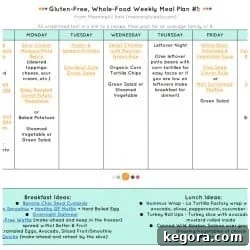
This commitment to whole foods and mindful eating forms the bedrock of these meal plans. I’ve wanted to compile meal plans featuring recipes from my blog for a long time, understanding just how invaluable they can be. A well-structured meal plan serves as your roadmap, transforming the daunting task of “what to eat?” into an organized, stress-free experience. Whether you’re transitioning to a gluten-free diet, looking for fresh recipe ideas, or simply seeking dinner inspiration, meal planning is a game-changer.
Even as someone who loves to cook and has years of experience with gluten-free eating, I still have weeks where I sit down to plan meals and draw a blank. That feeling of being stumped, staring at an empty calendar, is something these meal plans aim to eliminate. They are designed to remove the guesswork, save you time and money, and most importantly, ensure you’re consistently nourishing your body with delicious, healthy, and naturally gluten-free meals.
Introducing Your Family-Friendly, Allergy-Conscious Meal Plans
To cater to diverse dietary needs, I’ve developed three distinct meal plans, each meticulously crafted to be family-friendly and based on wholesome, real food ingredients. My goal is to make healthy eating accessible and enjoyable for everyone, regardless of specific allergies or sensitivities. These plans are not just about what to avoid, but about celebrating the abundance of delicious foods you can eat.
Each plan focuses on simple, flavorful dishes that don’t require obscure ingredients or complex cooking techniques. They are a reflection of the meals I prepare in my own kitchen, ensuring they are practical for everyday life. I’ve labeled each plan “Meal Plan #1” because this is just the beginning; I intend to make these meal plans a regular feature on my blog, continually offering fresh inspiration and support for your dietary journey. I genuinely hope they provide the guidance and deliciousness you need to thrive on your gluten-free path.