
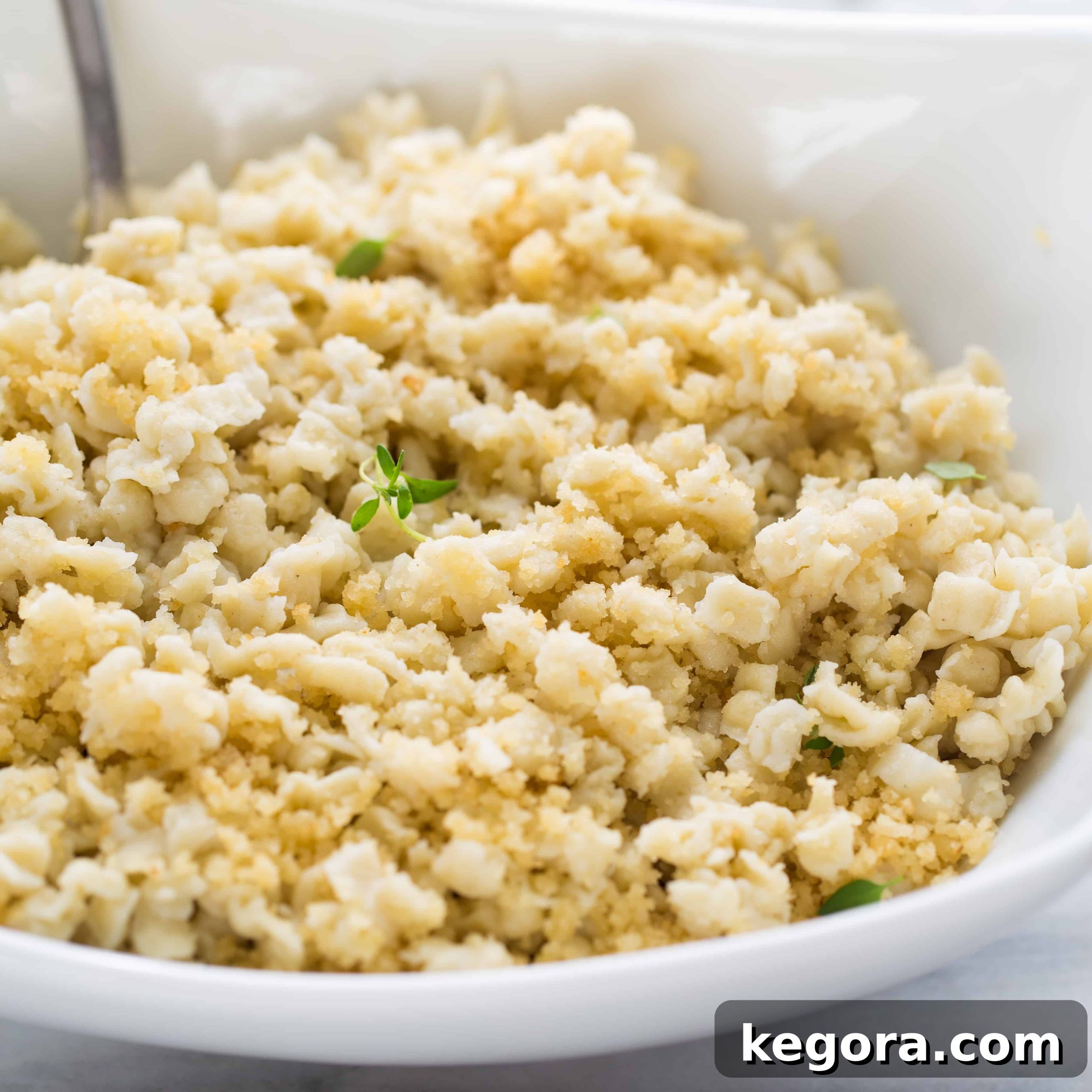
Gluten-Free Spaetzle: Authentic German Egg Noodles for Every Table
Are you on a gluten-free diet but deeply miss the comforting embrace of traditional egg noodles? Craving the rich, hearty flavors of German cuisine but struggling to find suitable options? You’re in luck! This comprehensive guide and recipe for Gluten-Free Spaetzle will transport your taste buds straight to the heart of Germany, allowing you to enjoy these beloved tiny egg noodles without compromise. Perfect for soaking up savory sauces and stews, this recipe promises to bring an authentic touch to your holiday feasts or everyday meals.
For many, German food evokes memories of warm, festive gatherings, especially around the holidays. A true German feast feels incomplete without the distinctive charm of spaetzle. If you’re new to the world of German gastronomy, spaetzle are essentially small, soft egg noodles or dumplings, celebrated for their unique texture and incredible versatility. They are surprisingly simple to make from scratch, making them an accessible delight for home cooks of all skill levels.
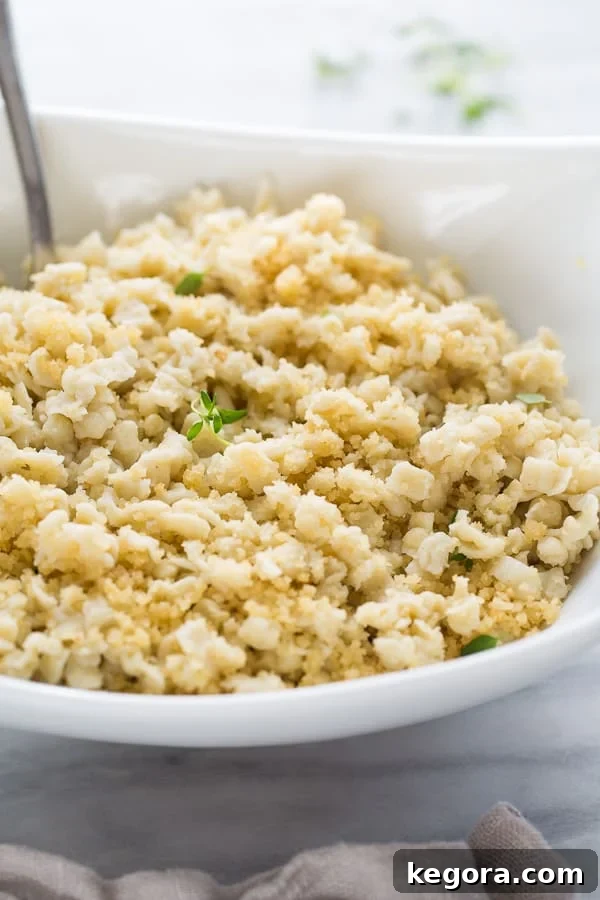
What is Spaetzle? A Culinary Journey to Germany
Spaetzle (pronounced “shpayt-zluh”) are a type of soft egg noodle or dumpling, a staple in Southern German cuisine, as well as in Austria, Switzerland, Hungary, and Alsace. Unlike traditional pasta, spaetzle are made from a simple dough of flour, eggs, and liquid (usually milk or water), which is then pressed or scraped directly into boiling water. This method creates small, irregularly shaped pieces that are wonderfully chewy and robust – perfect for absorbing the flavors of accompanying dishes.
Historically, spaetzle originated in the Swabian region of southwestern Germany, where they are a cherished part of the culinary heritage. The name itself is a diminutive of “Spatz,” meaning “little sparrow,” likely referring to their small, irregular shape. While they share similarities with pasta, their softer, more dumpling-like texture sets them apart, offering a unique and incredibly satisfying eating experience.
Their versatility is one of their greatest assets. Spaetzle are traditionally served as a hearty side dish, often accompanying rich meat stews, gravies, roasted meats, or even cheese-based dishes like Käsespätzle (a German mac and cheese). Their ability to capture and hold sauces makes them an ideal companion for any saucy main course, transforming a simple meal into a memorable feast.
Why Embrace Gluten-Free Spaetzle?
For those navigating a gluten-free lifestyle, missing out on traditional dishes can be a real challenge. Egg noodles, in particular, are a common craving. This recipe for gluten-free spaetzle addresses that need head-on, opening up a world of comfort food possibilities for individuals with Celiac disease, gluten sensitivity, or anyone choosing to avoid gluten.
The key to successful gluten-free baking and cooking often lies in the right flour blend and precise hydration. Many gluten-free flours lack the elasticity of wheat flour, which can lead to crumbly or overly dense results. However, with the right combination and technique, achieving the characteristic chewiness and light texture of authentic spaetzle is entirely possible. Our recipe specifically utilizes a 1:1 gluten-free baking flour that contains xanthan gum, a crucial ingredient that mimics the binding properties of gluten, ensuring your noodles hold together perfectly and have that delightful, tender bite.
Embracing gluten-free spaetzle means you no longer have to skip out on cherished family traditions or culinary adventures. You can once again enjoy a classic German side dish that is every bit as delicious and satisfying as its traditional counterpart, allowing everyone at your table to partake in the joy of good food.
Essential Tools for Homemade Spaetzle
While making your own egg noodles might sound like a specialized task, it’s surprisingly easy, especially with the right tools. The most crucial piece of equipment for authentic spaetzle is a dedicated spaetzle maker or press. This simple gadget makes the process quick, efficient, and yields consistently shaped noodles.
A spaetzle press is a small, handheld device with a perforated plate through which the dough is pushed or scraped directly into boiling water. It’s an affordable investment that will transform your spaetzle-making experience. I personally use and highly recommend this specific type of press for its ease of use and consistent results.
If you don’t have a dedicated spaetzle press, you can improvise using a large-holed colander or a potato ricer. Another traditional method involves a cutting board and a knife: a small amount of dough is spread thinly on a wet board and then quickly scraped into the boiling water with a knife or pastry scraper. While these alternative methods require a bit more practice to achieve uniform shapes, they are perfectly viable options for making delicious homemade spaetzle.
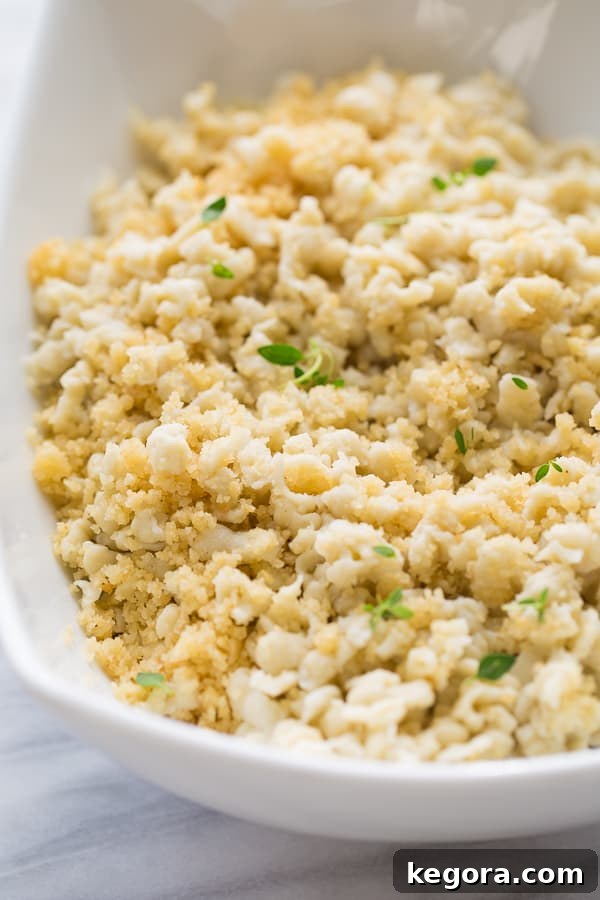
Crafting Your Gluten-Free Spaetzle: A Step-by-Step Guide
Making gluten-free spaetzle from scratch is a rewarding experience that yields incredibly fresh and flavorful noodles. The process is straightforward, requiring just a few basic ingredients and a simple technique.
Ingredients Spotlight
- Gluten-Free Flour Blend: The star of our gluten-free adaptation. I highly recommend using a 1:1 gluten-free baking flour blend, such as Bob’s Red Mill 1:1 Gluten-Free Baking Flour. These blends are specifically formulated to replace wheat flour cup-for-cup and often contain xanthan gum, which is essential for giving the spaetzle the necessary structure and chewiness without falling apart. Avoid using grain-free flour blends for this recipe, as their properties are very different.
- Eggs: Provide richness, color, and act as a primary binder for the dough, contributing to the classic spaetzle texture.
- Milk (or Unsweetened Almond Milk): Adds moisture to the dough, helping to create a smooth and workable batter. Unsweetened almond milk is an excellent dairy-free alternative that works just as well.
- Salt: Enhances the overall flavor of the noodles.
The Dough: Consistency is Key
The spaetzle dough is incredibly simple: combine your gluten-free flour and salt in a large bowl, then stir in the beaten eggs and milk. The goal is a smooth, thick batter that is sticky but not runny. It should be thick enough to hold its shape somewhat but fluid enough to pass through the holes of a spaetzle press. If your dough feels too thick, add a tiny bit more milk, one teaspoon at a time, until the desired consistency is reached. Conversely, if it seems too thin, you can add a tablespoon of flour. Giving the dough a short rest (about 10-15 minutes) after mixing can sometimes help the gluten-free flours hydrate more fully, leading to a slightly better texture.
Cooking the Noodles to Perfection
The cooking process for spaetzle is quick and satisfying.
- Start by bringing a large pot of salted water to a rolling boil. Salting the water generously is important for flavoring the noodles.
- Once the water is boiling, work in batches. Add about ½ cup of the spaetzle dough into your spaetzle press.
- Hold the press directly over the boiling water and slide it back and forth. The dough will be pushed through the holes, forming individual noodles that drop into the water.
- Cook the noodles very briefly – typically only about 20-30 seconds, or until they float to the surface of the water. This indicates they are done. Overcooking can make them mushy, so keep a close eye on them.
- Use a slotted spoon or a fine-mesh strainer to quickly remove the cooked spaetzle from the boiling water and transfer them to a serving bowl. Repeat this process with the remaining dough, ensuring you don’t overcrowd the pot, which can lower the water temperature and lead to uneven cooking.
Elevate Your Spaetzle: Serving Suggestions & Pairings
While freshly cooked spaetzle are delicious on their own, they truly shine when paired with complementary flavors and textures.
Classic Topping: Butter and Gluten-Free Breadcrumbs
My absolute favorite way to enjoy spaetzle is topped with a simple yet incredibly flavorful combination of melted butter and gluten-free breadcrumbs. To prepare this, simply melt 3-4 tablespoons of butter (or dairy-free butter) in a skillet and toast 1 cup of gluten-free breadcrumbs until golden and fragrant. Sprinkle this mixture generously over the hot, cooked spaetzle. The nutty flavor and slight crunch from the breadcrumbs provide a wonderful contrast to the soft noodles, making it a truly comforting and complete dish.
Savory Pairings for a Hearty Meal
Spaetzle’s inherent ability to soak up gravies and sauces makes it an ideal accompaniment for a wide range of hearty dishes.
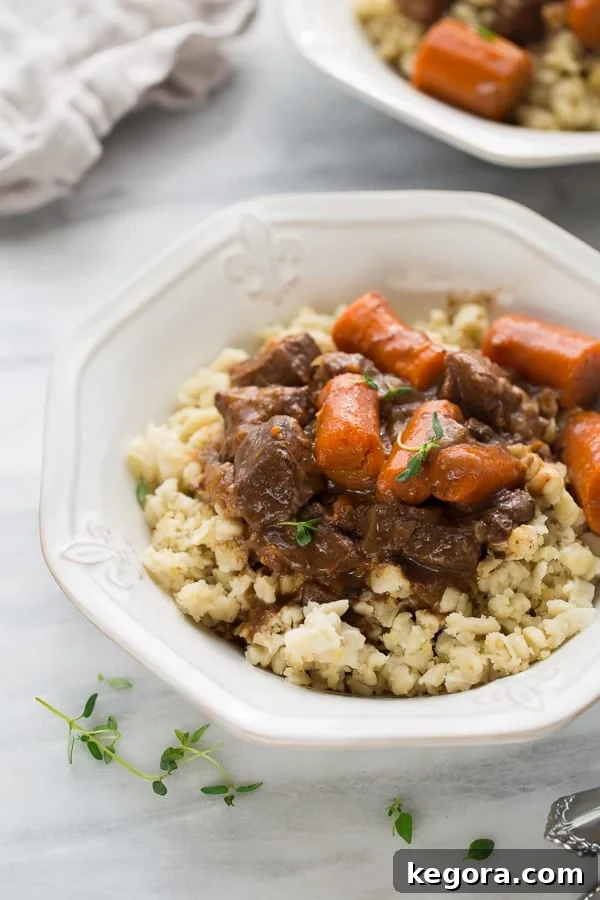
- Beef Burgundy: A beloved family tradition in my home, my Dad’s Beef Burgundy (recipe coming soon!) is an absolute dream with spaetzle. The rich, wine-infused gravy finds its perfect match in these tender noodles.
- Pot Roasts: Serve your gluten-free spaetzle alongside a succulent gluten-free pot roast with its savory pan juices. The noodles will absorb all the delicious flavors, making every bite a delight.
- Goulash or Stews: From Hungarian Goulash to classic beef stews, spaetzle is a fantastic alternative to rice or potatoes, adding a unique texture and flavor profile.
- Roasted Meats: Whether it’s roast chicken, pork loin, or a holiday ham, a side of spaetzle complements roasted meats beautifully, especially when there’s a flavorful pan sauce.
- Vegetarian Options: Don’t limit spaetzle to meat dishes! They are fantastic with creamy mushroom gravy, roasted vegetables, or even a simple brown butter and sage sauce.
We frequently feature spaetzle and Beef Burgundy as part of our cherished Christmas dinner, making the festive season even more special. This dish is truly a celebration of German comfort food that brings warmth and joy to any occasion.
Expert Tips for Gluten-Free Spaetzle Success
Achieving perfect gluten-free spaetzle is easy with a few key considerations:
- Choose the Right Flour Blend: As mentioned, a 1:1 gluten-free baking flour blend with xanthan gum is crucial. Different blends have varying absorption rates, so stick with a trusted brand like Bob’s Red Mill 1:1 for consistent results.
- Dough Consistency is Paramount: The dough should be thick and sticky, similar to a very thick pancake batter or a soft cookie dough. If it’s too thin, the noodles will be flimsy; if too thick, they won’t pass through the press easily. Adjust with small amounts of flour or milk as needed.
- Salt the Water Generously: Just like pasta, spaetzle absorbs flavor from the cooking water. Don’t be shy with the salt!
- Cook in Batches: Avoid overcrowding your pot, as this will lower the water temperature and lead to gummy, unevenly cooked noodles. Cook in smaller batches for optimal texture.
- Don’t Overcook: Spaetzle cooks very quickly. As soon as the noodles float to the surface, they are ready to be removed.
- Serve Immediately: For the best texture and flavor, spaetzle is best enjoyed fresh from the pot.
Frequently Asked Questions (FAQs) About Gluten-Free Spaetzle
- Can I make gluten-free spaetzle dairy-free?
- Absolutely! This recipe already calls for unsweetened almond milk as an alternative, and you can easily substitute dairy butter with your favorite dairy-free butter or olive oil for the topping.
- Can I make the dough ahead of time?
- While spaetzle is best cooked fresh, you can prepare the dough a few hours in advance and store it covered in the refrigerator. Let it come to room temperature for about 15-20 minutes before pressing to ensure easier handling.
- How do I store and reheat leftover spaetzle?
- Cooked spaetzle can be stored in an airtight container in the refrigerator for 2-3 days. To reheat, you can sauté them gently in a little butter or oil until warmed through and slightly golden, or add them to simmering gravy/stew.
- Can I freeze cooked spaetzle?
- Yes, you can freeze cooked spaetzle! After cooking, spread the noodles in a single layer on a baking sheet and freeze until solid. Once frozen, transfer them to a freezer-safe bag or container for up to 2-3 months. Reheat by sautéing from frozen or adding to a hot sauce.
- What if I don’t have a spaetzle press?
- As mentioned, you can use a large-holed colander with a wooden spoon to press the dough through, or carefully scrape small pieces of dough off a wet cutting board into the boiling water with a knife. The shapes may be less uniform, but the taste will still be fantastic!
You might also be interested in delving deeper into the question: Are Egg Noodles Gluten-Free?
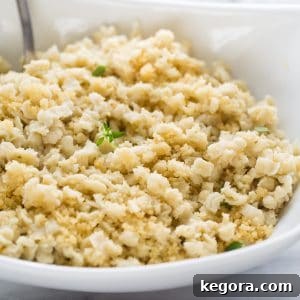
Gluten-Free Spaetzle {German Egg Noodles}
Erin Collins
15
15
6 -8 servings
Comments
Ingredients
- 3 cups Bob’s Red Mill 1:1 Gluten-Free Baking Flour
- 1 teaspoon salt
- 5 eggs beaten
- 1 cup milk or unsweetened almond milk
For the topping:
- 3-4 tablespoons butter melted (or dairy-free butter)
- 1 cup gluten-free breadcrumbs
Instructions
-
Place a large pot of boiling, salted water on the stove.
-
Place the flour and salt in a large bowl. Stir to combine. Add the eggs and almond milk and mix until smooth.
-
Using a spaetzle press, add about 1/2 cup of the dough into the press. Place over the pot of boiling water and slide back and forth to have the noodles come out. Cook very briefly, about 20 seconds or until the noodles rise to the top. Remove the noodles from the water with a strainer and place into a bowl. Repeat with the remaining dough.
-
Combine the melted butter and bread crumbs. Sprinkle over the cooked noodles. Serve immediately. Enjoy!
Notes
Nutrition
Carbohydrates: 55g |
Protein: 12g |
Fat: 12g |
Saturated Fat: 4g |
Cholesterol: 151mg |
Sodium: 543mg |
Potassium: 50mg |
Fiber: 6g |
Sugar: 2g |
Vitamin A: 375IU |
Calcium: 112mg |
Iron: 2.8mg
In conclusion, these Gluten-Free Spaetzle offer a wonderful way to enjoy traditional German egg noodles, perfectly adapted for a gluten-free diet. Their simple preparation, comforting texture, and incredible ability to complement a variety of dishes make them a recipe you’ll want to revisit again and again. Whether you’re preparing a holiday feast or simply seeking a delicious and satisfying side for a weeknight meal, this recipe empowers you to bring the authentic flavors of Germany right to your kitchen. So, grab your spaetzle press, gather your ingredients, and get ready to create a truly meaningful and delicious meal for everyone to enjoy!
Disclaimer: This post contains affiliate links to my favorite products.