
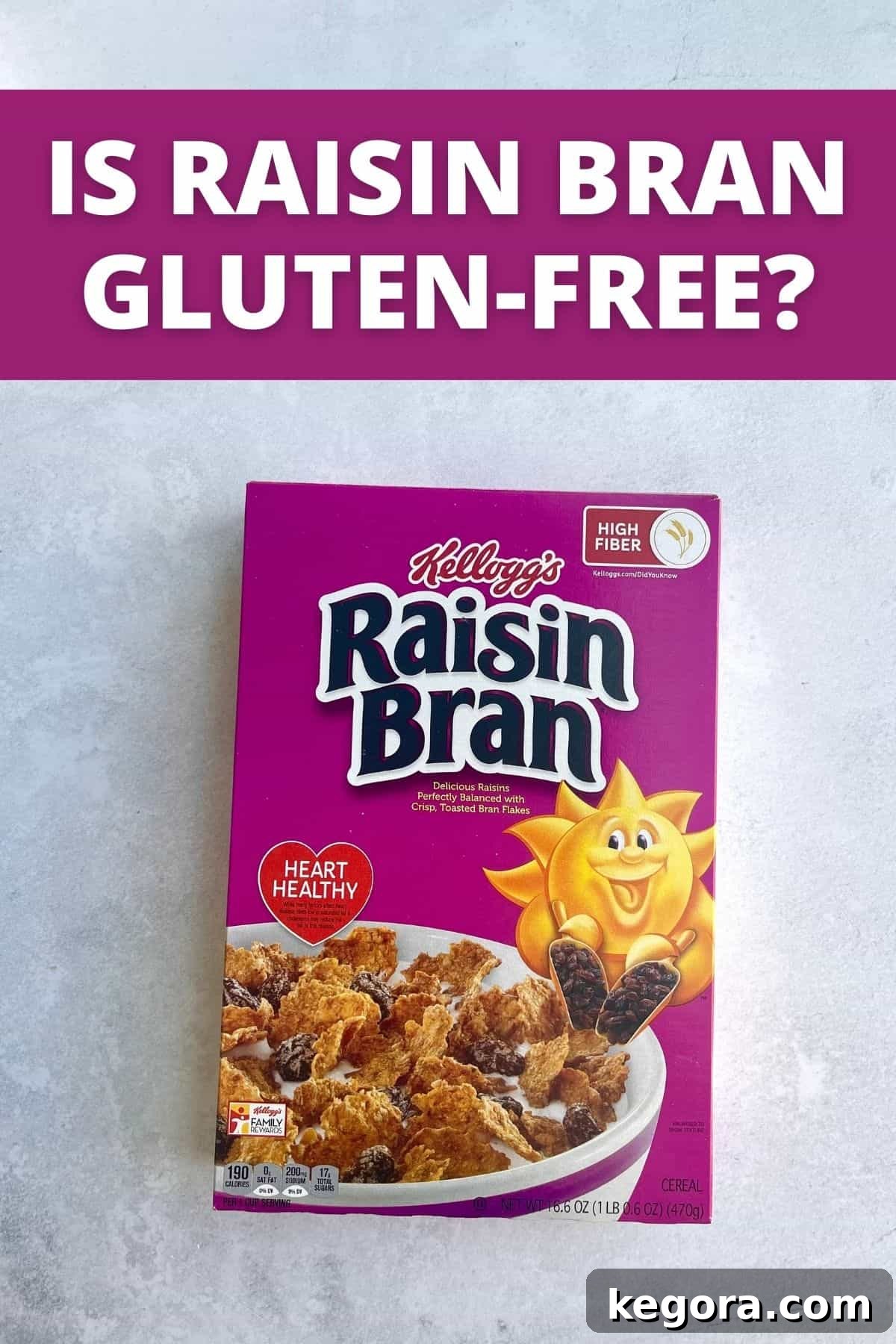
Navigating a gluten-free diet can be challenging, especially when it comes to breakfast staples. One question frequently asked by those avoiding gluten is: Is Raisin Bran gluten-free? In this comprehensive guide, we’ll delve into the ingredients of Raisin Bran, explore why it’s not suitable for a gluten-free lifestyle, and uncover a variety of delicious and safe alternatives to ensure you can enjoy a satisfying breakfast without compromise.
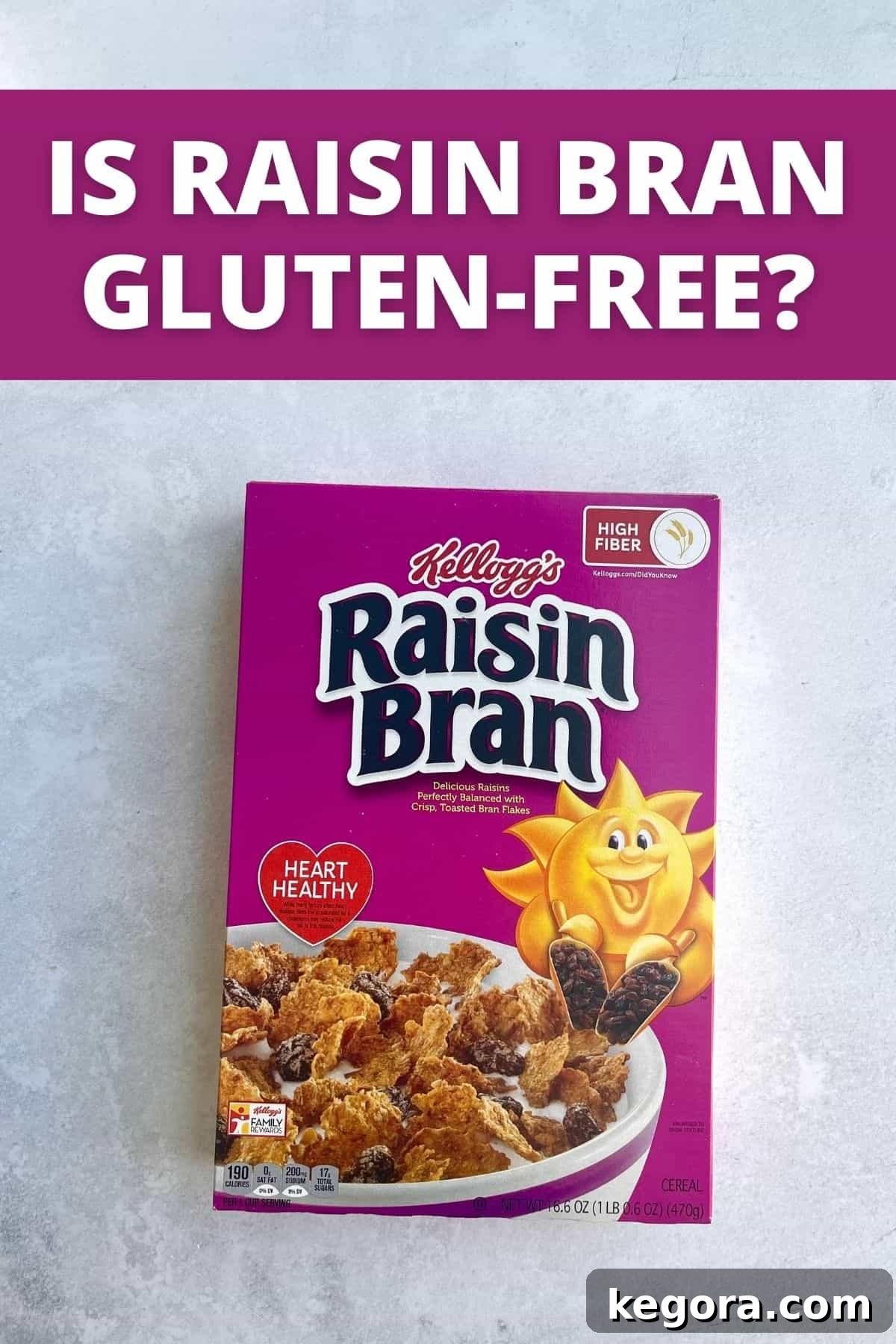
Raisin Bran has long been a beloved breakfast cereal, known for its satisfying combination of crisp, wholesome bran flakes and sweet, chewy raisins. First introduced by Kellogg’s in the 1940s, its popularity has led to many delicious variations over the years, including Raisin Bran Crunch, Raisin Bran Toasted Oats, and Raisin Bran with Cranberries. Beyond a simple breakfast, this versatile cereal is often used in baking, adding texture and flavor to muffins, cookies, and even bran loaves. Many people also appreciate Raisin Bran for its significant fiber content, which is well-regarded for promoting digestive health and regularity.
However, for individuals with celiac disease, a gluten intolerance, or those simply choosing a gluten-free lifestyle, the central question remains: Can Raisin Bran be part of a gluten-free diet?
The Definitive Answer: Is Raisin Bran Gluten-Free?
For anyone managing celiac disease or gluten sensitivity, understanding the ingredients in your food is paramount. When it comes to Raisin Bran, the answer is clear and unequivocal:
No, Raisin Bran is not gluten-free. The primary ingredient listed on the nutrition label of Raisin Bran is often “whole grain wheat” or “wheat bran.” Wheat is one of the three main grains that naturally contain gluten (the others being barley and rye). Since wheat flour and wheat bran are fundamental components of Raisin Bran, the cereal is not safe for consumption by individuals following a gluten-free diet.
Gluten is a protein composite found in wheat, barley, and rye, which can trigger adverse reactions in people with celiac disease or non-celiac gluten sensitivity. Even small amounts of gluten can cause significant digestive issues and other health problems for those affected. Therefore, any product containing wheat, like Raisin Bran, must be strictly avoided.
Furthermore, this restriction applies to all variations of Raisin Bran cereal, regardless of the brand—be it Kellogg’s, Post, or generic store brands. All these products fundamentally rely on wheat as their base. It’s also important to consider potential cross-contamination; even if other ingredients were gluten-free, these cereals are typically processed on machinery that handles numerous gluten-containing products, increasing the risk for highly sensitive individuals. Always prioritize products explicitly labeled “gluten-free.”
For more insights into gluten-free breakfast options, you might find these articles helpful: gluten-free cereal and are corn flakes gluten-free?
Understanding Bran and Gluten: What You Need to Know
The term “bran” refers to the hard outer layers of cereal grains like wheat, oats, and rice. It’s an excellent source of dietary fiber, vitamins, and minerals. However, not all brans are created equal when it comes to gluten content.
Wheat bran, as its name suggests, is derived from wheat. Therefore, it inherently contains gluten and is unsafe for a gluten-free diet. It’s the primary component of traditional “bran cereals” like Raisin Bran, giving them their characteristic texture and fiber profile.
On the other hand, oat bran comes from oats, and rice bran comes from rice. Both oats and rice are naturally gluten-free grains. However, when choosing oat products, it’s crucial to select those specifically labeled “gluten-free.” This certification ensures that the oats have been processed in facilities free from cross-contamination with wheat, barley, or rye, which is a common issue with conventionally grown and processed oats.
Gluten-Free Bran Cereal Alternatives
While a gluten-free wheat bran cereal doesn’t exist, you certainly don’t have to miss out on the nutritional benefits of bran. Gluten-free oat bran is a fantastic alternative that provides a similar fiber boost and can be incorporated into your diet in various ways.
A notable option is Bob’s Red Mill Gluten-Free Oat Bran Hot Cereal. While it differs in flavor and texture from a cold, flaked raisin bran cereal, it offers a hearty, warm breakfast packed with fiber and other essential nutrients. This product is specifically labeled gluten-free and has been verified to contain less than 20 parts per million (ppm) of gluten, adhering to the FDA’s strict standards for gluten-free certification. It’s a reliable choice for those seeking the goodness of bran without the gluten.
If you’re looking for a cold cereal experience, you can create your own “bran-like” cereal by combining certified gluten-free oat flakes or other GF cereals with gluten-free oat bran for added fiber. Just remember to always check labels for that crucial “gluten-free” certification.
Finding a Gluten-Free Raisin Cereal
If the sweet and crunchy combination of bran flakes and raisins is what you truly miss, you’ll be pleased to know that there are excellent gluten-free alternatives that capture a similar taste and texture profile.
Nature’s Path Gluten-Free Mesa Sunrise with Raisins Cereal is a standout choice. This cereal is crafted from a blend of non-GMO corn, flax seeds, and wholesome raisins, delivering that satisfying crunch and chew reminiscent of traditional Raisin Bran, but entirely free from gluten. Beyond being gluten-free, Nature’s Path is committed to quality, using only certified USDA organic ingredients. This makes it not just a safe choice for those avoiding gluten, but also a healthy, environmentally conscious option that will undoubtedly satisfy your Raisin Bran cravings.
Another approach is to create your own gluten-free raisin cereal. Start with a plain gluten-free flake cereal (like corn flakes or rice flakes, ensuring they are certified GF) and simply mix in your favorite dried raisins. You can even add a sprinkle of certified gluten-free oat bran for an extra fiber boost and a texture closer to the original.
High-Fiber Gluten-Free Alternatives to Bran
Many individuals choose Raisin Bran, and bran cereals in general, for their impressive fiber content, which plays a vital role in maintaining digestive health and regularity. Even without wheat bran, you can easily achieve the same dietary benefits by incorporating other high-fiber, gluten-free foods into your diet.
Here are some excellent gluten-free alternatives to wheat bran that are rich in fiber:
- Oat Bran: As mentioned, certified gluten-free oat bran is an ideal substitute. It’s derived from the outer layer of oat groats and is packed with soluble fiber, particularly beta-glucan, which is known for its cholesterol-lowering properties. Gluten-free oat bran can be substituted 1:1 for wheat bran in many baking recipes, such as muffins, pancakes, or even as a thickener for smoothies. For best results in baking, consider soaking it briefly before adding to your mixture to ensure a tender texture.
- Ground Flaxseed (Flax Meal): One of the closest to wheat bran in terms of its nutty flavor and versatility, ground flaxseed is an excellent source of fiber, omega-3 fatty acids, and essential minerals. It can be used as a 1:1 replacement for wheat bran in baking, adding both nutritional value and a pleasant texture. Flaxseed also acts as a binder, which can be beneficial in gluten-free baking.
- Psyllium Husk: This potent source of soluble fiber is derived from the seeds of the Plantago ovata plant. Psyllium husk is incredibly effective for promoting digestive regularity and can be added to smoothies, baked goods, or simply mixed with water. Due to its high absorbency, it can dramatically change the texture of recipes, so it’s best to start with smaller amounts (e.g., 1-2 teaspoons) and adjust as needed, especially in baking.
- Chia Seeds: These tiny seeds are nutritional powerhouses, rich in fiber, omega-3s, protein, and various micronutrients. When mixed with liquid, chia seeds form a gel, making them excellent thickeners or egg substitutes in baking. They can also be sprinkled on top of cereals, yogurts, or added to smoothies to boost fiber content.
- Rice Bran: A byproduct of rice milling, rice bran offers a wealth of protein, fiber, healthy fats, calcium, iron, and B vitamins. It has a slightly nutty flavor and can be used to enrich baked goods, adding a moist texture and nutritional punch. While not as commonly found as a direct cereal substitute, it’s a valuable gluten-free ingredient for enhancing the fiber content of many dishes.
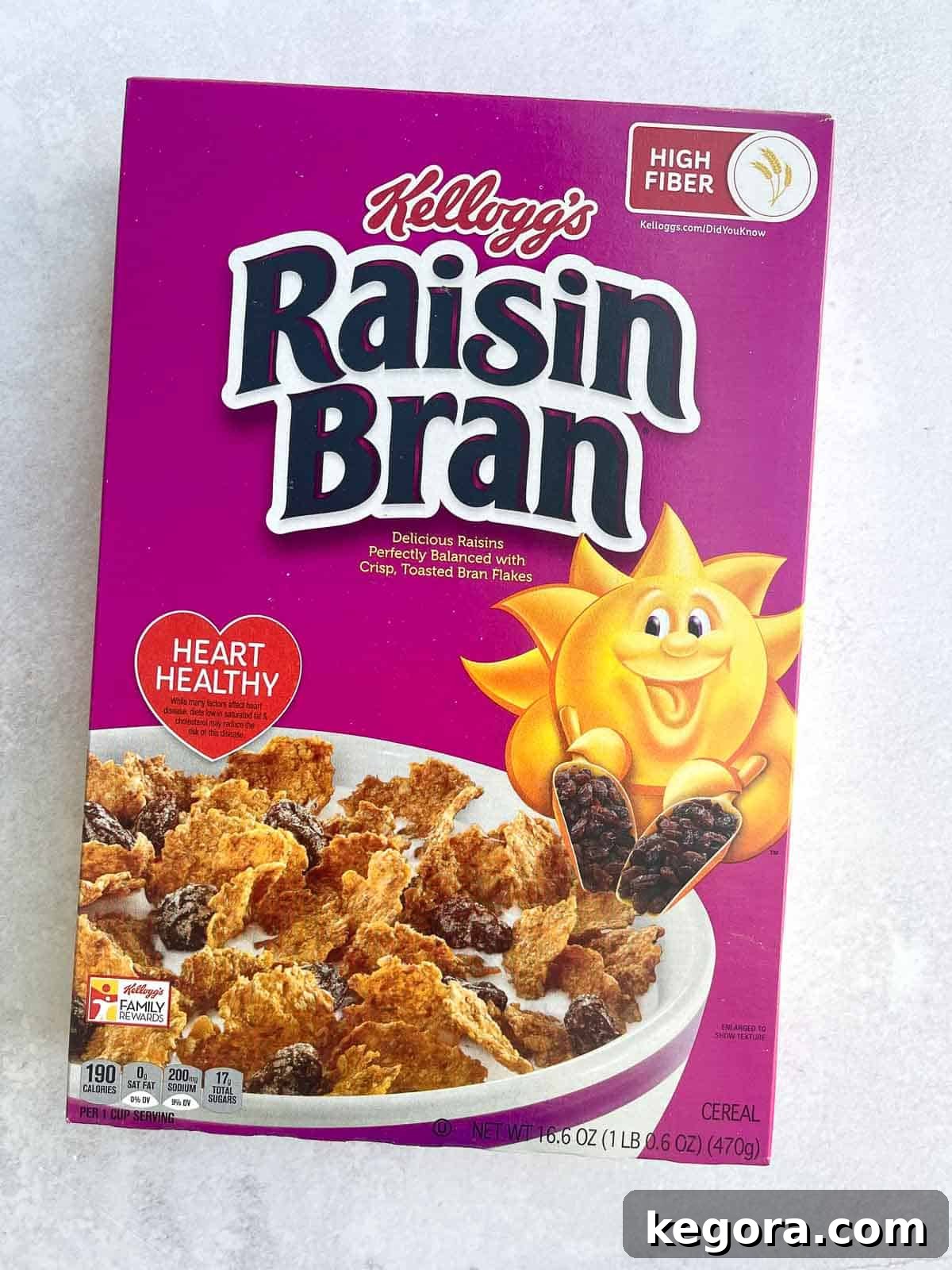
Top Gluten-Free Cereal Brands and Options
While Raisin Bran may be off-limits, the good news is that the market is brimming with delicious and safe gluten-free cereal options from various popular brands. Here’s a look at some of the best choices:
Which Kellogg’s Cereals Are Gluten-Free?
Even though Raisin Bran from Kellogg’s contains gluten, the brand offers several other cereals that are safe for a gluten-free diet:
- Kashi GO Keto-Friendly Cereal: Both the Dark Cocoa and Cinnamon Vanilla flavors of Kashi GO are explicitly labeled as gluten-free and cater to a low-carb, keto-friendly lifestyle while providing a satisfying crunch.
- Rice Krispies (Gluten-Free): Traditional Rice Krispies contain malt flavoring derived from barley, which has gluten. However, Kellogg’s offers a specific Gluten-Free Rice Krispies version made with brown rice, ensuring it is safe for those avoiding gluten. Always look for the “gluten-free” label.
- Bear Naked Grain-Free Granola: Bear Naked offers several grain-free granola varieties that are naturally gluten-free, such as the Maple Cinnamon and Dark Chocolate Almond flavors. These are great for adding to yogurt or enjoying on their own.
Which General Mills Cereals Are Gluten-Free?
General Mills is a leader in offering many naturally gluten-free or certified gluten-free products. You’ll find several beloved cereals from General Mills that are safe for your diet:
- Cheerios: Original Cheerios are made primarily from whole grain oats, which are naturally gluten-free. General Mills has implemented a special sorting process to remove stray wheat, barley, and rye grains, allowing them to confidently label most Cheerios varieties as gluten-free.
- Honey Nut Cheerios: Like the original, Honey Nut Cheerios are also made with gluten-free oats and are certified gluten-free, offering a sweeter, nutty flavor.
- Multi-Grain Cheerios: This cereal combines whole grain oats, corn, and rice, and is clearly labeled as gluten-free, providing a diverse grain profile.
- Lucky Charms: Good news for fans of magical marshmallows! Lucky Charms are made with 100% gluten-free grains and are verified to contain less than 20 ppm gluten.
- Chex Cereals (most varieties): The Chex family offers several excellent gluten-free choices:
- Rice Chex: Made from whole grain rice, sugar, salt, and molasses, these are naturally gluten-free.
- Chocolate Chex: This cocoa-flavored cereal is made with whole grain rice and is naturally gluten-free.
- Corn Chex: Containing whole grain corn, corn meal, and corn starch, Corn Chex are clearly labeled gluten-free.
- Honey Nut Chex: Sweetened corn cereal with almond flavor, this variety is also prominently labeled gluten-free.
Note: Always double-check the label, as Wheat Chex, as its name suggests, is NOT gluten-free.
Other Popular Gluten-Free Cereals
Beyond Kellogg’s and General Mills, many other brands offer fantastic gluten-free cereals that are easy to find:
- Fruity Pebbles: Made from sweetened crispy rice, Fruity Pebbles are naturally gluten-free, providing a burst of fruity flavor.
- Cocoa Pebbles: Similar to Fruity Pebbles, Cocoa Pebbles are made from sweetened crispy rice and are naturally gluten-free, offering a classic chocolatey taste.
- Purely Elizabeth Granola: This brand specializes in certified gluten-free and often grain-free granolas made from simple, wholesome ingredients like nuts and seeds. Every flavor is a safe and healthy choice.
- Puffins Honey Rice: This delightful cereal is crafted from whole grain brown rice flour and is verified to contain less than 20 ppm gluten, making it a safe and tasty option.
- Annie’s Cinnabunnies: An organic and certified gluten-free cereal, Annie’s Cinnabunnies offer a fun and delicious cinnamon-flavored option, particularly popular with children.
- KIND Oats & Honey Clusters: KIND granola is not only labeled gluten-free but often also non-GMO and low glycemic, making it a healthful and trustworthy choice.
- Nature’s Path Crispy Rice: Nature’s Path Organic Crispy Rice is made from brown rice crisps and is clearly labeled gluten-free.
- Nature’s Path Sunrise Crunchy Vanilla: Always organic and gluten-free, this cereal is a blend of corn, rice, quinoa, and a variety of other ancient grains and seeds, offering a complex flavor and texture.
- Mom’s Best Cereals Crispy Cocoa Rice: This cereal carries a gluten-free label and is made from naturally flavored sweetened rice cereal, providing a comforting chocolate flavor.
Understanding Gluten-Free Labels and Certification
For those new to a gluten-free diet, understanding product labeling is key. Here are essential tips:
- Look for the “Gluten-Free” Label: The most reliable indicator is a clear “gluten-free” claim on the packaging. In countries like the U.S., this means the product contains less than 20 parts per million (ppm) of gluten, a level generally considered safe for people with celiac disease.
- Certified Gluten-Free: Some products go a step further with “Certified Gluten-Free” labels from third-party organizations (like GFCO or NSF). This often indicates even stricter testing protocols and dedicated facilities, offering an extra layer of assurance.
- Check the Ingredient List: Always read the full ingredient list carefully. Even if a product isn’t explicitly labeled gluten-free, it might naturally be so. Conversely, sometimes products that appear gluten-free might contain hidden gluten in flavorings, thickeners, or modified starches. Watch out for wheat, barley (often found in malt or malt flavoring), and rye.
- Cross-Contamination: Be aware that even naturally gluten-free ingredients can become contaminated if processed on shared equipment with gluten-containing grains. This is why certified gluten-free products are often preferred, as they address this risk.
Frequently Asked Questions About Gluten-Free Cereals
Individuals with Celiac disease can enjoy a wide variety of naturally gluten-free grains. These include corn, rice (white, brown, wild), quinoa, certified gluten-free oats, millet, buckwheat, sorghum, teff, and polenta. These grains offer diverse textures and flavors, making a gluten-free diet both healthy and enjoyable.
Many popular cereals are now gluten-free and safe for those with Celiac disease or gluten sensitivity. Top choices include most varieties of Cheerios (Original, Honey Nut, Multi-Grain), Chex cereals (Rice, Corn, Chocolate, Honey Nut, but NOT Wheat Chex), certified Gluten-Free Rice Krispies, Lucky Charms, Fruity Pebbles, Cocoa Pebbles, and various granolas from brands like Purely Elizabeth and KIND.
For a delicious gluten-free alternative that closely resembles Raisin Bran, Nature’s Path Gluten-Free Mesa Sunrise with Raisins Cereal is highly recommended. It offers a similar crunch and sweetness without any gluten. Other fiber-rich options include hot gluten-free oat bran cereal like Bob’s Red Mill Gluten-Free Oat Bran Hot Cereal, or you can create your own by adding raisins to plain gluten-free flakes.
The Bottom Line
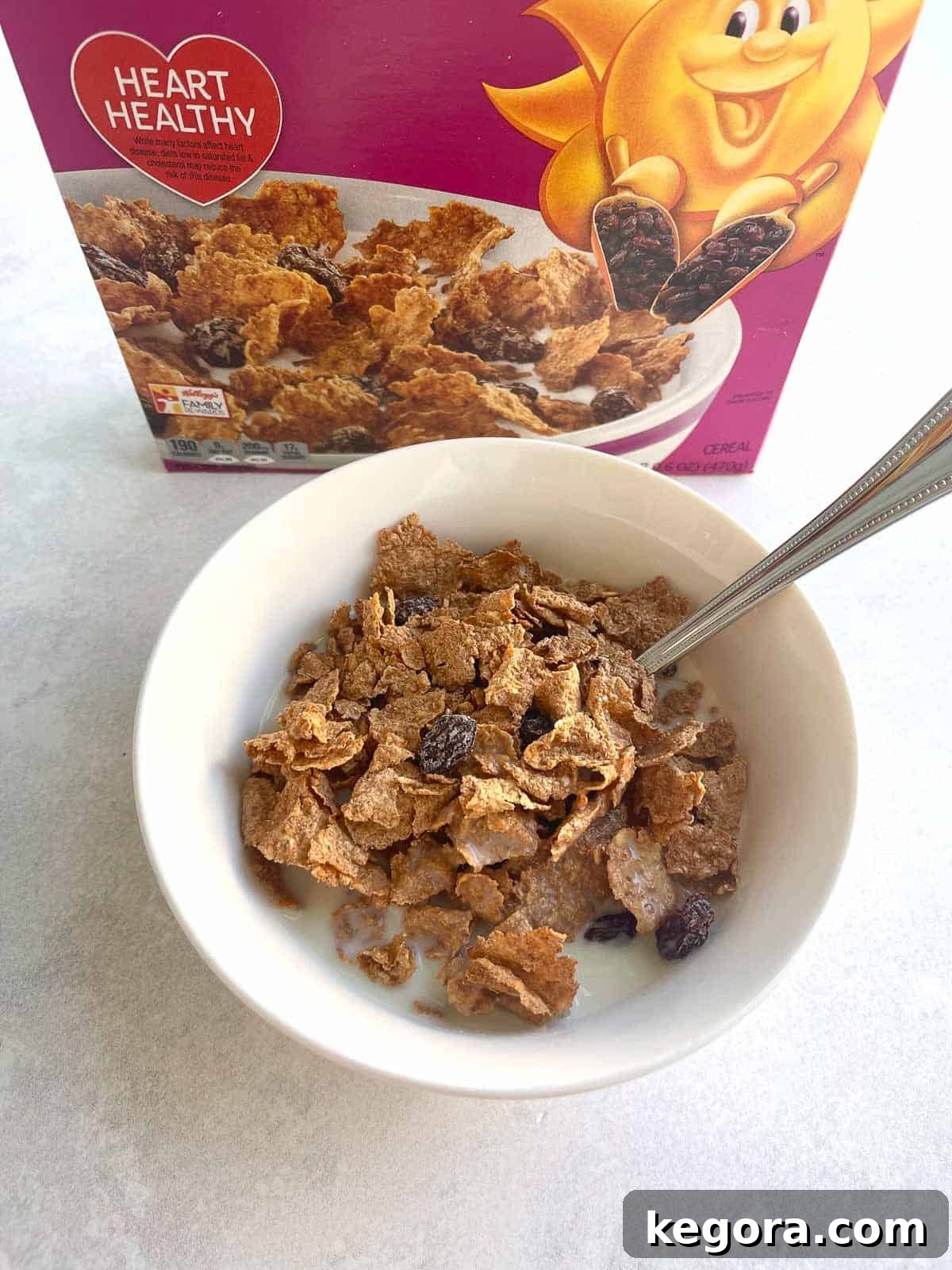
The question, “Is Raisin Bran gluten-free?” is definitively answered with a resounding No. Traditional Raisin Bran, along with all its variations from various brands, relies on wheat bran as a core ingredient, making it unsuitable for anyone following a gluten-free diet due to celiac disease or gluten sensitivity.
However, the good news is that abstaining from Raisin Bran doesn’t mean sacrificing a delicious and nutritious breakfast. The world of gluten-free cereals and fiber-rich alternatives is expansive and continually growing. You can enjoy the benefits of bran through certified gluten-free oat bran (such as Bob’s Red Mill Gluten-Free Oat Bran Hot Cereal), or find a satisfying crunch with a wide array of popular gluten-free cereals including various Chex varieties, Cheerios, Lucky Charms, and certified Gluten-Free Rice Krispies.
If you’re specifically seeking a close replication of the classic Raisin Bran taste, Nature’s Path Gluten-Free Mesa Sunrise with Raisins Cereal stands out as an excellent, certified gluten-free choice that mirrors the beloved flavor and texture. By carefully reading labels and exploring the many available options, you can easily maintain a strict gluten-free diet while still enjoying a diverse and fulfilling breakfast experience every day.