
In a world buzzing with convenience, few things rival the ease and appeal of a perfectly cooked rotisserie chicken. It’s the ultimate weeknight savior, a versatile protein, and a go-to for countless busy families. However, for individuals navigating a gluten-free lifestyle, this seemingly simple purchase often comes with a crucial question: Is that delicious rotisserie chicken truly gluten-free? Delving into the nuances of ingredients, preparation methods, and potential cross-contamination is paramount. This comprehensive guide will equip you with all the essential information to confidently choose a gluten-free rotisserie chicken, ensuring your next meal is both effortless and safe.
The aroma of a freshly roasted rotisserie chicken is almost irresistible. Succulent, savory, and ready to serve, it transforms into an effortless dinner, a hearty addition to soups, vibrant salads, comforting casseroles, or satisfying sandwiches. But for those committed to a gluten-free diet, the journey from store shelf to dinner plate isn’t always straightforward. The key question, “Is rotisserie chicken gluten-free?”, demands a closer look beyond the enticing golden skin.
Short answer: Most rotisserie chickens are inherently gluten-free, but careful scrutiny of ingredients and preparation is absolutely essential! The primary concern lies not with the chicken itself, but with the specific spice blends, marinades, or rubs used in its preparation, some of which may contain gluten-derived ingredients. Furthermore, the risk of cross-contamination in shared kitchen environments can turn an otherwise gluten-free product into a potential hazard for those with celiac disease, non-celiac gluten sensitivity, or wheat allergies.
Let’s embark on a detailed exploration of supermarket rotisserie chickens, examining the potential pitfalls and highlighting reliable gluten-free options from some of the most popular grocery retailers. Understanding these factors will empower you to make informed choices for a safe and delicious gluten-free meal.
Understanding Rotisserie Chicken: More Than Just Roasting
Rotisserie chicken refers to a whole chicken that has been cooked on a rotating spit, often in a specialized oven. This slow, continuous rotation ensures even cooking, resulting in exceptionally juicy meat and a beautifully crisp, golden-brown skin. Its popularity stems from its convenience – it’s a hot, ready-to-eat meal that requires no preparation at home.
Compared to other fast-food chicken options, such as fried chicken which is typically coated in a wheat-based breading, rotisserie chicken is often perceived as a healthier choice. It relies on the natural juices of the chicken and added seasonings for flavor, rather than heavy battering or deep-frying. However, this is precisely where the gluten-free concern arises. While the chicken itself is naturally gluten-free, the specific blend of seasonings, marinades, and brines can introduce gluten. Common seasonings typically include salt, pepper, garlic powder, onion powder, and various herbs and spices, which are usually gluten-free. Yet, some blends might incorporate ingredients like wheat flour for extra crispness, hydrolyzed wheat protein, modified food starch derived from wheat, or even soy sauce, which often contains wheat.
Therefore, for anyone following a strict gluten-free diet, a “plain” rotisserie chicken might seem safe, but the exact recipe and preparation at each vendor are crucial details. Always remember that a “gluten-free” label is your strongest indicator of safety.
Is Rotisserie Chicken Gluten-Free? Key Considerations for Safe Consumption
Determining if a rotisserie chicken is truly gluten-free involves a careful review of several critical factors. It’s not enough to simply assume; vigilance is key, especially for those with celiac disease or severe gluten sensitivities.
1. Scrutinizing Ingredients and Seasonings
The primary source of potential gluten in rotisserie chicken lies within the rubs, marinades, or brining solutions applied before roasting. While many seasonings are naturally gluten-free, some manufacturers or grocery stores might use ingredients that contain hidden gluten. Look out for:
- Wheat, Barley, Rye: These are obvious gluten-containing grains. Ingredients like “wheat flour,” “malt extract” (often from barley), or “rye flour” are clear red flags.
- Modified Food Starch: This ingredient can be derived from various sources, including corn, potato, tapioca, or wheat. If the source isn’t specified, or if it says “modified food starch (wheat),” it contains gluten. Unless explicitly stated otherwise, “modified food starch” should be approached with caution.
- “Natural Flavors” or “Spice Extractives”: These broad terms can sometimes hide gluten-containing components. While many natural flavors are gluten-free, some can contain wheat derivatives as carriers or flavor enhancers. Without a “gluten-free” certification or specific clarification from the manufacturer, these ingredients introduce an element of uncertainty.
- Soy Sauce: A common ingredient in many marinades and Asian-inspired flavors, traditional soy sauce is made with wheat. Always opt for tamari, which is a gluten-free alternative, or ensure the chicken is specifically labeled gluten-free if soy sauce is listed.
- Browning Agents: Some recipes might include ingredients like maltodextrin (which can sometimes be wheat-derived, though often from corn) or other agents to enhance skin crispness or color, which might contain gluten.
Always prioritize reading the full ingredient list, even if it seems tedious. If a product lacks a clear “gluten-free” label and contains ambiguous ingredients, it’s safer to avoid it.
2. The Risk of Cross-Contamination
Even if a rotisserie chicken is made with entirely gluten-free ingredients, it can still become contaminated with gluten during preparation. This is known as cross-contact, and it’s a significant concern for individuals with celiac disease, where even trace amounts of gluten (less than 20 parts per million, or ppm, as per FDA guidelines) can cause adverse reactions. Cross-contamination can occur in several ways:
- Shared Equipment: If rotisserie chickens are prepared or roasted in the same ovens, on the same spits, or using the same utensils as gluten-containing products (like breaded chicken or other deli items), gluten particles can transfer.
- Shared Surfaces: Preparation areas, cutting boards, and counters that aren’t thoroughly cleaned between handling gluten and gluten-free items can be a source of contamination.
- Shared Oils or Breading Stations: While less common for rotisserie chicken, if a kitchen also handles fried chicken or other breaded items, airborne flour particles could potentially settle on the rotisserie chicken.
- Staff Handling: Employees handling gluten-containing products and then gluten-free products without changing gloves or washing hands can also spread gluten.
For these reasons, a “gluten-free” label is not just about ingredients; it also indicates that the product has been processed in a way that minimizes cross-contamination to meet FDA standards.
3. The Importance of “Gluten-Free” Labeling
The most definitive way to ensure your rotisserie chicken is gluten-free is to look for a product explicitly labeled as such. In the United States, the Food and Drug Administration (FDA) regulates the term “gluten-free.” For a product to carry this label, it must meet specific criteria, meaning it:
- Does not contain wheat, rye, or barley.
- Does not contain an ingredient that is a derivative of a gluten-containing grain (e.g., wheat starch) that has not been processed to remove gluten.
- Does not contain an ingredient that is a derivative of a gluten-containing grain that has been processed to remove gluten, if the use of that ingredient results in 20 parts per million (ppm) or more gluten in the food.
A “gluten-free” label signifies that the manufacturer has taken steps to ensure both the ingredients and the production process meet these stringent standards, offering peace of mind to consumers.
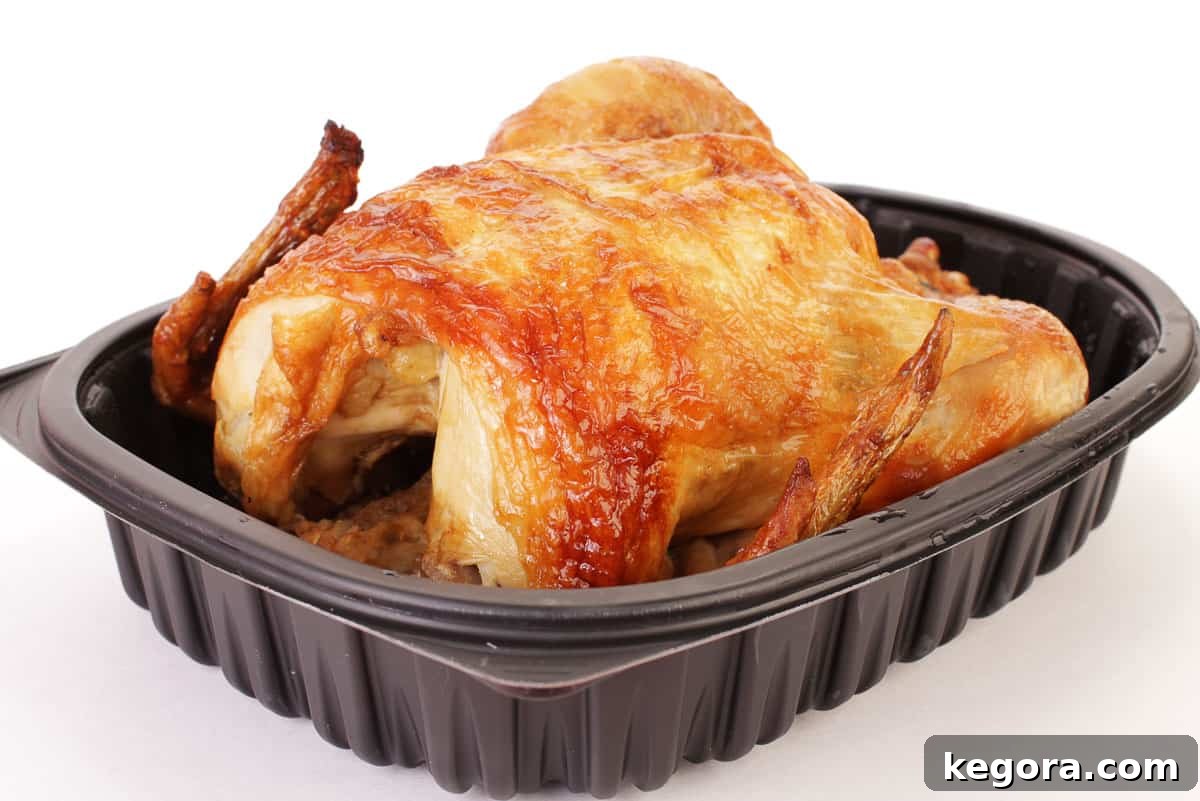
Supermarket Spotlight: Navigating Rotisserie Chicken Options
The availability and gluten-free status of rotisserie chicken can vary significantly by retailer. Here’s a detailed look at some of the most popular grocery stores and their offerings:
Costco Rotisserie Chicken: A Gluten-Free Favorite
Costco’s Kirkland Signature rotisserie chicken is not just famous for its size and unbeatable price, but also for its clear gluten-free status. The nutrition label prominently states, “No preservatives, MSG, gluten, artificial flavors or colors.” This explicit declaration is a huge relief for the gluten-free community, indicating that both ingredients and cross-contamination risks have been addressed. The seasoning blend for Costco’s rotisserie chicken typically includes:
- Salt
- Sodium phosphate
- Modified food starch (potato, tapioca)
- Potato dextrin
- Carrageenan
- Sugar
- Dextrose
- Spice extractives
The modified food starch being specified as potato or tapioca-derived is a critical detail, confirming it’s not wheat-based. Costco’s commitment to transparency makes their rotisserie chicken a consistently reliable choice for those on a gluten-free diet.
Walmart Rotisserie Chicken: Proceed with Caution
Walmart’s traditional rotisserie chicken, while convenient, does not carry an explicit “gluten-free” label, which immediately raises questions for strict gluten-free eaters. The ingredients typically found include:
- Chicken without neck and giblets
- Water
- Sea salt
- Seasoning (dried chicken broth, natural flavor (rosemary extract), carrageenan)
- Rubbed with: spices, garlic powder, salt, dehydrated lemon peel, citric acid, corn starch, dehydrated parsley, natural flavors
The presence of non-specified “natural flavors” is a potential concern, as these can sometimes contain hidden gluten. More importantly, without a “gluten-free” label, there’s no assurance regarding cross-contamination practices in Walmart’s delis. For individuals with celiac disease or severe gluten intolerance, the lack of a clear label means the risk of trace gluten exposure is elevated. It is generally advisable for strict gluten-free dieters to choose other verified gluten-free options.
Publix Rotisserie Chicken: Generally Not Gluten-Free
Publix takes a very cautious stance regarding its rotisserie chicken, explicitly stating that it is not considered gluten-free. While the ingredient list might not overtly contain wheat, such as:
- Chicken Flavor (Corn Starch, Natural flavors, Chicken Broth, Xanthan Gum, Gumarabic, Guar Gum)
- Salt
- Sugar
- Spices
The Publix website provides a crucial disclaimer: “Our department uses the following ingredients in our products: eggs, fish, milk, peanuts, shellfish, soybeans, tree nuts, wheat, sesame. Even if not listed on labels, please be aware that our products may have come in contact with these ingredients.” This statement clearly indicates a high risk of cross-contamination due to shared equipment and preparation areas. Therefore, Publix rotisserie chicken should be avoided by anyone needing to adhere to a strict gluten-free diet.
Kroger Rotisserie Chicken (Simple Truth Brand): A Safe Bet
Good news for Kroger shoppers! The Simple Truth Hot Whole Roasted Chicken from Kroger grocery stores is explicitly labeled and confirmed gluten-free. This product stands out for its straightforward preparation, typically seasoned with just water and sea salt, making it an exceptionally clean option. The clear gluten-free designation from Kroger’s website and on the packaging removes any ambiguity about ingredients or potential cross-contact, making it a reliable and safe choice.
Sam’s Club Rotisserie Chicken: Another Verified Gluten-Free Choice
Similar to Costco, Sam’s Club offers a reliable gluten-free option with its Member’s Mark rotisserie chicken. These extra-large birds are clearly labeled “gluten-free,” signifying they meet the FDA’s strict criteria of less than 20 ppm of gluten. The ingredients typically include:
- Water
- Sodium phosphates
- Seasoning (salt, yeast extract, natural flavors, chicken fat, chicken broth)
- Spice rub (yellow corn flour, salt, spices)
- Yellow corn flour
- Paprika (for color)
- Garlic powder
- Sugar
- Citric acid
- Onion powder
- Paprika oleoresin (for color)
- Natural flavors
While ingredients like “yeast extract” and “natural flavors” can sometimes be sources of hidden gluten, the explicit “gluten-free” label from Sam’s Club ensures that these components (if they contain any gluten) are within the safe limit of under 20 ppm. This makes Member’s Mark rotisserie chicken a safe and convenient option for those with celiac disease.
Target Rotisserie Chicken (Good & Gather): Likely Gluten-Free
Target’s Good & Gather Oven Roasted Rotisserie Chicken, while not always specifically boasting a large “gluten-free” badge on its packaging, offers strong indicators of being gluten-free. The product information frequently states, “Does not contain any of the 9 major allergens,” which critically includes wheat. Its preparation involves a solution of water, vinegar, and salt, and it’s rubbed with salt, brown sugar, spices, dehydrated onion, chicken broth, natural flavor, molasses, paprika, maltodextrin, and natural smoke flavor. Given the absence of wheat and the “no major allergens” claim, it’s generally considered a safe option for gluten-free diets, though always cross-reference the latest product information.
Oscar Mayer Deli Fresh Rotisserie Chicken: Certified Safe
For pre-packaged, sliced rotisserie chicken, Oscar Mayer Deli Fresh Rotisserie Chicken is widely reported by multiple grocery store chains and gluten-free communities as being gluten-free. While its packaging may not always feature a prominent “gluten-free” statement, a review of its ingredients typically reveals no obvious sources of gluten, nor does it list any major allergens that would include wheat. This makes it a convenient and reliable choice for quick gluten-free meals or sandwiches.
Boar’s Head EverRoast Oven Roasted Chicken Breast: Definitely Gluten-Free
If you’re looking for pre-sliced deli meat that mimics rotisserie chicken flavor, Boar’s Head EverRoast Oven Roasted Chicken Breast is an excellent gluten-free option. It is explicitly labeled gluten-free (and milk-free!) and is prepared with a traditional mirepoix of carrots, celery, onions, and a medley of spices, ensuring both delicious flavor and safety for gluten-free individuals.
Practical Tips for Choosing a Gluten-Free Rotisserie Chicken
Armed with knowledge, you can make confident choices when purchasing rotisserie chicken:
- Always Look for the Label: The most reliable indicator is a clear “Gluten-Free” label on the packaging, which means it adheres to FDA standards of less than 20 ppm gluten.
- Read the Ingredient List: If a “Gluten-Free” label is absent, meticulously check the ingredient list for wheat, barley, rye, malt, modified food starch (unless specified as corn, potato, tapioca), and ambiguous “natural flavors.”
- Ask the Deli Staff: When in doubt, especially at smaller local stores or delis, don’t hesitate to ask the staff about their chicken’s ingredients and preparation methods, particularly concerning cross-contamination.
- Opt for Plain Varieties: If available, a simply seasoned (salt, pepper) chicken is generally safer than heavily flavored or marinated options, as complex blends are more likely to contain hidden gluten.
- Prioritize Reputable Brands: Stick to brands and stores known for their clear gluten-free policies and labeling, such as Costco, Sam’s Club, and Kroger’s Simple Truth line.
Transforming Your Gluten-Free Rotisserie Chicken into Delicious Meals
Once you’ve secured a safely gluten-free rotisserie chicken, its culinary potential is immense, making meal prep a breeze for a gluten-free household. Use the succulent meat to whip up quick and satisfying dishes:
- Shredded into gluten-free tacos or enchiladas.
- Mixed into vibrant salads with a gluten-free dressing.
- Added to comforting gluten-free chicken noodle or vegetable soups.
- Layered into sandwiches on gluten-free bread.
- Incorporated into gluten-free casseroles or stir-fries.
Consider pairing it with gluten-free sides like roasted vegetables, rice, quinoa, or a fresh green salad for a balanced and effortless meal. Don’t forget to check out these articles for more gluten-free inspiration: Starbucks gluten-free, Panera gluten-free, Wendy’s gluten-free, Chipotle gluten-free, Jersey Mike’s gluten-free, and Chick Fil-A gluten-free. Additionally, explore whether chicken broth is gluten-free, oats are gluten-free, grits are gluten-free, brown rice is gluten-free, and french fries are gluten-free for more insights into your gluten-free journey.
Frequently Asked Questions About Gluten-Free Rotisserie Chicken
While the chicken itself is naturally gluten-free, the term “roast chicken” is broader than “rotisserie chicken” and encompasses various preparation methods. Any roast chicken can become a gluten risk if seasonings, brines, or cooking environments involve gluten-containing ingredients or cross-contamination. Always check ingredients and look for a “gluten-free” label, whether it’s rotisserie-style or any other form of roasted chicken.
Yes, individuals with celiac disease can safely enjoy rotisserie chicken, but only if it is explicitly verified as gluten-free. This means it must be prepared with gluten-free ingredients and adhere to strict cross-contamination prevention measures to meet FDA standards (less than 20 ppm gluten). Always prioritize rotisserie chickens with a clear “gluten-free” label, such as those from Costco, Sam’s Club, and Kroger’s Simple Truth line.
Beyond obvious wheat, rye, and barley, be wary of “modified food starch” if its source isn’t specified (it could be wheat). “Natural flavors,” “spice extractives,” and “yeast extract” can sometimes contain hidden gluten, especially if the product is not labeled gluten-free. Also, traditional soy sauce (often found in marinades) contains wheat, so confirm it’s a gluten-free version or tamari if present.
Generally, yes. The more complex the flavor profile or marinade, the higher the likelihood of encountering hidden gluten ingredients. Specialty flavors might use unique spices, thickeners, or sauces that could contain wheat or other gluten-derived components. For individuals on a gluten-free diet, plain or simply seasoned rotisserie chickens are often a safer bet, unless the flavored variety is explicitly labeled “gluten-free.”
Absolutely! Making your own rotisserie chicken at home ensures complete control over ingredients and eliminates cross-contamination concerns. You can use a rotisserie oven attachment or simply roast a whole chicken in a regular oven. Season it with naturally gluten-free spices like salt, pepper, paprika, garlic powder, onion powder, rosemary, or thyme for a delicious and safe meal.
The Bottom Line: Enjoying Gluten-Free Rotisserie Chicken with Confidence
Rotisserie chicken remains a stellar choice for convenient, delicious, and versatile meals. For those adhering to a gluten-free diet, the good news is that many options are indeed safe and readily available. However, informed decision-making is paramount.
Always prioritize rotisserie chickens that are clearly labeled “gluten-free.” This label signifies compliance with stringent FDA standards, covering both ingredients and cross-contamination prevention. When a label isn’t present, diligently read ingredient lists for any hidden gluten sources and be aware of the potential for cross-contact in shared kitchen environments. Brands like Costco’s Kirkland Signature, Sam’s Club’s Member’s Mark, and Kroger’s Simple Truth Hot Whole Roasted Chicken are excellent, reliable choices that consistently meet gluten-free requirements.
With a little vigilance and knowledge, you can confidently enjoy the savory goodness of rotisserie chicken, making your gluten-free meal planning simpler and more delicious than ever. Now that you’re well-versed in selecting a safe bird, get ready to transform it into fantastic gluten-free meals!
When you’re ready to put that rotisserie chicken to use, try out our recipes for gluten-free gravy, dairy-free buffalo chicken dip, gluten-free chicken pot pie, bbq nachos and dairy-free chicken rice casserole. You also might like this collection of gluten-free chicken recipes.