
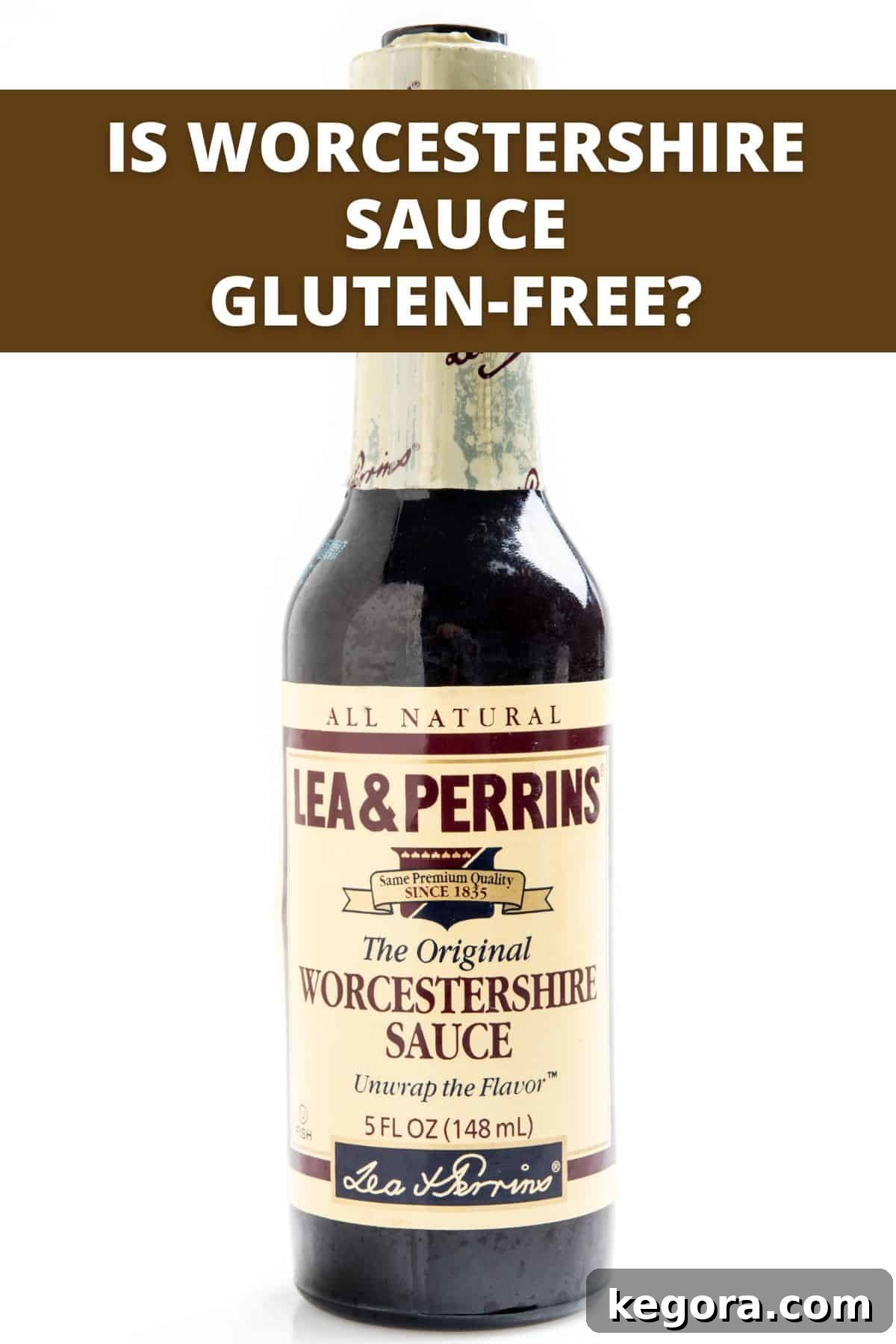
Is Worcestershire Sauce Gluten-Free? Your Definitive Guide to This Classic Condiment
Are you navigating the complex world of gluten-free eating and wondering if that familiar bottle of Worcestershire sauce is safe for your diet? You’re not alone. This tangy, savory condiment is a staple in many kitchens, but its traditional ingredients can often raise questions for those avoiding gluten. Understanding its composition is key to making informed choices. This comprehensive guide will delve into everything you need to know about Worcestershire sauce, its ingredients, and how to identify gluten-free options.
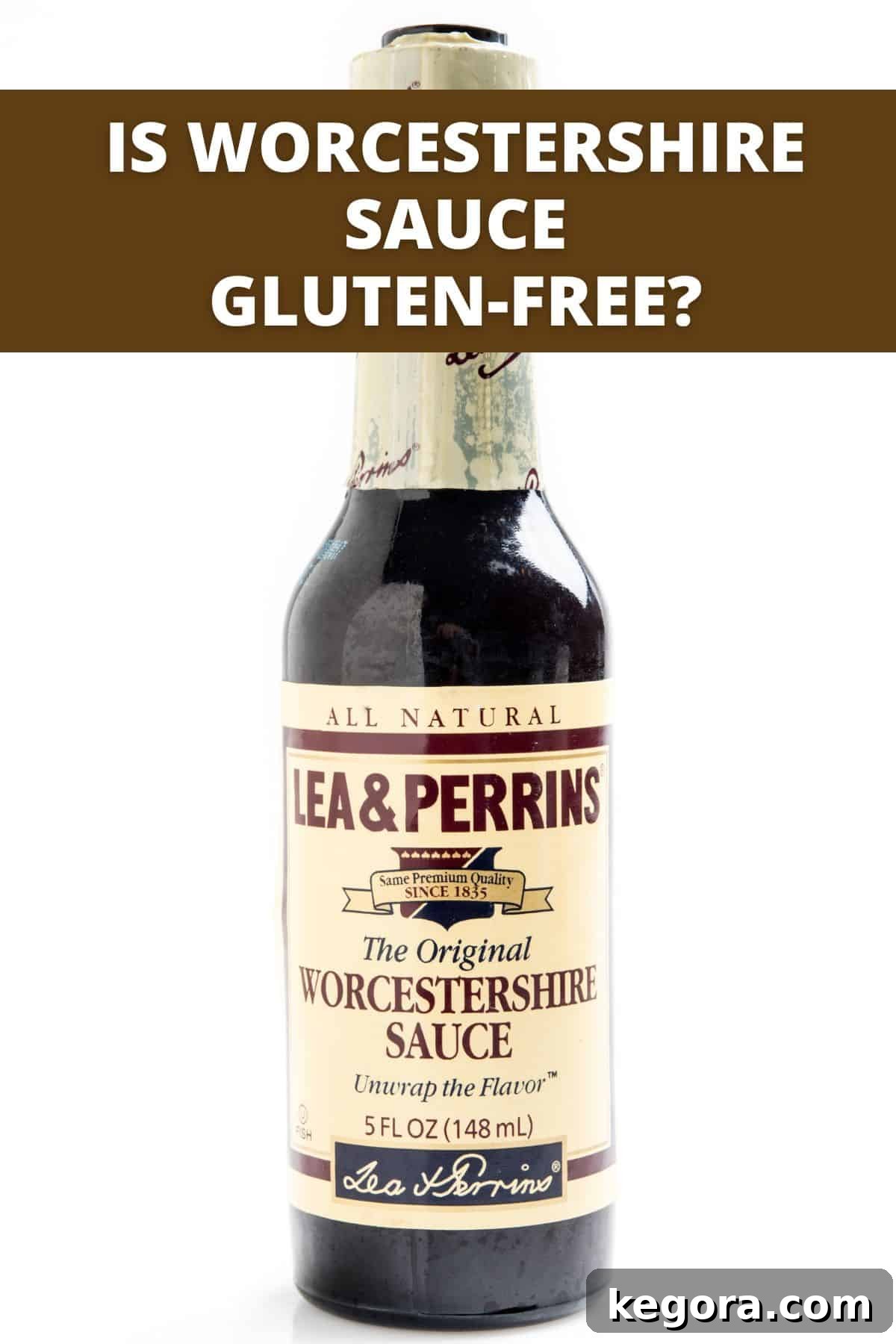
The Quick Answer: Is Worcestershire Sauce Gluten-Free?
The straightforward answer is: sometimes. This can be frustrating for anyone strictly adhering to a gluten-free diet, but it’s crucial to understand why. While many of the core ingredients in Worcestershire sauce are naturally gluten-free, certain traditional components and manufacturing practices can introduce gluten. The “gluten-free” status ultimately depends on the specific brand and its formulation.
According to the U.S. Food and Drug Administration (FDA), for a product to be labeled “gluten-free,” it must contain less than 20 parts per million (ppm) of gluten. This standard helps consumers identify safe products. Therefore, if a Worcestershire sauce bottle explicitly states “Gluten-Free” on its label, you can generally trust that it meets this regulatory requirement. However, if that label is absent, caution is advised, especially for individuals with celiac disease or severe gluten sensitivities.
The main culprits for gluten in Worcestershire sauce are often malt vinegar, derived from barley, and sometimes wheat-containing soy sauce, if used as an ingredient. We’ll explore these in more detail below, but the takeaway is clear: always read the ingredients list and look for a certified gluten-free label.
Understanding Worcestershire Sauce: History, Ingredients, and Flavor Profile
Worcestershire sauce is a fermented liquid condiment with a complex flavor profile that is simultaneously savory, sweet, tangy, and subtly spicy. Its unique taste makes it a versatile ingredient used globally to enhance a wide array of dishes, from marinades and salad dressings to soups, stews, and even cocktails like the Bloody Mary.
A Brief History
This renowned sauce originated in the city of Worcester, in Worcestershire, England, during the 19th century. Legend has it that two chemists, John Lea and William Perrins, were tasked by Lord Sandys (a former Governor of Bengal) to recreate a sauce he had encountered in India. Their initial attempt was supposedly unpalatable and left to ferment in a cellar. Years later, they rediscovered the concoction, and after significant aging, it had transformed into the delicious sauce we know today. Lea & Perrins eventually commercialized it, making it one of the oldest commercially bottled condiments in the Western world.
Traditional and Common Ingredients
While exact recipes vary by brand, traditional Worcestershire sauce typically includes a blend of the following ingredients:
- Vinegar: Often malt vinegar (derived from barley, which contains gluten) or spirit vinegar (distilled white vinegar, generally gluten-free).
- Molasses: Provides sweetness and a deep color.
- Anchovies: Contributes to its distinct umami flavor, also why it’s not vegan.
- Salt: A fundamental preservative and flavor enhancer.
- Sugar: Typically cane sugar or high fructose corn syrup for sweetness.
- Tamarind Extract: Adds a unique fruity and tangy note.
- Onions and Garlic: Essential for aromatic depth.
- Spices and Natural Flavorings: Can include chili pepper extract, cloves, and other proprietary blends. These “natural flavorings” can sometimes be a hidden source of gluten, though less common now with increased awareness.
The combination of these ingredients, undergoing a lengthy fermentation process (sometimes up to 36 months), gives Worcestershire sauce its characteristic pungent aroma and rich, balanced flavor that elevates many culinary creations.
Why is Worcestershire Sauce NOT Always Gluten-Free? Decoding the Ingredients List
The primary reason some Worcestershire sauces are not gluten-free lies in one key ingredient: malt vinegar. Malt vinegar is made from fermented barley, a grain that contains gluten. For individuals with celiac disease or gluten sensitivity, even small amounts of gluten from malt vinegar can trigger adverse reactions. It’s important to note that while some distillation processes can remove gluten, malt vinegar often retains enough to be problematic for sensitive individuals.
Another potential, though less common, source of gluten is the inclusion of soy sauce in some recipes. Traditional soy sauce is brewed with wheat, making it unsuitable for a gluten-free diet. If a brand uses soy sauce, it must be explicitly labeled as “gluten-free soy sauce” or “tamari” (which is typically wheat-free) to be considered safe.
Beyond these main ingredients, there’s also the concern of cross-contamination. Manufacturers producing both gluten-containing and gluten-free products on shared equipment might not always have stringent enough cleaning protocols to prevent trace amounts of gluten from contaminating “naturally gluten-free” batches. This is why certified gluten-free labels are so valuable, as they often indicate dedicated production lines or rigorous testing.
When scrutinizing a product label, always look for clear indications of “malt vinegar” or “wheat” in the ingredient list. If you see either and the product isn’t explicitly labeled “gluten-free,” it’s best to err on the side of caution.
Identifying Gluten-Free Worcestershire Sauce: What to Look For
For those committed to a gluten-free lifestyle, choosing the right Worcestershire sauce involves careful label reading and an understanding of what makes a product safe. Here’s what to prioritize:
The “Gluten-Free” Label
This is your most reliable indicator. Products displaying a “Gluten-Free” label signify that they comply with FDA regulations, containing less than 20 ppm of gluten. Many brands will proudly feature this certification to assure consumers.
Ingredient Scrutiny
Always review the full ingredients list. Specifically look for:
- Absence of Malt Vinegar: This is paramount. Look for alternatives like “spirit vinegar,” “white vinegar,” or “distilled vinegar” instead.
- Absence of Wheat: Ensure no wheat-derived ingredients are listed.
- Soy Sauce Type: If soy sauce is present, confirm it’s specifically “gluten-free soy sauce” or “tamari.”
- Natural Flavorings: While less common now, if you’re highly sensitive and unsure, consider contacting the manufacturer about the source of “natural flavorings.”
Certifications
Beyond the general “gluten-free” label, some products may carry seals from third-party certification organizations (e.g., GFCO – Gluten-Free Certification Organization). These certifications often imply even stricter testing and auditing processes, providing an extra layer of assurance.
Manufacturer’s Statement
Many brands that are naturally gluten-free but don’t carry a formal label might state their gluten-free status on their website or directly on the packaging. When in doubt, checking the brand’s official website or contacting their customer service is a proactive step.
Popular Gluten-Free Worcestershire Sauce Brands
Fortunately, the market has responded to the growing demand for gluten-free options. Several reputable brands now offer Worcestershire sauce that is safe for those avoiding gluten. Here are some of the most widely available and trusted choices:
- Lea & Perrins Worcestershire Sauce (U.S. Version): This is a crucial distinction. In the United States, Lea & Perrins uses spirit vinegar (distilled white vinegar) rather than malt vinegar in its original recipe, making it generally considered gluten-free. Always double-check the label, but the U.S. formulation is a widely accepted choice for gluten-free diets. (Note: The U.K. version often contains malt vinegar and is NOT gluten-free.)
- French’s Worcestershire Sauce: French’s is another popular brand in the U.S. that is labeled gluten-free and does not contain malt vinegar. It’s a readily available option in most grocery stores.
- The Wizard’s Organic Vegan Worcestershire Sauce: This brand offers a fantastic option that is not only gluten-free but also vegan, as it omits anchovies. It’s a great choice for those with multiple dietary restrictions.
- Annie’s Organic Worcestershire Sauce: Annie’s provides an organic, gluten-free, and vegan option, making it suitable for a broad range of dietary needs.
- Wan Ja Shan Organic Worcestershire Sauce: Another organic and gluten-free choice, Wan Ja Shan often uses tamari instead of traditional soy sauce and avoids malt vinegar.
Always verify the current ingredients and labeling for any brand you choose, as formulations can occasionally change.
Gluten-Free Alternatives and Substitutes for Worcestershire Sauce
If you can’t find a gluten-free Worcestershire sauce or prefer to make your own, several excellent alternatives can mimic its distinctive flavor profile:
- Homemade Gluten-Free Worcestershire Sauce: This is often the safest and most customizable option. Recipes typically combine gluten-free tamari (soy sauce alternative), apple cider vinegar, molasses, tamarind paste, garlic powder, onion powder, and a dash of hot sauce or spices. This allows you to control every ingredient.
- Gluten-Free Tamari + Enhancers: Tamari is a wheat-free alternative to soy sauce. While it offers umami, it lacks the full complexity of Worcestershire sauce. You can enhance it by adding:
- A splash of apple cider vinegar or red wine vinegar for tang.
- A pinch of garlic powder and onion powder.
- A tiny bit of molasses or brown sugar for sweetness.
- A drop of fish sauce (if not vegan/vegetarian) for extra depth.
- Coconut Aminos + Vinegar: Coconut aminos are a soy-free, gluten-free, and vegan alternative to soy sauce. Combining them with a touch of vinegar (like apple cider vinegar), some molasses, and spices can create a suitable substitute.
- A.1. Steak Sauce (Check Label): While not a direct flavor match, A.1. often shares some of the savory, tangy characteristics, especially for meat dishes. Many A.1. varieties are gluten-free, but always verify the label.
- Balsamic Vinegar + Tamarind Paste: For a quick fix, a mixture of balsamic vinegar (for richness and tang) and a small amount of tamarind paste (for tartness and depth) can work in some recipes.
Remember that the best substitute will depend on the dish you are preparing and the specific flavor notes you aim to replicate. Experimentation is key!
Use gluten-free Worcestershire sauce to season dishes like gluten-free beef stroganoff, gluten-free beef stew or a savory sirloin tip roast.
Worcestershire Sauce vs. Soy Sauce: A Gluten-Free Perspective
While both Worcestershire sauce and soy sauce are fermented condiments used to add umami and depth to dishes, they are distinctly different in their ingredients, flavor profiles, and, crucially, their gluten content.
Ingredient and Fermentation Differences
- Soy Sauce: Traditionally made from soybeans, wheat, salt, and koji mold. It typically undergoes a fermentation process lasting several months. The wheat content is what makes traditional soy sauce a source of gluten. Its flavor is predominantly salty and umami.
- Worcestershire Sauce: A more complex blend, as discussed, including vinegar, molasses, anchovies, tamarind, and various spices. Its fermentation can last much longer, up to 36 months, contributing to its intricate, layered flavor profile.
Gluten Content
This is where the most significant difference lies for those on a gluten-free diet:
- Traditional Soy Sauce: Contains wheat and is therefore not gluten-free. It is a major source of gluten in many Asian-inspired dishes.
- Traditional Worcestershire Sauce: May or may not contain gluten, primarily due to malt vinegar. Some brands also use wheat-containing soy sauce as an ingredient.
Gluten-Free Options
Fortunately, both categories now offer gluten-free versions:
- Gluten-Free Soy Sauce: Often labeled “Tamari,” this version is typically made without wheat, using only soybeans, water, and salt. Popular gluten-free soy sauce brands include Kikkoman Gluten-Free Tamari and San-J Tamari.
- Gluten-Free Worcestershire Sauce: Brands like the U.S. version of Lea & Perrins, French’s, and The Wizard’s have formulations free from gluten-containing ingredients like malt vinegar or wheat-based soy sauce.
When cooking, ensure you choose the appropriate gluten-free version of whichever sauce your recipe calls for to maintain your dietary integrity.
FAQs About Worcestershire Sauce and Gluten-Free Living
Absolutely! Many brands now offer gluten-free Worcestershire sauce. You can typically find them in the condiment aisle of most major grocery stores, health food stores like Whole Foods, or online. Always keep an eye out for a clear “Gluten-Free” label on the packaging to ensure it meets the FDA’s less than 20 ppm gluten standard.
If you need a substitute, there are several options. A blend of gluten-free tamari (or coconut aminos) with apple cider vinegar, a touch of molasses or brown sugar, garlic powder, and onion powder can replicate the flavor. For a simpler alternative, a good quality balsamic vinegar with a pinch of tamarind paste can work. Brands like A.1. Steak Sauce (check their gluten-free status) also share a similar savory profile suitable for meats.
No, traditional Worcestershire sauce is not vegan because it contains anchovies, a type of fish. However, many brands now offer vegan-friendly versions that omit the anchovies and substitute them with ingredients like tamari, mushroom extract, or other plant-based flavor enhancers. Brands like The Wizard’s and Annie’s are good examples of gluten-free and vegan Worcestershire sauce options.
This depends on where you buy it. The Lea & Perrins Worcestershire Sauce sold in the United States is generally considered gluten-free because it uses spirit vinegar (distilled white vinegar) instead of malt vinegar, which contains gluten. However, the Lea & Perrins sold in the United Kingdom and some other regions typically contains malt vinegar and is therefore NOT gluten-free. Always check the ingredients list on the bottle specific to your location to be certain.
The primary reason some Worcestershire sauce contains gluten is the use of malt vinegar, which is derived from barley. Barley is a gluten-containing grain. Additionally, some recipes might include traditional soy sauce, which is brewed with wheat. If a brand isn’t specifically formulated or labeled as gluten-free, it’s best to assume it may contain gluten.
The Bottom Line: Navigating Worcestershire Sauce on a Gluten-Free Diet
While the question “Is Worcestershire sauce gluten-free?” doesn’t have a simple yes or no answer, understanding the nuances of its ingredients and labeling makes it manageable. The key takeaway is that traditional recipes or certain regional formulations might contain gluten due to ingredients like malt vinegar or wheat-based soy sauce. However, the good news is that numerous reliable brands now offer explicitly labeled gluten-free Worcestershire sauce, ensuring you don’t have to miss out on this beloved condiment.
Your best defense is always to be an informed consumer: meticulously read ingredient labels, look for the “Gluten-Free” certification, and familiarize yourself with brands that prioritize gluten-free production. With a little vigilance, you can safely enjoy the rich, complex flavors of Worcestershire sauce as part of your gluten-free lifestyle, enhancing countless meals with confidence.