
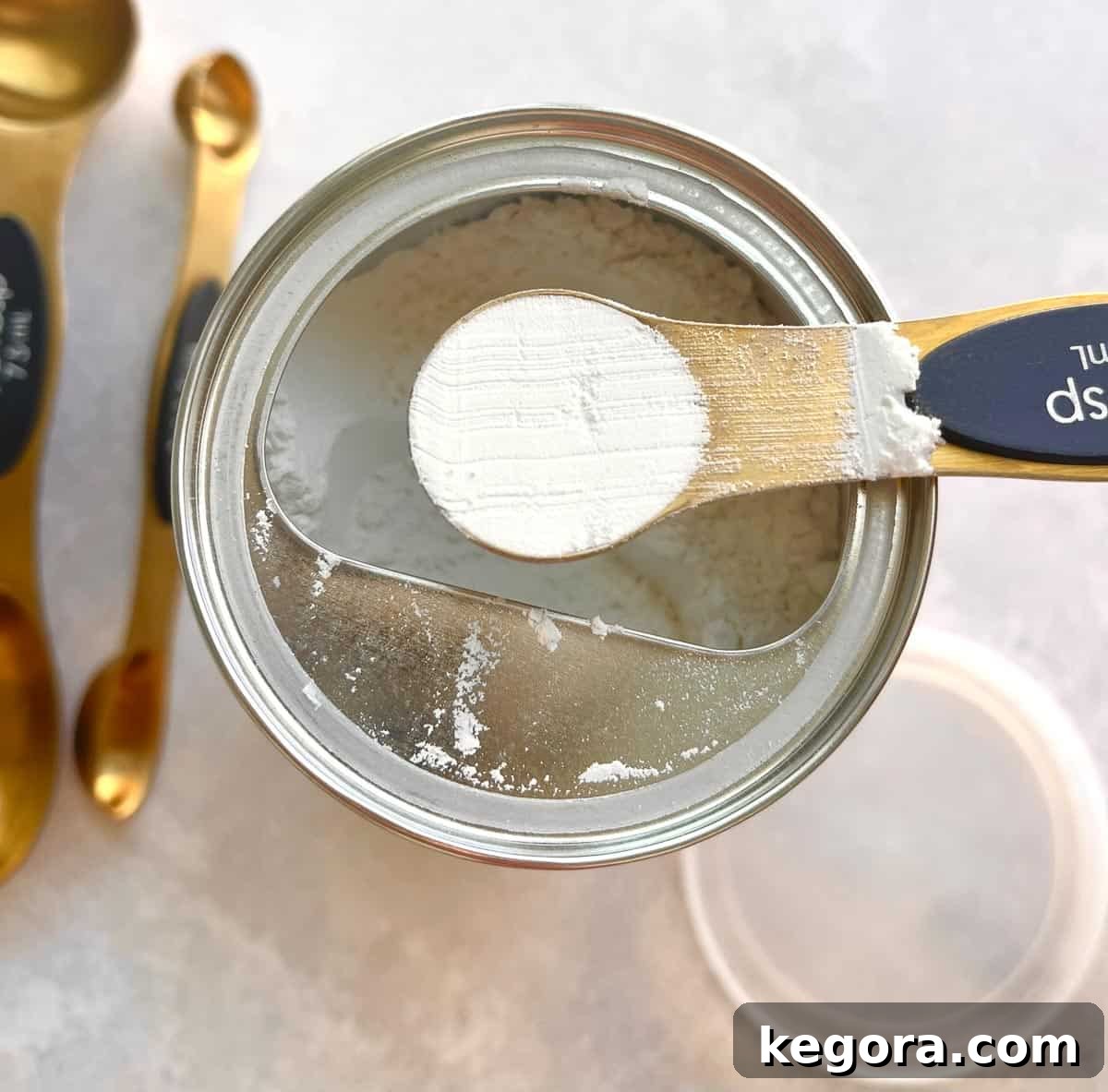
Navigating a gluten-free lifestyle requires careful attention to every ingredient, even the most seemingly innocuous ones. For passionate bakers, ensuring that every component of their recipe is safe and compliant with a gluten-free diet is paramount. This often leads to a fundamental question about common pantry staples: Is baking powder gluten-free?
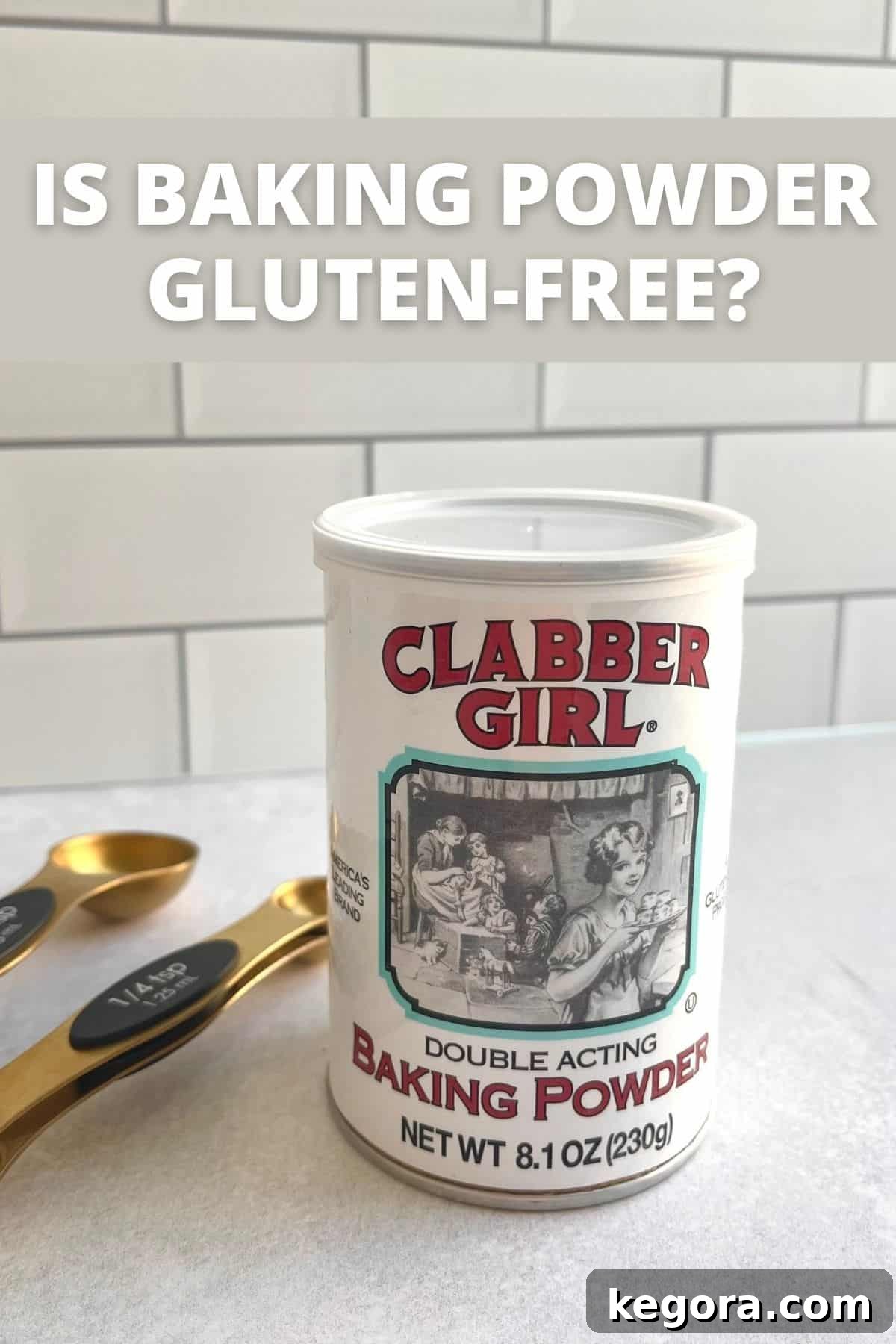
The good news is, for the most part, baking powder is indeed gluten-free. However, there are crucial details and considerations that every individual on a gluten-free diet, especially those with celiac disease or gluten sensitivity, needs to be aware of. This comprehensive guide will delve into the composition of baking powder, explain potential pitfalls, and help you make informed choices for all your gluten-free baking adventures.
What Exactly is Baking Powder? The Science of Leavening
Baking powder is a widely used chemical leavening agent that plays a vital role in countless baked goods, from fluffy pancakes to airy cakes and quick breads. Its primary function is to introduce gas into doughs and batters, causing them to rise and develop a light, tender texture. Without it, your baked creations would likely turn out dense, flat, and unappealing.
This seemingly simple white powder is actually a carefully formulated mixture of several distinct components, each contributing to its leavening power. Understanding these ingredients is key to determining its gluten-free status and appreciating its magic in the kitchen.
The Core Ingredients of Baking Powder
Typical baking powder is a blend of three main types of ingredients:
- Baking Soda (Sodium Bicarbonate): This is the alkaline component. When combined with an acid and moisture, it produces carbon dioxide gas, which is responsible for the “rise.”
- An Acid: To activate the baking soda, an acidic ingredient is necessary. Common acids found in baking powder include:
- Cream of Tartar (Potassium Bitartrate): A natural byproduct of winemaking, this is a fast-acting acid.
- Sodium Aluminum Sulfate: A slower-acting acid.
- Monocalcium Phosphate: Another common acid that can react at different stages of baking.
The type and combination of acids determine whether the baking powder is “single-acting” or “double-acting.”
- A Starch: A neutral starch is included in baking powder for two main reasons. Firstly, it absorbs moisture, preventing the acid and baking soda from reacting prematurely during storage. Secondly, it acts as a filler, standardizing the mixture and making it easier to measure accurately.
It is the starch component that primarily raises questions about gluten content. However, the good news is that most commercial baking powders utilize naturally gluten-free starches. The most common choices are cornstarch and potato starch, both of which are inherently free from gluten. Less commonly, tapioca starch may also be used.
Single-Acting vs. Double-Acting Baking Powder: What’s the Difference?
When you pick up a can of baking powder, you might notice labels indicating “single-acting” or “double-acting.” This distinction refers to how and when the leavening agent creates carbon dioxide gas:
- Single-Acting Baking Powder: This type contains only one acid that reacts immediately upon contact with liquid. Once mixed into a batter, the leavening action begins right away, so batters made with single-acting baking powder need to be baked promptly to prevent loss of leavening power. Historically, cream of tartar was the primary acid used in single-acting powders.
- Double-Acting Baking Powder: Far more common in modern kitchens, double-acting baking powder contains two different acids. The first acid reacts when moistened (at room temperature), and the second acid reacts when exposed to heat (in the oven). This two-stage reaction provides a sustained leavening effect, offering a “safety net” for bakers. It means your batter has more flexibility and doesn’t need to be rushed into the oven immediately, as it will get a second boost of rise during baking. Most commercially available baking powders today are double-acting, typically containing monocalcium phosphate and sodium aluminum sulfate.
From a gluten-free perspective, the type of action (single or double) does not impact the gluten content. The key remains the source of the starch and the manufacturing process.
Does Baking Powder Contain Gluten? The Definitive Answer
As established, the fundamental ingredients of baking powder—baking soda, an acid (like cream of tartar or sodium aluminum sulfate), and a starch (such as cornstarch or potato starch)—are all naturally gluten-free. Therefore, in its purest form, baking powder does not contain gluten.
The Critical Concern: Cross-Contamination
While the ingredients themselves are typically gluten-free, the primary concern for individuals with celiac disease or severe gluten sensitivity is potential cross-contamination. This can occur if baking powder is manufactured or packaged in facilities that also process gluten-containing products, like wheat flour. Even trace amounts of gluten can be problematic for some individuals, triggering adverse reactions.
For this reason, it is absolutely essential to verify the gluten-free status of any baking powder you purchase. You cannot assume that because its core components are gluten-free, the final product is guaranteed safe from gluten exposure.
Why Starch is Key for Gluten-Free Status
The role of starch in baking powder is not just functional; it’s central to its gluten-free identity. The most commonly used starches—cornstarch (derived from corn) and potato starch (derived from potatoes)—are excellent choices because they are naturally free from gluten proteins. These starches prevent the premature reaction of the acidic and alkaline components by absorbing residual moisture and creating a stable, shelf-stable powder.
If a manufacturer were to use a wheat-derived starch, the baking powder would then contain gluten. However, this is exceptionally rare in modern food production for baking powder due to both cost and consumer demand for gluten-free options. Still, vigilance through label reading remains the best practice.
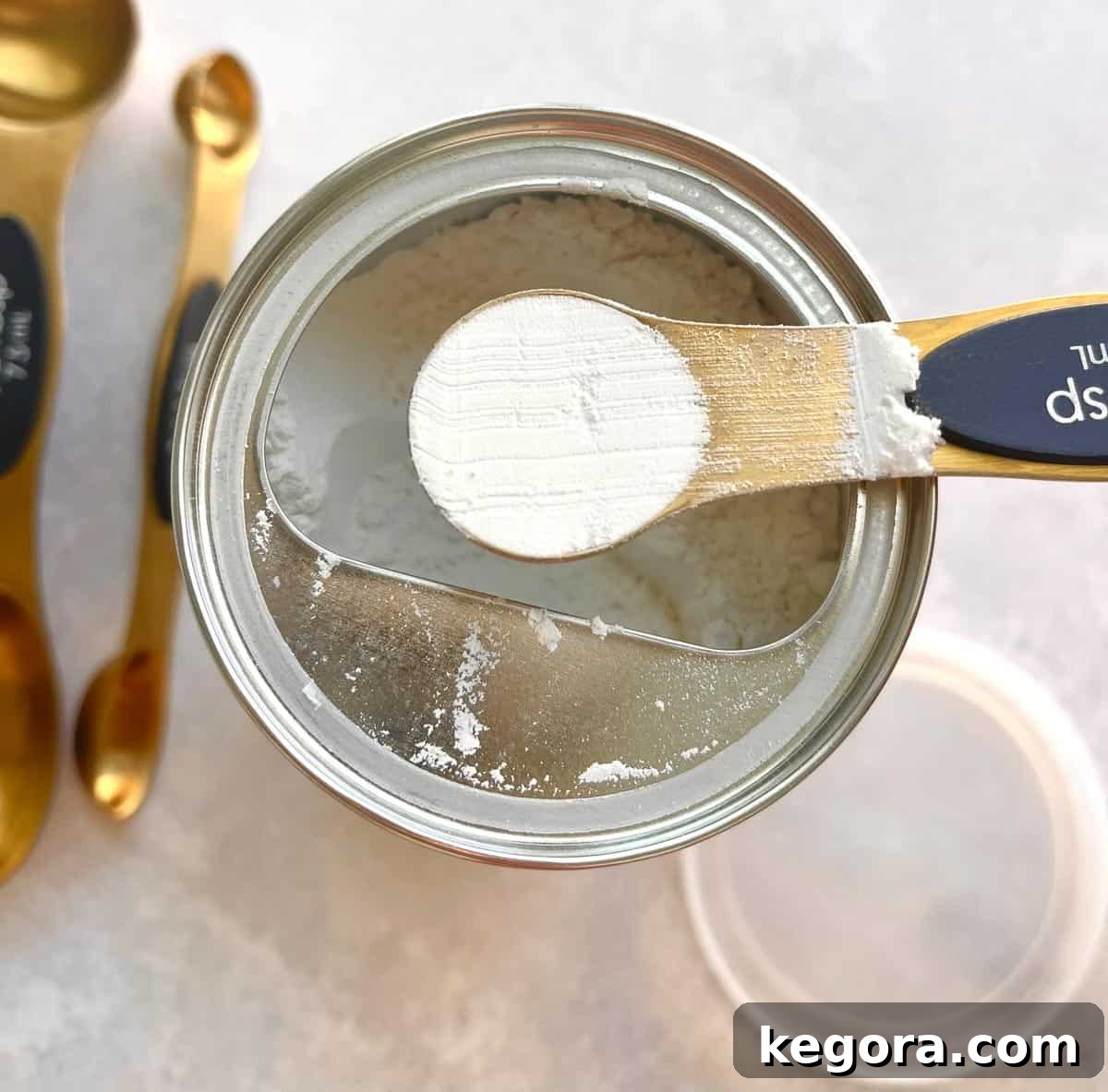
Baking Powder vs. Baking Soda: Understanding the Differences for Gluten-Free Baking
While often confused or mistakenly thought of as interchangeable, baking powder and baking soda are distinct leavening agents with different properties and uses in gluten-free baking. Understanding their nuances is key to achieving successful results.
The Fundamental Distinction
- Baking Soda (Sodium Bicarbonate): This is a pure alkaline compound. For baking soda to create carbon dioxide gas and cause leavening, it *must* be combined with an acidic ingredient (e.g., buttermilk, yogurt, lemon juice, vinegar, brown sugar, molasses, honey, cocoa powder) in a recipe. Without an acid, baking soda will not react and will impart an unpleasant soapy or metallic taste to your baked goods.
- Baking Powder: As we’ve discussed, baking powder is a complete leavening system, containing both an alkaline component (baking soda) and an acid (or multiple acids) pre-mixed with a starch. It only requires moisture (and heat for double-acting varieties) to initiate its leavening action.
When to Use Which in Gluten-Free Recipes
Gluten-free baking often benefits from both baking powder and baking soda. The choice depends on the other ingredients in your recipe:
- Use Baking Soda when: Your recipe already contains significant acidic ingredients that can activate the baking soda. It’s often used to neutralize acidity and contribute to browning.
- Use Baking Powder when: Your recipe doesn’t contain enough acidic ingredients to activate baking soda, or you need a more consistent and sustained rise, especially with double-acting types.
- Using Both: Many gluten-free recipes strategically use both baking powder and baking soda. Baking soda reacts with an acid for an initial lift and to balance flavors, while baking powder provides a secondary, sustained lift, which is particularly beneficial for gluten-free flours that often lack the structural integrity of wheat flour.
Substituting Baking Powder for Baking Soda (and vice versa)
While not ideal, substitutions can sometimes be made with careful adjustments:
- Replacing Baking Powder with Baking Soda: This is generally not recommended unless your recipe contains a sufficient amount of acid (e.g., yogurt, sour cream, buttermilk). If you must, use 1/4 teaspoon of baking soda for every 1 teaspoon of baking powder, and ensure an acidic ingredient is present. Without enough acid, your baked goods will not rise and may have a bitter taste.
- Replacing Baking Soda with Baking Powder: You can generally substitute baking powder for baking soda, but you’ll need significantly more baking powder, and you’ll need to account for the lack of acidity that baking soda might have been intended to neutralize. Use 1 teaspoon of baking powder for every 1/4 teaspoon of baking soda. This replacement works best in recipes that don’t rely heavily on baking soda for flavor balance or to interact with other acids.
Always remember that precise measurements are crucial in baking, especially in gluten-free recipes where the balance of leavening agents directly impacts texture and rise.
Shelf Life and Testing Potency
Baking powder and baking soda don’t last forever. Their effectiveness diminishes over time, leading to poor leavening results. Proper storage in a cool, dry place in an airtight container helps preserve them. Generally, an unopened container of baking powder can last up to 18 months, and an opened one for about 6-12 months. Baking soda also typically lasts around 6 months once opened.
You can quickly test their potency:
- To test Baking Powder: Place 1 teaspoon of baking powder in a small bowl and pour 1/4 cup of hot (not boiling) water over it. If it bubbles vigorously, it’s still active. If there are few bubbles or none at all, it’s time to replace it.
- To test Baking Soda: Place 1/4 teaspoon of baking soda in a small bowl and add 2 tablespoons of white vinegar or lemon juice. If it fizzes immediately and strongly, it’s good to use. A weak or absent reaction indicates it has lost its potency.
Choosing Gluten-Free Baking Powder: Brands You Can Trust
Given the importance of avoiding cross-contamination, selecting a baking powder brand that explicitly labels itself as gluten-free is the safest approach. Many reputable brands go the extra mile to ensure their products meet strict gluten-free standards and provide clear labeling for consumers with dietary restrictions. Always look for a “gluten-free” certification or statement on the packaging.
Here’s a list of commonly available baking powder brands that are known to be gluten-free, but always double-check the label as formulations can change:
- Argo Baking Powder
- Bakewell Cream
- Bob’s Red Mill Baking Powder
- Clabber Girl Baking Powder
- Davis Baking Powder
- Dr. Oetker Baking Powder
- Ener-G Baking Powder
- Fleischmann’s Double Acting Baking Powder Gluten Free
- Gefen Baking Powder
- Goldbaums Baking Powder
- Hain Pure Foods Featherweight
- Hearth Club Baking Powder
- I’m Free Perfect Gluten-Free Baking Powder
- Roots Circle Baking Powder
- Royal Baking Powder
- Rumford Baking Powder
If a product does not explicitly state “gluten-free” on the front, always check the allergen statement, which is typically found near the ingredient list. Look for phrases like “Contains: Wheat” or “May contain: Wheat,” which would indicate it is not safe. If you see “Manufactured in a facility that also processes wheat,” use your discretion based on your sensitivity level, but a certified gluten-free label is always the safest bet.
Common Questions About Gluten-Free Baking Powder
Yes, baking powder is generally okay for individuals with celiac disease, provided it is certified and labeled as gluten-free. While the core ingredients are naturally gluten-free, the risk of cross-contamination during processing means that checking for an explicit “gluten-free” label or certification is crucial to ensure safety and avoid any gluten-containing ingredients or traces.
Absolutely. Baking powder is an excellent ingredient for gluten-free bread. Since gluten-free flours lack the elastic network that gluten provides, they often need a boost from chemical leavening agents like baking powder to achieve a desirable rise and light, fluffy texture. It helps to create the necessary air pockets that contribute to a softer crumb in gluten-free loaves.
Yes, it is not only possible but often essential to use baking powder with gluten-free flours. Gluten-free flours, whether single-grain (like rice flour or almond flour) or a blend, generally lack the structure and elasticity of wheat flour. Baking powder helps these flours rise effectively, ensuring that your baked goods aren’t dense or gummy. While baking soda can be used instead for similar results, it usually needs to be combined with an acidic ingredient (like buttermilk or cream of tartar) to activate properly and contribute to the desired texture and rise.
Yes, you can easily make your own gluten-free baking powder at home, which guarantees its gluten-free status. The standard ratio is one part baking soda, two parts cream of tartar, and one part cornstarch (or potato starch). For example, combine 1 teaspoon of baking soda with 2 teaspoons of cream of tartar and 1 teaspoon of cornstarch. Mix well. This DIY version is single-acting, so use it quickly after mixing and bake your batter immediately.
The Bottom Line: Baking Powder and Your Gluten-Free Journey
Baking powder is a staple ingredient that is generally safe for gluten-free diets. Its essential components – baking soda, acid, and starch – are naturally free from gluten. It is a vital leavening agent that ensures your gluten-free baked goods achieve the desired rise and airy texture, preventing them from falling flat. However, the critical takeaway for anyone managing a gluten-free lifestyle is the importance of diligent label reading. Always seek out products explicitly marked “gluten-free” to confidently avoid potential cross-contamination and ensure your baking adventures are delicious and safe.
More Articles on Gluten-Free Living
5 Gluten-Free Halloween Treats To Bake This Week
Top 15 BEST Gluten-Free Pumpkin Recipes
Gluten-Free Taco Seasoning
The 25 BEST Gluten-Free Thanksgiving Desserts
Are Swedish Fish Gluten-Free?
Gluten-Free Candy List 2025!
Gluten-Free Beer (What to Look for + 2025 Brand List!)
Gluten-Free Alcohol 2025 List
You might also find these articles helpful:
- Is Buckwheat Gluten-Free?
- Are Snickers Gluten-Free?
- Is Oat Milk Gluten-Free?
- Are French Fries Gluten-Free?
- Are Marshmallows Gluten-Free?
- Are Macarons Gluten-Free?
- Are Doritos Gluten-Free?
- Are Grits Gluten-Free?
- Chick-fil-A Gluten-Free Options