
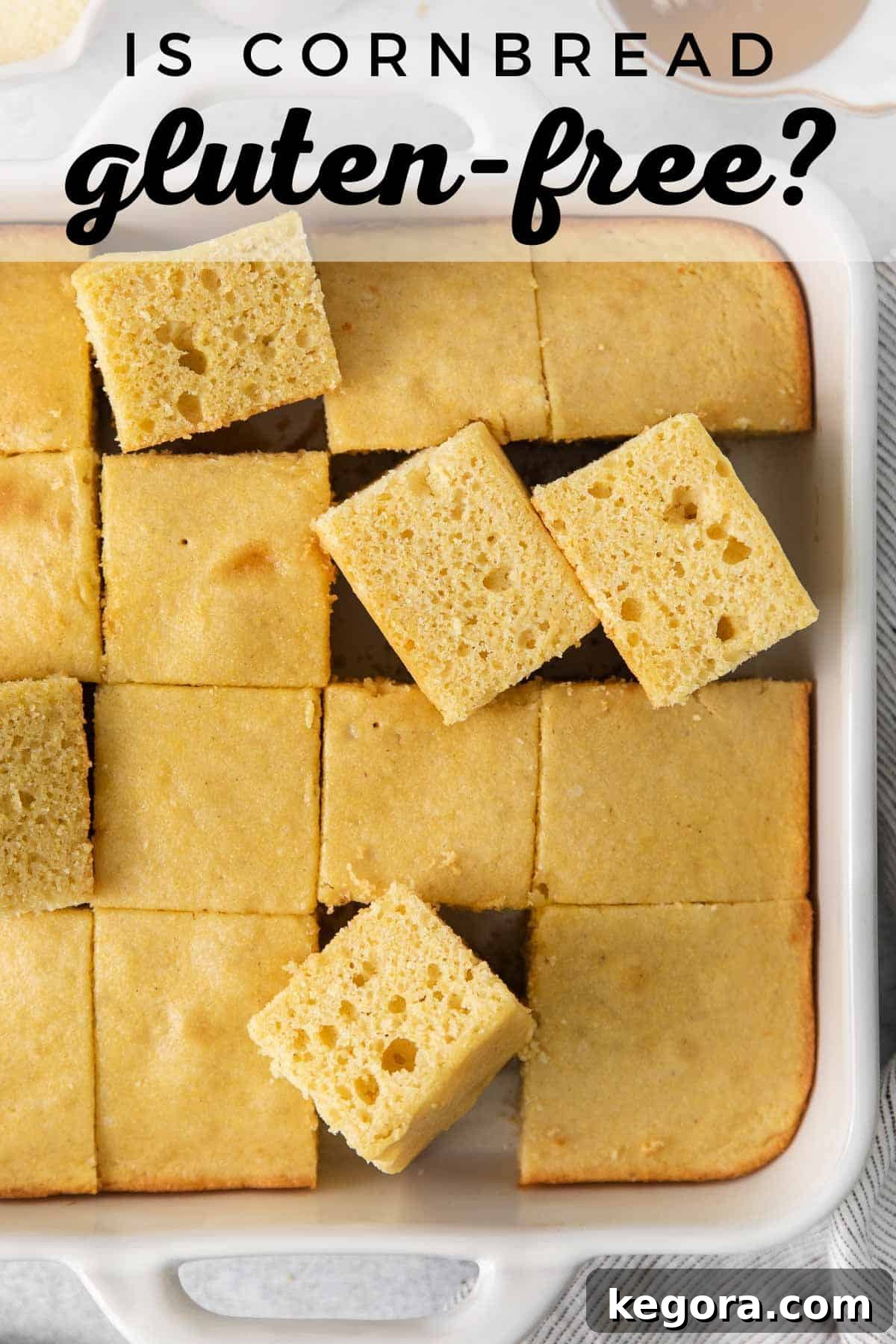
Are you navigating a gluten-free diet but still craving the comforting taste of cornbread? This comprehensive guide reveals everything you need to know about eating cornbread on a gluten-free diet, from understanding ingredients to finding delicious alternatives.
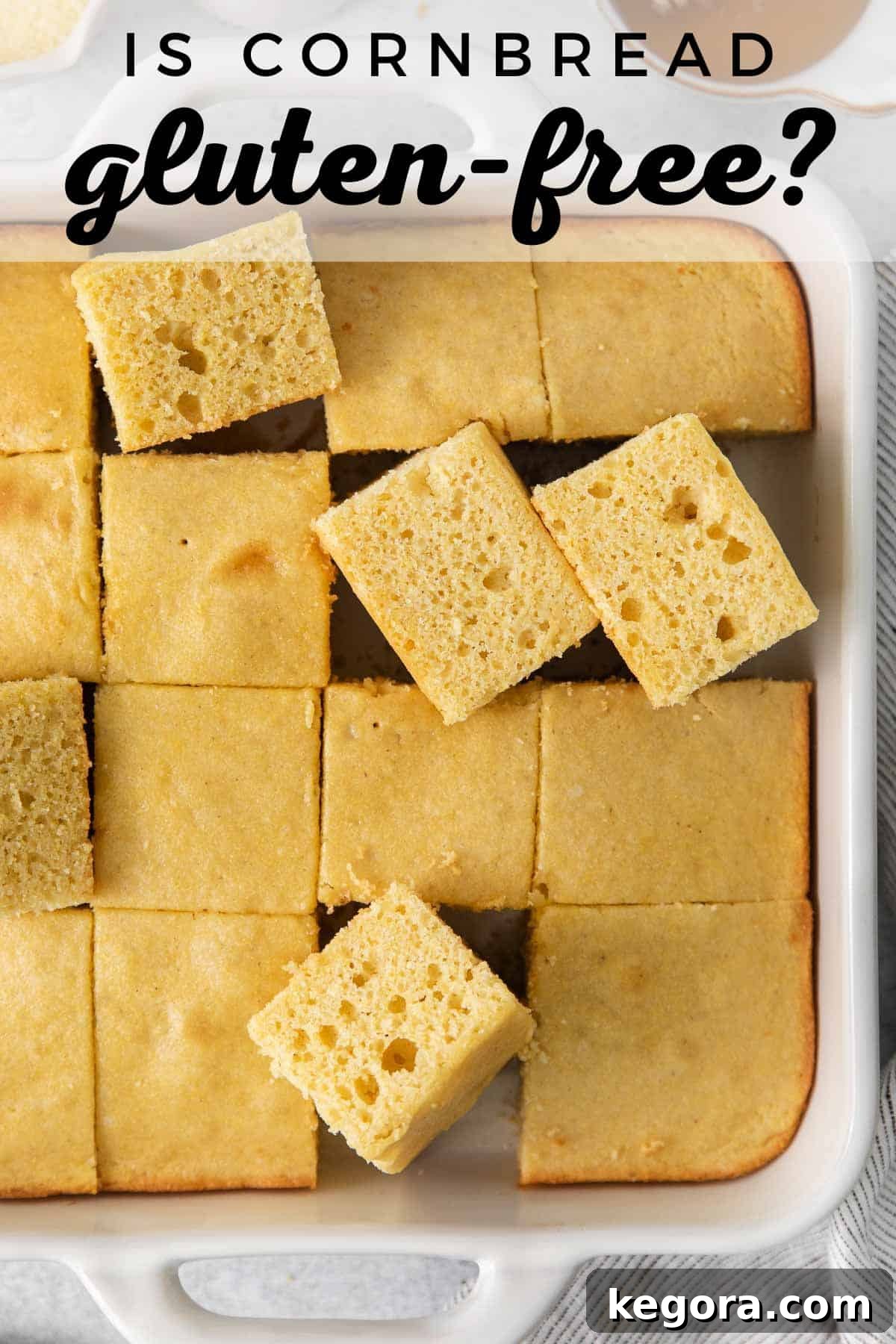
SHORT ANSWER: In most cases, traditional cornbread is NOT gluten-free. It’s typically made with a combination of naturally gluten-free cornmeal and wheat flour, which contains gluten. Always meticulously check ingredient labels to ensure your cornbread is safe for a gluten-free diet.
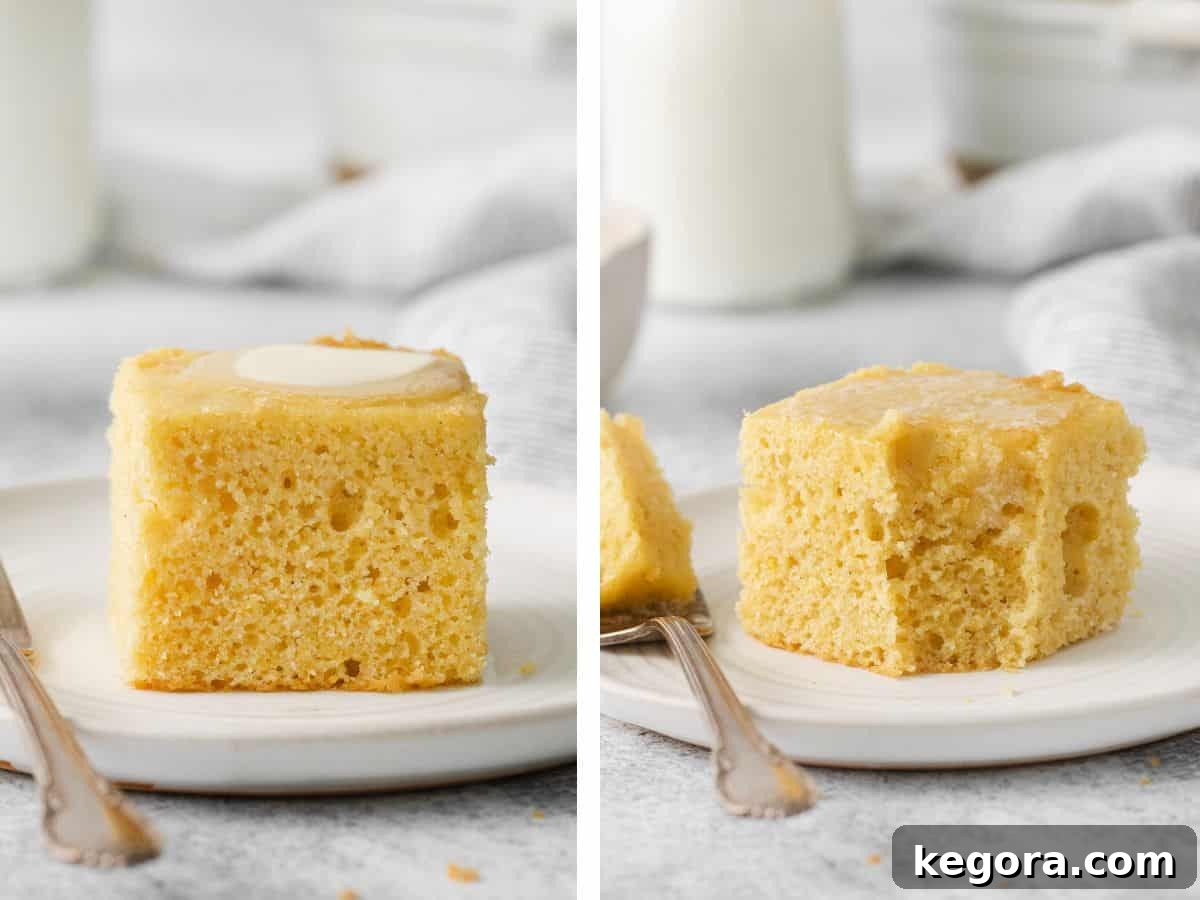
Cornbread holds a special place in the hearts of many, especially as a cherished staple of Southern cuisine. This delightful, often slightly sweet, and wonderfully crumbly bread is the epitome of comfort food. Imagined with a perfectly golden-brown crust, a tender interior, and perhaps a generous slather of butter and a drizzle of honey, it’s truly irresistible.
In our home, a batch of sweet gluten-free cornbread is the ultimate companion to hearty meals like gluten-free chili, warming stews, or a comforting bowl of soup. It serves as the perfect edible utensil, soaking up every last delicious drop and ensuring no flavor goes to waste!
Whether your preference leans towards the sweet variety with hints of sugar or honey, or the more traditional savory cornbread often enjoyed plain or with a touch of spice, it’s a universally loved dish. Some adventurous cooks even elevate their cornbread with delightful additions like canned corn kernels, spicy green chilies, or gooey cheese. The versatility of cornbread knows no bounds.
However, if you’re among the growing number of individuals following a gluten-free diet, whether due to celiac disease, gluten sensitivity, or simply a lifestyle choice, a crucial question often arises: “Is cornbread gluten-free?” After all, corn itself is naturally gluten-free, so it’s a reasonable assumption, right? The answer, as you’ll soon discover, is a bit more nuanced than a simple yes or no.
In this in-depth guide, we’ll delve into all your pressing questions about cornbread and gluten-free diets, helping you navigate your options with confidence and ensuring you can still enjoy this beloved culinary classic.
Is Cornbread Gluten-Free? The Definitive Answer
The straightforward answer to “Is cornbread gluten-free?” is generally no, traditional cornbread is not gluten-free. While corn, the primary ingredient in cornmeal, is naturally free of gluten, most conventional cornbread recipes and commercial mixes incorporate wheat flour. Wheat flour, as a common grain, contains gluten, making these products unsuitable for individuals with celiac disease or gluten intolerance.
Gluten is a protein found in wheat, barley, rye, and triticale. For those with celiac disease, even small amounts of gluten can trigger an autoimmune response that damages the small intestine. For individuals with non-celiac gluten sensitivity, gluten can cause a range of uncomfortable symptoms, from digestive issues to fatigue.
However, there’s excellent news for cornbread lovers! The market for gluten-free baking has expanded significantly. You can now find numerous brands offering dedicated gluten-free cornbread mixes. Additionally, making delicious gluten-free cornbread from scratch at home is entirely achievable and often yields superior results. In these gluten-free versions, wheat flour is typically replaced with a specially formulated gluten-free flour blend, ensuring the same great taste and texture without the gluten.
Understanding Gluten in Cornbread Ingredients
To fully grasp why traditional cornbread often contains gluten, it’s essential to look at its common ingredients:
- Cornmeal: This is the hero ingredient, derived from dried corn. Pure cornmeal is inherently gluten-free. However, cross-contamination can occur if it’s processed in facilities that also handle wheat, barley, or rye. Always opt for certified gluten-free cornmeal to be safe.
- Wheat Flour: This is where gluten enters the picture. Many traditional recipes call for a mix of cornmeal and wheat flour (all-purpose flour) to achieve a lighter texture and better binding properties than cornmeal alone might provide.
- Eggs, Milk, Butter/Oil: These liquid and fat components are naturally gluten-free and contribute to the moisture and richness of the cornbread.
- Leavening Agents (Baking Powder/Baking Soda): Most baking powders are gluten-free, but it’s always wise to check labels, especially for brands that might use starch carriers derived from wheat.
- Sweeteners (Sugar, Honey): These are naturally gluten-free.
The inclusion of wheat flour is the primary reason why “regular” cornbread is off-limits for a gluten-free diet. The good news is that with modern gluten-free flour blends and dedicated recipes, you don’t have to sacrifice flavor or texture.
Making the Switch to Gluten-Free Cornbread: Your Options
Embracing gluten-free cornbread opens up a world of delicious possibilities. You primarily have two routes to enjoy this staple:
1. Store-Bought Gluten-Free Cornbread Mixes
Many reputable brands now offer excellent gluten-free cornbread mixes. These mixes take the guesswork out of combining flours and ensure a consistent, delicious result. Look for clear “gluten-free” labeling on the packaging. Popular and highly-rated brands include:
- Bob’s Red Mill Gluten-Free Cornbread Mix: Known for its quality, Bob’s Red Mill offers a reliable gluten-free option that’s easy to prepare.
- Krusteaz Gluten-Free Honey Cornbread & Muffin Mix: This mix provides a slightly sweeter profile, often made with a blend of yellow cornmeal, millet flour, and sorghum flour, ensuring a delightful taste and texture.
- King Arthur Baking Company Gluten-Free Cornbread & Muffin Mix: King Arthur is a favorite among bakers for its consistent, high-quality gluten-free products, and their cornbread mix is no exception.
- Martha White: While many of their standard mixes contain gluten, Martha White offers specific gluten-free varieties like Gladiola Gluten Free Yellow Cornbread and Gluten Free Sweet Yellow Cornbread & Muffin Mix. Always double-check the specific product name.
When purchasing, always verify the product packaging for a “certified gluten-free” label, especially if you have celiac disease, to avoid any potential cross-contamination.
2. Baking Gluten-Free Cornbread from Scratch
For those who love to bake, making gluten-free cornbread from scratch offers the ultimate control over ingredients and flavor. It’s surprisingly simple and incredibly rewarding. Many recipes use a combination of naturally gluten-free flours to mimic the texture and structure typically provided by wheat flour. Common gluten-free flour blends for cornbread might include:
- Cornmeal: The base, providing the signature flavor and texture.
- Rice Flour (white or brown): Adds structure and a neutral flavor.
- Sorghum Flour: Contributes a soft texture and a slightly sweet, mild flavor.
- Millet Flour: Offers a delicate, buttery flavor and helps with tenderness.
- Tapioca Starch or Potato Starch: Used as binders and for creating a tender crumb.
- Xanthan Gum: Often added in small amounts to gluten-free baked goods to provide elasticity and structure that gluten would normally offer.
Our homemade gluten-free cornbread recipe is a true game-changer. It incorporates a unique “secret ingredient”—whipped egg whites—which results in an incredibly light, fluffy, and moist cornbread that will quickly become your new favorite. Trust us, it’s often hailed as the best gluten-free cornbread recipe you’ll ever try!
Beyond our signature recipe, consider trying these delightful variations: gluten-free corn muffins for individual portions or a comforting gluten-free corn casserole that perfectly combines creamy corn with a golden cornbread topping.
Specific Brands & Gluten-Free Concerns
Is Jiffy Cornbread Gluten-Free?
Unfortunately, no, Jiffy cornbread is not gluten-free. The very first ingredient listed in Jiffy Corn Muffin Mix is wheat flour, which contains gluten. This means that if you have celiac disease or a gluten intolerance, you must avoid all standard Jiffy cornbread and muffin mixes found in grocery stores. As of now, the Jiffy brand does not offer any variations that are specifically formulated to be gluten-free.
However, if you’re a fan of that classic Jiffy taste and texture, you can certainly make your own copycat gluten-free Jiffy-style cornbread mix from scratch, substituting wheat flour with a suitable gluten-free blend. This allows you to recreate that beloved flavor safely.
Is Cornbread Stuffing Gluten-Free?
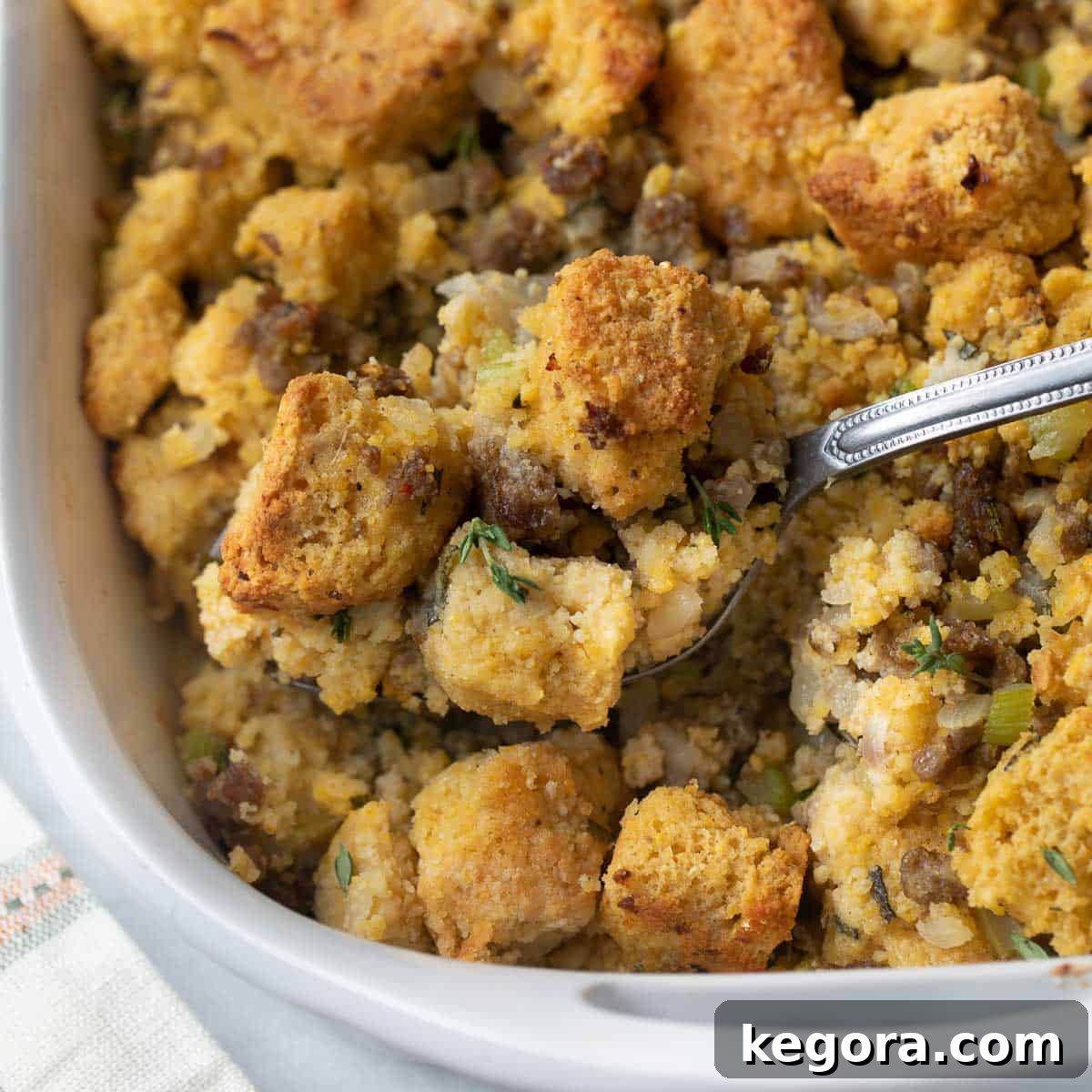
Similar to regular cornbread, traditional cornbread stuffing is typically not gluten-free. Most cornbread stuffing recipes call for cornbread (which, as we’ve established, usually contains wheat flour). Sometimes, stuffing might even be made with a mix of cornbread and other types of bread, almost all of which are wheat-based.
The good news is that you absolutely can enjoy delicious cornbread stuffing on a gluten-free diet! To make gluten-free cornbread stuffing, you simply need to start with a gluten-free cornbread recipe. Our homemade gluten-free cornbread is an excellent base, made with certified gluten-free cornmeal and a carefully selected blend of gluten-free flours. Once you have your gluten-free cornbread, you can easily adapt any favorite stuffing recipe by substituting the traditional cornbread with your gluten-free version. It’s a fantastic way to ensure everyone at your table can enjoy holiday meals and special occasions without worry.
Expanding Your Gluten-Free Repertoire
Beyond cornbread, there are many other delightful corn-based and gluten-free friendly dishes to explore. Don’t limit yourself to just cornbread! You might also enjoy:
- Gluten-Free Cornmeal Pancakes: A wonderful breakfast option with a hearty texture and subtle corn flavor.
- Masa for Tamales: Masa harina, a corn flour used in traditional Mexican cuisine, is naturally gluten-free and forms the basis for delicious tamales and tortillas.
- Sweet Potato Cornbread: A unique twist that adds natural sweetness and moisture to your cornbread.
Exploring these options ensures that your gluten-free diet remains exciting and full of flavor!
Frequently Asked Questions About Gluten-Free Cornbread
Most standard variations of Martha White cornbread mix do contain gluten, as they use wheat flour. However, the brand is aware of the need for gluten-free options and offers two specific gluten-free varieties: Gladiola Gluten Free Yellow Cornbread Mix and Martha White Gluten Free Sweet Yellow Cornbread & Muffin Mix. Always carefully check the product label for the “gluten-free” certification to ensure you’re picking the correct one.
No, Cracker Barrel’s famous cornbread is not gluten-free. Their recipe explicitly lists enriched wheat flour as a key ingredient, and wheat flour is a primary source of gluten. Currently, Cracker Barrel does not offer any gluten-free Southern cornbread or sweet cornbread options in their restaurants or for purchase as a mix.
Krusteaz’s standard cornbread mix is not gluten-free because it contains wheat flour. However, Krusteaz understands the demand for gluten-free products and proudly offers a delicious Gluten-Free Honey Cornbread Mix. This specific mix is crafted with simple, naturally gluten-free ingredients like yellow cornmeal, millet flour, and sorghum flour, making it a safe and tasty choice for those avoiding gluten.
Cornmeal itself is naturally gluten-free, derived solely from corn. Therefore, it is inherently “gluten-friendly.” However, the critical factor for individuals with celiac disease or severe gluten sensitivity is potential cross-contamination. This can occur if the cornmeal is processed on equipment or in facilities that also handle wheat, barley, or rye. To ensure you’re getting truly gluten-free cornmeal, always look for a product explicitly labeled as “certified gluten-free.” Brands like Arrowhead Mills gluten-free cornmeal are excellent choices that meet this standard.
Comparing the health benefits of cornbread and traditional wheat bread depends on various factors, including the specific recipes and portion sizes. In some ways, cornbread can be seen as a healthier alternative to highly processed white bread. Per slice, cornbread often has fewer calories and may offer more essential nutrients like phosphorus, selenium, and certain B vitamins. However, many types of whole-grain wheat bread also provide significant fiber and vital nutrients. It’s important to note that many cornbread recipes, especially the “sweet” varieties, can contain a substantial amount of added sugar, which can increase calorie count and diminish health benefits. When evaluating, consider the ingredients – homemade whole-grain cornbread (gluten-free or not) with minimal added sugar will generally be healthier than a highly refined, sugary alternative. Always focus on a balanced diet and choose options that align with your dietary needs.
While both are derived from dried corn, the main difference lies in their grind. Cornmeal is coarser, with a gritty, sandy texture. It’s what gives cornbread its characteristic crumbly texture. Corn flour, on the other hand, is very finely ground, almost powdery, similar to wheat flour. It’s often used as a thickener, in gluten-free baking blends for a smoother texture, or to make tortillas and other corn-based products where a finer consistency is desired. Both are naturally gluten-free, provided there’s no cross-contamination during processing.
Generally, no, you cannot directly substitute cornmeal for wheat flour in most recipes cup-for-cup. Wheat flour contains gluten, which provides elasticity and structure that cornmeal lacks. While cornmeal works wonderfully in cornbread and other specific corn-based dishes, using it as a direct substitute in recipes designed for wheat flour (like yeasted breads or delicate cakes) would result in a very dense, crumbly, and often dry product. For gluten-free baking beyond cornbread, it’s best to use a pre-mixed gluten-free all-purpose flour blend that specifically balances different gluten-free flours and starches to mimic the properties of wheat flour.
The Bottom Line: Enjoying Gluten-Free Cornbread
So, is cornbread gluten-free?
In most traditional cases, no, it is not. Authentic, classic cornbread recipes and many store-bought mixes are prepared with a blend of cornmeal and wheat flour. This means they contain gluten and are not suitable for individuals with celiac disease, gluten sensitivity, or those adhering to a strict gluten-free diet.
However, the good news is incredibly promising! You don’t have to miss out on this beloved comfort food. The market is rich with excellent gluten-free alternatives:
- You can easily purchase high-quality gluten-free cornbread mixes from trusted brands like Bob’s Red Mill, King Arthur Baking Company, and Krusteaz. Always remember to scrutinize the package for a clear “gluten-free” label or certification.
- For those who enjoy baking, making gluten-free cornbread from scratch at home is a fantastic option. Using naturally gluten-free cornmeal alongside specialized gluten-free flour blends allows you to create a moist, flavorful, and safe cornbread that often surpasses its traditional counterparts. Our homemade recipe is a perfect starting point!
With careful attention to ingredients and a little planning, you can wholeheartedly enjoy delicious cornbread, whether as a savory side, a sweet treat, or incorporated into other dishes like stuffing, without any gluten concerns. Happy baking and eating!
MORE ARTICLES ON GLUTEN-FREE LIVING
5 Gluten-Free Halloween Treats To Bake This Week
Top 15 BEST Gluten-Free Pumpkin Recipes
Gluten-Free Taco Seasoning
The 25 BEST Gluten-Free Thanksgiving Desserts
Are Swedish Fish Gluten-Free?
Gluten-Free Candy List 2025!