
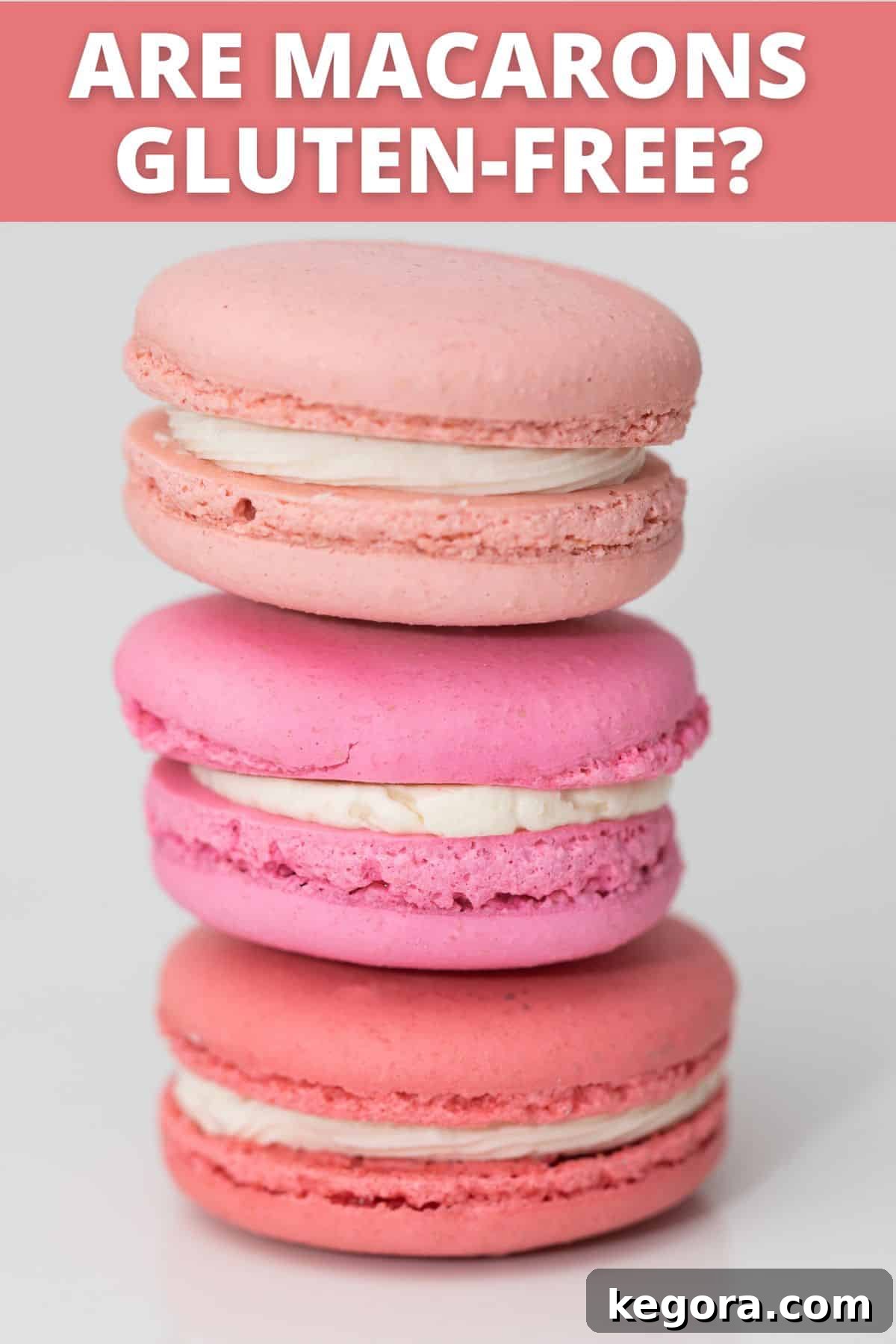
French macarons are universally adored for their delicate texture, vibrant colors, and exquisite flavors. These sophisticated confections, often mistaken for their chewier coconut counterparts, have captivated palates worldwide. But for those navigating a gluten-free lifestyle, a crucial question arises: are these dainty delights truly gluten-free? Join us as we explore the intricate world of French macarons and uncover their gluten-free status.
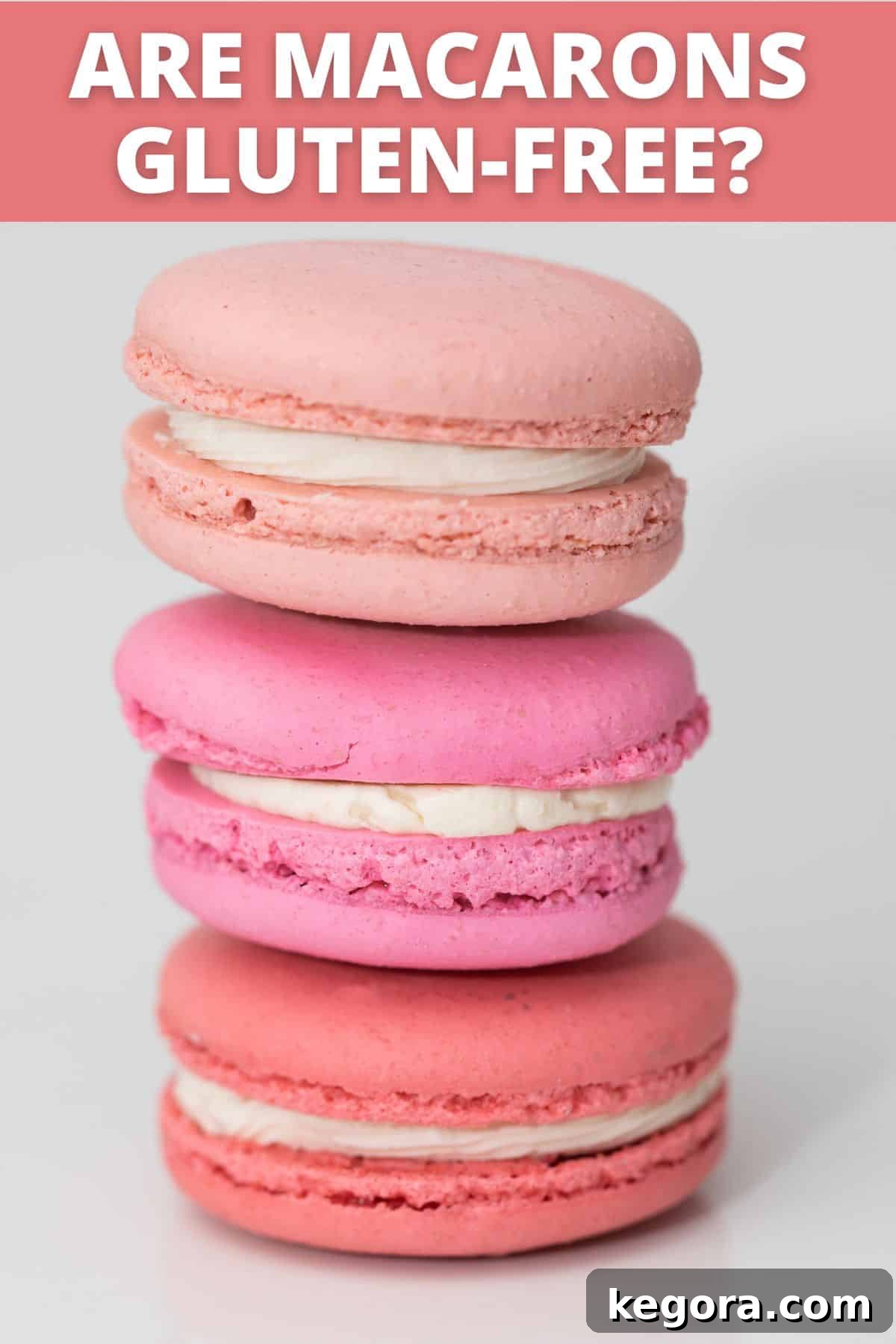
Macarons, with their striking appearance and harmonious blend of crisp shell and soft filling, have become an emblem of Parisian patisserie. Their surge in popularity across the U.S. since the early 2010s has made them a coveted sweet treat. However, for individuals with celiac disease or gluten sensitivity, understanding the ingredients is paramount.
SHORT ANSWER: Yes… usually!
Traditional French macarons are inherently gluten-free, crafted primarily from fine almond flour, delicate egg whites, and a blend of granulated and powdered sugars. These core ingredients are naturally devoid of gluten.
Nevertheless, the landscape of macaron flavors is diverse and ever-evolving. Some bakeries might introduce gluten-containing components in specific flavor variations or for textural purposes. Therefore, exercising diligence by scrutinizing ingredient labels and engaging with bakers about their recipes is crucial. Furthermore, the risk of cross-contamination in shared facilities, where wheat flour is also processed, remains a significant concern for those with severe gluten sensitivities.
If you’re exploring other gluten-free options, you might also find these articles helpful: are Oreos gluten-free, are marshmallows gluten-free, are Reese’s gluten-free, are M&Ms gluten-free, is Cool Whip gluten-free, and gluten-free graham crackers.
Are Macarons Gluten-Free? Understanding the Core Ingredients
For the most part, French macarons are indeed gluten-free, making them a safe and delicious indulgence for many on a gluten-free diet. The magic behind their delicate structure and distinct texture lies in a remarkably simple list of ingredients, none of which traditionally contain gluten:
- Egg Whites: Essential for creating the stable meringue base, providing the macaron’s signature airy and crisp shell.
- Cream of Tartar (or lemon juice): A common stabilizer for egg whites, helping them achieve stiff peaks and maintain structure during baking.
- Granulated Sugar: Contributes to the sweetness and helps in creating a stable meringue.
- Powdered Sugar (Confectioners’ Sugar): Adds sweetness and aids in achieving the smooth texture of the macaron shells. It’s important to ensure powdered sugar does not contain corn starch or other anti-caking agents that might have gluten, though this is rare.
- Almond Flour (or Almond Meal): This is the primary flour substitute in macarons. Made from finely ground blanched almonds, it is naturally gluten-free and provides the distinctive chewy texture and nutty flavor.
- Flavor Extracts: Pure extracts like almond, vanilla, or coconut are typically gluten-free.
- Food Coloring: Natural or artificial gel food colorings are generally gluten-free, used to achieve the macarons’ vibrant hues.
Beyond the shells, macaron fillings are usually gluten-free too. Popular choices like rich buttercream frosting, sweet fruit jams, and decadent chocolate ganache are traditionally made with gluten-free components. Buttercream uses butter, powdered sugar, and flavorings; jams are fruit and sugar-based; and ganache is a simple mixture of chocolate and cream.
However, potential gluten contamination can arise if a baker deviates from the traditional recipe or introduces unique flavors. For instance, incorporating ingredients like cookie crumbs (e.g., for a “cookies and cream” flavor), malt extract, or certain candy inclusions could introduce gluten. Another critical consideration is cross-contamination, especially in bakeries that handle wheat flour. Even a trace amount of wheat flour dust in the air or on shared equipment can be problematic for individuals with celiac disease. To safeguard your health, always meticulously read labels for packaged macarons or engage in a direct conversation with bakery staff to confirm their gluten-free practices and ingredient sourcing.
For more delectable almond flour recipes, be sure to try these almond flour chocolate chip cookies, almond flour snickerdoodles, and almond flour sugar cookies.
What Are French Macarons? A Culinary Masterpiece
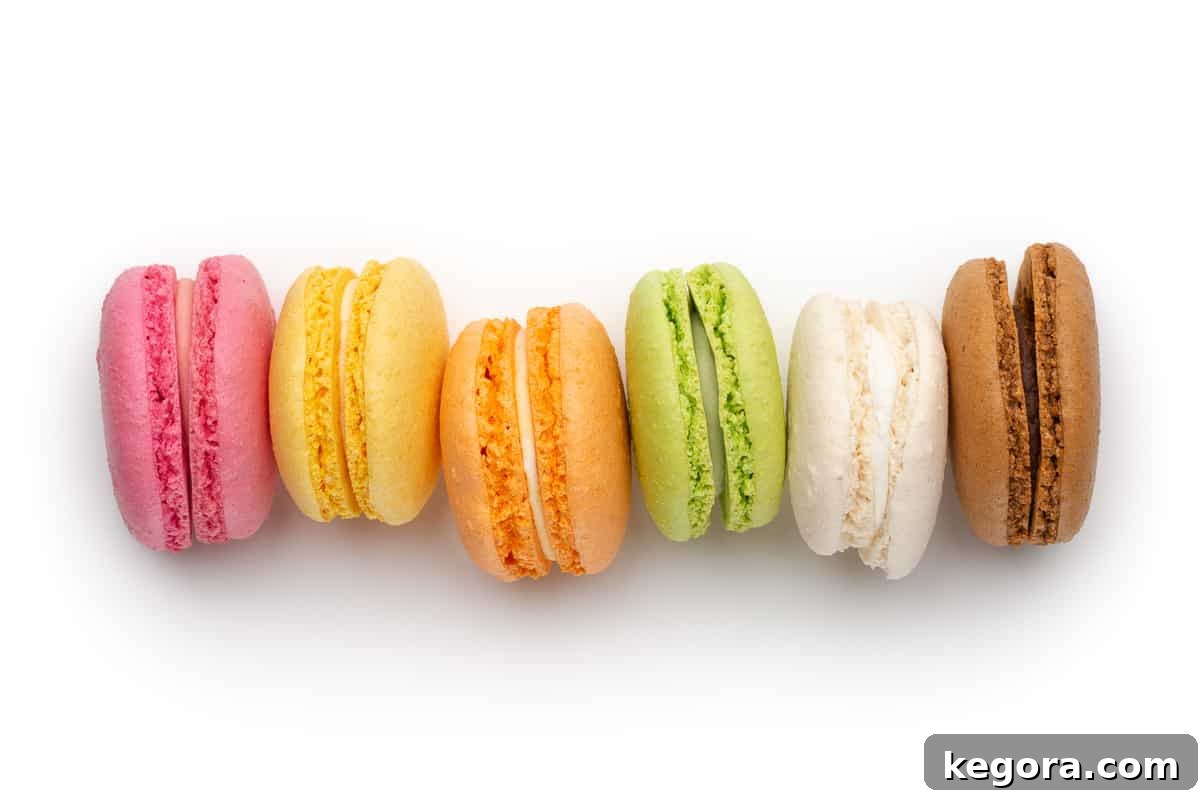
French macarons, often confused with their rustic American cousins, coconut macaroons, are an entirely distinct and sophisticated pastry. These exquisite sandwich cookies feature two delicate, crisp almond meringue wafers embracing a luscious, creamy filling. Their appeal lies not only in their taste but also in their visually stunning appearance, characterized by smooth, domed tops and a distinctive “foot” or “pied” – a ruffled edge at the base.
While the exact origins are debated, modern macarons, as we know them today, are widely credited to pastry chef Pierre Desfontaines of the renowned Parisian bakery Ladurée in the 1930s. He revolutionized the single macaron by pairing two shells with a delectable filling, transforming it into the iconic sandwich cookie. Macarons quickly gained immense popularity in Paris and throughout France, but it wasn’t until the early 21st century, specifically the 2010s, that they truly captivated the American palate. Today, prestigious establishments like Maison Ladurée boast numerous locations across the U.S., alongside a proliferation of artisanal macaron bakeries nationwide.
Crafting macarons is considered an art form, demanding precision and patience, making them notoriously finicky for the home baker. Every step, from ingredient preparation to baking, is critical to achieving the perfect result:
- Precise Measurement and Sifting: Almond flour and powdered sugar must be sifted meticulously to eliminate lumps, ensuring a smooth batter and shell.
- Aging Egg Whites: Allowing egg whites to age at room temperature helps them whip up to a more stable meringue, crucial for the macaron’s structure.
- Whipping the Meringue: The egg whites must be whipped to just the right consistency – stiff, glossy peaks – to provide the necessary lift and stability.
- Macaronage: This delicate folding technique combines the meringue with the dry ingredients. Overmixing leads to runny batter and flat shells; undermixing results in lumpy batter and cracked shells. The ideal consistency, often described as “lava-like,” allows the batter to flow smoothly but retain its shape.
- Piping and Resting: Uniform piping ensures consistent size and baking. A crucial resting period (often 30-60 minutes) allows the shells to form a slight “skin,” which is vital for developing the signature “feet” during baking.
The perfect macaron should be aesthetically pleasing: perfectly rounded, smooth on top, with a pronounced, ruffled “foot” at its base. The shells should be light and crisp, yielding to a slightly chewy interior that is never hollow. Achieving this requires an oven with incredibly even heat distribution and careful monitoring to prevent air bubbles or uneven baking. Despite the challenges, the reward of a perfectly executed French macaron is a truly sublime culinary experience.
Are All Macarons Gluten-Free? Navigating Exceptions and Precautions
While the vast majority of French macarons are inherently gluten-free due to their reliance on almond flour rather than gluten-containing wheat flour, it’s a critical error to assume all macarons are universally safe for a gluten-free diet. The key distinction lies in potential deviations from the traditional recipe and manufacturing practices.
Macarons are celebrated for their endless variety of unique and creative fillings. While many fillings like fruit jams, ganaches, or plain buttercreams are naturally gluten-free, a specific flavor profile might incorporate gluten-containing ingredients. For example, a “cookie dough” macaron might use wheat flour-based cookie bits, or a “cereal milk” flavored macaron could contain pieces of gluten-full cereal. Such additions would immediately render the macaron unsafe for those avoiding gluten.
Beyond ingredient deviations, the risk of cross-contamination is a significant concern. In bakeries or production facilities that also process products containing wheat, rye, or barley, trace amounts of gluten can inadvertently transfer to gluten-free items. This is particularly relevant for individuals with celiac disease, where even minuscule amounts of gluten can trigger adverse reactions. Therefore, simply checking the ingredients list might not be enough; understanding the production environment is equally important.
To ensure complete peace of mind, it is always imperative to check the packaging for official gluten-free certifications or clear ingredient labels when purchasing store-bought macarons. When buying from an artisanal bakery, don’t hesitate to ask the staff directly about their gluten-free practices, including ingredient sourcing, dedicated equipment, and allergen protocols. A reputable bakery will be transparent and able to provide this crucial information.
Are Macarons Gluten- and Dairy-Free? Addressing Multiple Dietary Needs
For individuals managing both gluten and dairy sensitivities, the question of whether macarons fit into their diet becomes a little more complex. While macarons are typically gluten-free, they often do contain dairy, primarily within their luscious fillings.
The most common macaron filling is buttercream frosting, which traditionally relies on dairy butter for its rich, creamy texture and flavor. Other popular dairy-containing fillings include certain types of chocolate ganache (made with heavy cream) or fillings that incorporate milk-based products. However, the good news is that it is entirely possible to find or create macarons that are both gluten-free and dairy-free.
Many bakeries and brands are increasingly catering to diverse dietary needs. For example, some innovative bakeries offer macarons with alternative fillings such as fruit-based jams, tangy lemon curd, or ganaches made with coconut cream or other plant-based milks. Even prestigious houses like Ladurée have embraced this trend, notably offering a hazelnut vegan macaron flavor that is commendably free from both dairy and egg, expanding options for a wider audience.
If you’re an ambitious home baker, crafting dairy-free macarons is quite achievable. The macaron shells themselves are naturally dairy-free. The adaptation comes entirely in the filling. You can easily substitute traditional buttercream with a dairy-free frosting made from plant-based butter alternatives, or opt for simple yet delicious fruit purees and high-quality fruit jams. With a little creativity, enjoying a gluten-free and dairy-free macaron is certainly within reach.
FAQs About Gluten-Free Macarons
Yes, individuals with celiac disease or severe gluten sensitivities can generally enjoy macarons, but with important caveats. Traditional macaron recipes use naturally gluten-free ingredients like almond flour, egg whites, and sugar. However, the primary concerns are potential cross-contamination in shared baking facilities and the inclusion of gluten-containing ingredients in non-traditional flavor variations. Always prioritize checking packaging for gluten-free certification and, when purchasing from a bakery, directly ask staff about their ingredients, preparation methods, and cross-contamination prevention protocols to ensure the macarons are safe for consumption.
Most store-bought macarons follow traditional recipes and are often gluten-free. However, this is not a universal guarantee. Manufacturers sometimes use alternative ingredients or add flavorings that may contain gluten. Furthermore, the risk of cross-contamination is heightened in mass production facilities that handle various baked goods. For complete assurance, always meticulously read the ingredient list and allergen warnings on the packaging. Look for clear “gluten-free” labels or certifications from trusted organizations to verify their safety. If the label includes a “may contain wheat” notice, it indicates a risk of cross-contamination.
Unfortunately, Trader Joe’s macarons (including their regular, seasonal, and “boozy” varieties) are NOT gluten-free. A common ingredient in their macarons is a glucose syrup derived from wheat, which makes them unsuitable for anyone avoiding gluten. This is a common disappointment for gluten-free shoppers. If you have gluten sensitivities or celiac disease, it’s essential to avoid Trader Joe’s macarons and seek out options from other brands or dedicated gluten-free bakeries.
Good news for Costco shoppers! The macarons sold at Costco, typically from the French company Tipiak, are indeed gluten-free. Tipiak adheres to the traditional macaron recipe, using naturally gluten-free almond flour, egg whites, and sugar. These macarons are a reliable choice for many on a gluten-free diet. However, it’s worth noting that while they are gluten-free, Tipiak macarons do contain common allergens such as egg and milk, which should be considered by those with additional dietary restrictions.
Yes, Ladurée, the esteemed Parisian patisserie often credited with popularizing the modern macaron, ensures that all their macaron cookies are gluten-free. They proudly maintain the traditional macaron preparation methods, utilizing almond flour, egg whites, powdered sugar, and granulated sugar across their wide array of flavors. For those with even stricter dietary needs, Ladurée further extends its inclusivity by offering a hazelnut vegan flavor that is free from both egg and milk, providing delightful options for various preferences.
The Bottom Line: Enjoying Macarons on a Gluten-Free Diet
French macarons are, for the most part, a wonderfully suitable and delightful treat for those following a gluten-free diet. Their foundational recipe, built upon naturally gluten-free ingredients like almond flour, egg whites, and sugar, makes them inherently safe in their purest form.
However, navigating the world of gluten-free eating always calls for vigilance. If you adhere to a strict gluten-free regimen, whether due to celiac disease or gluten sensitivity, taking a few precautionary steps is essential. When purchasing store-bought macarons, make it a habit to carefully scrutinize the packaging for explicit “gluten-free” labels, certifications, and detailed ingredient lists. For those indulging at an artisanal bakery, don’t hesitate to engage with the staff, inquiring about their ingredients, preparation methods, and any measures they take to prevent cross-contamination.
The primary instances where macarons might not be gluten-free involve bakeries deviating from the traditional recipe by incorporating gluten-containing flavorings or inclusions, or through the risk of cross-contamination in shared facilities that also process wheat flour. Packaging often provides crucial warnings regarding potential cross-contamination with a “may contain” statement near the ingredient label.
Ultimately, for unparalleled peace of mind and complete control over ingredients, an adventurous spirit might lead you to try your hand at making macarons at home. While they demand precision and patience, the reward of crafting your own perfectly gluten-free confections is truly satisfying. Good luck, and bon appétit!