
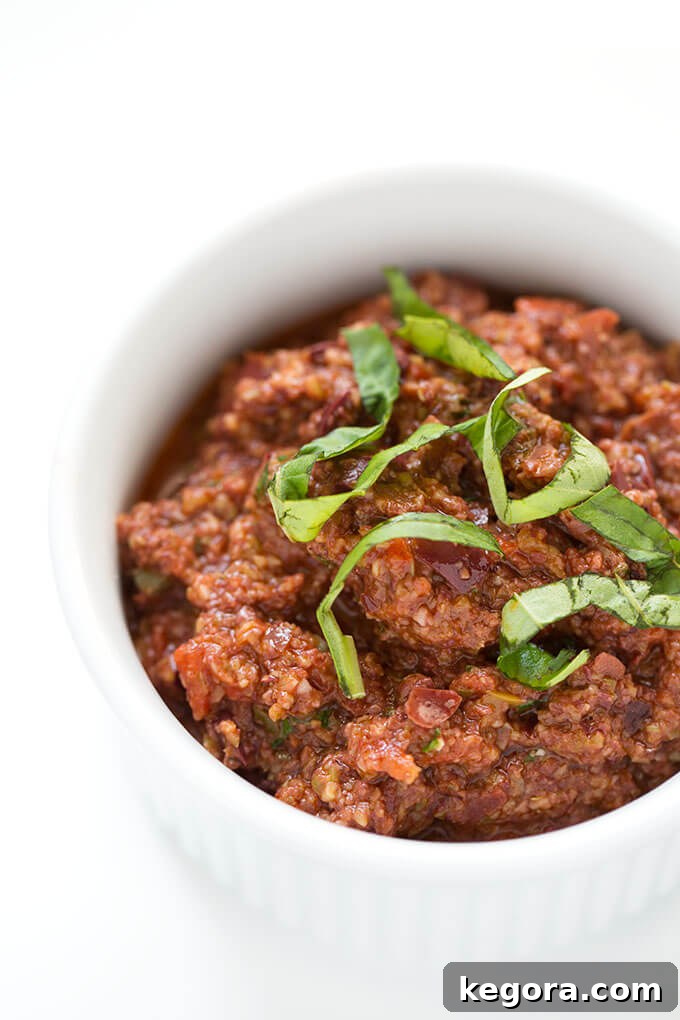
Tapenade is more than just a spread; it’s a celebrated French condiment, a vibrant cornerstone of Mediterranean cuisine that instantly transports your palate to sun-drenched Provençal landscapes. Traditionally crafted from a simple yet powerful combination of olives, capers, and olive oil, this savory delight has graced tables for centuries, embodying the essence of rustic elegance. My personal rendition of Olive Tapenade, while deeply rooted in tradition, brings a distinctive touch to this classic. It boasts a perfectly balanced saltiness, a subtle whisper of fresh garlic, and an incredible affinity for fresh tomatoes, making it an indispensable component of my beloved bruschetta platters.
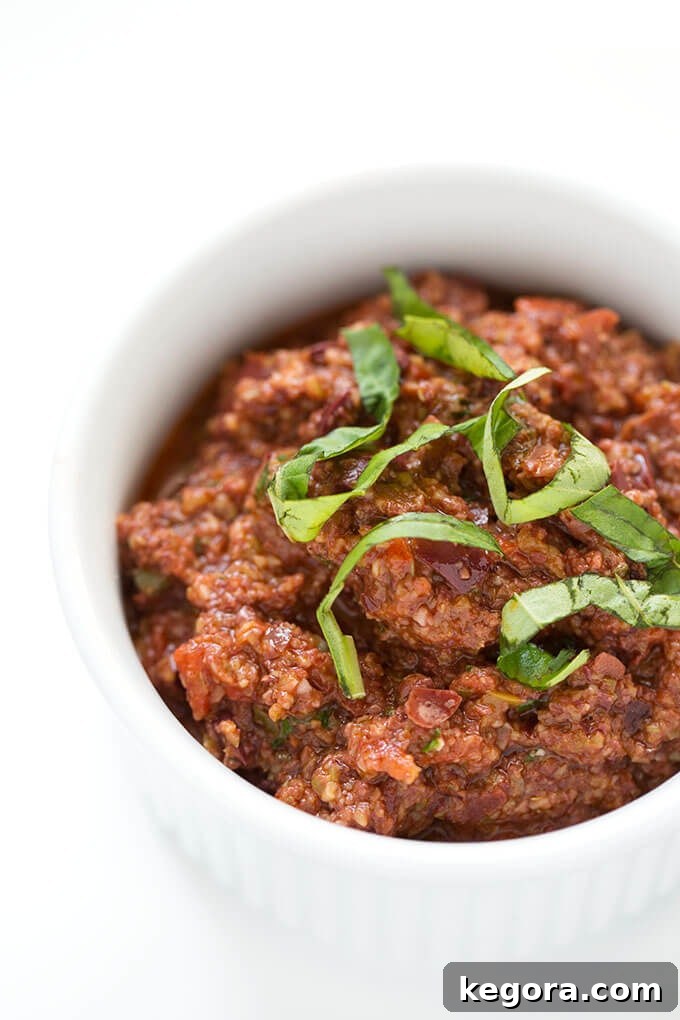
The Ultimate Homemade Olive Tapenade: A Taste of Provence at Your Fingertips
Welcome to the world of effortless entertaining and unforgettable flavors! As an ardent admirer of appetizers and dynamic party foods, I constantly seek out recipes that are both impressive and incredibly simple to execute. And let me tell you, this homemade Olive Tapenade recipe stands head and shoulders above the rest. Imagine a vibrant platter, brimming with delectable bites, that not only captivates your guests visually but also delights their taste buds with every bite. This tapenade is the secret weapon for achieving just that.
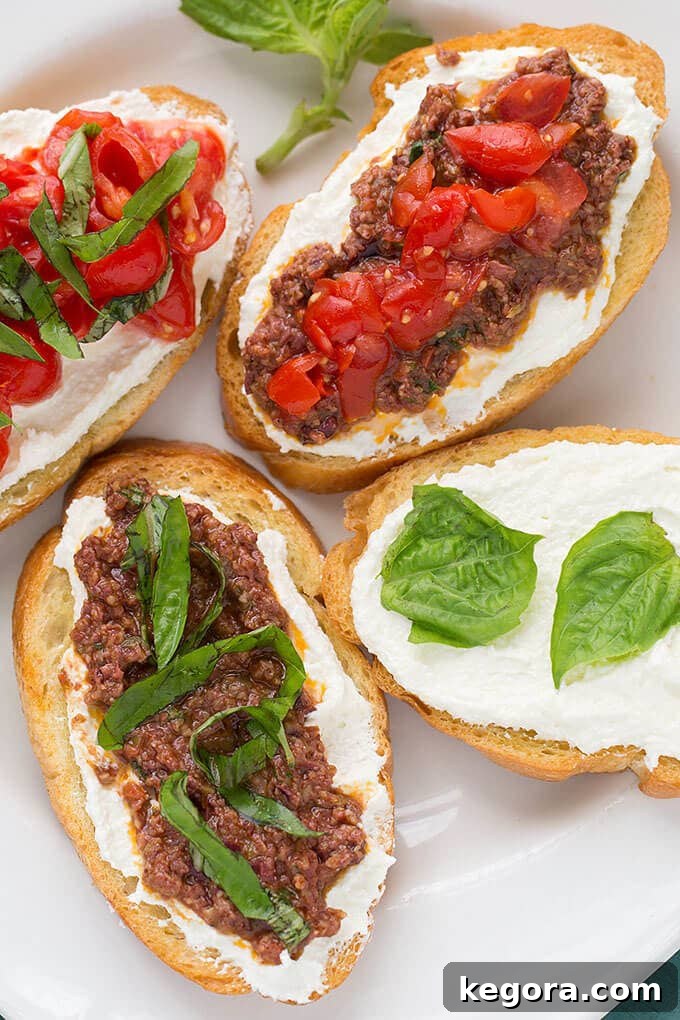
Crafting a batch of this exquisite Olive Tapenade is the first step towards creating a truly memorable spread. While it’s incredibly satisfying on its own, pairing it thoughtfully elevates the experience. Consider popping some freshly sliced baguette or artisanal bread into the oven to transform into golden, crisp crostini. And for an extra layer of creamy indulgence, whip up a batch of my Whipped Feta Spread. Arrange these components on a beautiful platter, alongside juicy, ripe tomatoes and fragrant fresh basil leaves, and watch as your guests eagerly serve themselves, marveling at the vibrant display and irresistible flavors. This combination isn’t just a meal; it’s an experience, a celebration of simple, happy food that brings people together.
Olive Tapenade
Sandy Clifton
10 minutes
10 minutes
10
servings
Ingredients
-
2
cloves
Garlic -
½
Tbsp
Lemon Juice
freshly squeezed -
2
Tbsp
Olive Oil
extra virgin, high quality -
¼
cup
Green Olives
pitted and well-drained -
1 ½
cup
Kalamata Olives
pitted and well-drained -
1 ½
Roasted Red Peppers
from a jar, drained and patted dry -
1 ½
Tbsp
Capers
drained and rinsed -
5
Basil Leaves
fresh, finely chopped
Instructions
-
Begin by adding the peeled garlic cloves, fresh lemon juice, and a generous pour of high-quality olive oil to the bowl of a food processor. Pulse these ingredients several times until the garlic is finely minced and well incorporated into the liquid. This ensures an even distribution of flavor without large chunks of garlic.
-
Next, add all of the remaining ingredients to the food processor: the green olives, Kalamata olives, drained roasted red peppers, rinsed capers, and chopped fresh basil leaves. Pulse these ingredients intermittently, in short bursts, until they are all well incorporated and reach your desired texture. Some prefer a chunkier, more rustic tapenade, while others enjoy a smoother, finer consistency. Experiment to find what you love best! Remember not to over-process, as you want to retain some texture.
Notes
Nutrition
Calories:
135
kcal
Nutrition information is automatically calculated, so should only be used as an approximation. It may vary based on specific ingredient brands and preparation methods.
Additional Info
Appetizer, Snack, Condiment
French, Mediterranean
Tried this recipe?
Mention @simply_happy_foodie on Instagram! We love seeing your creations.
The Rich History and Global Appeal of Tapenade
While my version adds a personal touch, the essence of tapenade hails from the sun-kissed region of Provence in Southern France. Its name derives from “tapenas,” the Provençal word for capers, hinting at the condiment’s original star ingredient. Historically, tapenade was a humble yet powerful spread, a way for local farmers and fishermen to transform abundant olives and capers into a flavorful accompaniment. Over time, its popularity soared, spreading across France and eventually around the globe, becoming a beloved symbol of Mediterranean gastronomy. It’s a testament to the power of simple, high-quality ingredients coming together to create something truly extraordinary. Whether served in a Michelin-starred restaurant or at a casual family picnic, tapenade brings a touch of rustic sophistication.
Diving Deeper: Understanding the Key Ingredients
The magic of this Olive Tapenade lies in the careful selection and balance of its core components. Each ingredient plays a vital role in building the complex, savory profile that makes this spread so addictive.
Olives: The Heart of Tapenade
In this recipe, we embrace the best of both worlds with a combination of Kalamata and green olives. Kalamata olives, with their distinct almond shape, purplish-black hue, and rich, fruity flavor, provide a deep, complex base. They are traditionally cured in red wine vinegar, olive oil, and sometimes brine, giving them a unique tang and slightly meaty texture. Green olives, often Castelvetrano or Manzanilla, offer a brighter, milder, and sometimes slightly buttery contrast, balancing the intensity of the Kalamatas and adding a fresh dimension to the tapenade. Always ensure your olives are pitted and well-drained to avoid excess moisture and unwanted bitterness from pits.
Capers: A Briny Burst
The humble caper, the flower bud of a Mediterranean shrub, is indispensable in tapenade. These small, pea-sized buds, preserved in brine or salt, contribute a pungent, salty, and slightly vinegary kick that cuts through the richness of the olives and olive oil. They add a layer of complexity and a burst of savory flavor that defines the authentic taste of tapenade. Draining and rinsing them lightly helps remove excessive saltiness, ensuring a harmonious blend.
Garlic & Lemon: The Aromatic Duo
Fresh garlic cloves are the backbone of flavor in countless Mediterranean dishes, and tapenade is no exception. It provides a warm, aromatic depth that complements the brininess of the olives and capers. Paired with fresh lemon juice, which offers a bright, zesty counterpoint, these two ingredients elevate the entire spread. The lemon juice not only adds a lovely acidity but also helps to brighten the flavors and prevent the tapenade from tasting too heavy or one-dimensional. Using fresh lemon juice is crucial for the best results.
Olive Oil: The Unifying Elixir
Extra virgin olive oil is not just a carrier; it’s an ingredient in its own right. Its fruity, peppery, and sometimes grassy notes weave all the flavors together, creating a smooth, emulsified texture while imparting its characteristic Mediterranean essence. Opt for a high-quality extra virgin olive oil, as its flavor will significantly impact the final taste of your tapenade. It binds the ingredients, adding richness and a silky mouthfeel.
Roasted Red Peppers & Fresh Basil: My Secret Touches
While not always found in the strictest traditional tapenade, roasted red peppers are a fantastic addition, lending a subtle sweetness and smoky depth that beautifully complements the briny olives. They also contribute a lovely color and a slightly softer texture. Fresh basil leaves, with their sweet, peppery, and aromatic notes, brighten the tapenade and infuse it with a fresh, herbaceous finish. These ingredients elevate the tapenade from simply good to truly exceptional, adding layers of flavor that make this recipe uniquely delightful.
Mastering the Art of Tapenade: Tips for Success
Making homemade Olive Tapenade is incredibly straightforward, but a few key tips can elevate your creation from good to gourmet:
- Quality Ingredients are Key: Since tapenade relies on so few ingredients, the quality of each really shines through. Invest in good olives, fresh garlic, quality olive oil, and vibrant basil.
- Drain and Rinse Properly: Ensure your olives and capers are well-drained and, if particularly salty, give them a quick rinse. This prevents your tapenade from becoming excessively briny.
- Control the Texture: The beauty of homemade tapenade is customizing its consistency. Pulse the ingredients in the food processor in short bursts. If you prefer a rustic, chunkier spread, pulse fewer times. For a smoother, more paste-like consistency, process for longer, but be careful not to completely liquefy it; some texture is desirable.
- Taste and Adjust: Always taste your tapenade before serving. You might find it benefits from a tiny bit more lemon juice for brightness, or perhaps a touch more olive oil to achieve the perfect consistency.
- Let Flavors Marry: While delicious immediately, tapenade often tastes even better after an hour or two (or even overnight) in the refrigerator. This allows the flavors to meld and deepen, creating a more harmonious blend.
Creative Ways to Serve Your Homemade Tapenade
Beyond the classic bruschetta and crostini, this Olive Tapenade is a remarkably versatile condiment that can enhance a multitude of dishes:
- Appetizer Extravaganza: Serve it as part of a Mediterranean-inspired charcuterie board with cheeses, cured meats, fresh vegetables, and artisan breads.
- Sandwich and Wrap Enhancer: Spread a thin layer of tapenade on your favorite sandwiches or wraps instead of mayonnaise for a burst of savory flavor. It’s excellent with turkey, chicken, or grilled vegetables.
- Pasta Perfection: Toss tapenade with hot pasta, a splash of pasta water, and some cherry tomatoes for a quick and flavorful vegetarian meal. Add grilled chicken or shrimp for a heartier dish.
- Pizza Base: Use it as a unique base for homemade pizza or flatbreads, topped with feta, mozzarella, and roasted vegetables.
- Grilled Fish or Chicken Topping: A dollop of tapenade over grilled fish (like cod or salmon) or chicken breasts adds instant gourmet appeal and a vibrant flavor punch.
- Salad Dressing Booster: Whisk a tablespoon of tapenade into your vinaigrette for an extra layer of Mediterranean flavor in your salads.
- Deviled Eggs Twist: Mix a small amount into the yolk filling for uniquely flavored deviled eggs.
- Vegetable Dip: Offer it alongside fresh crudités like cucumber slices, carrot sticks, bell pepper strips, and celery for a healthy and satisfying dip.
Storage and Make-Ahead Tips
This Olive Tapenade is fantastic for make-ahead convenience. Store it in an airtight container in the refrigerator for up to one week. Ensure the surface is covered with a thin layer of olive oil to preserve freshness and prevent discoloration. If you want to store it longer, it can be frozen for up to a month. Thaw in the refrigerator before serving, and stir well to re-emulsify the oil. A little extra drizzle of fresh olive oil might be needed after thawing.
Frequently Asked Questions About Tapenade
Q: Can I use different types of olives?
A: Absolutely! While Kalamata and green olives offer a great balance, feel free to experiment with other varieties like Nicoise, Gaeta, or even a mix of several different kinds to find your favorite flavor profile. Just ensure they are pitted.
Q: What if I don’t have a food processor?
A: No problem! You can finely chop all the ingredients by hand. It will take a bit more effort, but the result will be just as delicious, perhaps even with a more rustic texture. Just be sure to mince the garlic very finely.
Q: Can I add anchovies to this recipe?
A: Traditional tapenade often includes anchovies for an extra depth of umami and saltiness. If you enjoy anchovies, you can certainly add 1-2 fillets to the food processor along with the garlic and lemon juice in the first step. Adjust the amount to your taste, as they have a strong flavor.
Q: Is tapenade healthy?
A: Yes, tapenade can be a very healthy addition to your diet. It’s rich in healthy fats from olive oil and olives, which are also sources of antioxidants. Capers, garlic, and basil also offer various nutritional benefits. Just be mindful of portion sizes, as it can be high in sodium due to the olives and capers.
Conclusion: Your New Favorite Mediterranean Delight
This homemade Olive Tapenade is more than just a recipe; it’s an invitation to savor the vibrant, sun-soaked flavors of the Mediterranean. With its robust, savory profile, hint of garlic, and fresh basil undertones, it’s an incredibly versatile condiment that promises to elevate any meal or gathering. Easy to make and bursting with authentic taste, it’s destined to become a beloved staple in your kitchen. So go ahead, whip up a batch, gather your friends, and share the joy of this simply happy, incredibly delicious spread!