
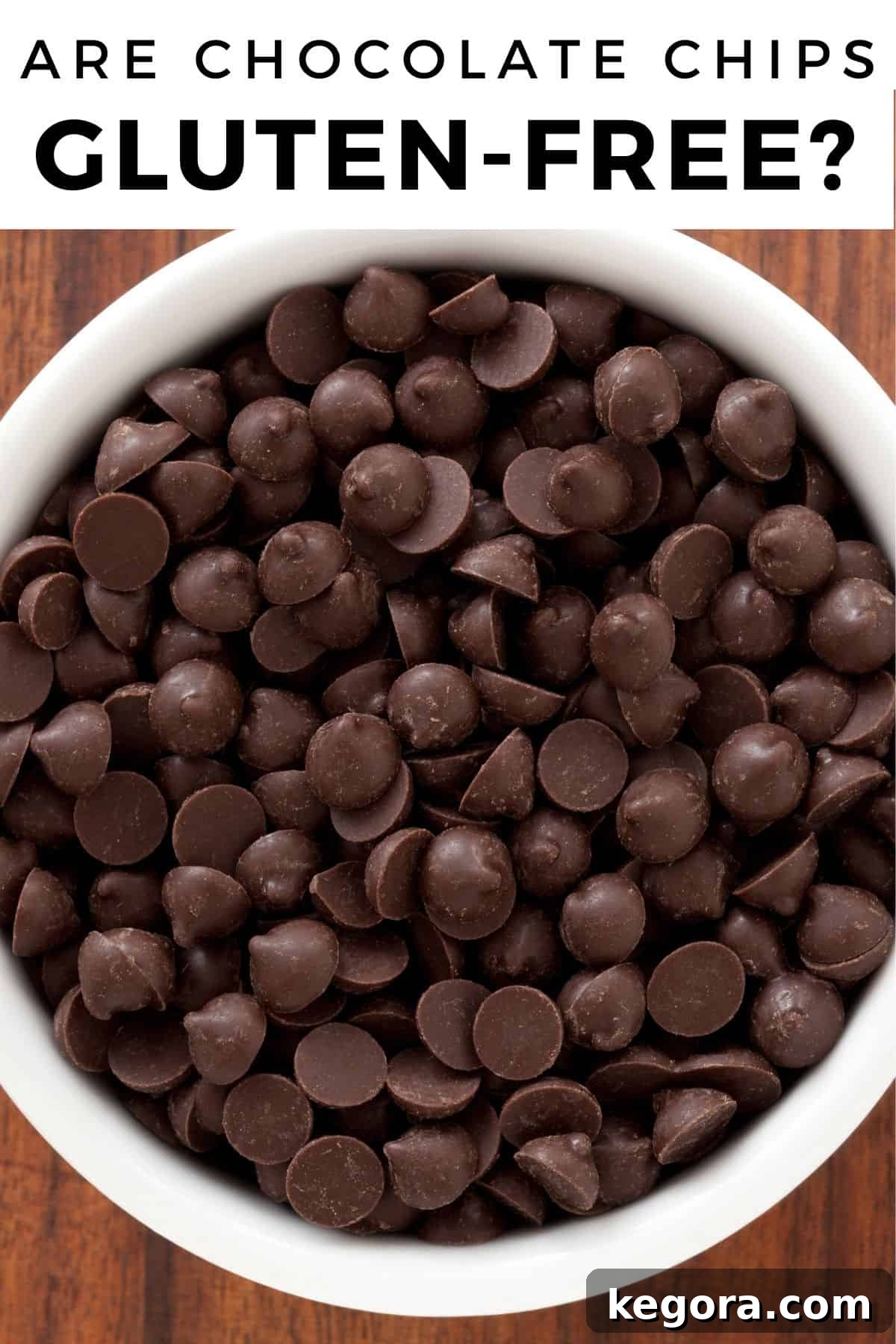
Chocolate chips: those delightful, melt-in-your-mouth morsels that elevate any dessert from ordinary to extraordinary. Whether nestled in a warm cookie, sprinkled over a bowl of ice cream, or melted into a rich ganache, they bring joy to countless palates. But for individuals navigating the complexities of a gluten-free diet, a crucial question arises: are chocolate chips gluten-free? The good news is, for the most part, yes! However, the world of gluten-free eating requires careful attention to detail, and chocolate chips are no exception. Join us as we delve into the delicious truth about gluten-free chocolate chips, helping you bake with confidence and savor every guilt-free bite.
Embarking on a gluten-free lifestyle, whether due to celiac disease, gluten sensitivity, or personal preference, opens up a new realm of culinary exploration. You’ve likely discovered an array of gluten-free flours that skillfully substitute wheat in your favorite recipes. But as you stock your pantry for gluten-free baking adventures, a common query emerges: what about the beloved chocolate chips? Are these small, sweet treasures inherently gluten-free, or do they pose a hidden risk?
SHORT ANSWER: Are Chocolate Chips Gluten-Free?
Yes, chocolate chips are predominantly gluten-free! The core ingredients of most traditional chocolate chips — cocoa mass (chocolate), sugar, cocoa butter, and often soy lecithin and vanilla extract — are naturally free of gluten. However, this isn’t a universal guarantee. The critical factor for those with celiac disease or severe gluten sensitivity lies in the manufacturing process and potential for cross-contamination. While many brands are inherently gluten-free by ingredients, only those explicitly labeled “gluten-free” offer the assurance that they meet the FDA’s standard of less than 20 parts per million (ppm) of gluten. Therefore, to ensure complete safety and peace of mind, always look for the “gluten-free” certification or label on your package of chocolate chips.
The Sweet History of Chocolate Chips and Their Gluten-Free Status
The story of the humble chocolate chip is as rich and delightful as the treat itself. Interestingly, chocolate chip cookies made their debut years before pre-packaged chocolate chips were even available for purchase. The iconic cookie, in fact, was the very inspiration behind the creation of the chips!
Our journey begins in 1939, at the legendary Toll House restaurant in Whitman, Massachusetts. It was there that the innovative chef Ruth Wakefield decided to experiment. Instead of using melted chocolate in her cookie recipe, she chopped up a semi-sweet Nestlé chocolate bar and added the pieces to her cookie dough, expecting them to melt and blend seamlessly. To her surprise and delight, the chocolate pieces maintained their distinct shape during baking, creating an unforgettable cookie with pockets of gooey, softened chocolate. These “Toll House Crunch Cookies” quickly soared to fame, captivating the hearts and taste buds of Americans.
Recognizing the immense popularity of Wakefield’s creation, Nestlé, just a couple of years later, began selling their chocolate in pre-chopped, convenient forms they called “chips” or “morsels.” This simple yet brilliant innovation revolutionized home baking, making it easier for everyone to recreate those beloved cookies. Today, Nestlé Toll House chocolate morsels proudly carry on Ruth Wakefield’s legacy, with her original recipe still gracing every bag. While Nestlé pioneered the chip, the market has since expanded dramatically, with numerous companies producing a vast array of chocolate chip varieties, including milk chocolate, dark chocolate, white chocolate, butterscotch, and even flavored options.
The fundamental ingredients of these original chocolate chips—chocolate liquor, sugar, cocoa butter—are naturally gluten-free. This foundational purity is why most chocolate chips, by their very nature, tend to be gluten-free. However, as production scaled and ingredients diversified, the potential for gluten to enter the manufacturing chain became a point of concern for those with dietary restrictions.
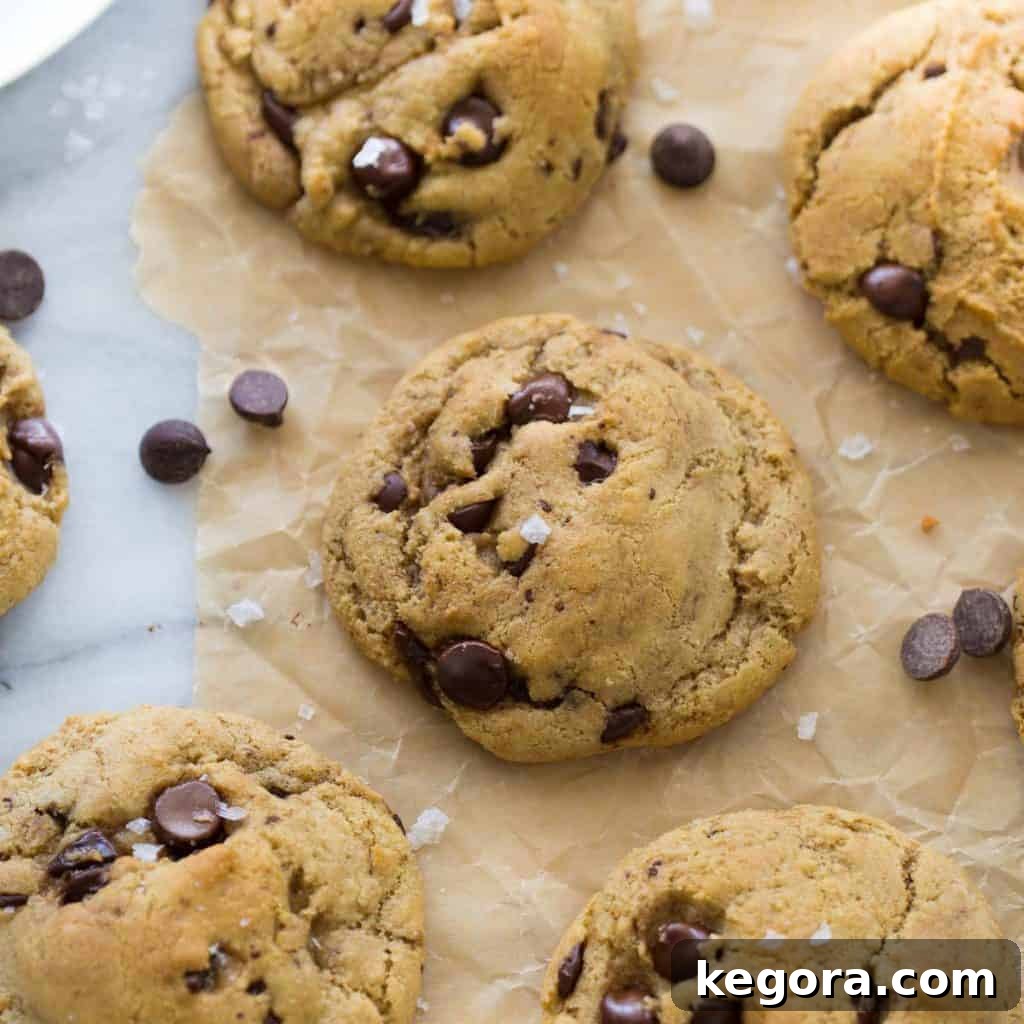
Embracing the convenience and flavor of these delightful morsels, many home bakers, including myself, love incorporating them into delicious gluten-free recipes like our very favorite gluten-free chocolate chip cookies.
Decoding Chocolate Chip Ingredients: What’s Inside?
To truly understand whether chocolate chips are gluten-free, it’s essential to examine their core components. While ingredients can vary slightly between brands and varieties, a classic semi-sweet chocolate chip, like those from Nestlé Toll House, typically contains the following:
- Sugar: A naturally gluten-free sweetener derived from sugarcane or beets.
- Chocolate (or Chocolate Liquor/Cocoa Mass): This is the ground-up nib of the cacao bean. Pure chocolate is inherently gluten-free. It provides the characteristic chocolate flavor and color.
- Cocoa Butter: The natural fat extracted from the cacao bean. Like chocolate, it is naturally gluten-free.
- Milkfat (or Milk Powder): Added to create a smoother texture and richer flavor, especially in milk chocolate varieties. Dairy products are naturally gluten-free.
- Soy Lecithin: An emulsifier derived from soybeans, often used in chocolate production to improve texture, fluidity, and shelf life. Soy is a common allergen, but it is naturally gluten-free.
- Natural Flavors: This can be a broad category. Often, it refers to vanilla extract, which is gluten-free. However, in some less common instances, “natural flavors” could potentially contain gluten-derived ingredients, though this is rare in mainstream chocolate chips. Always a good idea to check for a “gluten-free” label if you are highly sensitive.
Based on these standard ingredients, traditional chocolate chips are generally free from gluten-containing grains like wheat, barley, and rye. It’s important to note that while milk and soy are common allergens found in many chocolate chips, they do not contain gluten. For those with milk or soy allergies in addition to gluten restrictions, specialized allergen-free brands are available.
Potential Concerns Beyond Core Ingredients:
While the ingredients themselves are typically gluten-free, the primary concern for those on a strict gluten-free diet, such as individuals with celiac disease, is the possibility of cross-contamination during manufacturing. Chocolate chips may be produced in facilities that also process gluten-containing foods like cookies, cakes, or cereals. If equipment is not thoroughly cleaned between production runs, trace amounts of gluten could inadvertently make their way into the chocolate chips. This is precisely why looking for a “gluten-free” certification is paramount.
The Importance of Labeling and Cross-Contamination
In the gluten-free world, labels are your best friend. While a product’s ingredient list might appear gluten-free, only a clear “gluten-free” label provides the assurance needed for a safe diet. This is especially true for chocolate chips. Here’s why:
Understanding “Gluten-Free” Labels:
In the United States, the Food and Drug Administration (FDA) defines “gluten-free” as products containing less than 20 parts per million (ppm) of gluten. This threshold is widely accepted as safe for individuals with celiac disease. When a product bears this label, it means the manufacturer has taken measures to ensure gluten levels are below this limit, including sourcing ingredients carefully and implementing robust cleaning protocols to prevent cross-contamination.
The Risk of Cross-Contamination:
Many food manufacturers operate multi-product facilities. This means a factory might produce gluten-containing items (like wheat-based cookies or cereals) on the same lines or in the same environment as non-gluten-containing items (like chocolate chips). Without strict gluten-free protocols—including dedicated equipment, separate processing lines, rigorous cleaning, and thorough testing—there’s a risk of trace amounts of gluten transferring from one product to another. This unintentional transfer is known as cross-contamination.
For individuals with celiac disease, even minute amounts of gluten can trigger an immune response, leading to intestinal damage and a range of uncomfortable symptoms. For this reason, relying solely on an ingredient list that doesn’t mention wheat, barley, or rye is insufficient. The absence of a “gluten-free” label often indicates that the manufacturer cannot guarantee the product meets the 20 ppm standard, likely due to shared facilities or equipment.
Beyond the FDA Label: Third-Party Certifications:
Some brands go a step further and obtain third-party gluten-free certification from organizations like the Gluten-Free Certification Organization (GFCO) or NSF International. These certifications typically involve even stricter standards (often 10 ppm or less), regular audits, and rigorous testing, providing an extra layer of assurance for consumers.
In summary: always prioritize products with a clearly stated “gluten-free” label. It’s the simplest and most reliable way to ensure your chocolate chips are safe for your gluten-free diet.
Top Gluten-Free Chocolate Chip Brands
The good news for gluten-free bakers and chocolate lovers is that many major chocolate chip manufacturers have recognized the growing need for clearly labeled gluten-free options. This means you have a wide array of choices to confidently create your favorite treats. Here are some of the most reliable brands that frequently label their chocolate chips as gluten-free:
- Nestlé Toll House Chocolate Chips (Morsels): A household name, Nestlé Toll House offers many varieties that are labeled gluten-free, including their classic semi-sweet, milk chocolate, and dark chocolate morsels. It’s always best practice to double-check the packaging for specialty or seasonal flavors, as formulations can sometimes differ.
- Guittard Chocolate Chips and Baking Chips: Known for their high-quality, artisanal chocolate, Guittard provides a range of baking chips that are widely considered gluten-free. Their commitment to quality often extends to ingredient sourcing and production practices, making them a trusted choice. Explore their selection at Guittard.com.
- Enjoy Life Chips, Chunks, and Morsels: This brand is a fantastic option for those with multiple food sensitivities. Enjoy Life products are specifically made in dedicated allergen-friendly facilities, free from 14 common allergens, including gluten, dairy, soy, and nuts. They offer a variety of chocolate chip options, from mini chips to mega chunks, perfect for diverse baking needs. Learn more at EnjoyLifeFoods.com.
- Hershey’s Chocolate Chips: Another popular brand, Hershey’s offers many of its chocolate chip varieties labeled gluten-free. Their semi-sweet, milk chocolate, and special dark chips are usually safe bets. However, like Nestlé, it’s crucial to check the packaging for holiday-themed or “premier white creme chips,” as these might not carry the gluten-free claim due to different ingredient sourcing or production lines. Explore their products at Hershey’s Products.
- Lily’s Baking Chips (No Added Sugar): For those monitoring sugar intake in addition to gluten, Lily’s offers a popular line of baking chips sweetened with stevia and erythritol. Many of their varieties, including semi-sweet, dark chocolate, and white chocolate style chips, are labeled gluten-free, making them a great choice for keto-friendly or diabetic-friendly baking. Find their gluten-free options at Lily’s Sweets.
- Bake Believe Baking Chips (No Added Sugar): Similar to Lily’s, Bake Believe specializes in sugar-free baking chips that are also labeled gluten-free. They offer various flavors and are a solid alternative for those seeking both gluten-free and reduced-sugar options. Check out their products at Bake Believe.
- Pascha Chocolate Chips: Pascha is renowned for its organic, fair-trade, and allergy-friendly chocolate. Their chocolate chips are often keto-friendly, dairy-free, and proudly labeled gluten-free, making them an excellent choice for a wide range of dietary needs. Visit Pascha Chocolate for more.
When selecting your chocolate chips, remember that product formulations can change, and not every flavor within a brand’s line may be gluten-free. Always take a moment to read the most current ingredient list and look for that all-important “gluten-free” statement on the package.
Are Semi-Sweet Chocolate Chips Gluten-Free? A Closer Look
Semi-sweet chocolate chips are arguably the most popular variety, beloved for their balanced sweetness and rich chocolate flavor. As discussed, brands like Nestlé Toll House, Hershey’s, and the specialty brand Enjoy Life typically offer semi-sweet chocolate chips that are explicitly labeled gluten-free, providing peace of mind for consumers.
However, the absence of a “gluten-free” label on other brands, including generic store brands, should raise a red flag. While their ingredient lists might not explicitly name any gluten-containing grains, the risk of cross-contamination remains. This is where the distinction between “gluten-free ingredients” and a “certified gluten-free product” becomes crucial.
The Ghirardelli Example: A Case Study in Caution
A notable example that highlights this distinction is Ghirardelli chocolate chips. While Ghirardelli is a premium chocolate brand, their chocolate chips are generally NOT considered gluten-free for strict gluten-free diets. Their packaging often includes a disclaimer stating: “Product may contain one or more of the following allergens: milk, soy, tree nuts, wheat, and/or egg.”
This “may contain wheat” warning, even if wheat is not a direct ingredient, signifies that there is a risk of cross-contamination during production. For individuals with celiac disease, gluten intolerance, or a wheat allergy, such a warning means the product does not meet the necessary safety standards. It’s a clear indication that the manufacturing facility processes wheat and that trace amounts could be present in the chocolate chips, making them unsafe. This illustrates why even products made with naturally gluten-free ingredients require the definitive “gluten-free” label if you’re following a strict diet.
The FDA guidelines stipulate that certified gluten-free products must contain less than 20 parts per million (ppm) of gluten. Adhering to these guidelines is essential for the health and well-being of those affected by gluten. When in doubt, always opt for a brand that proudly displays its “gluten-free” certification.
Gluten-Free Chocolate Chip Cookies and Other Baked Goods
While the chocolate chips themselves are often gluten-free, the classic chocolate chip cookie typically is not, as it’s traditionally made with wheat flour. However, this doesn’t mean you have to forgo the joy of a warm, chewy chocolate chip cookie! With the right ingredients and careful preparation, you can absolutely enjoy delicious gluten-free versions.
Crafting Gluten-Free Chocolate Chip Cookies:
To make truly gluten-free chocolate chip cookies, two primary components need careful attention:
- Gluten-Free Flour: Replace conventional wheat flour with a high-quality gluten-free flour blend. Many excellent all-purpose gluten-free flour blends are available on the market that mimic the texture and performance of wheat flour. Alternatively, you can experiment with single-source gluten-free flours like almond flour, oat flour (ensure it’s certified gluten-free), or buckwheat flour for unique flavor profiles and textures.
- Gluten-Free Chocolate Chips: As discussed, select chocolate chips that are explicitly labeled “gluten-free” to avoid any hidden gluten or cross-contamination issues.
- Gluten-Free Environment: For individuals with celiac disease or severe gluten sensitivities, it’s crucial to prepare these cookies in a gluten-free environment. This means using clean utensils, bowls, and baking sheets that haven’t come into contact with gluten-containing foods. Even trace amounts of gluten from shared equipment or surfaces can cause adverse reactions.
The world of gluten-free baking has advanced significantly, offering incredible versatility. You can now recreate nearly any classic baked good in a gluten-free format without sacrificing taste or texture. Beyond the classic, you might explore:
- Our delightful gluten-free oatmeal chocolate chip cookies, blending wholesome oats with rich chocolate.
- Rich and tender almond flour chocolate chip cookies, which are also grain-free.
- Hearty and flavorful oat flour chocolate chip cookies, a great way to use this versatile flour.
- Unique and wholesome buckwheat chocolate chip cookies, offering a distinct earthy note.
And if you’re looking to expand beyond cookies, don’t miss out on these fudgy gluten-free brownies, where chocolate chips can add an extra layer of decadence.

Frequently Asked Questions About Gluten-Free Chocolate Chips
Generally, the primary ingredients in most chocolate chips (sugar, chocolate liquor, cocoa butter, milkfat, soy lecithin, natural flavors like vanilla) are naturally gluten-free. Therefore, most chocolate chips do not inherently contain gluten ingredients. However, the critical concern for individuals on a strict gluten-free diet is potential cross-contamination. Many chocolate chips are produced in facilities that also process gluten-containing grains like wheat, barley, or rye. If shared equipment is not thoroughly cleaned, trace amounts of gluten could transfer to the chocolate chips. For this reason, always look for a clear “gluten-free” label on the packaging. Brands like Nestlé Toll House and Hershey’s offer semi-sweet chocolate chips verified as gluten-free, but it’s important to check specific varieties, especially specialty or holiday flavors, as formulations can differ. Enjoy Life chocolate chips are a popular, widely available, and reliably gluten-free option, as they are produced in dedicated allergen-friendly facilities.
White chocolate chips are typically gluten-free in terms of their core ingredients, which include sugar, cocoa butter, milk solids, and vanilla. Like traditional chocolate chips, white chocolate itself does not contain gluten. However, the same rules regarding cross-contamination apply. To ensure safety, always check product labels for a “gluten-free” certification. This label guarantees that the chocolate chips meet the FDA’s standard of less than 20 ppm of gluten and that precautions have been taken to prevent cross-contamination during processing. If a brand does not carry this label, there’s a risk of trace gluten, even if no gluten ingredients were intentionally used. For a reliably safe option, Enjoy Life offers white mini chips that are not only gluten-free but also produced free from 14 common allergens, making them an excellent choice for multiple dietary needs.
Ghirardelli chocolate chips are generally not considered gluten-free for those with celiac disease or severe gluten sensitivity. While their ingredient lists often appear to be naturally gluten-free, typically containing cane sugar, unsweetened chocolate, cocoa butter, whole milk powder, soy lecithin, and vanilla extract, Ghirardelli products often carry a critical disclaimer. This disclaimer states, “Product may contain one or more of the following allergens: milk, soy, tree nuts, wheat, and/or egg.” The presence of “wheat” in this warning indicates a risk of cross-contamination at their manufacturing facilities, meaning trace amounts of gluten could be present in the chocolate chips. For individuals who must strictly avoid gluten, it is advisable to choose brands that explicitly label their chocolate chips as “gluten-free” to ensure safety and prevent adverse reactions. The risk of cross-contamination makes Ghirardelli unsuitable for a celiac-safe diet.
Yes, many varieties of Nestlé Toll House chocolate chips (often referred to as “morsels”) are indeed gluten-free. This includes their popular semi-sweet, dark chocolate, and milk chocolate chips. Nestlé is one of the brands that clearly labels these specific products as gluten-free on their packaging, indicating they adhere to the FDA’s gluten-free standards (less than 20 ppm). However, it is crucial to always check the label for each specific product, as some specialty or seasonal varieties, such as butterscotch or caramel-flavored chips, may not carry the gluten-free designation. This absence typically signals a potential risk of cross-contamination or a different ingredient formulation. For those requiring vegan and allergen-free options, Nestlé Toll House also offers “Allergen Free Semi-Sweet Morsels” and dark chocolate versions, which are made from 100% real chocolate, cocoa butter, and pure cane sugar, and are free from the 8 major allergens, including gluten, dairy, and soy.
The Bottom Line
Chocolate chips are a quintessential baking ingredient, adding that special touch to countless desserts, snacks, and even breakfast recipes. The good news for the gluten-free community is that, by nature, the core ingredients of most chocolate chips do not contain gluten. This makes them a naturally friendly component for many gluten-free culinary endeavors.
However, the journey to a truly gluten-free diet necessitates vigilance. While the ingredients themselves might be clean, the risk of cross-contamination during manufacturing remains a significant concern for those with celiac disease or severe gluten sensitivities. This is why the presence or absence of a clear “gluten-free” label on the packaging is absolutely paramount.
If the chocolate chips you are purchasing are explicitly labeled “gluten-free,” you can bake and enjoy them with confidence, knowing they meet the strict standards for gluten content. If, however, the label is absent, it means the manufacturer cannot guarantee the product is free from trace amounts of gluten, making it a potentially unsafe choice for a strict gluten-free diet. Always make it a habit to check those labels!
Once you’ve confidently selected your certified gluten-free chocolate chips, the culinary possibilities are endless. Get ready to transform your kitchen into a haven of delicious, safe, and satisfying treats. Try them out in one of these delightful recipes and experience the joy of truly gluten-free indulgence!