
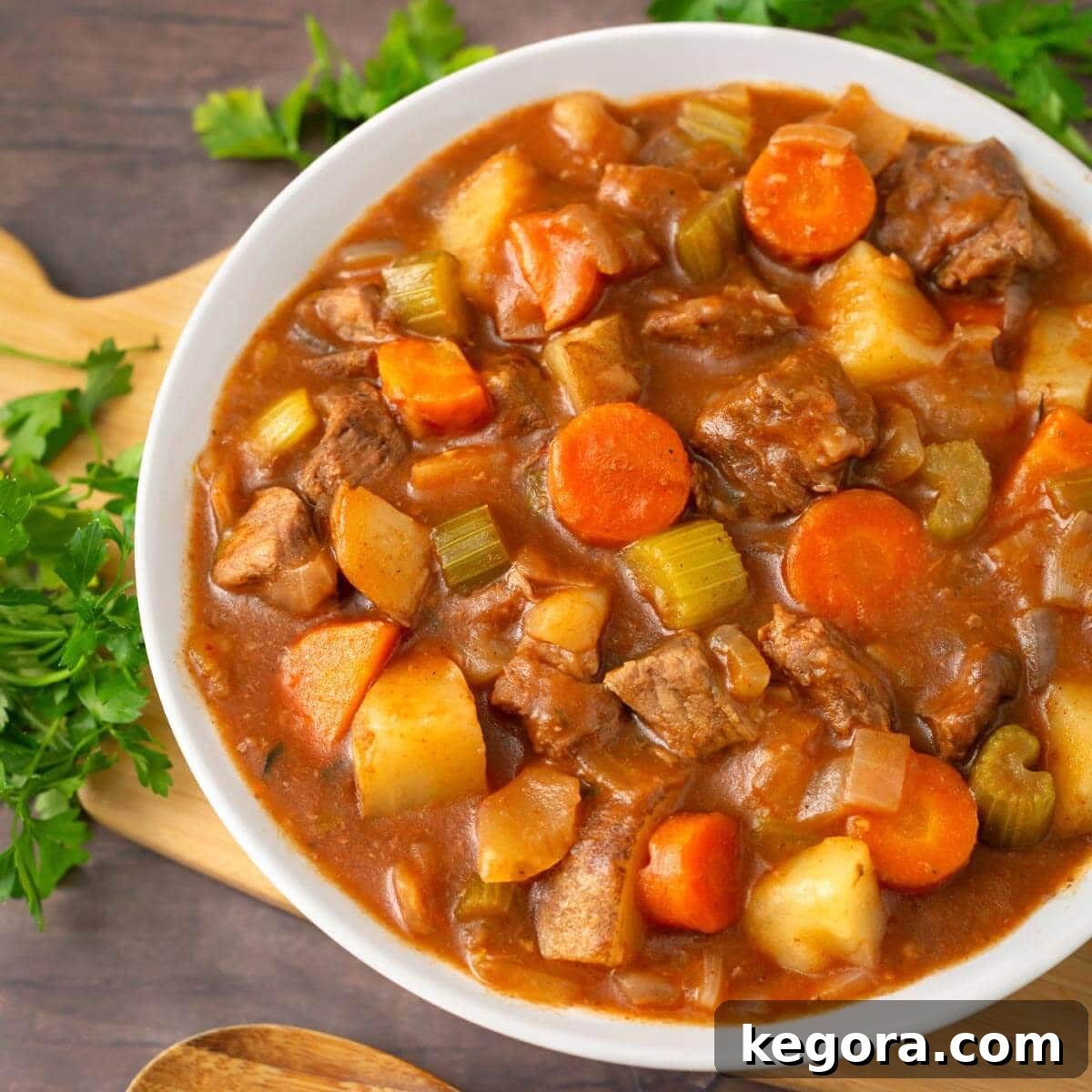
There’s nothing quite like a steaming bowl of homemade beef stew to bring a sense of warmth and comfort to any day. This classic crock pot beef stew recipe is designed to evoke those cherished memories of your mother’s cooking, offering a deeply flavorful and incredibly tender meal that truly satisfies the soul. Forget the need for complicated steps or artificial ingredients; our recipe focuses on fresh, wholesome components to create a hearty beef stew brimming with natural goodness. Succulent chunks of beef, slow-cooked to perfection, meld seamlessly with an abundance of vibrant, garden-fresh vegetables, all swimming in a rich, savory sauce that’s simply irresistible. This is more than just a meal; it’s an experience, a taste of home that promises to nourish both body and spirit. Plus, this generous recipe makes enough to comfortably feed a crowd, making it ideal for family gatherings, holiday meals, or simply ensuring you have delicious leftovers for days.
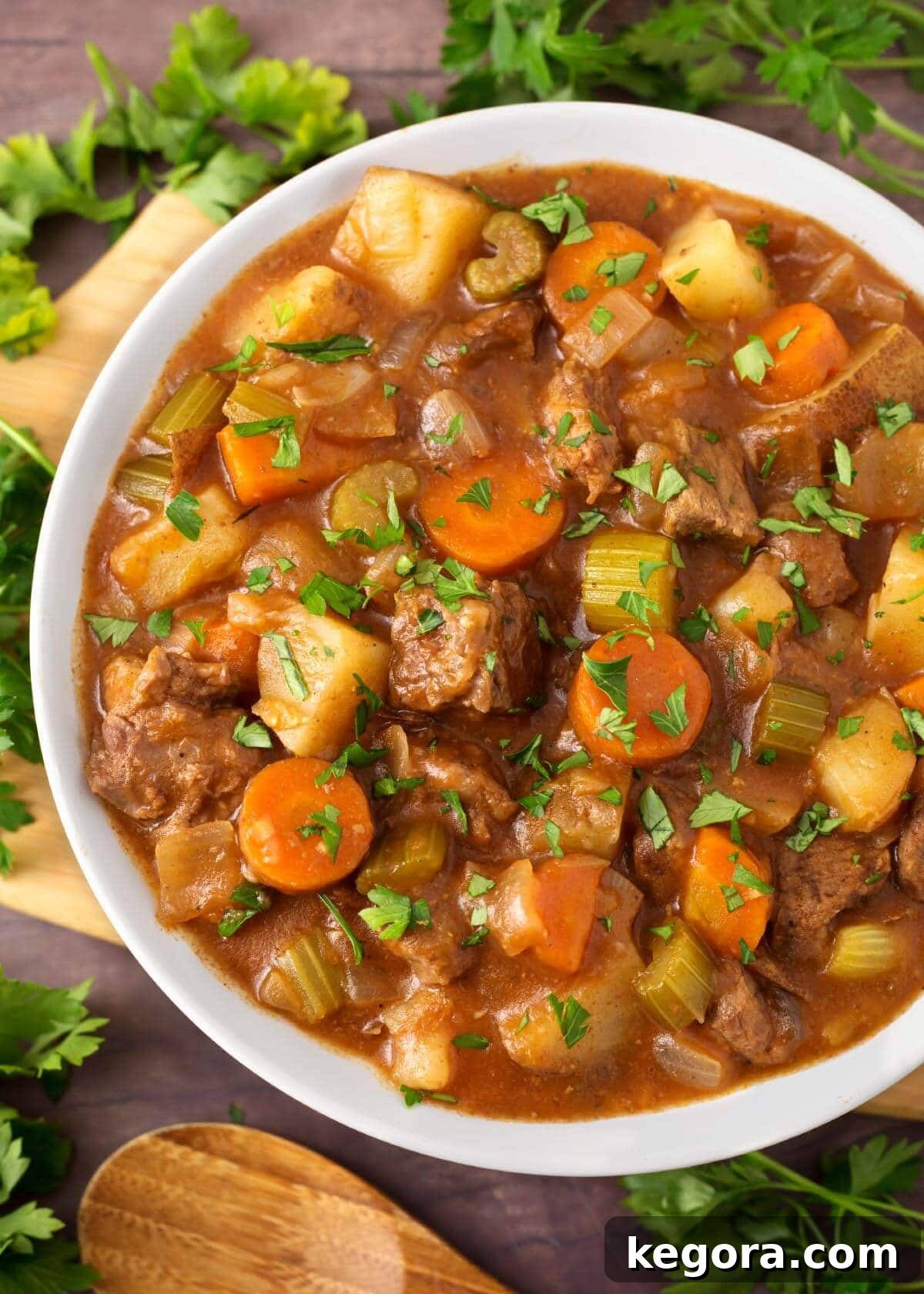
Originally Published 11/4/2018
The Ultimate Classic Crockpot Beef Stew: A Comfort Food Essential
Few dishes rival the comforting embrace of a hearty, homemade beef stew, especially one lovingly prepared in a slow cooker. This method isn’t just about convenience; it’s the secret to unlocking unparalleled flavor and achieving that melt-in-your-mouth tenderness that defines a truly exceptional stew. The gentle, prolonged cooking process allows the ingredients to slowly meld together, creating a depth of flavor that can’t be rushed. It’s a simple yet profoundly rewarding way to create a dish that truly tastes like the beef stew mom used to make – rich, robust, and incredibly satisfying.
Our easy beef stew recipe is more than just a list of instructions; it’s a guide to creating a memorable meal. On a chilly evening, there’s nothing more inviting than a bowl of this simmering goodness, providing warmth from the inside out. It’s a fantastic meal for an average-sized family, offering generous portions that are sure to please even the most discerning palates. Beyond its delicious taste, the slow cooker method makes this recipe wonderfully uncomplicated, allowing you to prepare the ingredients, set it, and forget it until dinner time, filling your home with an irresistible aroma that builds anticipation.
Achieving the Perfect Consistency: Is This Beef Stew Thick?
One of the hallmarks of a great beef stew is its rich, thick gravy, and with this recipe, you have complete control over its consistency. Absolutely, this stew is designed to be wonderfully thick and luxurious. We achieve this through the careful addition of a thickening agent, typically instant tapioca. However, if tapioca isn’t readily available or you prefer an alternative, all-purpose flour or cornstarch can also be used effectively.
The beauty of this approach is its flexibility. You can start with the recommended amount of thickener outlined in the recipe, then easily adjust it to your personal preference. If you desire an even more substantial, velvety gravy, simply add a little extra thickener and allow it to cook for a few more minutes until it reaches your desired consistency. Should your stew become too thick, don’t worry! It’s easily remedied by stirring in a small amount of warm beef broth or water until it thins out perfectly. This adaptability ensures your beef stew will always have that ideal, comforting texture.
Essential Equipment for Your Slow Cooker Beef Stew
Having the right tools can make all the difference in your cooking experience. For this generous crock pot beef stew recipe, a few key pieces of equipment will ensure smooth preparation and delicious results:
- 7 or 8-quart Slow Cooker: Given the substantial amount this recipe makes, a larger capacity slow cooker is highly recommended. This allows all the ingredients to fit comfortably, ensuring even cooking and preventing overflow.
- 6-quart Crockpot (with adjustment): If you have a 6-quart model, it can still work! Simply consider reducing the quantity of potatoes and carrots slightly to accommodate the smaller volume without compromising the overall quality of the stew.
- Sharp Knife: Essential for efficiently cubing your beef and chopping all the fresh vegetables. A sharp knife makes prep work safer and more enjoyable.
- Cutting Board: A sturdy cutting board is crucial for safe and efficient chopping.
- Wooden Spoon or Heat-Resistant Spatula: Ideal for stirring ingredients, especially when handling hot food in the slow cooker, as it won’t scratch the pot.
- Large Skillet (Optional, but Recommended): For browning the beef before slow cooking, which adds an incredible layer of flavor.
- 4-cup Measuring Cup or Medium Bowl: Useful for mixing the vegetable juice and tapioca granules for thickening.
Key Ingredients for a Delicious Beef Stew
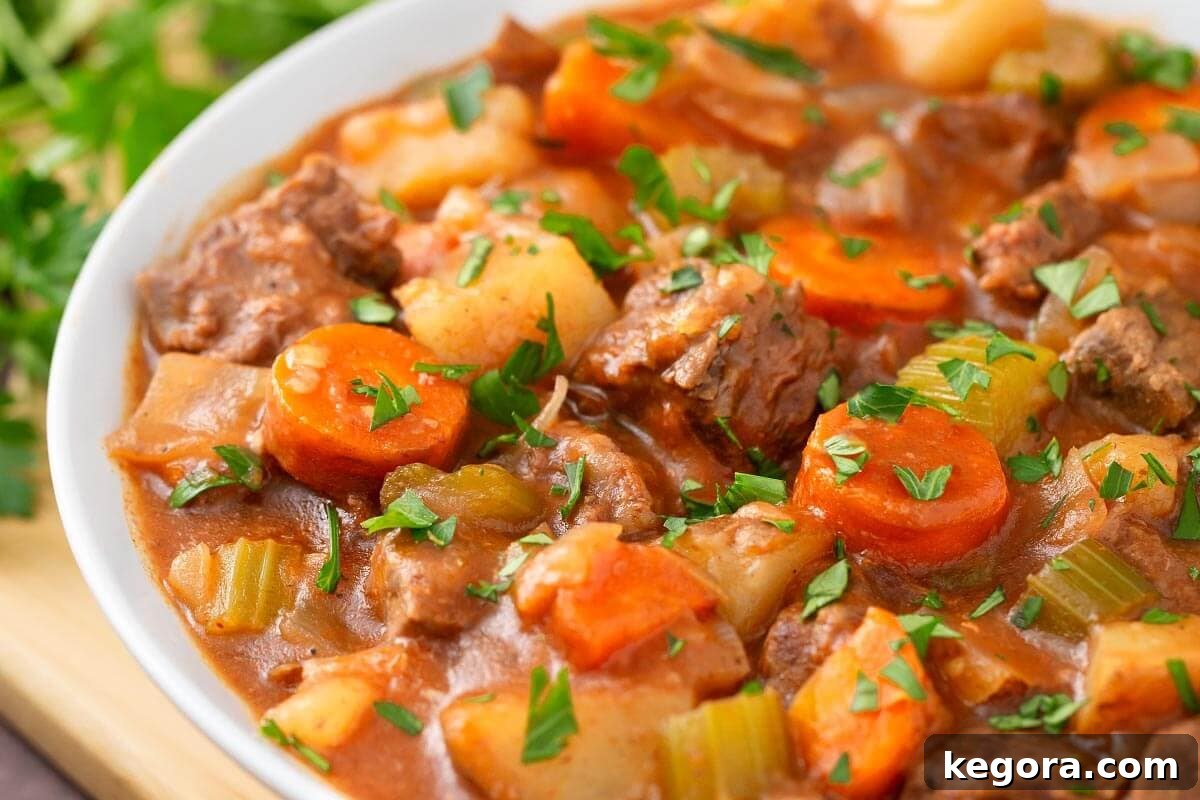
The magic of this beef stew lies in its simple yet robust ingredients, each playing a crucial role in building layers of flavor. For precise measurements, please refer to the detailed recipe card below.
- Beef Stew Meat: The foundation of our stew. Chuck roast, cut into 1-inch cubes, is by far the best choice for its rich flavor and ability to become incredibly tender during slow cooking.
- Bay Leaves: These aromatic leaves infuse the stew with a subtle, earthy, and slightly peppery note. For a different profile, a pinch of dried oregano can be a good substitute.
- Fresh Thyme Leaves: Fresh herbs elevate the taste significantly. If fresh thyme isn’t available, dried thyme leaves (not ground) or a good quality Italian seasoning blend will work well.
- Garlic Cloves: Freshly pressed or minced garlic offers the most vibrant flavor. However, if convenience is key, garlic powder can be used, just adjust the quantity.
- Kosher Salt: Enhances all the other flavors. If using regular table salt, remember to use half the amount as it’s saltier by volume.
- Black Pepper: Freshly ground black pepper adds a warm, spicy kick. White pepper can be used as an alternative for a milder flavor and to avoid visible flecks in a lighter sauce.
- Celery: A classic mirepoix vegetable, celery provides a foundational savory note and texture. Chopped raw fennel bulb can offer an interesting aromatic twist.
- Carrots: Sweet and vibrant, carrots add essential flavor and color. Use chopped regular carrots or whole baby carrots for convenience.
- Potatoes: Hearty and filling, potatoes absorb the delicious stew flavors. Scrubbed and cubed, they become wonderfully tender.
- Mushrooms (Optional): Baby Bella or white button mushrooms, sliced, add an umami depth and earthy flavor that complements the beef beautifully. They are a fantastic addition if you enjoy them.
- Onions: White or yellow onions provide a sweet and pungent base flavor. Pearl onions can be used for a slightly sweeter and elegant touch.
- Worcestershire Sauce: A secret weapon for umami and tang, it deepens the savory notes of the beef. Soy sauce can be a good substitute in a pinch.
- Beef Stock or Broth: The primary liquid base for the stew. Low-sodium options are preferable, allowing you to control the overall saltiness. Adjust salt to taste.
- Beef Bouillon: A cube or a tablespoon of granulated or paste bouillon enhances the beefy flavor, making the stew taste even richer.
- Tomato Paste: Adds a concentrated burst of tomato flavor, contributing to the stew’s depth and richness, and slightly thickening the sauce.
- Dry Red Wine (Optional): A splash of dry red wine (like Cabernet Sauvignon or Merlot) deglazes the pot and adds complexity and acidity, brightening the overall flavor. Balsamic vinegar can offer a similar brightness without alcohol.
- Vegetable Juice: Such as V8 juice, or plain tomato juice/sauce, or even a can of tomato soup. This component adds another layer of vegetable flavor and helps create the stew’s rich body.
- Quick Tapioca Granules: Such as Minute® Tapioca, used as a thickening agent. Alternatively, all-purpose flour or cornstarch can be mixed into a slurry with the vegetable juice for the same purpose.
Choosing the Best Beef Stew Meat for Unbeatable Tenderness and Flavor
The quality and type of beef you choose are paramount to the success of your stew. Traditional beef stew is often made with “stew beef,” which typically refers to cuts from the chuck primal. For the most exceptional results, I highly recommend using chuck steak or a beef chuck roast, cut into roughly 1 to 1.5-inch cubes.
Here’s why chuck roast is the optimal choice for slow-cooked beef stew:
- Rich Flavor: Chuck roast is known for its deep, beefy flavor, which intensifies beautifully during the long cooking process.
- Connective Tissues: This cut contains a good amount of collagen and connective tissues. While tough when raw, these elements slowly break down during extended, moist cooking, transforming into gelatin. This gelatin is what gives the stew its luxurious, silky mouthfeel and contributes significantly to the richness of the sauce.
- Tenderness: The breakdown of these tissues results in incredibly tender, fall-apart beef that melts in your mouth, a hallmark of a truly great beef stew. Leaner cuts of meat, while quicker to cook, would become dry and stringy under the same conditions.
Avoid very lean cuts like sirloin or round steaks for stew, as they lack the necessary fat and connective tissue to become tender and flavorful during the long cooking time required for stew. Opt for well-marbled chuck for the best stew experience.
The Right Spud: Which Potatoes Work Best in Beef Stew?
Potatoes are a hearty and essential component of any classic beef stew, soaking up all the wonderful flavors of the broth and vegetables. While many types of potatoes will work, some perform slightly better than others when subjected to hours of slow cooking. Generally, you want a potato that holds its shape well without disintegrating into mush, yet still becomes tender.
- All-Purpose Potatoes: The good news is, most common potato varieties will work just fine! Red potatoes, Yukon Gold potatoes, and Russet potatoes are all excellent choices.
- Red Potatoes: Tend to hold their shape exceptionally well, offering a slightly firmer texture.
- Yukon Gold Potatoes: Have a creamy texture and buttery flavor, and also hold up quite well without becoming overly starchy.
- Russet Potatoes: While often used for baking, they can also be good for stew, though they tend to break down a bit more, which can contribute to thickening the stew naturally.
- Baby Potatoes: If using smaller baby potatoes (like new potatoes or small red potatoes), there’s no need to cut them. Their size is often perfect as is, and they will retain their shape beautifully.
Cutting Tip: Regardless of the type you choose, it’s important to cut your potatoes into chunks large enough to withstand several hours of cooking without becoming mushy. Aim for pieces roughly 1.5 to 2 inches in size. This ensures they cook evenly and maintain a pleasant texture alongside the beef and other vegetables.
A Medley of Goodness: What Vegetables Go in Slow Cooker Beef Stew?
The beauty of slow cooker beef stew lies in its versatility, especially when it comes to vegetables. Beyond the traditional carrots, potatoes, and onions, you can customize your stew with a variety of additions to suit your taste and whatever fresh produce you have on hand. These vegetables not only add essential nutrients but also contribute to the stew’s complex flavors and textures.
Classic and highly recommended vegetables include:
- Onion: A foundational aromatic that provides a sweet and savory base.
- Carrots: Add natural sweetness and vibrant color.
- Potatoes: As discussed, they add substance and soak up the flavors.
- Celery: Another key aromatic that contributes to the savory depth.
Beyond the staples, consider incorporating:
- Mushrooms: Sliced baby bella or white button mushrooms add a wonderful earthy, umami flavor.
- Green Beans: Fresh or frozen green beans can be added during the last hour or two of cooking for a touch of vibrant green and tender-crisp texture.
- Root Vegetables: Turnips or rutabagas, peeled and cubed, offer a slightly peppery or earthy flavor and a hearty texture.
- Tomatoes: Canned diced tomatoes or even cherry tomatoes can be added for extra acidity and a burst of fresh flavor.
- Peas: Frozen peas are a quick and easy addition, best stirred in during the last 30 minutes of cooking to retain their bright color and sweetness.
- Parsnips: Similar to carrots but with a distinct, slightly sweeter, and earthier flavor.
Feel free to experiment with your favorite hearty vegetables. Just ensure they are cut to appropriate sizes to cook through without becoming overcooked.
The Red Wine Question: Do I Need to Add Red Wine to Beef Stew?
The inclusion of dry red wine in beef stew is a time-honored tradition for many chefs and home cooks, and for good reason. It adds a layer of complexity, depth, and acidity that can elevate the stew’s flavor profile significantly. However, it is by no means an absolute requirement for a delicious beef stew.
- Flavor Contribution: Dry red wine (such as Cabernet Sauvignon, Merlot, or Pinot Noir) contributes tannins, fruity notes, and a subtle acidity that helps to tenderize the meat and brighten the overall taste of the stew. The alcohol generally cooks off during the long slow-cooking process, leaving behind only its rich flavor.
- Excellent Alternatives: If you prefer not to use alcohol for dietary, personal, or availability reasons, you absolutely do not have to. A simple and effective substitution is to use an equal amount of beef broth or beef stock in place of the wine. This will still provide a rich liquid base for the stew.
- Balsamic Vinegar: For a touch of acidity and complexity without the alcohol, a tablespoon or two of good quality balsamic vinegar can be a fantastic addition. It provides a similar brightness and depth that mimics some of the qualities of red wine, though with its own distinct flavor.
Ultimately, the choice is yours. Whether you opt for red wine, beef broth, or balsamic vinegar, your slow cooker beef stew will still be a wonderfully flavorful and comforting meal.
How to Master the Art of Crockpot Beef Stew: A Step-by-Step Guide
Making beef stew in a crock pot is a truly rewarding experience, yielding a tender, flavorful meal with minimal hands-on effort. Follow these steps for perfect results:
- Preparation is Key (Mise en Place): Begin by gathering all your ingredients. This practice, known as “mise en place,” makes the cooking process incredibly smooth and stress-free. Cube your beef stew meat into uniform 1 to 1.5-inch pieces, and chop all your vegetables (onions, carrots, celery, potatoes, and any optional additions like mushrooms) to roughly the same size for even cooking.
- Optional Browning for Enhanced Flavor: While not strictly necessary for tender beef in a slow cooker, browning your beef cubes beforehand is a highly recommended step that adds a significant depth of flavor to your stew. Heat a little olive oil in a large skillet over medium-high heat. Working in batches if necessary (to avoid overcrowding, which steams the meat instead of browning), sear the beef cubes on all sides until nicely browned. This process creates the Maillard reaction, developing rich, savory notes. Transfer the browned beef to your slow cooker.
- Layering the Ingredients: Add the browned (or raw, if skipping the browning step) beef cubes to the bottom of your slow cooker. Follow with the chopped onions, bay leaves, fresh thyme sprigs, minced garlic, kosher salt, black pepper, celery, carrots, potatoes, and any optional mushrooms. Next, pour in the Worcestershire sauce, beef broth, beef bouillon (paste or granules), tomato paste, dry red wine (or balsamic vinegar/extra broth), and stir everything gently to combine. Ensure all ingredients are submerged as much as possible in the liquid.
- Prepare the Thickener Mixture: In a separate bowl or a 4-cup measuring cup, whisk together the vegetable juice (V8, tomato juice, etc.) and the quick tapioca granules. Stir vigorously until the tapioca is evenly distributed and no lumps remain. This slurry will be added later.
- Initial Slow Cooking: Cover your slow cooker with its lid. Cook the stew on the LOW setting for 8-9 hours, or on the HIGH setting for 5-6 hours. The key is to allow ample time for the beef to become fork-tender and the vegetables to reach your desired level of tenderness. If you’re around, give it a stir halfway through to ensure even cooking, but it’s not strictly required.
- Thickening the Stew (About One Hour Before Serving): Approximately one hour before you plan to serve, remove the lid from the slow cooker. Carefully remove and discard the bay leaves and any thyme stems. Give the stew a good stir. Now, pour in the vegetable juice and tapioca mixture you prepared earlier. Stir it into the stew thoroughly to ensure the thickener is evenly distributed. Re-cover the slow cooker and continue cooking for the remaining hour. The tapioca will activate and gradually thicken the sauce to a rich, luscious consistency.
- Final Adjustments and Garnish: Once the stew has thickened to your liking, taste it and adjust the seasoning if needed, adding more salt or pepper to taste. If it’s still not thick enough, refer to the “Thickening Tips” in the recipe notes below for quick fixes. Garnish with a sprinkle of fresh chopped parsley for a burst of color and fresh flavor. Serve hot!
- Serve with Accompaniments: This hearty beef stew is perfectly complemented by some crusty bread for soaking up the delicious gravy, or fluffy dinner rolls slathered with butter. A simple side salad can also provide a refreshing contrast.
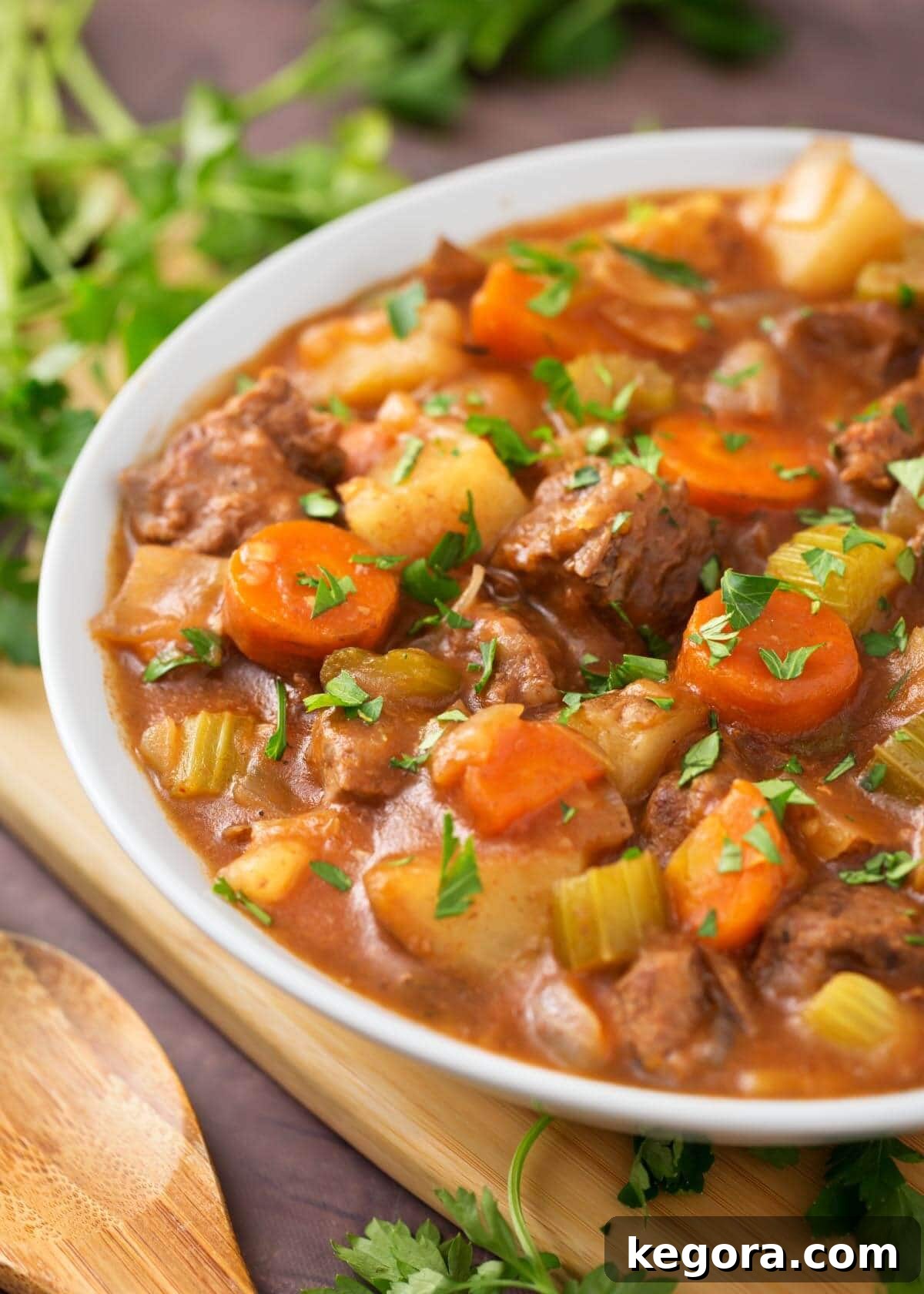
Can I Make This Beef Stew in a Dutch Oven Instead?
Absolutely! While the slow cooker offers unparalleled convenience, this classic beef stew recipe can be beautifully adapted for a Dutch oven, especially if you prefer stovetop cooking or don’t own a slow cooker. The principles remain largely the same, but with slight adjustments to cooking time and heat management.
- Browning in the Dutch Oven: One significant advantage of a Dutch oven is that you can brown your beef directly in the same pot, building a flavorful fond (the browned bits at the bottom of the pot) that will enhance the stew. Heat a little olive oil in the Dutch oven over medium-high heat, brown your beef cubes in batches, then remove them and proceed with sautéing onions and other aromatics if desired.
- Combining Ingredients: After browning the beef (and sautéing aromatics if desired), return the beef to the Dutch oven. Add all the remaining ingredients as instructed for the slow cooker, except for the tapioca or other thickeners. Stir everything well to combine.
- Simmering on the Stovetop: Bring the stew mixture to a gentle simmer over medium heat. Once simmering, reduce the heat to low, cover the Dutch oven with its lid, and let it cook for 2-3 hours. The key is a very gentle simmer, just enough to see occasional bubbles. Stir occasionally to prevent sticking and ensure even cooking. Continue cooking until the beef is fork-tender and the vegetables have reached your desired tenderness.
- Thickening: About 30-45 minutes before serving, prepare your thickening agent (tapioca and vegetable juice, or a cornstarch/flour slurry) and stir it into the simmering stew. Continue to cook, uncovered, stirring occasionally, until the stew has thickened to your liking.
Whether in a slow cooker or a Dutch oven, this recipe promises a hearty and delicious beef stew. For those with an Instant Pot, you might also like my Instant Pot Beef Stew recipe for a quicker cooking method!
Serving Your Delicious Crock Pot Beef Stew
Once your magnificent crock pot beef stew is ready, serving it is incredibly simple, as the stew itself is the star of the show. It’s a complete meal in a bowl, packed with tender beef, a medley of vegetables, and a rich, savory sauce. You truly don’t need much else to make it a satisfying dinner.
Here are some perfect accompaniments to complete your meal:
- Crusty Bread: A warm, crusty loaf of artisan bread is perhaps the ultimate pairing. Its sturdy texture is perfect for soaking up every last drop of that flavorful gravy. French baguettes, sourdough, or even a rustic whole-grain loaf would be wonderful.
- Fluffy Dinner Rolls: Soft, warm dinner rolls, especially homemade ones, are another excellent choice. Spread with a generous knob of butter, they offer a comforting contrast to the robust stew.
- Green Salad: For a touch of freshness and balance, a simple side salad with a light vinaigrette can be a lovely addition. It provides a crisp, cool counterpoint to the warm and hearty stew.
- Extra Herbs: A final sprinkle of fresh parsley or thyme just before serving not only adds a pop of color but also brightens the flavors.
Serve the stew directly from the slow cooker (if it has a “warm” setting) or transfer it to a large, decorative serving bowl to showcase its inviting appeal. Watch as your family and guests savor every spoonful!
Storing Leftover Crock Pot Beef Stew: Enjoying It Again and Again
One of the many joys of making a large batch of slow cooker beef stew is the anticipation of delicious leftovers. In fact, many culinary enthusiasts will tell you that beef stew often tastes even better the next day, as the flavors have more time to meld and deepen! Proper storage ensures you can enjoy your homemade comfort food for days to come.
- Refrigeration: Allow the stew to cool completely to room temperature before storing. Transfer the cooled stew to an airtight container. This prevents spoilage and keeps the stew fresh. Store it in the refrigerator for up to 3-4 days. When reheating, gently warm it on the stovetop over medium-low heat, or in the microwave, stirring occasionally until heated through. If it’s too thick after chilling, you can add a splash of beef broth or water to reach your desired consistency.
- Freezing for Longer Storage: Beef stew freezes exceptionally well, making it a fantastic candidate for meal prepping. Again, allow the stew to cool completely. Divide it into individual portion-sized freezer-safe containers or heavy-duty freezer bags. Label with the date. Frozen beef stew can be stored for up to 3 months. To reheat, thaw overnight in the refrigerator, then warm on the stovetop or in the microwave until piping hot.
Having a batch of this flavorful beef stew ready to go in the fridge or freezer is a lifesaver on busy weeknights, offering a wholesome and satisfying meal with minimal effort.

More Delicious Slow Cooker Recipes for You to Try:
Crock Pot Creamy Chicken & Wild Rice Soup
Slow Cooker Chicken and Dumplings
Slow Cooker Taco Soup
Slow Cooker Turkey Chili
This classic slow cooker beef stew recipe is more than just a meal; it’s an invitation to gather, share, and savor truly comforting flavors. Whether you’re preparing it for your next game day gathering, a casual weekend get-together, or simply as a cozy family dinner, its rich aroma and hearty taste are sure to earn you compliments from everyone at the table. Enjoy the ease of slow cooking and the incredible satisfaction of a homemade classic!
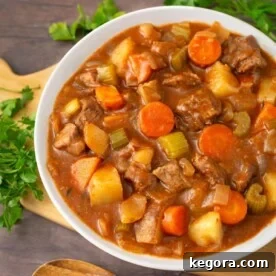
Crock Pot Beef Stew
Ingredients
- 1 ½ – 2 lbs Beef Stew Meat (chuck roast, cubed into 1-inch pieces)
- 2 Bay Leaves
- 5 sprigs Fresh Thyme (or 1 ¼ tsp dried thyme leaves)
- 4 cloves Garlic (pressed or minced for best flavor)
- 1 ½ teaspoons Kosher Salt (or 1 tsp regular table salt)
- ½ teaspoon Black Pepper (freshly ground recommended)
- 3 ribs Celery (chopped into ½-inch pieces)
- 5 Carrots (medium, peeled and chopped into ½-inch pieces)
- 5 Potatoes (medium, scrubbed and cubed into 1.5-inch chunks – red, Yukon Gold, or Russet work well)
- 8 oz Mushrooms (baby bella or white button, sliced – optional, but adds great umami)
- 2 medium Onions (yellow or white, chopped)
- 1 Tablespoon Worcestershire Sauce (or soy sauce for umami depth)
- 1 cup Beef Broth (low sodium is preferred for salt control)
- 1 Tablespoon Beef Bouillon (cube, granules, or paste for enhanced beefy flavor)
- 2 Tablespoons Tomato Paste (adds richness and depth)
- ½ cup Dry Red Wine (e.g., Cabernet Sauvignon, Merlot – optional, or use more beef broth for non-alcoholic version)
- 1 Tablespoon Balsamic Vinegar (adds brightness and acidity)
For Thickening (Mix These Together):
- 2 cups Vegetable Juice (such as V8, or tomato juice/sauce)
- ⅓ cup Quick Tapioca Granules (such as Minute® Tapioca)
Instructions
- 1. Prepare Ingredients: Begin by gathering all your required ingredients. Cube the beef stew meat into uniform 1 to 1.5-inch pieces and chop all vegetables (onions, carrots, celery, potatoes, and optional mushrooms) to similar sizes. This ensures even cooking.
- 2. Optional Beef Browning: For an extra layer of rich, savory flavor, consider browning the beef cubes before adding them to the slow cooker. Heat a little olive oil in a large skillet over medium-high heat. Sear the beef in batches until a deep brown crust forms on all sides. Transfer the browned beef to your slow cooker. (If skipping this step, add raw beef directly to the slow cooker.)
- 3. Assemble in Slow Cooker: Add the beef cubes to the bottom of the slow cooker. Then, add the chopped onions, bay leaves, fresh thyme sprigs, minced garlic, kosher salt, black pepper, celery, carrots, potatoes, and any optional sliced mushrooms. Pour in the Worcestershire sauce, beef broth, beef bouillon, tomato paste, dry red wine (if using), and balsamic vinegar. Stir all the ingredients together thoroughly to combine everything well.
- 4. Initial Cook: Cover the slow cooker with its lid. Cook on the LOW setting for 8-9 hours, or on the HIGH setting for 5-6 hours. The stew is ready when the beef is fork-tender and the vegetables have reached your desired tenderness. If possible, stir gently halfway through the cooking time to ensure even distribution of flavors.
Thicken – One Hour Before Serving*:
- 5. Remove Aromatics and Taste: Approximately one hour before you plan to serve, remove the lid. Carefully locate and remove the bay leaves and any tough thyme stems from the stew. Give the stew a good stir, then taste and adjust the salt and pepper if needed.
- 6. Add Thickener: In a separate bowl or a 4-cup measuring cup, vigorously whisk together the vegetable juice (V8, tomato juice, etc.) and the quick tapioca granules until smooth and well combined. Pour this mixture into the crockpot and stir it thoroughly into the stew. Re-cover the slow cooker and continue cooking for the remaining hour. The tapioca will activate and thicken the stew to a rich, luscious consistency.
- 7. Serve: Once the stew has reached your desired thickness, it’s ready! Ladle generously into bowls. Garnish with fresh chopped parsley if desired. Serve hot with crusty bread or fluffy dinner rolls for dipping.
Notes on Thickening
If the stew isn’t thick enough for your preference after the final hour of cooking with tapioca, try one of these simple options:
- Add More Tapioca: Stir in an additional 2 Tablespoons of instant tapioca granules directly into the stew. Stir well and allow it to cook for another 15-30 minutes with the lid on, stirring occasionally, until it reaches the desired thickness.
- Butter and Flour (Beurre Manié): In a small bowl, mix together 2 Tablespoons of softened butter with 2 Tablespoons of all-purpose flour until a smooth paste forms (this is a beurre manié). Stir this mixture into the hot stew until completely dissolved. Replace the lid and let it cook for a little while longer, allowing the flour to cook out and the stew to thicken.
- Cornstarch Slurry: Combine 2 Tablespoons of cornstarch with 2 Tablespoons of cold water in a small bowl, whisking until smooth to create a slurry. Stir this slurry thoroughly into the hot stew. Let it heat and simmer for a few minutes; the stew will visibly thicken as it cooks.
If the stew ends up being too thick for your liking, simply stir in a splash of warm beef broth or water, a little at a time, until it reaches your desired consistency.
Nutrition
Nutrition information is automatically calculated and should be used as an approximation only.