
Erin’s Ultimate Gluten-Free Focaccia Recipe
Welcome to my essential guide for creating the most heavenly gluten-free focaccia you’ll ever taste! This recipe has been meticulously crafted to ensure that even the most discerning palates won’t detect it’s gluten-free. It’s perfect for anyone seeking a truly authentic focaccia experience without the gluten.
Recipe Highlights
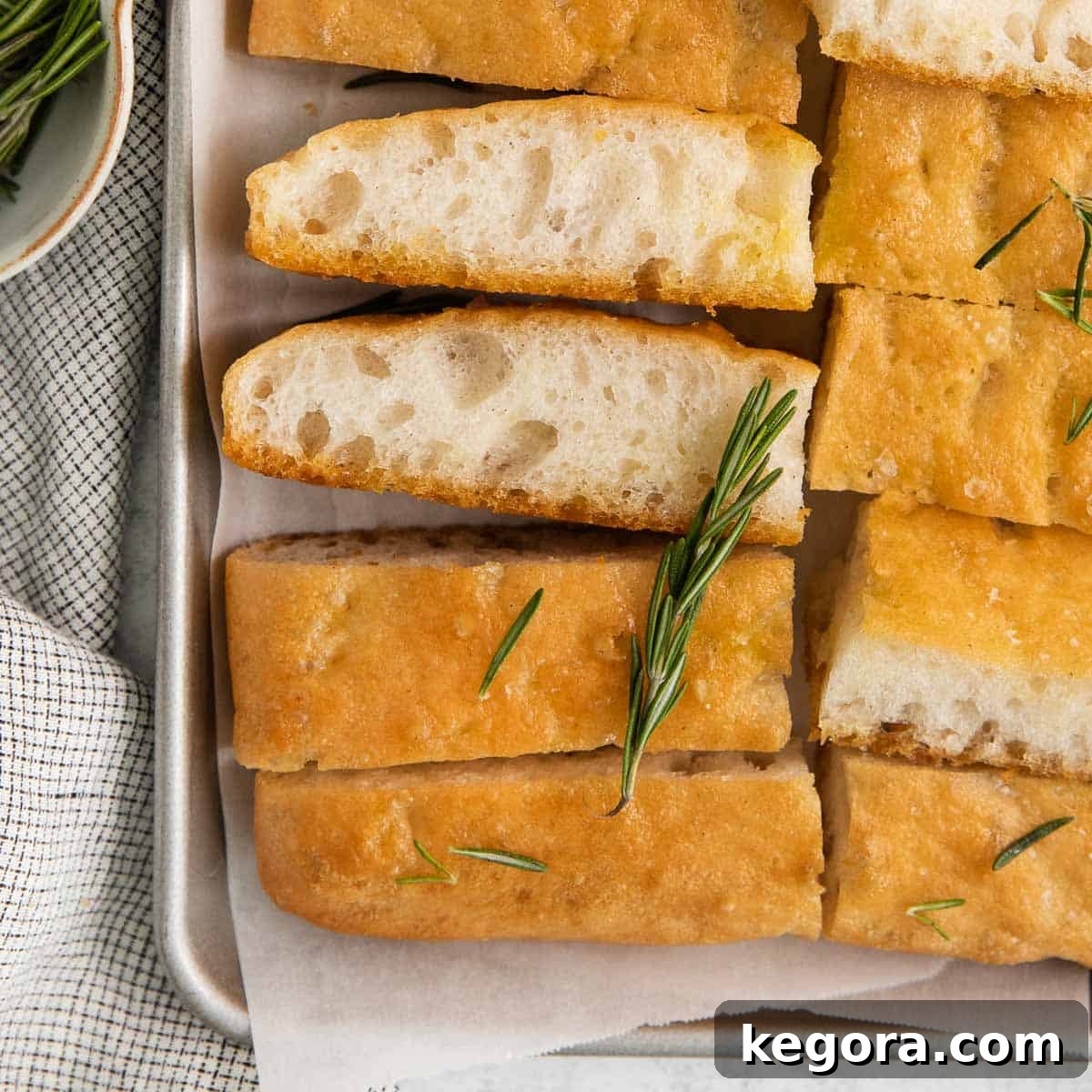
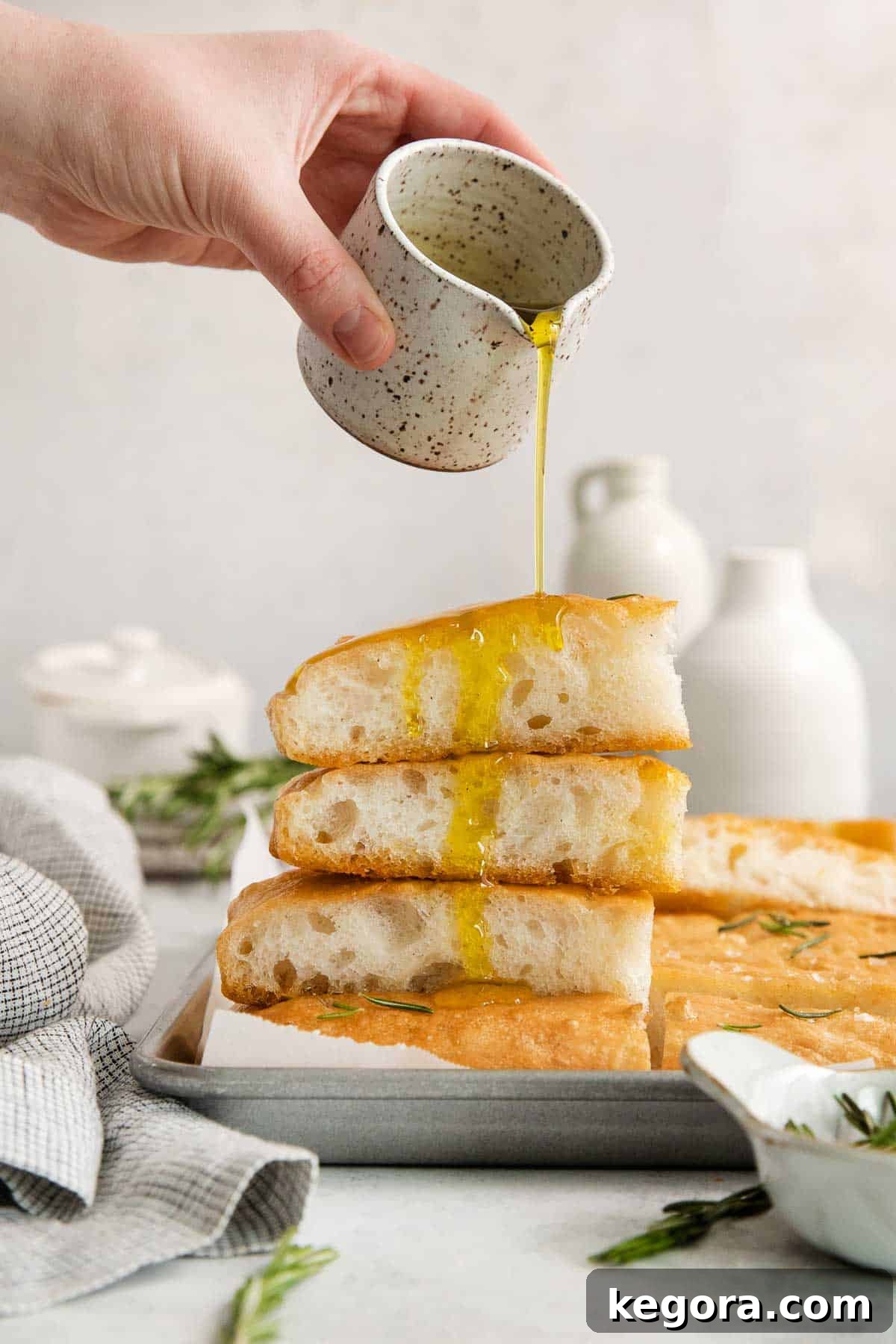
Texture: Experience the perfect harmony of textures with this focaccia. The interior is wonderfully light and airy, offering a delicate, pillowy softness. This contrasts beautifully with a golden, crisp crust that provides just the right amount of delightful chewiness. It’s a sensory delight with every single bite.
Taste: Prepare your taste buds for an exquisite savory journey. This bread is rich with the distinct, fruity notes of premium olive oil, perfectly complemented by the aromatic, earthy essence of fresh rosemary. The flavors are balanced to perfection, making it incredibly satisfying and wonderfully addictive.
Ease of Preparation: While the final result tastes gourmet, the hands-on process for making this gluten-free focaccia is surprisingly straightforward and easy! The most crucial aspects involve simply planning ahead for the necessary chilling and rise times. These periods are mostly passive, allowing you to go about your day while the magic happens.
Erin’s Top Tip for Success: The secret weapon for achieving unparalleled taste and texture in this focaccia is allowing the dough to refrigerate overnight, or even for up to two full days. This extended cold fermentation deeply develops the flavors and improves the dough’s structure, leading to that coveted light and airy crumb with a crisp crust.
Essential Gluten-Free Flour: This recipe was specifically formulated and tested to work flawlessly with Caputo Fioreglut Gluten-Free Flour. It’s vital to note that, unfortunately, no other gluten-free flour blend can be substituted to achieve the same phenomenal results in terms of texture, rise, and flavor. This unique flour is the cornerstone of this recipe’s success.
Would I Make This Again? Without a shadow of a doubt, absolutely! This gluten-free focaccia consistently delivers exceptional gourmet quality with minimal effort. It’s a crowd-pleaser that everyone, gluten-free or not, adores. It’s become a staple in my kitchen and I’m confident it will in yours too.
xoxo erin
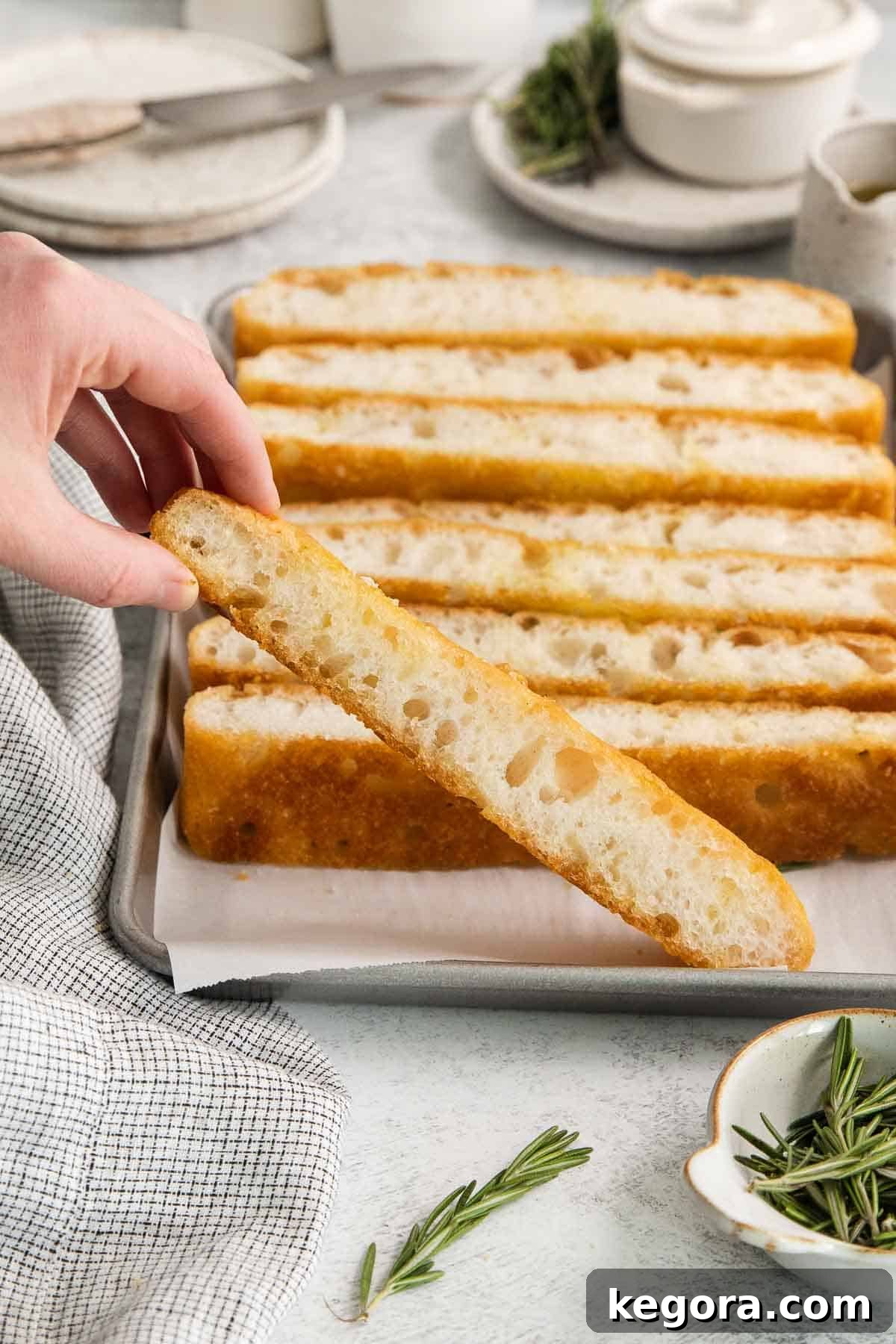
Imagine sinking your teeth into a piece of focaccia with a wonderfully pillowy, light interior that yields to a perfectly crisp, golden-brown crust. This is the experience awaiting you with this recipe! The option to generously top your gluten-free focaccia with flaky sea salt and aromatic, earthy rosemary elevates this bread to an entirely new level of culinary delight.
The secret to this magnificent bread lies in the innovative Caputo Fioreglut Gluten-Free Flour. This incredible ingredient ensures that absolutely no one can tell that this focaccia is gluten-free, making it a perfect inclusion for any meal or gathering, regardless of dietary needs.
Understanding the Caputo Fioreglut Advantage
Achieving truly excellent gluten-free bread can be a challenge, often resulting in dense, crumbly, or flavorless loaves. However, Caputo Fioreglut flour completely changes the game. Unlike many other gluten-free blends, Fioreglut incorporates gluten-free wheat starch, which is processed to remove gluten while retaining the desirable characteristics typically found in traditional wheat flour. This unique composition is why this particular flour is non-negotiable for this recipe.
The gluten-free wheat starch contributes significantly to the dough’s elasticity and structure, allowing it to develop that signature airy, open crumb and delightful chewiness that classic focaccia is known for. It’s this unique property that gives the bread its incredible rise and golden, crispy crust, making it virtually indistinguishable from its gluten-containing counterparts. If you’ve struggled with other gluten-free bread recipes, this flour is your key to success, transforming what can be a daunting task into an enjoyable and rewarding baking experience.
Featured Comment
From Beth: “Erin has done it again!! This Gluten Free Focaccia is heavenly. I followed the recipe as directed and used Red Star Instant yeast and had superb results. My only comment is that I neglected to remove it from the pan as soon as it came out of the oven and it stuck like glue to my glass Pyrex. Next time I will remove it at once and cool on a wire rack as the recipe directs.”
42 more comments
Table of Contents
- Recipe Highlights
- Understanding the Caputo Fioreglut Advantage
- Ingredients You’ll Need
- How to Make Gluten-Free Focaccia
- Make-Ahead, Storage & Freezing Instructions
- Is this Gluten-Free Focaccia Dairy-Free or Nut-Free?
- Can I Substitute Caputo Fioreglut with Another Gluten-Free Flour?
- The Importance of Dimpling the Dough
- Serving Suggestions for Gluten-Free Focaccia
- More Delicious Gluten-Free Bread Recipes
- Gluten-Free Focaccia (with Caputo Flour!) Full Recipe
Key Ingredients You’ll Need for Perfect Gluten-Free Focaccia
Crafting this exceptional gluten-free focaccia starts with a selection of key ingredients. Below are some important notes on what you’ll need to achieve the best results. For precise measurements, please refer to the detailed recipe card further down the page.
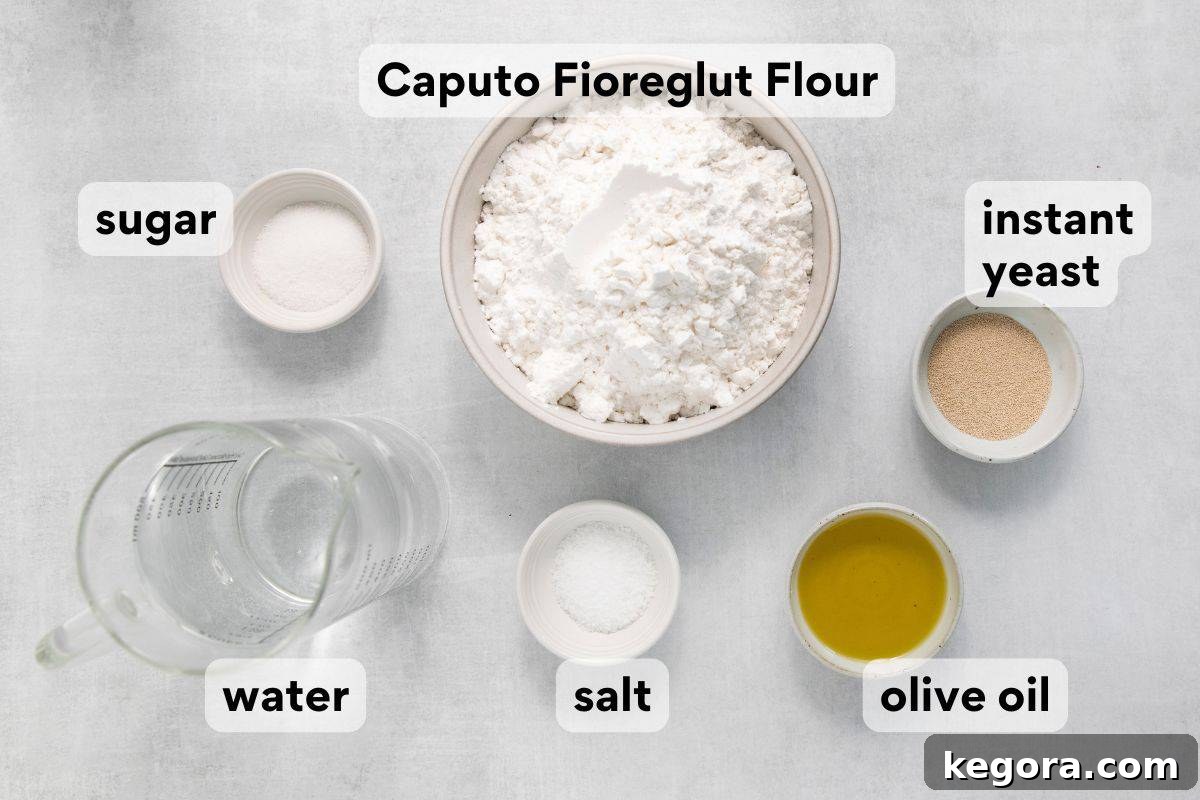
- Gluten-Free Flour: As mentioned, the star of this recipe is Caputo Fioreglut gluten-free flour. This unique flour contains gluten-free wheat starch, which is absolutely essential for creating the most amazing gluten-free bread texture. It provides the elasticity and structure necessary for that perfect rise and chewy crumb. Remember, while it’s gluten-free, it is *not* wheat-free, as it uses specially processed wheat starch.
- Instant Yeast: Yeast is the leavening agent that gives our focaccia its incredible rise and airy texture. Combined with a touch of sugar and warm water, it activates beautifully. I highly recommend using instant yeast because it can be mixed directly with the dry ingredients without needing to be proofed beforehand, simplifying the process significantly compared to active dry yeast.
- Olive Oil: High-quality olive oil is not just an ingredient; it’s a flavor enhancer and a textural cornerstone in focaccia. It’s incorporated into the dough to add richness, moisture, and softness, contributing to a tender crumb. During baking, the olive oil helps achieve that signature golden, crisp crust. Furthermore, its robust, aromatic flavor is intrinsic to the decadent taste profile of a truly authentic focaccia.
- Optional Toppings (Flaky Sea Salt & Rosemary): These toppings are optional but highly recommended for elevating your focaccia. Flaky sea salt provides a delightful burst of salinity that perfectly balances the rich flavors of the bread, adding a pleasant crunch to the texture. Fresh rosemary introduces a fragrant, herbaceous note that harmonizes beautifully with the olive oil, creating a classic flavor combination that is simply irresistible. Don’t skip these if you want the full gourmet experience!
Mastering Gluten-Free Focaccia: A Step-by-Step Guide
Making this gluten-free focaccia is a rewarding experience, leading to a bread that will impress everyone. Below is a comprehensive overview of the process. For detailed instructions and precise measurements, make sure to jump to the recipe card at the end of this article!
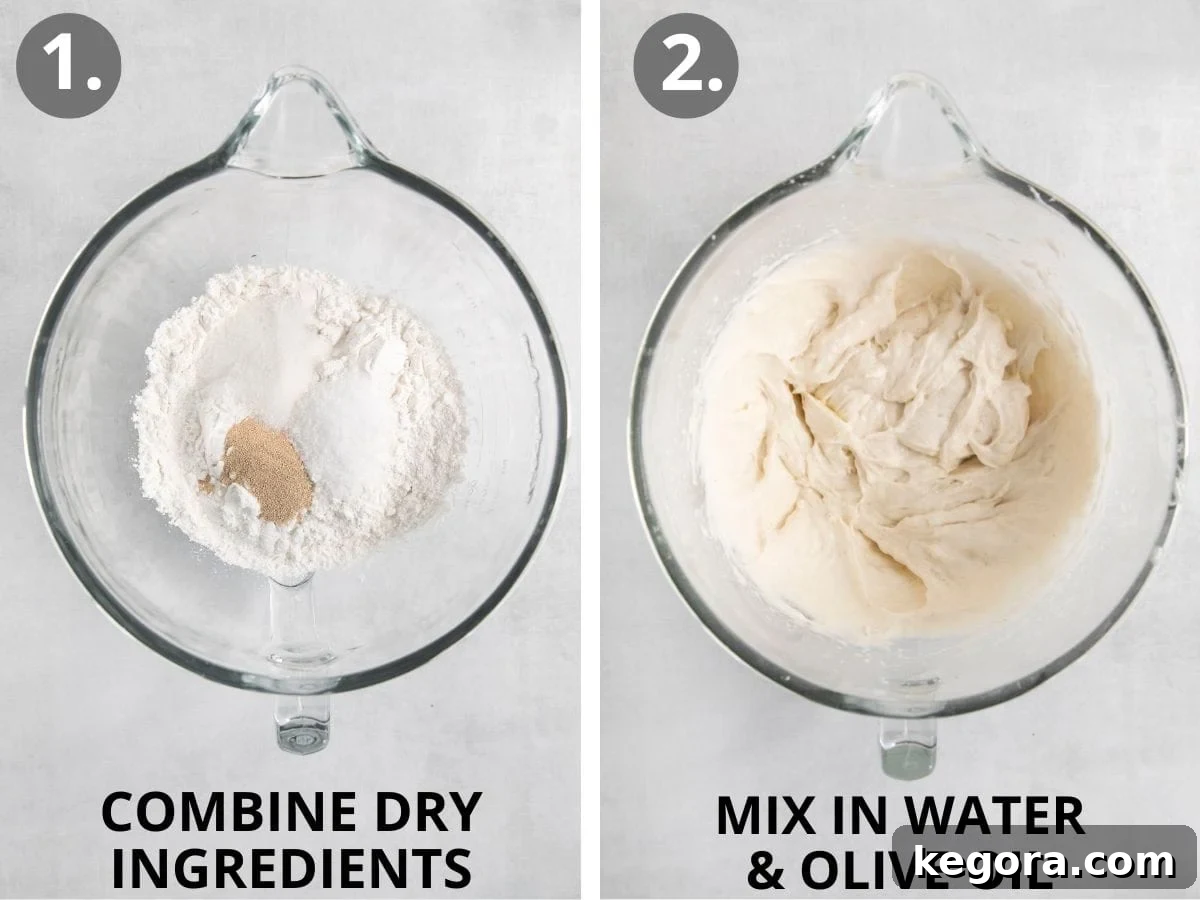
- Combine Dry Ingredients: Begin by adding the Caputo Fioreglut flour, granulated sugar, kosher salt, and instant yeast to the bowl of a stand mixer. Using the paddle attachment, mix these dry ingredients thoroughly until they are well combined. This ensures even distribution of the yeast and seasoning throughout the dough.
- Incorporate Liquids and Mix: With the mixer running on a low speed, gradually pour in the water and olive oil. Once the liquids are added, increase the mixer speed to medium-high and continue to mix the dough for a full 5 minutes. At this stage, the dough will have a thick, almost cookie-dough-like consistency – this is perfectly normal and exactly what you’re looking for!
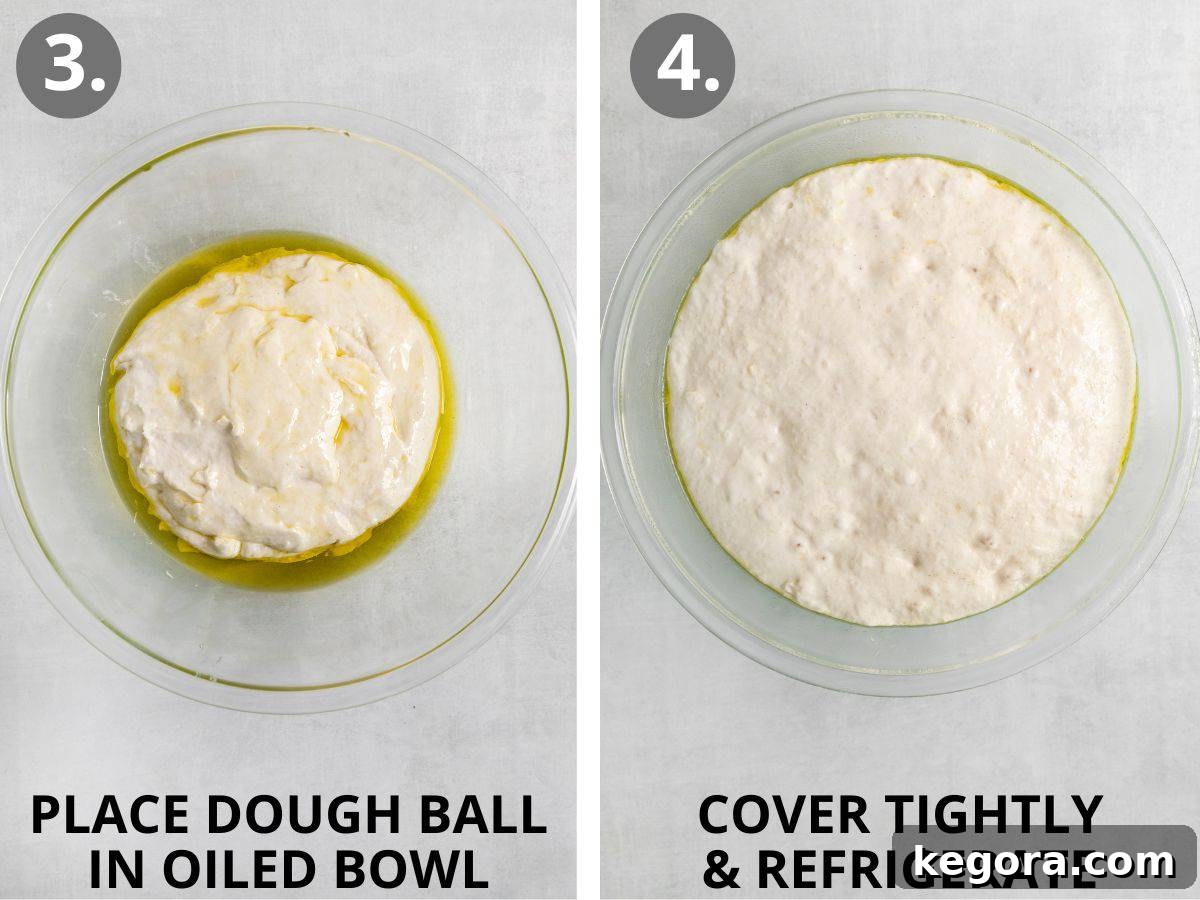
- Prepare for Chilling: Lightly oil the bottom and sides of a large bowl with about 1 tablespoon of olive oil. An airtight lid is ideal for this bowl. Carefully scrape the mixed dough from the stand mixer bowl and form it into a loose ball, then transfer it into the prepared oiled bowl. The oil helps prevent sticking and keeps the dough supple.
- The Essential Chill: Seal the bowl tightly with an airtight lid or securely wrapped plastic wrap. Place the dough in the refrigerator and allow it to chill for a minimum of 8 hours, or ideally, for up to 2 full days. This extended cold fermentation is crucial for flavor development and achieving the perfect focaccia texture. Don’t rush this step!
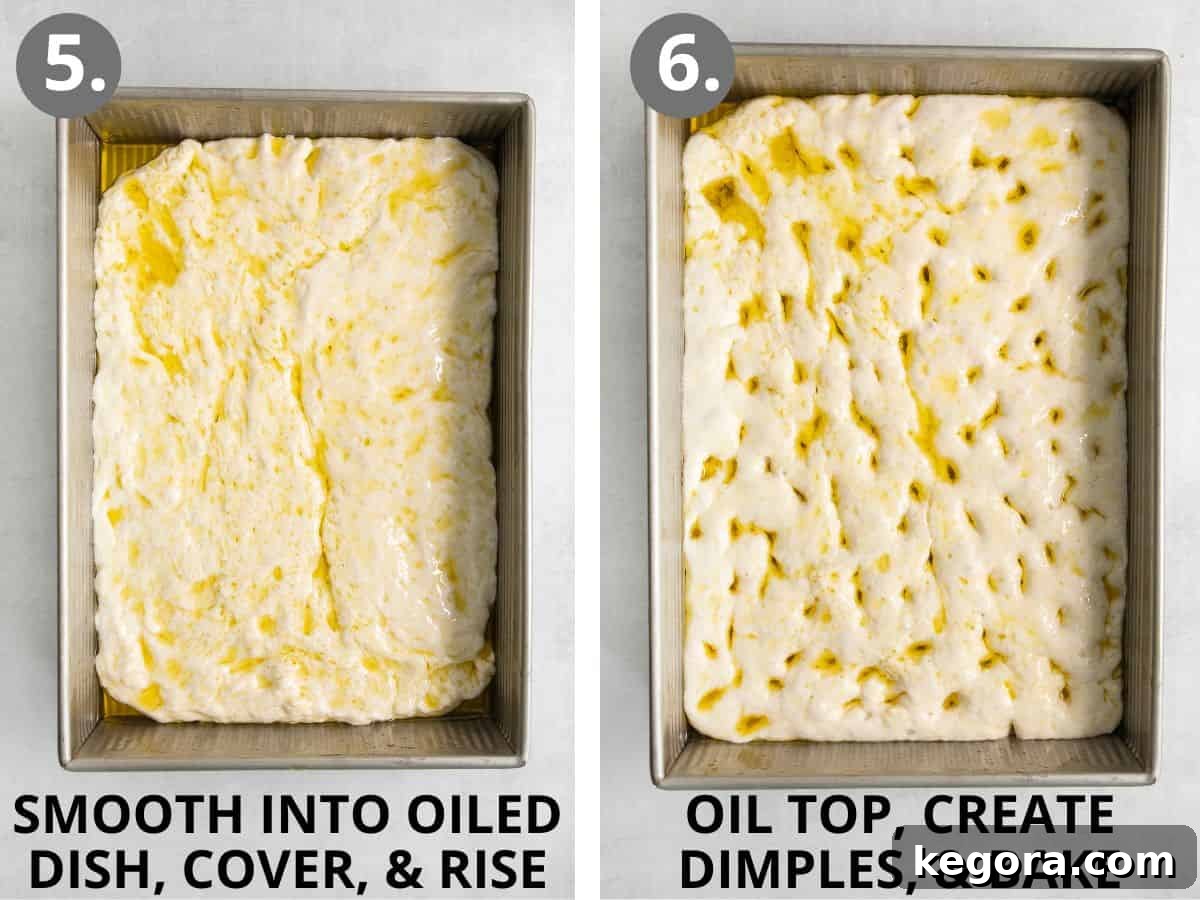
- Second Rise and Pan Prep: Oil a 9×13-inch baking dish with another 1 tablespoon of olive oil, ensuring the entire surface is coated. Gently transfer the chilled dough into the baking dish and carefully smooth it out into an even layer, stretching it to fit the pan if needed. Cover the dish and let the focaccia rise in a warm, draft-free place for approximately 2 hours. This allows the dough to proof and become airy.
- Final Prep and Bake: Preheat your oven to 425°F (220°C). If you’re using fresh rosemary, sprinkle it generously over the risen dough. Drizzle 2 tablespoons of olive oil over the top of the dough. Lightly coat your hands with oil, then press your fingers straight down into the dough to create deep, characteristic dimples. This not only creates the classic focaccia appearance but also helps the oil penetrate the bread. Finally, sprinkle generously with flaky sea salt. Bake for 25-30 minutes, or until the focaccia is golden brown and sounds hollow when tapped. For absolute accuracy, an instant-read thermometer inserted into the center should register above 205°F (96°C). Once baked, immediately remove the focaccia from the oven, lift it out of the dish onto a wire rack, and allow it to cool for 15 minutes before slicing and enjoying its warm, aromatic goodness!
Make-Ahead, Storage & Freezing Instructions for Gluten-Free Focaccia
This gluten-free focaccia is not only delicious but also incredibly convenient, offering flexibility for make-ahead preparation and various storage options. Planning ahead ensures fresh, warm focaccia whenever you desire.
To Make-Ahead: One of the best features of this recipe is its make-ahead versatility. You can prepare the dough up to 2 days in advance! Simply follow the dough preparation steps through step 5 (after forming the dough ball and placing it in the oiled bowl). Then, cover the bowl tightly and refrigerate it. When you’re ready to bake, simply take the dough out of the fridge and continue with the recipe starting from step 6, allowing for the full 2-hour second rise.
To Store Leftovers: If you have any focaccia remaining (which is a rare occurrence!), it stores beautifully. Keep it in an airtight container at room temperature for up to 3 days. To enjoy warm, simply reheat individual pieces in the microwave for 10-15 seconds, or for a crispier crust, warm it in a toaster oven for a few minutes.
To Freeze for Later: Focaccia freezes exceptionally well, making it perfect for meal prep or having a treat on hand. First, ensure the focaccia has cooled completely after baking. Then, wrap it tightly in plastic wrap, followed by a layer of aluminum foil, or place it in a freezer-safe bag or airtight container. It can be frozen for up to 3 months. When you’re ready to enjoy, thaw the focaccia at room temperature for a few hours. For best results, you can then warm it in a preheated oven at 350°F (175°C) for about 10 minutes to refresh the crust.
Is this Gluten-Free Focaccia Dairy-Free or Nut-Free?
Yes, absolutely! This delicious focaccia recipe is a fantastic option for those with dietary restrictions. It is naturally dairy-free and nut-free, requiring no further adjustments or substitutions to meet these needs. Enjoy with confidence!
Can I Substitute Caputo Fioreglut with Another Gluten-Free Flour?
Unfortunately, no. This gluten-free focaccia recipe was meticulously developed and tested specifically with Caputo Fioreglut flour. The unique properties of this particular flour, especially its gluten-free wheat starch content, are critical for achieving the desired light, airy texture and impressive rise. Substituting with other gluten-free flour blends will not yield the same exceptional results, and the focaccia may turn out dense, dry, or fail to rise properly. For the best outcome, please stick to Caputo Fioreglut.
The Importance of Dimpling the Dough in Focaccia
The distinctive dimples on focaccia aren’t just for aesthetics; they play a crucial role in the baking process and the final texture of the bread. Using your fingers to create these indentations achieves several important things:
- Even Baking: The dimples create varying thicknesses in the dough, allowing it to bake more evenly throughout. Without them, the bread might puff up excessively in some areas and remain undercooked in others.
- Classic Texture: These indentations help create the classic airy, irregular crumb structure that is characteristic of authentic focaccia. They prevent the dough from rising too much like a standard loaf of bread, contributing to its unique flatbread quality.
- Flavor Infusion: Perhaps most importantly, the dimples act as little pools, collecting the generous drizzle of olive oil before baking. This allows the oil to soak deeply into the dough, enhancing its rich flavor and contributing to a moist, tender interior and a crisp exterior. They also hold any scattered herbs or flaky salt, ensuring they adhere well to the bread.
So, don’t skip the dimpling step – it’s key to perfect focaccia!
Serving Suggestions for Gluten-Free Focaccia
This versatile gluten-free focaccia is incredibly adaptable and pairs beautifully with a wide array of dishes. Its savory profile makes it an excellent accompaniment to many meals:
- Enjoy it alongside hearty Italian classics such as gluten-free meatballs, a comforting gluten-free lasagna, or a creamy gluten-free Alfredo sauce.
- It makes a superb dipping bread for olive oil, balsamic vinegar, or a vibrant pesto.
- Serve it with flavorful tapenades, rich creamy cheeses, or a simple garlic butter for an appetizer or light snack.
- Pair it with soups and salads for a complete and satisfying meal.
- It’s also delicious on its own, perhaps with a sprinkle of extra sea salt and a drizzle of your best olive oil.
More Delicious Gluten-Free Bread Recipes
If you’ve loved this gluten-free focaccia, you’ll be thrilled to discover more fantastic gluten-free bread options that deliver on taste and texture. Many of these also feature the incredible Caputo Fioreglut flour for outstanding results:
- Gluten-Free Artisan Bread (with Caputo Fioreglut)
- Gluten-Free Breadsticks (with Caputo Fioreglut)
- Gluten-Free Cinnamon Breadsticks (with Caputo Fioreglut)
- Easy Soft Gluten-Free Dinner Rolls
- Gluten-Free Garlic Bread
- Gluten-Free Crescent Rolls
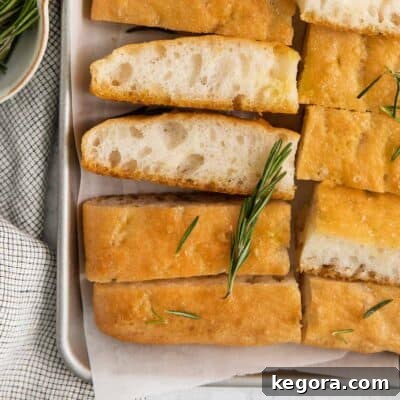
Gluten-Free Focaccia (with Caputo Flour!)
Made with Caputo Fioreglut gluten-free flour, this is the most flavorful, pillowy focaccia! My #1 tip is to let the dough rise overnight for the best flavor and texture.
Comments
Ingredients
For the Bread Dough
- 4 cups (600g) Caputo Fioreglut Flour
- 1 tablespoon granulated sugar
- 1 tablespoon kosher salt
- 1 ½ teaspoons instant yeast
- 2 ¼ cups (535ml) water
- 2 tablespoons olive oil
For the Topping
- olive oil for rising and topping before baking
- 2-3 tablespoons chopped fresh rosemary
- flaky sea salt
Instructions
To make the dough:
-
In the bowl of a stand mixer fitted with the paddle attachment, add the Caputo Fioreglut flour, sugar, salt and instant yeast. Mix to combine until evenly distributed.
-
With the mixer running on low speed, slowly pour in the water and olive oil. Once incorporated, increase the speed to medium-high and mix for 5 minutes. The dough will have a thick, cookie-dough-like consistency; this is perfectly normal for this recipe.
-
Using an oiled rubber spatula, scrape down any dough from the bottom and sides of the bowl. Mix again briefly until everything is well-combined and no dry spots remain.
-
Generously oil the bottom and sides of a large bowl (preferably one equipped with an airtight lid) with 1 tablespoon of olive oil.
-
Form the dough into a loose ball and carefully transfer it to the prepared oiled bowl. Cover the bowl tightly with its lid or plastic wrap and refrigerate for a minimum of 8 hours, or for up to 2 days, to allow for a slow, flavorful fermentation.
To shape and bake the focaccia:
-
Oil a 9×13-inch baking dish with 1 tablespoon of olive oil, ensuring the bottom and sides are thoroughly coated to prevent sticking. Scoop the chilled dough into the baking dish and gently smooth it into an even layer, stretching it to fill the pan if necessary.
-
Cover the dish lightly and let the focaccia rise in a warm, draft-free spot for approximately 2 hours. This second rise is crucial for developing its final airy texture.
-
Preheat your oven to 425°F (220°C). If you are using fresh rosemary, sprinkle it evenly over the risen dough. Pour an additional 2 tablespoons of olive oil generously over the dough surface.
-
Lightly rub your hands in the olive oil on the dough to coat them, then, using all your fingers, press straight down into the dough to create deep, characteristic dimples. If the dough seems to resist, gently stretch it as you dimple to encourage it to fill the pan. Finish by sprinkling generously all over with flaky sea salt.
-
Bake the focaccia for 25-30 minutes, or until it achieves a beautiful golden brown color on top and sounds hollow when tapped. For the most accurate test of doneness, an instant-read thermometer inserted into the center of the bread should read above 205°F (96°C).
-
Immediately remove the focaccia from the oven. Carefully lift the bread out of the baking dish and transfer it onto a wire rack to cool completely. Allow it to cool for at least 15 minutes before slicing and serving warm. Enjoy!
Notes
Dairy-Free: This focaccia bread recipe is naturally dairy-free.
Nut-Free: This focaccia bread recipe is naturally nut-free.
To Make-Ahead: The dough can be made up to 2 days in advance! Prepare the dough as instructed, cover tightly, and refrigerate until you are ready to bake.
To Store: Store any leftover focaccia in an airtight container at room temperature for up to 3 days.
To Freeze: Allow the focaccia to cool completely after baking. Wrap it tightly in plastic wrap or aluminum foil, then place it in a freezer bag or airtight container. Freeze for up to 3 months. Thaw at room temperature for a few hours before reheating.