
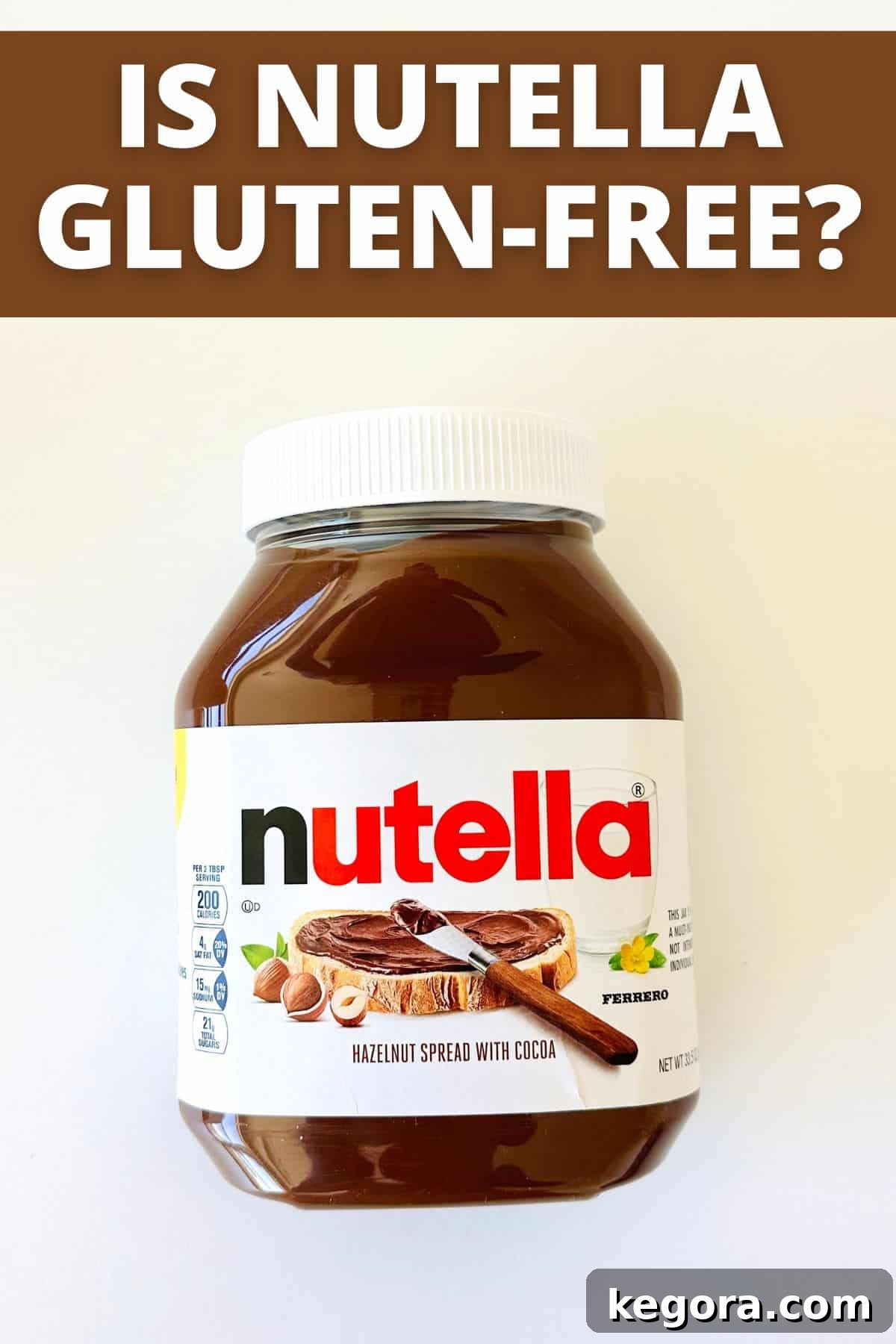
You’re not the first to wonder: Is Nutella gluten-free? This comprehensive guide will answer all your questions about Nutella and its ingredients, ensuring you can enjoy this beloved spread safely and confidently on a gluten-free diet.
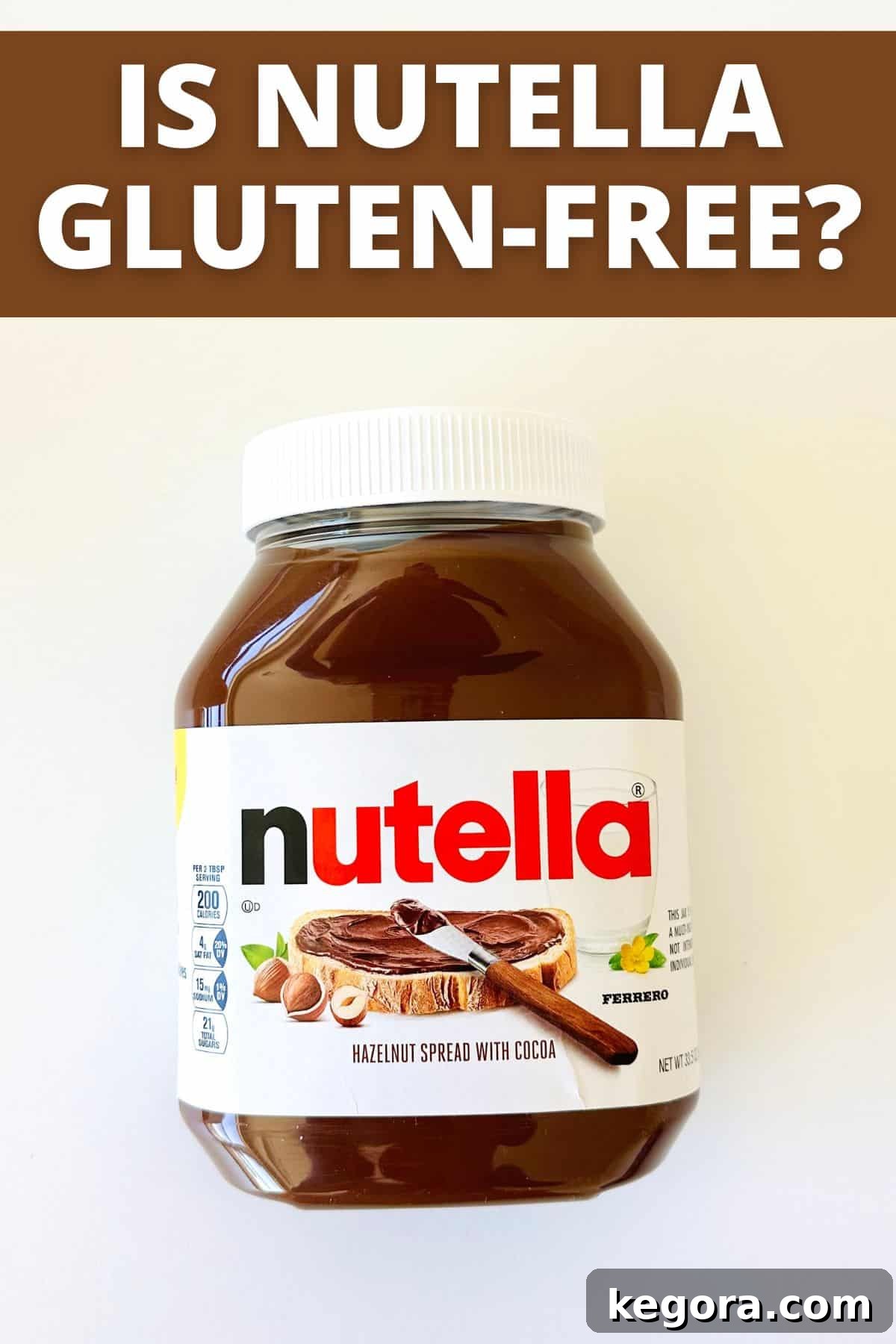
Is Nutella Gluten-Free? Your Ultimate Guide to Enjoying This Beloved Spread
The irresistible allure of Nutella is truly global. Its rich, velvety texture, combined with the decadent sweetness of milk chocolate and a distinct hazelnut essence, makes it a cherished pantry staple. Whether you’re spreading it generously on breakfast toast, swirling it into delicate crepes, or incorporating it into a wide array of desserts, Nutella consistently delivers a unique and comforting flavor experience. However, for the millions of individuals navigating a gluten-free lifestyle, a critical question frequently arises: Is Nutella gluten-free and safe to consume?
Let’s address this directly: Yes, the classic Nutella hazelnut spread is unequivocally gluten-free! The manufacturer, Ferrero, explicitly confirms this on its Ferrero Foodservice website, stating, “Nutella does not contain any ingredients derived from gluten-containing cereals: wheat, barley, rye, oats or triticale.” This is fantastic news for anyone managing celiac disease, gluten sensitivity, or a wheat allergy, as it means the pure spread can be enjoyed without concern for gluten contamination.
However, it is absolutely vital to differentiate between the classic Nutella spread and other branded Nutella products. Certain convenient snack items, such as Nutella & GO!, Nutella B-Ready, and Nutella Biscuits, *do* contain gluten. These products are typically packaged with breadsticks, crackers, or cookies that are made from wheat flour, rendering them unsuitable for individuals on a gluten-free diet. Always make it a practice to meticulously check the ingredient labels on all Nutella-branded items to ensure they align with your dietary needs.
What Exactly is Nutella? A Taste of History and Composition
Nutella is much more than just a sweet spread; it’s a testament to culinary innovation with a rich history rooted in Italian resourcefulness. This luxurious, creamy confection is a direct descendant of gianduja, a sweet chocolate paste first developed in Piedmont, Italy, during the Napoleonic Wars. During this tumultuous period, severe trade restrictions imposed by Napoleon led to a drastic shortage of cocoa. Ingenious Italian chocolatiers responded to this challenge by stretching their limited cocoa supplies with an abundant local ingredient: hazelnuts. This clever combination not only made the scarce cocoa go further but also created an entirely new and captivating flavor profile that quickly became adored by consumers, transforming a wartime necessity into a treasured delicacy.
Building upon this rich gianduja tradition, the Italian confectionary company Ferrero introduced Nutella hazelnut spread to the market in 1964. Since its debut, Nutella has steadily risen in popularity, transcending cultural boundaries to become a cherished staple in households across the globe. It is a common sight at breakfast tables, gracing everything from warm toast and fluffy pancakes to delicate crepes. Beyond breakfast, its versatility shines in countless dessert recipes. For the optimal enjoyment, Nutella is best served at room temperature, allowing its smooth texture and aromatic hazelnut-chocolate notes to fully develop.
Nutella’s Key Ingredients: A Closer Look
Ferrero maintains transparency about Nutella’s composition, utilizing a relatively short and straightforward list of ingredients. According to the official Nutella website, the classic spread is made from just seven core components, listed in descending order of their proportion:
- Sugar: As the predominant ingredient, sugar provides Nutella’s characteristic sweetness and contributes to its smooth texture.
- Palm Oil: This vegetable oil is crucial for achieving Nutella’s creamy consistency and preventing the separation of other ingredients. Ferrero emphasizes its commitment to sourcing sustainable palm oil.
- Hazelnuts: Comprising 13% of the spread, these roasted nuts are the heart of Nutella’s distinctive nutty flavor and aroma. Hazelnuts are naturally gluten-free and contribute healthy fats.
- Skim Milk Powder: Added for its creamy mouthfeel and to impart a delicate milky flavor, skim milk powder also confirms that Nutella is not suitable for dairy-free diets.
- Cocoa: This ingredient provides Nutella’s rich chocolatey depth. Pure cocoa powder is naturally gluten-free.
- Lecithin (Soy): An emulsifier, primarily derived from soybeans, lecithin plays a vital role in binding the oil and water-based ingredients, ensuring Nutella’s consistently smooth and spreadable texture. Soy lecithin is gluten-free.
- Vanillin: An artificial flavor designed to mimic natural vanilla, vanillin enhances the overall taste profile and aromatic complexity of Nutella.
It is essential for consumers with allergies to note the explicit allergen information on the product label: Nutella contains hazelnuts, milk, and soy. While it is inherently gluten-free, those with these specific allergies must exercise caution.
Beyond its gluten-free status, Nutella also holds a Kosher certification, signifying that its production processes and ingredients adhere to strict religious dietary guidelines. A reassuring point for many is that Nutella is completely peanut-free. The dedicated facilities where Nutella is produced do not process peanuts, thereby effectively eliminating any risk of peanut cross-contamination, which is a major concern for individuals with severe peanut allergies.
Understanding Gluten: What It Is and Why It Matters for Your Health
To fully appreciate Nutella’s gluten-free status, it’s helpful to understand what gluten is and why it’s a concern for a significant portion of the population. Gluten is a collective term for proteins found in specific cereal grains, including wheat, barley, and rye, as well as their derivatives like triticale. It’s renowned for giving dough its elasticity, allowing bread to rise, and contributing to the chewy texture of many baked goods – essentially acting as a “glue.” While gluten is harmless for most people, it can trigger serious health issues for others:
- Celiac Disease: This is a severe autoimmune disorder where the ingestion of gluten leads to damage in the small intestine. This damage hinders the absorption of vital nutrients, leading to a range of symptoms and long-term health complications. For individuals with celiac disease, even trace amounts of gluten can cause significant harm.
- Non-Celiac Gluten Sensitivity (NCGS): People with NCGS experience symptoms similar to celiac disease, such as digestive upset, fatigue, and headaches, after consuming gluten. However, they do not exhibit the intestinal damage or autoimmune response characteristic of celiac disease.
- Wheat Allergy: Distinct from celiac disease and NCGS, a wheat allergy involves an allergic reaction to specific proteins found in wheat. Symptoms can range from mild (hives, digestive issues) to severe (anaphylaxis). Individuals with a wheat allergy may tolerate other gluten-containing grains like barley or rye.
For these groups, maintaining a strict gluten-free diet is paramount for managing their symptoms and preserving their overall health and well-being. This underscores why knowing the gluten status of widely consumed products like Nutella is so important.
The Definitive Answer: Is Nutella Gluten-Free? Yes, It Is!
Let’s confirm once more with absolute clarity: The classic Nutella hazelnut spread is indeed gluten-free. Its formulation is meticulously crafted to exclude any ingredients derived from wheat, barley, rye, or triticale. Although some oats can be problematic for gluten-free diets due to cross-contamination, Nutella does not contain oats either. This means that if you are managing celiac disease, a wheat allergy, or a gluten sensitivity, you can confidently indulge in the rich, sweet taste of Nutella without any worry about gluten-related health concerns. It remains a safe and delightful treat perfectly suited for your dietary needs.
You might notice that the Nutella product label does not bear an “FDA Certified Gluten-Free” seal. This absence, however, does not diminish its gluten-free status. Achieving formal “certified gluten-free” status requires a product to undergo rigorous third-party testing to prove its gluten content is below 20 parts per million (ppm) – the current threshold set by the FDA for such labeling. While Nutella has not pursued this specific certification, its transparent ingredient list provides ample assurance that it contains no gluten-derived components, making it inherently safe for a gluten-free diet.
It bears repeating a crucial point: always exercise extreme caution with any Nutella-branded *snack products*. Items such as Nutella & GO!, Nutella B-Ready, and Nutella Biscuits are specifically manufactured with gluten-containing components, typically wheat-based breadsticks, crackers, or cookies. These products are unequivocally NOT gluten-free and must be strictly avoided by anyone adhering to a gluten-free diet to prevent adverse reactions.
Is Nutella Certified Gluten-Free? Understanding the Nuance
For many navigating a gluten-free diet, especially those with celiac disease, the distinction between a product being “gluten-free by ingredients” and “certified gluten-free” is significant. As established by the FDA, for a food product to proudly display a “certified gluten-free” label, it must have undergone stringent testing to verify that its gluten content is less than 20 parts per million (ppm). This strict standard is designed to minimize the risk of accidental cross-contamination and provides an enhanced level of assurance for consumers. You can delve deeper into the FDA’s comprehensive gluten-free labeling regulations here.
At present, the classic Nutella hazelnut spread does not feature the “certified gluten-free” indicator on its packaging. While this might initially raise questions, it’s vital to reiterate that Nutella is manufactured without any gluten-containing or gluten-derived ingredients. The absence of this specific certification simply indicates that the product has not pursued the formal third-party testing and labeling process required for that claim, rather than implying the presence of gluten.
Interestingly, Nutella does proudly carry another significant certification: it is certified Kosher. This means that both the dairy components used in Nutella’s production and the overall manufacturing process adhere to strict Jewish dietary laws, making it permissible for inclusion in a Kosher diet. Further details regarding Nutella’s Kosher certifications are available for review here.
Navigating Cross-Contamination in Food Production: The Nutella Perspective
For individuals with celiac disease or severe gluten allergies, the risk of cross-contamination is a constant and serious concern. This occurs when gluten-free foods come into inadvertent contact with gluten-containing ingredients or surfaces during any stage of food handling—from raw material sourcing and manufacturing to packaging and even preparation at home. While Nutella’s ingredients are inherently gluten-free, questions about the manufacturing environment naturally arise.
Ferrero, the esteemed producer of Nutella, is well-regarded for its robust allergen management protocols. They particularly highlight that Nutella is manufactured in dedicated facilities that do not process peanuts, thereby entirely eliminating the risk of peanut cross-contamination. This commitment to allergen control suggests a high standard of practice. Although they do not explicitly detail their gluten cross-contamination prevention measures for Nutella (partly due to it not being “certified” gluten-free), the consistent declaration of its gluten-free ingredients and the absence of any precautionary “may contain gluten” warnings strongly imply stringent controls. For the vast majority of individuals following a gluten-free diet, the inherent gluten-free nature of Nutella’s ingredients provides sufficient assurance for safe consumption.
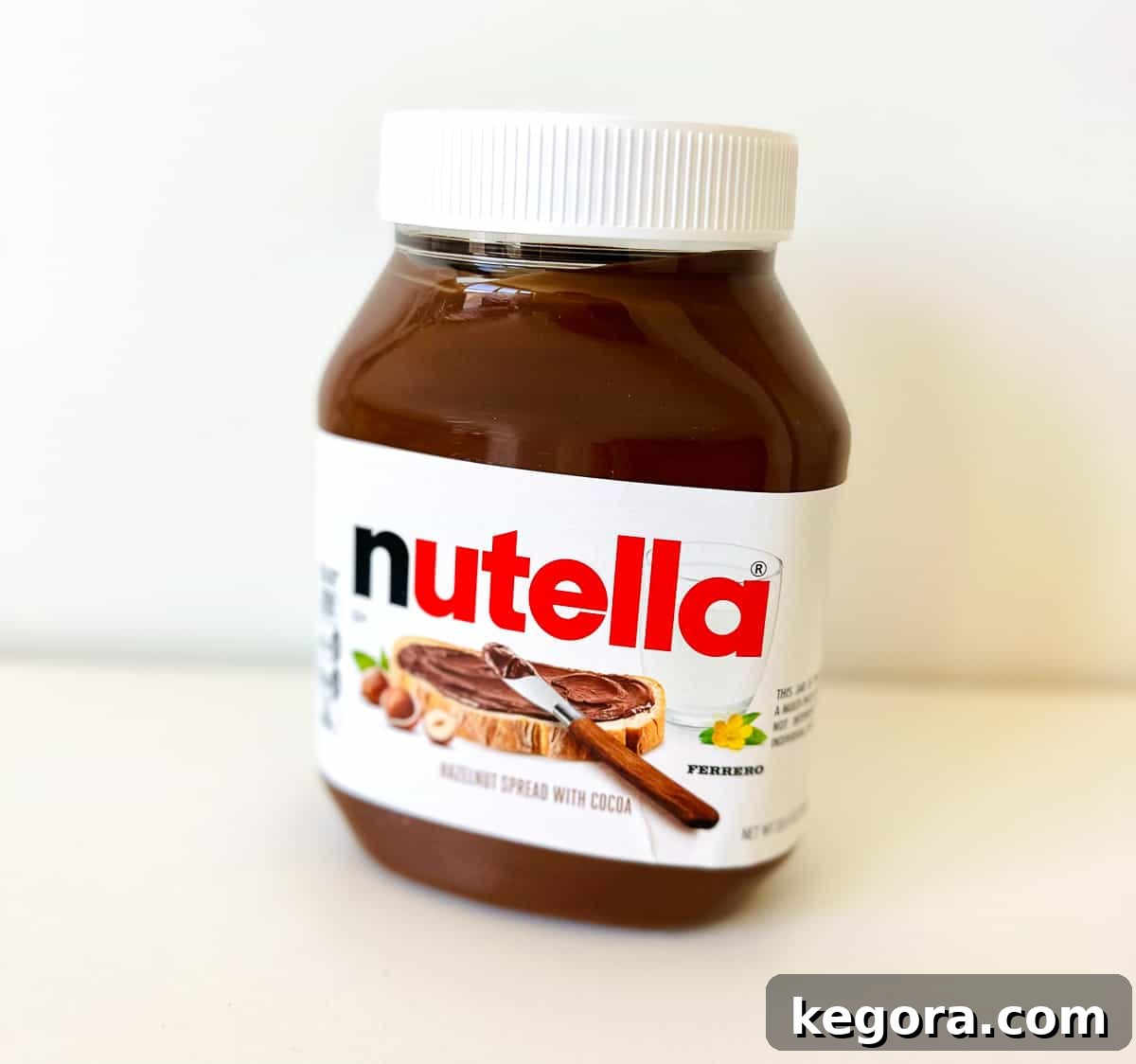
FAQs: All Your Nutella and Gluten-Free Questions Answered
Yes, absolutely! Individuals diagnosed with celiac disease can safely enjoy the classic Nutella chocolate-hazelnut spread. Although it might not carry an official “certified gluten-free” label, Nutella is specifically formulated without any gluten-containing ingredients. Its recipe is free from wheat, barley, rye, oats, or triticale derivatives, making it a safe and delicious choice for those managing celiac disease. However, remember to always avoid Nutella snack products like Nutella & GO!, which contain gluten-filled components.
Yes, hazelnuts are naturally gluten-free! As nuts harvested from the hazel tree, they do not inherently contain any gluten proteins. Therefore, people with celiac disease or gluten sensitivities can confidently consume hazelnuts as a part of their diet. Given that Nutella prominently features hazelnuts as a key ingredient, this contributes to its overall gluten-free status, ensuring the spread is safe for celiacs to enjoy.
Generally speaking, Nutella is not considered healthier than most natural peanut butters. The top two ingredients in Nutella are sugar and palm oil, with hazelnuts making up only 13% of the spread. In contrast, many traditional peanut butters are primarily composed of peanuts, often with minimal additions of sugar, oil, and salt. Consequently, Nutella is significantly higher in sugar and typically lower in protein compared to the average peanut butter, positioning it more as an indulgent treat rather than a health-conscious dietary staple.
Nutella is not dairy-free. It contains skim milk powder, which is a dairy ingredient. Therefore, if you have a dairy allergy, lactose intolerance, or follow a vegan diet, Nutella should be avoided. However, Nutella is gluten-free. It does not contain any ingredients derived from wheat, barley, rye, oats, or triticale, making it suitable for those on a gluten-free diet. If you are specifically searching for a hazelnut cocoa spread that is both dairy-free and gluten-free, you might explore excellent alternatives such as Justin’s Chocolate Hazelnut and Almond Butter or Nutiva Hazelnut Spread (available in Classic or Dark Chocolate varieties).
Absolutely! Since Nutella itself is a gluten-free product, it makes a superb addition to a wide range of gluten-free baking recipes. You can seamlessly incorporate it into gluten-free cakes, cookies, brownies, muffins, or even use it as a luxurious filling for pastries. Just ensure that all other ingredients in your recipe, such as flours, leavening agents, and flavorings, are also certified or inherently gluten-free to maintain the integrity of your delicious gluten-free creation. Nutella’s rich flavor and creamy texture are guaranteed to elevate any dessert!
No, Nutella does not list oats as an ingredient in its classic formulation. Its primary components include sugar, palm oil, hazelnuts, skim milk powder, cocoa, lecithin (soy), and vanillin. While oats can be a concern for gluten-free diets if not certified gluten-free due to potential cross-contamination during processing, Nutella’s ingredient list is entirely free from oats, further confirming its gluten-free status by ingredients.
The Bottom Line: Enjoying Nutella on a Gluten-Free Diet
To recap, the iconic jar of Nutella chocolate hazelnut spread is indeed a safe and delightful indulgence for those committed to a gluten-free lifestyle. While you might not find an official “certified gluten-free” badge adorning its label, rest assured that its carefully selected ingredients contain no gluten grains, making it perfectly suitable for individuals with celiac disease, gluten sensitivity, or a wheat allergy. You can enjoy the classic spread with confidence.
The crucial distinction to remember is this: enjoy the pure Nutella spread without hesitation. However, always make it a point to steer clear of Nutella & GO!, Nutella B-Ready, and Nutella Biscuits. These popular convenient snack products invariably contain gluten-laden breadsticks and cookies, which are strictly off-limits for anyone following a gluten-free diet. A quick, thorough check of the ingredient list on any product you consider purchasing is always your most reliable defense.
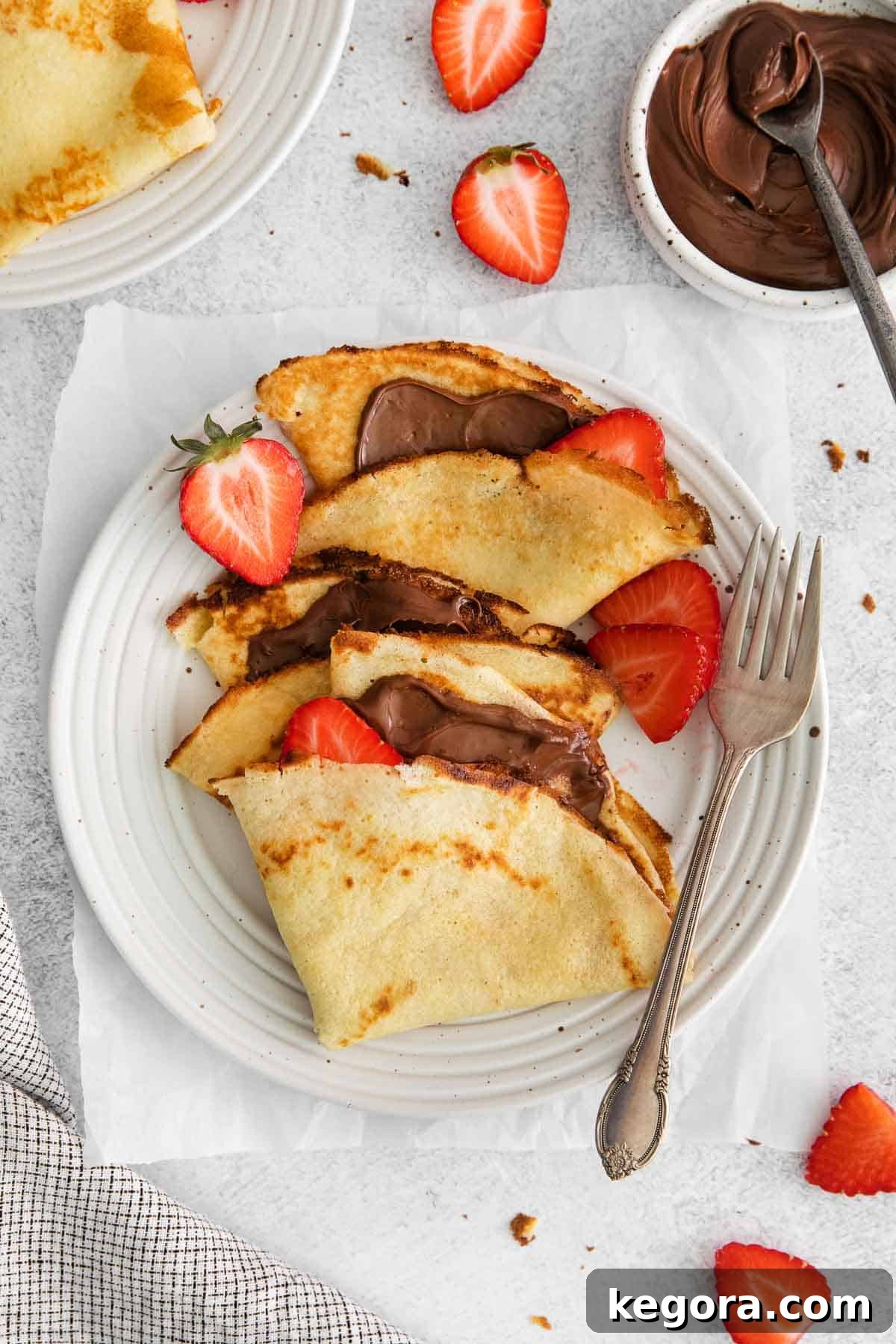
Delicious Gluten-Free Ways to Savor Nutella
The culinary possibilities with sweet, creamy Nutella are virtually endless, especially when you’re seeking delightful gluten-free treats! Its rich, versatile flavor profile makes it an excellent companion to a wide array of foods and a fantastic ingredient in many recipes. Here are some inspiring ideas to help you incorporate this irresistible spread into your gluten-free diet:
- Classic Spreads: Enjoy Nutella spread generously on gluten-free toast, rice cakes, corn thins, or gluten-free bagels for a quick and satisfying snack or breakfast.
- Fruit Pairings: Drizzle Nutella over sliced bananas, strawberries, raspberries, or crisp apple wedges for a refreshing and decadent fruit salad or simple dessert.
- Dip It: For an effortless sweet treat, dip gluten-free pretzels, graham crackers, marshmallows, or even carrot and celery sticks into a dollop of Nutella.
- Beverage Boost: Swirl a generous spoonful into warm milk for a comforting homemade hot chocolate, or blend it into your favorite smoothie or milkshake for an extra touch of luxurious flavor.
- Breakfast Delights: Elevate your morning routine by adding a dollop of Nutella to your favorite gluten-free breakfast items. Imagine a spoonful melting deliciously over warm pancakes or waffles.
For those eager to create more elaborate gluten-free breakfast and dessert masterpieces, consider pairing Nutella with these fantastic gluten-free recipes from our collection:
- Gluten-Free Crepes: The quintessential pairing for a truly European-inspired breakfast or dessert experience.
- Gluten-Free Waffles: A warm, inviting canvas perfectly suited for a generous application of melted Nutella.
- Banana Pancakes: Complement the natural sweetness and fruity notes of these pancakes with a rich, chocolatey hazelnut swirl.
- Gluten-Free Buttermilk Pancakes: Fluffy and tender, these pancakes are just waiting for that delightful spread.
- Gluten-Free Dutch Baby (German Pancake): A visually impressive and delicious breakfast that becomes even more extraordinary with Nutella.
And for a truly special dessert, a spoonful of Nutella atop our indulgent Gluten-Free Confetti Mug Cake creates an instant masterpiece. Enjoy every delicious, gluten-free bite!
Explore More Gluten-Free Insights and Recipes
5 Spooky-Cute Gluten-Free Halloween Treats
Top 15 BEST Gluten-Free Pumpkin Recipes
Homemade Gluten-Free Taco Seasoning
The 25 BEST Gluten-Free Thanksgiving Desserts
Are Swedish Fish Gluten-Free?
Your Comprehensive Gluten-Free Candy List 2025!
Expand Your Gluten-Free Knowledge
Navigating a gluten-free lifestyle often involves careful ingredient checking and staying informed about various products. If you found this guide helpful, you might be interested in exploring our other detailed articles on the gluten-free status of popular foods and ingredients:
- Are Oreos Gluten-Free?
- Is Peanut Butter Gluten-Free?
- Finding Gluten-Free Graham Crackers
- Is Cool Whip Gluten-Free?
- Is Oat Milk Gluten-Free?
- Are Reese’s Gluten-Free?
- Are M&M’s Gluten-Free?
- Are Snickers Gluten-Free?
- Are Marshmallows Gluten-Free?