
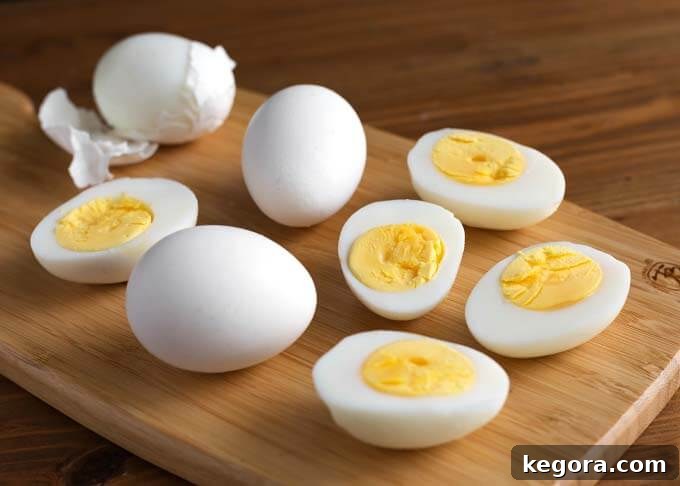
Unlock the secret to effortlessly perfect “boiled” eggs with your air fryer! Forget the pots of boiling water, the constant vigilance, and the frustrating struggle with peeling. Air fryer eggs offer a revolutionary, waterless method to achieve impeccably cooked eggs every single time, whether you crave a jammy yolk or a firm, hard-cooked delight. This guide will transform your egg-cooking routine, making it simpler, cleaner, and more consistent than ever before.
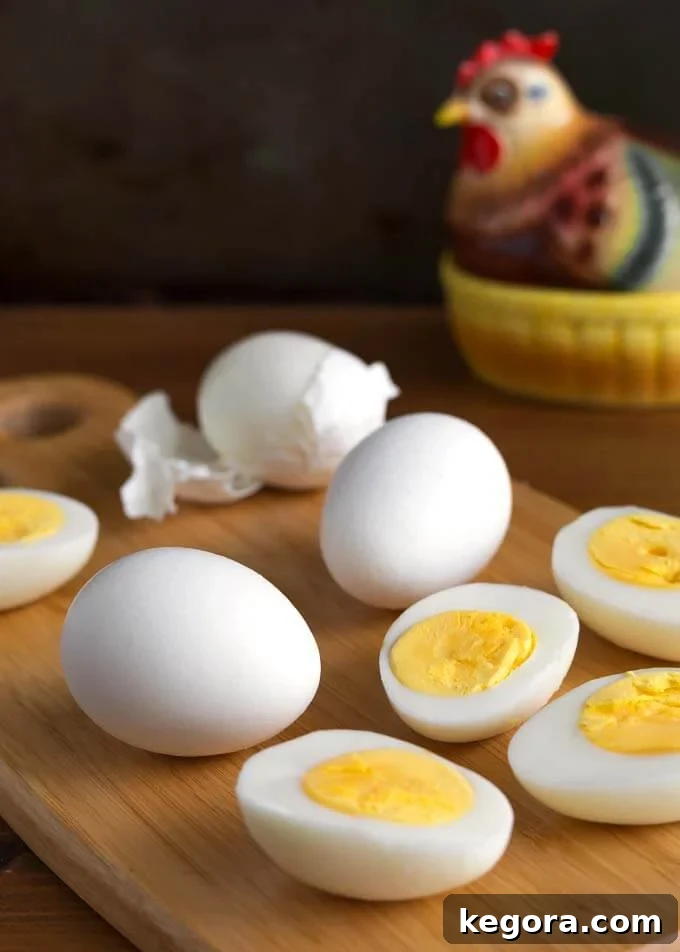
The Wonder of Air Fryer Eggs: Boiled Perfection, Water-Free
You might be wondering, “How can they be called ‘boiled eggs’ if there’s no boiling water involved?” It’s a valid question! The term “boiled eggs” is universally understood to mean whole, cooked eggs within their shell, regardless of the cooking method. In this context, we use it to clearly convey that we’re achieving the same delightful result – perfectly cooked, easily peelable eggs – but with the innovative, mess-free technology of an air fryer.
Air fryers have quickly become a favorite kitchen appliance for their ability to deliver crispy textures and evenly cooked meals with minimal oil. Their utility extends far beyond just frying; they excel at simple tasks like cooking eggs, offering a consistent and convenient alternative to traditional stovetop methods. If you’re looking for an easier way to prepare a nutritious breakfast, a quick snack, or ingredients for meal prep, air fryer eggs are a game-changer.
Why Choose the Air Fryer for Your Eggs?
There are numerous compelling reasons to switch to your air fryer for cooking eggs:
- Consistent Results: One of the biggest advantages is the reliability of the outcome. Air fryers circulate hot air evenly, ensuring that each egg cooks uniformly. Say goodbye to guesswork and hello to predictable doneness.
- Effortless Peeling: Many enthusiasts find that air-fried eggs are significantly easier to peel than their stovetop counterparts. This can be attributed to the dry heat cooking method, which causes the egg membrane to separate more readily from the shell.
- No Green Ring: Overcooked eggs often develop an unappetizing greenish-gray ring around the yolk due to a chemical reaction. With precise temperature control and consistent cooking, air frying helps prevent this discoloration, yielding beautiful, vibrant yellow yolks every time.
- Less Mess: No overflowing pots, no scrubbing dried egg residue from the bottom of a pan. Air frying eggs keeps your kitchen cleaner and reduces post-cooking cleanup.
- Energy Efficiency: Compared to boiling a large pot of water on a stovetop, an air fryer, being a smaller appliance, can often cook eggs more efficiently, using less energy.
- Waterless Cooking: The most obvious benefit! You don’t need a single drop of water, making it a truly hands-off and convenient process.
Getting Started: Your Essential Guide to Air Fryer Eggs
Making eggs in your air fryer is incredibly straightforward. The core process involves placing the eggs in the basket, setting the temperature and time, and then transferring them to an ice bath once cooked. The key to success lies in understanding your specific air fryer model and adjusting cooking times accordingly. A quick test batch is always recommended for first-timers.
How to Make Air Fryer Hard-Boiled Eggs (Step-by-Step)
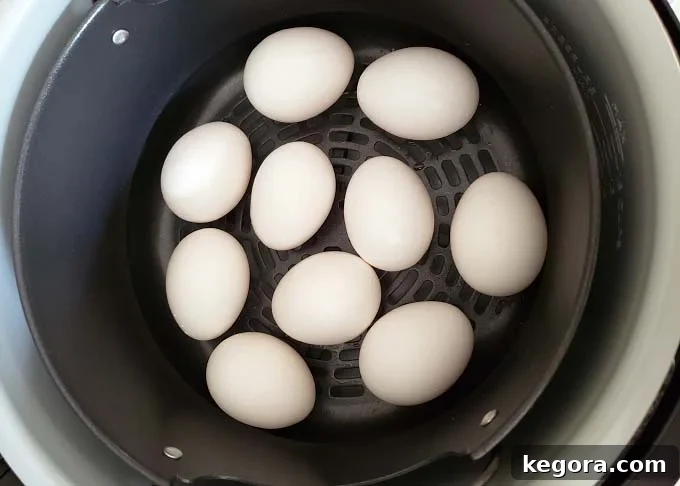
- Preparation: Gather your eggs. You can cook anywhere from 1 to 12 large eggs, depending on the size of your air fryer basket. Ensure the eggs are clean and free of cracks before placing them in the air fryer. You’ll also need a medium to large bowl filled with ice water ready for the cooked eggs.
- Arrange Eggs in Air Fryer Basket: Place the eggs in a single layer in the air fryer basket. It’s crucial not to overcrowd the basket. Allowing space between the eggs ensures even airflow and consistent cooking. If you’re cooking a large batch, you might need to do it in multiple rounds.
- Set Temperature and Time: Close the air fryer lid. For hard-cooked eggs, set your air fryer to 250°F (120°C). The cooking time will typically be 16 minutes. This lower temperature and longer cooking time help to prevent cracking and ensures a fully set yolk without any green discoloration.
- Start Cooking: Initiate the air fryer cycle. During this time, the hot air will circulate around the eggs, gently cooking them to perfection.
- The Crucial Ice Bath: As soon as the air fryer cycle finishes, immediately and very carefully transfer the hot eggs into the prepared bowl of ice water. This step is vital for two reasons: it instantly stops the cooking process, preventing overcooking, and it helps the egg membrane separate from the shell, making peeling much easier. Let the eggs cool in the ice bath for at least 10 minutes, or longer if you’re handling a larger batch.
- Peel and Enjoy: Once thoroughly cooled, the eggs are ready to be peeled. You can peel them under cool running water for an even smoother process. If you’re not eating them right away, store them unpeeled in the refrigerator for up to a week.
Mastering Doneness: From Soft to Hard
The beauty of air frying eggs is the ability to customize the doneness to your exact preference. A few minutes can make all the difference:
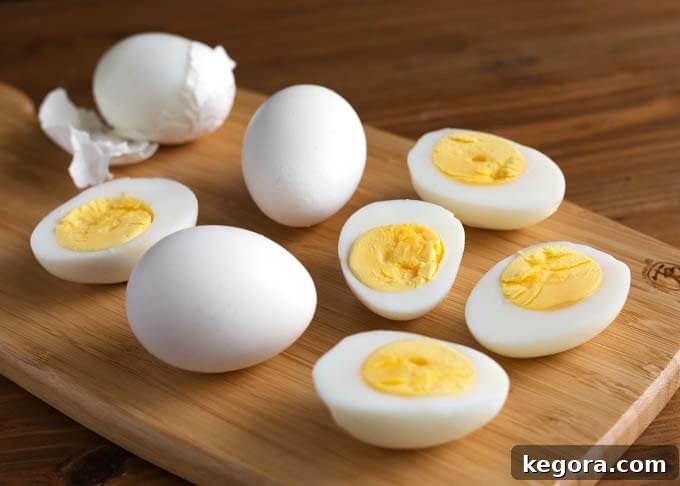
- Soft-Cooked Eggs (10 minutes): If you love a runny, custardy yolk perfect for dipping toast or topping ramen, cook your eggs for 10 minutes at 250°F (120°C). The whites will be set, but the yolk will remain deliciously fluid.
- Medium-Cooked Eggs (12 minutes): For a creamy, slightly jammy yolk that’s still soft but not fully runny, aim for 12 minutes at 250°F (120°C). This is a fantastic middle-ground for salads or simply enjoying on its own.
- Hard-Cooked Eggs (16 minutes): As detailed above, 16 minutes at 250°F (120°C) will give you a firm, fully cooked yolk ideal for deviled eggs, egg salad, or slicing onto sandwiches.
Remember, these times are a guideline. Your air fryer model, the size of your eggs, and even their starting temperature can influence the outcome. A little experimentation will help you dial in your perfect cooking time.
Troubleshooting Common Air Fryer Egg Issues
While air frying eggs is generally foolproof, you might encounter a few common hiccups. Here’s how to address them:
“My Eggs Cracked!”
It’s completely normal for one or two eggs to crack during the cooking process. This often happens due to rapid temperature changes or pre-existing hairline cracks in the shell. If you find a significant number of your eggs cracking, or worse, exploding (which is very rare with this low-temperature method), try reducing the temperature slightly, perhaps to 240°F (115°C), or ensuring your eggs aren’t excessively cold straight from the fridge if you’re consistently having issues. However, cracking is generally minor and doesn’t affect the edibility of the egg.
“Why are my eggs hard to peel?”
Difficulty peeling is a common complaint with any egg cooking method. With air-fried eggs, several factors can influence peelability:
- Lack of Ice Bath: Skipping the immediate ice bath is the biggest culprit. The rapid cooling causes the egg white to contract and separate from the shell membrane, making peeling significantly easier.
- Freshness of Eggs: Very fresh eggs (less than a week old) are notoriously harder to peel, regardless of the cooking method, because their albumen (egg white) pH is lower, causing it to stick more firmly to the inner shell membrane. Older eggs (1-2 weeks old) tend to peel much more easily.
- Peeling Technique: Peeling under cool running water can help dislodge stubborn shell pieces. Gently tap the egg on a hard surface to crack the shell all over, then start peeling from the wider end where the air pocket is typically located.
“My eggs are not cooked perfectly, what gives?”
As mentioned, air fryer models vary. What works perfectly in a Ninja Foodi might be slightly different in a Cosori or a Philips air fryer. Factors like wattage, basket size, and air circulation patterns can affect cooking times. Don’t be discouraged! This is why a test batch is so important. Start with the recommended times, then adjust by a minute or two up or down in subsequent batches until you achieve your desired doneness. Keep notes for your specific appliance!
Beyond Breakfast: Creative Ways to Enjoy Your Air Fryer Eggs
Air-fried eggs are incredibly versatile and can be enjoyed in countless ways:
- Quick & Healthy Snacks: A peeled hard-cooked egg is a protein-packed snack, perfect for a mid-day energy boost. Sprinkle with a little salt and pepper, or a dash of everything bagel seasoning.
- Elevated Salads: Halve or quarter hard-cooked eggs to add substance, protein, and creamy texture to any green salad, Cobb salad, or Niçoise salad.
- Classic Egg Salad & Deviled Eggs: Hard-cooked air fryer eggs are the perfect base for these beloved classics. Their consistent yolks make for smooth, rich fillings.
- Ramen & Noodle Bowls: A soft or medium-cooked egg, sliced in half, adds a luxurious, rich element to instant ramen or homemade noodle soups. The runny yolk perfectly blends into the broth.
- Protein Boost for Any Meal: Add a sliced egg to avocado toast, stir-fries, or even a side of roasted vegetables for an extra layer of flavor and nutrition.
Storing Your Perfectly Cooked Eggs
Once your eggs are cooked and cooled in the ice bath, you can store them in the refrigerator. It’s best to store them unpeeled in an airtight container for up to 7 days. Peeling them just before use helps maintain their freshness and prevents them from drying out. If you do peel them ahead of time, store them in a bowl of water (changing the water daily) or in an airtight container for up to 3-4 days.
Frequently Asked Questions About Air Fryer Eggs
- Can I use cold eggs directly from the fridge?
- Yes, absolutely! I typically use eggs straight from the refrigerator. While some methods suggest bringing eggs to room temperature, the low and slow approach for air frying eggs at 250°F (120°C) is forgiving enough for cold eggs, and helps minimize cracking.
- Do I need to preheat my air fryer?
- For air fryer eggs, preheating is generally not necessary, especially at the lower temperature of 250°F (120°C). The gradual heating allows the eggs to cook more evenly and helps prevent cracking. However, if your air fryer has a very aggressive heating element, you might find slightly better consistency with a brief preheat, but it’s often an unnecessary step for this recipe.
- How many eggs can I cook at once?
- You can cook as many eggs as will fit in a single layer in your air fryer basket without overcrowding them. For most standard air fryers, this means anywhere from 6 to 12 large eggs. Overlapping or stacking eggs will result in uneven cooking.
- What if my air fryer cooks differently?
- It’s very common for air fryers to have slight variations in how they cook. The best approach is to run a small test batch (1-2 eggs) first. Follow the recommended times for soft, medium, or hard-cooked, then evaluate the results. Adjust the cooking time by 1-2 minutes up or down for your next batch until you find the perfect setting for your specific appliance and desired doneness. Make a note of it for future reference!
Air Fryer “Boiled” Eggs Recipe
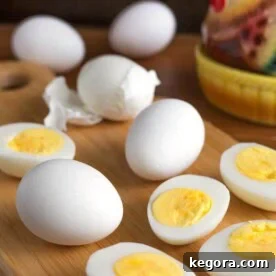
Discover the easiest, waterless method for making perfect “boiled” eggs in your air fryer, whether you prefer them soft, medium, or hard-cooked for snacks, salads, or meal prep.
Author: Sandy Clifton
Prep Time: 5 mins
Cook Time: 10-16 mins
Cooling Time: 10 mins
Total Time: 25-31 mins
Yields: 1-12 servings
Course: Breakfast, Snack
Cuisine: American
Ingredients
- 1-12 large eggs
- 1 bowl of ice water
Instructions
- Place eggs in a single layer in the air fryer basket. Ensure they are not crowded to allow for even airflow and consistent cooking.
- Close the air fryer lid. Set the temperature to 250°F (120°C).
- For soft-cooked eggs: Cook for 10 minutes. The whites will be set, with a runny yolk.
- For medium-cooked eggs: Cook for 12 minutes. Expect a creamy, slightly jammy yolk.
- For hard-cooked eggs: Cook for 16 minutes. This will yield a firm, fully set yolk.
- Start the air fryer.
- Once the cooking cycle is complete, immediately and very carefully transfer the hot eggs into the prepared bowl of ice water. This crucial step stops the cooking process and makes peeling significantly easier.
- Allow the eggs to cool in the ice bath for at least 10 minutes.
- When thoroughly cooled, peel the eggs under cool running water for easier shell removal, or store them unpeeled in the refrigerator until ready to use.
Recipe Notes
Cooking times can vary significantly between different air fryer models (e.g., basket-style vs. oven-style, and specific brands like Ninja Foodi, Cosori, Philips, etc.). It is highly recommended to test 1 or 2 eggs first using this method, and then adjust the cooking time by a minute or two up or down to achieve your desired results for your specific appliance.
Nutrition (Approximation)
Calories: 72 kcal per serving
Nutrition information is automatically calculated and should be used as an approximation only.
You Might Also Like: Explore More Air Fryer Delights
If you loved the ease and convenience of making eggs in your air fryer, you’re sure to enjoy these other fantastic recipes:
Air Fryer Sweet Potato Fries
Air Fryer Turkey Burgers
Instant Pot Egg Loaf
Air Fryer Cornbread Muffins
If you’ve tried this incredible recipe for “boiled” eggs cooked in your air fryer, we’d love to hear from you! Please leave a comment below and share your experience, tips, and how it worked for you. Your feedback helps our community of happy foodies!
Pin This Air Fryer Boiled Eggs Recipe for Later!
Don’t forget to save this fantastic waterless egg-cooking method to your Pinterest boards so you can easily find it whenever you need perfect eggs. It’s a game-changer you’ll want to revisit again and again!