
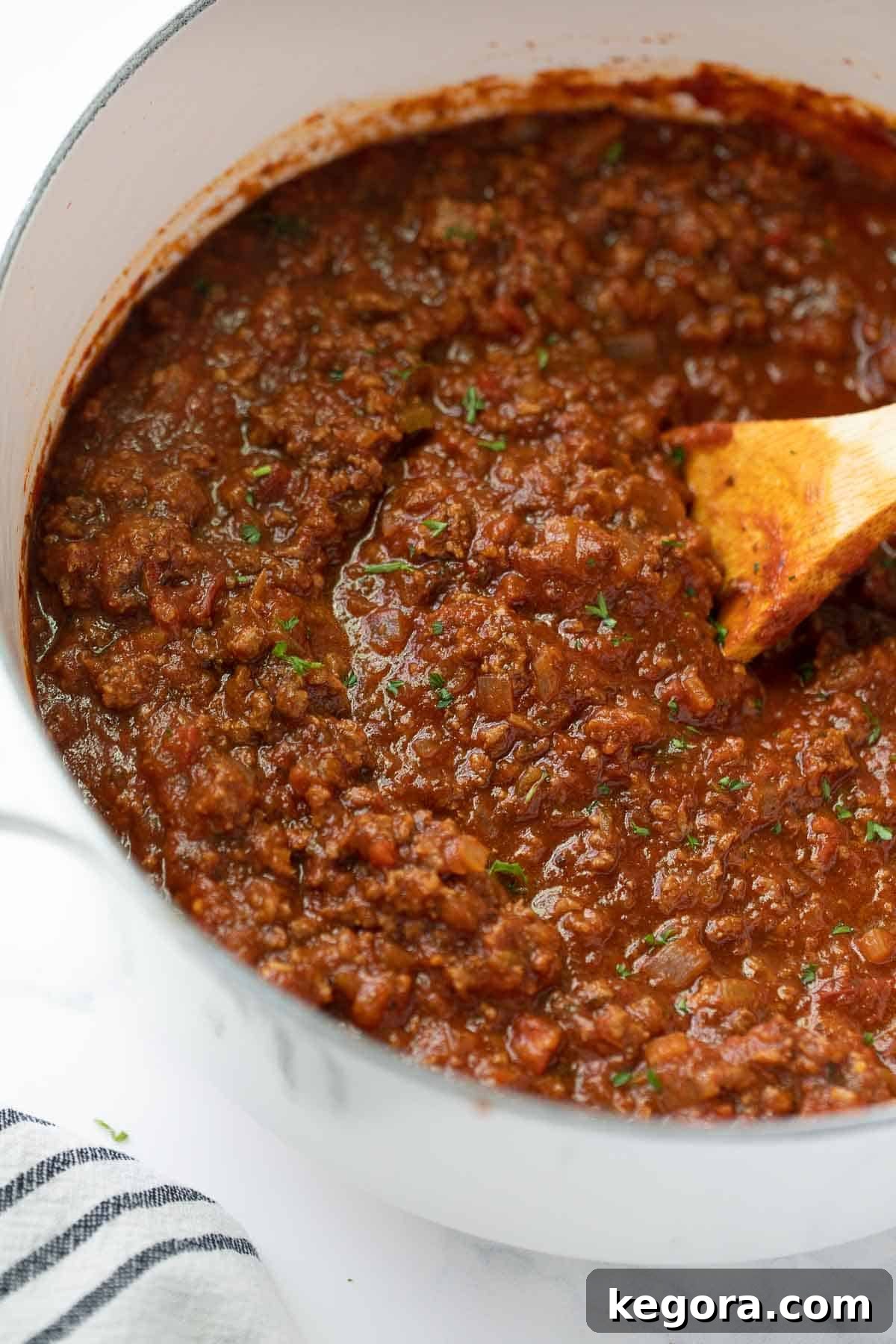
Crafting the Perfect Gluten-Free Spaghetti Sauce: A Family Favorite Recipe
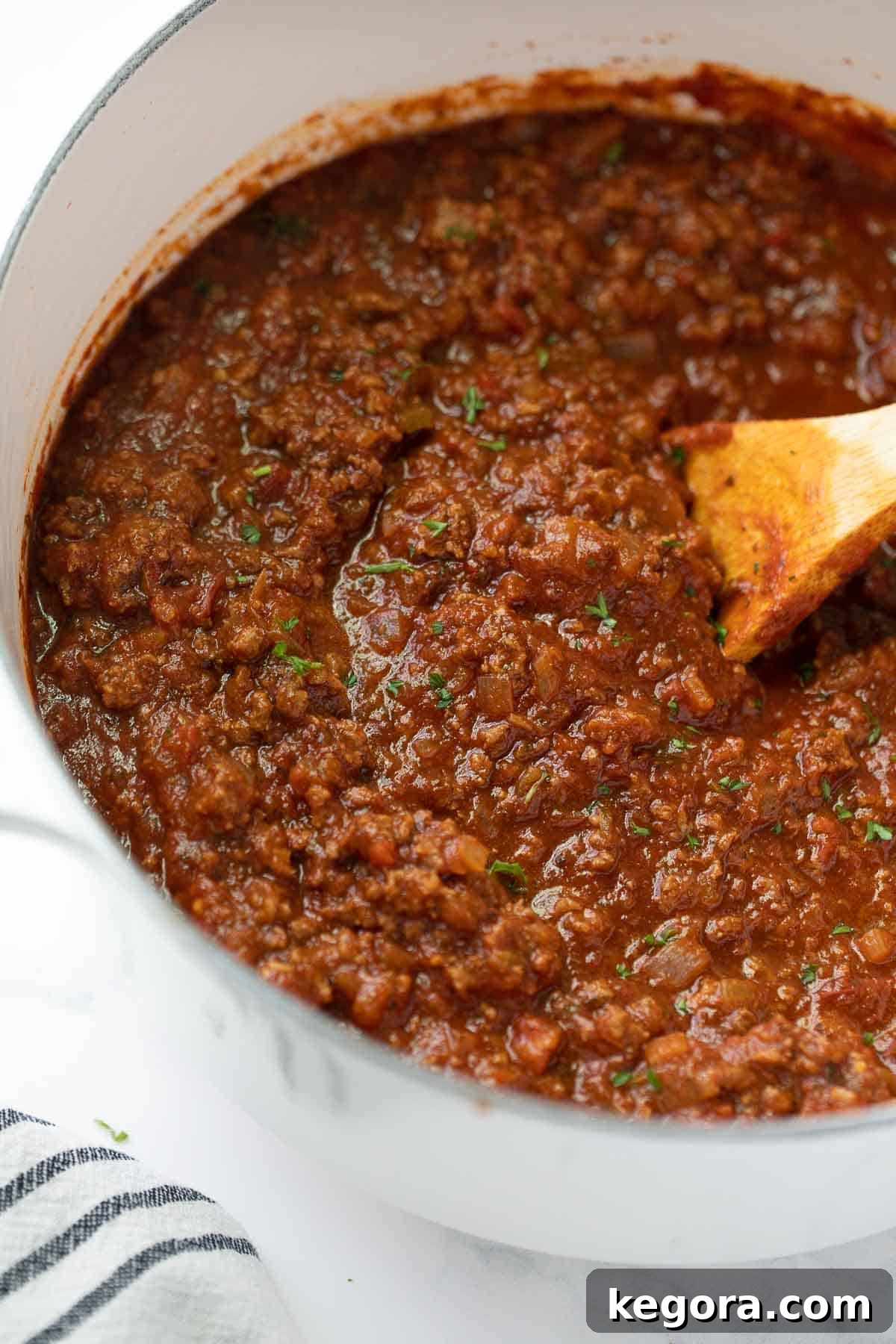
There’s nothing quite like a steaming pot of homemade spaghetti sauce to bring the family together. It’s the ultimate comfort food – hearty, incredibly flavorful, and guaranteed to be a hit with both children and adults. This isn’t just any spaghetti sauce recipe; it’s a cherished family tradition that has been perfected over countless meals, offering a truly authentic taste of home.
This particular gluten-free spaghetti sauce recipe holds a special place in my heart, being one of the very first dishes I mastered in the kitchen. Its simplicity and robust flavor have made it a perennial favorite, a reliable go-to that I’ve been happily making for as long as I can remember. It’s more than just a recipe; it’s a foundation for countless delicious memories.
Why This Gluten-Free Spaghetti Sauce Will Become Your Go-To
This recipe stands out for its straightforward approach and spectacular results. It utilizes easily accessible, simple ingredients to create a rich, savory homemade sauce that truly everyone adores. Forget bland, watery sauces; this one boasts the perfect balance of aromatic herbs and savory spices, creating a deeply satisfying meat sauce that transforms any pasta dish into a gourmet experience. It’s specifically designed to be the ideal accompaniment for your favorite gluten-free noodles, ensuring a delicious and worry-free meal every time.
Top Tip for Pairing: For an unparalleled gluten-free pasta experience, I wholeheartedly recommend pairing this delectable sauce with Jovial Foods’ gluten-free spaghetti noodles. Their texture and taste are consistently superior, ensuring your meal is as authentic as it is wholesome. The quality of your pasta truly elevates the entire dish, and Jovial never disappoints.
If you’re continually seeking more delightful gluten-free comfort food recipes to enrich your culinary repertoire, be sure to explore some of our other cherished creations. You’ll love this creamy gluten-free mac and cheese, a truly indulgent treat; our velvety gluten-free Alfredo sauce, perfect for a quick yet elegant meal; the layered perfection of gluten-free lasagna, a fantastic make-ahead option; the crispy, tender gluten-free chicken parmesan that satisfies every craving; and these incredibly tender and flavorful gluten-free meatballs, which also pair beautifully with this very sauce. Each recipe is crafted with care to ensure deliciousness without compromise.
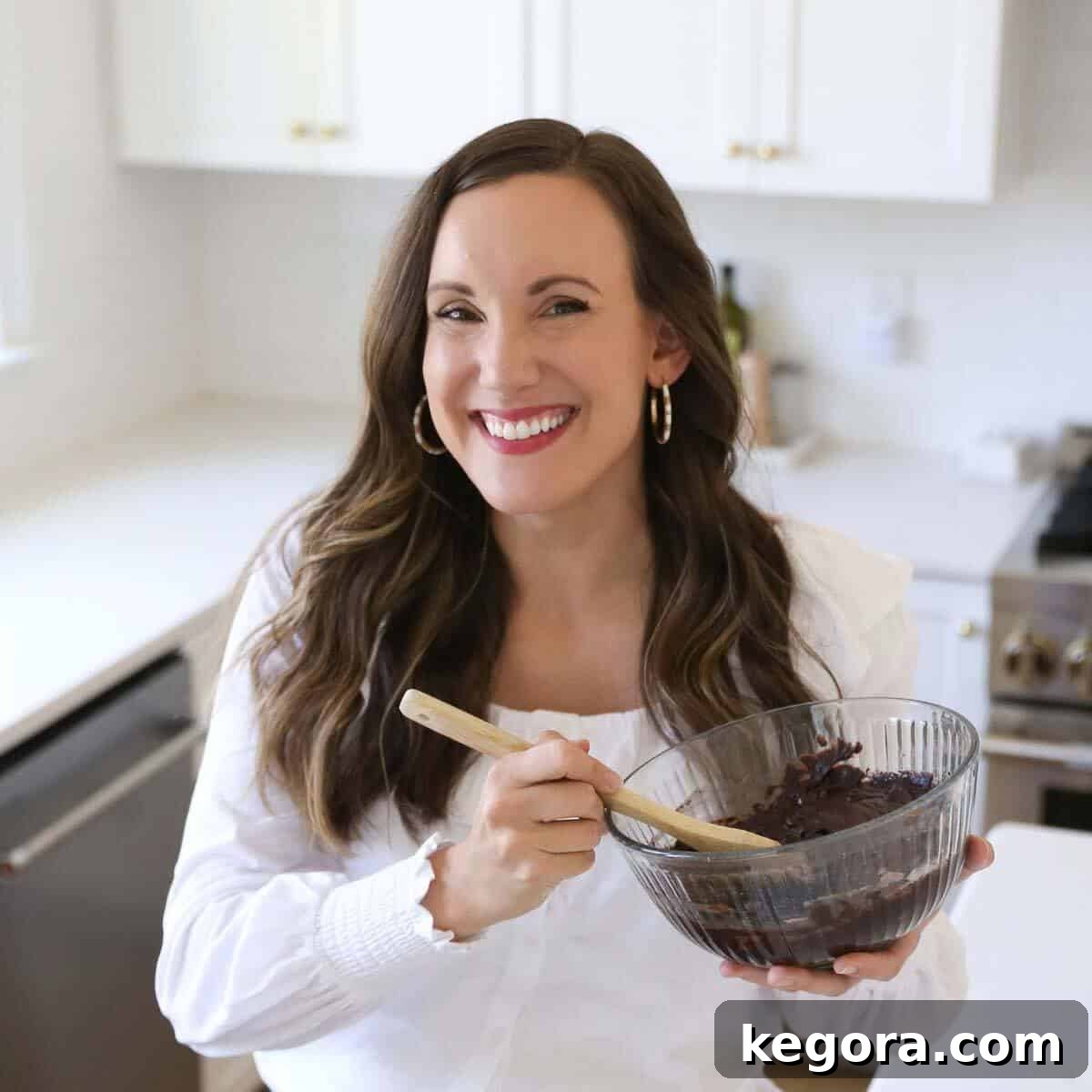
Warmly, Erin
Featured Comment
From Laynee: “OK the sauce was so amazing! I made a double batch so we could freeze some for a quick dinner another night since my family has already requested it again.”
1 more comments
Essential Ingredients for Your Homemade Gluten-Free Spaghetti Sauce
Crafting an exceptional gluten-free spaghetti sauce begins with selecting the right ingredients. Each component plays a vital role in building the layers of flavor that make this sauce truly irresistible. Below are a few key ingredients and insights into why they are essential for achieving that perfect, rich taste. For precise measurements, be sure to jump to the full recipe card further down the page.
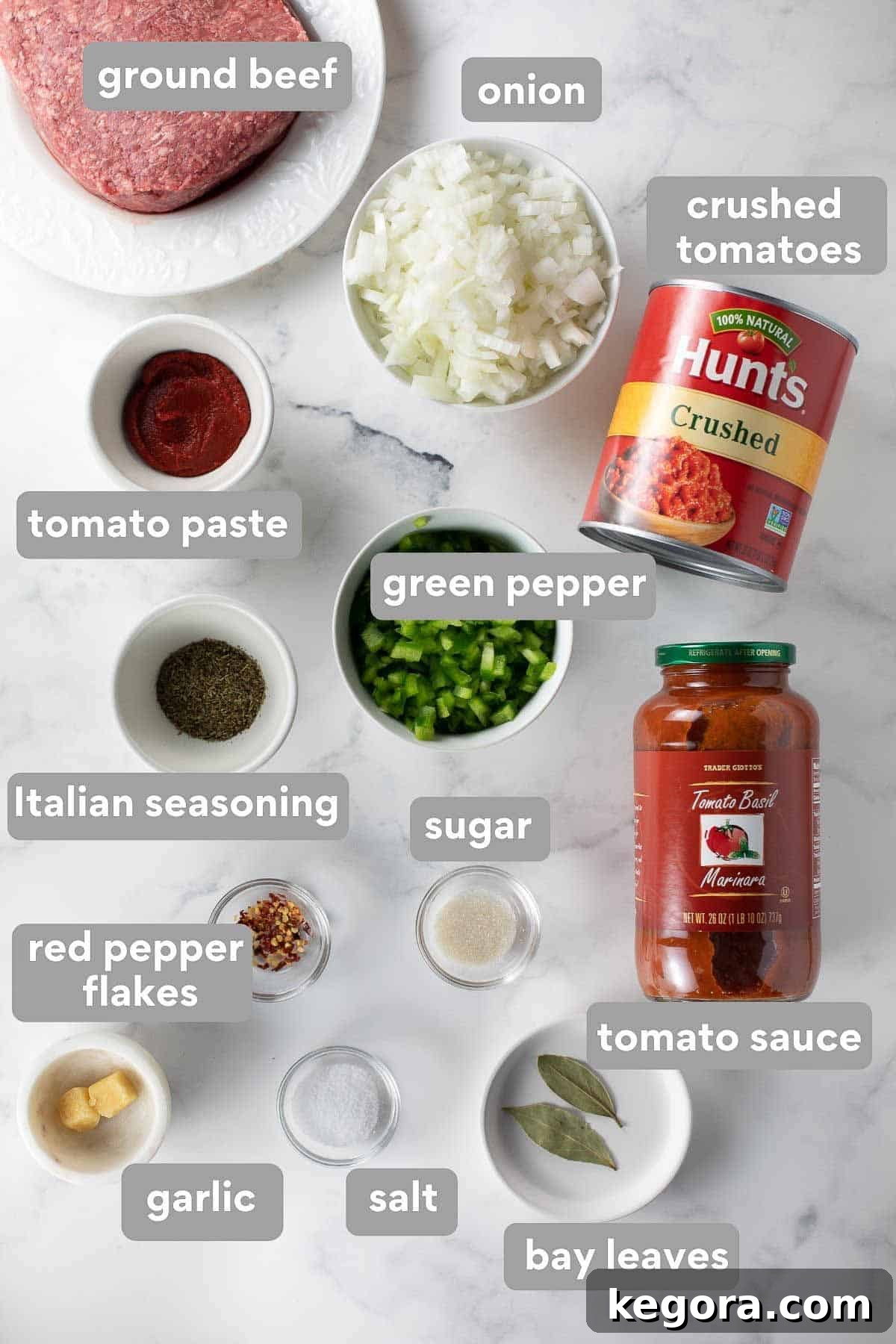
- Ground Beef: We opt for a lean ground beef (around 80/20) for flavor, but make sure to drain any excess fat after browning. This provides a hearty base and rich umami that defines a classic meat sauce.
- Onion and Bell Pepper: Finely diced, these vegetables are sautéed until tender, forming an aromatic foundation. They contribute essential sweetness and a subtle peppery note that enhances the overall depth of the sauce.
- Garlic: Freshly minced garlic is non-negotiable! Its pungent, savory aroma is crucial for building a truly authentic Italian-inspired flavor profile. We add it towards the end of browning to prevent burning and maximize its fragrance.
- Tomato Sauce & Crushed Tomatoes: The secret to a perfectly balanced texture and profound tomato flavor lies in combining two forms of high-quality tomatoes. Tomato sauce provides a smooth base, while crushed tomatoes add body and a rustic texture. For convenience and consistent taste, I often reach for a good quality jarred marinara sauce like Trader Joe’s Tomato Basil for its fresh flavor profile. Always check labels to ensure they are gluten-free.
- Tomato Paste: This highly concentrated tomato product is a powerhouse of flavor. Just a couple of tablespoons are enough to add an incredibly deep, savory, and robust tomato essence that elevates the sauce beyond what liquid tomatoes alone can offer. Don’t skip the step of cooking it briefly with the aromatics to deepen its flavor.
- Italian Seasoning: A carefully blended mix of dried herbs like oregano, basil, thyme, and rosemary. This seasoning is fundamental for imparting the quintessential Italian flavor to your sauce, creating a fragrant and complex taste that feels authentically homemade.
- Bay Leaves: These unassuming leaves are critical for infusing a subtle, almost woodsy aroma and depth into the sauce as it simmers. Remember to remove them before serving, as they are not meant to be eaten.
- Red Pepper Flakes: A touch of red pepper flakes is added not necessarily for intense spice, but to introduce a gentle warmth and a subtle kick that enhances and brightens the overall flavor profile. It prevents the sauce from being one-dimensional and adds an exciting edge. Adjust to your preference!
- Granulated Sugar: While this is a savory sauce, a small amount of sugar is incredibly important. It acts as a counterpoint to the acidity of the tomatoes, balancing their sharp notes and enhancing the natural sweetness, resulting in a richer, more mellow sauce without making it taste overtly sweet.
- Kosher Salt & Freshly Ground Black Pepper: Essential for seasoning the sauce to perfection. Salt brings out all the other flavors, while pepper adds a subtle piquancy. Always taste and adjust at the end of cooking for optimal flavor.
Round out your meal by serving this delightful gluten-free spaghetti with either crunchy gluten-free garlic bread or soft, chewy gluten-free breadsticks for the ultimate comfort food experience!
A Simple Guide: How to Make This Irresistible Gluten-Free Spaghetti Sauce
Creating this rich and hearty gluten-free spaghetti sauce is a remarkably straightforward process, perfect for any home cook. The beauty of this recipe lies in its simplicity and the depth of flavor it achieves with minimal fuss. Here’s a detailed overview of each step, designed to guide you to a perfect sauce every time. For comprehensive, step-by-step instructions with exact quantities, you can always jump directly to the recipe card below.
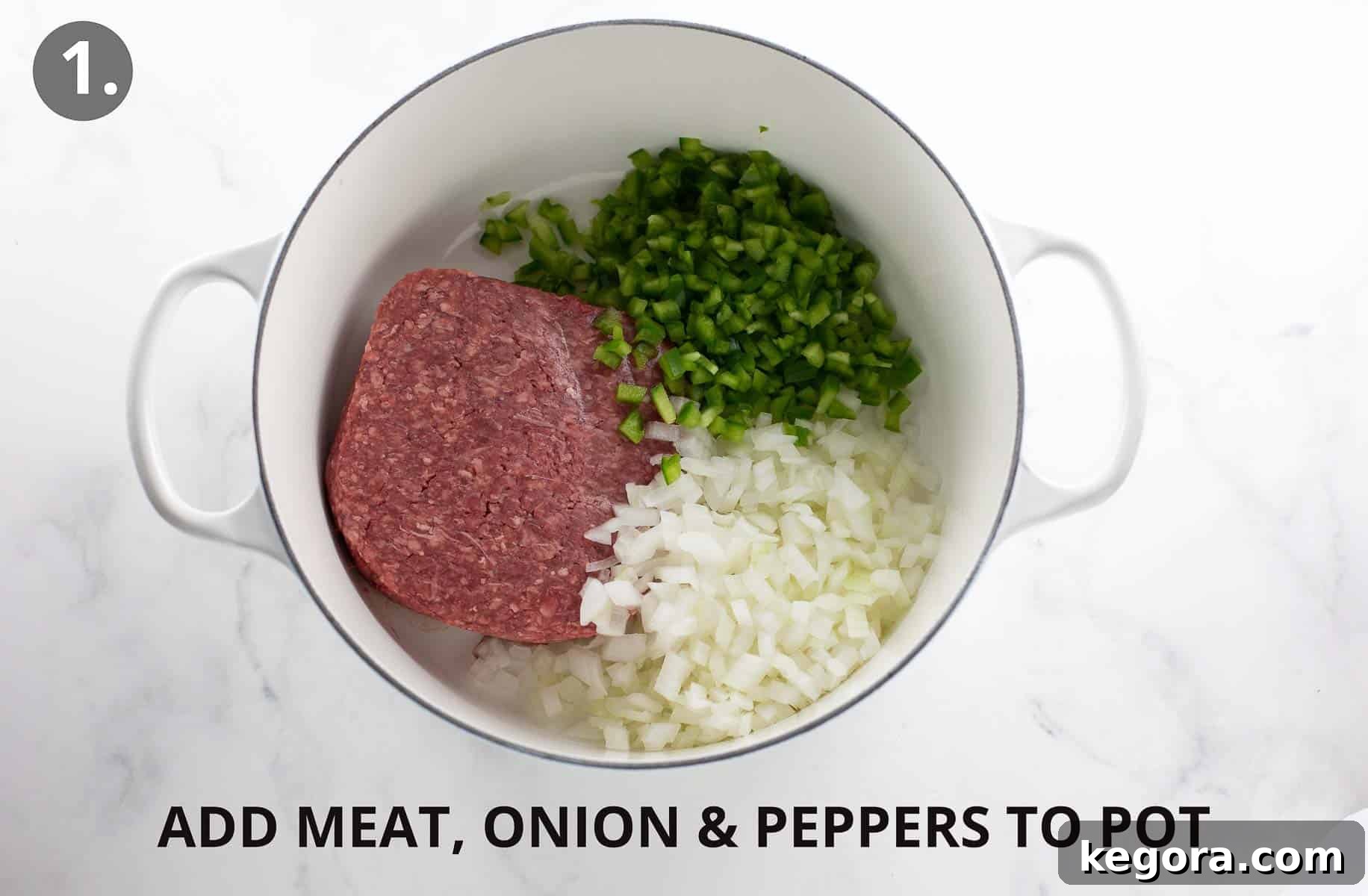
Step 1: The Flavorful Foundation – A Great One-Pot Start
Embrace the convenience of a one-pot meal! Begin by adding your raw ground beef, finely diced onions, and bell peppers directly into a large, sturdy pot or Dutch oven. This method allows the flavors to meld from the very beginning. Cook these ingredients over medium-high heat, diligently breaking up the ground beef into small, uniform pieces with a spoon or spatula as it cooks. Continue until all the meat has turned a uniform brown color, ensuring no pink remains. This typically takes about 6-7 minutes, during which the vegetables will also start to soften and release their aromatic essences, laying down the initial layers of flavor for your sauce.
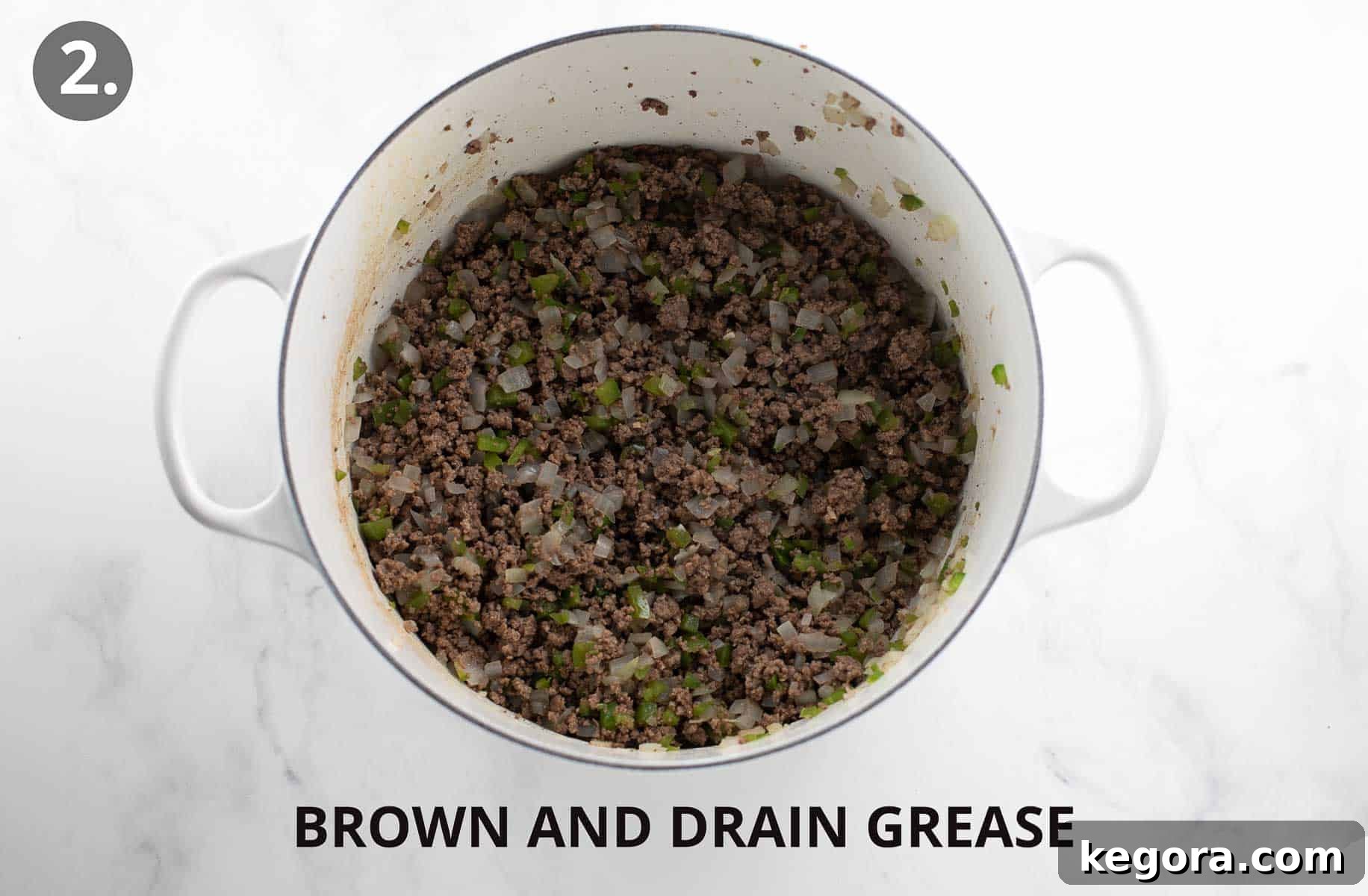
Step 2: Browning and Draining for a Cleaner Taste
Once your ground beef is thoroughly browned and the vegetables are tender-crisp, it’s crucial to drain any excess grease from the pot. This step is vital for achieving a rich, clean-tasting sauce that isn’t overly oily. You can carefully tilt the pot and spoon out the fat, or transfer the contents to a colander set over a heat-proof bowl for a more thorough drain, then return the mixture to the pot. This prepares your base perfectly for the next step, ensuring that only the best flavors remain.
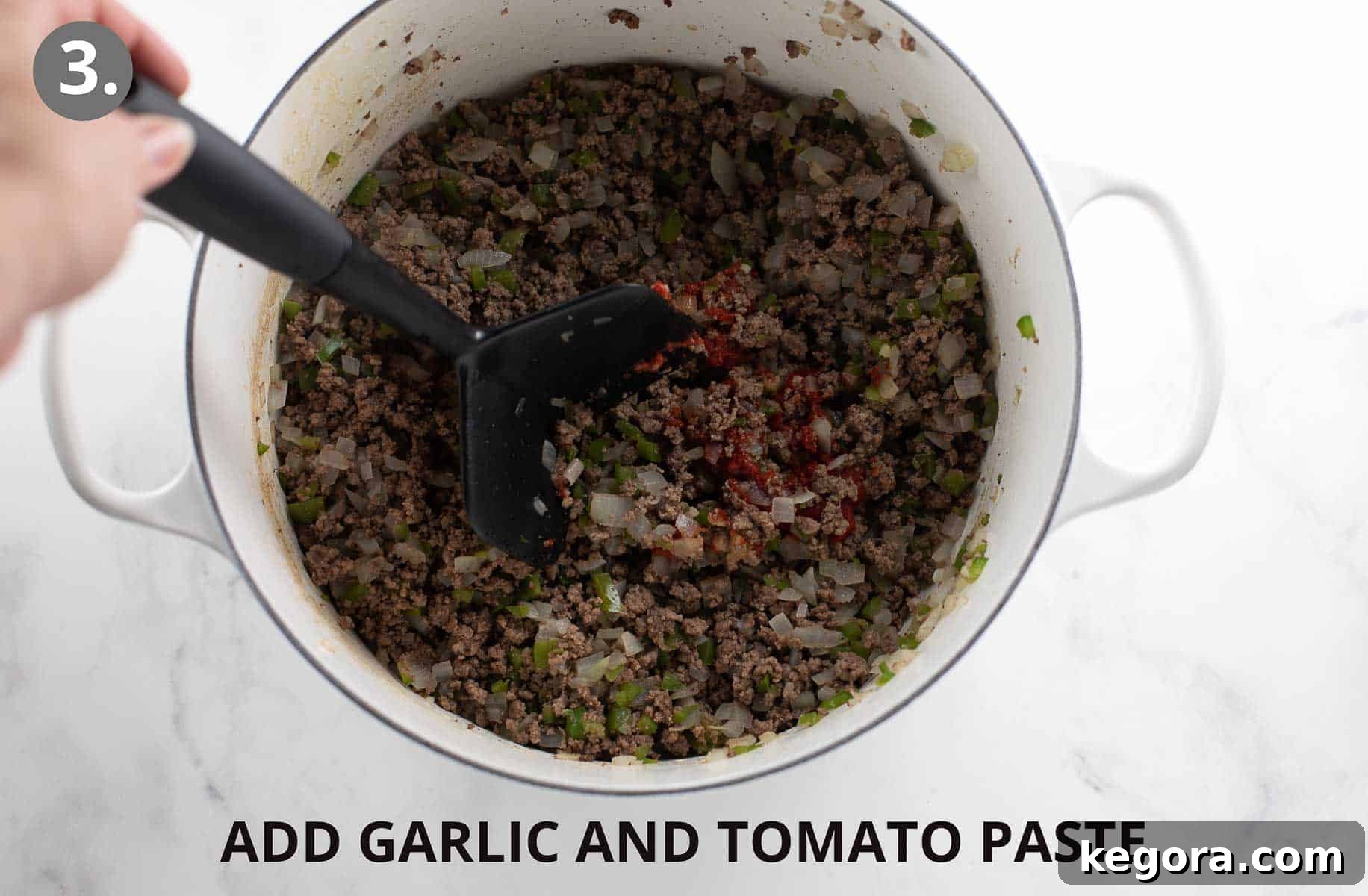
Step 3: Infusing Intense Flavor – Garlic and Tomato Paste
With the browned meat and sautéed vegetables back in the pot, it’s time to build more profound flavor. Add the minced garlic and tomato paste. This stage is critical: allow the garlic and tomato paste to cook with the meat mixture for a good minute or so, stirring constantly. This brief cooking period is often referred to as “blooming” the aromatics and paste. It helps to lightly caramelize the tomato paste, intensifying its rich, concentrated flavor, and releases the fragrant oils from the garlic, creating a deeply aromatic base for your sauce. The constant stirring prevents burning and ensures even cooking.
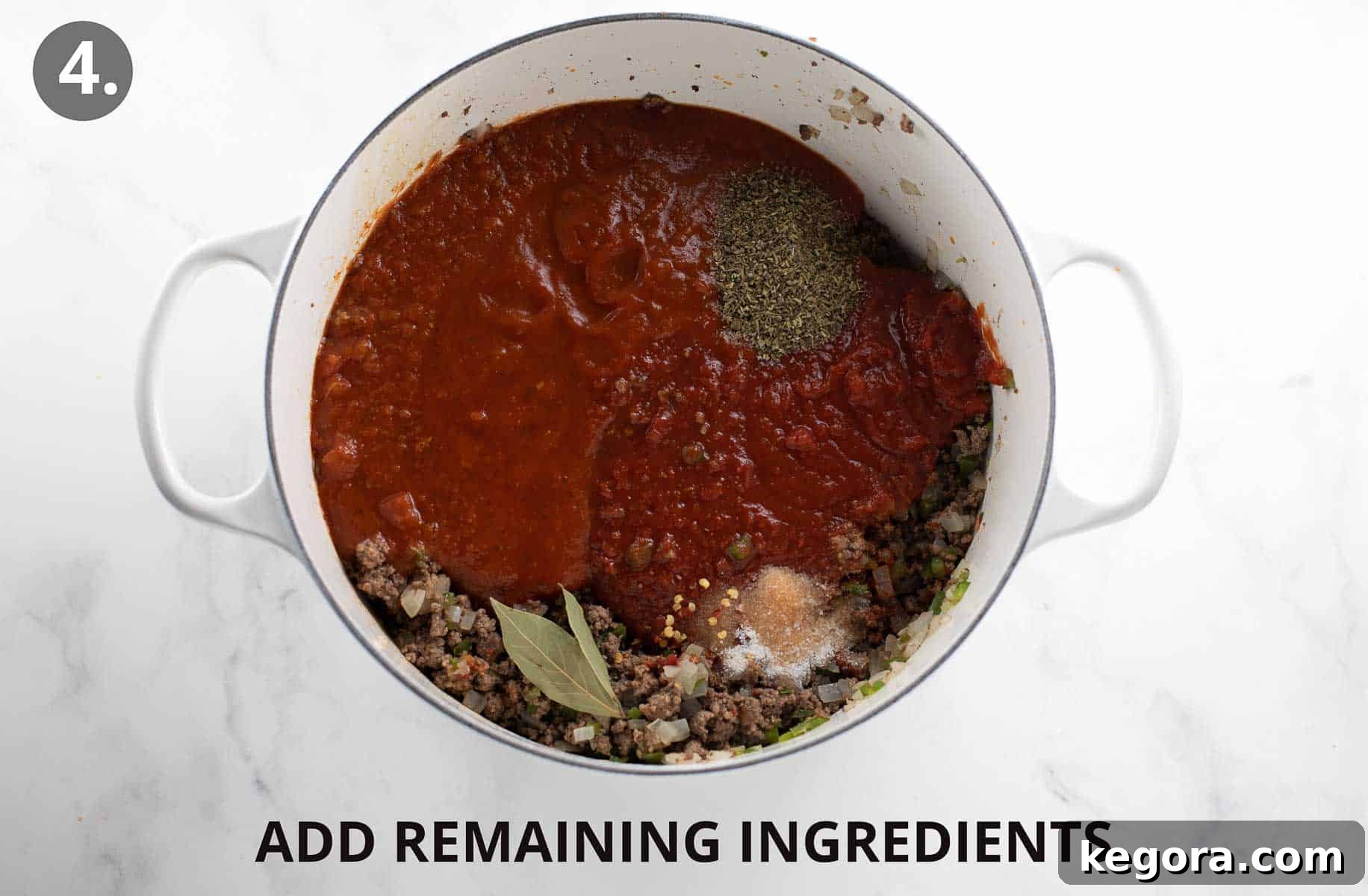
Step 4: Bringing It All Together – Adding the Liquids and Seasonings
Now for the exciting part! Carefully pour in the jarred tomato sauce and crushed tomatoes, then add the granulated sugar, Italian seasoning, bay leaves, kosher salt, and crushed red pepper flakes. Stir all the ingredients thoroughly to combine them evenly. Increase the heat and bring the sauce to a gentle boil. This initial boil helps to integrate all the flavors and kickstarts the simmering process.
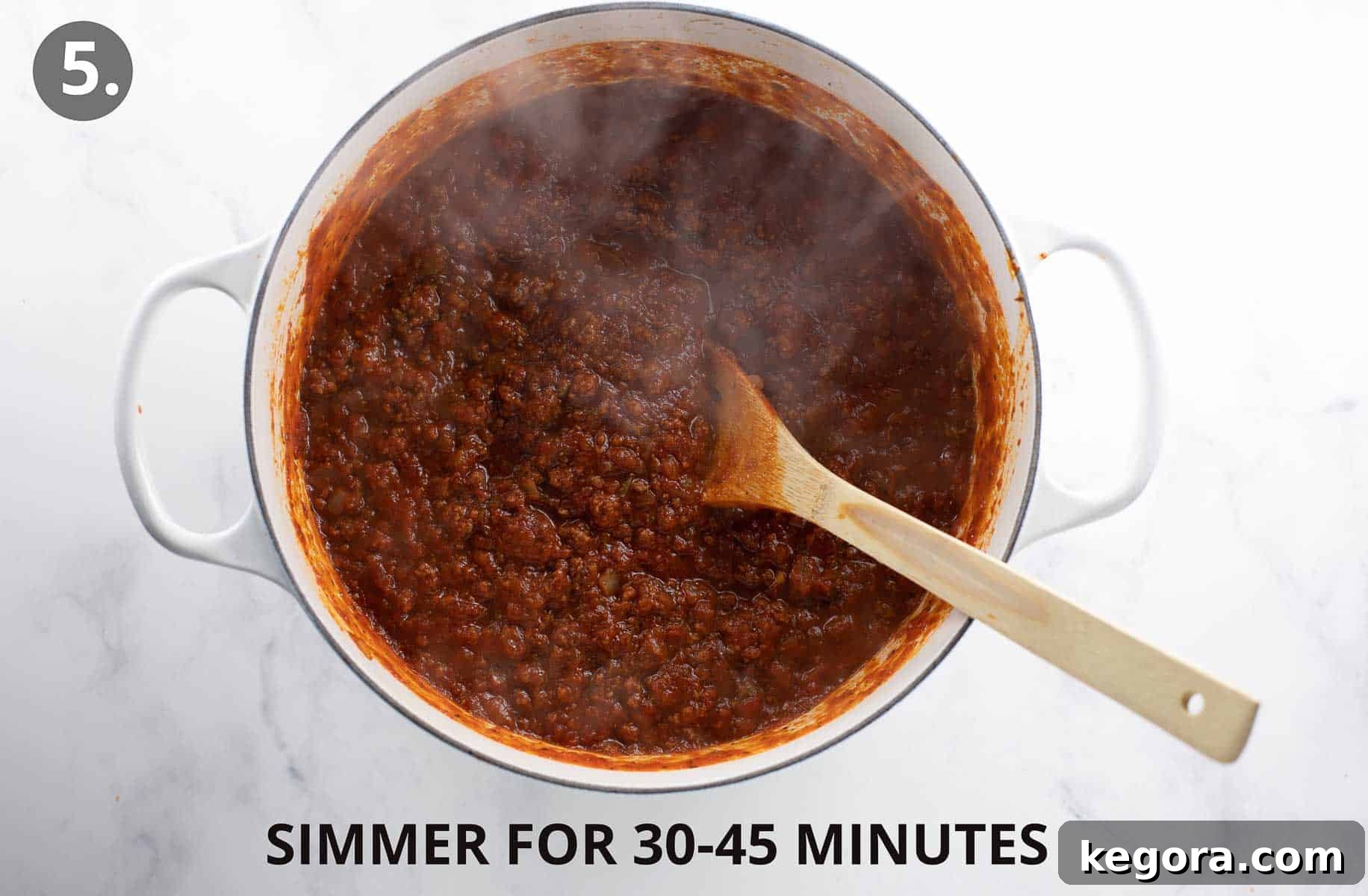
Step 5: The Simmer and Serve – Developing Deep Flavors
Once the sauce has reached a boil, reduce the heat to medium-low, allowing it to gently simmer. This is where the magic happens! A slow, steady simmer for at least 30-45 minutes (and even longer if you have time!) allows all the flavors to deepen, meld, and become truly rich. Stir occasionally to prevent sticking and ensure even cooking. Before serving, always remember to remove the bay leaves – they’ve done their job of infusing flavor. Taste the sauce, and if desired, add more salt and pepper to achieve your perfect flavor balance. Serve this incredible homemade gluten-free spaghetti sauce generously over your favorite gluten-free pasta and prepare for rave reviews!
Mastering Gluten-Free Spaghetti: Tips for Perfectly Cooked Noodles
Cooking gluten-free spaghetti to perfection can sometimes be a bit of a nuanced art. Unlike traditional wheat pasta, gluten-free varieties require a slightly different approach to achieve that ideal al dente bite without becoming gummy or falling apart. Based on my extensive experience, particularly with my favorite brand, Jovial Foods (which I also use in my delicious cold gluten-free pasta salad!), here are some indispensable tips to ensure your gluten-free spaghetti turns out flawlessly every time:
- Use Ample Water: This is perhaps the most critical tip for cooking gluten-free noodles. Gluten-free pasta tends to release more starch into the cooking water compared to its wheat-based counterparts. If you don’t use enough water, this excess starch can create a dense, gummy film on the outside of your noodles, making them stick together and feel unappetizing. A large pot filled with plenty of rapidly boiling, generously salted water allows the starch to dissipate effectively, resulting in clean, separate, and perfectly textured strands.
- Strictly Adhere to Package Instructions: Unlike conventional pasta where you might have a bit more leeway, gluten-free pasta has a much smaller “sweet spot” for optimal cooking. Overcooking can quickly turn it mushy, while undercooking leaves it unpleasantly hard. Always consult the package instructions for the recommended cooking time for your specific brand and type of gluten-free pasta. Set a timer and stick to it precisely. A minute or two can make a significant difference!
- Resist Adding Olive Oil to the Water: A common practice with regular pasta, adding olive oil to the boiling water is generally not recommended for gluten-free noodles. The oil can coat the pasta, creating a barrier that prevents your delicious sauce from properly adhering to the noodles. Instead of creating a starchy or slimy film, the goal is for the pasta to readily absorb the flavors of your sauce. For the best results, immediately after draining (and a quick rinse if the package recommends it), toss the hot gluten-free pasta with some of your freshly made gluten-free spaghetti sauce. This helps to prevent sticking and begins the flavor infusion right away.
- Consider a Quick Rinse (if needed): Some gluten-free pasta brands benefit from a quick rinse under warm water after draining to remove any lingering excess starch. Check your specific pasta package for this recommendation. If not specified, a light toss with sauce immediately after draining is usually sufficient.
- Serve Immediately: Gluten-free pasta is best enjoyed fresh off the stove. It tends to firm up and lose its desirable texture more quickly than regular pasta once it cools. So, have your sauce ready and serve your perfectly cooked gluten-free spaghetti right away for the most enjoyable dining experience!
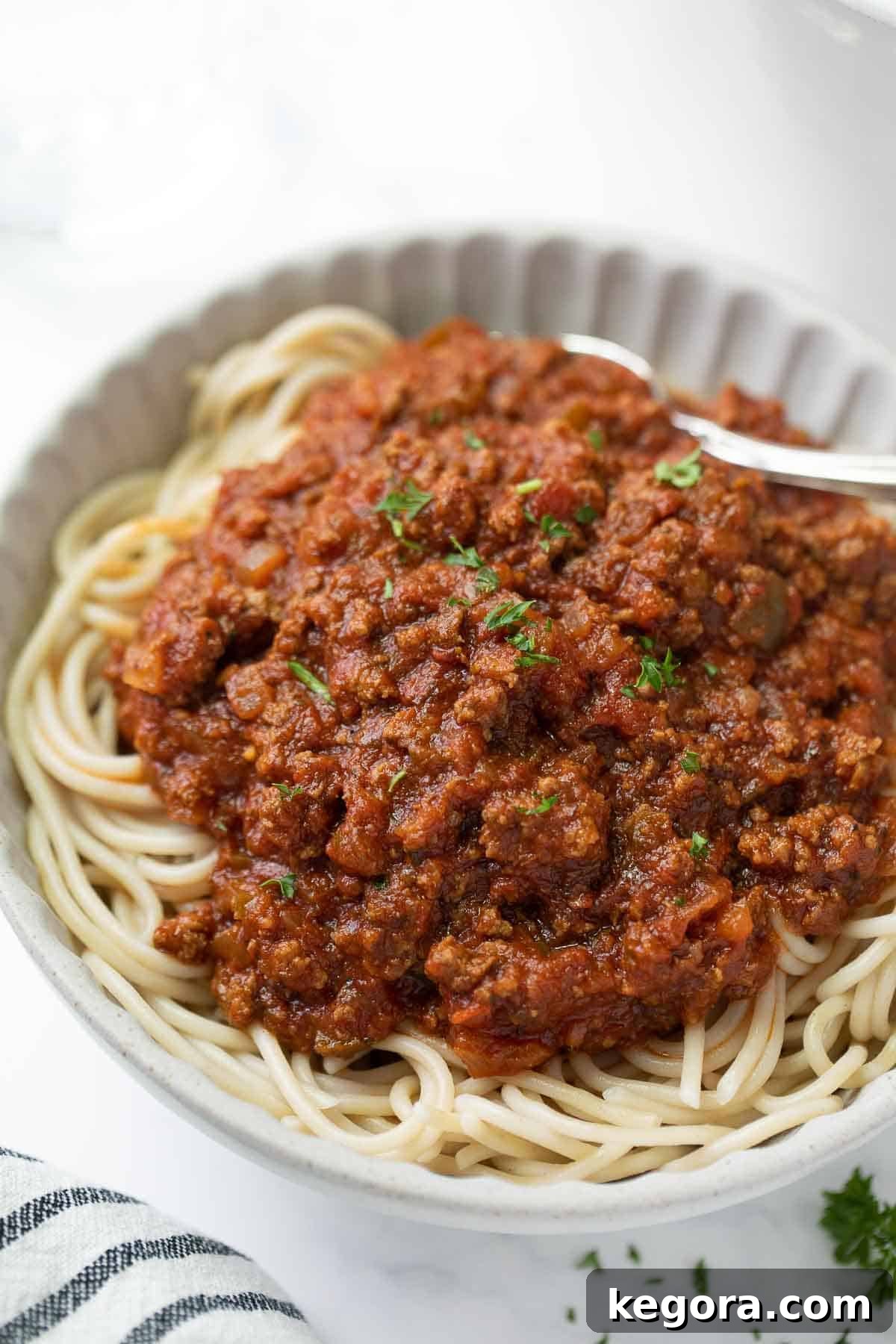
Gluten-Free Spaghetti Sauce
Erin Collins
15 minutes
45 minutes
1 hour
8 people
Comments
Ingredients
- 1 1/2 pounds ground beef
- 1 large onion, finely diced
- 1 green bell pepper, seeded and finely diced
- 2 cloves garlic, minced
- 2 tablespoons tomato paste
- 28 ounce can crushed tomatoes
- 26 ounce jar good store-bought marinara sauce I like Trader Joe’s Tomato Basil
- 2 teaspoons Italian seasoning
- 2 whole bay leaves
- 1 teaspoon granulated sugar
- 1 teaspoon kosher salt
- ¼ teaspoon crushed red pepper flakes
Instructions
-
In a large pot, combine the ground beef, diced onions, and bell peppers. Cook over medium-high heat, using a spoon to break the meat into small pieces, until the beef is fully browned and no pink remains, typically 6-7 minutes. Once cooked, carefully drain any excess grease from the pot to ensure a cleaner sauce.
-
Add the minced garlic and tomato paste to the pot with the browned meat and vegetables. Cook, stirring continuously for approximately one minute. This step helps to “bloom” the tomato paste and garlic, intensifying their flavors and aromas before adding the liquid ingredients.
-
Pour in the crushed tomatoes and marinara sauce. Stir in the Italian seasoning, bay leaves, granulated sugar, kosher salt, and crushed red pepper flakes until well combined. Bring the sauce to a gentle boil, then reduce the heat to medium-low. Allow the sauce to simmer for at least 30-45 minutes, stirring occasionally, to allow the flavors to meld and deepen. Before serving, remove the bay leaves. Taste and adjust seasoning with additional salt and pepper as needed. Enjoy your rich, homemade gluten-free spaghetti sauce!
Notes
Dairy-Free Delight: This recipe is naturally dairy-free, making it a fantastic option for those with dietary restrictions or preferences. It achieves incredible richness and flavor without any dairy products.
Make-Ahead Mastery: This spaghetti sauce is an excellent candidate for meal prep! You can cook a large batch, allow it to cool completely, and then store it in the refrigerator or freezer for future quick dinners. When it comes to the pasta itself, always cook gluten-free noodles fresh for the best texture and taste.
Storage Solutions: Once cooled, transfer the sauce to an airtight container and refrigerate for up to 5 days. To reheat, gently warm on the stovetop over low heat, stirring occasionally until heated through. Alternatively, microwave in 1-minute intervals, stirring between each, until piping hot.
Freezing for Future Feasts: For longer storage, cool the sauce completely, then divide it into convenient meal-sized portions. Store these portions in freezer-safe bags (removing as much air as possible to prevent freezer burn) or airtight containers. It will keep well in the freezer for up to 3 months. Thaw frozen sauce in the refrigerator overnight before reheating and serving.
Nutrition
Calories:
286
kcal
|
Carbohydrates:
16
g
|
Protein:
18
g
|
Fat:
18
g
|
Saturated Fat:
7
g
|
Polyunsaturated Fat:
1
g
|
Monounsaturated Fat:
8
g
|
Trans Fat:
1
g
|
Cholesterol:
60
mg
|
Sodium:
949
mg
|
Potassium:
891
mg
|
Fiber:
4
g
|
Sugar:
10
g
|
Vitamin A:
757
IU
|
Vitamin C:
30
mg
|
Calcium:
78
mg
|
Iron:
4
mg