
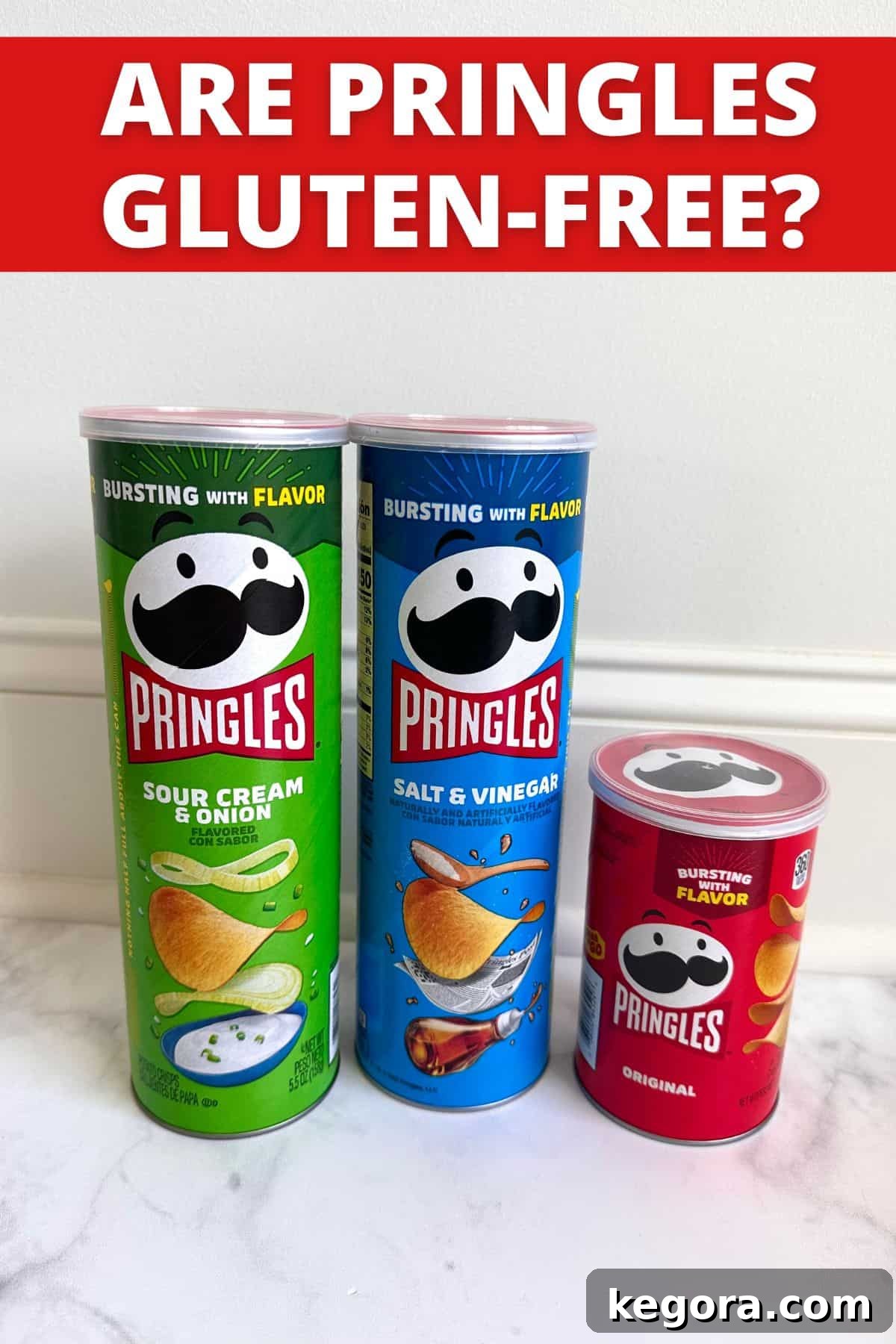
Welcome to the ultimate guide on one of America’s most iconic snacks: Pringles! These distinctively shaped, stackable chips have graced pantry shelves and picnic baskets for decades. With their uniform crispness and array of flavors, Pringles have always stood out from traditional potato chips. But for those navigating a gluten-free lifestyle, a crucial question often arises: Are Pringles gluten-free? We’re here to dive deep into the ingredients, explore the implications for various dietary needs, and offer fantastic gluten-free alternatives to satisfy your snack cravings.
Since their introduction in 1968, Pringles have carved out a unique niche in the snack world. Marketed as a “newfangled potato chip,” they offered a consistent, non-greasy alternative to the often-broken and oily traditional potato crisps. Their innovative saddle shape and tall, cylindrical packaging quickly became a design marvel, so much so that their inventor, Fredric Baur, reportedly wished to be buried in one of the iconic cans. This clever design not only protected the chips but also allowed for their signature “stackable” nature, making them a convenient and less messy snack.
For individuals new to or long-committed to a gluten-free diet, examining the ingredient list of beloved snacks becomes a routine. While many potato and corn-based chips are naturally gluten-free, Pringles, with their unique composition, often prompt specific inquiry. Understanding what constitutes “gluten-free” and how it applies to processed snacks like Pringles is essential for making informed dietary choices.
Are Pringles Gluten-Free? The Definitive Answer
Let’s get straight to the point: No, Pringles are not gluten-free. This is a consistent and clear statement directly from Pringles’ manufacturer and their official FAQ page. While their primary ingredient is dried potatoes, Pringles contain a critical component that disqualifies them from being considered gluten-free: wheat starch. Wheat is one of the primary sources of gluten, a protein complex that can cause adverse reactions in individuals with celiac disease, gluten sensitivity, or wheat allergies.
The Food and Drug Administration (FDA) in the United States sets strict guidelines for labeling foods “gluten-free.” For a product to bear this label, it must contain less than 20 parts per million (ppm) of gluten. Due to the intentional inclusion of wheat starch in their formulation, Pringles do not meet this standard and therefore are not safe for anyone adhering to a gluten-free diet for medical or health reasons.
Why Wheat Starch Matters
Wheat starch, even in its purified form, often retains trace amounts of gluten. While some highly processed wheat starches might be considered “gluten-free” in very specific contexts (e.g., in Europe under certain regulations if tested below 20 ppm), Pringles’ general formulation does not make this claim. For safety and consistency, it’s always best to assume that any product containing wheat-derived ingredients, unless explicitly certified and labeled “gluten-free,” is not suitable for a strict gluten-free diet.
What Are Pringles Made Of? A Look at the Ingredients
To fully understand why Pringles are not gluten-free, it’s helpful to examine their complete ingredient list. Unlike traditional potato chips which are typically just sliced potatoes fried in oil and seasoned, Pringles are a composite snack engineered for a specific texture and shape. Here’s a typical breakdown of Pringles’ ingredients:
- Dried Potatoes: The primary base, giving them a potato flavor. These are often processed into a flour or flake form.
- Vegetable Oil: A blend that typically includes corn, cottonseed, high oleic soybean, and/or sunflower oil, used for frying and texture.
- Degerminated Yellow Corn Flour: Adds structure and a subtle corn flavor.
- Cornstarch: A common thickener and binder in processed foods, contributing to the crisp texture.
- Rice Flour: Another gluten-free grain flour that contributes to the unique dough consistency.
- Maltodextrin: A common food additive derived from starch, often used as a thickener, filler, or preservative. While usually gluten-free (often corn or rice-derived), its presence highlights the processed nature.
- Mono- and Diglycerides: Emulsifiers used to blend fats and water, contributing to the smooth texture of the dough.
- Salt: For seasoning.
- Wheat Starch: This is the key ingredient containing gluten, providing structure and contributing to the distinctive crispness of Pringles.
These carefully selected ingredients are mixed to create a unique “potato dough.” This dough is then rolled out, cut into the characteristic saddle shape, fried until crispy, and finally seasoned before being meticulously stacked into the iconic cylindrical cans. It’s this precise formulation, particularly the inclusion of wheat starch, that defines Pringles’ texture but also renders them unsuitable for a gluten-free diet.
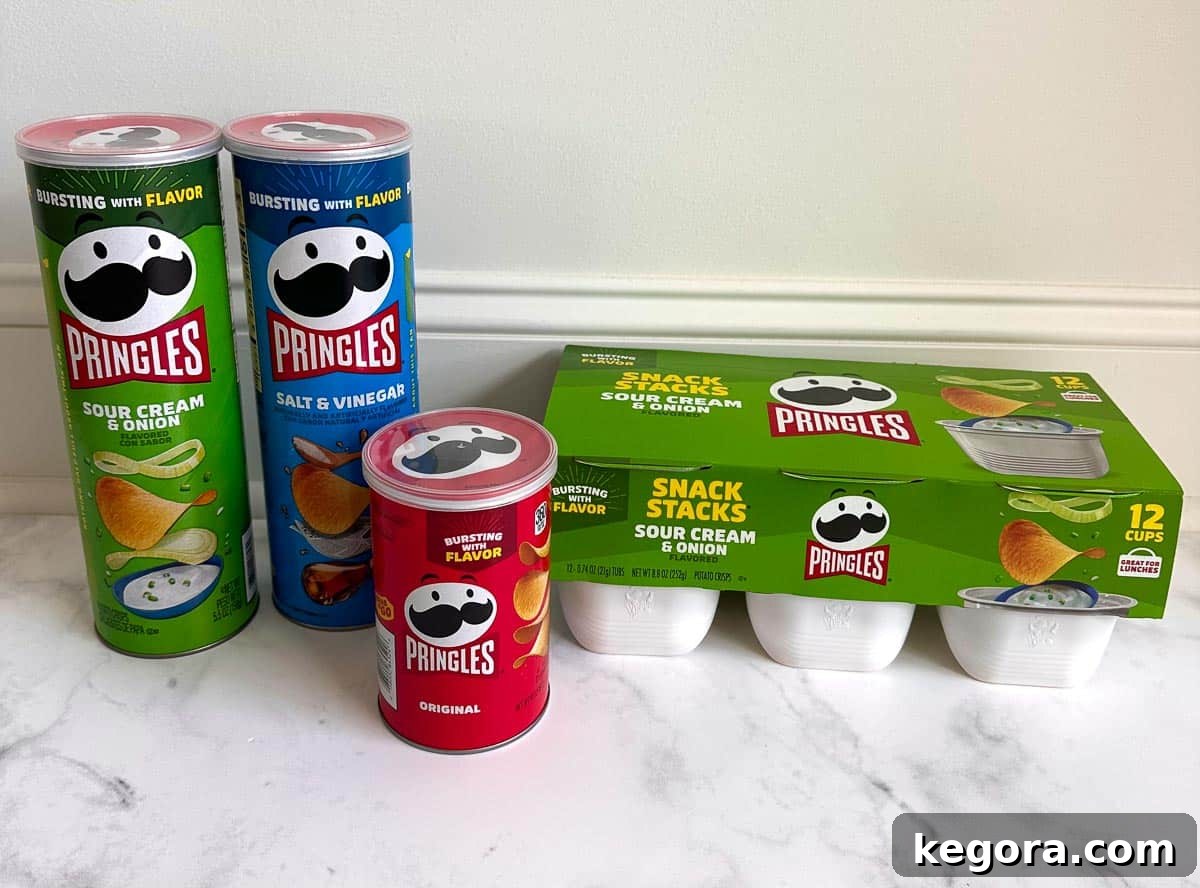
Delicious Gluten-Free Chip Alternatives
The good news is that giving up Pringles doesn’t mean giving up on delicious, crispy snacks! The market is rich with fantastic gluten-free chip options, including those that mimic the unique shape and texture of Pringles. When choosing gluten-free snacks, always look for explicit “gluten-free” labeling to ensure compliance with FDA standards (less than 20 ppm gluten) and to avoid potential cross-contamination.
Pringles-Style Gluten-Free Crisps
If you’re specifically craving that distinct curved shape and uniform crispness, these brands offer excellent gluten-free alternatives:
- The Good Crisp Company: A standout in the gluten-free snack aisle, The Good Crisp Company specializes in stackable potato crisps that are certified gluten-free. They come in a variety of beloved flavors such as Classic Original, Outback BBQ, Sea Salt & Vinegar, Spicy Jalapeno, Aged White Cheddar, and Sour Cream & Onion. Their commitment to allergen-friendly production makes them a reliable choice.
- Lay’s Stax Potato Crisps: While Pringles’ competitor, Lay’s Stax, offers a similar form factor, it’s crucial to exercise caution. Only specific flavors of Lay’s Stax are gluten-free. Always check the most current gluten-free product list provided by Frito-Lay (their parent company). Typically, flavors like Original, Sour Cream & Onion, Mesquite BBQ, Cheddar, Salt & Vinegar, and Buffalo Wings with Ranch may appear on their gluten-free list. However, formulations can change, so a quick check of the packaging and the manufacturer’s website is always recommended.
- Schar Curvies: Schar is a well-known brand in the gluten-free community, offering a wide range of products. Their Curvies are a fantastic Pringles-like option, available in flavors such as Original, BBQ, and Paprika, providing that satisfying crunch without the gluten.
Other Popular Gluten-Free Chip Categories
Beyond the Pringles-style crisps, a vast world of gluten-free chips awaits:
- Traditional Potato Chips: Many brands of classic potato chips are naturally gluten-free, often containing just potatoes, oil, and salt. Popular options like Lay’s Classic, Ruffles Original, Kettle Brand Potato Chips, and Cape Cod Potato Chips are frequently gluten-free, but it’s essential to verify the ingredient list and look for a “gluten-free” label on flavored varieties.
- Corn Tortilla Chips: The majority of plain corn tortilla chips, made from corn, oil, and salt, are gluten-free. Brands like Tostitos, Mission, and Late July offer many gluten-free options. Be cautious with flavored varieties or those that might be fried in shared fryers if cross-contamination is a concern.
- Vegetable Chips: Chips made from sweet potatoes, beets, kale, or other vegetables can be excellent gluten-free choices, often offering additional nutrients.
- Rice Chips & Multigrain Chips: Many brands now offer chips made from rice flour or a blend of gluten-free grains (like corn, quinoa, and brown rice), providing diverse textures and flavors.
For a deeper dive into specific brands and comprehensive lists, you might find these resources helpful:
- Are Doritos Gluten-Free?
- Are Fritos Gluten-Free?
- Are Cheetos Gluten-Free?
- Are Takis Gluten-Free?
- Are Tortilla Chips Gluten-Free?
- Are Potato Chips Gluten-Free?
FAQs About Pringles and Gluten-Free Snacks
No, Pringles are unequivocally not safe for individuals with celiac disease, gluten sensitivities, or wheat allergies. Their ingredient list clearly includes wheat starch, which contains gluten. For someone with celiac disease, consuming even small amounts of gluten can trigger an autoimmune response, leading to immediate symptoms like abdominal pain, bloating, and fatigue, as well as long-term damage to the small intestine. It is crucial for those with celiac disease to avoid all Pringles varieties.
Unfortunately, no. Original Pringles, just like all other flavors and varieties of Pringles (including Scorchin’, Wavy, and Reduced Fat Crisps), contain wheat starch and are therefore not gluten-free. There are no Pringles products currently on the market that are labeled or certified as gluten-free. However, several excellent gluten-free alternatives exist, such as The Good Crisp Company Original, Schar Curvies Original, and certain flavors of Lay’s Stax (always check the label) that offer a similar taste and texture without the gluten.
No Pringles flavors are gluten-free. Across all their varieties and flavor profiles available globally, Pringles consistently include wheat starch as an ingredient. This means whether you pick up a can of Original, Sour Cream & Onion, Cheddar Cheese, BBQ, or any other Pringles flavor, it will contain gluten. Consumers on a gluten-free diet should explore brands specifically dedicated to gluten-free production, such as The Good Crisp Company, Schar Curvies, or carefully selected gluten-free options from Lay’s Stax, which offer similar snack experiences without the risk of gluten exposure.
The most reliable way to ensure a snack is truly gluten-free is to look for a “gluten-free” certification label on the packaging. In the U.S., this indicates the product meets the FDA standard of containing less than 20 ppm of gluten. Many certified products will also be produced in facilities that take measures to prevent cross-contamination. Always read the ingredient list carefully, as manufacturers can change formulations. If a product contains “wheat,” “barley,” or “rye” as ingredients, it is not gluten-free unless specifically stated otherwise with a certification mark.
Cross-contamination occurs when gluten-free food comes into contact with gluten-containing ingredients or surfaces. This can happen during processing, packaging, or even at home in the kitchen (e.g., using the same toaster for regular bread and gluten-free bread). For individuals with celiac disease, even minute amounts of gluten from cross-contamination can trigger an adverse reaction. This is why certified gluten-free products are often produced in dedicated gluten-free facilities or with strict protocols to minimize contamination risk, making them the safest choice.
The Bottom Line: Enjoying Gluten-Free Snacking
In summary, while Pringles remain a beloved snack for many, they are unfortunately not a suitable option for anyone following a gluten-free diet due to the presence of wheat starch in all their varieties. This is a crucial distinction for individuals managing celiac disease, gluten sensitivity, or wheat allergies, where dietary adherence is paramount for health and well-being.
However, the world of gluten-free snacking has expanded dramatically, offering a wealth of delicious and safe alternatives. You don’t have to sacrifice that satisfying crunch or savory flavor. For those craving the unique “hyperbolic paraboloid” shape and uniform crispness of Pringles, excellent gluten-free options are available from brands like The Good Crisp Company, Schar Curvies, and specific, carefully verified flavors of Lay’s Stax. These alternatives come in an array of classic flavors, including Original, Sour Cream & Onion, Cheddar, and BBQ, ensuring your snack cravings are met without compromise.
Beyond these Pringles-style crisps, remember that a vast majority of conventional potato chips (such as Lay’s, Ruffles, Kettle Brand, and Cape Cod) and many corn tortilla chips are naturally gluten-free. The key to safe gluten-free snacking lies in diligent label reading. Always look for clear “gluten-free” labeling on packaging, which signifies compliance with strict FDA standards and often indicates precautions against cross-contamination. With a little awareness, navigating the snack aisle becomes easy, allowing you to enjoy a diverse and delicious array of gluten-free chips and crisps.