
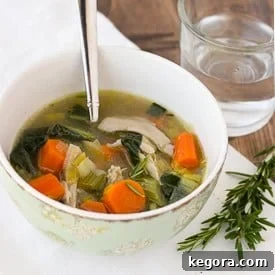
Nourishing Comfort: The Ultimate Healing Roast Chicken and Vegetable Soup
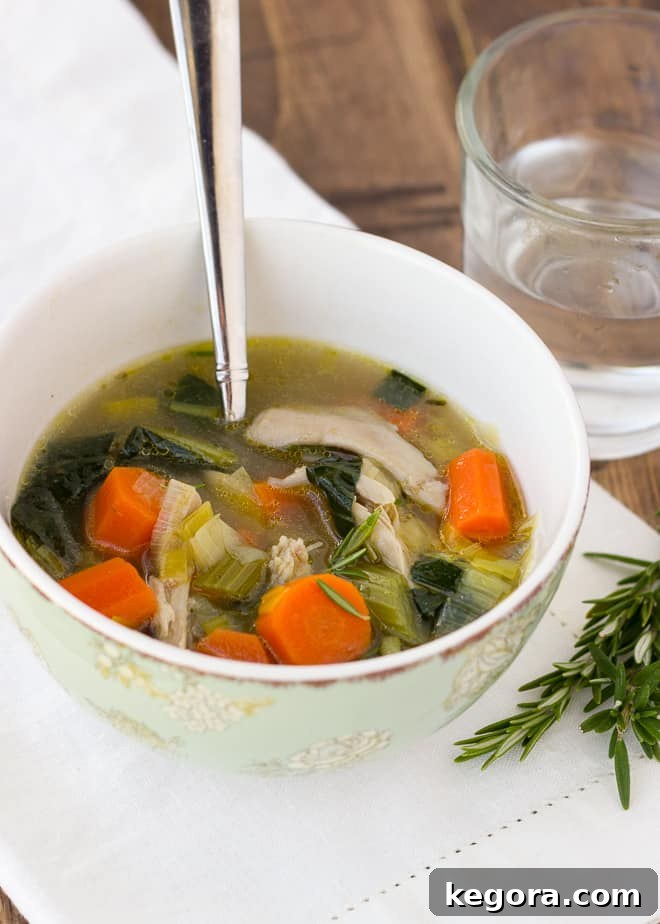
There are few culinary delights as universally cherished and inherently comforting as a perfectly roasted chicken. For many families, including my own, it’s a beloved weeknight tradition, gracing our dinner table multiple times a month. But the joy doesn’t end when the last delicious morsel of meat is savored. In fact, that’s often just the beginning of another equally delightful and incredibly healthful journey: transforming the leftover carcass and bones into a rich, healing chicken and vegetable soup. This isn’t just about reducing food waste; it’s about harnessing the profound nourishing power of a homemade bone broth, creating a soup that truly warms the soul and supports the body from within. If you appreciate wholesome chicken dishes, you might also enjoy exploring this Gluten-Free Chicken Noodle Soup for another comforting option.
The Age-Old Wisdom: Why Chicken Soup Heals
The adage “chicken soup for the soul” isn’t just a quaint saying; it’s a testament to centuries of traditional wisdom recognizing the restorative properties of this simple dish. When you’re feeling under the weather, suffering from a common cold, or simply in need of a comforting boost, your grandmother likely prescribed a bowl of homemade chicken soup. This isn’t mere folklore; modern science increasingly validates what our ancestors instinctively knew about the profound health benefits derived from a slow-simmered, traditional bone stock.
Homemade bone broth, the foundation of this healing soup, is a powerhouse of nutrients. It’s exceptionally rich in amino acids such as glycine, proline, and glutamine, which play vital roles in maintaining optimal health. These amino acids are crucial for supporting a healthy digestive system, aiding in the repair of the gut lining, and promoting nutrient absorption. Furthermore, the gelatin derived from the bones, tendons, and ligaments contributes to joint health and skin elasticity, offering benefits that extend far beyond simple comfort. Regularly consuming bone broth can also significantly strengthen your immune system, helping your body defend against illness and recover more quickly. The abundant minerals like calcium, magnesium, phosphorus, and potassium are easily absorbed, making bone broth an excellent source of essential nutrients. You can delve deeper into the science and benefits of homemade bone broth by reading this informative article on its health benefits.
Crafting a Flavorful and Potent Broth
Beyond its impressive nutritional profile, homemade stock offers an unparalleled depth of flavor that store-bought varieties simply cannot match. The process of simmering chicken bones with aromatic vegetables and herbs for several hours extracts a complex, savory essence that forms the heart of this incredible soup. This flavor profile is, without a doubt, my absolute favorite for any chicken soup. The secret to its richness lies in patiently allowing the ingredients to meld and infuse the water, transforming simple components into a golden, aromatic liquid.
Once your homemade stock has simmered to perfection, typically for 4-6 hours, you’ll strain it, separating the precious liquid from the spent bones and vegetables. This strained stock is then ready to form the base of your actual soup. The next step involves sautéing fresh, vibrant vegetables like leeks, celery, and carrots in a large pot until they soften and their natural sweetness begins to emerge. These humble vegetables not only add delightful texture and color but also contribute their own impressive array of health benefits and healing properties. Leeks are rich in vitamins K and A, celery provides antioxidants and anti-inflammatory compounds, and carrots are famed for their beta-carotene, essential for vision and immune function. Adding a big bunch of nutrient-dense kale at the end infuses the soup with even more vitamins and minerals, making each spoonful a truly wholesome experience.
For the chicken component, you have flexibility. You can effortlessly incorporate any leftover roasted chicken you have on hand, simply shredding or chopping it and adding it to the simmering liquid. Alternatively, if you don’t have leftovers, you can add raw chicken pieces directly to the hot stock and gently poach them until cooked through. This method yields incredibly tender and flavorful chicken. Each time I prepare this soup, I’m struck by its incredible depth and satisfying nature. It’s a meal so delicious and nourishing, I often wish I had double the quantity, truly feeling as though I could enjoy it every single day!
Expand Your Wholesome Soup Repertoire
While this Healing Roast Chicken and Vegetable Soup holds a special place, the world of nourishing soups is vast and inviting. For other excellent options that offer both flavor and comfort, consider exploring a hearty white bean soup or a delicate yet flavorful miso soup with greens and tofu. If you’re craving something with a bit more zest and a comforting kick, this Mexican Chicken Soup is an excellent choice.
For those mindful of specific dietary needs, especially regarding gluten, it’s always good to be informed. You might find this article on whether rotisserie chicken is gluten-free particularly helpful when planning your meals.
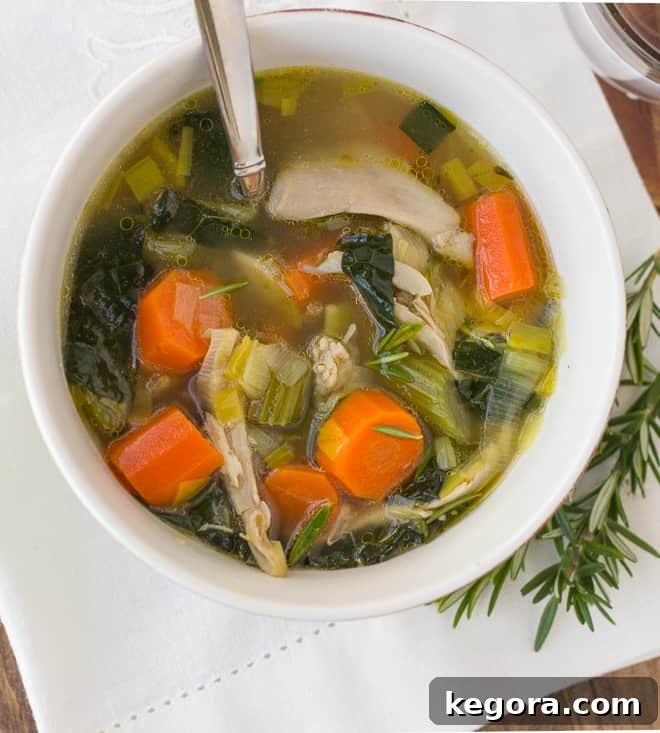
Healing Leftover Roast Chicken and Vegetable Soup {Gluten-Free, Paleo}
Author: Erin Collins
Prep Time: 15 mins
Cook Time: 6 hrs 30 mins
Total Time: 6 hrs 45 mins
Servings: 6 servings
A hearty, yummy, and warming soup that uses leftover roasted chicken to create a deeply nourishing and comforting meal. Perfect for boosting immunity and soothing your gut!
Comments
Print Recipe
Ingredients
For the Stock:
- 1 leftover roasted chicken carcass/bones
- 2 tablespoons apple cider vinegar*
- 1 leek, white and light green parts, washed and roughly chopped
- 1 onion, roughly chopped
- 2 stalks celery, roughly chopped
- 3 carrots, roughly chopped
- A few sprigs fresh herbs (such as thyme and rosemary)
- 1 bunch fresh parsley
- 1 1/2 teaspoons herbamare seasoned salt or regular salt*
- 10 cups of water
For the Soup:
- 2 tablespoons olive oil
- 1 leek, white and light green parts, washed and sliced into half moons
- 3 stalks of celery, cut into chunks
- 3 carrots, cut into chunks
- 1/2 teaspoon pepper
- 2 sprigs fresh thyme
- 1-2 cups leftover roasted chicken, chopped (or 1-2 raw chicken breasts)
- 6 kale leaves, ribs removed and very thinly sliced
Instructions
- Combine all the ingredients for the stock in a large stockpot. Bring to a rolling boil, then immediately reduce the heat to a gentle simmer. As the stock begins to simmer, use a spoon or ladle to carefully skim off any foam or impurities that rise to the surface. Continue to simmer, partially covered, for 4-6 hours. It’s crucial that the pot is only partially covered, allowing some steam to escape, which helps concentrate the flavors.
- To prepare the soup base, heat the olive oil in a separate large pot or Dutch oven over medium heat. Add the sliced leeks, celery chunks, and carrot chunks to the hot oil. Sauté these vegetables, stirring occasionally, until they begin to soften, typically about 5-7 minutes.
- While the vegetables are sautéing, set a fine-mesh strainer over a large, heat-proof bowl. Carefully pour the simmering stock through the strainer to separate the rich liquid from all the solids (bones, herbs, and vegetables used for the stock). You may need to do this in batches. Measure the strained stock. If you have less than 4 cups, add enough water to reach a total of 4 cups. If you have more than 4 cups, simply add all of it to the sautéed vegetables.
- Add the strained stock and any additional water (if needed) to the pot with the sautéed vegetables. Stir in the chopped cooked chicken or raw chicken breasts and the fresh thyme sprigs. Bring the mixture to a gentle simmer and let it cook for 20 minutes, allowing the flavors to meld and the vegetables to become tender. If you added raw chicken, after 20 minutes, carefully remove the cooked chicken breasts, shred them with two forks, and then return the shredded chicken to the soup.
- Finally, add the thinly sliced kale leaves to the soup. Cook for another 5 minutes, or until the kale has wilted and brightened in color. Taste the soup and adjust the seasoning with more seasoned salt or regular salt and pepper as needed. Serve hot and enjoy the comforting, healing goodness!
Notes
- *The addition of apple cider vinegar is more than just for flavor; it’s a critical step in making a truly nutritious stock. The acidity of the vinegar helps to draw out vital minerals, such as calcium and magnesium, as well as collagen and other beneficial compounds from the chicken bones. This process significantly enhances the mineral content and richness of your homemade bone broth, making it a more potent healing elixir.
- *I am a huge fan of herbamare seasoned salt. This unique seasoning blend is crafted from a thoughtful combination of dried herbs and sea salt, imparting an incredible depth of flavor to a wide variety of dishes. While it may seem a bit expensive at first glance, a single bottle is incredibly long-lasting, often seeing me through more than a year of regular use. Its complex flavor profile truly elevates this soup, but feel free to use your favorite sea salt if you don’t have herbamare on hand.
Nutrition (per serving)
Calories: 135kcal | Carbohydrates: 12g | Protein: 7g | Fat: 6g | Saturated Fat: 1g | Cholesterol: 17mg | Sodium: 672mg | Potassium: 328mg | Fiber: 2g | Sugar: 4g | Vitamin A: 10935IU | Vitamin C: 13.3mg | Calcium: 64mg | Iron: 1.5mg
Exploring Variations and Serving Suggestions
One of the beauties of this healing chicken soup is its versatility. While the recipe provides a fantastic base, feel free to get creative with additions and substitutions to suit your taste or what you have on hand. For example, if you prefer a thicker, heartier soup, you could add a quarter cup of rice or a handful of small pasta shapes like orzo or ditalini during the last 15-20 minutes of cooking. Just remember that adding grains or pasta will alter the soup’s carbohydrate content and may absorb more liquid, so you might need to add a splash more broth or water. You could also introduce other vegetables such as diced potatoes, sweet potatoes, green beans, or corn. Fresh ginger or a pinch of turmeric can further enhance the soup’s anti-inflammatory properties and add an extra layer of flavor. For a slightly different herbal profile, consider adding bay leaves to the stock or a sprinkle of fresh dill to the finished soup.
When it comes to serving, this soup is a complete meal in itself, but it pairs wonderfully with a few simple accompaniments. A slice of crusty gluten-free bread or a warm corn muffin is perfect for soaking up every last drop of the flavorful broth. A fresh side salad with a light vinaigrette can provide a refreshing contrast to the rich soup. For an extra touch of freshness, garnish each bowl with a sprinkle of chopped fresh parsley or chives just before serving. This not only adds visual appeal but also a burst of vibrant flavor. Whether enjoyed as a comforting lunch or a nourishing dinner, this soup is sure to satisfy.
Storage Tips for Your Homemade Elixir
Making a large batch of this healing chicken soup is a smart move, as it stores beautifully and provides convenient, healthful meals throughout the week. Once the soup has cooled completely to room temperature, transfer it to airtight containers. It can be safely stored in the refrigerator for up to 3-4 days. The flavors often deepen and improve overnight, making leftovers even more delicious!
For longer storage, this soup freezes exceptionally well. Portion the cooled soup into freezer-safe containers or heavy-duty freezer bags, leaving a little headspace to allow for expansion. Label with the date, and freeze for up to 3 months. When you’re ready to enjoy a bowl, simply thaw the soup in the refrigerator overnight, or gently reheat it from frozen in a saucepan over low heat, stirring occasionally until warmed through. Freezing makes it incredibly easy to have a nourishing, homemade meal ready whenever you need a quick and comforting pick-me-up.
Why This Soup is a Must-Make
In a world where quick fixes and processed foods often dominate, taking the time to prepare a truly wholesome meal like this Healing Roast Chicken and Vegetable Soup offers immense rewards. It’s a testament to the power of simple, natural ingredients and time-honored cooking methods. From the deep, restorative benefits of homemade bone broth to the vibrant nutrition packed into every vegetable, this soup is designed to nurture your body and delight your palate. It’s a delicious way to utilize every part of your roasted chicken, embodying both culinary wisdom and mindful eating. Whether you’re seeking comfort, aiming to boost your health, or simply craving an extraordinarily flavorful meal, this recipe delivers on all fronts.
So, the next time you roast a chicken, resist the urge to discard the bones. Instead, embark on the journey of creating this incredible healing soup. It’s more than just a recipe; it’s an act of self-care and a delicious connection to culinary traditions that have stood the test of time. Your body, and your taste buds, will thank you.